The Astonishing World Inside Your Pores
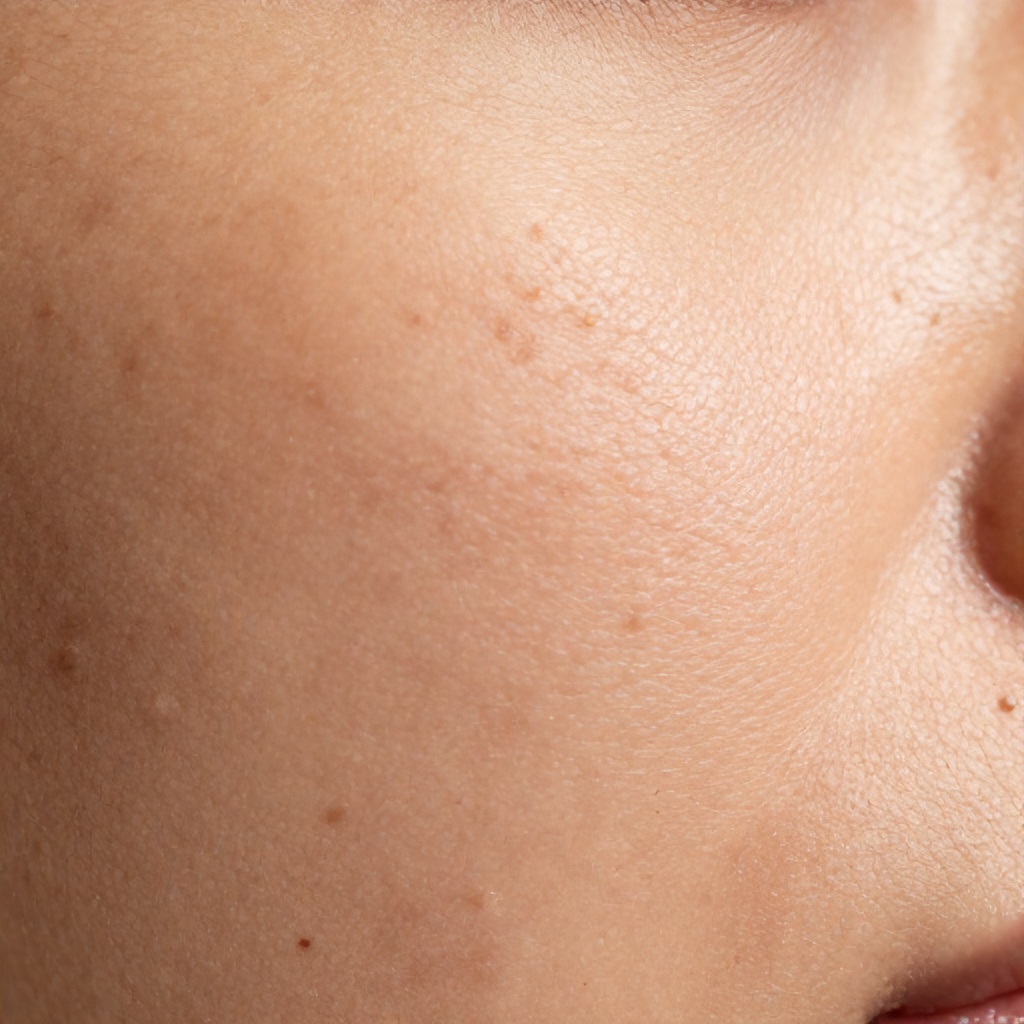
A close-up look at human skin reveals a microscopic landscape, teeming with activity, where blackheads and enlarged pores are just the beginning of a complex story.

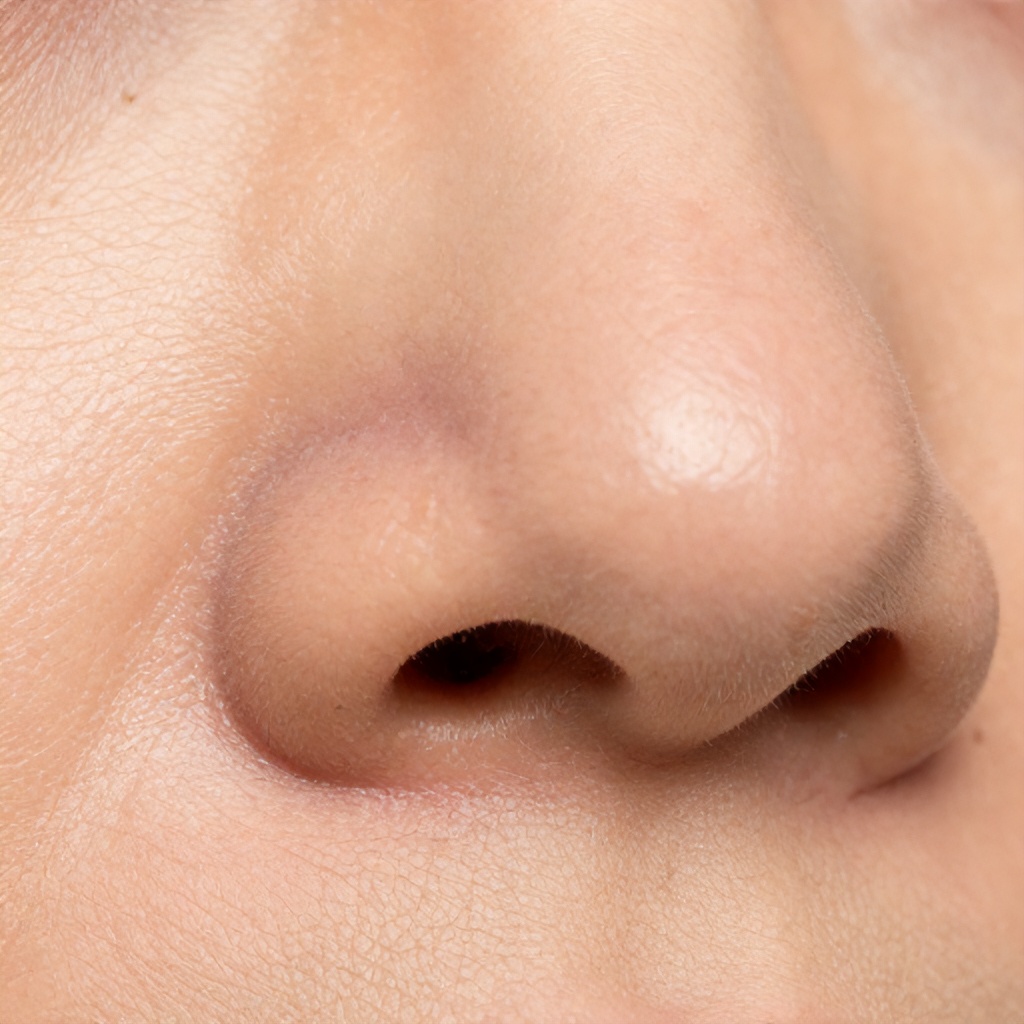
We often think of our skin as a smooth canvas, but zoom in, really zoom in, and you’ll find a vibrant, dynamic ecosystem. Forget the airbrushed perfection of social media; the reality of our epidermal surface is far more intricate and, frankly, fascinating. This isn’t about shame or hiding imperfections; it’s about understanding the incredible biology happening right under our noses, or more accurately, within our pores.
Understanding the Anatomy of a Pore
Each pore on your face is actually the opening of a hair follicle. Think of it as a tiny tunnel leading down to a sebaceous gland. This gland’s job is to produce sebum, an oily substance that lubricates your skin and hair, keeping it moisturized and protected. It’s a vital part of your skin barrier.
This follicular structure is where much of what we perceive as “skin imperfections” originates. The hair follicle, the sebaceous gland, and the sebum it produces all play a role in the appearance of our skin texture and the visibility of our pores. Sometimes, this intricate system gets a bit… congested.
What Exactly Are Blackheads?
Blackheads, or open comedones, are a common skin concern. They aren’t dirt trapped in your pores, as many believe. Instead, they form when a pore becomes clogged with a mixture of sebum and dead skin cells. The “black” color comes from oxidation. When this mixture is exposed to air at the surface of the skin, it undergoes a chemical reaction, turning dark. It’s a visual cue of follicular occlusion.
The process starts with hyperkeratosis, an overproduction and abnormal shedding of skin cells within the follicle. These cells, instead of sloughing off the epidermal surface, start to accumulate. Combine this with the natural sebum production, and you have the perfect recipe for a blockage. The open nature of the pore means this plug is exposed to oxygen, leading to that characteristic dark appearance. This is a key aspect of dermatopathology when examining skin samples.
Sebaceous Filaments vs. Blackheads
It’s easy to confuse blackheads with sebaceous filaments. While they might look similar at first glance, especially on areas like the nose, they are quite different. Sebaceous filaments are a normal part of skin function. They are the tiny, often yellowish or grayish strands that fill the pores, consisting of sebum and a few dead skin cells. They are not a blockage and don’t typically cause skin breakout.
Think of sebaceous filaments as the natural lining of the pore, a testament to healthy sebum production. They become more noticeable when pores are larger or when there’s a slight excess of sebum. Blackheads, on the other hand, are actual blockages, a more significant form of pore congestion. Dermatological imaging can clearly distinguish between the two.
The Culprits Behind Clogged Pores
So, what causes this follicular occlusion and pore congestion in the first place? It’s a combination of factors, and understanding them can help you manage your skin better.
Sebum Production: A Double-Edged Sword
Sebum is essential, but overproduction can lead to problems. Hormonal fluctuations, genetics, and even diet can influence how much sebum your sebaceous glands churn out. When there’s too much oil, it’s more likely to mix with dead skin cells and create a clog. This is a common issue, particularly during puberty or times of hormonal change, impacting facial aesthetics.
The balance of sebum production is delicate. Too little, and your skin becomes dry and prone to irritation. Too much, and you risk clogged pores, blackheads, and potentially inflammatory response leading to acne. Managing this sebum production is a cornerstone of good dermal health.
Dead Skin Cell Buildup (Hyperkeratosis)
Our skin is constantly renewing itself, shedding old cells and replacing them with new ones. Normally, these dead cells are swept away from the epidermal surface. However, sometimes this shedding process doesn’t happen efficiently within the hair follicle. This is where hyperkeratosis comes into play.
When dead skin cells don’t shed properly, they can stick together, forming a plug. This plug, combined with sebum, creates the perfect environment for comedones to form. Exfoliation, both physical and chemical, helps to encourage the removal of these excess dead skin cells, promoting a clearer skin micro-relief.
Bacteria and Inflammation
While blackheads themselves are non-inflammatory, they can be a precursor to acne. The trapped sebum and dead skin cells create an environment where certain bacteria, particularly Propionibacterium acnes (now Cutibacterium acnes), can thrive. When these bacteria multiply, they can trigger an inflammatory response from your body.
This inflammatory response is what turns a simple blackhead into a red, swollen pimple or even a cyst. The body’s immune system rushes to the site to fight the bacteria, causing redness, swelling, and discomfort. This is a critical aspect of understanding skin breakout and its progression.
The Visuals: What Extreme Close-Ups Reveal
When dermatologists or skincare enthusiasts use high-powered magnification, the view is astonishing. Dermatological imaging allows us to see the intricate skin topography in incredible detail.
You can observe the distinct openings of hair follicles, some appearing as small dots, others more prominent. You’ll see the texture of the skin, the fine lines, and the overall skin micro-relief. And then, there are the comedones. Blackheads stand out as dark plugs, sometimes with a slightly raised appearance. You can even see the texture of the sebum and cellular debris within them.
Enlarged pores are also a prominent feature in these extreme close-ups. Their size is often influenced by genetics, age, and the amount of sebum produced. When pores are consistently clogged, the pressure can lead to pore dilation over time, making them appear even larger. This is a common concern for facial aesthetics.
Managing Blackheads and Pore Congestion
Understanding the science behind blackheads and pores is the first step. The next is knowing how to manage them effectively, without resorting to harsh treatments that can damage your skin barrier.
Gentle Cleansing is Key
Daily cleansing is non-negotiable. Use a mild cleanser that effectively removes excess sebum and impurities without stripping your skin. Look for ingredients like salicylic acid (a beta-hydroxy acid, or BHA) which can penetrate oil and exfoliate within the pore, helping to prevent follicular occlusion.
Avoid harsh scrubbing or using very hot water, as this can irritate the skin and potentially worsen inflammation. The goal is to support your skin barrier, not compromise it. Gentle, consistent cleansing is a foundational step for healthy dermal health.
The Power of Exfoliation
Regular exfoliation is crucial for preventing the buildup of dead skin cells that contribute to clogged pores. Chemical exfoliants, like AHAs (alpha-hydroxy acids) and BHAs, are often more effective and gentler than harsh physical scrubs.
- AHAs (like glycolic and lactic acid) work on the surface of the skin to loosen the bonds between dead skin cells.
- BHAs (like salicylic acid) are oil-soluble, meaning they can penetrate into the pores to dissolve clogs from within.
Start with a lower concentration and use them a few times a week, gradually increasing frequency as your skin tolerates it. This helps manage pore congestion and improves skin texture.
Retinoids: A Dermatologist’s Favorite
Retinoids, derived from Vitamin A, are powerful ingredients that can significantly improve skin texture and reduce pore congestion. They work by increasing cell turnover, preventing dead skin cells from clogging pores, and even helping to regulate sebum production over time.
Over-the-counter options like retinol are available, while prescription-strength retinoids (like tretinoin) are even more potent. Start slowly with retinoids, as they can cause initial dryness or peeling. Consistent use, however, can lead to remarkable improvements in skin clarity and a reduction in the appearance of pores and comedones.
Professional Treatments
For persistent or severe pore congestion and blackheads, professional treatments can be highly effective. Dermatologists offer a range of options:
- Facials with extractions: A trained aesthetician can safely extract blackheads and whiteheads.
- Chemical peels: Deeper peels can address more significant hyperkeratosis and pore clogging.
- Microdermabrasion: This physical exfoliation technique can help remove the outer layer of dead skin cells.
- Prescription medications: For acne that involves significant inflammatory response, a dermatologist may prescribe oral or topical medications.
These treatments, combined with a consistent at-home skincare routine, offer a comprehensive approach to managing skin imperfections and achieving clearer, healthier-looking skin.
Embracing Your Skin’s Natural Landscape
Looking at extreme close-ups of skin, with its pores and occasional blackheads, isn’t about finding flaws. It’s about appreciating the incredible biological machinery that keeps us protected and healthy. These microscopic details, the skin topography, are a testament to our body’s constant work.
While managing pore congestion and blackheads is a valid skincare goal for many, it’s also important to remember that a certain degree of visible pores and sebum production is normal and healthy. The goal is balance, not impossible perfection. By understanding the science behind what you see on the epidermal surface, you can make informed choices for your skin’s well-being and embrace its unique, intricate beauty.