
Many plants with mind-altering properties are perfectly legal to cultivate in your garden, even though consuming them or extracting their potent compounds could land you in serious legal trouble or pose significant health risks.

There’s a fascinating, almost hardwired human impulse to explore plants and botanical compounds that affect our perception. Whether you call them psychedelic, psychoactive, or hallucinogenic, these substances have been part of human culture for ages. It might surprise you to learn that a good number of these intriguing plants are actually legal to grow right at home!
Understanding the Legal Landscape of Psychedelic Plants
The distinction between growing a plant and consuming it often confuses people. For many plants containing psychoactive substances, the plant itself is not a controlled substance. This means you can legally purchase seeds or live plants and grow them in your garden, much like any other ornamental or food crop.
However, the moment you attempt to consume parts of the plant, process it, or extract its active ingredients, you could be breaking the law. This legal grey area exists for various reasons. Sometimes, the plant isn’t considered significant enough to warrant legal restriction, or perhaps the law hasn’t caught up with scientific understanding. Other times, the plant might be highly toxic, making consumption a dangerous idea regardless of legality.
It’s absolutely essential to consult local and federal laws before you start cultivating any of these botanical compounds. Laws vary widely from state to state and can change frequently. What’s legal in one area might be strictly prohibited in another. Remember that federal law often supersedes state law, creating complex situations, especially concerning substances like certain plant medicine components.
It’s true: there are many psychedelic plants you can grow, and they’re actually legal to cultivate! This legality often stems from the plant not being widely recognized for its hallucinogenic effects, or perhaps its active components are difficult to extract without specialized knowledge. While growing these mind-altering plants can be a fun horticultural hobby, remember that consuming them or extracting their components is often illegal and potentially very dangerous.
13 Psychedelic Plants You Can Grow (But Not Eat!)
1. Hawaiian Baby Woodrose (Argyreia nervosa)
This beautiful climbing vine is known for its large, heart-shaped leaves and trumpet-like white flowers. It’s a striking addition to any garden, providing lush foliage and attractive blooms.
The psychoactive component in Hawaiian Baby Woodrose is found within its furry seeds, nestled inside distinctive seed pods. These seeds contain LSA (lysergic acid amide), a compound with effects sometimes compared to a milder version of LSD. While the plant itself is generally legal to grow and acquire, extracting these components or consuming the seeds is typically illegal in the United States and many other places. Some people have historically sought a “legal high” by chewing the seeds, but this practice is often legally ambiguous and carries health implications. Always check local restrictions before considering any form of consumption.
You can easily find seeds or small plants for sale online or at specialty nurseries. Growing them is straightforward; they thrive in warm climates with plenty of sunlight and a sturdy support structure to climb. Just be clear that you’re growing them for their ornamental beauty, not for their potential psychoactive substances.
2. Ayahuasca Vine (Banisteriopsis caapi)
Ayahuasca is a powerful term that refers both to a specific vine species and to a traditional psychoactive brew made from it, often combined with other plant ingredients. The vine itself is a woody liana native to the Amazon rainforest, known for its twisted, rope-like appearance.
The Ayahuasca brew is famous for its potent hallucinogenic effects, primarily due to the presence of DMT (dimethyltryptamine), a Class I drug in many countries, including the United States. While the brew is illegal due to DMT, the Banisteriopsis caapi vine itself does not contain DMT. Instead, it contains harmala alkaloids, which are MAO inhibitors. These alkaloids become psychoactive when combined with DMT-containing plants, allowing the DMT to be orally active. Growing the Ayahuasca vine as an ornamental plant is often legal, as it does not contain the controlled substance DMT. However, any attempt to process it into a brew or extract its botanical compounds for consumption is strictly prohibited and carries severe legal restrictions.
Cultivating the Ayahuasca vine can be a rewarding challenge for experienced growers. It requires warm, humid conditions and plenty of space to climb. Many enthusiasts grow it for its cultural significance and unique botanical characteristics, not for its role in traditional plant medicine.
3. Morning Glory (Ipomoea violacea)
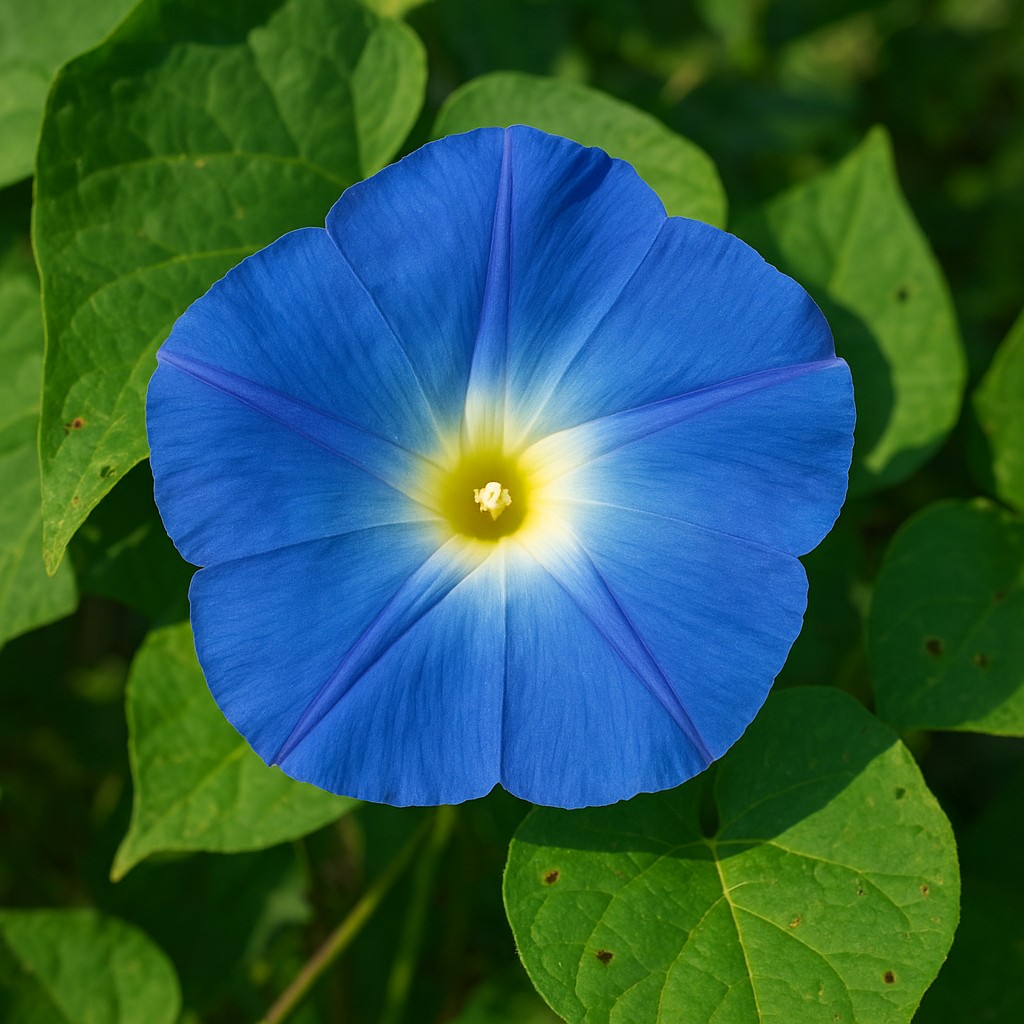
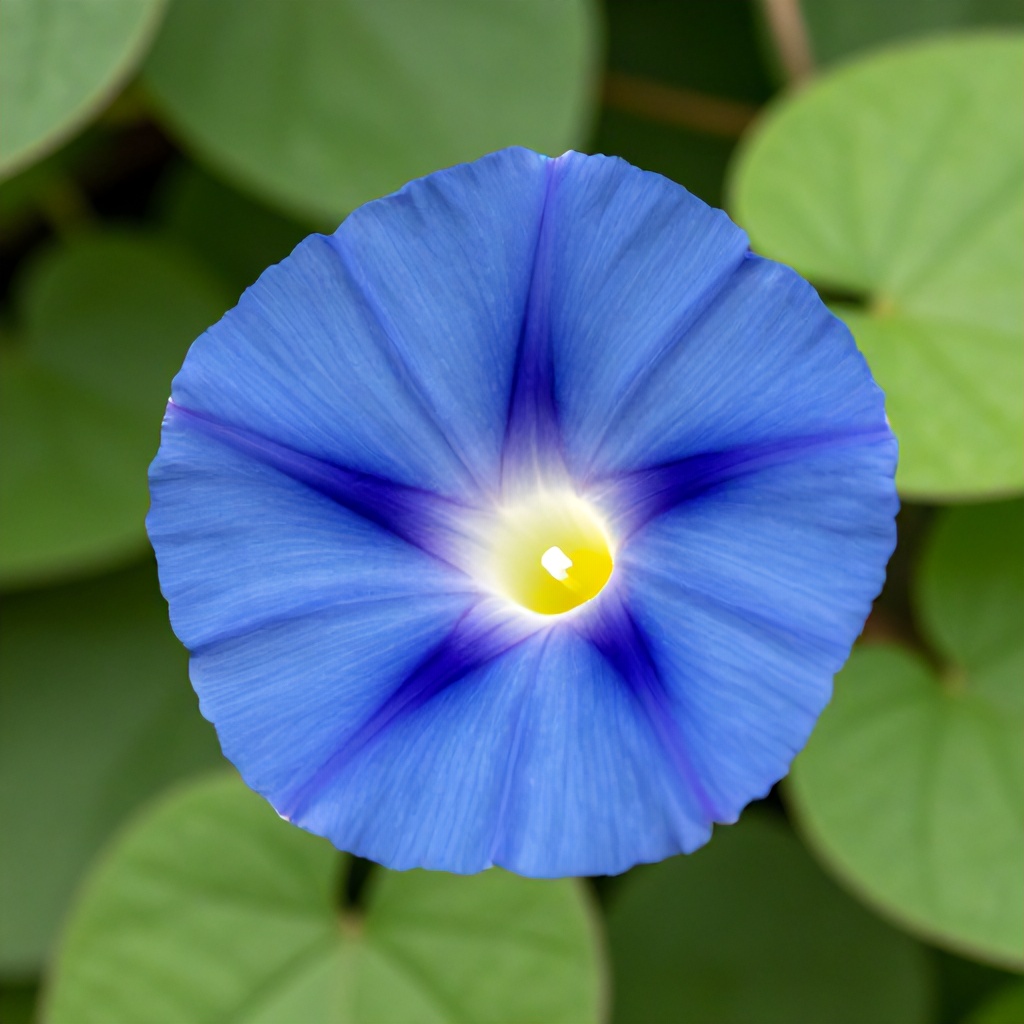
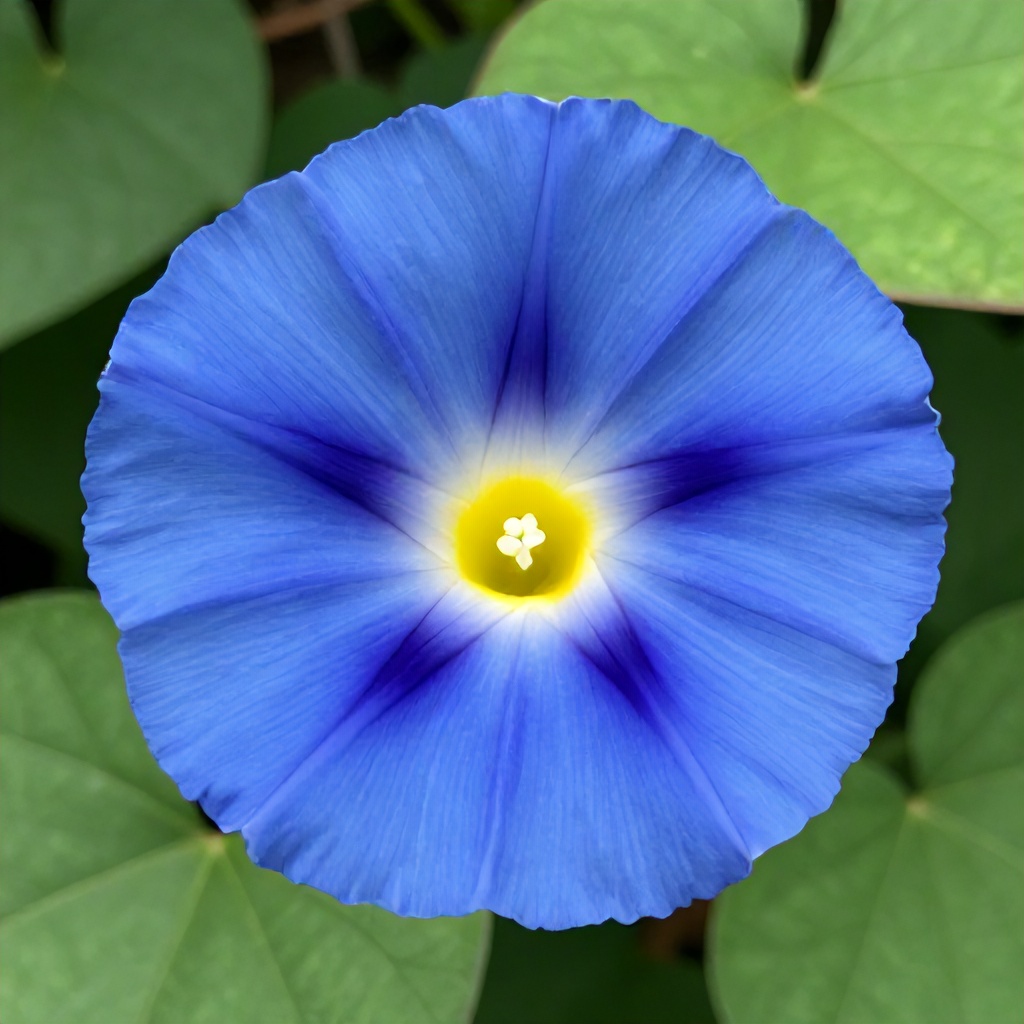
Morning Glory vines are beloved for their vibrant, trumpet-shaped flowers that unfurl with the morning sun. Varieties like ‘Heavenly Blue’ are common in gardens worldwide, adding a splash of color to fences and trellises.
Similar to Hawaiian Baby Woodrose, the seeds of certain Morning Glory varieties contain LSA, a natural psychedelic substance. While the plant is widely available and legal to grow as an ornamental, consuming large quantities of the seeds to experience altered perception is illegal in many places and can be quite unpleasant, often causing nausea and other adverse health implications. Seed packets sometimes contain a denaturing agent to deter consumption, but even untreated seeds are not a safe or recommended way to seek a “legal high.”
These vigorous climbing vines are easy to grow from seed in most climates. They prefer full sun and well-drained soil. Enjoy their beautiful blooms, but keep the seeds out of reach and certainly don’t eat them.
4. Salvia Divinorum
Salvia divinorum is a unique herb native to Oaxaca, Mexico, traditionally used by Mazatec shamans. It has large, oval-shaped green leaves and grows as a perennial in suitable climates.
The plant contains salvinorin A, a potent psychoactive substance that produces intense, short-lived hallucinogenic effects. The legal status of Salvia divinorum is complex and varies significantly. In many jurisdictions, growing the live plant is legal, while possessing or consuming dried leaves or extracts is illegal. This makes it one of the classic examples of a mind-altering plant that is legal to cultivate but illegal to consume. The plant is not federally controlled in the United States, but many states have enacted their own legal restrictions.
Growing Salvia divinorum requires specific conditions, including high humidity and indirect light. It’s often propagated from cuttings. If you choose to grow it, be mindful of local and federal laws regarding its possession and use, and remember that any form of consumption is generally illegal and carries significant risks.
5. San Pedro Cactus (Echinopsis pachanoi)
The San Pedro cactus is a tall, columnar cactus native to the Andes Mountains. It’s a popular ornamental plant, known for its striking appearance and relatively fast growth compared to other cacti.
This cactus naturally contains mescaline, a powerful psychedelic substance that produces strong hallucinogenic effects and altered perception. While mescaline is a Schedule I controlled substance in the United States, growing the San Pedro cactus itself is often legal, provided it’s cultivated purely for ornamental purposes. The legality hinges on intent; if you are growing it with the clear intent to extract or consume the mescaline, you could face legal consequences. This makes it a fascinating example of botanical compounds existing in a plant that is legal to grow.
San Pedro cacti are relatively easy to care for, requiring plenty of sun and minimal water. They can grow quite large over time, becoming impressive specimens in a xeriscape or potted collection. Just appreciate its form and don’t attempt to process it.
6. Datura (Datura stramonium, Datura innoxia, etc.)
Datura, often called Jimsonweed, is a striking plant with large, trumpet-shaped flowers and spiky seed pods. It’s a common sight in wild areas and is sometimes cultivated for its ornamental value, especially its night-blooming varieties.
All parts of the Datura plant contain tropane alkaloids, including scopolamine and atropine, which are potent deliriants. These compounds can cause severe hallucinogenic effects, extreme disorientation, and dangerous physical symptoms. Consuming Datura is incredibly risky and can easily lead to overdose, hospitalization, or even death. While the plant is legal to grow in most places as an ornamental, its high toxicity makes it extremely dangerous to ingest. There are significant health implications for anyone who attempts to use it as a mind-altering plant.
Datura is easy to grow from seed and can become quite large. It tolerates a range of conditions but prefers full sun. Exercise extreme caution if you have this plant, especially around children and pets, due to its highly poisonous nature.
7. Belladonna (Atropa belladonna)
Commonly known as Deadly Nightshade, Belladonna is a perennial herbaceous plant with dull green leaves and bell-shaped purple flowers, followed by shiny black berries. It has a long history in folklore and traditional medicine.
Like Datura, Belladonna contains tropane alkaloids such as atropine, scopolamine, and hyoscyamine. These are extremely potent psychoactive substances that can induce vivid hallucinations, delirium, and profound altered perception. Even a small amount of the berries or leaves can be fatal. Despite its extreme toxicity, the plant itself is generally legal to grow as an ornamental or botanical curiosity in many regions. However, any consumption or extraction of its components is highly dangerous and often illegal.
Belladonna prefers shady, damp conditions and rich soil. It’s a plant for the serious botanical enthusiast, grown with the utmost respect for its dangerous properties. Never, under any circumstances, should any part of this plant be ingested.
8. Opium Poppy (Papaver somniferum)
The Opium Poppy is famous for its beautiful, delicate flowers in shades of white, pink, red, and purple. After the petals fall, it produces distinctive seed pods that are often used in floral arrangements and for culinary poppy seeds.
The milky latex extracted from the unripe seed pods of Papaver somniferum contains powerful alkaloids, including morphine, codeine, and thebaine, which are potent psychoactive substances and the source of opium. While it is legal to grow Opium Poppies for their ornamental flowers or for their edible seeds in many countries, it is strictly illegal to score the pods to extract the latex or process it into opium or other controlled substances. This is a clear case where plant cultivation is permitted, but extracting components is a serious federal offense.
Opium Poppies are easy to grow from seed, preferring full sun and well-drained soil. Enjoy their stunning blooms and use the mature seeds for baking, but never tamper with the seed pods for illicit purposes.
9. Kanna (Sceletium tortuosum)
Kanna is a succulent plant native to South Africa, traditionally used by indigenous people for its mood-altering properties. It forms a low-growing mat of fleshy leaves and produces small, pale yellow flowers.
The plant contains mesembrine alkaloids, which are known to have mild psychoactive effects, often described as mood-lifting, anxiolytic, and sometimes mildly euphoric. Kanna is not federally scheduled in the United States, and growing the plant is generally legal. The legality of consuming or possessing processed Kanna (like fermented powder) can vary by state or local jurisdiction, but the plant itself is usually fine to cultivate. It’s considered one of the less intense mind-altering plants on this list, often used as a natural remedy for stress.
Kanna is a relatively low-maintenance succulent, requiring well-draining soil and plenty of sunlight. It can be grown in pots or as a groundcover in warm, dry climates. If you choose to grow it, understand that its traditional uses involved specific preparation methods, and any consumption should be approached with caution and awareness of local laws.
10. Wild Dagga (Leonotis leonurus)
Wild Dagga, also known as Lion’s Ear, is a beautiful shrub native to Southern Africa, characterized by its vibrant orange, tubular flowers arranged in whorls along the stem. It’s a popular ornamental for its unique blooms and attracts pollinators.
The plant contains leonurine and other alkaloids that are believed to have mild psychoactive effects, often described as relaxing and slightly euphoric when smoked or brewed as a tea. It’s sometimes considered a “legal high” alternative to cannabis in places where cannabis is illegal. Growing Wild Dagga is legal in most parts of the world, as it is not a controlled substance. While consuming it is often not explicitly illegal, it’s important to be aware of potential health implications and local interpretations of laws regarding botanical compounds used for altered perception.
Wild Dagga is easy to grow in full sun and well-drained soil, tolerating drought conditions once established. It makes an excellent addition to a pollinator garden. Enjoy its striking appearance and the wildlife it attracts.
11. Wormwood (Artemisia absinthium)
Wormwood is an aromatic, silvery-green herbaceous perennial with finely divided leaves and small, yellowish-green flowers. It’s famously known as a key ingredient in the alcoholic beverage absinthe.
The plant contains thujone, a chemical compound that, in high doses, can have psychoactive effects and is believed to contribute to the unique experience associated with traditional absinthe. While growing Wormwood is perfectly legal and common in herb gardens for its historical and culinary uses, extracting thujone or producing absinthe for consumption can be subject to strict regulations. The concentrated forms of thujone are controlled in many places, and homemade absinthe can be dangerous due to improper distillation and unknown concentrations of botanical compounds.
Wormwood is easy to grow in full sun and well-drained soil. It’s a hardy plant that adds an interesting texture and aroma to the garden. Use it for its traditional medicinal properties or as a decorative herb, but steer clear of attempting to create your own potent beverages from it.
12. Blue Lotus (Nymphaea caerulea)
The Blue Lotus is an aquatic plant with stunning blue, star-shaped flowers that float on the water’s surface. It has a rich history, depicted in ancient Egyptian art and used in traditional ceremonies.
This beautiful lily contains nuciferine and aporphine, alkaloids that are believed to have mild sedative and euphoric psychoactive effects, often described as relaxing and slightly dream-like. While not a strong hallucinogen, it can induce a subtle altered perception. Growing Blue Lotus in a pond or water garden is legal in most places, as it’s considered an ornamental aquatic plant. The legality of consuming it as a tea or extract is generally less restricted than for many other plants on this list, but it’s always wise to check local legal restrictions and be aware of potential health implications.
Growing Blue Lotus requires a pond or large water-filled container in a sunny spot. Its elegant flowers are a beautiful addition to any water feature. Enjoy its beauty and historical significance responsibly.
13. Syrian Rue (Peganum harmala)
Syrian Rue is a hardy perennial shrub with deeply cut leaves and small, greenish-white flowers, followed by distinctive round seed pods. It’s native to the Mediterranean region and parts of Asia.
The seeds of Syrian Rue are rich in harmala alkaloids, including harmine and harmaline. These compounds are potent MAO inhibitors, meaning they can prevent the breakdown of certain neurotransmitters in the brain. While not directly hallucinogenic on their own, they are psychoactive and can potentiate the effects of other psychedelic substances, particularly DMT. Growing Syrian Rue is generally legal as an ornamental plant. However, extracting its components or consuming the seeds with the intent to alter perception, especially in combination with other substances, can be illegal due to its role as a precursor or potentiator for controlled substances. This highlights the complexity of legal restrictions around botanical compounds.
Syrian Rue is drought-tolerant and thrives in full sun and well-drained soil, making it suitable for arid gardens. Cultivate it for its unique appearance, but be extremely cautious about any attempts to process or consume its seeds due to their potent pharmacological activity and legal implications.
Cultivating Responsibility and Awareness
The world of plants is incredibly diverse, offering a wealth of botanical compounds that interact with the human body in fascinating ways. Many of these psychedelic plants are beautiful, interesting, and perfectly legal to grow as part of your garden or indoor plant collection. They offer unique textures, vibrant colors, and a connection to ancient traditions.
However, the crucial takeaway is the distinction between cultivation and consumption. While you might legally grow these mind-altering plants, attempting to ingest them or extract their psychoactive substances often crosses a legal line and, more importantly, can pose severe health implications. Always prioritize your safety and stay informed about local and federal laws regarding these specific plant species and their derivatives.
Approach plant cultivation with curiosity and respect, understanding the full scope of what you are growing. Enjoy the beauty and wonder of these plants responsibly, keeping in mind that their true value often lies in their ornamental appeal and their place in the natural world, rather than any potential for altered perception.