
Finding effective ways to shrink pimples quickly and gently is possible with a few targeted natural remedies that soothe skin and reduce inflammation, offering relief from sudden breakouts without harsh side effects.

Gentle Solutions for Stubborn Breakouts
Waking up to a painful bump on your face can derail your day, especially when you have an important event. Many people, myself included, have spent years searching for quick fixes that don’t leave skin irritated or flaky. While no remedy offers instant magic, there are natural approaches that truly help reduce swelling, calm redness, and shrink the breakout itself. These methods focus on healing your skin rather than stripping it, which is especially good for acne-prone skin.
The remedies shared here are simple, relying on ingredients you might already have or can easily find. They offer a kinder way to manage blemishes, helping your skin recover without making things worse. If your skin feels sensitive, tired, or just needs a break from aggressive treatments, these natural solutions can provide real comfort and visible improvement.
1. Tea Tree Oil: Your Go-To for Urgent Blemishes
When a deep, painful bump starts to emerge, threatening to settle in for days, tea tree oil is often the first thing to reach for. It possesses strong antibacterial properties, directly targeting the bacteria responsible for many breakouts. This isn’t just about drying out the surface; it’s about addressing the root cause.
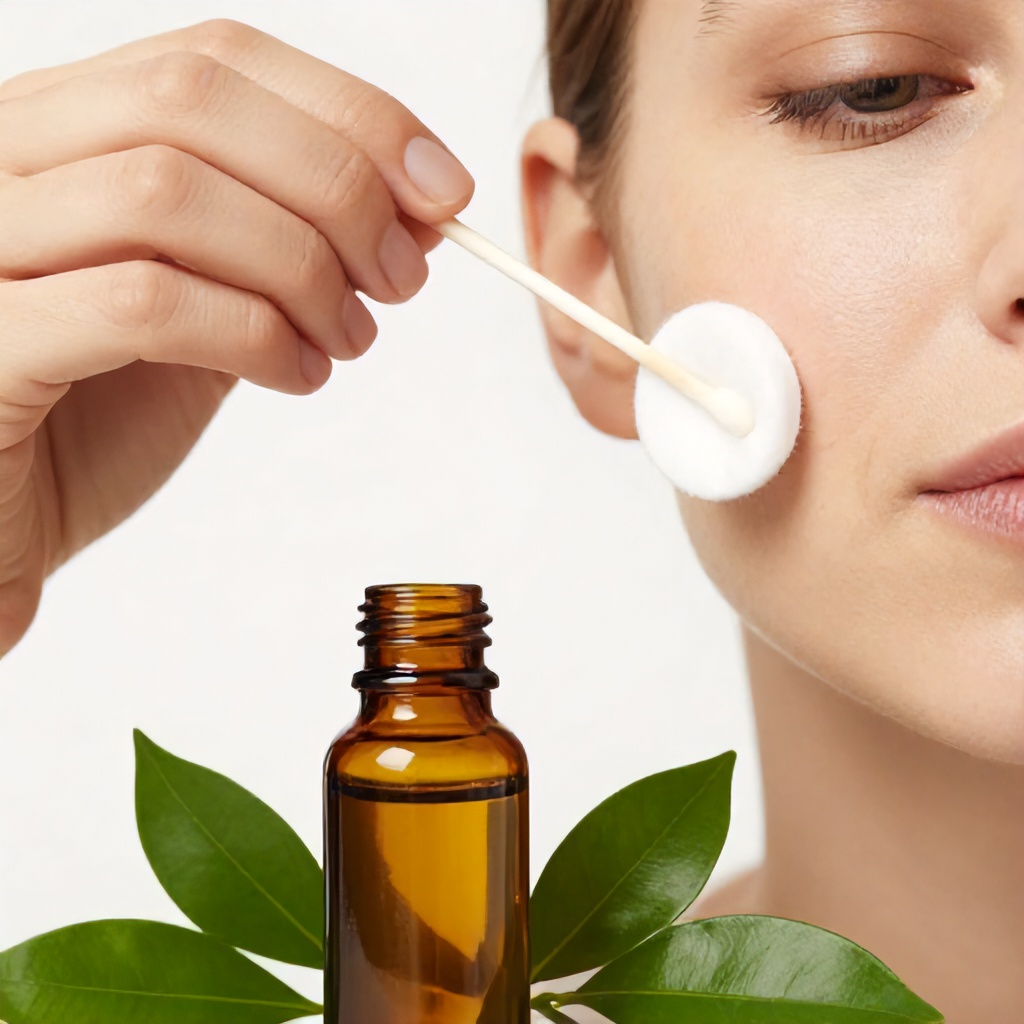
However, it’s crucial to use tea tree oil correctly. Applying it undiluted can cause significant irritation, leading to dry patches and peeling skin. Always mix it with a gentle carrier oil before applying it to your skin.
- What to do: Combine 2-3 drops of pure tea tree oil with a small amount of a carrier oil like jojoba oil or almond oil.
- How to apply: Dab this diluted mixture onto the pimple using a clean cotton swab.
- Wait and Rinse: Leave it on for about an hour, then gently rinse the area with water and pat it dry.
- Frequency: You can repeat this spot treatment once a day. Remember, consistency is key, but overdoing it won’t speed up the process and might irritate your skin.
2. Argan Oil: Healing Without Drying
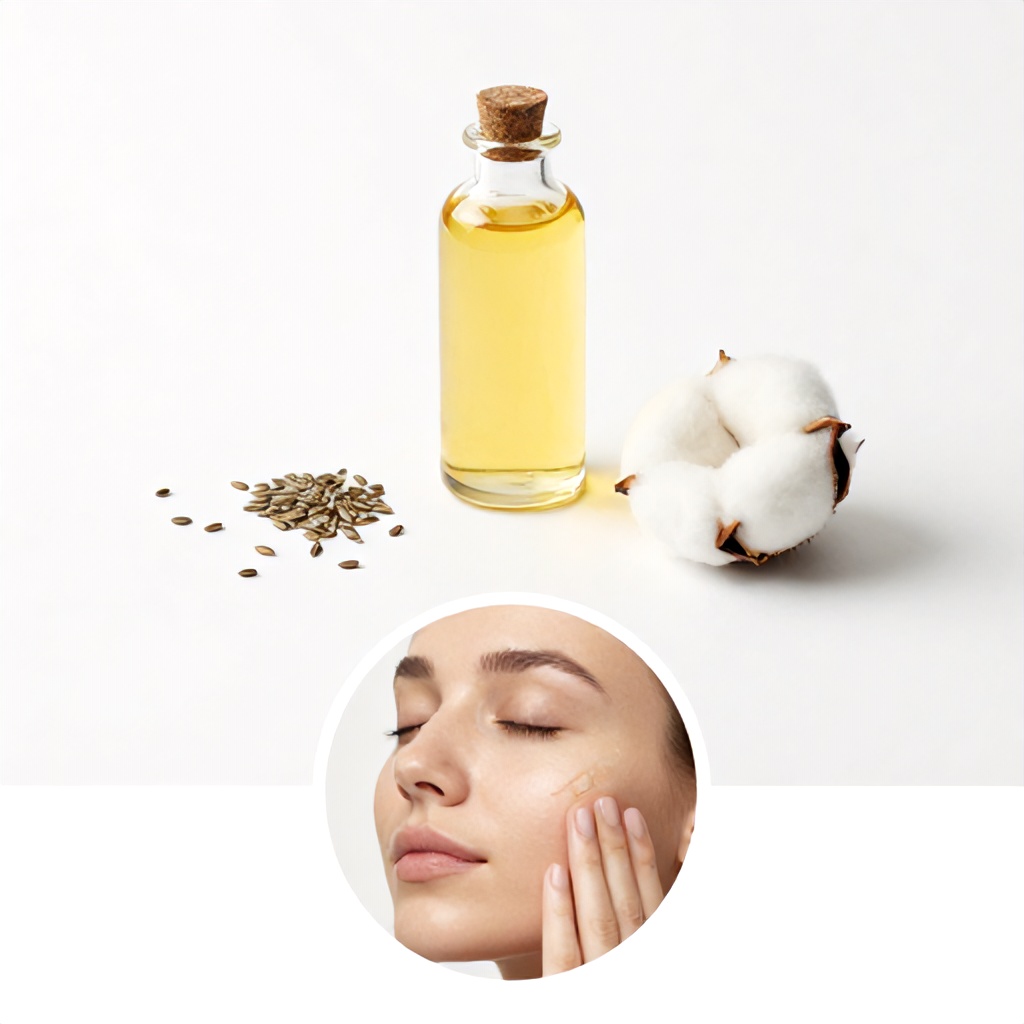
Many people with acne-prone skin believe that all oils are bad and should be avoided. This often leads to over-cleansing and harsh treatments that strip the skin, ironically making breakouts worse. Argan oil challenges this idea because it doesn’t clog pores. Instead, it works to soothe skin and aid in its recovery.
Rich in beneficial compounds like tocopherols and natural Vitamin E, argan oil has antibacterial ingredients that help reduce swelling and redness without causing tightness or flakiness. It’s a fantastic option for gentle skincare, especially when you want to heal skin without the typical drying effects of other blemish treatments.
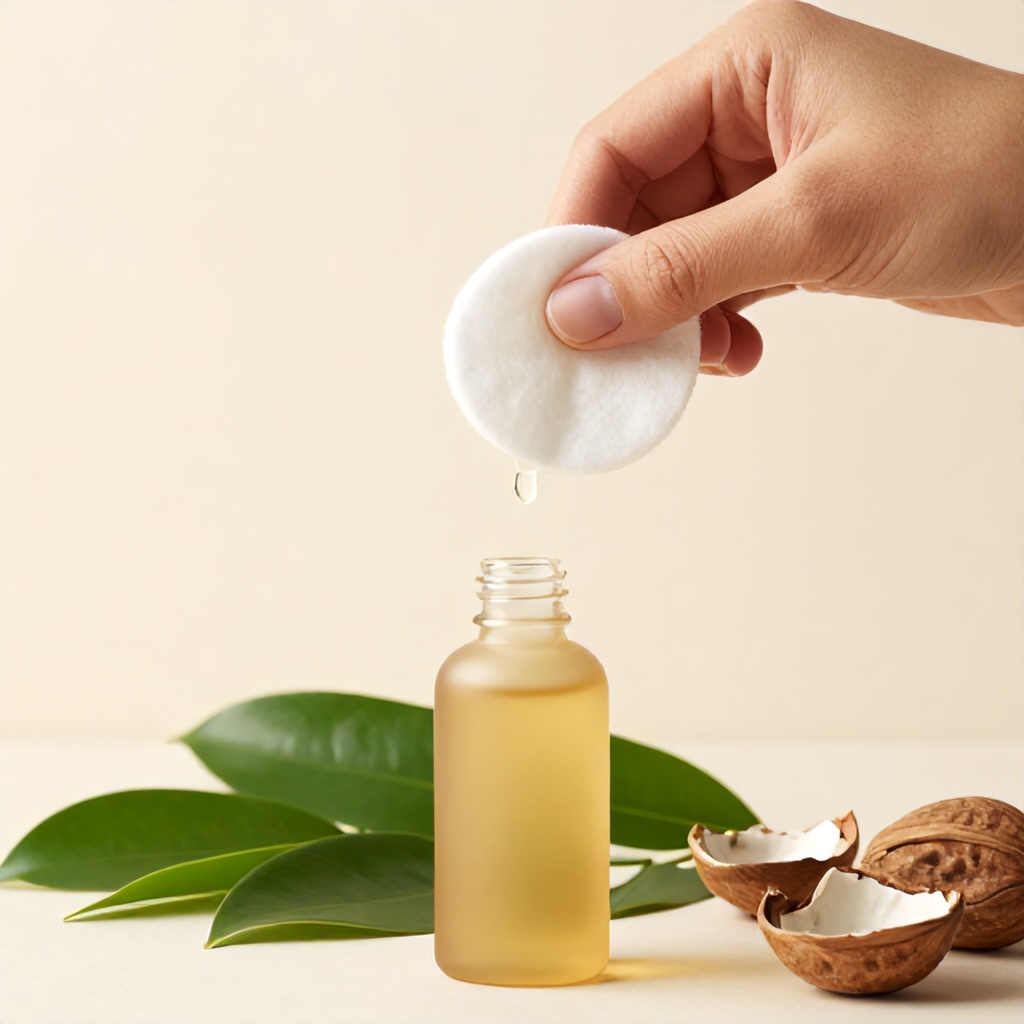
- How to use it: After cleansing your face, apply just 2-3 drops of pure argan oil to your fingertips.
- Application: Gently massage it into your entire face, or focus on areas prone to breakouts.
- Frequency: Use it once or twice daily. Its lightweight nature makes it suitable for both morning and evening routines.
3. Aloe Vera: The Soothing Skin Healer
Aloe vera is well-known for its incredible soothing properties, making it an excellent natural remedy for irritated skin and breakouts. Its gel contains compounds that help reduce skin inflammation and promote healing, which is exactly what you need when dealing with painful bumps.
Unlike some harsher ingredients, aloe vera is gentle, hydrating, and won’t contribute to dry patches. It works by calming the skin and supporting its natural repair processes, making it a great addition to any gentle skincare routine, especially for sensitive acne-prone skin.
- Application: Extract fresh gel directly from an aloe vera leaf or use a pure, store-bought aloe vera gel (ensure it has no added alcohol or fragrances).
- How to apply: Dab a small amount directly onto the pimple or affected area.
- Leave-on treatment: Allow it to sit for 20-30 minutes, or even overnight, then rinse with cool water.
- Frequency: Apply 1-2 times daily until the breakout subsides.
4. Honey: Nature’s Antibacterial Balm
Honey isn’t just for sweetening your tea; it’s a powerful natural remedy with impressive antibacterial properties and anti-inflammatory effects. Raw honey, especially Manuka honey, can help shrink pimples by fighting off bacteria and reducing redness and swelling. It also helps to soothe skin, preventing the irritation that often comes with active breakouts.
Its natural humectant qualities mean it draws moisture into the skin, helping to heal skin without causing dryness, which is a common problem with other blemish treatments. It’s a wonderfully gentle way to support your skin’s recovery.
- Preparation: Use a small amount of raw, organic honey.
- Spot Treatment: Apply a tiny dab directly onto the pimple.
- Duration: Leave it on for at least 15-20 minutes, or even longer if you have the time.
- Rinsing: Rinse off gently with warm water.
- Frequency: Use once daily as a targeted spot treatment.
5. Green Tea: An Antioxidant Powerhouse
Green tea is packed with antioxidants, particularly catechins, which have potent anti-inflammatory and antibacterial properties. When applied topically, green tea can significantly reduce skin inflammation and help shrink pimples. It also helps to regulate sebum production, which can be beneficial for acne-prone skin and prevent clogged pores.
Using green tea as a natural remedy is a refreshing way to calm angry breakouts and reduce redness, offering a gentle yet effective approach to blemish treatment. It’s a simple addition to your skincare routine that can make a big difference.
- Preparation: Brew a cup of green tea and let it cool completely. You can also use a used green tea bag.
- Application Method 1 (Liquid): Dip a cotton pad into the cooled tea and gently dab it over your entire face or directly onto individual breakouts.
- Application Method 2 (Tea Bag): Place a cool, damp tea bag directly on a stubborn pimple for 10-15 minutes.
- No Rinse: You don’t need to rinse it off.
- Frequency: Apply 1-2 times daily.
6. Witch Hazel: A Natural Astringent
Witch hazel is a natural astringent derived from the witch hazel plant. It’s often used to reduce redness and inflammation associated with breakouts. It works by tightening pores and removing excess oil from the skin, which can help prevent clogged pores and shrink pimples. It’s a classic natural remedy for minor skin irritations.
When choosing witch hazel, look for an alcohol-free version to avoid excessive drying, especially if you have sensitive or dry patches. A good quality witch hazel can be a valuable part of your gentle skincare approach, helping to soothe skin without harsh chemicals.
- Selection: Opt for an alcohol-free witch hazel toner or extract.
- Application: Apply a small amount to a cotton ball or pad.
- Targeted Use: Gently swipe it over affected areas or individual pimples.
- Frequency: Use once or twice a day after cleansing, before moisturizing.
7. Ice Pack: Instant Inflammation Relief
For those painful bumps that feel swollen and inflamed, an ice pack can provide surprisingly fast relief. The cold constricts blood vessels, immediately reducing redness and swelling. This physical action can help to shrink pimples and lessen the discomfort, especially for cystic or deeply inflamed breakouts.
It’s a simple, drug-free way to calm an angry blemish and is often recommended by dermatologists for initial relief. This method is particularly effective for new, inflamed pimples that haven’t come to a head yet.
- Preparation: Wrap an ice cube in a thin cloth or paper towel. Never apply ice directly to your skin, as it can cause ice burns.
- Application: Hold the wrapped ice cube gently against the pimple for 5-10 minutes.
- Breaks: Remove the ice for a few minutes, then reapply if needed.
- Frequency: Repeat a few times throughout the day as needed to reduce redness and swelling.
8. Diluted Apple Cider Vinegar: pH Balancer and Antibacterial Aid
Apple cider vinegar (ACV) contains acetic acid, which has antibacterial properties that can help fight off acne-causing bacteria. When properly diluted, it can also help to balance the skin’s pH, which is beneficial for acne-prone skin. It’s a potent natural remedy that needs careful handling to avoid irritation.
Using ACV as a blemish treatment can help to shrink pimples and dry them out gently, but it must always be diluted. Undiluted ACV is too strong and can lead to significant dry patches or even chemical burns.
- Dilution is Key: Mix one part raw, unfiltered apple cider vinegar with three parts water (for sensitive skin, use even more water, like 1:4 or 1:5).
- Application: Dip a cotton swab into the diluted mixture and dab it directly onto the pimple.
- Duration: Leave it on for 5-10 minutes, then rinse thoroughly with water.
- Frequency: Start with once a day, and if your skin tolerates it well, you can increase to twice daily.
9. Zinc Oxide Cream: Soothe and Protect
While often found in diaper rash creams, zinc oxide is a powerful skin protectant and anti-inflammatory agent. It works wonders for painful bumps by creating a protective barrier, reducing redness, and soothing irritated skin. Many blemish treatments and sunscreens include zinc oxide for its healing properties.
It’s a fantastic gentle skincare option that helps to heal skin without harsh chemicals, making it suitable for sensitive acne-prone skin. It can also be a great overnight treatment to calm significant skin inflammation.
- Product Choice: Use a simple zinc oxide cream, like a basic diaper rash cream, ensuring it’s free from heavy fragrances or petroleum if possible.
- Application: Apply a small, opaque layer directly onto the pimple before bed.
- Overnight Treatment: Leave it on overnight.
- Morning Routine: Wash it off gently in the morning.
- Frequency: Use as an overnight spot treatment whenever needed.
10. Clay Masks: Deep Clean for Clogged Pores
Clay masks, particularly those made with bentonite or kaolin clay, are excellent for drawing out impurities and excess oil from the skin. This action helps to unclog pores, which is a primary cause of breakouts, and can significantly help to shrink pimples and reduce their size. They are a classic natural remedy for oily and acne-prone skin.
Regular use of a clay mask can improve overall skin texture and help prevent future breakouts by keeping pores clear. It’s a satisfying way to deep clean and soothe skin, leaving it feeling refreshed and less inflamed.
- Preparation: Mix a small amount of bentonite or kaolin clay powder with water (or apple cider vinegar for an extra boost) to form a paste.
- Application: Apply a thin layer over your entire face, or use it as a targeted spot treatment on specific breakouts.
- Drying Time: Let it dry for 10-15 minutes, or until it feels tight.
- Rinsing: Rinse thoroughly with warm water, gently massaging to aid exfoliation.
- Frequency: Use 1-2 times a week for overall skin health, or as a spot treatment as needed.
Frequently Asked Questions About Natural Pimple Remedies
How fast do natural remedies shrink pimples?
The speed can vary a lot depending on the remedy and the individual pimple. Some, like ice or tea tree oil, can reduce redness and swelling within a few hours. Others, like honey or aloe vera, might take a day or two to show significant improvement. Consistency is key, and while they don’t offer instant disappearance, they generally work to calm and shrink pimples gently over 24-48 hours.
Can these natural remedies irritate sensitive skin?
Yes, even natural ingredients can cause irritation, especially if used improperly. Tea tree oil and apple cider vinegar, for example, must always be diluted. It’s always a good idea to do a patch test on a small, inconspicuous area of your skin (like behind your ear or on your inner arm) before applying a new remedy to your face. Watch for any signs of redness, itching, or burning. If irritation occurs, discontinue use.
When should I see a dermatologist?
While natural remedies can be very effective for mild to moderate breakouts, it’s important to know when to seek professional dermatologist advice. If you have severe, persistent, or cystic acne that causes painful bumps and scarring, or if your breakouts don’t respond to natural or over-the-counter treatments, a dermatologist can offer stronger solutions and personalized care. They can help you develop a comprehensive skincare routine tailored to your specific needs.
Can natural remedies prevent future breakouts?
Many natural remedies, particularly those that help balance oil production, reduce inflammation, or possess antibacterial properties, can contribute to preventing future breakouts. Ingredients like green tea, argan oil, and clay masks, when used regularly as part of a consistent skincare routine, can help maintain clearer skin and prevent clogged pores. However, prevention often requires a holistic approach, including diet, stress management, and a consistent gentle skincare regimen.
Are these remedies safe to use during pregnancy?
While many natural remedies are generally considered safe, it’s always best to consult with your doctor or a dermatologist before trying any new skincare treatments, especially during pregnancy or while breastfeeding. Some essential oils, like tea tree oil, might be advised against in certain concentrations or during specific trimesters. It’s better to be safe and get personalized medical advice.