
The Areas Your Daily Skincare Routine Is Missing
Your face receives the lion’s share of attention, but your body skin maintenance often stops at the neck. Neglected skin zones like the back of your hands, your elbows, and your feet are frequently left out of your daily hygiene practices. These areas endure constant friction, environmental exposure, and repetitive movement, which accelerates signs of aging and dryness. Shifting your focus to include these overlooked spots ensures better skin integrity and a more consistent approach to dermal health.

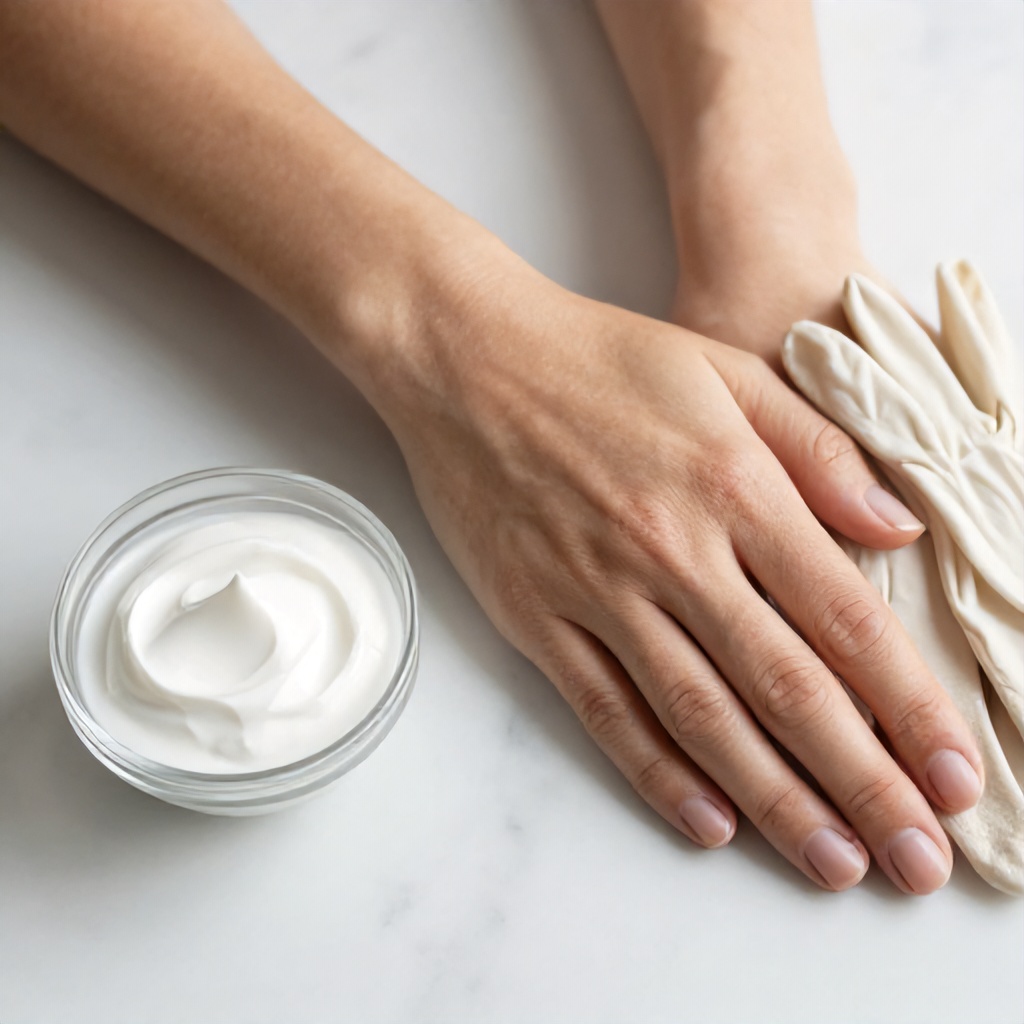
The Backs of Your Hands
Hands are the first place to show age because the skin is incredibly thin and lacks the subcutaneous fat that cushions other parts of your body. You wash them constantly, stripping away natural oils, and they are rarely protected by sunscreen despite being exposed to UV rays all day long. This combination leads to thinning skin, dark spots, and a loss of elasticity that is difficult to reverse once it sets in.
Integrating Hand Care
- Keep a tube of broad-spectrum SPF 30 or higher in your car or purse to reapply after every hand wash.
- Apply a thick, occlusive hand cream immediately after you finish your nighttime skincare regimen to lock in moisture while you sleep.
- Wear gloves when cleaning with harsh chemicals or washing dishes to preserve your skin barrier protection.
The Delicate Skin of the Elbows and Knees
Elbows and knees are high-friction zones. The skin here is thicker, tougher, and prone to hyperpigmentation because it is constantly rubbing against clothing or surfaces. Without regular exfoliation, these areas accumulate dead skin cells, leading to a rough, greyish texture that feels sandpaper-like to the touch. Treating these spots requires a different approach than the soft skin on your cheeks.
Routine Adjustments for Rough Patches
Physical scrubs often prove too harsh for sensitive skin, so look toward chemical exfoliants for skin texture improvement. Ingredients like lactic acid or urea work effectively to break down the buildup of dead cells. Apply these treatments twice weekly, followed by a heavy balm or butter to seal the area. Consistency is the primary factor in softening these joints, so keep your moisturizer within reach of your shower.
The Often Ignored Decolletage
The skin on your chest is structurally similar to the skin on your face, yet it is often ignored during your morning routine. Sun damage, sleep lines, and sagging are common here because the skin is delicate and prone to losing collagen. If you are applying serums or moisturizers to your face, simply extend those same products down to your collarbone.
- Cleanse the area gently during your shower.
- Pat your face serum onto the chest while the skin is still slightly damp.
- Finish with a generous layer of moisturizer and SPF.
The Feet and Heels
Your feet bear the weight of your entire body, yet they are usually the last priority in a skincare education plan. Thick, calloused skin on the heels can crack and become painful if ignored. Proper body surface care for the feet involves more than just a pedicure; it requires daily hydration to maintain the skin’s flexibility.
After showering, dry your feet thoroughly, especially between the toes, to prevent fungal growth. Apply a foot cream containing salicylic acid or urea to soften hardened skin. For an intensive treatment, apply a generous amount of cream before bed and cover your feet with cotton socks. This simple habit creates a micro-environment that allows the skin to absorb moisture deeply, resulting in smoother heels within a few days.
The Back and Shoulders
Acne and congestion are not limited to the face. The back contains many sebaceous glands, making it a prime location for breakouts, especially if you exercise or live in a humid environment. Treating this area requires a strategic approach to daily hygiene practices. If you struggle with back breakouts, switch to a non-comedogenic body wash and ensure you are rinsing your hair conditioner thoroughly so that residue does not sit on your shoulders.
Managing Back Skin Health
- Use a long-handled brush or silicone scrubber to reach difficult spots during your shower.
- Look for body washes containing benzoyl peroxide or tea tree oil if you notice persistent bumps.
- Change your bed sheets and pillowcases weekly to avoid transferring bacteria back onto your skin.
The Importance of Neck Care
The neck is frequently left out of a dermatological care plan, yet it is one of the most visible areas. As you look down at phones or computers, you create horizontal lines that deepen over time. This is often called tech-neck. To combat this, treat your neck as an extension of your face. Every product you use—from your gentle cleanser to your vitamin C serum and your nightly retinol—should be applied in upward strokes toward the jawline.
Why Consistency Matters
Aesthetic skincare is not about a single expensive treatment but rather the accumulation of small, daily actions. When you expand your focus to include these neglected zones, you support your overall cutaneous health. Your skin is your body’s largest organ, and it functions as a single, connected system. By ignoring the skin on your limbs or your back, you create gaps in your preventative skincare that eventually manifest as dryness, irritation, or premature aging.
Start by identifying one area from this list that you currently ignore. Add one specific step to your routine for that area this week. Do not try to overhaul your entire life at once. Once that step becomes a habit, move on to the next zone. This gradual approach makes it easier to maintain your routine long-term, which is the only way to see real, lasting changes in your skin’s appearance and texture.
Choosing the Right Products
You do not need a separate cabinet full of specialized lotions for every inch of your body. In fact, many of the products you already use on your face are perfectly suited for your neck, chest, and hands. If a facial moisturizer is too expensive to use on your entire body, look for fragrance-free, dermatologist-recommended lotions that offer hydration without irritation. Focus on ingredients like ceramides, hyaluronic acid, and glycerin, which support skin barrier protection regardless of where they are applied.
Avoid products with heavy fragrances or essential oils if you have sensitive skin, as these can cause contact dermatitis, particularly on the thin skin of the hands and neck. When you are shopping, look for labels that emphasize pH balance and non-irritating formulas. By keeping your routine simple and focused on high-quality basics, you ensure that your body skin maintenance remains sustainable and effective for years to come.