
Building a Consistent Yoga Routine
A sustainable yoga practice relies on a predictable structure that balances intensity with recovery. You do not need an hour of free time to see results; even fifteen minutes of intentional movement creates a shift in physical tension and mental clarity. Consistent practice depends on knowing exactly which postures to perform so you spend less time deciding and more time moving.

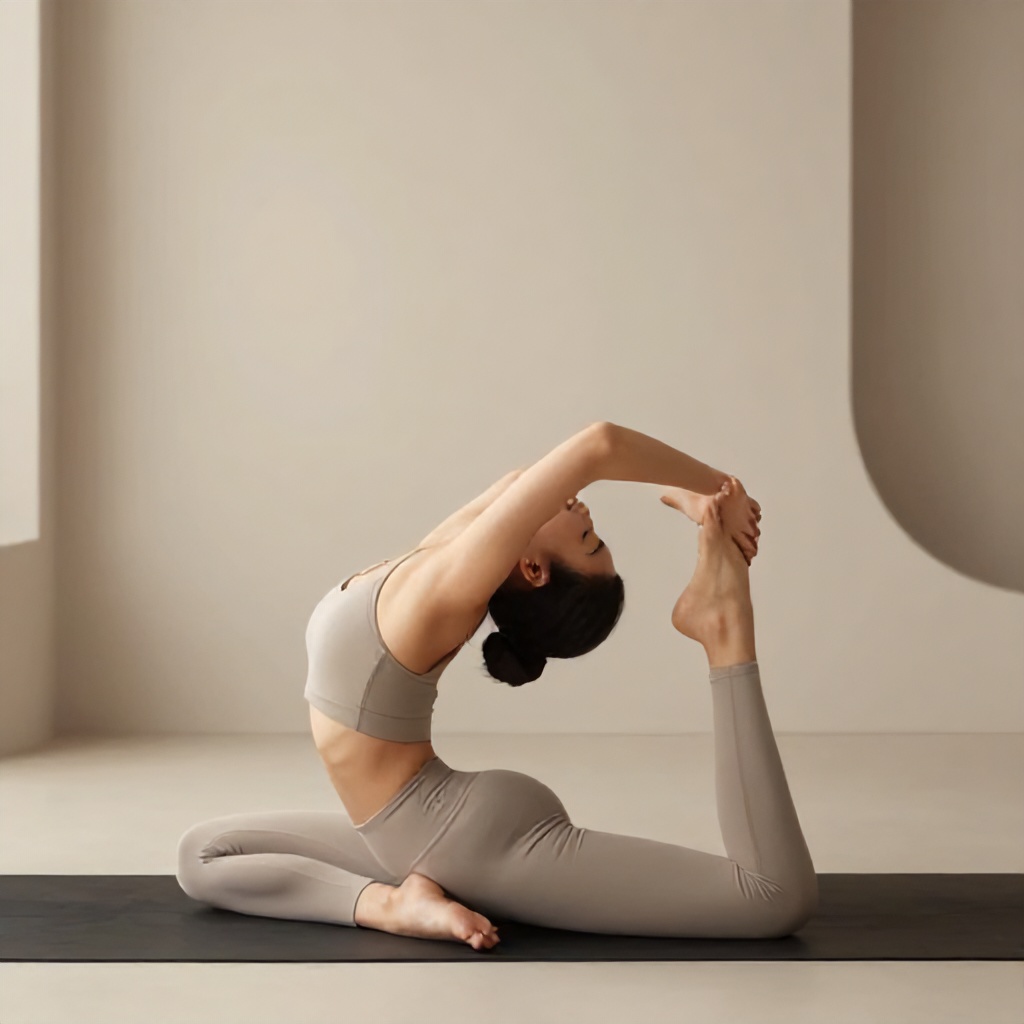
The following sequences prioritize body alignment and functional movement patterns. Whether you are working on flexibility training or simply need to decompress after a long day, these movements serve as a foundational wellness practice.
The Essential Warm-Up Sequence
Every yoga routine should begin by signaling the nervous system that it is time to shift gears. These movements prepare the joints for more demanding postures while increasing blood flow to the muscles. Avoid jumping into deep stretches before your tissues have warmed up.
Joint Mobilization
- Neck rolls: Slowly drop your chin to your chest, then roll your right ear toward your right shoulder. Repeat on the left side.
- Wrist circles: Clasp your hands together and rotate your wrists in both directions to release tension from desk work.
- Ankle rotations: While seated or standing, rotate your feet to wake up the lower extremities.
Spinal Awakening
Start on your hands and knees in a tabletop position. Inhale as you drop your belly toward the floor, lifting your gaze to the ceiling for cow pose. Exhale as you round your spine toward the ceiling, tucking your chin for cat pose. Repeat this cycle five times. This movement establishes a rhythm of meditative movement that connects your breath to your physical exercise.
Hatha Yoga Foundation
Hatha yoga focuses on holding postures to build stability. This style is ideal for those who prefer a slower pace and want to refine their form. You will hold each posture for five to ten deep breaths.
Standing Stability
Mountain pose serves as the blueprint for all standing yoga postures. Stand with your feet hip-width apart, rooting down through all four corners of your feet. Engage your quadriceps and draw your navel toward your spine. Keep your shoulders relaxed away from your ears.
Hip-Opening Focus
Step your feet wide apart, turning your right foot out ninety degrees. Bend your right knee until it stacks directly over your ankle. Extend your arms parallel to the floor, gazing over your right hand. This warrior two pose strengthens the legs while opening the hips. Ensure your front knee does not collapse inward. If you feel strain, shorten your stance.
Vinyasa Flow for Energy
Vinyasa flow links movement with breath, creating a heat-building experience that improves stamina. This sequence is effective for those who view yoga as an athletic yoga practice. Keep your transitions smooth, moving on the exhale or inhale as indicated.
Sun Salutation Basics
- Begin in mountain pose.
- Inhale and reach your arms overhead.
- Exhale, fold forward at the hips, keeping a slight bend in your knees.
- Inhale, lift halfway up with a flat back.
- Exhale, step or jump back into a plank position.
- Lower your body toward the floor, keeping elbows tucked close to your ribs.
- Inhale, lift your chest into upward-facing dog.
- Exhale, press back into downward-facing dog.
Managing Intensity
If you find your breath becoming jagged or short, you are likely pushing too hard. Slow down. The goal of a vinyasa flow is to maintain a steady, rhythmic breathing pattern throughout the entire yoga sequence. If you cannot breathe through your nose, back off the intensity of the postures.
Restorative Closing Sequences
Ending a yoga practice with stillness is just as important as the active portion. These poses help transition the body back to a resting state, lowering the heart rate and calming the mind.
Seated Forward Fold
Sit with your legs extended straight in front of you. Inhale to lengthen your spine, then exhale as you hinge from your hips to reach toward your shins or toes. Do not force your nose to your knees. Focus on keeping your back relatively straight rather than rounding your shoulders to reach further. This pose provides a gentle stretch for the hamstrings and lower back.
Legs-Up-The-Wall
Lie on your back and scoot your hips as close to a wall as possible. Extend your legs straight up the wall, resting your arms by your sides. Close your eyes and remain here for three to five minutes. This position uses gravity to assist with circulation and is a highly effective tool for recovery after a long day of standing.
Safety Guidelines for Daily Practice
Understanding your personal limits is the most important part of any yoga discipline. Pain is not a sign of progress. If you feel sharp, shooting sensations or joint discomfort, exit the posture immediately.
Proper Body Alignment
Alignment is not about looking like the pictures in a yoga tutorial. It is about stacking your joints to protect them from unnecessary stress. For example, in any lunge, your knee should track directly over your ankle, not drift past your toes. If you are unsure about your form, practice in front of a mirror or record a short video to check your positioning.
When to Modify
- Use blocks under your hands if you cannot reach the floor comfortably during a forward fold.
- Place a folded blanket under your knees for extra cushioning during kneeling poses.
- Keep a strap nearby if you struggle to reach your feet during seated stretches.
Avoiding Common Mistakes
Do not hold your breath to get deeper into a stretch. Holding your breath triggers a stress response in the body, which causes muscles to tighten rather than release. If you find yourself gasping, you have gone too far. Back off until you can breathe easily again. Consistency beats intensity every single time. A ten-minute session practiced daily is superior to a two-hour session practiced once a month.
Integrating Mindfulness
Yoga is often described as a meditative movement because it requires your full attention. When your mind wanders to your to-do list, gently bring your focus back to the sensation of your feet on the mat or the sound of your breath. This mental training is a core component of a well-rounded yoga routine.
You might choose to set a small intention before you begin, such as focusing on gratitude or simply breathing deeply. This small shift in perspective changes the practice from a physical exercise into a holistic wellness practice that supports your mental health as much as your physical flexibility.
Developing Your Personal Sequence
You are the best judge of what your body needs on any given day. Some days require a gentle, restorative approach, while others might call for a more vigorous vinyasa flow. Keep a small notebook to track which yoga postures feel beneficial and which ones cause discomfort. Over time, this helps you build a custom fitness regimen that evolves alongside your abilities.
Remember that your practice is personal. There is no requirement to master advanced postures to reap the benefits of yoga. The most effective routine is the one you actually enjoy doing. By focusing on the basics of breath, alignment, and consistency, you create a foundation that supports your health for years to come.