Benefits of Reusable Mesh Market Bags for Organic Produce Shopping

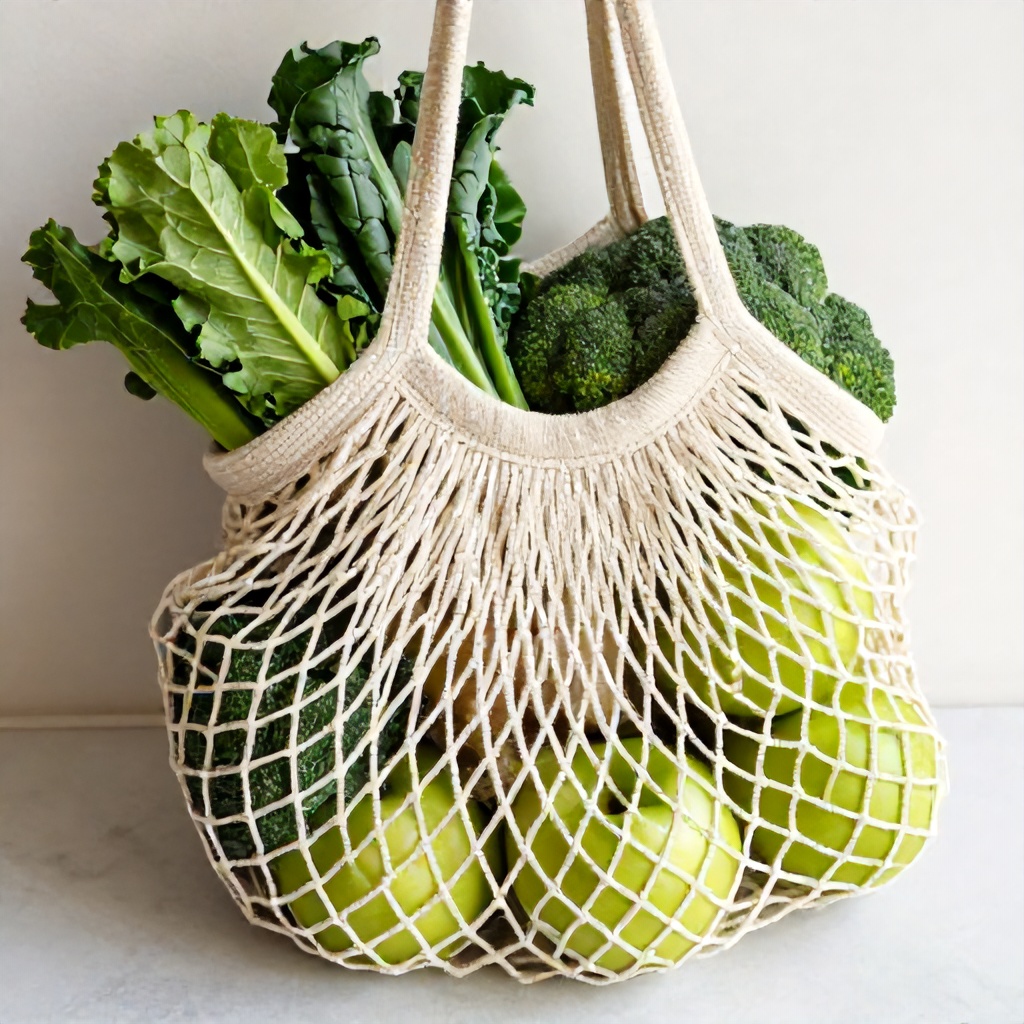
A cream mesh market bag filled with vibrant organic green produce is more than just a picturesque sight; it represents a practical commitment to sustainable shopping and a healthier lifestyle.

The Undeniable Appeal of the Mesh Market Bag

Opting for a reusable bag, especially one made from mesh, offers distinct advantages for anyone who values fresh produce. This isn’t just about reducing plastic waste, though that’s a significant benefit; it’s also about how the bag itself interacts with your green vegetables and fresh fruits.

The open weave of a mesh market bag provides superior breathability for your groceries. Unlike solid totes that can trap moisture and heat, the netting allows air to circulate freely around items like leafy greens, broccoli, and even avocados. This ventilation helps prevent premature wilting and spoilage, keeping your organic produce fresher for longer on the journey home and sometimes even for short-term storage.

Visibility is another key feature. There’s no more digging blindly for that elusive lime or green apple at the bottom of a dark bag. Everything is easily seen, which makes unpacking a breeze and helps you keep track of what you’ve purchased. This transparency also contributes to a minimalist aesthetic, showcasing the natural beauty of your farm-fresh selections.

Despite their airy appearance, these net bags are surprisingly durable. Often crafted from sturdy cotton, they can comfortably carry a substantial load of green groceries without stretching or tearing. They’re also incredibly lightweight and fold down to a tiny size, making them easy to tuck into a purse or pocket so you’re always prepared for spontaneous shopping trips.

Why “Cream” Makes a Difference

The cream color of these mesh market bags isn’t just a design choice; it’s a practical one. This neutral hue complements the natural tones of organic produce beautifully, making your healthy food look even more appealing. It projects a clean, natural living vibe that aligns perfectly with eco-friendly choices.

A cream bag also offers versatility. It doesn’t clash with any outfit or other shopping accessories, making it a reliable companion for every trip to the farmers market or grocery store. While it might seem prone to showing dirt, cotton mesh bags are typically machine washable, making maintenance simple and ensuring your shopping bag always looks fresh.

Embracing Organic Green Produce for Health and Planet

Filling your mesh market bag with organic green produce is a powerful choice for both personal wellness and environmental stewardship. Organic farming practices avoid synthetic pesticides and fertilizers, which means fewer harmful chemicals in your food and in the ecosystem. This commitment to healthy food is a cornerstone of a sustainable lifestyle.

The taste and quality of farm-fresh organic produce are often unparalleled. When you pick up vibrant green vegetables like crisp broccoli florets, plump avocados, or juicy green apples, you’re getting food that’s typically harvested closer to its peak ripeness. This translates to richer flavors and higher nutritional value, providing essential vitamins and minerals.

Consider the bounty of green options: nutrient-dense leafy greens such as spinach and kale, versatile zucchini, tart limes for refreshing drinks or culinary zest, and the ever-popular avocado, perfect for healthy fats. Each item contributes to a balanced diet and supports local, sustainable agriculture when sourced mindfully.

Making Sustainable Shopping a Habit

The act of using a reusable bag is a fundamental step in plastic-free shopping. Every time you choose your mesh market bag over a single-use plastic alternative, you’re directly reducing waste that pollutes our landfills and oceans. This simple swap is a tangible expression of conscious consumerism.

Beyond the main shopping bag, consider smaller, dedicated produce bags for bulk items or delicate green vegetables. These mini net bags allow you to weigh your items without plastic, keeping your entire trip eco-friendly. It’s about thinking holistically about your shopping habits.

Sustainable shopping also extends to where you buy your food. Visiting local farmers markets allows you to purchase seasonal produce directly from growers, reducing transportation emissions and supporting community economies. Your net bag becomes a symbol of this connection to local, farm-fresh goodness.

Choosing Your Ideal Mesh Market Bag

Not all reusable bags are created equal. When selecting your mesh market bag, a few factors can enhance its utility and longevity.

  • Material: Organic cotton is a popular choice due to its natural fibers and reduced environmental impact. Conventional cotton is also common, offering durability and breathability. Some bags might use hemp, known for its strength and sustainability.
  • Size and Capacity: Bags come in various sizes. A larger net bag is ideal for a full weekly shop of green groceries, while smaller ones might be perfect for a quick stop for a few limes or a single bunch of leafy greens.
  • Handle Type: Look for comfortable handles that won’t dig into your shoulder or hand when carrying heavy items. Some bags have short handles for hand-carrying, while others feature longer straps for slinging over your shoulder.
  • Construction Quality: Examine the seams and the netting itself. Well-made bags will have reinforced stitching, especially where the handles attach, ensuring they can withstand repeated use and heavy loads.

Maximizing the Utility of Your Net Bag

Your mesh market bag is designed for more than just carrying groceries. With a few simple practices, you can make it an even more integral part of your sustainable lifestyle.

Pre-Shopping Preparation

  1. Make a List: Plan your meals and create a detailed shopping list. This prevents impulse buys and ensures you only purchase what you need, reducing food waste.
  2. Check Your Pantry: Before heading out, quickly scan your refrigerator and pantry to avoid buying duplicates of items like avocados or green apples you already have.
  3. Bring Enough Bags: Estimate how many reusable bags you’ll need for your trip. It’s always better to have an extra net bag than to be caught without one.

Smart Packing Techniques

When loading your shopping bag, a little strategy goes a long way. Place heavier, sturdier items like potatoes or root vegetables at the bottom. Delicate green vegetables and fresh fruits, such as leafy greens, berries, or ripe avocados, should go on top to prevent bruising. The mesh design allows you to easily see where everything is, helping you pack efficiently.

Care and Maintenance for Longevity

To keep your cream mesh market bag looking its best and serving you for years, regular cleaning is important. Most cotton mesh bags can be machine washed on a gentle cycle with cold water. Air drying is recommended to prevent shrinkage and preserve the integrity of the fibers. Avoid harsh bleaches, which can weaken the material and affect the natural color.

Beyond Groceries: Versatile Uses for Your Eco-Friendly Bag

The beauty of a durable, breathable net bag extends far beyond the grocery store. Its minimalist aesthetic and practical design make it suitable for a multitude of purposes, reinforcing its value as an eco-friendly bag in a sustainable lifestyle.

  • Beach or Pool Bag: The mesh allows sand to fall through and wet items to air dry, making it perfect for carrying towels, swimwear, and sunscreen.
  • Toy Storage: Use it to gather and store children’s toys, especially those with small parts like building blocks, allowing for easy visibility and ventilation.
  • Laundry Bag: It can serve as a lightweight laundry bag, particularly for delicates or items that need to be washed separately.
  • Gym Bag: Carry your workout clothes, water bottle, and small accessories. The breathability helps prevent odors from lingering.
  • Everyday Carry-All: For quick errands or carrying books, your reusable bag offers a stylish and practical alternative to single-use options.

The Ripple Effect of Conscious Choices

Choosing a reusable cream mesh market bag for your fresh organic green produce is a small action with a significant impact. It’s a tangible step towards plastic-free shopping, supporting healthy food systems, and embracing a natural living philosophy. Each time you reach for your eco-friendly bag, you’re not just carrying groceries; you’re carrying a commitment to a more sustainable lifestyle and a healthier planet. It’s about making thoughtful choices that resonate through your daily routine, from the farm-fresh items you select to the way you carry them home.

Understanding Holistic Wellness: Mind, Body, and Spirit Connection

Holistic wellness means approaching your health from every angle, recognizing that your mind, body, and spirit are deeply connected and influence each other constantly. It’s not just about treating symptoms when they arise, but cultivating a lifestyle that supports your overall well-being and helps you thrive every single day.

Understanding Holistic Wellness

Holistic wellness is a philosophy that views the individual as a whole, rather than a collection of separate parts. This perspective acknowledges that true health extends beyond the absence of illness; it encompasses mental well-being, emotional balance, physical vitality, and even a sense of purpose. When one area is out of sync, it often impacts the others, creating a ripple effect across your entire system. A balanced atmosphere within your life is key to supporting this interconnectedness.

Adopting a holistic approach means making conscious choices in various aspects of your life that contribute to your optimal health. It’s about building a strong mind-body connection, fostering resilience, and nurturing inner peace. This comprehensive view encourages us to look at our daily habits and routines as opportunities to enhance our well-being.

The Pillars of a Healthy Lifestyle

While many elements contribute to holistic wellness, three core pillars stand out for their profound impact: mindfulness, nutrition, and healthy living. Each pillar supports and strengthens the others, creating a powerful synergy that can significantly improve your quality of life. Integrating these elements into your daily routine forms the bedrock of a truly healthy lifestyle.

Mindfulness: Cultivating Presence and Inner Peace

Mindfulness is the practice of being fully present and aware of the current moment, without judgment. It’s about paying attention to your thoughts, feelings, bodily sensations, and the environment around you with an open and accepting attitude. In our busy lives, taking a moment for quiet reflection can bring immense serenity and clarity.

This practice isn’t about emptying your mind or achieving a state of blissful oblivion. Instead, it’s about noticing what’s happening, observing it, and letting it pass without getting caught up in analysis or reaction. Regular practice can lead to profound stress reduction and a greater sense of calm, helping to foster a peaceful atmosphere within yourself.

Benefits of Mindfulness

  • Stress Reduction: Mindfulness helps you respond to stress more effectively, rather than reacting impulsively. It can lower cortisol levels and promote relaxation.
  • Improved Mental Well-being: Regular mindfulness practice can reduce symptoms of anxiety and depression, enhance emotional regulation, and boost overall mood.
  • Enhanced Focus and Clarity: By training your attention, mindfulness improves concentration and cognitive function, making you more present in tasks and conversations.
  • Greater Self-Awareness: You become more attuned to your inner landscape, understanding your patterns of thought and emotion.
  • Better Sleep: Calming the mind before bed can significantly improve sleep quality and duration.

Practical Mindfulness Practices

You don’t need to be a meditation guru to start practicing mindfulness. Simple, accessible techniques can be incorporated into your daily routine.

  1. Mindful Breathing: Sit comfortably, close your eyes if you wish, and simply focus on your breath. Notice the sensation of air entering and leaving your body. When your mind wanders (and it will!), gently bring your attention back to your breath. Even five minutes a day can make a difference.
  2. Body Scan Meditation: Lie down or sit comfortably. Bring your attention to different parts of your body, starting from your toes and moving up to your head. Notice any sensations without judgment. This helps ground you in your physical experience.
  3. Mindful Eating: Before you eat, take a moment to observe your food – its colors, textures, and smells. Eat slowly, savoring each bite, paying attention to the flavors and how your body feels as you chew and swallow. This improves digestion and satisfaction.
  4. Mindful Movement: Practices like yoga or even a slow, conscious walk can be incredibly mindful. Focus on the sensations in your body as you move, the rhythm of your steps, or the feeling of the ground beneath your feet. A meditative pose can be a powerful way to connect with your body.
  5. Creating a Peaceful Environment: Designate a quiet corner in your home for reflection. Even a small space with minimal distractions can become your sanctuary for cultivating inner peace.

Nutrition: Fueling Your Body for Optimal Health

What you eat directly impacts how you feel, both physically and mentally. Nutrition is far more than just counting calories; it’s about providing your body with the essential nutrients it needs to function at its best, supporting everything from your immune system to your mood. Balanced nutrition is a cornerstone of physical well-being.

A holistic approach to nutrition emphasizes whole, unprocessed foods that nourish your body from the inside out. It acknowledges that everyone’s needs are unique, but certain fundamental principles apply to promoting overall health and vitality. Good dietary habits lead to sustained energy and better health outcomes.

Benefits of Balanced Nutrition

  • Increased Energy Levels: Proper fuel prevents energy crashes and keeps you sustained throughout the day.
  • Improved Physical Well-being: Supports healthy weight, strong bones, healthy skin, and robust organ function.
  • Enhanced Mental Clarity and Mood: Certain nutrients are vital for brain health and the production of neurotransmitters that regulate mood.
  • Stronger Immune System: A well-nourished body is better equipped to fight off illness and recover quickly.
  • Disease Prevention: Healthy eating significantly reduces the risk of chronic diseases like heart disease, diabetes, and certain cancers.

Key Principles of Healthy Eating

Adopting balanced nutrition doesn’t require drastic deprivation. It’s about making smart, sustainable choices that become part of your daily routine.

  1. Focus on Whole Foods: Prioritize fruits, vegetables, whole grains, lean proteins, and healthy fats. These foods are rich in vitamins, minerals, fiber, and antioxidants.
  2. Hydration is Key: Drink plenty of water throughout the day. Water is essential for every bodily function, from digestion to temperature regulation.
  3. Mindful Eating Practices: Just like with mindfulness, pay attention to your hunger and fullness cues. Eat slowly, savor your food, and avoid distractions like screens.
  4. Variety Matters: Eat a wide range of colorful fruits and vegetables to ensure you’re getting a broad spectrum of nutrients. Different colors often indicate different beneficial compounds.
  5. Limit Processed Foods: Reduce your intake of sugary drinks, refined grains, unhealthy fats, and foods high in artificial additives. These often provide empty calories and can contribute to inflammation.
  6. Plan Your Meals: Preparing meals and snacks in advance can help you make healthier choices when hunger strikes and avoid reaching for less nutritious options.

Healthy Living: Beyond Food and Thought

Healthy living encompasses the broader lifestyle choices that contribute to your physical and mental well-being. It’s about creating an environment and routine that supports vitality, resilience, and joy. This pillar integrates physical exercise, adequate sleep, social connection, and time in nature to create a truly balanced atmosphere.

This includes more than just what you put into your body or how you manage your thoughts; it’s about how you move, rest, connect, and engage with the world around you. Prioritizing these elements is crucial for sustained optimal health.

Components of a Healthy Lifestyle

  • Regular Physical Exercise: Movement is fundamental for both physical and mental well-being. It strengthens your body, boosts your mood, and improves cognitive function.
  • Quality Sleep: Adequate, restful sleep is non-negotiable for repair, recovery, and mental clarity. It’s when your body and mind truly rejuvenate.
  • Social Connection: Humans are social creatures. Meaningful relationships provide support, reduce feelings of isolation, and contribute to happiness.
  • Time in Nature: Spending time outdoors, especially in a lush green setting, has profound benefits for stress reduction, mood, and creativity.
  • Stress Management: Beyond mindfulness, this includes setting boundaries, engaging in hobbies, and finding healthy outlets for tension.

Practical Steps for Healthy Living

Integrating healthy living practices into your routine can be enjoyable and empowering.

  1. Embrace Physical Exercise: Aim for at least 150 minutes of moderate-intensity activity or 75 minutes of vigorous activity per week. Mix in different types of exercise routines:
    • Cardio: Walking, jogging, swimming, cycling.
    • Strength Training: Lifting weights, bodyweight exercises.
    • Flexibility and Balance: Yoga, stretching, Pilates.

    Find activities you enjoy to make it sustainable.

  2. Prioritize Sleep Hygiene:
    • Stick to a consistent sleep schedule, even on weekends.
    • Create a relaxing bedtime routine.
    • Ensure your bedroom is dark, quiet, and cool.
    • Limit screen time before bed.

    Aim for 7-9 hours of quality sleep each night.

  3. Nurture Relationships: Make time for friends and family. Engage in activities together, offer support, and practice active listening. Strong social bonds are a powerful buffer against stress.
  4. Connect with Nature: Spend time outdoors daily if possible. Take a walk in a park, tend a garden, or simply sit outside and enjoy the fresh air. An outdoor setting, even a small one, can significantly improve mood and reduce stress.
  5. Engage in Hobbies: Pursue activities that bring you joy and allow for creative expression or relaxation. This could be reading, painting, playing music, or anything that helps you unwind and feel fulfilled.
  6. Practice Digital Detox: Regularly unplug from screens. Set boundaries around phone and computer use to allow your mind to rest and engage with the real world.

Integrating the Pillars for Comprehensive Well-being

The true power of holistic wellness lies in the synergy of these pillars. Imagine trying to eat nutritious food while constantly stressed and sleep-deprived; the benefits would be significantly diminished. Similarly, practicing mindfulness without adequate physical activity or proper nutrition would only address part of the equation. These health practices are designed to work together.

When you nourish your body with balanced nutrition, your mind gains clarity and your energy levels support physical exercise. When you engage in physical activity, it helps reduce stress, improves sleep, and can even enhance your ability to focus during mindfulness practices. When you practice mindfulness, you become more aware of your body’s needs, leading to better dietary habits and a greater appreciation for movement and rest.

This integrated approach fosters a strong mind-body connection, where each action positively reinforces the others. It’s a continuous cycle of improvement, leading to greater resilience, vitality, and a profound sense of well-being.

Starting Your Holistic Wellness Journey

Embarking on a holistic wellness journey doesn’t mean overhauling your entire life overnight. Small, consistent steps lead to lasting change. Choose one area to focus on first, perhaps a simple mindful breathing exercise each morning, adding more vegetables to your meals, or committing to a short walk daily. The goal is progress, not perfection.

Listen to your body, be patient with yourself, and celebrate every small victory. Remember, holistic wellness is a lifelong journey of learning, adapting, and growing. By consciously nurturing your mind, body, and spirit, you’re investing in a richer, healthier, and more fulfilling life, moving towards optimal health and inner peace.

Exit mobile version