Debunking Blackhead Myths and Understanding Visible Skin Pores

Visible pores are a completely normal and healthy part of your skin, essential for its function, not a flaw to be erased. Everyone has pores, and their size and visibility are largely determined by genetics, though several factors can make them appear more prominent, often leading to common misunderstandings about their nature and how to care for them.

Understanding Your Pores: More Than Just Openings

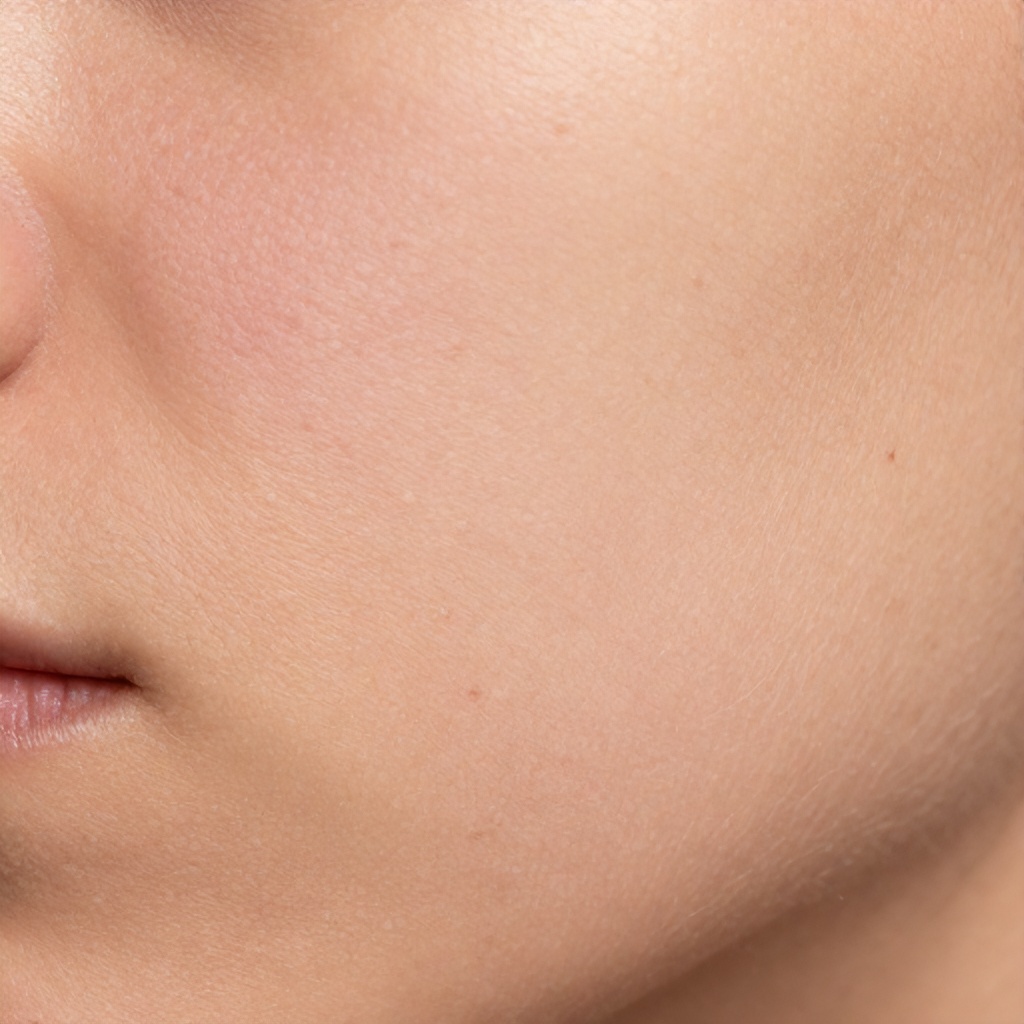
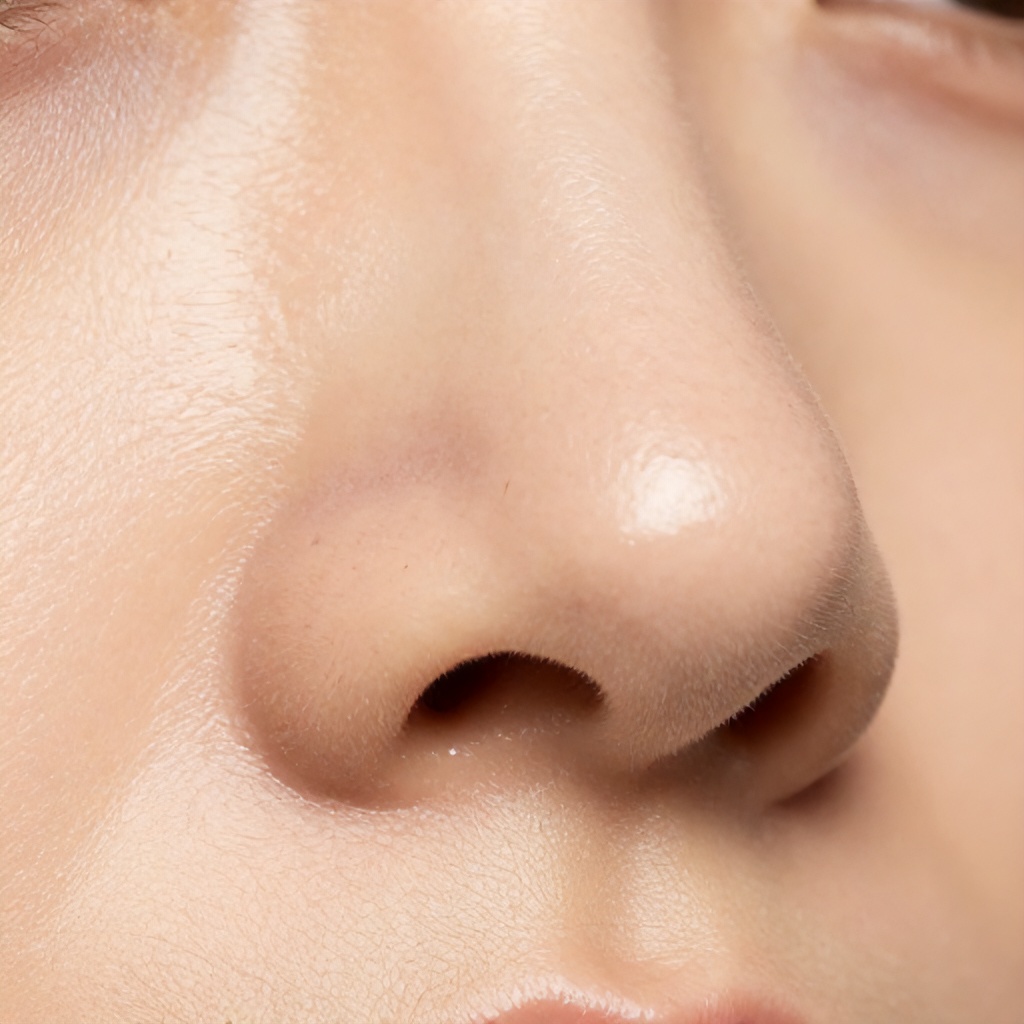
Pores are tiny openings on the skin’s surface, each housing a hair follicle and a sebaceous gland. These small channels allow sebum, your skin’s natural oil, to reach the surface, keeping your skin hydrated and protected from environmental stressors. They are fundamental to dermal health and play a vital role in maintaining your skin’s barrier function. Without pores, your skin couldn’t breathe, regulate its temperature, or lubricate itself properly.

The appearance of these openings can vary significantly from person to person. Some individuals naturally have smaller, less noticeable pores, while others have more visible pores, particularly in the T-zone (forehead, nose, and chin) where sebaceous glands are more concentrated. This natural variation is part of what makes each person’s skin unique.

Why Pores Appear More Visible

While you can’t permanently change the actual size of your pores, several factors contribute to their perceived visibility. Understanding these elements is key to effective pore care and managing your skin complexion.

  • Genetics: Your genes play the biggest role in determining your natural pore size. If your parents have larger pores, chances are you will too.
  • Oil Production: Individuals with oily skin types tend to have more visible pores. Excess sebum can accumulate around the pore opening, making it appear wider. This is particularly common for nose pores, where oil glands are abundant.
  • Sun Damage: Prolonged exposure to UV rays can weaken the collagen and elastin fibers that support the skin around your pores. When these support structures break down, pores can sag and appear larger. This contributes to overall skin texture changes.
  • Age: As we age, our skin naturally loses elasticity and firmness. This loss of structural integrity can cause pores to stretch and become more noticeable over time.
  • Clogged Pores: Accumulation of dead skin cells, dirt, makeup, and excess sebum can clog pores. When a pore is clogged, the material inside can stretch the pore walls, making it look larger and contributing to blemishes and skin issues.
  • Inflammation: Certain skin conditions, including acne, can cause inflammation around the pores, making them appear more prominent and contributing to overall skin concerns.

Debunking Common Blackhead Myths: The Truth About Those Dark Dots

Blackheads are one of the most common skin concerns, yet they are also one of the most misunderstood. Often confused with dirt or other skin conditions, blackheads are a type of comedone, a mild form of acne. Clarifying these blackhead myths is essential for proper skincare knowledge and effective treatment.

Myth 1: Blackheads are Caused by Dirt

This is perhaps the most widespread blackhead myth. Many people believe the dark color of a blackhead means it’s filled with dirt and grime. This simply isn’t true. Blackheads are technically called “open comedones.” They form when a pore becomes clogged with a mixture of sebum (oil) and dead skin cells. The top of this plug remains open to the air. The dark color comes from the oxidation of melanin (pigment) and sebum when exposed to oxygen, similar to how an apple turns brown after being cut. It’s a chemical reaction, not accumulated dirt. Over-scrubbing to remove “dirt” can actually irritate the skin and worsen the problem.

Myth 2: You Can Permanently Shrink Your Pores

The idea of “shrinking” pores is a popular but misleading concept in skincare. Pores do not have muscles, so they cannot open and close, nor can their inherent size be permanently reduced. Products claiming to “shrink” pores often work by temporarily tightening the skin, removing excess oil, or clearing out debris that makes pores appear larger. While these methods can improve pore appearance, they don’t alter the actual structure of the pore. Focus on managing pore appearance and complexion clarity rather than chasing an impossible “shrinkage.”

Myth 3: Harsh Scrubbing and Aggressive Exfoliation Will Get Rid of Blackheads

While exfoliation is important for skin health, aggressive scrubbing or using harsh physical exfoliants is counterproductive for blackheads. Over-scrubbing can strip your skin of its natural oils, leading to irritation, inflammation, and even micro-tears. This can trigger your skin to produce even more oil in response, potentially leading to more clogged pores and more blemishes. Gentle chemical exfoliation is a far more effective and skin-friendly approach to managing visible pores and blackheads.

Myth 4: Pore Strips Are the Best Solution for Blackheads

Pore strips offer instant gratification by visibly pulling out plugs from your pores. However, they are a temporary fix and not a long-term solution for blackheads or overall pore care. These strips primarily remove the superficial, oxidized top layer of the blackhead and sebaceous filaments, along with some dead skin cells and fine hairs. They don’t address the root cause of blackhead formation, which is excess oil production and dead skin cell accumulation. Frequent use can also be irritating, potentially damaging the skin barrier, and may even stretch out the pores over time, making them appear larger. They can be particularly harsh on sensitive skin types.

Myth 5: All Dark Dots in Your Pores Are Blackheads

This is a major point of pore confusion and a common misidentification. Not every dark dot you see in your pores is a blackhead. Many individuals, especially those with oily or combination skin, have what are called sebaceous filaments. Understanding the difference is vital for effective skincare knowledge and avoiding unnecessary treatments.

Understanding Sebaceous Filaments: The Often Misidentified “Blackhead”

Sebaceous filaments are a completely normal and healthy part of your skin’s anatomy. They are often mistaken for blackheads because they appear as tiny, dark dots, particularly on the nose, chin, and forehead. However, their function and composition are distinctly different from actual blackheads.

What Are Sebaceous Filaments?

Sebaceous filaments are tube-like structures that line the inside of your pores. Their purpose is to channel sebum (your skin’s natural oil) from the sebaceous gland up to the skin’s surface to moisturize and protect it. They are composed of a mixture of sebum and dead skin cells, but unlike blackheads, they are not a clog. They are a natural part of your pore structure.

How to Tell the Difference Between Sebaceous Filaments and Blackheads

Distinguishing between the two is crucial for proper skin education and care:

  • Appearance: Sebaceous filaments typically appear as tiny, uniformly sized grey or light brown dots, especially on the nose pores. They often look like small pinpricks. Blackheads, on the other hand, are usually darker, larger, and more irregular in shape, often with a raised or bumpy feel.
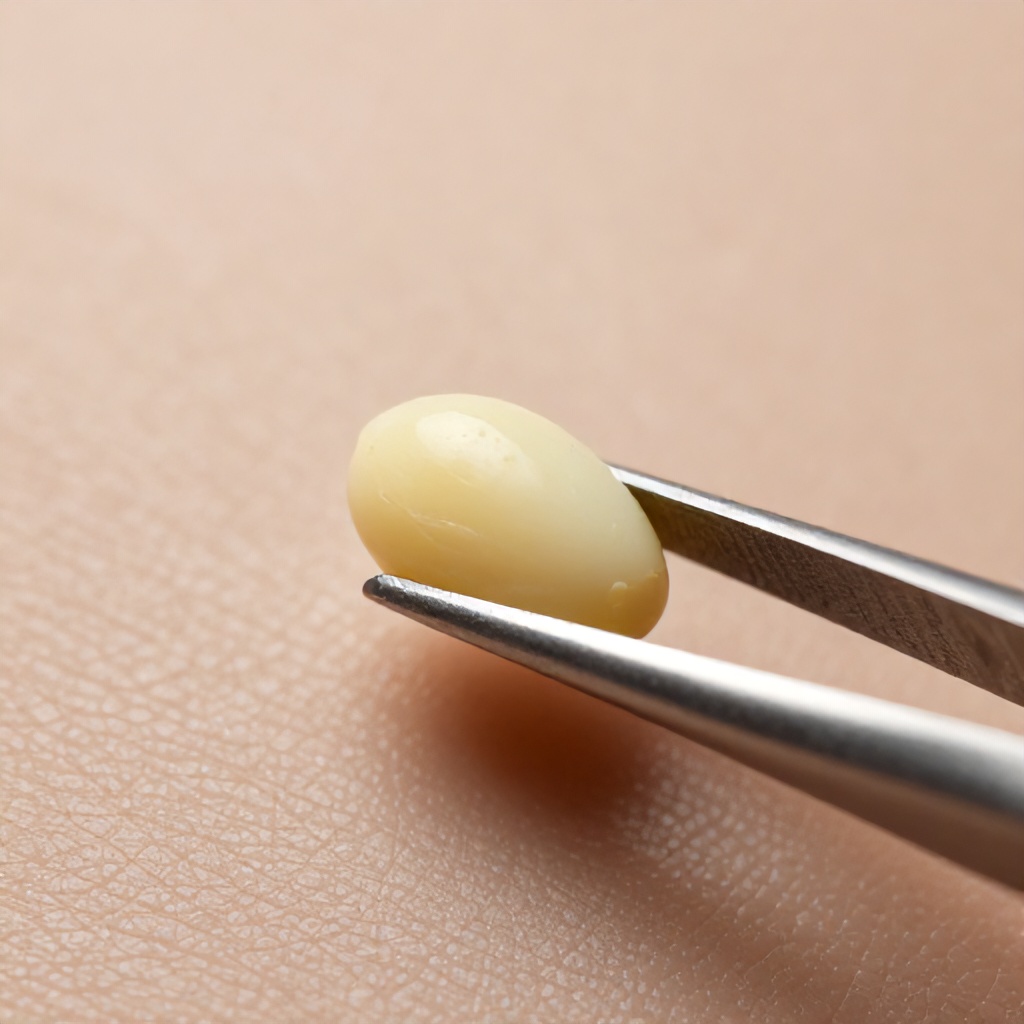
  • Texture: If you gently squeeze a sebaceous filament (which is generally not recommended), a small, worm-like strand of yellowish-white sebum might emerge. A blackhead, when extracted, will produce a solid, dark, plug-like material.
  • Recurrence: Sebaceous filaments will refill within days of extraction because they are a natural part of your skin’s function. Blackheads, if properly cleared, will take longer to reform, though new ones can develop.
  • Feel: Blackheads are a type of comedone and can sometimes feel slightly rough or bumpy to the touch. Sebaceous filaments typically feel smooth within the skin texture.

Since sebaceous filaments are a normal part of your skin, you cannot “get rid” of them permanently. The goal is to manage their appearance and keep them clear, not to eliminate them. This distinction is a key piece of skin science that helps avoid frustration and inappropriate treatments.

Effective Pore Care and Management Strategies

While you can’t change your genetic pore size, you can significantly improve the appearance of visible pores and prevent blackheads and other blemishes. Proper pore care focuses on keeping pores clean, clear, and supported.

1. Gentle Cleansing

Cleanse your face twice a day with a mild, pH-balanced cleanser. This helps remove excess oil, makeup, and environmental pollutants that can contribute to clogged pores. Avoid harsh cleansers that strip your skin, as this can trigger more oil production. Look for cleansers that are non-comedogenic, meaning they won’t clog your pores.

2. Chemical Exfoliation (AHAs and BHAs)

Chemical exfoliants are far more effective and gentle than physical scrubs for managing pore appearance and preventing blackheads. They work by dissolving the bonds between dead skin cells, allowing them to shed more easily.

  • Beta Hydroxy Acids (BHAs): Salicylic acid is a superstar BHA for oily and acne-prone skin. It’s oil-soluble, meaning it can penetrate deep into the pore lining to dissolve sebum and dead skin cells, effectively clearing out blackheads and sebaceous filaments. It helps reduce inflammation and improve skin texture.
  • Alpha Hydroxy Acids (AHAs): Glycolic acid and lactic acid are common AHAs that work on the skin’s surface to exfoliate dead skin cells, improving overall skin complexion and clarity. They can help make pores appear less noticeable by refining the skin’s surface.

Start with lower concentrations and gradually increase frequency as your skin adjusts, typically 2-3 times a week.

3. Incorporate Retinoids

Retinoids (like retinol or prescription tretinoin) are powerful ingredients for improving skin health and pore appearance. They work by increasing cell turnover, which prevents dead skin cells from accumulating and clogging pores. Retinoids also stimulate collagen production, which can help strengthen the skin around pores, making them appear firmer and less visible over time. They are excellent for addressing skin concerns like acne, fine lines, and uneven skin texture. Start slowly, using them a few times a week, and always follow with moisturizer.

4. Sun Protection is Non-Negotiable

Daily use of a broad-spectrum sunscreen with an SPF of 30 or higher is crucial. Sun damage breaks down collagen and elastin, which support the skin and keep pores tight. Protecting your skin from the sun helps maintain its elasticity and prevents pores from stretching and becoming more visible. This is a fundamental step for long-term dermal health.

5. Hydrate Your Skin

Even oily skin needs moisture. Dehydrated skin can sometimes compensate by producing more oil, exacerbating visible pores. Use a lightweight, non-comedogenic moisturizer to keep your skin balanced and healthy. Proper hydration also helps the skin barrier function optimally, contributing to overall skin health.

6. Consider Professional Treatments

For persistent skin issues or significant skin concerns related to pore appearance, a dermatologist can offer advanced solutions. These might include professional chemical peels, microdermabrasion, or laser treatments that can significantly improve skin texture and reduce the appearance of enlarged pores and comedones. A dermatologist can provide personalized advice based on your specific skin type and condition, ensuring safe and effective care.

When to See a Professional

While many common skin issues can be managed with a consistent and appropriate skincare routine, there are times when professional guidance is invaluable. If you’re struggling with persistent acne, cystic breakouts, severe inflammation, or if your skin concerns are significantly impacting your quality of life, it’s time to consult a dermatologist. They can diagnose underlying skin conditions, prescribe stronger treatments, and guide you towards the best solutions for your individual needs, ensuring optimal complexion clarity and skin health.

Close-Up Video Shows How to Safely Squeeze Whiteheads for Clearer Skin

The Truth About Squeezing Whiteheads: What Works and What Doesn’t

Let’s talk about whiteheads. That little white bump on your skin, often appearing when you least expect it, can be incredibly tempting to squeeze. But is it the best approach for clear skin? We’re going to break down what a whitehead actually is, why you might want to rethink that urge to pick, and what you can do for healthier, clearer skin instead.

What Exactly is a Whitehead?

A whitehead, medically known as a closed comedone, is a type of acne lesion. It forms when a pore becomes clogged. Think of your pores as tiny openings in your skin that have hair follicles and oil glands attached. Normally, these pores help your skin breathe and stay moisturized. But sometimes, dead skin cells and oil (sebum) can get trapped inside, creating a blockage.

When this blockage is covered by a thin layer of skin, it appears as a small, white or yellowish bump. Unlike blackheads, which are open to the air and oxidize to a dark color, whiteheads are closed off. This trapped sebum and dead skin cell mixture is what gives it that characteristic white tip. Sometimes, a tiny bit of downy hair might be involved in the clog, but the main culprits are typically sebum and keratin, a protein found in skin cells.

It’s important to distinguish whiteheads from other skin bumps. For instance, milia are tiny, pearly white cysts that are often mistaken for whiteheads. These are actually trapped keratin but don’t involve the oil glands in the same way and are usually much harder and smaller.

Why the Urge to Squeeze?

The visual satisfaction of seeing a whitehead disappear can be powerful. It feels like an immediate fix, a quick way to remove an unwelcome blemish. For many, it’s a learned behavior, something we’ve done since we were teenagers battling acne. The immediate, albeit temporary, relief of removing the visible bump can be quite compelling. It’s a primal urge to “cleanse” or remove something perceived as “dirty” or an “impurity” from the skin.

However, this immediate gratification often comes with a hidden cost. The skin is a delicate organ, and forcefully manipulating it can lead to more problems than it solves. While the idea of removing skin impurities might seem logical, the method is often where things go wrong.

The Risks of Squeezing

So, what happens when you give in to that squeezing urge? It’s rarely as simple as the YouTube videos might suggest. Here’s the reality:

  • Inflammation and Redness: Pushing and prodding at a whitehead forces the trapped material deeper into the pore and surrounding skin. This can cause significant inflammation, making the spot redder and more noticeable than it was before.
  • Infection: Your fingernails and the skin around them are not sterile, even if you’ve just washed your hands. Introducing bacteria into an open pore is a direct invitation for infection. This can lead to more painful pimples or even a deeper skin infection.
  • Scarring: This is perhaps the most significant long-term risk. When you damage the skin’s structure by squeezing too aggressively, you can disrupt the collagen and elastin fibers. This can result in permanent acne scars, like pitted scars or dark spots (post-inflammatory hyperpigmentation), which are much harder to treat than the original whitehead.
  • Spreading Bacteria: Squeezing can push the bacteria and inflammatory substances from the infected pore into other nearby pores, potentially leading to more breakouts.
  • Damage to Surrounding Skin: The pressure applied can also damage the healthy skin tissue around the whitehead, leading to irritation and prolonged healing time.

Think of your skin’s pores like tiny tunnels. When you squeeze, you’re not just emptying the tunnel; you’re potentially collapsing it, pushing debris further down, and introducing new contaminants. It’s a bit like trying to clear a clogged pipe by banging on it – you might dislodge something, but you’re also likely to cause more damage.

It’s worth noting that some videos show what appears to be successful squeezing. These often involve very specific types of clogs, sometimes even showing the removal of downy hair or a keratin plug under magnification. However, even in these cases, the technique is usually performed by professionals or with specialized tools, and the risks remain for the untrained individual.

The KeanaTankentai Perspective

The channel KeanaTankentai has gained a significant following by showcasing extreme close-up videos of various skin extractions. These videos often feature the removal of blackheads (keratin plugs), whiteheads, and even milia. They also sometimes show the extraction of beard hair, detailing the downy hair, hair root, and root sheath. The channel uses microscopes and specialized tools to provide a detailed, almost scientific, look at these processes.

[Highlight] / keanatankentai

While these videos can be fascinating, they are not a guide for self-treatment. They demonstrate the what and how of extraction in a controlled environment, often highlighting the nature of skin impurities. However, they also implicitly show the potential for trauma to the skin if not done correctly. The sheer volume of views suggests a widespread curiosity about these skin phenomena, but it’s crucial to remember that watching is not the same as doing.

Safer Alternatives for Clearer Skin

If squeezing is out, what’s in for achieving and maintaining skin clarity? A consistent and gentle skincare routine is your best bet for fighting whiteheads and preventing future breakouts. The goal is to keep pores clear and skin healthy.

Gentle Cleansing

Start with a good cleanser. Look for a mild, non-comedogenic formula that won’t strip your skin of its natural oils. Wash your face twice a day, morning and night, to remove excess sebum, dirt, and any makeup.

Exfoliation is Key

Exfoliation helps remove dead skin cells that can clog pores. There are two main types:

  • Chemical Exfoliants: These use acids like salicylic acid (a beta-hydroxy acid or BHA) or glycolic acid (an alpha-hydroxy acid or AHA). Salicylic acid is particularly effective for acne because it’s oil-soluble and can penetrate into the pores to break down blockages. AHAs help to slough off dead skin cells from the surface.
  • Physical Exfoliants: These are scrubs with fine particles. Be cautious with these, as harsh scrubbing can irritate the skin and worsen acne. Opt for gentle formulas with fine grains.

Incorporate an exfoliant into your routine a few times a week, depending on your skin’s tolerance. Over-exfoliating can lead to redness and irritation.

Topical Treatments

Over-the-counter treatments often contain ingredients that can help reduce inflammation and unclog pores:

  • Benzoyl Peroxide: This ingredient kills acne-causing bacteria and helps to reduce inflammation. It can be drying, so start with a lower concentration.
  • Retinoids (like Adapalene): These are vitamin A derivatives that help to speed up cell turnover, preventing pores from becoming clogged. They can be very effective but may cause initial dryness or peeling.

Apply these treatments to the affected areas as directed.

Hydration Matters

Even oily, acne-prone skin needs hydration. Skipping moisturizer can actually cause your skin to produce more oil to compensate. Choose an oil-free, non-comedogenic moisturizer to keep your skin balanced.

Professional Help

If you have persistent or severe acne, don’t hesitate to consult a dermatologist. They can offer prescription-strength treatments, in-office procedures, and personalized advice for your specific skin concerns. They can also help differentiate between whiteheads, blackheads, and other skin conditions like milia or cystic acne.

What About Pore Strips and Tweezers?

Pore strips, like Biore strips, are designed to adhere to the surface of your pores and lift out debris when you peel them off. They can be somewhat effective at removing the visible blackheads on the surface, which are essentially oxidized sebum and dead skin cells. However, they don’t address the underlying cause of clogged pores and can sometimes be too harsh, potentially irritating the skin or even removing fine, downy hairs.

Using tweezers for extraction is generally a bad idea. Tweezers are not designed for delicate skin extraction and can easily cause damage, bruising, and infection. They are tools for precision tasks, not for manipulating skin blemishes. The microscopic view of pore strips and tweezers being used for extraction, as seen in some videos, highlights the mechanical nature of these tools but doesn’t endorse their use for at-home treatments.

When to Seek Professional Help

While many whiteheads can be managed with a good at-home skincare routine, there are times when professional intervention is necessary. If you experience:

  • Deep, painful cysts that don’t come to a head.
  • Acne that is spreading rapidly or covering large areas of your face or body.
  • Signs of infection, such as increased redness, swelling, warmth, or pus.
  • Acne that is leaving significant scarring.

In these situations, a dermatologist can provide advanced treatments and prevent long-term damage. They have the expertise and tools to safely address stubborn skin impurities and recommend the best skin treatment for your needs.

The Takeaway: Patience and Prevention

Achieving and maintaining clear skin is a marathon, not a sprint. While the quick fix of squeezing might seem appealing, it often leads to more problems. Focus on building a consistent, gentle skincare routine that prioritizes prevention and healthy skin habits. Your skin will thank you for it in the long run, leading to a more consistently acne-free complexion.

What is the difference between a whitehead and a blackhead?

A whitehead (closed comedone) is a pore clogged with sebum and dead skin cells, covered by a thin layer of skin, appearing white or yellowish. A blackhead (open comedone) is also a clogged pore, but it’s open to the air, causing the trapped sebum and dead skin cells to oxidize and turn dark.

Can squeezing a whitehead cause permanent scars?

Yes, aggressive squeezing can damage the skin’s structure, leading to permanent scarring, such as pitted scars or dark spots (post-inflammatory hyperpigmentation).

Gentle Extraction Technique (Professional Only)

If you absolutely must attempt to extract a blemish, ensure your hands are thoroughly washed and use a clean cotton swab or a specialized comedone extractor tool. Apply gentle, even pressure around the blemish, not directly on it. If it doesn’t come out easily, stop. This method is best left to dermatologists or estheticians.

Warning: Avoid Using Sharp Objects

Never use needles, pins, tweezers, or any sharp objects to try and pop or extract blemishes. This significantly increases the risk of infection, deep scarring, and spreading bacteria.

8 Tips for Opening Pores for Effective Skin Cleansing and Impurity Removal

How to Open Pores for Effective Skin Cleansing and Impurity Removal

Opening pores is a key step to achieving a truly clean complexion, especially for those dealing with excess oil, breakouts, and stubborn blackheads. Pores are tiny openings in your skin that release oil and sweat. When they get clogged with oil, makeup, dead skin cells, and pollution, they can lead to issues like acne and blackheads. Making sure your pores are clear allows for a deeper cleanse and helps prevent future problems.

While oily skin types are more prone to acne and blackheads, other skin types can also experience clogged pores. The daily accumulation of makeup, environmental pollutants, and natural skin oils can affect anyone. That’s why establishing a consistent skincare routine and practicing daily care is so important. When pores are open, the cleansing process becomes much more effective, helping to eliminate existing blemishes and prevent new ones from forming. Here’s how you can achieve a cleaner, clearer complexion at home.

1. Wash Your Face with Facial Gel and Warm Water

This is your foundational step for properly cleansing your face. Warm water is fantastic because it gently helps to open up your pores, making them more receptive to cleansing. Following that, a good facial gel cleanser works to lift away impurities from the skin’s surface.

To get the best results, use circular motions as you apply the cleanser, spreading it over your entire face until it lathers up. Once you’ve massaged it in, rinse your face thoroughly with plenty of water and pat it dry immediately. This initial cleanse sets the stage for deeper purification.

2. Open Pores with Steam

Steaming your face is a wonderful way to further encourage pore opening and help loosen up any trapped impurities. This process softens the skin, preparing it for a more thorough deep cleansing.

To do this, simply boil some water until it starts to bubble. During this process, it’s really important to be mindful of the steam’s temperature. You don’t want to burn your skin. Once the steam feels comfortably warm on your face, position yourself so your skin is exposed to it. Continue the process until you feel your face has become nicely warm. This ensures adequate vaporization and effectively opens your pores, making them ready for the next steps in your skincare routine.

3. Use a Clay Facial Mask

A clay facial mask is a powerhouse for cleaning out pore gunk and helping to manage excess oiliness. The natural properties of clay offer both nourishment and purification for your skin. It’s a fantastic addition to your skincare regimen!

Apply a thin layer of the mask to your face, using your fingers or a facial brush for easy and even application. Let the mask work its magic for about 10 to 15 minutes, making sure to avoid the delicate eye and lip areas. After the time is up, gently rinse off the mask with warm water and pat your skin dry with a towel. It’s a straightforward yet highly effective step.

4. Apply a Facial Scrub to Further Open Pores

A facial scrub is excellent for tackling deeper impurities within the pores and sloughing away dead skin cells, which significantly contributes to a cleaner complexion. Gentle, circular motions are key when using a scrub, as they help to dislodge blackheads and remove as many impurities as possible.

Simply apply the product to your damp face, using your hands or a cotton pad. You should then massage the skin gently. This action helps to exfoliate and refine the skin’s texture.

5. Use a Facial Brush for Deeper Cleansing

A facial brush can be a game-changer for getting into those hard-to-reach areas and ensuring a more thorough cleanse. The bristles of the brush, when used with your facial cleanser, can help to sweep away dirt, oil, and makeup residue that might otherwise linger in your pores.

Gently move the brush over your damp face in circular motions, allowing it to do the work of lifting impurities. Be sure to use a brush that’s appropriate for your skin type – softer bristles for sensitive skin, and slightly firmer ones for normal or oily skin. Rinse your face thoroughly afterward.

6. Consider a Professional Cleansing Treatment

Sometimes, professional help is the best way to address persistent pore issues. A professional cleansing treatment, often referred to as a “limpeza de pele” in Portuguese, goes beyond what you can typically achieve at home.

These treatments often involve a combination of deep cleansing, exfoliation, and sometimes even gentle extraction methods to remove blackheads and whiteheads. Aestheticians have specialized tools and knowledge to address your specific skin concerns, making it a highly effective option for deep pore purification and managing conditions like acne and excessive oiliness.

7. Apply a Toner After Cleansing

Once your pores are clean and your skin is refreshed, applying a toner is a great follow-up step. Toner helps to remove any residual impurities that might have been left behind after cleansing and can also help to rebalance your skin’s pH.

Many toners also contain ingredients that can help to minimize the appearance of pores over time. Look for toners with ingredients like salicylic acid or witch hazel, which are known for their pore-refining properties. Apply it using a cotton pad, gently sweeping it across your face.

8. Moisturize to Maintain Skin Health

It might seem counterintuitive, but moisturizing after cleansing is crucial, even for oily skin. When you cleanse your skin, you remove not only impurities but also some of its natural moisture. If you don’t moisturize, your skin might overcompensate by producing even more oil, leading to further pore congestion.

Choose a lightweight, oil-free moisturizer that won’t clog your pores. This step helps to keep your skin hydrated and balanced, which is essential for overall skin health and can indirectly help manage the appearance of pores.

Frequently Asked Questions About Opening Pores

Q: Can opening pores really help with acne and blackheads?

A: Yes, absolutely. When pores are open and clear, it’s much harder for oil, dead skin cells, and bacteria to build up and cause breakouts like acne and blackheads (cravinhos).

Q: How often should I open my pores for cleansing?

A: For most people, performing a deep pore cleansing routine like this once or twice a week is sufficient. Overdoing it can irritate your skin. Your daily skincare routine should focus on gentle cleansing and hydration.

Q: Is warm water safe for opening pores?

A: Warm water is generally safe and effective for gently opening pores. However, avoid extremely hot water, as it can strip your skin of its natural oils and cause irritation. Lukewarm or comfortably warm water is ideal.

Q: Can I extract blackheads myself after opening my pores?

A: While opening pores can make blackheads easier to remove, it’s best to be very gentle. Aggressive extraction can damage your skin and lead to inflammation or scarring. If you’re unsure, it’s always safer to seek professional help for extractions.

Q: What if I have sensitive skin? Are these methods suitable?

A: If you have sensitive skin, proceed with caution. Always patch-test new products. Opt for gentler versions of scrubs and masks, and reduce the frequency of deep cleansing. Listen to your skin and adjust accordingly.

Exit mobile version