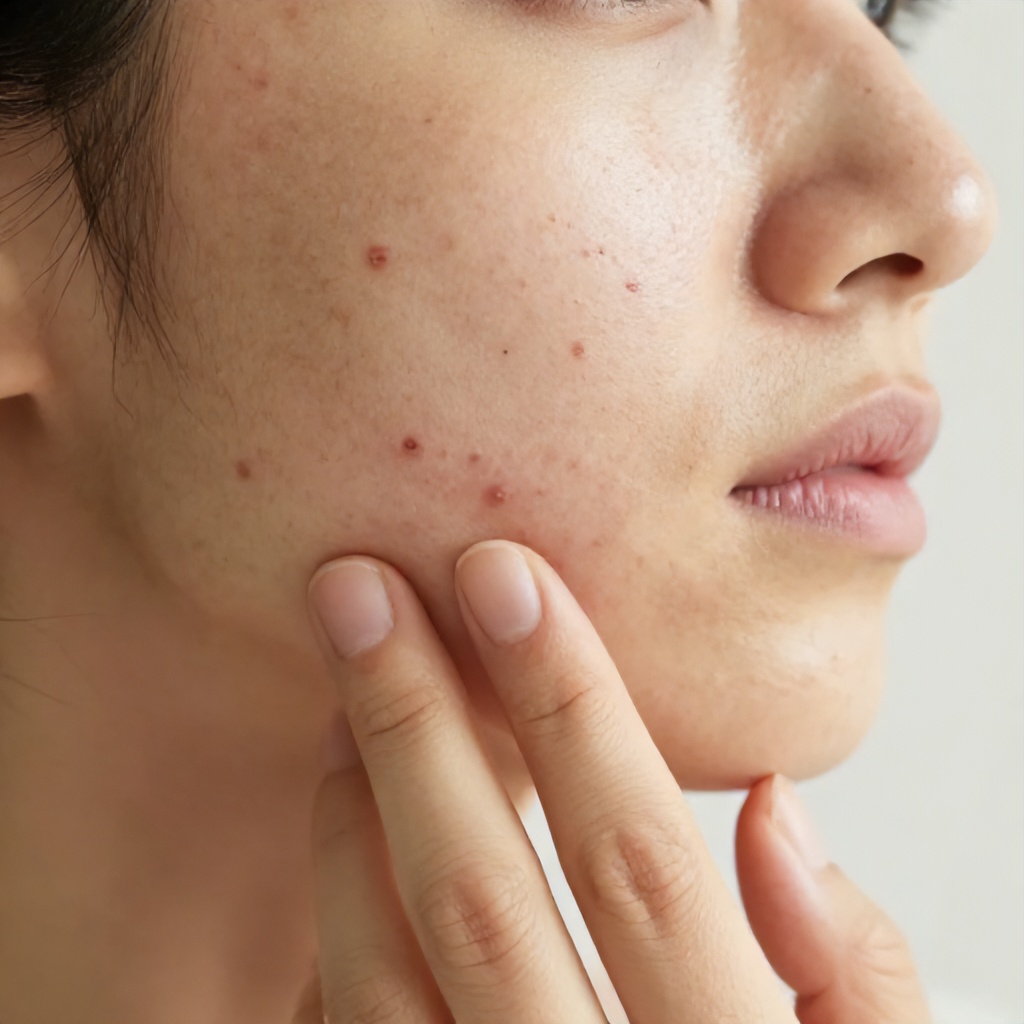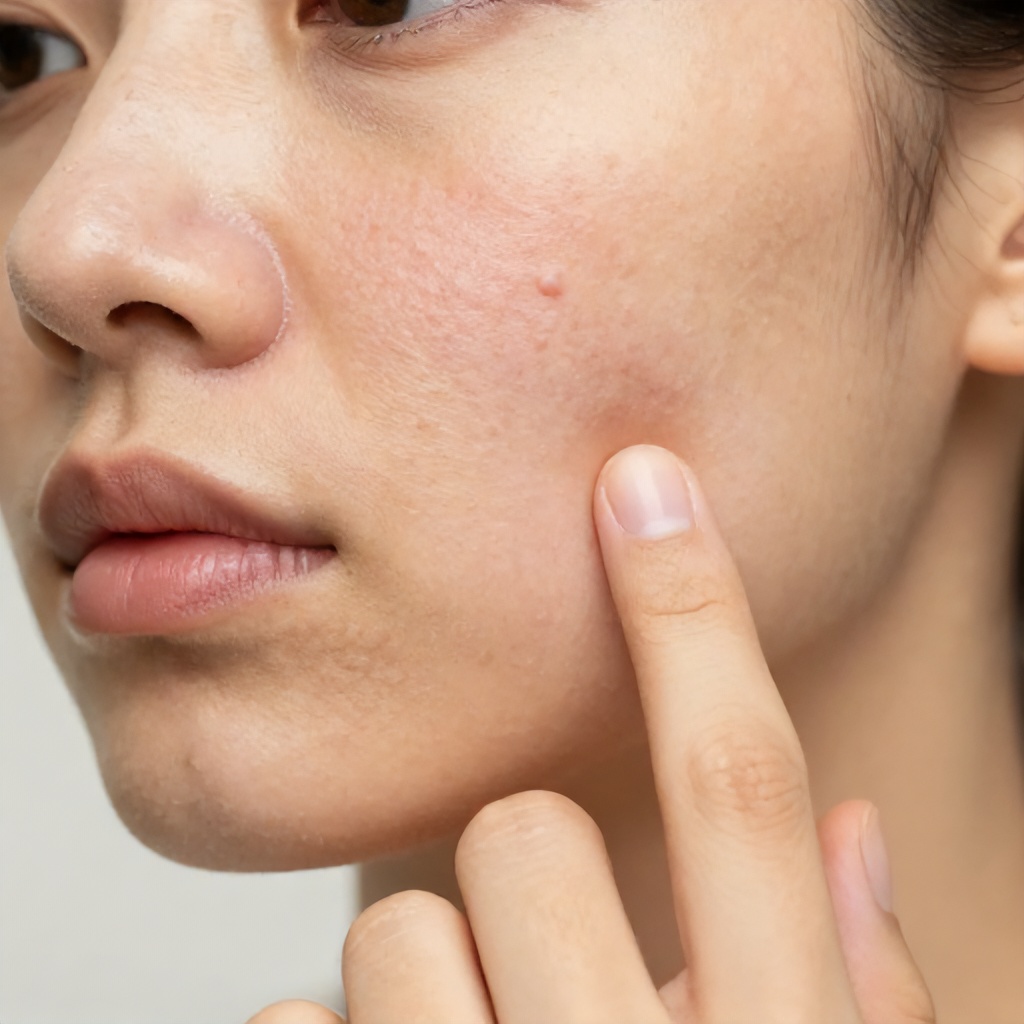
Effective Natural Remedies for Treating Acne and Improving Skin Health

Livraison GRATUITE à l’achat de 85$ et plus pour le Québec et l’Ontario. En savoir plus ▶

Acne is a complex condition that signals deeper imbalances within the body rather than just a surface-level hygiene issue. While many people view dermatological conditions as simple cosmetic annoyances, they often serve as external indicators of internal systemic health. Addressing these persistent breakouts requires looking beyond topical creams to understand how hormonal, metabolic, and digestive factors influence the skin barrier.
Understanding the Biology of Acne

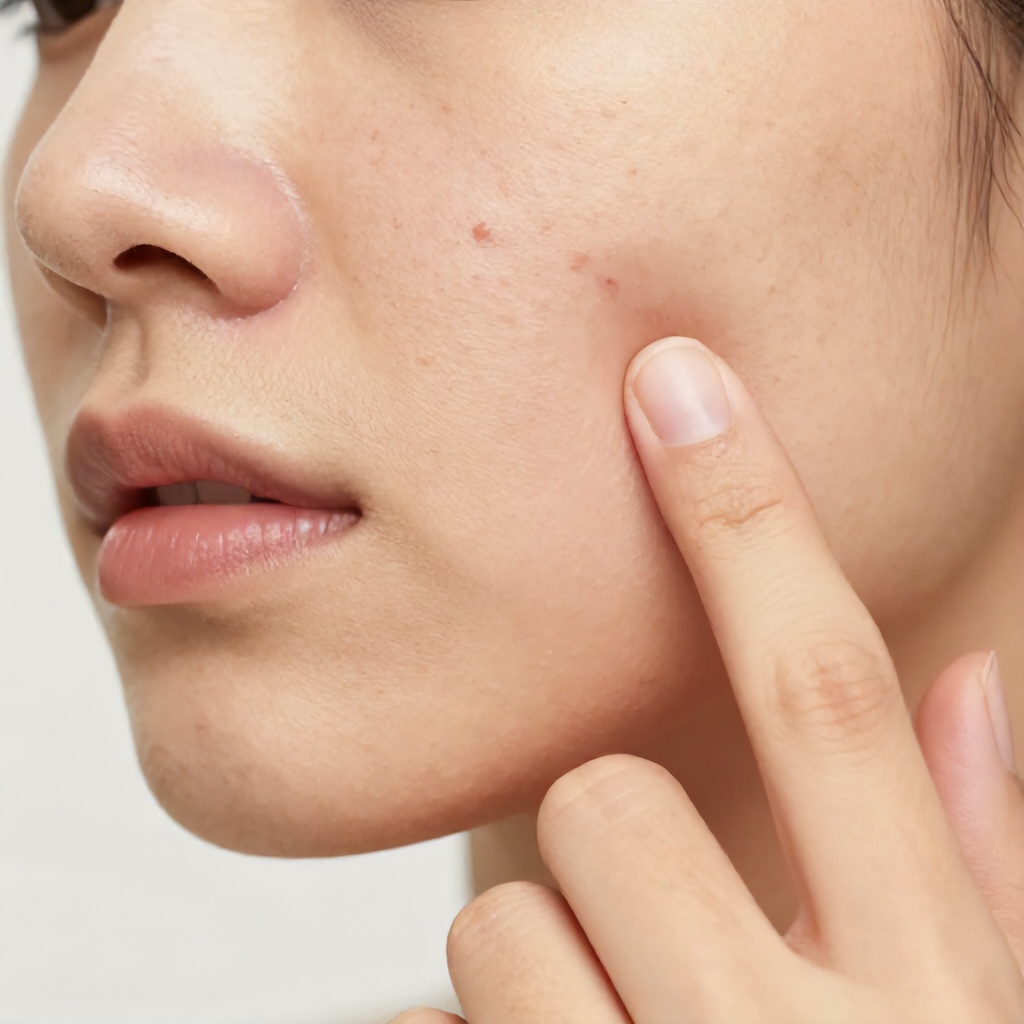
Acne occurs when the sebaceous glands, located deep within the hair follicles, become overwhelmed. These glands are responsible for sebum production, an oily substance that keeps the skin lubricated. When the body experiences a hormonal imbalance, these glands can go into overdrive. This excess oil, combined with dead skin cells, creates a plug known as a comedone. If this environment becomes trapped, it invites bacterial infection, specifically from bacteria like staphylococcus, leading to the painful pustules and inflammatory skin conditions many people struggle to manage.

The endocrine system plays a central role in this process. Specifically, androgenic hormones like testosterone and its potent metabolite, dihydrotestosterone (DHT), act as the primary triggers for sebum production. During puberty, these hormones surge, which explains why acne is so prevalent during the teenage years. However, when these hormone levels remain elevated or imbalanced in adulthood, the skin continues to react, leading to chronic hormonal acne that resists standard over-the-counter treatments.

The Naturopathic Approach to Skin Health

A naturopathic approach focuses on identifying the root cause rather than just suppressing symptoms. If you have tried every wash and scrub on the market without success, it is time to look at your metabolic health. Insulin resistance, for instance, is a major driver of skin inflammation. When your body struggles to manage blood sugar effectively, it triggers a cascade of hormonal signals that increase androgen production, directly stimulating those sebaceous glands.

Digestive health is another pillar of clear skin. The gut-skin axis is a well-documented connection where the state of your microbiome influences systemic inflammation. If your digestion is sluggish or if you are consuming foods that spike your blood sugar, your skin will often be the first organ to show the stress. Improving glycemic control through diet is often more effective for long-term skin health than any topical dermatological treatments.
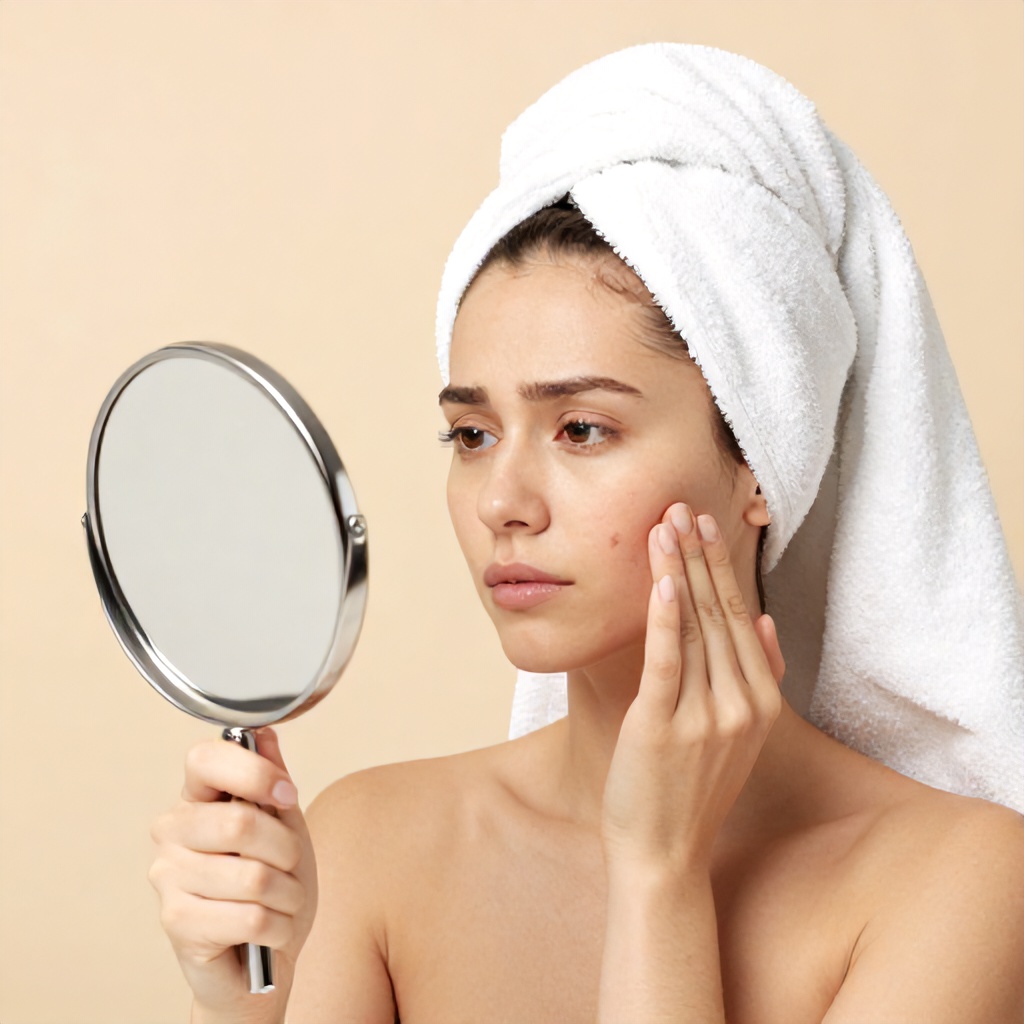
Warning: Always consult with a healthcare professional before making significant changes to your diet or starting new supplements, especially if you are currently using prescription medication for your skin or hormonal health.

Key Factors Influencing Breakouts

Acne is rarely caused by a single factor. Instead, it is usually a combination of environmental, genetic, and internal triggers. Understanding these mechanisms helps you create a personalized plan for recovery.

  • Hormonal fluctuations: Shifts in testosterone levels or estrogen ratios can trigger sudden flares.
  • Insulin resistance: High-glycemic diets cause insulin spikes, which increase sebum production.
  • Chronic inflammation: Systemic stress or poor gut health keeps the skin in a state of constant reactivity.
  • Skin hygiene: While not the sole cause, improper cleansing can exacerbate existing bacterial growth.

Managing Hormonal Acne

Hormonal acne typically appears along the jawline and chin. This pattern is a classic sign that your endocrine system is struggling to process androgens. To support your body, focus on stabilizing your blood sugar. Eat fiber-rich vegetables, lean proteins, and healthy fats at every meal. This prevents the rapid insulin spikes that tell your sebaceous glands to produce more oil.

The Role of Digestive Health

Your gut is the foundation of your immune system. If you suffer from bloating, irregular bowel movements, or food sensitivities, these issues often manifest as skin inflammation. Incorporating fermented foods or high-quality probiotics can help balance your internal flora, which in turn reduces the systemic inflammation that fuels acne. Think of your skin as a mirror for your digestive tract; when the gut is calm, the skin is usually clearer.

Practical Steps for Daily Care

Consistency is more important than intensity. Many people damage their skin barrier by using harsh, drying products that strip away natural oils. When the skin barrier is compromised, it becomes even more susceptible to bacterial infection. Use gentle, non-comedogenic cleansers that respect the skin’s pH balance.

  1. Cleanse gently twice a day to remove excess sebum and environmental pollutants.
  2. Prioritize whole foods to maintain steady blood sugar levels throughout the day.
  3. Manage stress through movement or mindfulness to keep cortisol levels in check.
  4. Avoid picking at your skin, as this spreads bacteria and leads to permanent scarring.
  5. Monitor your skin’s reaction to dairy or high-sugar foods, as these are common triggers for many people.

Long-Term Strategies for Skin Resilience

Building skin resilience takes time. You cannot expect to reverse years of hormonal or metabolic imbalance in a few days. Focus on small, sustainable changes. Start by tracking your meals and your skin’s response. Notice if your breakouts correlate with periods of high stress or specific dietary choices. This data is invaluable when working with a healthcare provider to find the right path for your specific needs.

Remember that skin health is a reflection of your overall systemic health. By focusing on metabolic stability, digestive function, and hormonal balance, you are not just treating the surface of your skin; you are supporting your entire body. This holistic approach is the most reliable way to achieve lasting results and improve your quality of life.

Final thoughts on your journey to better skin: be patient with yourself. Healing is rarely a straight line. Some weeks will be better than others. Keep your routine simple, focus on nutrient-dense foods, and listen to what your body is telling you. If you feel overwhelmed, reach out to a professional who understands the connection between internal health and external skin conditions. You have the power to influence your skin’s health by making intentional, informed choices every single day.
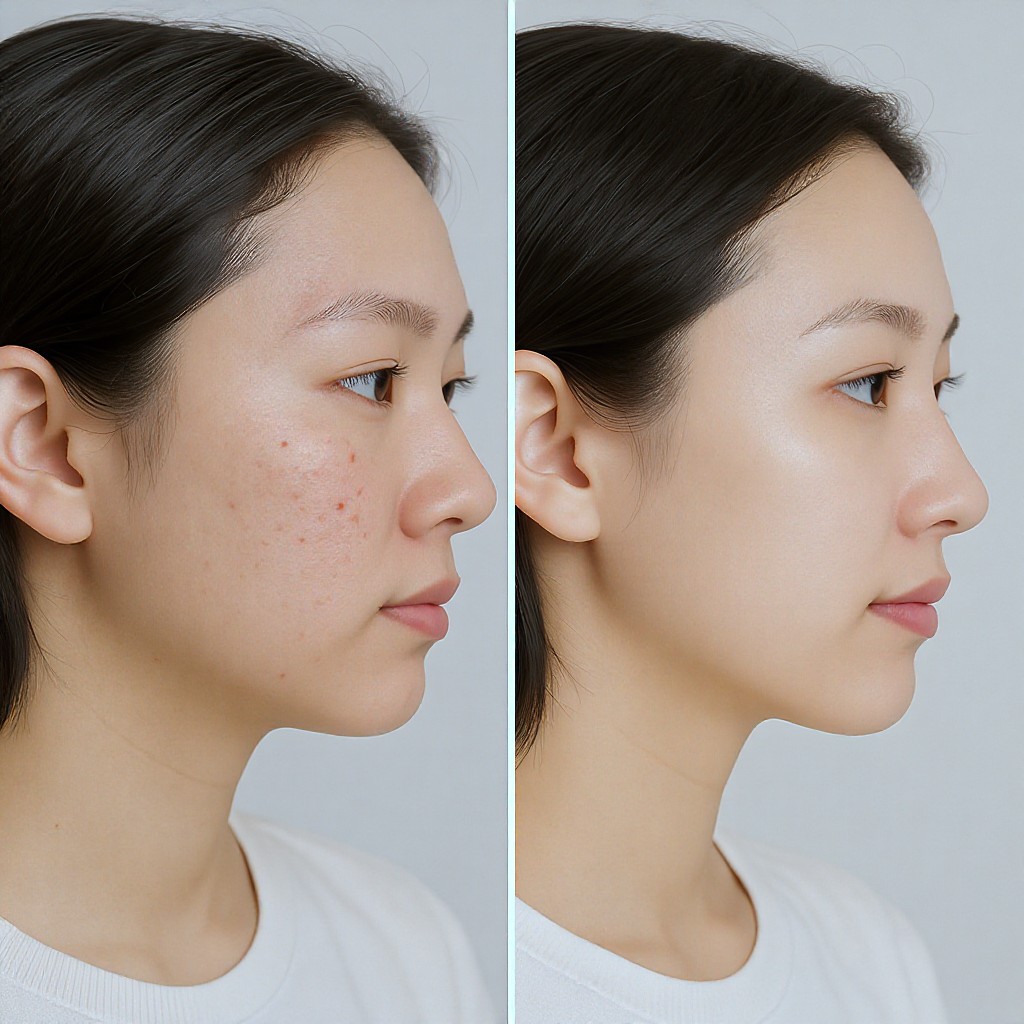
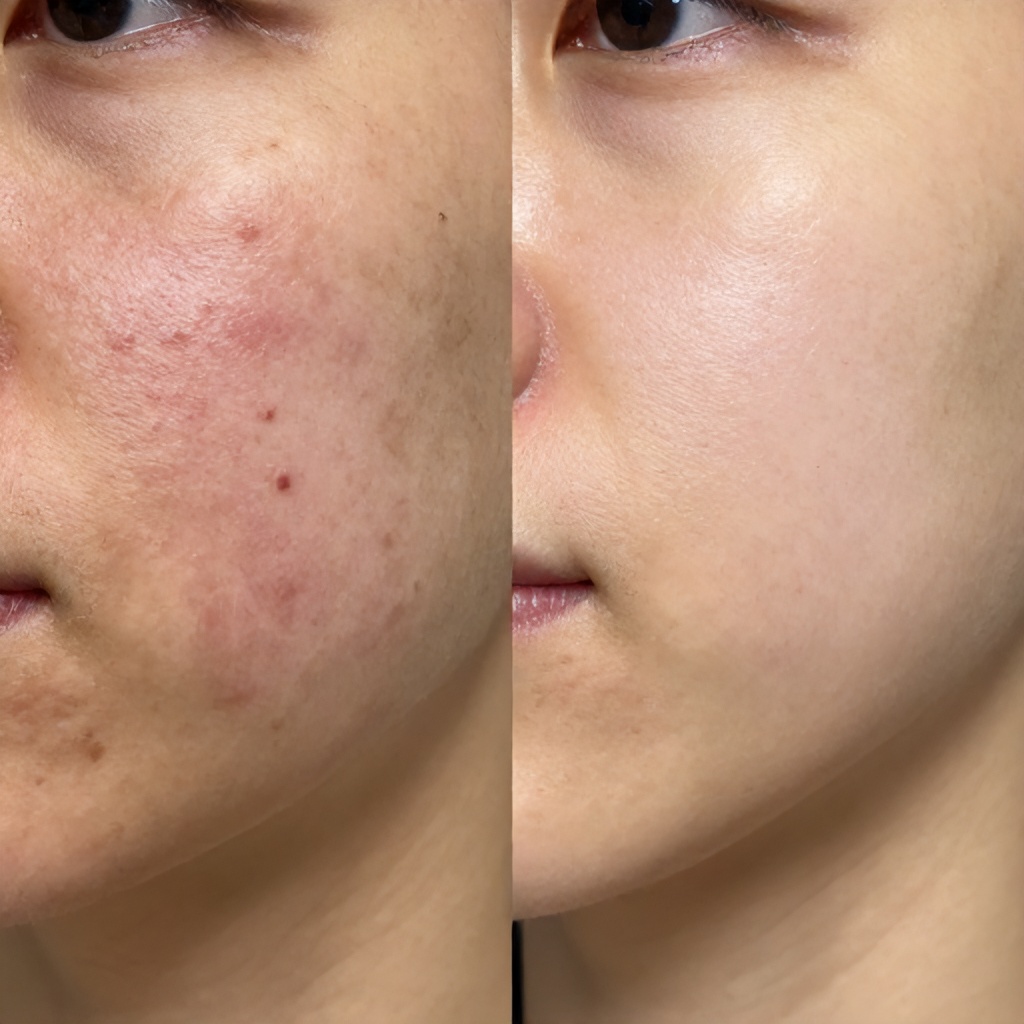
How I Healed My Acne Naturally Using a Root Cause Approach

Healing chronic acne requires looking past the surface of the skin to address systemic health imbalances. My journey involved moving away from temporary symptom management toward a root cause approach that prioritizes long-term metabolic health and internal balance.

How I Healed My Acne Naturally: See my before and after photos and my tips for a root cause approach to acne. By Olivia Robertson-Moe, Jun 24, 2024. 13 Shares.

My Personal Path to Clearer Skin

My skin health journey mirrors my overall physical well-being. Throughout high school and college, I battled persistent breakouts that felt impossible to control. My face became a map of my internal struggles. I visited countless dermatologists, spent thousands on specialized creams, and cycled through antibiotics, hormonal birth control, and even a course of Accutane. These treatments often masked the symptoms temporarily, but they never addressed why the inflammation was happening in the first place.

I know the heavy weight of insecurity that comes with chronic acne. It affects how you show up in the world and how you view yourself in the mirror. I share my story to provide a resource for those who feel stuck in the same cycle of trial and error. Please remember that your skin condition does not define your worth. While I am sharing strategies to help you resolve these issues, there is no shame in having skin that is currently healing. My skin is not perfect, and I still experience occasional setbacks, but for the first time in a decade, I have found a sustainable path forward.

Progress is rarely a straight line. If you experience a flare-up, view it as data rather than a failure. Your body is communicating a need, and your job is to listen to that signal.

The Shift Toward a Root Cause Approach

Traditional dermatology often focuses on suppressing acne triggers through topical acids or systemic medication. While these tools have their place, they frequently ignore the gut-skin axis and the role of systemic inflammation. I realized that my acne was a symptom of something deeper happening within my body. Acne is often an inflammatory skin condition that signals an imbalance in hormones, digestion, or metabolic health.

Finding the root cause is rarely about finding one single culprit. It is usually a combination of factors that require careful investigation. I strongly suggest working with a functional practitioner who can look at your full health history. They can help you identify specific patterns in your blood work, lifestyle, and symptoms that a standard check-up might miss.

Olivia Robertson-Moe, Jun 24, 2024. 13 Shares.

Understanding the Gut-Skin Axis

Digestive health is the foundation of clear skin. If your gut microbiome is out of balance, your body struggles to manage inflammation, which often manifests on the face. Many people suffer from bloating, constipation, or irregular digestion without realizing these are connected to their skin flare-ups. You can consume a nutrient-dense diet, but if your body cannot break down and absorb those nutrients, your skin will not receive the building blocks it needs for repair.

Elimination is just as important as absorption. If you are not having regular bowel movements, your body cannot effectively remove waste and excess hormones. This backup can lead to systemic toxicity, which the body often attempts to push out through the pores. This is a primary reason why holistic skincare must start in the digestive tract.

Common Disruptors of Digestive Health

  • Ultra-processed foods that lack fiber and contain inflammatory additives.
  • High intake of refined carbohydrates and sugars that spike insulin levels.
  • Undiagnosed food sensitivities that cause chronic low-grade inflammation.
  • High-stress lifestyles that keep the body in a fight-or-flight state, slowing down digestion.
  • Inconsistent sleep patterns that disrupt the body’s natural repair cycles.
  • Alcohol consumption, which can damage the gut lining and alter the microbiome.

The Role of Hormonal Balance

Hormonal acne is one of the most common complaints I hear from women. It is often characterized by deep, painful cysts along the jawline and chin. This type of acne is frequently linked to hormonal imbalance, specifically an excess of androgens or issues with insulin sensitivity. When your metabolic health is compromised, your body may produce more sebum, or oil, which creates the perfect environment for acne-causing bacteria to thrive.

Addressing hormonal acne requires a look at your endocrine system. This includes how your body processes stress hormones like cortisol. When cortisol is chronically elevated, it can steal resources from your sex hormones, leading to a cascade of imbalances. Managing your stress is not just a mental health practice; it is a vital part of your skin health optimization.

Do not attempt to self-diagnose hormonal imbalances with supplements without professional guidance. Hormones are a delicate system, and adding external support without knowing your baseline levels can sometimes exacerbate the issue.

Strategies for Skin Barrier Repair

While you work on internal health, you must also protect the skin barrier. A damaged barrier allows bacteria to enter and moisture to escape, leading to redness and irritation. Many people with acne over-exfoliate, which strips the skin of its natural protective oils. Instead of harsh scrubs, focus on gentle, nourishing ingredients that support the skin’s natural microbiome.

  1. Simplify your routine: Use a gentle cleanser that does not leave your skin feeling tight.
  2. Prioritize hydration: Look for ingredients like glycerin or hyaluronic acid to keep the skin barrier plump.
  3. Avoid harsh chemicals: Many acne products contain ingredients that cause long-term inflammation.
  4. Protect from the sun: UV damage can worsen post-acne marks and inflammation.

The Impact of Lifestyle Factors

Your daily habits are the most powerful tools you have for long-term dermatological health. It is easy to focus only on what you put on your skin, but what you do with your body matters more. Sleep is when your skin repairs itself. If you are consistently getting less than seven hours of quality sleep, your body cannot manage inflammation effectively. Similarly, movement helps regulate insulin and blood sugar, which directly influences your skin’s oil production.

Practical Steps to Improve Your Skin

  • Track your symptoms: Keep a journal of what you eat, how you feel, and how your skin looks. This helps identify patterns.
  • Focus on nutrient absorption: Ensure you are eating enough healthy fats and proteins to support hormone production.
  • Manage stress: Find a practice that works for you, whether it is walking, meditation, or simply spending time outside.
  • Hydrate properly: Water is essential for every metabolic process in your body.

Working with a Functional Practitioner

When you feel like you have tried everything, a functional practitioner can offer a different perspective. They look at the body as a whole system rather than a collection of parts. They might suggest testing for gut dysbiosis, food sensitivities, or specific nutrient deficiencies. This data-driven approach takes the guesswork out of your healing process.

Remember that healing takes time. You are working to change the internal environment of your body, which does not happen overnight. Be patient with yourself and celebrate the small wins, like reduced redness or fewer new breakouts. Consistency is the most important factor in any natural acne remedy.

How long does it take to see results?

Skin cells turn over approximately every 28 to 40 days. You should expect to see initial changes within one to three months of consistent lifestyle changes. Deeper systemic healing may take longer, often six months or more.

Can diet really clear acne?

For many, diet is a major piece of the puzzle. By reducing inflammatory foods and focusing on nutrient-dense whole foods, you can significantly lower systemic inflammation and improve your gut microbiome, both of which are essential for clear skin.

What if I have tried everything?

If you feel like you have tried everything, you may be focusing on the wrong things. Many people try to “fix” their skin with topicals while ignoring their gut health or metabolic function. Shifting your focus to internal health often yields the results that external products could not provide.

Building a Sustainable Routine

The goal is to create a lifestyle that supports your skin without requiring constant maintenance. Once you understand your specific acne triggers, you can make informed choices about your diet and environment. This is not about restriction; it is about finding what makes your body feel its best. When your body is in balance, your skin will reflect that health.

Focus on adding, not subtracting. Add more fiber to your diet to support your gut. Add more sleep to your schedule to support your hormones. Add more movement to your day to support your metabolic health. These small, positive additions will eventually crowd out the habits that were contributing to your skin issues.

Your skin is a reflection of your internal health. By treating your body with kindness and focusing on the root causes of inflammation, you can achieve lasting results. Keep exploring, keep listening to your body, and remember that you are on a path toward better health that goes far beyond the surface.

Top Latest Discussions

No posts currently available in this section.

Olivia’s Substack is a reader-supported publication. To receive new posts and support my work, consider becoming a free or paid subscriber.

Subscribe

The journey to clear skin is deeply personal. While I have shared what worked for me, your path may look different. Use these tools as a starting point for your own investigation. Trust your intuition and do not be afraid to advocate for your health when speaking with medical professionals. You deserve to feel comfortable and confident in your own skin.

As you move forward, keep a record of what you learn. Note which foods seem to trigger flare-ups and which lifestyle changes lead to the most improvement. This information is invaluable. It turns you from a passive recipient of advice into an active participant in your own healing. Your skin is resilient, and with the right support, it can recover.

Finally, remember to be kind to yourself during this process. Stressing about your skin can actually make it worse. Find joy in the things that make you feel good, whether it is a hobby, time with friends, or simply a quiet moment in the morning. Your mental and emotional well-being are just as important as your physical health. You are more than your skin, and you are capable of finding the balance you need.

Exit mobile version