Guide to Sculpting Your Body at Home with Exercise Equipment

Building a sculpted physique is entirely achievable from the comfort of your home, provided you have the right equipment and a smart approach to your workouts.

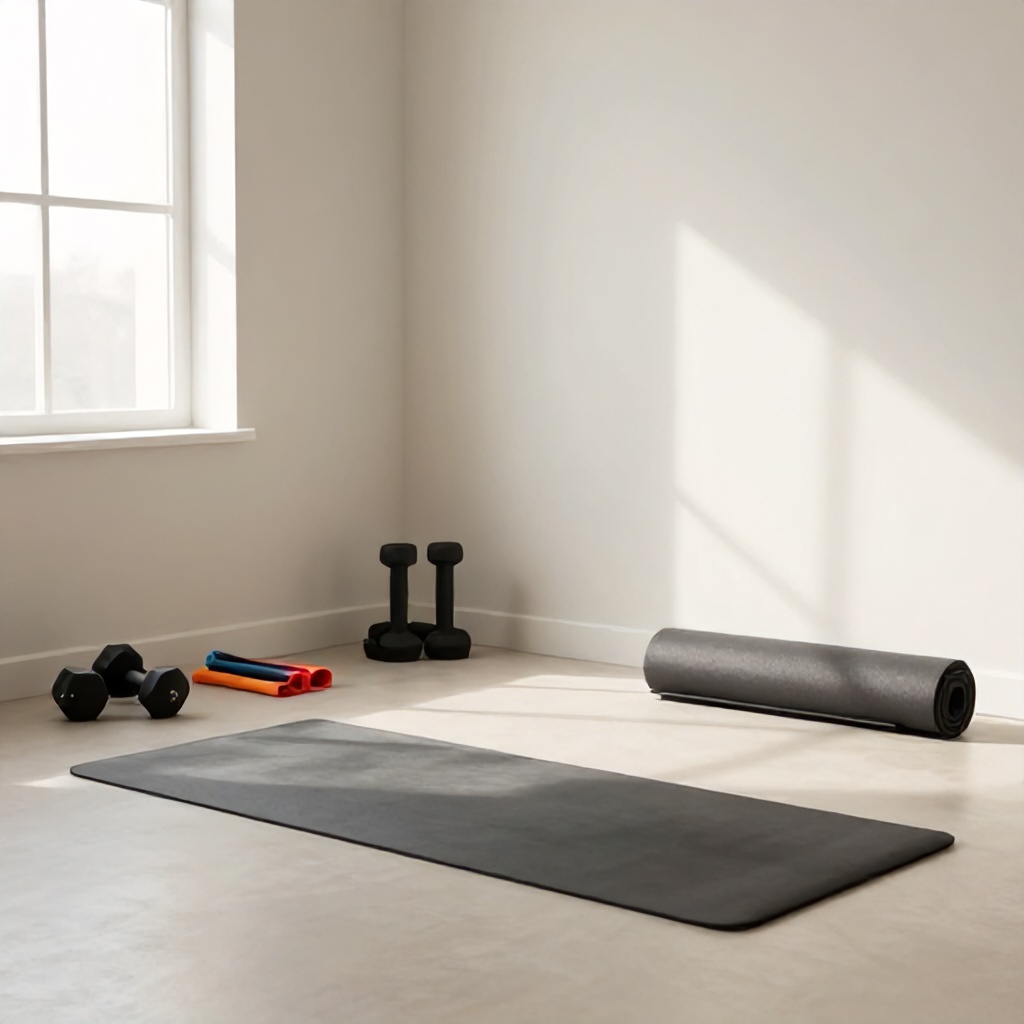
Why Equip Your Home Gym for Sculpting?

Investing in a few pieces of exercise equipment for your home gym transforms your fitness journey, allowing for consistent, effective body sculpting without the need for a traditional gym membership. The convenience of working out whenever inspiration strikes, or your schedule allows, means fewer excuses and more dedication to your physical training goals. This setup is perfect for anyone looking to build strength, enhance muscle definition, and achieve a toned physique through focused strength training.

Having your own gear at home means you control the environment, the music, and the intensity. It fosters a sense of ownership over your fitness program, making it easier to stick to a routine. This personal space becomes a dedicated zone for your body sculpting efforts, eliminating travel time and the intimidation some feel in crowded gyms. It’s an efficient way to integrate physical training into a busy life, ensuring your fitness regimen remains a priority.

Essential Equipment for Your Home Workout Guide

You don’t need a sprawling, expensive setup to sculpt your body effectively at home. A few versatile pieces of home gym equipment can provide a comprehensive fitness training experience, targeting all major muscle groups. Choosing the right tools is the first step in creating an impactful home workout guide.

Dumbbells

Dumbbells are perhaps the most fundamental piece of equipment for strength building and body toning. They are incredibly versatile, allowing for a wide range of exercises that target everything from your shoulders to your legs. Adjustable dumbbells are a fantastic space-saving option, offering a range of weights in a single unit. Fixed-weight dumbbells are also excellent if you have the space and prefer quick weight changes. Start with a lighter set for higher repetitions and a heavier set for compound movements to effectively sculpt your body.

Resistance Bands

These elastic bands come in various strengths, providing progressive resistance for muscle engagement. They are lightweight, portable, and excellent for adding challenge to bodyweight exercises, especially for glute and hip activation. Resistance bands are perfect for warm-ups, cool-downs, and adding an extra burn to your at-home exercises, making them a staple in any effective fitness guide.

Exercise Balls (Stability Balls)

An exercise ball, often called a stability ball, is more than just a prop; it’s a dynamic tool for core exercises, balance training, and enhancing flexibility. Incorporating a stability ball into your routine forces your stabilizing muscles to work harder, leading to improved posture and a stronger core. They can also be used to modify traditional exercises, adding an element of instability that intensifies muscle activation.

Kettlebells

Kettlebells offer a unique training experience, excellent for dynamic movements that combine strength, cardio, and flexibility. Their unique shape shifts the center of gravity, engaging more muscles during swings, squats, and presses. Kettlebells are fantastic for building explosive power and endurance, contributing significantly to a well-rounded fitness program focused on body sculpting.

Jump Rope

Often underestimated, a jump rope is an incredible tool for cardiovascular fitness and agility. It’s a low-cost, high-impact way to warm up your muscles, elevate your heart rate, and improve coordination. Just a few minutes of jumping rope can be a powerful addition to your physical training, burning calories and preparing your body for more intense strength training.

Yoga Mat

A yoga mat provides cushioning and grip for floor exercises, stretching, and stability work. It makes exercises like planks, crunches, and push-ups more comfortable and safer, protecting your joints and preventing slipping. A good mat is a small but mighty addition to your home gym equipment.

Ankle/Wrist Weights

These add a small but significant amount of resistance to bodyweight movements, intensifying exercises like leg lifts, arm raises, and walking. They are a simple way to increase the challenge as you progress, aiding in body toning and muscle endurance.

Crafting Your Body Sculpting Home Workout

A successful home workout guide isn’t just about having the right equipment; it’s about structuring your exercise routines effectively. Your fitness regimen should be balanced, progressive, and tailored to your goals. Consistency and proper form are paramount for achieving real results and avoiding injury.

Designing Your Fitness Program

Start each session with a dynamic warm-up to prepare your muscles and joints, then move into your main strength-building exercises. Conclude with a cool-down, incorporating static stretches to improve flexibility and aid recovery. Aim for 3-5 workout days per week, allowing for rest days in between to let your muscles repair and grow. Focus on progressive overload, which means gradually increasing the weight, repetitions, or sets over time to continually challenge your muscles.

The Importance of Proper Form

Correct form is non-negotiable. Poor technique not only reduces the effectiveness of an exercise but also significantly increases the risk of injury. Before adding heavy weights, master the movement patterns with lighter weights or even just your body weight. Consider watching workout demonstrations online from certified trainers to ensure you’re performing each exercise safely and efficiently. Quality over quantity is always the rule when you sculpt your body.

Key Body Sculpting Exercises with Equipment

Here are some effective at-home exercises using common equipment, designed to help you sculpt your body and build functional strength.

Dumbbell Exercises

  • Goblet Squat: Hold one dumbbell vertically against your chest, cupping the top end with both hands. Stand with feet shoulder-width apart, toes slightly out. Lower your hips as if sitting in a chair, keeping your chest up and back straight. Drive through your heels to return to the start. This targets glutes, quads, and core.

  • Dumbbell Lunges: Hold a dumbbell in each hand, arms at your sides. Step forward with one leg, lowering your hips until both knees are bent at approximately a 90-degree angle. Ensure your front knee is directly over your ankle and your back knee hovers just above the floor. Push off your front foot to return to the start. Alternate legs. This works glutes, quads, and hamstrings.

  • Bent-Over Dumbbell Rows: Hold a dumbbell in each hand, palms facing each other. Hinge at your hips, keeping your back straight and core engaged, until your torso is nearly parallel to the floor. Let the dumbbells hang down. Pull the dumbbells towards your chest, squeezing your shoulder blades together. Slowly lower them back down. This is excellent for your back muscles and biceps.

  • Dumbbell Overhead Press: Sit or stand with a dumbbell in each hand, palms facing forward, at shoulder height. Press the dumbbells straight up overhead until your arms are fully extended but not locked. Slowly lower them back to the start. This exercise builds shoulder strength and definition.

  • Dumbbell Bicep Curls: Stand with a dumbbell in each hand, palms facing forward, arms extended at your sides. Keeping your elbows tucked in, curl the dumbbells up towards your shoulders, squeezing your biceps at the top. Slowly lower them back down. This isolates and strengthens your biceps.

  • Dumbbell Triceps Extensions (Overhead): Hold one dumbbell with both hands, extending it straight overhead. Keeping your elbows close to your head, slowly lower the dumbbell behind your head by bending your elbows. Extend your arms to return to the start. This effectively targets your triceps.

  • Floor Dumbbell Chest Press: Lie on your back with knees bent, feet flat on the floor. Hold a dumbbell in each hand, palms facing each other, elbows bent at 90 degrees on the floor. Press the dumbbells straight up towards the ceiling, bringing them close together at the top. Slowly lower them back down until your elbows lightly touch the floor. This builds chest strength and definition.

Resistance Band Exercises

  • Band Glute Bridge: Place a resistance band just above your knees. Lie on your back with knees bent, feet flat on the floor, hip-width apart. Push through your heels to lift your hips off the floor, squeezing your glutes at the top. Maintain tension on the band by pushing your knees slightly outwards. Slowly lower your hips back down. This is a powerful glute and hamstring builder.

  • Band Lateral Walks: Place a resistance band around your ankles or just above your knees. Stand with feet hip-width apart, knees slightly bent. Take small, controlled steps sideways, maintaining tension on the band throughout. Walk a set distance in one direction, then return. Excellent for hip abductors and glutes.

  • Band Clamshells: Lie on your side with knees bent at 90 degrees and hips stacked. Place a resistance band just above your knees. Keeping your feet together, open your top knee away from the bottom knee, like a clamshell opening. Control the movement as you slowly close your knees. Targets outer glutes and hip stability.

Exercise Ball (Stability Ball) Exercises

  • Ball Crunches: Lie with your lower back supported by the stability ball, feet flat on the floor, hands behind your head or crossed over your chest. Engage your core and lift your upper body towards your knees, performing a crunch. Slowly lower back down. This engages your core muscles more deeply due to the instability.

  • Ball Hamstring Curls: Lie on your back with your heels and lower calves resting on top of the stability ball. Lift your hips off the floor, forming a straight line from shoulders to knees. Bend your knees, rolling the ball towards your glutes. Extend your legs to roll the ball back out. Keep your hips elevated throughout the movement. This is fantastic for hamstrings and glutes.

  • Ball Plank: Place your forearms on the stability ball, extending your legs straight back into a plank position. Keep your body in a straight line from head to heels, engaging your core intensely to maintain balance. Hold for time. This significantly intensifies a traditional plank.

Kettlebell Exercises

  • Kettlebell Swings: Stand with feet slightly wider than shoulder-width, kettlebell on the floor in front of you. Hinge at your hips, keeping your back straight, and grab the kettlebell with both hands. Hike the kettlebell back between your legs, then explosively drive your hips forward, squeezing your glutes, to swing the kettlebell up to chest height. Let it swing back down, controlling the descent with your hips. This is a full body power exercise.

  • Kettlebell Goblet Squat: Hold a kettlebell by the horns against your chest. Perform a squat as described for dumbbells, focusing on keeping your chest up and driving through your heels. The kettlebell’s weight distribution helps maintain an upright torso.

Sample Home Workout Routines

Here are a couple of exercise routines to get you started on your fitness journey. Remember to warm up for 5-10 minutes (light cardio like jumping jacks, jump rope, arm circles) and cool down with 5-10 minutes of stretching after each workout.

Beginner Full Body Workout (3 times a week)

  • Goblet Squats: 3 sets of 10-12 repetitions

  • Floor Dumbbell Chest Press: 3 sets of 10-12 repetitions

  • Bent-Over Dumbbell Rows: 3 sets of 10-12 repetitions

  • Dumbbell Overhead Press: 3 sets of 10-12 repetitions

  • Dumbbell Bicep Curls: 2 sets of 12-15 repetitions

  • Dumbbell Triceps Extensions (Overhead): 2 sets of 12-15 repetitions

  • Ball Crunches: 3 sets of 15-20 repetitions

Intermediate Strength & Toning (4 times a week, alternating A/B)

Workout A (Upper Body & Core)

  • Floor Dumbbell Chest Press: 3 sets of 8-10 repetitions

  • Bent-Over Dumbbell Rows: 3 sets of 8-10 repetitions

  • Dumbbell Overhead Press: 3 sets of 8-10 repetitions

  • Dumbbell Bicep Curls: 3 sets of 10-12 repetitions

  • Dumbbell Triceps Kickbacks (or Overhead Extension): 3 sets of 10-12 repetitions

  • Ball Plank: 3 sets, hold for 30-60 seconds

  • Resistance Band Lateral Walks: 3 sets of 10-12 steps per side

Workout B (Lower Body & Core)

  • Goblet Squats (or Kettlebell Goblet Squats): 3 sets of 8-10 repetitions

  • Dumbbell Lunges: 3 sets of 8-10 repetitions per leg

  • Kettlebell Swings: 3 sets of 12-15 repetitions

  • Band Glute Bridge: 3 sets of 12-15 repetitions

  • Ball Hamstring Curls: 3 sets of 10-12 repetitions

  • Stability Ball Reverse Crunches: 3 sets of 15-20 repetitions

Beyond the Workout: Nutrition and Recovery

While your home workout guide provides the blueprint for physical training, remember that body sculpting is a holistic endeavor. What you do outside of your workout sessions is just as important as the exercises themselves. Proper nutrition fuels your muscles, aids in recovery, and supports fat loss, which is essential for muscle definition.

Prioritize a balanced diet rich in lean protein, complex carbohydrates, and healthy fats. Protein is particularly crucial for muscle repair and growth. Hydration is another key component; drinking plenty of water supports metabolic functions and overall performance. Moreover, adequate sleep allows your body to recover and rebuild, making your efforts in strength building more effective. Listen to your body, take rest days when needed, and stay consistent with both your training and your lifestyle choices to truly sculpt your body.
Outdoor Concrete Stairs: Your Versatile New Fitness Friend for Cardio Workouts

Conquer Your Cardio: Making Outdoor Stairs Your New Fitness Friend

Outdoor concrete stairs are a fantastic, free, and readily available resource for boosting your fitness, and they’re surprisingly versatile for a killer workout.

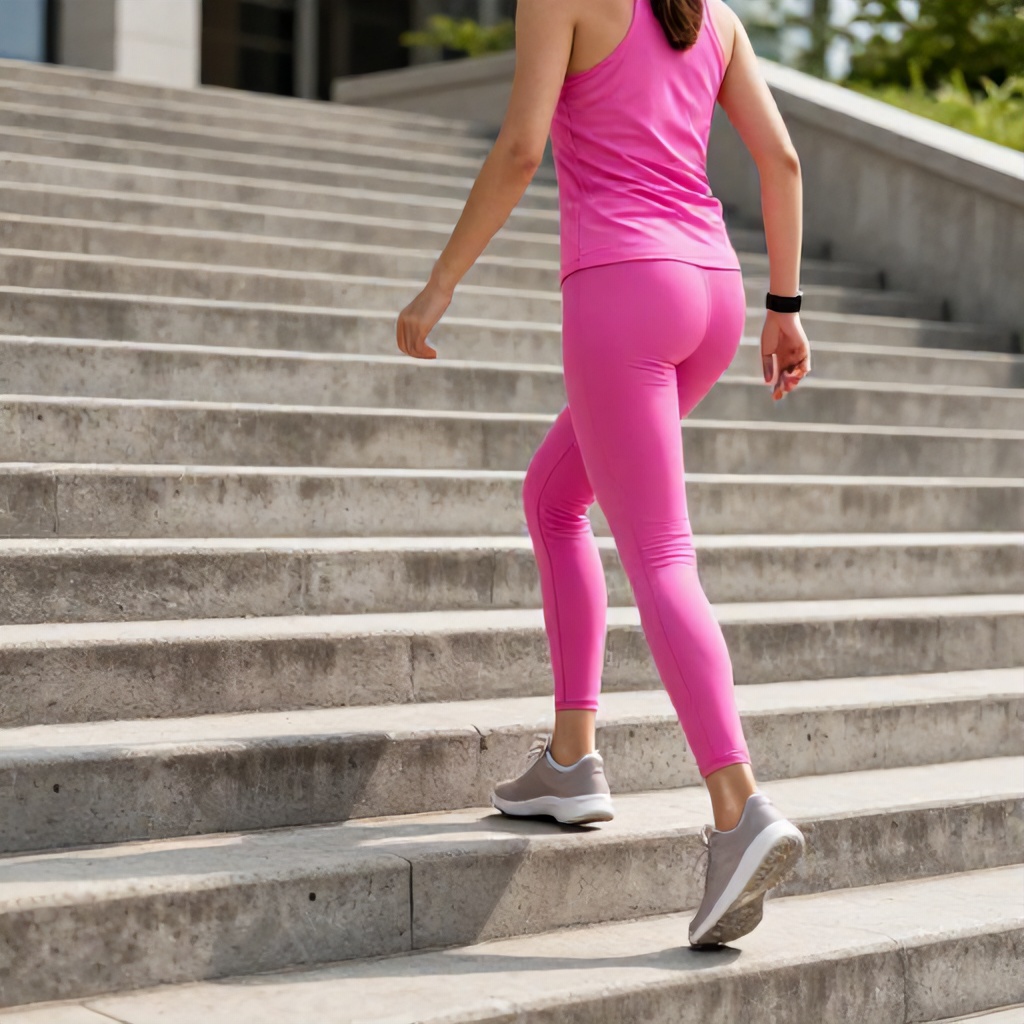
You’ve seen the image: a person, clad in vibrant pink athletic wear, powering up a seemingly endless flight of outdoor concrete stairs. It’s a powerful visual, isn’t it? It speaks of determination, of pushing limits, and of embracing the urban landscape as your personal gym. This isn’t just a pretty picture; it’s a snapshot of an incredibly effective and accessible form of physical activity. Forget expensive gym memberships or specialized equipment. Your local park, a pedestrian overpass, or even the steps outside your apartment building can become your personal training ground for serious cardio and strength gains.

Why Stairs? The Unsung Heroes of Fitness

Let’s break down why incorporating stair climbing into your routine is such a smart move. It’s a compound exercise, meaning it works multiple muscle groups simultaneously. Think quads, hamstrings, glutes, and calves all getting a serious workout with every step. Plus, it’s a fantastic way to build cardiovascular endurance. Your heart rate will skyrocket, improving your stamina and overall heart health.

The beauty of concrete stairs lies in their simplicity and ubiquity. They are everywhere, often overlooked, but brimming with potential. Unlike treadmills that offer a predictable, cushioned surface, outdoor stairs present a more dynamic challenge. The slightly uneven texture, the varying heights of the steps, and the sheer repetition demand focus and control, engaging stabilizing muscles you might not even realize you have. This adds an element of functional fitness, preparing your body for the real-world movements and demands of everyday life.

And the visual element? It’s inspiring. Seeing someone in stylish athletic wear, like a bright pink athletic top paired with practical black shorts and supportive athletic shoes, tackling those stairs can be a huge motivator. The contrast of the vibrant sportswear against the natural grey tones of the concrete and the often muted sky creates a striking stylistic overlay. It’s a testament to the fact that exercise can be both effective and aesthetically pleasing, a blend of performance and personal style.

Getting Started: Your First Flight

So, you’re ready to give it a try. Excellent! Here’s how to approach your first stair climbing session safely and effectively.

  1. Warm-up is non-negotiable. Before you even think about stepping onto the first riser, spend 5-10 minutes getting your body ready. Think dynamic stretches like leg swings (forward and backward, side to side), hip circles, and arm circles. A brisk walk around the area can also do wonders to increase blood flow and prepare your muscles for the exertion ahead.

  2. Start slow and steady. Don’t aim to sprint up the entire flight on your first go. Focus on maintaining a consistent pace, using good form. Aim to land softly on each step, engaging your glutes as you push off. Keep your core engaged – imagine drawing your belly button towards your spine. This helps protect your back and improves efficiency.

  3. Listen to your body. If you feel any sharp pain, stop. It’s better to take a break or modify your workout than to push through an injury. Fatigue is expected, but pain is a warning sign. Rest when you need to, and don’t be afraid to walk down the stairs slowly to recover before ascending again.

  4. Focus on your breathing. Deep, controlled breaths will help you maintain energy and stamina. Try to exhale as you push up on each step. This conscious effort will make the climb feel less daunting and more sustainable.

  5. Cool down afterwards. Just as important as warming up, a cool-down helps your body recover. Walk around for a few minutes to let your heart rate gradually return to normal. Follow this with static stretches, holding each stretch for 20-30 seconds. Focus on your calves, hamstrings, quads, and glutes.

The Gear That Gets You Going

What you wear can make a big difference in your comfort and performance. For stair climbing, practicality and comfort are key.

  • Athletic Wear: Opt for breathable fabrics that wick away sweat. A bright pink athletic top, for instance, not only adds a pop of color and personal style but also helps you stay visible, especially if you’re exercising in an urban setting with traffic. The right sportswear makes a difference.

  • Bottoms: Comfortable black shorts or leggings are ideal. They allow for a full range of motion without restriction, which is essential when your legs are doing all the work. Ensure they don’t ride up or chafe.

  • Footwear: This is perhaps the most critical piece of gear. Supportive athletic shoes with good traction are a must. You need shoes that can handle the impact of repeated steps and provide grip to prevent slips on the concrete. Look for cushioning in the midsole and a sturdy outsole. Some runners even incorporate shoes with subtle yellow accents, adding another visual element to their activewear ensemble.

  • Accessories: A simple armband to hold your phone or keys can be incredibly convenient. If you’re training in varying weather, consider a light, moisture-wicking headband or a cap to keep sweat out of your eyes.

The image of the person in pink athletic wear often highlights how sportswear can be a form of self-expression. It’s not just about function; it’s about feeling good and confident while you’re engaged in physical activity. The right outfit can be a powerful psychological boost, making you feel more ready to tackle that challenging flight of stairs.

Beyond the Basics: Leveling Up Your Stair Workout

Once you’ve built a solid foundation, you can start to introduce variations to keep your workouts challenging and engaging. This is where the real fun begins, turning a simple climb into a comprehensive training session.

Interval Training on the Stairs

This is a fantastic way to boost your cardio intensity and burn more calories in less time. The principle is simple: alternate between periods of high-intensity effort and periods of recovery.

  1. Sprint Intervals: After your warm-up, climb the stairs as fast as you can for a set duration (e.g., 30 seconds) or a set number of flights. Then, walk down slowly for recovery (e.g., 60-90 seconds). Repeat this cycle for 5-10 rounds.

  2. Incline Intervals: Instead of sprinting, focus on maintaining a very high intensity on the way up, pushing hard with each step. Walk down for recovery. This is great for building leg power.

  3. Pyramid Intervals: Start with one flight at a high intensity, walk down for recovery. Then do two flights at a slightly lower intensity, walk down. Continue increasing the number of flights with each ascent, then reverse the pattern, decreasing the number of flights as you ascend again.

Strength and Power Moves

You can integrate strength-building exercises directly into your stair workout. These moves add resistance and further challenge your muscles.

  • Single-Leg Squats (Pistol Squats): Stand on one leg at the bottom of the stairs. Lower yourself down as if sitting in a chair, keeping your chest up and core engaged. You can use the railing for balance if needed. Perform reps on each leg.

  • Calf Raises: Stand with the balls of your feet on the edge of a step, heels hanging off. Lower your heels as far as you can, then push up onto your tiptoes, squeezing your calf muscles. You can do this on a single step or multiple steps for a greater range of motion.

  • Lunges: Step up onto a single stair with one leg, bringing your other leg up to meet it, or perform walking lunges up the stairs, stepping onto each stair with a lunge motion.

  • Jump Squats: From the bottom of the stairs, perform a squat and then explosively jump upwards onto the next step. Land softly and immediately transition into the next squat. Be mindful of your landing and ensure you have good control.

These added exercises transform the stair climb from purely cardio into a full-body strength and conditioning session. The visual of someone in athletic wear, perhaps with a subtle armband, performing these dynamic movements against the backdrop of concrete stairs and a muted sky, encapsulates the modern approach to fitness – functional, stylish, and powerful.

The Mental Game: Conquering the Climb

Beyond the physical benefits, climbing stairs is an incredible mental workout. It teaches perseverance, discipline, and the satisfaction of overcoming challenges. Each step you conquer is a small victory, building your confidence and mental fortitude.

The repetition of the climb can be almost meditative. It allows you to clear your mind, focus on your breath, and disconnect from daily stresses. The rhythmic pounding of your athletic shoes on the concrete, the feeling of your muscles working, the cool air in your lungs – it all contributes to a sense of present-moment awareness. It’s a powerful way to engage in physical activity that also nourishes your mental well-being.

When you see that image of the person running up outdoor concrete stairs in their pink athletic top and black shorts, remember it’s not just about the physical act. It’s about the mindset. It’s about choosing to push yourself, to embrace discomfort for the sake of growth, and to find strength in unexpected places. The natural grey tones of the urban environment become the canvas for your personal triumph.

Safety First, Always

While stairs offer a fantastic workout, safety should always be your top priority. Here are some essential tips to keep in mind:

  • Check the Surface: Ensure the concrete stairs are dry and free from debris like leaves, gravel, or ice. Wet or slippery surfaces are a major hazard.

  • Use Handrails Wisely: Handrails can provide stability, especially when you’re tired or descending. However, don’t rely on them entirely, as this can reduce the effectiveness of your workout and lead to imbalances. Use them for balance, not as a crutch.

  • Be Aware of Your Surroundings: If you’re in a public space, be mindful of other people using the stairs. Yield to pedestrians, especially if you’re moving at a faster pace or doing interval training. The visual element of your sportswear, like a bright pink top, can help others see you more clearly.

  • Hydrate: Bring water, especially for longer or more intense sessions. Staying hydrated is crucial for performance and recovery.

  • Vary Your Route: If possible, find different sets of stairs to keep your routine interesting and to work on varied inclines and step heights. This also helps prevent overuse injuries.

  • Consider the Time of Day: If you’re exercising in an urban setting, be aware of lighting and safety. Early morning or late afternoon can be ideal, but always prioritize your personal safety.

The image of the person running up outdoor concrete stairs, with the muted sky above and the natural grey tones of the concrete below, is a powerful reminder that fitness can be integrated into everyday life. The athletic wear, including the vibrant pink top and practical black shorts, isn’t just about looking good; it’s about feeling prepared and empowered to engage in challenging physical activity. The choice of footwear, the athletic shoes, is paramount for safety and performance on such a surface.

Embracing outdoor concrete stairs as a fitness tool is a practical, effective, and empowering choice. It’s a way to build strength, boost your cardio, and challenge yourself mentally, all while utilizing resources that are freely available. So, next time you see a flight of stairs, don’t just see them as a way to get from point A to point B. See them as an opportunity to elevate your fitness.

Turquoise Elastic Strap for Full Body Stretching and Fitness Improvement

The Turquoise Elastic Strap: Your Go-To for Full Body Fitness and Flexibility

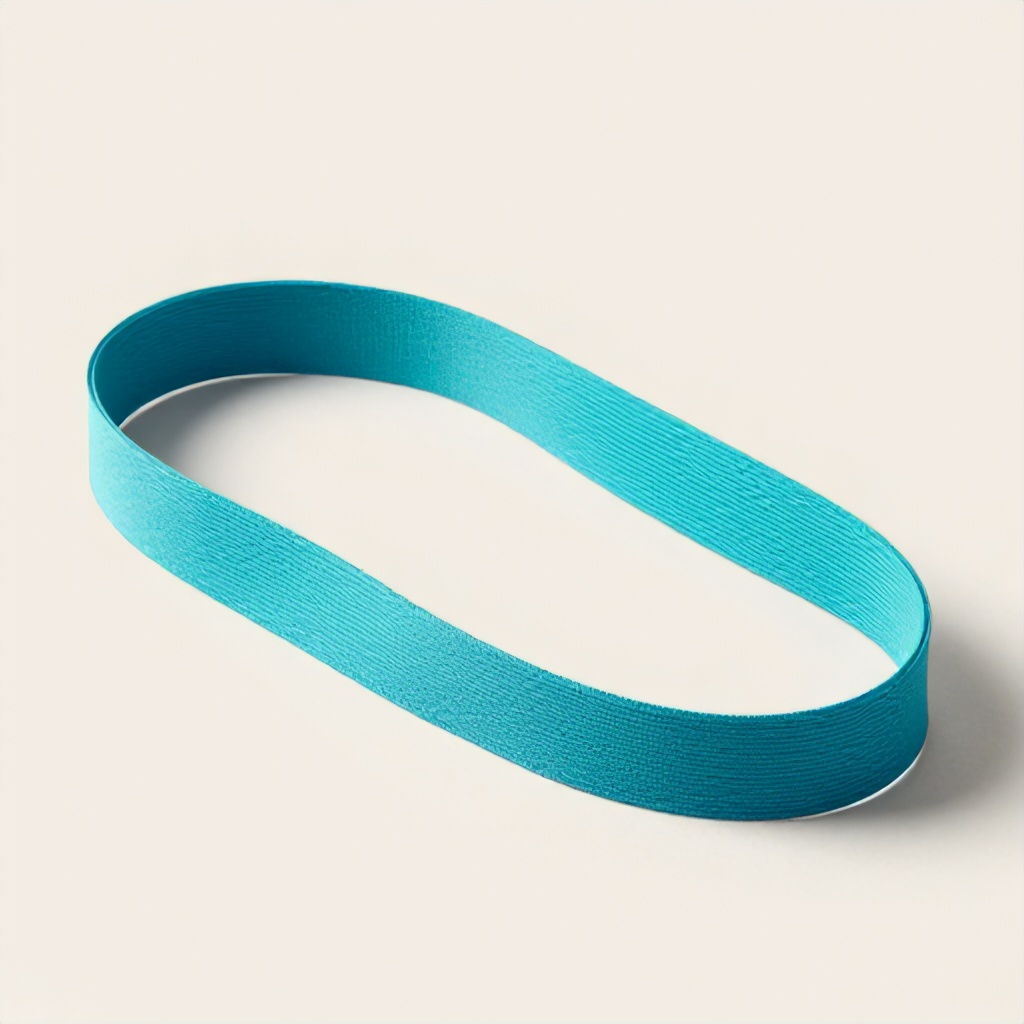
This turquoise elastic strap is a surprisingly versatile piece of fitness equipment that can revolutionize your stretching and overall fitness routine, offering a simple yet effective way to improve flexibility, build strength, and aid in recovery.

Why a Turquoise Elastic Strap? It’s More Than Just a Pretty Color

Let’s be honest, the color turquoise is uplifting. But beyond its cheerful hue, this elastic resistance band is a powerhouse for your body conditioning goals. It’s lightweight, portable, and incredibly adaptable, making it the perfect workout accessory whether you’re at home, in the gym, or even on vacation. Forget bulky machines or complicated setups; this simple tool packs a serious punch for anyone looking to enhance their active lifestyle and embrace a more holistic approach to wellness.

Think of it as your personal trainer, always ready to assist. It’s an exercise strap that’s gentle enough for physical therapy and rehabilitation exercises, yet robust enough for serious strength training and muscle toning. This makes it a fantastic addition to any home gym setup, offering a wide range of possibilities for a comprehensive workout.

Unlocking Your Flexibility: Stretching Made Smarter

Full body stretching is fundamental for maintaining a healthy, mobile body. Tight muscles can lead to discomfort, reduced range of motion, and even injury. That’s where the turquoise resistance band truly shines. It acts as an extension of your own limbs, allowing you to deepen stretches safely and effectively.

For example, imagine trying to reach your toes in a hamstring stretch. If you can’t quite get there, looping the strap around your feet provides that extra bit of leverage. You can then gently pull, increasing the stretch in your hamstrings and calves without straining your back or forcing your body into an uncomfortable position. This makes it an invaluable stretching aid for individuals of all flexibility levels.

It’s also a fantastic tool for targeting specific muscle groups. Consider a shoulder stretch; instead of relying on doorframes or walls, you can use the strap to control the intensity and direction of the stretch, promoting better mobility exercises and reducing the risk of injury prevention.

Specific Stretches to Try with Your Turquoise Strap

  • Hamstring Stretch: Lie on your back, loop the strap around the ball of one foot, and gently pull your leg towards you, keeping it as straight as possible.
  • Quad Stretch: Standing or lying on your side, loop the strap around your ankle and gently pull your heel towards your glutes.
  • Chest Opener: Hold the strap with both hands, arms extended behind you, and gently lift your arms away from your body to open up your chest and shoulders.
  • Triceps Stretch: Reach one arm overhead, bend the elbow, and loop the strap around the back of your head. Use your other hand to gently pull the strap downwards, deepening the stretch.
  • Calf Stretch: Stand facing a wall, place the strap around the ball of one foot, and gently pull your toes towards you while keeping your heel on the ground.

Beyond Stretching: Strength and Toning with Elastic Resistance

This isn’t just a stretching aid; it’s a legitimate piece of fitness equipment for building strength and toning muscles. The elastic resistance provided by the band challenges your muscles in a way that free weights or bodyweight exercises might not. It engages stabilizer muscles, leading to more balanced and functional strength.

Think about exercises like bicep curls or shoulder presses. By looping the turquoise resistance band under your feet and holding the ends, you create resistance that works your muscles through the entire range of motion. This is excellent for muscle toning and can be a great addition to a Pilates band routine, offering a different kind of challenge compared to traditional Pilates equipment.

For those focusing on lower body strength, the strap can be used for exercises like leg abductions and adductions. Loop it around your ankles or thighs and perform controlled movements to target your glutes, hips, and inner and outer thighs. This makes it a fantastic workout gear for a comprehensive body workout.

Strength Training Applications

  • Bicep Curls: Stand on the strap, hold the ends, and curl your arms up towards your shoulders.
  • Triceps Extensions: Stand on the strap, hold the ends behind your head, and extend your arms upwards.
  • Squats: Loop the strap around your thighs just above your knees to activate your glutes more intensely during squats.
  • Glute Bridges: Place the strap around your thighs and push your hips up, squeezing your glutes at the top.
  • Lateral Walks: Loop the strap around your ankles or thighs and perform side steps to strengthen your hip abductors.

Rehabilitation and Recovery: A Gentle Helping Hand

The turquoise elastic strap is a valuable tool in physical therapy and rehabilitation exercises. Its controlled resistance allows individuals recovering from injuries to gradually regain strength and mobility without putting excessive stress on the affected areas. It’s a gentle way to reintroduce movement and build confidence in the healing process.

For example, after a shoulder injury, a physical therapist might use the strap to guide a patient through controlled arm movements, helping to restore range of motion and rebuild strength in a safe environment. Similarly, after a knee injury, the strap can be used for gentle leg exercises to improve quadriceps and hamstring strength, crucial for supporting the knee joint. It acts as a reliable recovery tool, supporting your journey back to full fitness.

Even for everyday aches and pains, incorporating gentle stretching with the strap can help alleviate muscle tension and improve circulation, contributing to overall wellness and preventing minor issues from becoming major problems. It’s a proactive approach to maintaining your body’s health.

Portability and Convenience: Fitness On the Go

One of the most significant advantages of this turquoise resistance band is its sheer portability. It’s incredibly lightweight and can be easily rolled up or folded to fit into a backpack, gym bag, or even a large pocket. This means you can take your workout with you wherever you go.

Traveling? No problem. Stuck in a hotel room? You’ve got a full-body workout at your fingertips. Want to get a quick stretch in during your lunch break at the office? The turquoise strap makes it possible. This convenience factor encourages consistency, which is key to achieving any fitness goal. It truly embodies the spirit of portable fitness.

Having this readily available encourages you to incorporate movement into your day, even when time is short or you’re away from your usual gym. It removes barriers and makes it easier to maintain an active lifestyle, no matter your circumstances.

Integrating the Turquoise Strap into Your Routine

Adding this versatile tool to your existing fitness routine is straightforward. You can use it as a warm-up to prepare your muscles for exercise, as a primary tool for a dedicated stretching or strength training session, or as a cool-down to aid in muscle recovery.

Consider dedicating a few minutes each morning to a gentle stretching routine using the strap to wake up your body. Or, incorporate it into your existing workout by adding resistance band exercises between sets of other exercises. Even a short, focused session a few times a week can yield significant results.

Experiment with different exercises and find what works best for you. The beauty of the turquoise elastic strap lies in its adaptability. It can be used for yoga poses to deepen stretches, for Pilates-inspired movements, or for general body conditioning. It’s a workout accessory that grows with you as your strength and flexibility improve.

Making the Most of Your Turquoise Elastic Strap

To get the most out of your turquoise resistance band, remember a few key points. Always start with lighter resistance or fewer repetitions and gradually increase as you get stronger. Focus on controlled movements rather than explosive ones, especially when using it for strength training. Proper form is paramount to avoid injury and maximize effectiveness.

Listen to your body. If you feel sharp pain, stop. The goal is to challenge your muscles and improve flexibility, not to cause harm. Regular use is more beneficial than infrequent, intense sessions. Consistency is your best friend when it comes to fitness.

Finally, don’t be afraid to get creative! There are countless exercises you can do with an elastic strap. Look for inspiration online, consult with a fitness professional, or simply experiment and discover new ways to use this fantastic fitness equipment. It’s a simple investment that offers a wealth of benefits for your body and your overall well-being.

Exit mobile version