
Mechanisms of Hydrocolloid Technology in Acne Vulgaris Management
Hydrocolloid technology, originally developed for the management of chronic wounds and pressure ulcers, has been adapted into localized dermatological patches to facilitate the accelerated resolution of inflammatory acne lesions. These patches function by creating an occlusive, moist environment that promotes the absorption of exudate—comprising sebum, cellular debris, and inflammatory byproducts—from the follicular unit. By isolating the lesion from external contaminants and preventing manual manipulation, hydrocolloid dressings mitigate the risk of secondary bacterial infection and post-inflammatory hyperpigmentation.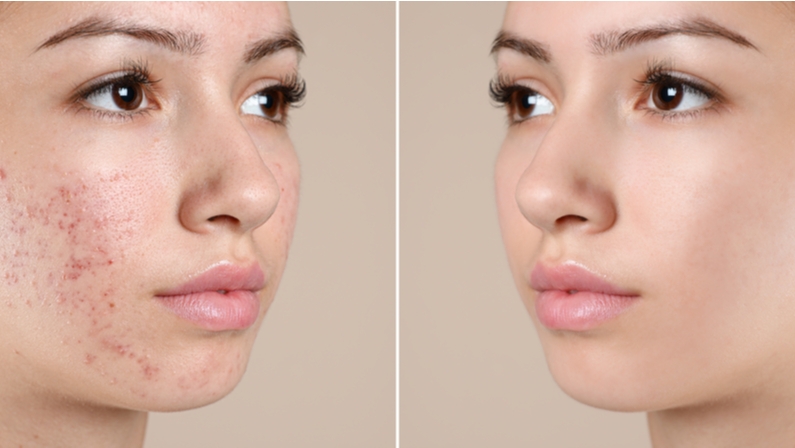
The efficacy of these patches, such as those produced by Peace Out Skincare, is predicated on the principle of moist wound healing. When a hydrocolloid material is applied to a ruptured or active pustule, the carboxymethylcellulose, gelatin, or pectin components within the adhesive matrix interact with the wound fluid. This interaction forms a gel-like substance that maintains a localized acidic pH, which is inhibitory to certain pathogenic bacteria, including Cutibacterium acnes. This process not only flattens the lesion but also reduces the duration of the inflammatory phase of the wound healing cycle.
The Role of Active Ingredients in Occlusive Patches
While standard hydrocolloid patches act primarily as a physical barrier and absorbent, advanced iterations incorporate pharmacological agents to target the underlying causes of acne. Peace Out Acne Dots utilize a combination of salicylic acid, vitamin A, and aloe vera infused directly into the hydrocolloid matrix. This delivery system allows for sustained, localized penetration of active ingredients into the pilosebaceous unit, which is often more effective than topical applications that may be wiped away or evaporated.
Salicylic acid, a beta-hydroxy acid (BHA), is lipophilic, meaning it is capable of penetrating the lipid-rich environment of the pore. Once inside, it functions as a keratolytic agent, breaking down the desmosomes that hold keratinocytes together. This action promotes the exfoliation of dead skin cells and prevents the formation of the keratin plug that leads to comedones. Vitamin A, often included in the form of retinyl acetate, supports cellular turnover and collagen synthesis, which aids in the structural repair of the skin following an inflammatory event. Aloe vera serves as a soothing agent to counteract potential irritation caused by the keratolytic process.
Pathophysiology of Blackheads and Comedonal Acne
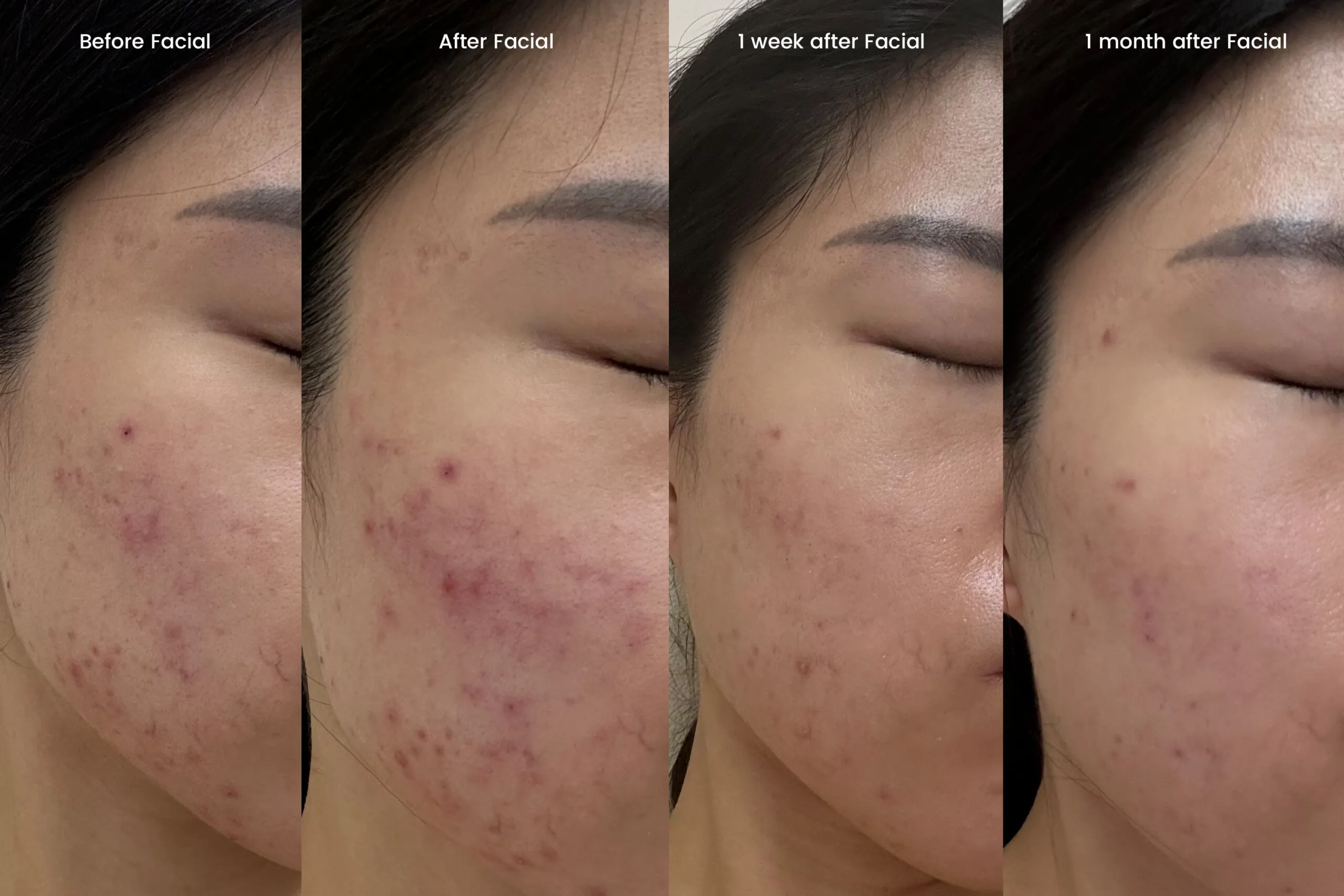
Blackheads, clinically referred to as open comedones, represent a non-inflammatory stage of acne characterized by the obstruction of the follicular opening. This obstruction is composed of a mixture of sebum and desquamated keratinocytes. Unlike closed comedones (whiteheads), the follicular orifice in a blackhead remains open to the atmosphere. The characteristic dark color is not a result of trapped dirt, but rather the oxidation of melanin and squalene within the sebum when exposed to oxygen.
The management of blackheads requires a different clinical approach than that of inflammatory pustules. While hydrocolloid patches are highly effective for fluid-filled lesions, blackheads consist of solidified plugs that often require chemical dissolution or mechanical extraction. Peace Out Blackhead Strips utilize a different adhesive technology designed to adhere specifically to the oxidized surface of the comedone, allowing for the physical removal of the plug upon the strip’s detachment. This is often supplemented with pore-refining ingredients to minimize the appearance of the follicular opening post-extraction.

Sebum Regulation and Follicular Hyperkeratosis
The formation of blackheads is driven by two primary factors: excessive sebum production (seborrhea) and follicular hyperkeratosis. Seborrhea is frequently influenced by androgenic hormonal activity, which stimulates the sebaceous glands to produce higher volumes of lipids. Follicular hyperkeratosis occurs when the cells lining the hair follicle fail to shed correctly, leading to a buildup that narrows the follicular canal. When these two factors coincide, the resulting pressure creates a plug.
To address blackheads effectively, skincare habits must focus on long-term regulation rather than immediate extraction alone. Clinical data suggests that the consistent use of BHAs and retinoids can alter the keratinization process, making the formation of new comedones less likely. Furthermore, maintaining the integrity of the skin’s moisture barrier is essential; over-cleansing can lead to reactive seborrhea, where the skin produces more oil to compensate for the loss of surface lipids.
Clinical Protocols for Acne Removal and Extraction
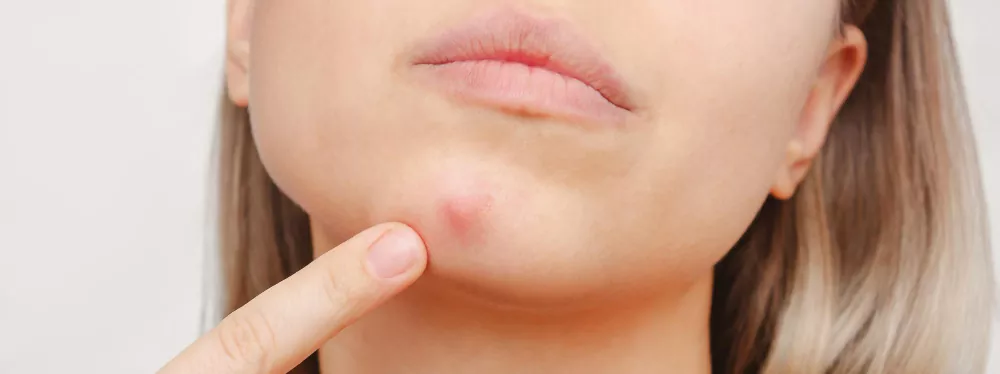
The removal of acne lesions, whether through manual extraction or chemical means, must be conducted with precision to avoid dermal trauma. Manual extraction of blackheads is a common dermatological procedure, but if performed incorrectly, it can lead to follicular rupture. When a follicle ruptures below the skin’s surface, the contents—including bacteria and fatty acids—leak into the surrounding dermis, triggering a significant inflammatory response that may result in scarring or cystic acne.
Professional-grade extraction typically involves the following steps:
- Pre-treatment with steam or a chemical desincrustation solution to soften the sebum plug.
- The use of a sterile comedone extractor to apply even pressure around the follicular opening.
- Post-extraction application of an antiseptic or anti-inflammatory agent to prevent infection.
- Application of an occlusive barrier, such as a hydrocolloid patch, to protect the site during the initial 24-hour healing window.
Comparative Efficacy of Topical Treatments vs. Patches
Topical treatments, such as creams and gels containing benzoyl peroxide or sulfur, are standard interventions for acne. However, these formulations often face challenges regarding bioavailability and patient compliance. Benzoyl peroxide, while a potent antimicrobial, can cause significant dryness and irritation to the surrounding healthy skin. In contrast, medicated patches provide a targeted delivery system that limits the active ingredients to the affected area, thereby reducing the risk of collateral irritation.
Furthermore, the physical presence of a patch serves as a psychological deterrent against “skin picking,” a behavior clinically known as dermatillomania. Chronic picking interferes with the natural healing process and is the primary cause of post-acne scarring. By covering the lesion, patches facilitate a controlled environment where the body’s innate immune response can resolve the inflammation without external interference.
Establishing Evidence-Based Skincare Habits
Long-term dermatological health is dependent on the establishment of evidence-based skincare habits that prioritize barrier function and the regulation of the skin microbiome. The skin microbiome is a complex ecosystem of microorganisms that play a vital role in defending against pathogens. Overuse of harsh antibacterial soaps can disrupt this balance, potentially allowing C. acnes to proliferate unchecked.
A scientifically sound skincare routine for acne-prone skin should include:
- Cleansing with a pH-balanced, non-comedogenic cleanser to remove excess lipids without stripping the acid mantle.
- The application of a chemical exfoliant, such as salicylic acid, to maintain follicular patency.
- The use of a non-greasy moisturizer to prevent transepidermal water loss (TEWL).
- The targeted use of hydrocolloid patches at the first sign of an inflammatory lesion to prevent progression.
- Daily application of broad-spectrum sunscreen, as many acne treatments increase photosensitivity.
The Impact of Diet and Lifestyle on Acne Pathology
While topical interventions and patches are critical for managing existing lesions, systemic factors also contribute to acne pathology. Clinical research has indicated a correlation between high-glycemic-index diets and increased acne severity. High-glycemic foods trigger an insulin spike, which in turn increases levels of insulin-like growth factor 1 (IGF-1). IGF-1 is known to stimulate both androgen production and sebaceous gland lipogenesis, leading to increased oiliness and a higher probability of follicular blockage.
Additionally, chronic stress has been shown to exacerbate acne through the release of corticotropin-releasing hormone (CRH). CRH can stimulate the sebaceous glands and increase the production of inflammatory cytokines. Therefore, a comprehensive approach to acne management involves both topical technological solutions, like Peace Out patches, and systemic lifestyle modifications to address the root causes of sebum overproduction and inflammation.
Safety Considerations and Dermatological Contraindications
While hydrocolloid patches and BHA treatments are generally considered safe for over-the-counter use, certain contraindications exist. Individuals with extremely sensitive skin or those diagnosed with rosacea should exercise caution when using products containing salicylic acid or retinyl acetate, as these ingredients can exacerbate redness and vascular reactivity. Furthermore, hydrocolloid patches should not be applied to infected wounds that exhibit signs of spreading cellulitis, such as extreme heat, red streaks, or systemic fever.
It is also important to note that while patches are effective for superficial inflammatory acne (papules and pustules), they are less effective for deep cystic acne. Cysts are located deep within the dermis and do not have a direct path to the surface for exudate absorption. In cases of severe nodulocystic acne, a consultation with a board-certified dermatologist is necessary to discuss systemic treatments such as oral antibiotics, hormonal therapy, or isotretinoin.
Summary of Clinical Efficacy
The integration of hydrocolloid technology with active keratolytic agents represents a significant advancement in localized acne treatment. By providing an occlusive environment that facilitates exudate removal while delivering targeted medication, these products offer a dual-action approach to lesion resolution. When used in conjunction with proper facial care habits and an understanding of the underlying pathophysiology of comedones and inflammation, these tools contribute to a more efficient and less traumatic recovery for the skin. The objective of such treatments is not merely the temporary removal of a blemish, but the promotion of long-term cutaneous health and the prevention of permanent structural damage to the dermis.