
Understanding the Mechanics of Pore Congestion
Pore congestion happens when the natural flow of sebum to the skin surface gets interrupted by trapped debris, dead cells, and environmental pollutants. When these elements mix inside the follicle, they create a plug that stretches the pore lining, leading to visible skin surface irregularities. Most people notice this as a grainy texture or small, dark spots across the nose, chin, and forehead. While often mistaken for simple dirt, these plugs are actually a complex interaction between oil production and the skin’s natural shedding process.

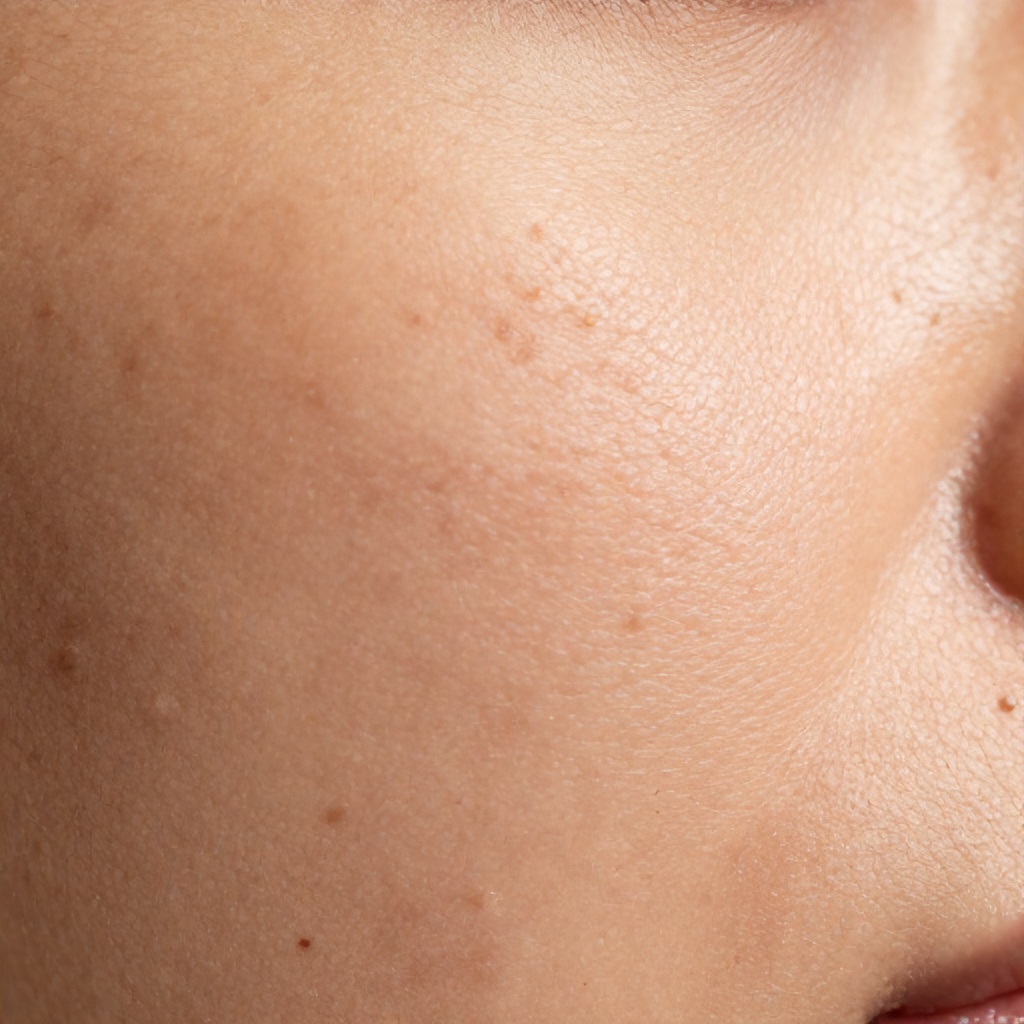
The follicle is designed to act as a conduit for sebum, which keeps the skin supple and protected. When the rate of skin cell turnover slows down, those cells do not shed properly. Instead, they stick to the inside of the pore walls. This process, known as hyperkeratosis, creates a sticky environment where oil becomes trapped. Over time, this mixture of oil and debris hardens, leading to follicular occlusion. If the plug remains open to the air, it oxidizes and turns dark, forming blackheads. If the pore remains closed, the buildup stays beneath the surface, creating tiny, flesh-colored bumps.
Distinguishing Between Sebaceous Filaments and Blackheads
Distinguishing between sebaceous filaments and true blackheads is essential for maintaining skin barrier health. Sebaceous filaments are a normal part of human anatomy. They look like tiny, grayish, or tan dots and serve as a pathway for oil to reach the skin surface. They are not a sign of poor hygiene, and attempting to extract them forcefully usually results in epidermal irritation or enlarged pores. You can identify them by their uniform, flat appearance across the nose or chin.
Blackheads, or open comedones, have a different structure. These represent a genuine blockage where the pore is physically impacted by a hard plug of oxidized material. Unlike filaments, blackheads are often raised or feel rough to the touch. Treating them requires a consistent approach focused on chemical exfoliation rather than mechanical force. Aggressive squeezing triggers a localized inflammatory response, which can damage the surrounding tissue and lead to permanent scarring or deeper dermal inflammation.
Signs of Chronic Congestion
- Surface texture that feels like fine sandpaper.
- Consistent breakouts in the same localized areas.
- Small, hardened bumps that do not respond to basic cleansing.
- A dull, grayish appearance to the complexion.
- Visible stretching of pore openings in oily zones.
The Role of Skin Barrier Health
A compromised skin barrier often exacerbates pore congestion by triggering an overproduction of oil. When the moisture barrier is stripped by harsh soaps or overly aggressive scrubbing, the skin reacts by pumping out more sebum to compensate for the loss of protection. This creates a cycle of cutaneous congestion where the skin feels tight yet remains oily. Focusing on hydration is often the missing link in managing persistent texture issues.
Incorporating non-comedogenic hydrators helps keep the pore lining flexible. When the skin is properly hydrated, the dead cells are more likely to shed naturally rather than clumping together. Look for lightweight serums containing hyaluronic acid or glycerin. These ingredients pull moisture into the upper layers of the epidermis without adding heavy waxes or oils that might further clog the follicular opening.
Strategic Exfoliation for Texture Issues
Chemical exfoliation is the most effective method for addressing follicular debris. Salicylic acid stands out because it is oil-soluble, meaning it can penetrate deep into the pore to dissolve the glue holding the debris together. This action helps clear out existing comedones and prevents new ones from forming. For those with sensitive skin, starting with a low percentage once or twice a week is enough to see a gradual improvement in complexion unevenness.
Alpha hydroxy acids, such as glycolic or lactic acid, work differently by loosening the bonds between surface skin cells. While they do not travel as deep into the pore as salicylic acid, they are excellent for smoothing out the skin topography and removing the top layer of dead cells that contribute to blockages. Using these acids in rotation allows the skin to clear itself from both the inside and the outside.
Best Practices for Routine Management
- Cleanse with a gentle, pH-balanced wash to avoid stripping the barrier.
- Apply a salicylic acid treatment to the T-zone to target deep-seated congestion.
- Use a lightweight, gel-based moisturizer to maintain hydration levels.
- Protect the skin with a mineral-based sunscreen during the day to prevent oxidation of oils.
- Limit physical scrubs to once a week to prevent unnecessary epidermal irritation.
Identifying Ingredients That Trigger Blockages
Not all products are created equal when it comes to pore blockage. Certain heavy waxes, thick oils, and silicones can sit on the skin surface and trap heat and oil inside the follicles. While these ingredients are not inherently bad, they can be problematic for individuals prone to congestion. Checking labels for terms like non-comedogenic is a helpful starting point, though it is not a perfect science.
Common culprits include isopropyl myristate, coconut oil, and certain heavy algae extracts. If you notice your skin texture worsening after introducing a new cream or oil, it is worth pausing that product to see if the congestion subsides. Often, the simplest routines yield the best results because they reduce the number of variables interacting with your skin’s natural oil production.
When to Consult a Professional
Dermatological imaging can provide a deeper look at what is happening beneath the surface of the skin. If you have tried consistent chemical exfoliation and gentle hydration without seeing a change in your skin texture, there may be an underlying issue related to hormonal fluctuations or chronic inflammation. A professional can assess whether your congestion is related to simple surface buildup or a more deep-seated follicular issue.
Professional treatments like chemical peels or specialized extractions can clear out long-standing impactions that home care cannot reach. These procedures are performed in a controlled environment to minimize the risk of scarring. They are particularly useful for individuals dealing with deep, stubborn comedones that have become a permanent fixture of their skin topography. Consistent professional care, paired with a solid home routine, is the most reliable path toward a clear, refined complexion.
Maintaining Long-Term Results
Consistency is the primary driver of skin health. Pores do not stay clear indefinitely; the skin is a living organ that constantly produces oil and sheds cells. Expecting a one-time fix is unrealistic. Instead, view your skincare routine as a form of maintenance. By keeping the flow of sebum clear and supporting the natural shedding cycle, you prevent the buildup that leads to visible congestion.
Patience plays a large role in this process. It often takes six to eight weeks to see a significant change in skin texture, as this aligns with the natural cycle of skin cell turnover. If you find yourself frustrated, remember that the goal is health rather than perfection. A clear, healthy complexion is simply one that functions efficiently, allowing for natural processes to occur without the interference of hardened debris.
Habits to Avoid for Clearer Pores
- Sleeping in makeup, which traps pollutants and oil against the skin overnight.
- Touching your face throughout the day, which transfers bacteria and debris.
- Using hot water to wash your face, as it can strip natural oils and trigger overproduction.
- Over-cleansing, which signals the skin to produce more sebum to protect itself.
- Applying heavy, occlusive creams to oily areas of the face.