Understanding Inflamed Skin with Pustules and Irritation Up Close

Understanding Inflamed Skin with Pustules: A Closer Look

Seeing inflamed skin with pustules and irritation up close can be unsettling, but understanding what’s happening at the epidermal level is the first step toward finding relief and managing the condition.

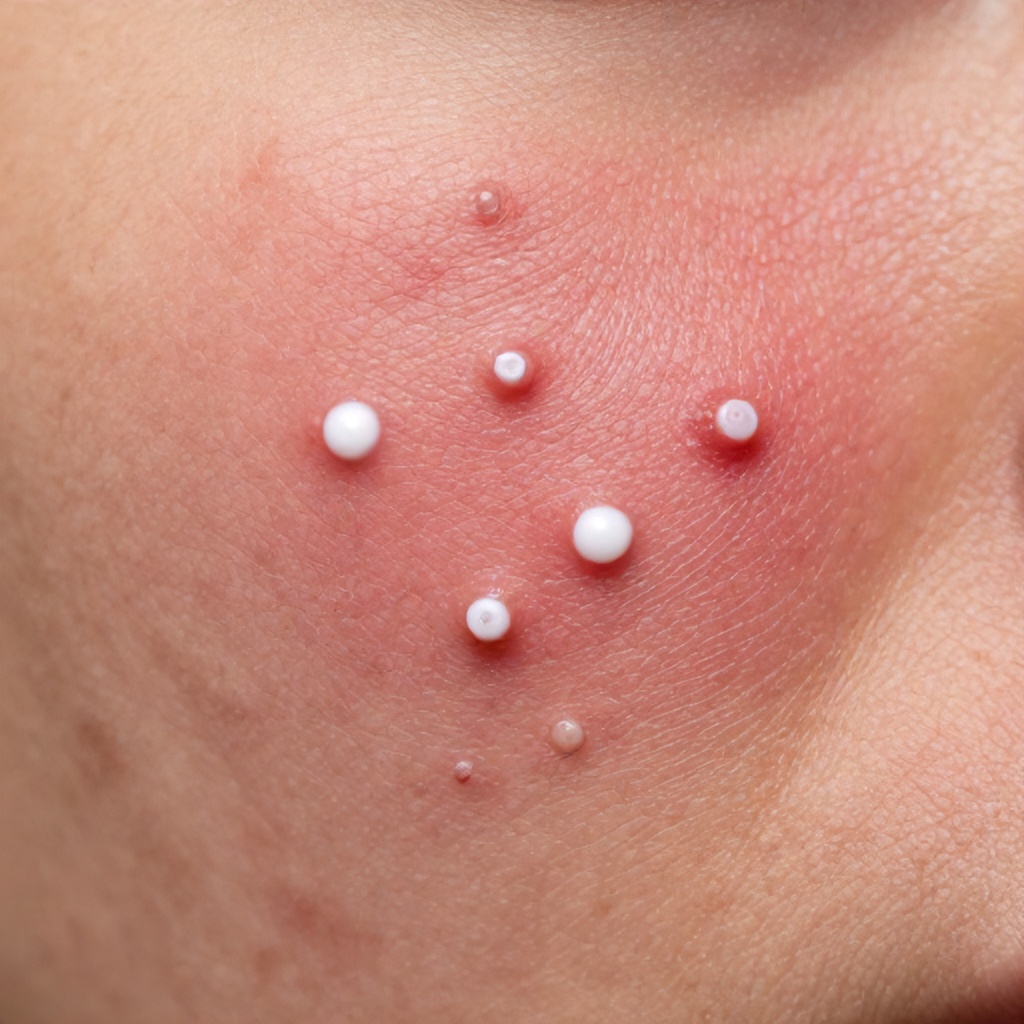
This macro view reveals a complex interplay of biological processes. What appears as simple redness and bumps is actually a dynamic, often frustrating, skin condition.

What Exactly Are Pustules?

Pustules are a common type of lesion associated with acne and other inflammatory skin conditions. They are essentially small, pus-filled bumps on the skin’s surface.

The key characteristic is the visible collection of white blood cells, dead skin cells, and sebum (oil) that forms the “head” of the pustule. This is the body’s immune system responding to an infection or irritation within a hair follicle or pore.

They can vary in size, from tiny pinpricks of pus to larger, more noticeable bumps.

The Anatomy of a Pustule

Let’s break down what’s happening beneath the surface when a pustule forms.

It often begins with a clogged pore. This blockage can be caused by excess sebum, dead skin cells, or even bacteria like Propionibacterium acnes (now often referred to as Cutibacterium acnes).

When this mixture becomes trapped, it creates an environment where bacteria can thrive. The body’s immune system detects this and sends white blood cells to fight off the perceived threat. This inflammatory response leads to the characteristic redness, swelling, and the formation of pus.

The skin pores themselves become a focal point of this congestion.

Causes of Inflamed Skin and Pustules

Several factors can contribute to the development of inflamed skin with pustules. It’s rarely a single cause, but rather a combination of elements.

Hormonal fluctuations are a major player, especially during puberty, menstruation, pregnancy, or due to conditions like polycystic ovary syndrome (PCOS). These shifts can increase sebum production, making pores more prone to clogging.

Genetics also play a role. If your parents had acne or similar skin conditions, you might be more predisposed to them.

Diet is another area of interest. While the link isn’t always direct or universally agreed upon, some studies suggest that high-glycemic foods and dairy might exacerbate acne in certain individuals. It’s about finding what works for your unique skin.

Stress can also trigger or worsen breakouts. When you’re stressed, your body releases hormones like cortisol, which can increase oil production and inflammation.

Certain medications, including corticosteroids, testosterone, or lithium, can also cause or worsen skin conditions that lead to pustules.

Finally, skincare habits matter. Using harsh products that strip the skin of its natural oils can paradoxically lead to increased oil production. Conversely, not cleansing properly can leave behind debris that clogs pores.

Follicular Inflammation: The Root of the Problem

At its core, the formation of pustules is a type of follicular inflammation. The hair follicle, which is connected to a sebaceous gland (oil gland), becomes inflamed.

This inflammation can be triggered by bacteria, trapped sebum, and dead skin cells. The body’s natural defense mechanisms kick in, leading to the characteristic redness and swelling we see.

When this inflammation is significant, it can lead to more intense irritation and discomfort.

Recognizing the Severity of Skin Inflammation

The appearance of inflamed skin with pustules can range from mild to severe. Understanding the skin severity is important for choosing the right approach to management.

Mild inflammation might present as occasional small red bumps with a few scattered pustules. The skin might feel slightly tender.

Moderate cases involve more widespread redness, more numerous pustules, and perhaps some larger, deeper lesions like papules (red, tender bumps without a visible head). The skin texture might appear more uneven.

Severe inflammation is characterized by extensive redness, numerous large pustules, and often deeper, more painful lesions such as nodules and cysts. These can leave scars if not managed properly.

The skin can appear very pink or even have a purplish hue in severe cases, especially on lighter skin tones. On darker skin tones, the redness might present as a deeper, purplish-brown or even greyish hue, and post-inflammatory hyperpigmentation can be more prominent.

Managing Inflamed Skin and Pustules

Dealing with inflamed skin and pustules requires a patient and consistent approach. It’s about addressing the inflammation, clearing the congestion, and supporting the skin’s natural healing process.

Gentle Skincare Practices

The foundation of managing any skin condition is a consistent, gentle skincare routine.

  • Cleansing: Use a mild, non-foaming cleanser twice a day. Avoid harsh scrubbing, which can worsen inflammation and spread bacteria. Look for ingredients like salicylic acid or benzoyl peroxide in gentle formulations if appropriate for your skin type and severity.
  • Moisturizing: Even oily, acne-prone skin needs moisture. Opt for oil-free, non-comedogenic moisturizers. Dehydrated skin can overcompensate by producing more oil.
  • Sun Protection: Sun exposure can worsen inflammation and lead to post-inflammatory hyperpigmentation (dark spots). Use a broad-spectrum SPF 30 or higher daily, even on cloudy days.

Targeted Treatments

Over-the-counter (OTC) and prescription treatments can be very effective.

  • Topical Treatments: Ingredients like salicylic acid (a beta-hydroxy acid, or BHA) are excellent for penetrating pores and dissolving oil and debris. Benzoyl peroxide kills acne-causing bacteria and helps reduce inflammation. Retinoids (like adapalene, available OTC, or prescription tretinoin) are vitamin A derivatives that help unclog pores, reduce inflammation, and improve skin texture over time.
  • Oral Medications: For moderate to severe acne, a dermatologist might prescribe oral antibiotics to reduce bacteria and inflammation, hormonal therapies (like birth control pills or spironolactone for women) to regulate hormones, or isotretinoin (a powerful retinoid) for severe, persistent cases.

Lifestyle Adjustments

Beyond skincare, certain lifestyle changes can support clearer skin.

  • Diet: Pay attention to how your skin reacts to certain foods. Consider reducing intake of high-glycemic index foods and dairy if you suspect they are triggers.
  • Stress Management: Incorporate stress-reducing activities like yoga, meditation, or spending time in nature.
  • Avoid Picking: Resist the urge to pick or squeeze pustules. This can push bacteria deeper into the skin, worsen inflammation, increase the risk of infection, and lead to scarring.

When to See a Dermatologist

If your inflamed skin with pustules is persistent, severe, causing significant discomfort, or leading to scarring, it’s time to consult a dermatologist.

A dermatological professional can accurately diagnose your specific skin condition, assess its severity, and recommend the most effective treatment plan tailored to your needs. They can prescribe stronger medications, perform in-office procedures, and offer expert advice to manage your skin health long-term.

Understanding the nuances of inflamed skin with pustules, from the microscopic follicular inflammation to the visible redness and pus-filled bumps, empowers you to take informed steps towards healthier, clearer skin.
Understanding Inflamed Pores and the Process of Extraction

The Microscopic Drama: Understanding Inflamed Pores and Extraction

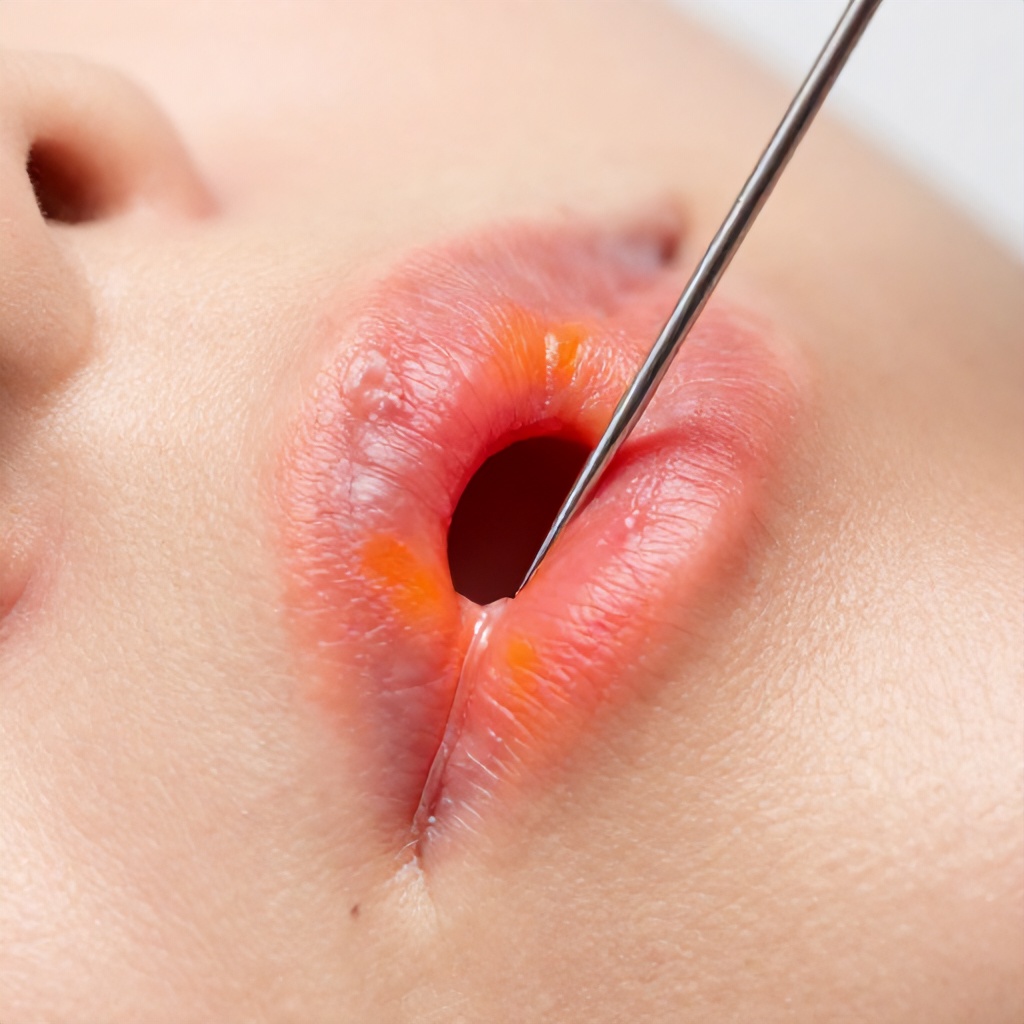
Seeing a close-up of an inflamed skin pore with a needle poised for extraction is a stark, almost hyper-realistic rendering of a common microscopic skin concern.

This isn’t just about a pimple; it’s a window into the intricate biology happening just beneath our skin’s surface. The vibrant shades of orange and red that often dominate such imagery aren’t just for dramatic effect; they represent the body’s inflammatory response, a complex process involving immune cells and chemical signals working to clear out a blockage.

At the heart of this visual is the inflamed pore itself. Imagine a tiny opening, a follicle, that has become a bustling hub of activity. Normally, this pore is a conduit for sebum, your skin’s natural oil, and hair growth. But sometimes, things go awry. Dead skin cells, excess sebum, and even bacteria can clump together, forming a plug.

When this plug causes irritation, the pore becomes inflamed. This inflammation is the body’s way of saying, “Something’s not right here!” It’s a signal that immune cells are being dispatched to the scene to deal with the unwelcome guest. The redness you see is due to increased blood flow to the area, bringing those crucial immune cells to fight off any potential infection and clear the blockage. The yellowish head, often visible, is a collection of pus – dead white blood cells and cellular debris – a tell-tale sign that the body is actively working to resolve the issue.

Then there’s the needle. In these close-ups, it’s often depicted with a metallic sheen, glinting sharply. This isn’t just any needle; it’s a tool used in dermatology and cosmetology for comedone extraction. The sharp needle is designed for precision, to carefully breach the skin’s surface and access the contents of the pore without causing undue damage to the surrounding skin tissue.

The act of extraction, when performed correctly by a professional, aims to remove the offending plug. This can alleviate pressure, reduce inflammation, and prevent further complications like infection or scarring. It’s a targeted intervention for a localized problem.

The Anatomy of an Inflamed Pore

To truly appreciate the close-up, we need to understand the components involved. A pore, or more accurately, a pilosebaceous unit, is a complex structure. It consists of a hair follicle and a sebaceous gland connected to it. The sebaceous gland produces sebum, which lubricates the skin and hair. Usually, this system works harmoniously.

However, several factors can disrupt this balance:

  • Excess sebum production, often influenced by hormones.
  • Rapid shedding of skin cells that don’t properly exit the follicle.
  • The presence of Cutibacterium acnes, a bacterium that thrives in oily environments.
  • Inflammation, triggered by the body’s immune response to the blockage and bacteria.

When these elements combine, they can lead to various types of acne lesions, from blackheads and whiteheads (comedones) to more inflamed papules, pustules, and even deeper cysts.

The inflamed pore in the close-up is often a representation of a papule or a pustule. A papule is a small, red, tender bump. A pustule is similar but has a visible collection of pus at its tip – that characteristic yellowish head.

The surrounding skin tissue can also show signs of distress. You might see slight swelling, increased redness, and a general sensitivity in the area. This is the body’s localized defense mechanism in full swing.

The Role of the Needle in Extraction

The needle, especially a sharp needle designed for dermatological use, plays a specific role in the process of comedone extraction. It’s not about randomly poking the skin.

Professionals use specialized tools, often sterile lancets or fine-gauge needles, for a few key reasons:

  • Creating a Micro-Opening: The needle is used to create a tiny, controlled opening in the stratum corneum, the outermost layer of the skin, directly over the impaction within the pore. This allows for easier and safer removal of the blockage.
  • Minimizing Trauma: A sharp, sterile needle, when used correctly, causes minimal damage to the surrounding skin tissue compared to squeezing or picking. This is vital for preventing further inflammation and reducing the risk of scarring.
  • Facilitating Removal: Once the opening is made, gentle pressure can be applied, often with sterile cotton swabs or specialized extraction tools, to encourage the release of the comedone’s contents.

The metallic glint of the needle in a hyper-realistic rendering highlights its sterile, clinical nature. It’s a tool of precision, not aggression. The goal is to resolve the blockage efficiently and with the least amount of disruption to the delicate skin tissue.

Why Extraction Matters (and When to Leave It to Professionals)

Extraction, when done properly, can be a beneficial step in managing acne and improving skin texture. Removing the hardened sebum and cellular debris from an inflamed pore can:

  • Reduce Inflammation: By removing the source of irritation, the body’s inflammatory response can subside more quickly.
  • Prevent Further Complications: A blocked pore is more susceptible to bacterial infection. Extraction removes the breeding ground for bacteria.
  • Minimize Scarring: Picking and squeezing can push bacteria deeper into the follicle and damage the surrounding skin tissue, leading to post-inflammatory hyperpigmentation or even permanent scars. Professional extraction aims to avoid this.
  • Improve Skin Appearance: Removing comedones can lead to smoother, clearer skin.

However, the visual of a needle extracting from an inflamed pore also serves as a cautionary tale. It underscores the importance of professional judgment and technique. Not every bump needs extraction, and attempting it yourself can often do more harm than good.

Consider these points:

  1. Not all lesions are extractable. Deep cysts or nodules, for instance, are not candidates for needle extraction and require different treatments.
  2. Sterility is paramount. Unsterile needles or tools can introduce bacteria, leading to infection and worsening the inflammation.
  3. Proper technique prevents damage. Aggressive or incorrect technique can tear the skin, damage the follicle, and lead to scarring.
  4. Underlying causes need addressing. Extraction is often a symptomatic treatment. Addressing the root causes of acne, such as hormonal imbalances or improper skincare, is crucial for long-term results.

Dermatologists and trained aestheticians possess the knowledge and tools to assess whether a lesion is suitable for extraction and to perform the procedure safely and effectively. They understand the different types of skin lesions, the anatomy of the pilosebaceous unit, and the potential risks involved.

The Visual Story: Inflammation and Intervention

The close-up image is a powerful visual narrative. It captures a moment of biological conflict and the potential for resolution. The vibrant shades of orange and red speak of the body’s natural defenses, the immune system at work. The yellowish head of the pustule tells of the battle’s progress, the accumulation of cellular debris.

And then, the sharp, glinting needle. It represents a deliberate, clinical intervention. It signifies a step beyond passive observation, a targeted action to address the microscopic skin concern. It’s a reminder that while our skin is remarkably resilient, sometimes it needs a helping hand, applied with precision and care.

Understanding the inflamed pore and the role of tools like the needle in extraction offers a deeper appreciation for the complexities of our skin. It highlights the importance of professional care when dealing with skin lesions and the delicate balance required to maintain healthy skin tissue.

Exit mobile version