
The Power of a Single Statement Plant in Minimalist Design
Bright minimalist design relies on the balance between negative space and a singular, vibrant focal point like a large indoor palm. By stripping away visual clutter and focusing on a neutral color palette, you allow the organic form of tropical foliage to become the room’s primary architectural detail. This approach creates a serene environment where the eye can rest, drawing immediate attention to the lush green textures that breathe life into a quiet space. A large potted palm serves as a living sculpture, offering a soft contrast to the sharp lines of modern decor and contemporary furniture.

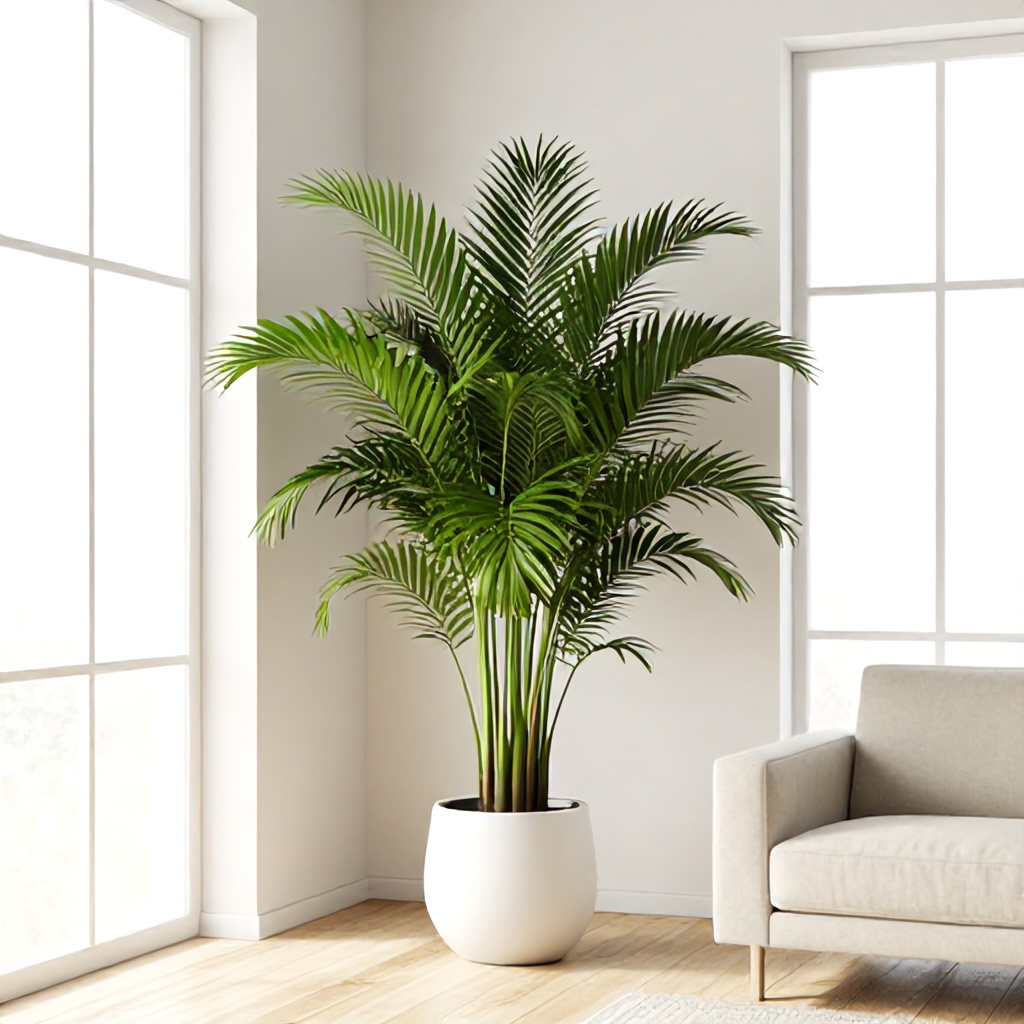
Minimalism often gets a reputation for being cold or sterile. Incorporating a large green palm changes that perception instantly. The presence of a living organism introduces a sense of home wellness and tranquility that artificial decor cannot replicate. It creates a fresh ambiance that feels intentional rather than accidental. When you choose one significant plant over a dozen small ones, you maintain the airy space required for a truly minimalist aesthetic while still enjoying the benefits of indoor gardening.
Choosing the Right Palm for Your Space
Not every palm thrives in the same conditions, and selecting the wrong variety can lead to a struggling plant that detracts from your serene environment. You need to match the plant’s biological needs with the natural lighting available in your home. Some palms crave direct sun, while others prefer the soft glow of light-filtering curtains.
The Kentia Palm
Often considered the gold standard for interior designers, the Kentia palm is incredibly resilient. It features elegant, arching fronds that can tolerate lower light levels than most tropical species. This makes it perfect for a corner that sits a few feet away from a window. It grows slowly, meaning it won’t outgrow its designated spot too quickly, maintaining the proportions of your minimalist layout for years.
The Areca Palm
If your room is flooded with bright, indirect light, the Areca palm is a fantastic choice. It has a feathery, delicate appearance that creates a soft, blurred effect against white walls. It is also known for its air-purifying qualities, contributing to a healthier indoor atmosphere. Be aware that Areca palms need consistent moisture and can be sensitive to the minerals in tap water, so using filtered water helps keep the tips from turning brown.
The Parlor Palm
While often sold as small tabletop plants, older Parlor palms can reach impressive heights. They have a classic, slightly bushy look that fills a void without feeling heavy. They are remarkably hardy and can survive in rooms with less-than-ideal lighting, making them a safe bet for beginners who want to achieve a botanical accent without a steep learning curve.
The Essential Role of Natural Lighting
Natural lighting is the backbone of any bright minimalist interior. Without it, the space feels flat, and your palm will eventually lose its vibrant green hue. To maximize the light in your room, consider your window treatments carefully. Heavy drapes block the very element that makes a minimalist space feel expansive. Instead, opt for sheer linens or light-filtering curtains that allow a soft, ethereal glow to permeate the room while still providing privacy.
Positioning your palm near a window is a functional necessity, but it also creates a beautiful visual effect. As the sun moves throughout the day, the palm leaves cast intricate shadows across the floor and walls. This dynamic element adds a layer of “invisible” decor that changes with the hours, providing visual interest without adding physical objects to the room. If your space lacks large windows, mirrors can be placed strategically to bounce light into darker corners, helping both the plant and the room feel more vibrant.
Creating a Neutral Color Palette
A successful minimalist room uses a monochromatic style or a palette of muted tones to create a sense of calm. Think of your walls as a blank canvas. Whites, creams, and soft greys provide the perfect backdrop for the deep green of a potted palm. This contrast makes the plant “pop,” highlighting the organic aesthetic of the tropical foliage.
When selecting furniture, stick to natural materials. A light oak coffee table, a cream linen sofa, or a jute rug will complement the palm without competing for attention. These materials share an earthy quality that ties the room together. Avoid bold patterns or high-contrast colors that might clash with the natural variations in the plant’s leaves. The goal is understated elegance, where every piece feels like it belongs to a cohesive whole.
Selecting the Perfect Pot and Stand
The container you choose for your palm is just as important as the plant itself. In a minimalist setting, the pot should be an extension of the room’s architecture. Large, heavy ceramic pots in matte white, charcoal, or terracotta offer a clean look. Avoid highly decorative or shiny glazed pots that feel too traditional or busy.
- Matte Ceramics: These provide a smooth, modern finish that blends into the background.
- Concrete Planters: Ideal for an industrial-minimalist vibe, adding weight and texture.
- Woven Baskets: Use these as a “cachepot” over a plastic liner to add warmth and an organic feel.
- Wooden Stands: Lifting the palm off the floor creates a sense of height and allows light to pass underneath the plant, making the room feel larger.
Ensure the pot has adequate drainage. Minimalist design is about functionality, and a plant sitting in stagnant water will quickly develop root rot. If you find a beautiful pot without a hole, use it as a decorative outer shell for a functional plastic nursery pot. This makes it easier to take the plant to the sink or outside for a deep watering session without risking damage to your floors.
Furniture Placement and Spatial Flow
In an airy space, the way you arrange your furniture dictates the flow of energy. A large palm should not be tucked away as an afterthought. Instead, use it to anchor a specific zone, such as a reading nook or the end of a long sofa. It acts as a visual boundary, defining a space without the need for walls or heavy dividers.
Keep the area around the palm clear. Minimalism thrives on “white space,” or areas where nothing is happening. By leaving a few feet of empty floor around your plant, you allow its silhouette to be fully appreciated. This also makes cleaning easier, as you can easily vacuum or dust around the base of the plant. If the room feels too empty, resist the urge to add more furniture. Instead, play with the height of the plant or the scale of your rug to fill the visual volume.
The Science of Biophilic Design
Biophilic design is the practice of connecting humans with nature within the built environment. It is more than just a trend; it is a method for improving mental clarity and reducing stress. A large green palm provides a direct connection to the outdoors, which is especially important in urban settings where green space may be limited. The sight of green leaves has been shown to lower heart rates and improve focus.
By integrating botanical accents into your home, you are creating a tranquil living space that supports your well-being. The palm acts as a silent companion, its slow growth reminding us to slow down in our own lives. This philosophy aligns perfectly with zen-inspired design, where every object in the home should serve a purpose or bring a sense of peace.
Maintenance for a Long-Lasting Glow
A dying plant is the opposite of a minimalist aesthetic. To keep your palm looking like a magazine feature, you must establish a consistent care routine. Dust is the enemy of a clean look; it coats the leaves and prevents the plant from photosynthesizing efficiently. Once a month, take a damp microfiber cloth and gently wipe down each frond. This keeps the green vibrant and the plant healthy.
- Watering: Most palms prefer to dry out slightly between waterings. Stick your finger two inches into the soil; if it feels dry, it’s time to water.
- Humidity: Tropical plants love moisture in the air. If you live in a dry climate, mist your palm occasionally or use a small, discreet humidifier nearby.
- Feeding: During the spring and summer, use a liquid fertilizer diluted to half-strength once a month to encourage new growth.
- Pruning: Brown tips happen. Use sharp, clean shears to trim away dead ends, following the natural shape of the leaf.
Consistency is more important than intensity. Palms don’t like sudden changes in temperature or being moved frequently. Find a good spot with stable light and leave it there. Over time, the plant will acclimate to your home’s specific microclimate and become a permanent fixture of your decor.
Textural Contrast and Organic Accents
While the color palette remains muted, you can introduce variety through texture. The smooth, waxy surface of palm leaves contrasts beautifully with a chunky wool throw or a rough-hewn stone side table. These tactile differences add depth to a room without cluttering it with unnecessary items. Look for ways to repeat the organic shapes found in the plant throughout the rest of the room.
Consider the “rule of three” but apply it to textures rather than objects. You might have the smooth leaves of the palm, the soft weave of a linen curtain, and the hard grain of a wooden floor. This trio of textures creates a balanced, sophisticated look. It feels designed and intentional, which is the hallmark of contemporary interior style.
Creating a Zen-Inspired Living Space
A zen-inspired design focuses on harmony and the elimination of the unnecessary. When you walk into a room featuring a large palm and minimal furniture, the air feels lighter. There is a sense of order that calms the mind. This is why palms are so popular in modern minimalist homes; they provide a burst of life that doesn’t feel chaotic.
To maintain this vibe, be ruthless about what enters the room. If a new piece of decor doesn’t serve a functional purpose or enhance the serene environment, it doesn’t belong. The palm should remain the star of the show. By keeping the rest of the room understated, you ensure that the natural beauty of the tropical foliage is never overshadowed.
Final Thoughts on Minimalist Greenery
Living with a large indoor palm is a lesson in patience and appreciation for nature. It requires you to pay attention to the light, the seasons, and the subtle needs of a living thing. In return, it provides a stunning visual centerpiece that transforms a simple room into a sanctuary. Whether you are starting from scratch or refining an existing space, a palm is a versatile and timeless addition to any bright minimalist home.
Focus on quality over quantity. One healthy, well-placed palm is worth more than a dozen neglected plants scattered around. Choose a variety that fits your lifestyle, find a beautiful pot that matches your monochromatic style, and enjoy the fresh ambiance that only a touch of nature can provide. Your home should be a reflection of the peace you want to feel, and nothing achieves that quite like the soft rustle of palm fronds in a sunlit room.