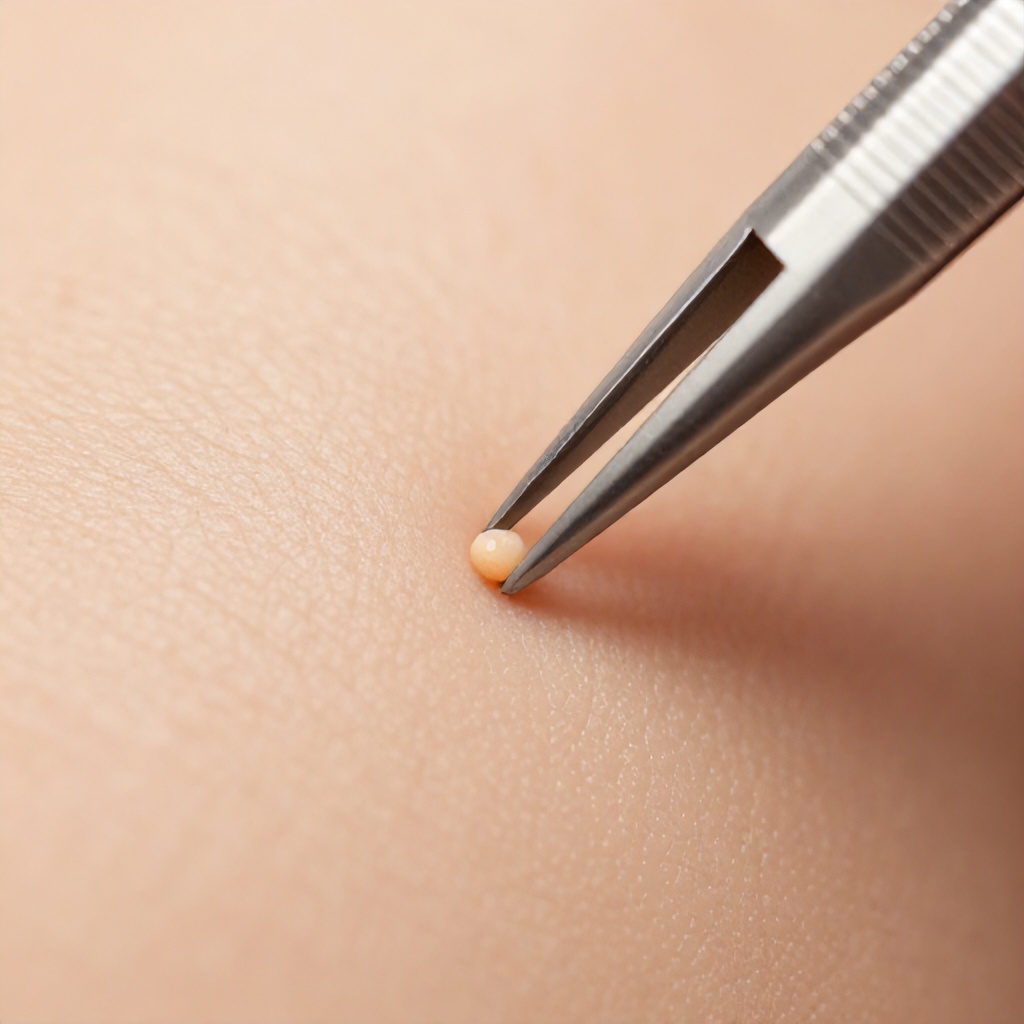
Acne on dry skin happens because your skin barrier function is compromised, leading to a cycle where dead skin cell accumulation and irritation trigger breakouts rather than just excess oil. While many people associate pimples exclusively with oily complexions, the reality is that a lack of moisture often leaves your skin vulnerable to bacterial infection and inflammation. Understanding that your skin needs both hydration and gentle care is the first step toward clearing your pores without stripping away the lipids that keep your face healthy.

Why Does Dry Skin Still Get Acne?
Acne pathogenesis is a complex process, but it essentially boils down to follicular occlusion. Your skin naturally produces sebum, which is meant to keep the surface supple and protected. When your skin is dry, that sebum can become thick and sticky. If your skin desquamation process—the natural shedding of dead cells—is sluggish, those cells get trapped inside the pore alongside the hardened oil. This creates a plug, which we recognize as comedones, including both blackheads and whiteheads.
When these plugs become colonized by bacteria, they turn into inflammatory acne. This is where the skin barrier function becomes the main character in your skincare story. Think of your skin as a brick wall. The skin cells are the bricks, and the mortar is made of ceramides, cholesterol, and fatty acids. When you lack this mortar, your skin cracks. These microscopic fissures allow irritants and bacteria to enter, which triggers an immune response. That response manifests as redness, swelling, and tender bumps.
Many people struggle with combination skin, where the T-zone produces enough oil to cause congestion while the cheeks remain tight and flaky. Even if your entire face feels dry, you can still experience breakouts because your skin is trying to compensate for the lack of moisture by producing more sebum, which then gets trapped under a layer of dry, dead skin. This is why hydration is not just a luxury; it is a functional necessity for maintaining skin integrity.
Why am I suddenly breaking out? Numerous factors can cause sudden breakouts as an adult, including fluctuating hormone levels, stress, and skincare, haircare, or makeup products. If you recently added a new product to your rotation, you could also be experiencing purging. That is when your skin temporarily reacts to an ingredient that is triggering cell turnover, often retinol or a type of acid, with a flare-up. How can you tell the difference? Purging will typically be caused by exfoliating ingredients, and the spots will heal quicker than your standard breakouts.
How to Prevent and Treat Acne on Dry Skin
Managing an acne-prone complexion when you have dry skin requires a delicate balance. You want to clear the congestion without damaging your lipid barrier. If you go too hard with harsh astringents or drying soaps, you will only trigger more inflammation and potentially cause more breakouts. Focus on gentle, consistent habits that support your skin microbiome.
The Golden Rule of Moisturizing: Moisturizers can definitely help reduce your breakouts—so long as you pick one with the right ingredients. Look for an option that contains acne-fighting ingredients like salicylic acid and soothing ingredients like aloe vera.

Use a Hydrating Cleanser
The first step in any routine is cleansing, but for dry, acne-prone skin, the wrong cleanser is a recipe for disaster. Avoid anything that leaves your skin feeling tight or squeaky. That tight sensation is a sign that you have stripped away your natural oils, which forces your skin to work overtime to repair itself. Instead, opt for a creamy, non-foaming cleanser that contains ceramides or hyaluronic acid. These ingredients help maintain moisture retention while lifting away dirt and excess sebum.
Incorporate Topical Retinoids Carefully
Topical retinoids are the gold standard for treating acne because they encourage cell turnover and prevent pore congestion. However, they can be incredibly drying. If you have dry skin, do not start by using them every night. Begin by applying a pea-sized amount twice a week, sandwiching it between layers of moisturizer. This method, often called the sandwich technique, allows the active ingredient to work while the moisturizer protects your skin barrier from excessive irritation.
Prioritize Skin Hydration
Transepidermal water loss is the enemy of healthy skin. When water evaporates from your skin too quickly, it becomes dehydrated, which weakens your skin elasticity and makes it more prone to breakouts. Use a humectant-rich serum, such as one containing glycerin or hyaluronic acid, on damp skin. Follow this immediately with a moisturizer that contains occlusives like squalane or shea butter to lock that hydration in place. This simple two-step process ensures your skin stays plump and resilient.
Avoid Over-Exfoliation
It is tempting to scrub away acne, but over-exfoliation is one of the most common mistakes people make. When you scrub too hard or use chemical exfoliants too frequently, you disrupt your skin barrier. This leads to increased sensitivity and makes it easier for bacteria to penetrate your pores. Limit physical scrubs to once a week at most, or better yet, switch to a gentle chemical exfoliant like lactic acid, which is more hydrating than other acids and helps with surface-level desquamation without causing raw, irritated patches.
Alternate Your Active Ingredients
If you are using multiple treatments, do not layer them all at once. If you use a salicylic acid cleanser in the morning, do not follow it with a high-strength benzoyl peroxide cream. Instead, alternate your actives. Use your acne-fighting ingredients in the evening and focus on barrier-repairing ingredients like niacinamide or ceramides in the morning. This approach keeps your skin calm and prevents the irritation that often leads to more breakouts.
Check Your Product Labels
Always look for the term non-comedogenic on your skincare and makeup products. This label indicates that the product is formulated not to clog pores. However, even with this label, it is smart to check the ingredient list for common offenders like heavy coconut oil or cocoa butter, which can be highly comedogenic for some people. Stick to lightweight, water-based, or oil-free formulas that provide moisture without the heavy, pore-clogging feel.

Why am I suddenly breaking out? Numerous factors can cause sudden breakouts as an adult, including fluctuating hormone levels, stress, and skincare, haircare, or makeup products. If you recently added a new product to your rotation, you could also be experiencing purging. That is when your skin temporarily reacts to an ingredient that is triggering cell turnover, often retinol or a type of acid, with a flare-up. How can you tell the difference? Purging will typically be caused by exfoliating ingredients, and the spots will heal quicker than your standard breakouts. Does moisturizing dry skin actually help?
Building a Sustainable Routine
Consistency is the secret to success, but it needs to be the right kind of consistency. You do not need a ten-step routine to see results. In fact, a simpler routine is often better for someone with dry, acne-prone skin because it reduces the risk of irritation. Focus on these three pillars: cleanse, treat, and protect.
- Cleanse with a gentle, hydrating formula that respects your skin microbiome.
- Apply a targeted treatment, such as a low-strength retinoid or a spot treatment, only where you need it.
- Seal everything in with a moisturizer that supports your lipid barrier.
- Apply sunscreen every single morning, as UV exposure can worsen acne inflammation and lead to dark spots.
If you find that your skin is still struggling, it might be time to look at your lifestyle factors. Stress can trigger hormonal fluctuations that increase sebum production, while lack of sleep can impair your skin’s ability to repair itself overnight. Even your pillowcase can play a role. Changing your pillowcase frequently prevents the buildup of bacteria and hair products from transferring to your face while you sleep.
Watch for signs of damage: If your skin starts to burn, sting, or peel excessively, stop all active treatments immediately. Focus solely on cleansing and moisturizing until your skin feels calm again. This is a clear sign that your skin barrier is compromised and needs time to recover before you reintroduce any acne-fighting ingredients.
When to See a Professional
Sometimes, over-the-counter solutions are not enough. If you have tried a consistent, gentle routine for three months without seeing improvement, it is time to consult a dermatologist. They can provide a professional assessment of your acne pathogenesis and determine if you need prescription-strength topical retinoids or oral medications. They can also help you identify if your acne is hormonal, which often requires a different, more targeted approach than standard breakouts.
Remember that your skin is a living organ. It changes with the seasons, your age, and your environment. What worked for you last year might not work today. Be patient with yourself and your skin. Healing takes time, and the goal is not to have perfect, poreless skin, but to have skin that feels comfortable, healthy, and resilient. By focusing on hydration and gentle, evidence-backed care, you can manage your breakouts while keeping your complexion glowing.
Why am I suddenly breaking out? Numerous factors can cause sudden breakouts as an adult, including fluctuating hormone levels, stress, and skincare, haircare, or makeup products. If you recently added a new product to your rotation, you could also be experiencing purging. That is when your skin temporarily reacts to an ingredient that is triggering cell turnover, often retinol or a type of acid, with a flare-up. How can you tell the difference? Purging will typically be caused by exfoliating ingredients, and the spots will heal quicker than your standard breakouts.
Ultimately, the key to managing acne on dry skin is shifting your mindset. Instead of viewing your skin as an enemy to be conquered with harsh chemicals, view it as a system that needs support. When you provide your skin with the hydration it craves and the gentle protection it needs, you create an environment where breakouts are less likely to occur. Your skin barrier is your first line of defense; treat it with kindness, and it will reward you with a clearer, calmer complexion.
Keep an eye on how your skin reacts to new products. If you notice increased redness or tightness, scale back. If you notice your skin feeling soft and hydrated but still breaking out, you might need to adjust the strength of your active ingredients. It is a process of trial and error, but with a focus on barrier health, you will find the balance that works for you. Your journey to clearer skin is a marathon, not a sprint, and every step you take toward better hydration is a step in the right direction.
Finally, never underestimate the power of a good sunscreen. Even if you are worried about breakouts, skipping SPF is never the answer. Sun damage can cause inflammation, which makes acne worse and leads to long-term scarring. Look for a mineral-based sunscreen with zinc oxide, which is often soothing for sensitive skin and provides excellent protection without clogging your pores. Protecting your skin is the final, most important step in any routine.