Effective Natural Remedies for Treating Acne and Improving Skin Health

Livraison GRATUITE à l’achat de 85$ et plus pour le Québec et l’Ontario. En savoir plus ▶

Acne is a complex condition that signals deeper imbalances within the body rather than just a surface-level hygiene issue. While many people view dermatological conditions as simple cosmetic annoyances, they often serve as external indicators of internal systemic health. Addressing these persistent breakouts requires looking beyond topical creams to understand how hormonal, metabolic, and digestive factors influence the skin barrier.
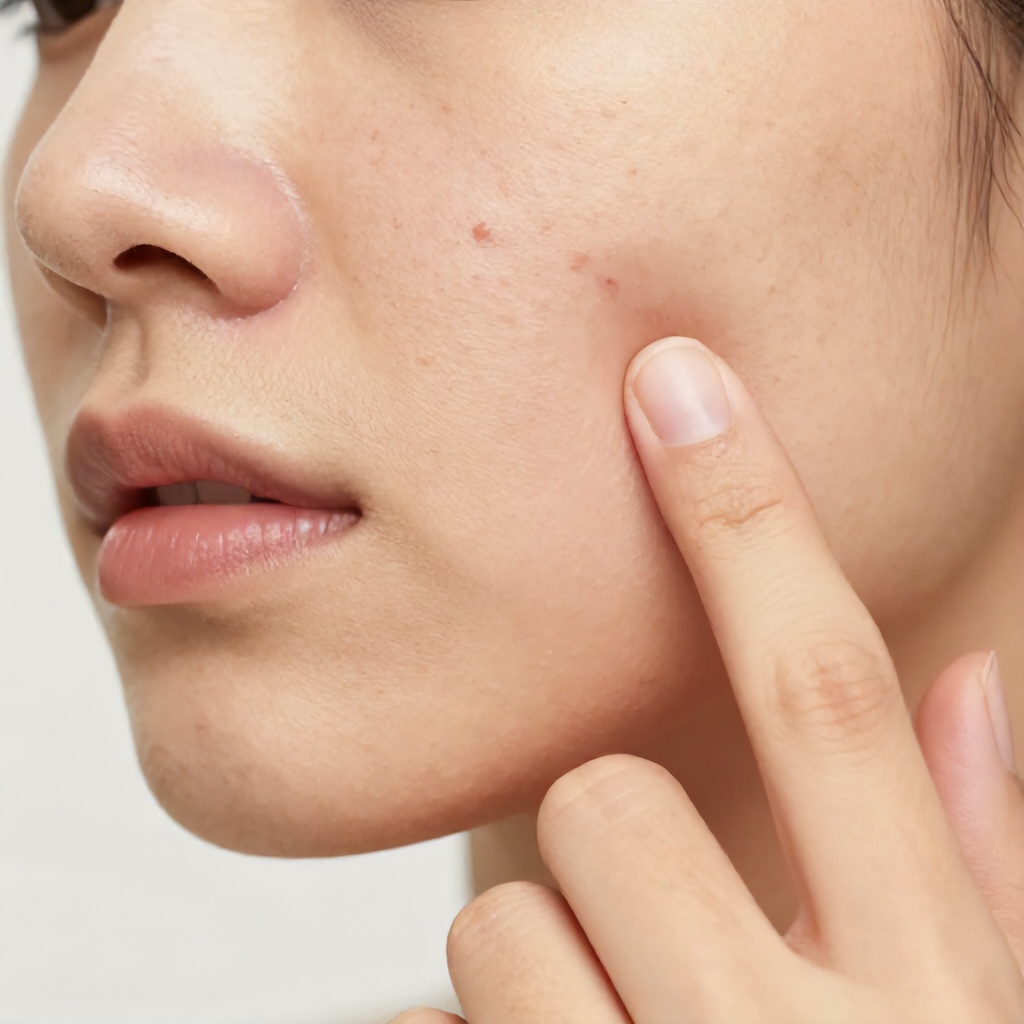
Understanding the Biology of Acne

Acne occurs when the sebaceous glands, located deep within the hair follicles, become overwhelmed. These glands are responsible for sebum production, an oily substance that keeps the skin lubricated. When the body experiences a hormonal imbalance, these glands can go into overdrive. This excess oil, combined with dead skin cells, creates a plug known as a comedone. If this environment becomes trapped, it invites bacterial infection, specifically from bacteria like staphylococcus, leading to the painful pustules and inflammatory skin conditions many people struggle to manage.

The endocrine system plays a central role in this process. Specifically, androgenic hormones like testosterone and its potent metabolite, dihydrotestosterone (DHT), act as the primary triggers for sebum production. During puberty, these hormones surge, which explains why acne is so prevalent during the teenage years. However, when these hormone levels remain elevated or imbalanced in adulthood, the skin continues to react, leading to chronic hormonal acne that resists standard over-the-counter treatments.

The Naturopathic Approach to Skin Health

A naturopathic approach focuses on identifying the root cause rather than just suppressing symptoms. If you have tried every wash and scrub on the market without success, it is time to look at your metabolic health. Insulin resistance, for instance, is a major driver of skin inflammation. When your body struggles to manage blood sugar effectively, it triggers a cascade of hormonal signals that increase androgen production, directly stimulating those sebaceous glands.

Digestive health is another pillar of clear skin. The gut-skin axis is a well-documented connection where the state of your microbiome influences systemic inflammation. If your digestion is sluggish or if you are consuming foods that spike your blood sugar, your skin will often be the first organ to show the stress. Improving glycemic control through diet is often more effective for long-term skin health than any topical dermatological treatments.
Warning: Always consult with a healthcare professional before making significant changes to your diet or starting new supplements, especially if you are currently using prescription medication for your skin or hormonal health.

Key Factors Influencing Breakouts

Acne is rarely caused by a single factor. Instead, it is usually a combination of environmental, genetic, and internal triggers. Understanding these mechanisms helps you create a personalized plan for recovery.

  • Hormonal fluctuations: Shifts in testosterone levels or estrogen ratios can trigger sudden flares.
  • Insulin resistance: High-glycemic diets cause insulin spikes, which increase sebum production.
  • Chronic inflammation: Systemic stress or poor gut health keeps the skin in a state of constant reactivity.
  • Skin hygiene: While not the sole cause, improper cleansing can exacerbate existing bacterial growth.

Managing Hormonal Acne

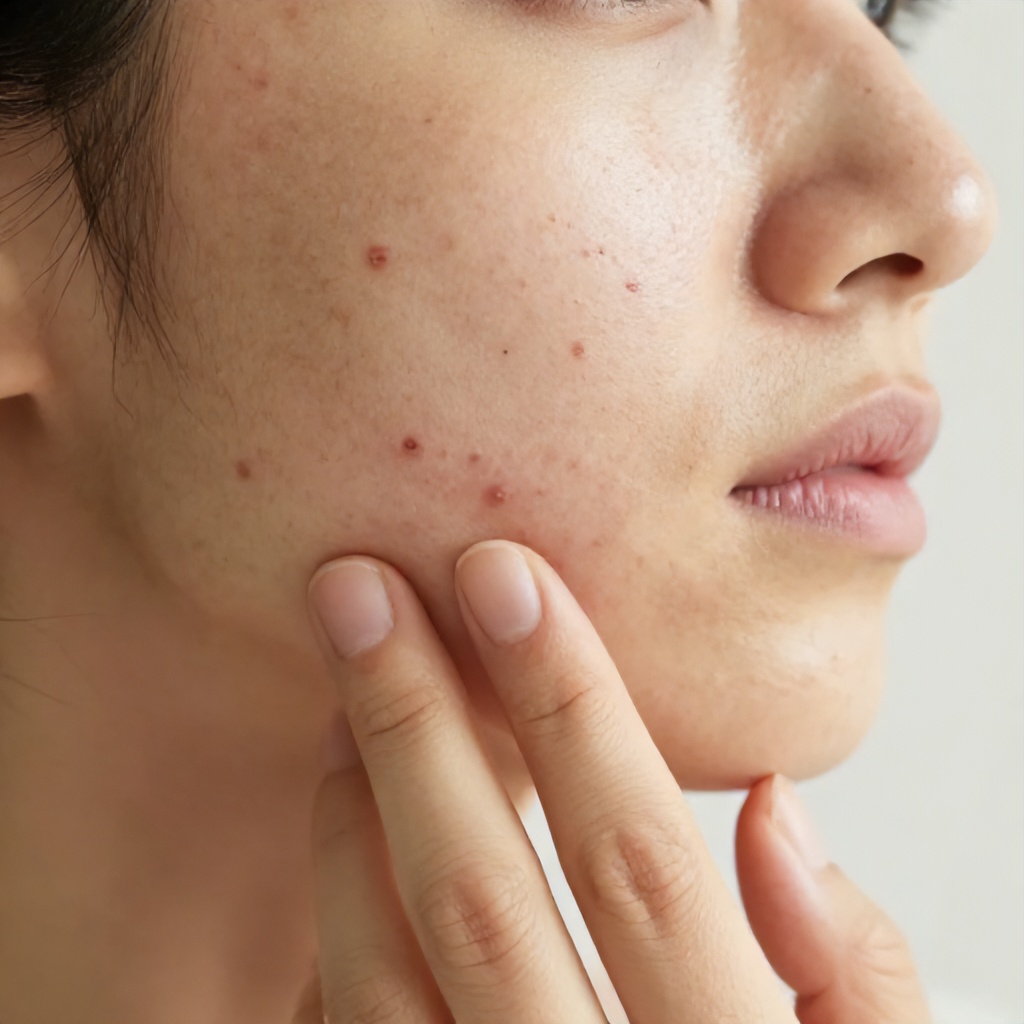
Hormonal acne typically appears along the jawline and chin. This pattern is a classic sign that your endocrine system is struggling to process androgens. To support your body, focus on stabilizing your blood sugar. Eat fiber-rich vegetables, lean proteins, and healthy fats at every meal. This prevents the rapid insulin spikes that tell your sebaceous glands to produce more oil.

The Role of Digestive Health

Your gut is the foundation of your immune system. If you suffer from bloating, irregular bowel movements, or food sensitivities, these issues often manifest as skin inflammation. Incorporating fermented foods or high-quality probiotics can help balance your internal flora, which in turn reduces the systemic inflammation that fuels acne. Think of your skin as a mirror for your digestive tract; when the gut is calm, the skin is usually clearer.

Practical Steps for Daily Care

Consistency is more important than intensity. Many people damage their skin barrier by using harsh, drying products that strip away natural oils. When the skin barrier is compromised, it becomes even more susceptible to bacterial infection. Use gentle, non-comedogenic cleansers that respect the skin’s pH balance.

  1. Cleanse gently twice a day to remove excess sebum and environmental pollutants.
  2. Prioritize whole foods to maintain steady blood sugar levels throughout the day.
  3. Manage stress through movement or mindfulness to keep cortisol levels in check.
  4. Avoid picking at your skin, as this spreads bacteria and leads to permanent scarring.
  5. Monitor your skin’s reaction to dairy or high-sugar foods, as these are common triggers for many people.

Long-Term Strategies for Skin Resilience

Building skin resilience takes time. You cannot expect to reverse years of hormonal or metabolic imbalance in a few days. Focus on small, sustainable changes. Start by tracking your meals and your skin’s response. Notice if your breakouts correlate with periods of high stress or specific dietary choices. This data is invaluable when working with a healthcare provider to find the right path for your specific needs.

Remember that skin health is a reflection of your overall systemic health. By focusing on metabolic stability, digestive function, and hormonal balance, you are not just treating the surface of your skin; you are supporting your entire body. This holistic approach is the most reliable way to achieve lasting results and improve your quality of life.

Final thoughts on your journey to better skin: be patient with yourself. Healing is rarely a straight line. Some weeks will be better than others. Keep your routine simple, focus on nutrient-dense foods, and listen to what your body is telling you. If you feel overwhelmed, reach out to a professional who understands the connection between internal health and external skin conditions. You have the power to influence your skin’s health by making intentional, informed choices every single day.
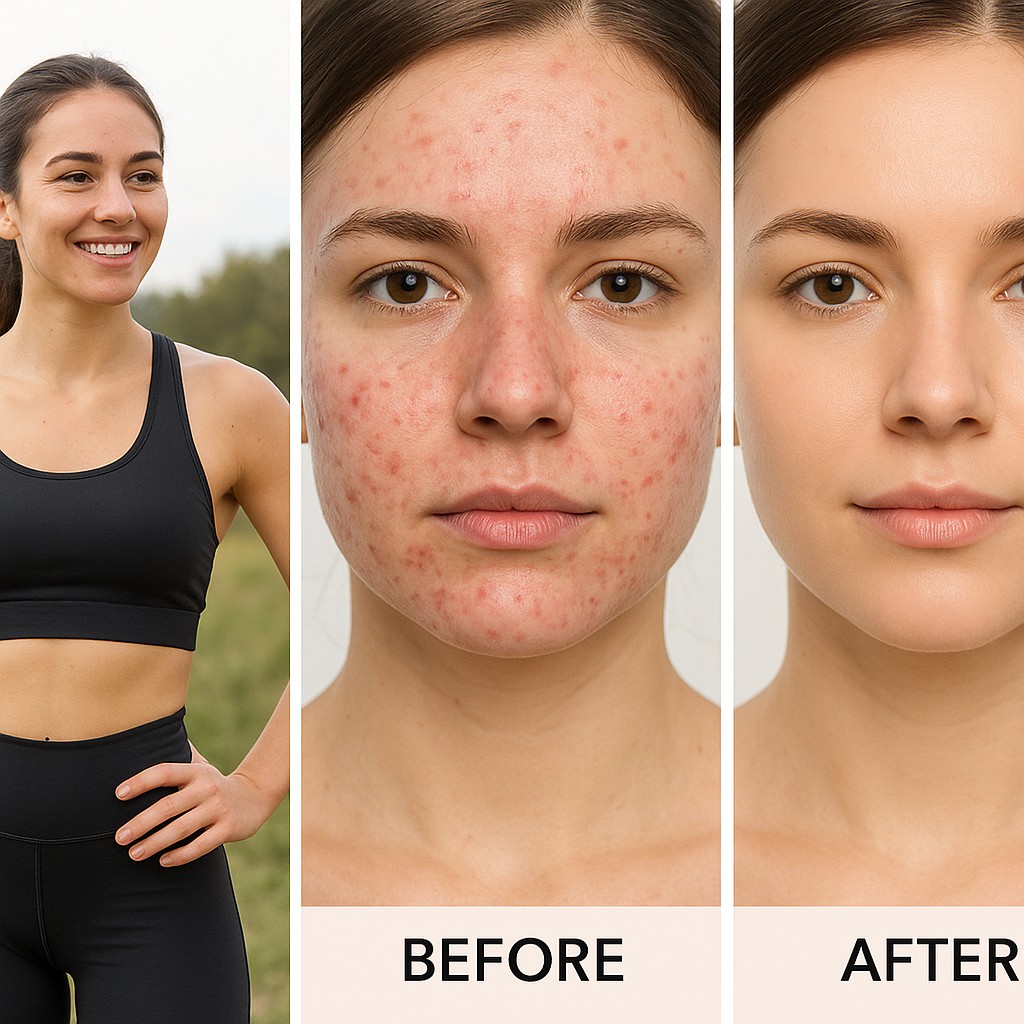

Model Georgia Gibbs Shares Her Two-Year Skin Transformation After Severe Acne Battle

Model Georgia Gibbs recently shared her two-year skin transformation, proving that clearing severe acne and managing rosacea is rarely a straight line. After years of dealing with painful breakouts and persistent redness, she found that healing required looking far beyond the surface of her skin. Her experience highlights the reality of living with an inflammatory skin condition, where the body often signals deeper internal imbalances through the face.

Understanding the Complexity of Skin Healing

Many people assume that a simple switch in cleansers or a new serum will fix their complexion overnight. Georgia’s journey suggests otherwise. She describes her process as a chronic battle that involved addressing hormonal problems, potential autoimmune disorders, and extreme stress. When you deal with inflamed skin, it is easy to feel discouraged by the constant cycle of improvement followed by sudden, frustrating flare-ups.

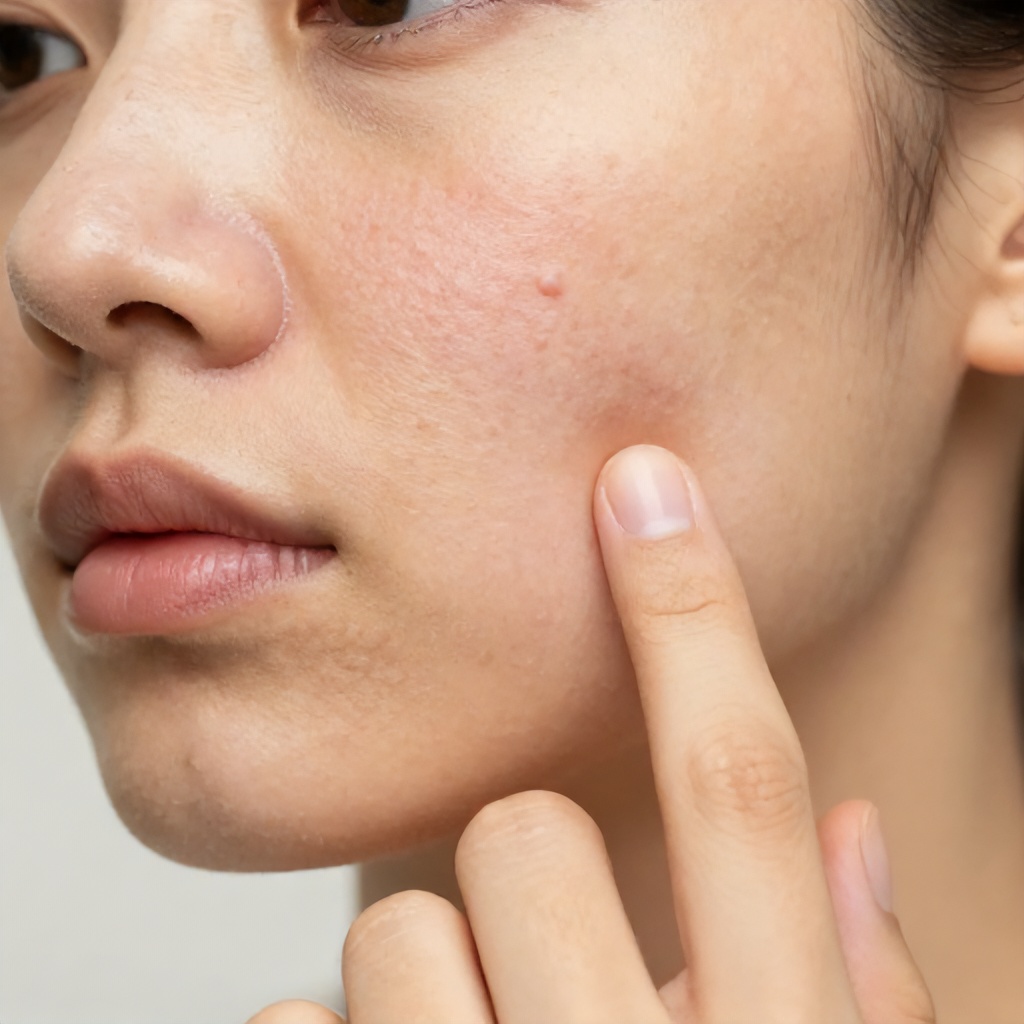
The skin acts as a mirror for what is happening inside the body. When you see swollen red lumps or notice small blood vessels becoming more prominent, your body is likely reacting to a specific stressor. For Georgia, the transition from fighting acne to managing rosacea felt like a game of whack-a-mole. She learned that the body often clears one issue only to prioritize the next, deeper layer of healing once the initial inflammation subsides.

Georgia top four tips

  • See a dermatologist to determine what kind of rosacea you have.
  • Find out when it started and what triggers it.
  • Work with a naturopath or medical practitioner on the treatment.
  • Identify if there are any food triggers and change your diet accordingly.

The Role of Professional Guidance

Relying on internet trends or random product recommendations often leads to more irritation. A professional dermatological treatment plan is essential because not all redness is the same. Some people struggle with acne-like rosacea, while others deal with vascular issues that require specific laser therapies or prescription topicals. By consulting a dermatologist, you gain clarity on your specific skin type and the underlying biology at play.

Beyond standard medical care, integrating a holistic approach can be a game-changer for long-term skin health. Georgia emphasizes the importance of working with a naturopath or a medical practitioner who looks at the whole picture. This might involve testing for nutrient deficiencies, checking hormone levels, or exploring how your gut health influences your complexion. Healing is not just about what you put on your face; it is about how you support your internal systems.

Georgia top four tips

  • See a dermatologist to determine what kind of rosacea you have.
  • Find out when it started and what triggers it.
  • Work with a naturopath or medical practitioner on the treatment.
  • Identify if there are any food triggers and change your diet accordingly.

Identifying Root Causes

To stop the cycle of breakouts, you must become a detective regarding your own body. Skin triggers are highly individual. What causes a flare-up for one person might be perfectly fine for another. Georgia’s research into her own condition led her to identify several potential culprits that often go overlooked in standard beauty routines.

Georgia reveals the causes of rosacea

  • You’re genetically predisposed.
  • You’re suffering with skin mites (demedex).
  • You had underlying severe inflammation that found a trigger and rosacea is how it shows itself.
  • You have gut issues, specifically SIBO (small intestinal bacterial overgrowth), leaky gut or an IBS diagnosis.
  • You have built up emotions, anger, resentment, guilt, or self loathing.

The connection between gut health and skin inflammation is well-documented but often ignored. Conditions like SIBO or leaky gut can cause systemic inflammation that manifests as acne or rosacea. When your digestive system is struggling to process nutrients or manage bacteria, your skin often pays the price. Addressing these issues with a qualified practitioner can lead to significant improvements in your skin’s texture and clarity.

Emotional health also plays a surprising role in skin resilience. Chronic stress keeps the body in a state of fight-or-flight, which can exacerbate hormonal acne and keep the skin in a constant state of inflammation. Acknowledging the impact of your mental state is a vital part of any holistic healing journey.

Georgia reveals the causes of rosacea

  • You’re genetically predisposed.
  • You’re suffering with skin mites (demedex).
  • You had underlying severe inflammation that found a trigger and rosacea is how it shows itself.
  • You have gut issues, specifically SIBO (small intestinal bacterial overgrowth), leaky gut or an IBS diagnosis.
  • You have built up emotions, anger, resentment, guilt, or self loathing.

Georgia reveals the causes of rosacea

  • You’re genetically predisposed.
  • You’re suffering with skin mites (demedex).
  • You had underlying severe inflammation that found a trigger and rosacea is how it shows itself.
  • You have gut issues, specifically SIBO (small intestinal bacterial overgrowth), leaky gut or an IBS diagnosis.
  • You have built up emotions, anger, resentment, guilt, or self loathing.

Building a Sustainable Skincare Routine

When your skin is inflamed, the best approach is often the simplest one. Overloading your face with too many active ingredients can strip the moisture barrier and make redness worse. Focus on gentle, fragrance-free products that prioritize hydration and barrier repair. If you are currently experiencing a breakout, resist the urge to scrub or use harsh drying agents. Instead, look for soothing ingredients like ceramides, niacinamide, or colloidal oatmeal.

Consistency is more important than intensity. It takes time for the skin to cycle through its healing phases. You might notice that your skin looks better for a few days, only to have a minor setback. This is a normal part of the process. Keep a journal of your skincare routine, your diet, and your stress levels to help identify patterns. If you notice that your skin flares up after eating certain foods or during high-stress weeks, you have found a valuable piece of the puzzle.

Dietary Adjustments for Inflamed Skin

Food triggers are one of the most common reasons for persistent skin issues. Many people find that reducing inflammatory foods—such as refined sugars, dairy, or processed oils—can calm their complexion significantly. Georgia suggests paying close attention to how your body reacts to specific meals. Keeping a food diary for a few weeks can help you spot connections that you might otherwise miss.

Focus on nutrient-dense, whole foods that support skin health from the inside out. Incorporating healthy fats like omega-3s, found in salmon, walnuts, and flaxseeds, can help reduce systemic inflammation. Antioxidant-rich vegetables, such as leafy greens and berries, provide the vitamins necessary for skin repair. Hydration is equally important; drinking enough water helps your body flush out toxins and keeps your skin cells plump and resilient.

Managing Expectations During Recovery

The most difficult part of any skin transformation is the patience it requires. We live in an era of instant results, but skin healing is a biological process that cannot be rushed. There will be days when you feel discouraged, and that is okay. Acknowledge the frustration, but try to stay focused on the long-term goal of health rather than the short-term goal of perfection.

Remember that your skin does not define your worth. While it is natural to want a clear complexion, the stress of obsessing over every bump or red patch can actually hinder your progress. Practice self-compassion. Treat your skin with the same kindness you would show a friend who is going through a difficult time. By combining professional medical advice with a supportive lifestyle, you can create the right environment for your skin to heal at its own pace.

Next Steps for Your Journey

If you are currently struggling with your skin, start by taking a step back. Review your current routine and identify any products that might be causing irritation. Schedule an appointment with a dermatologist to get a professional assessment of your skin condition. Do not be afraid to ask questions about potential underlying causes, such as gut health or hormonal imbalances.

  1. Audit your current skincare products to remove harsh exfoliants or fragrances.
  2. Start a simple log tracking your diet, stress, and skin condition for two weeks.
  3. Book a consultation with a dermatologist to discuss your specific symptoms.
  4. Research local practitioners who specialize in holistic health or nutrition to support your internal healing.
  5. Prioritize sleep and stress management to lower your body’s inflammatory response.

Healing is a personal journey. What worked for Georgia Gibbs may not be the exact path for you, but the principles of patience, professional guidance, and internal support remain the same. Stay consistent, listen to your body, and keep moving forward, even when the progress feels slow. Your skin has an incredible capacity to recover when given the right tools and the right environment.

Finally, remember that the goal is not just to look a certain way, but to feel comfortable and healthy in your own skin. By addressing the root causes of your inflammation, you are investing in your long-term well-being. Take it one day at a time, and celebrate the small victories along the way. Whether it is a reduction in redness or a day without new breakouts, every step forward is a sign that your body is responding to your care.

As you continue your journey, keep an open mind about the different factors that influence your skin. From the environment you live in to the products you use, everything plays a part. By staying informed and working with professionals, you can navigate the complexities of skin health with confidence and clarity. You are not alone in this, and with the right approach, you can find the balance your skin needs to thrive.

Understanding Adult Acne: Why It Is Not Just a Teenage Problem

Adult acne is a common medical condition that persists well beyond the teenage years, affecting millions of adults who struggle with its physical and emotional weight.

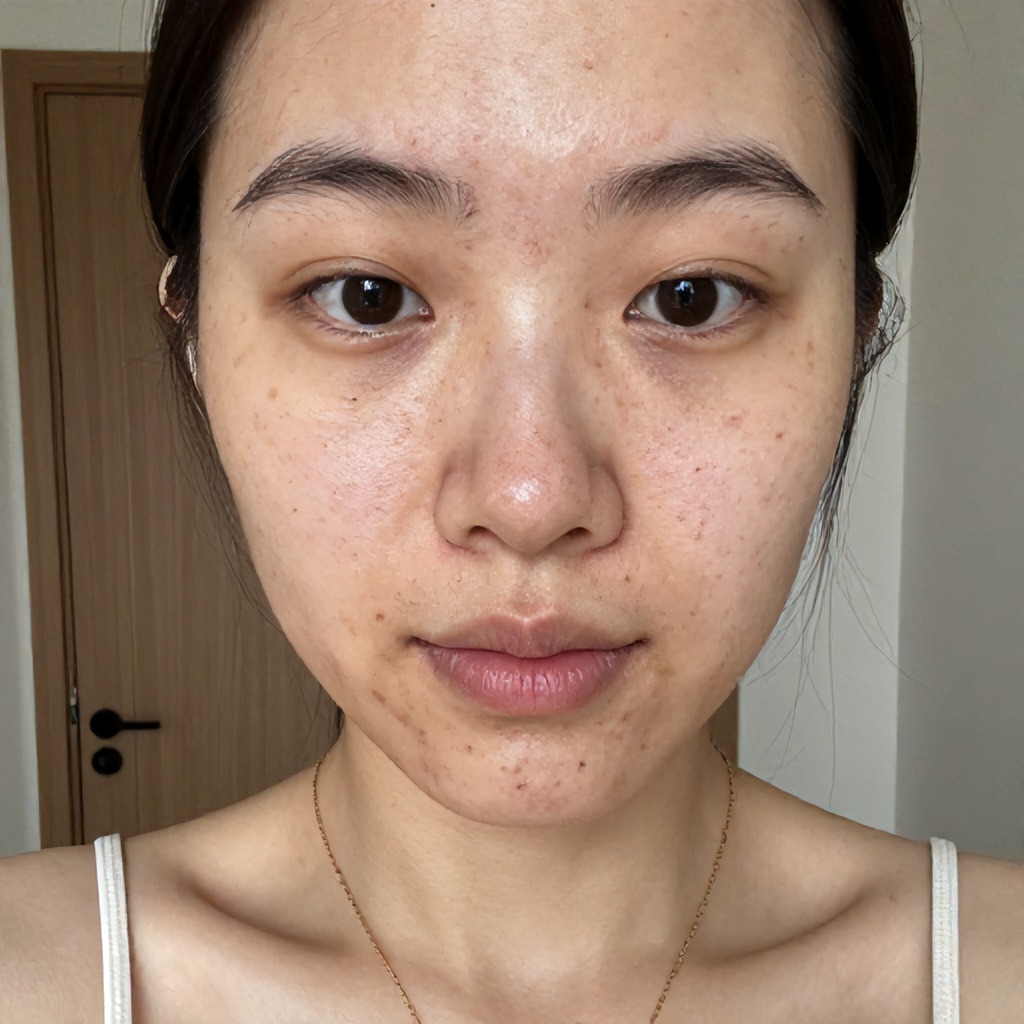
Many people assume that once they leave their high school years behind, their skin will naturally clear up. This persistent myth creates a significant amount of acne stigma for those who continue to deal with facial blemishes, painful cysts, and persistent breakouts well into their twenties, thirties, and beyond. When your skin does not match the airbrushed images seen in advertisements or on social media, it is easy to feel like something is wrong with you. In reality, adult acne is a complex issue driven by hormones, genetics, stress, and lifestyle factors, rather than a lack of hygiene or poor choices.

The Emotional Toll of Chronic Skin Issues

Living with inflammatory skin issues often goes deeper than the surface. For many, the psychological impact is profound, leading to what is often described as skin anxiety. When you look in the mirror and see active breakouts, it can feel as though your entire identity is being overshadowed by your skin texture. This is not just vanity; it is a genuine struggle with self-esteem that can dictate your social life, your professional confidence, and your daily habits.

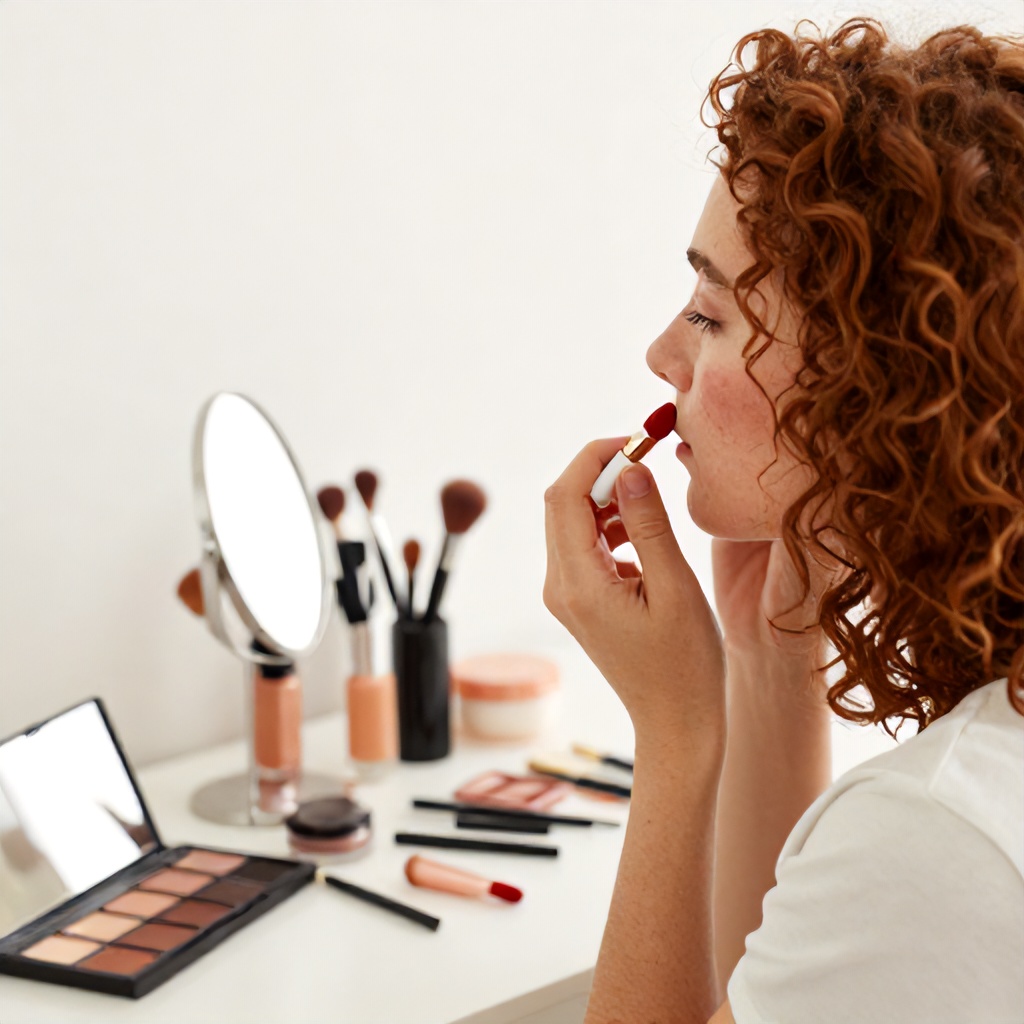
Lou Northcote, a model who faced a career shift due to her skin, describes the feeling of being trapped by the need for coverage. For years, she felt unable to leave her home without a heavy layer of foundation. This reliance on makeup to hide skin conditions is a common coping mechanism, but it often reinforces the cycle of shame. When you feel that you must hide your face to be accepted, you inadvertently tell yourself that your natural skin is not good enough.

Finding Community in the Skin Positivity Movement

The body positivity movement has expanded to include skin positivity, a space where people share unfiltered photos of their acne-prone skin. Platforms like Instagram have become hubs for the skincare community, allowing individuals to see that they are not alone. Seeing real, unedited skin can be a powerful antidote to the isolation that often accompanies chronic acne.

When you see others embracing their skin, it provides a sense of validation. It reminds you that pimples are a normal part of human biology, not a moral failing. This shift in perspective is a vital part of the skincare journey. It does not mean you stop wanting clear skin, but it does mean you stop punishing yourself for the skin you have right now.

If you are feeling overwhelmed by your skin, try following accounts that prioritize raw, unfiltered imagery. Seeing diverse skin textures can help normalize your own experience and reduce the pressure to achieve a perfect, poreless complexion.

Understanding the Biology of Adult Acne

To manage your skin effectively, you need to understand why these breakouts happen. Unlike teenage acne, which is often driven by a massive surge in puberty-related hormones, adult acne is frequently linked to cortisol—the stress hormone—and fluctuations in reproductive hormones. For women, this often manifests as deep, painful cystic acne along the jawline and chin, which tends to flare up in sync with the menstrual cycle.

Cystic acne is particularly difficult because it occurs deep beneath the skin surface. These lesions are inflammatory and can be quite tender to the touch. Because they are deep-seated, they are less responsive to basic over-the-counter spot treatments and often require professional dermatological care to prevent permanent scarring or long-term skin damage.

Why Dermatological Consultation Matters

Attempting to treat persistent acne with trial-and-error methods can sometimes make the situation worse. If you are dealing with chronic acne, a dermatological consultation is the most practical step you can take. A professional can help you distinguish between hormonal acne, fungal acne, or other skin conditions that might mimic the appearance of standard pimples.

Dermatological treatment plans are highly individualized. They might involve topical retinoids to speed up cell turnover, oral medications to balance hormones, or specialized procedures to reduce inflammation. By working with a professional, you move away from the guesswork of social media trends and toward evidence-based solutions that actually address the root cause of your breakouts.

Avoid the temptation to pick or squeeze your pimples. This is a common habit that almost always leads to increased inflammation, longer healing times, and a much higher risk of developing dark spots or pitted scars that are significantly harder to treat than the original breakout.

Practical Steps for Managing Skin Health

Managing your skin is a marathon, not a sprint. It requires patience, consistency, and a gentle approach. If you are currently feeling discouraged, remember that your skin health is a reflection of your overall well-being, not a measure of your worth as a person.

  1. Simplify your routine: Many people with acne-prone skin accidentally damage their moisture barrier by using too many harsh actives at once. Stick to a gentle cleanser, a non-comedogenic moisturizer, and a high-quality sunscreen.
  2. Track your triggers: Keep a simple journal to note when your breakouts are at their worst. Are they linked to high-stress periods at work? Certain foods? Your cycle? Identifying patterns can help you and your dermatologist find a better solution.
  3. Prioritize stress management: Because stress hormones directly impact oil production, finding ways to lower your baseline stress levels can have a tangible effect on your skin. This might mean regular exercise, better sleep hygiene, or dedicated downtime.
  4. Seek professional support: If your skin is affecting your mental health, do not hesitate to speak with a therapist. Addressing the emotional weight of skin-related shame is just as important as treating the physical lesions.

The Role of Men in the Skincare Community

While the skincare community has historically been female-dominated, men are increasingly speaking out about their own experiences with acne. Vlad Predescu, for instance, recognized that men often feel a unique pressure to remain silent about their skin struggles. By creating spaces where men can discuss their acne, he has helped break down the idea that caring about skin health is exclusively a feminine concern.

Men often face different societal expectations regarding their appearance, but the mental health impact of acne remains universal. Whether you are a man or a woman, the feeling of avoiding mirrors or canceling social plans due to a breakout is a shared human experience. Opening up the conversation to include everyone helps dismantle the stigma that keeps so many people suffering in silence.

Moving Toward Skin Confidence

Achieving clear skin is a valid goal, but it should not come at the expense of your mental peace. True skin confidence comes from knowing that you are more than your complexion. It is the ability to walk into a room, go to the gym, or meet a friend for coffee without letting a breakout dictate your mood or your level of participation in life.

The body positivity movement has taught us that we do not need to wait for perfect skin to start living our lives. You can pursue dermatological care and work toward better skin health while still practicing self-compassion today. If you are struggling, remember that you are not alone in this. There is a vast community of people who understand exactly how you feel, and there are effective, science-backed ways to manage your skin and regain your sense of self.

Is it normal to get acne in my thirties?

Yes, it is very common. Adult-onset acne is a well-documented phenomenon. Many adults experience their first significant breakouts well into their thirties due to hormonal shifts, lifestyle changes, or environmental factors.

Should I stop wearing makeup if I have acne?

You do not have to stop wearing makeup, but you should be mindful of what you use. Look for products labeled as non-comedogenic, which means they are formulated not to clog pores. Always ensure you are thoroughly cleansing your skin at the end of the day to remove all product residue.

How long does it take to see results from acne treatment?

Most dermatological treatments require patience. It typically takes at least six to twelve weeks of consistent use to see a noticeable improvement in your skin. Do not be discouraged if you do not see changes overnight; the skin needs time to cycle through its healing process.

Final Thoughts on Your Skincare Journey

The journey to better skin is rarely a straight line. You will have good days and bad days, and that is perfectly normal. The most important thing is to remain kind to yourself throughout the process. Avoid comparing your skin to the curated images you see online, as those often hide the reality of texture, pores, and occasional blemishes that everyone has.

Focus on what you can control: your daily habits, your choice of skincare products, and your decision to seek professional help when needed. By shifting your focus from perfection to health, you can reduce the anxiety surrounding your skin and reclaim your confidence. Remember that your worth is not tied to the clarity of your complexion, and you deserve to feel comfortable and confident in your own skin, regardless of what it looks like on any given day.

If you find that your skin is causing you significant distress, reach out to a healthcare provider. They can provide the guidance and support necessary to manage your condition effectively. You have the power to take control of your skin health, and you do not have to do it alone. Whether you are just starting your skincare journey or you have been dealing with acne for years, there is always a path forward that prioritizes both your physical health and your mental well-being.

Stay consistent, stay informed, and remember that your skin is just one part of who you are. By taking small, practical steps and leaning on the support of others, you can navigate the challenges of adult acne and come out the other side with a stronger sense of self and a healthier relationship with your reflection.

Exit mobile version