
You can support emotional regulation in your child in as little as 7 minutes per day with this fun animal themed HIIT workout for kids! Our lives are so busy that finding time for new activities can feel impossible. But 7 minutes? It is such a short period of time that for most of us, it is doable. And the impact on your child’s emotional regulation can be huge. Note: This article was originally written for my blog, Raising an Extraordinary Person in 2018, which has since merged into Think Sensory. It has been shared and downloaded close to 2 million times, making it one of my most popular activities of all time.

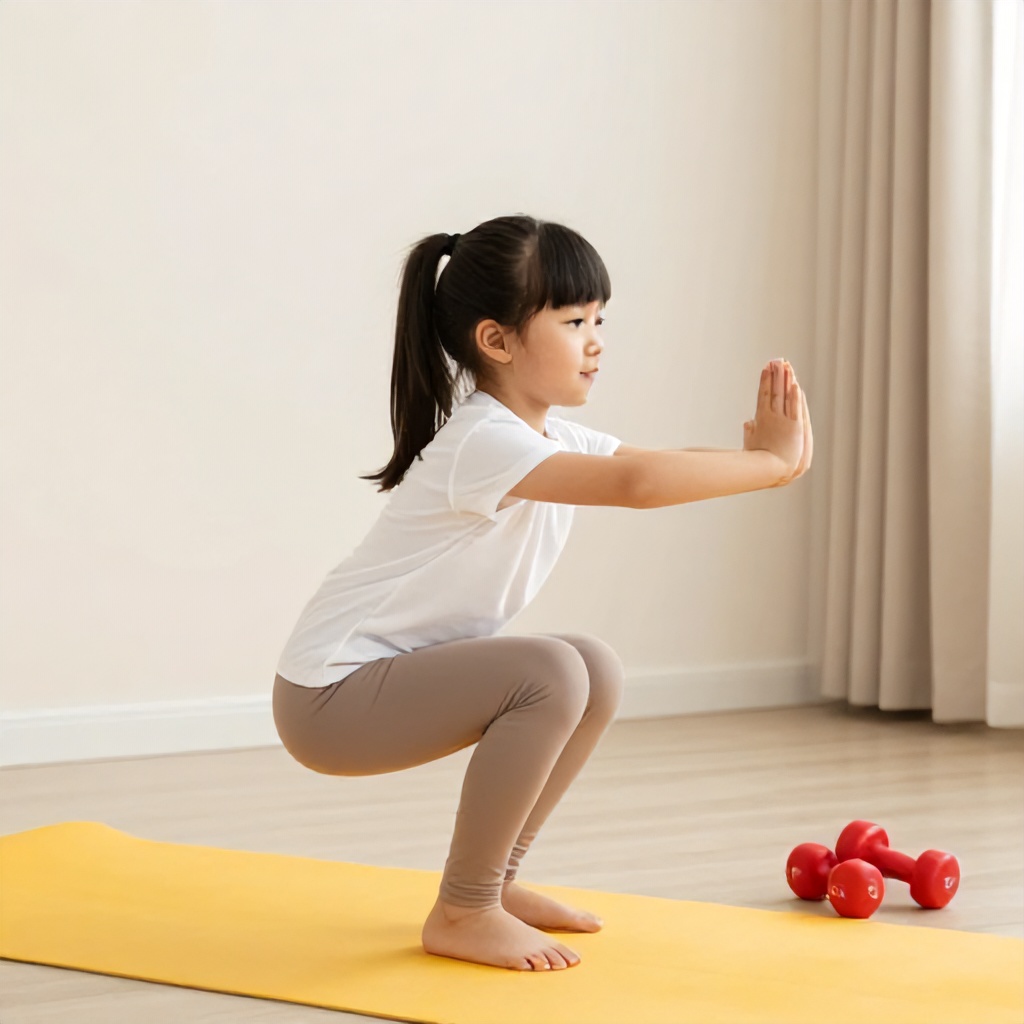
Understanding Emotional Regulation and Dysregulation
Emotional regulation is the ability to manage and respond to an emotional experience effectively. We all use internal strategies to cope with stressful moments throughout the day. When a child experiences dysregulation, they are simply overwhelmed and need extra support to manage big emotions. These feelings often trigger a nervous system response, which can lead to intense reactions, outbursts, or full-blown meltdowns.
This experience is common for neurodivergent children, including those who are autistic, have ADHD, or live with sensory processing differences. When a child is in the middle of a meltdown, their brain is signaling a threat. They are not trying to be difficult. They are struggling to process the world around them. Understanding that this is a physiological event rather than a behavioral choice changes how we approach support.
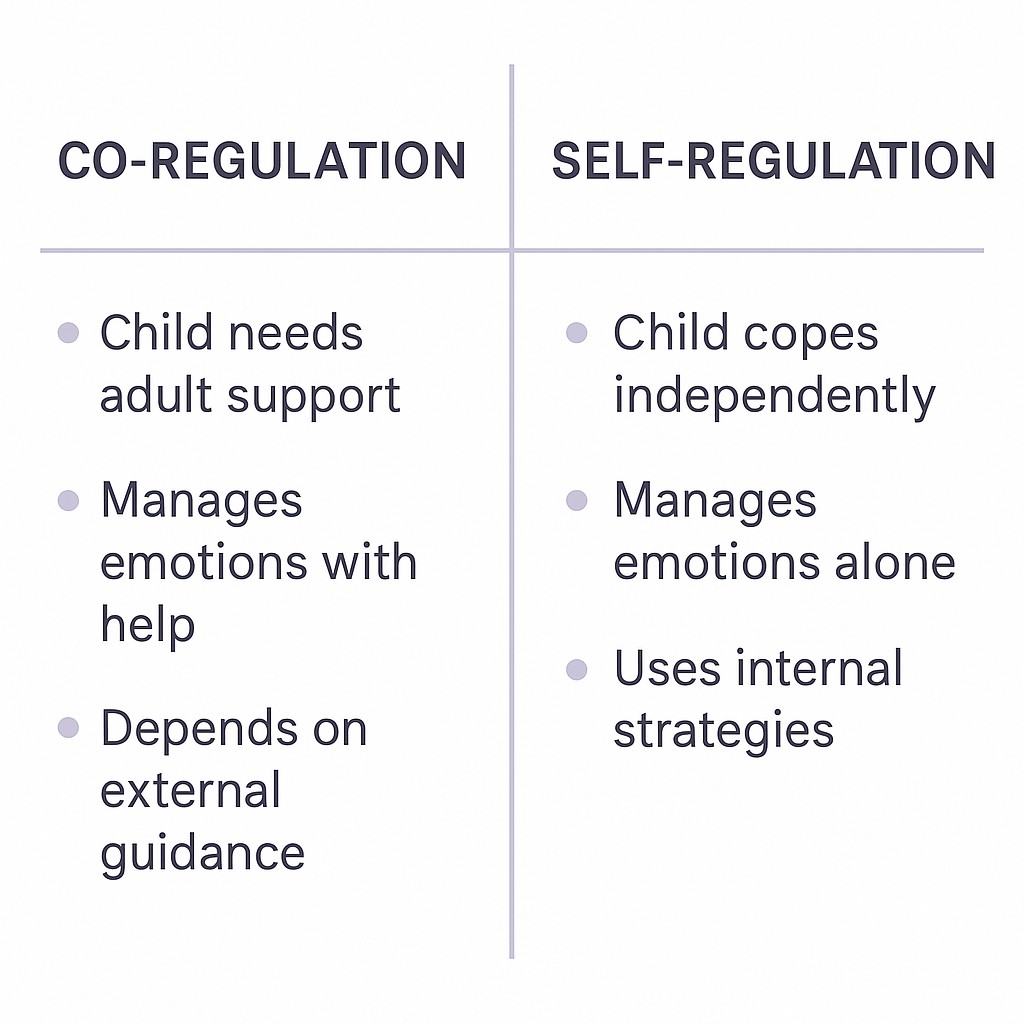
Emotional regulation happens in two primary ways. Self-regulation is the ability to manage feelings independently. Co-regulation, or mutual regulation, involves needing another person to help stabilize those feelings. Co-regulation occurs when a child’s nervous system syncs with a caregiver’s calm, regulated state. By offering a calm presence, you provide a safe anchor for your child. Their nervous system begins to settle by matching your own. This is why your own state of mind matters so much when you are supporting your child through a difficult moment.


Most children need help with emotional regulation at various points in their development. Even adults seek comfort from loved ones when they feel overwhelmed. With consistent practice and support, many children develop better tools for handling daily stressors. Some children will always require more co-regulation than others, and that is perfectly okay. It is part of their unique neurodiversity.
The Science of Movement and the Nervous System
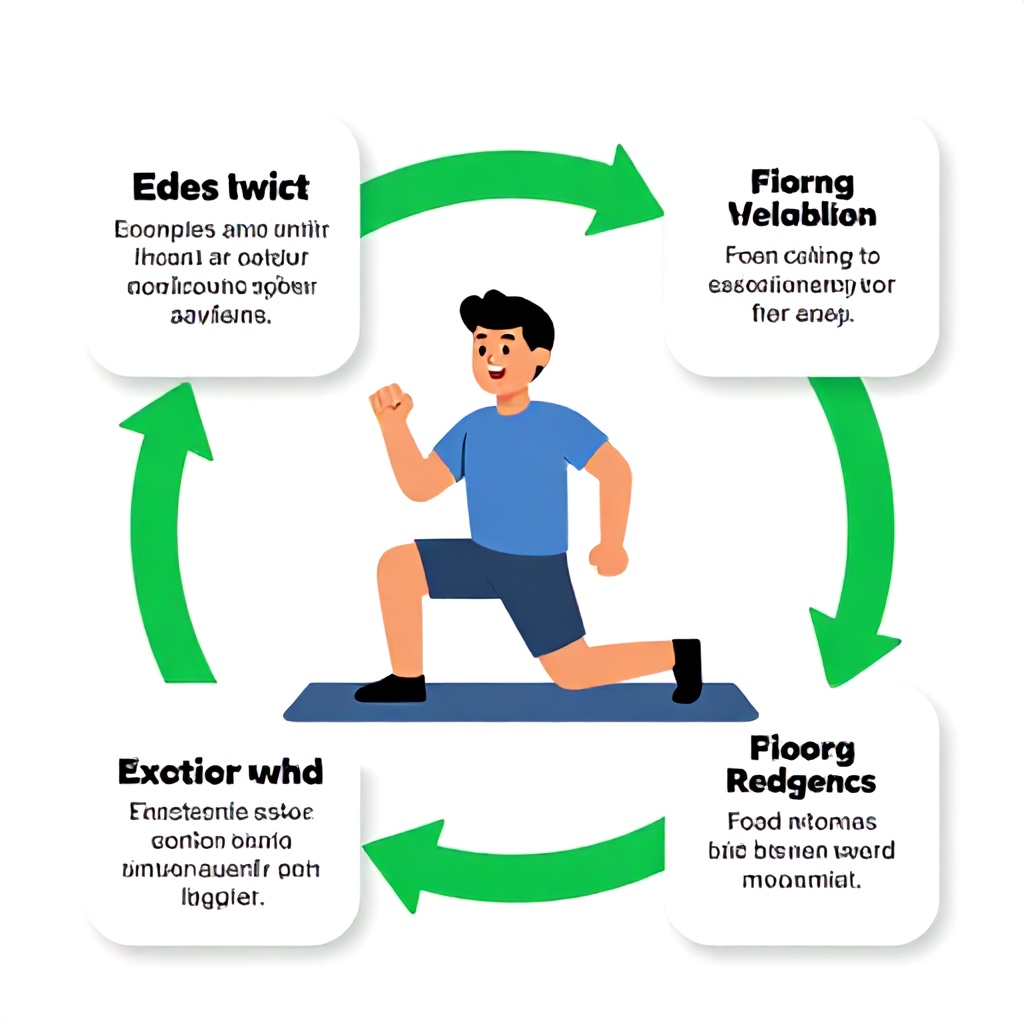
Physical activity is a powerful tool for supporting a child’s nervous system. It does not need to be a long, drawn-out process. In fact, short, intensive bursts of physical activity often provide better results than longer, low-impact sessions. This is the core principle behind a HIIT workout for kids. By engaging the body, we help the brain process stress hormones like cortisol and adrenaline that build up during moments of frustration.
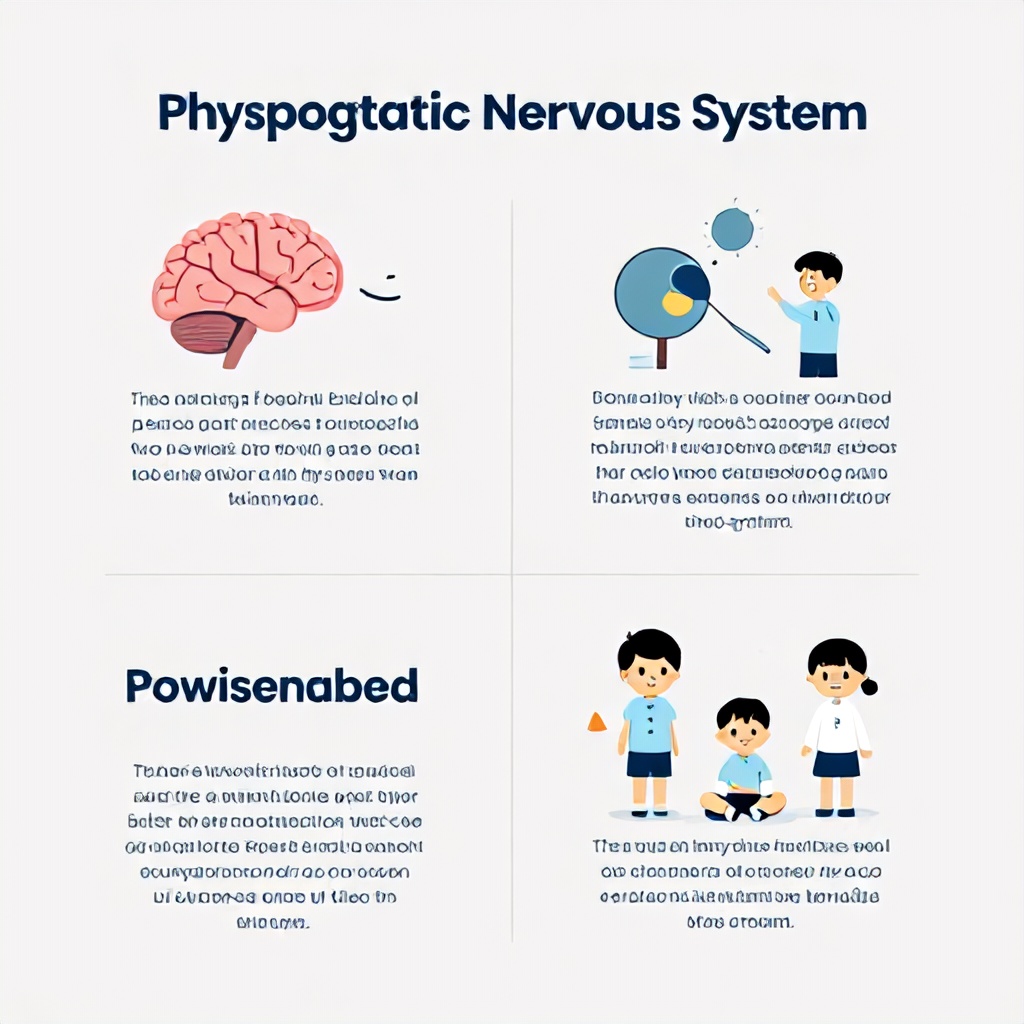
The mind-body connection is central to child development. When a child is dysregulated, their brain is flooded with chemicals that prepare them for fight or flight. Movement helps metabolize these chemicals. It provides the sensory input necessary for sensory integration, which helps the brain organize and interpret information from the environment. When we incorporate wellness activities that focus on heavy work or rhythmic movement, we are essentially giving the nervous system a reset button.
Think of the nervous system like a battery. When a child is constantly bombarded by sensory input or emotional demands, that battery drains or becomes overcharged. Intensive exercise acts as a way to discharge that excess energy. It helps the child feel their body in space, which is a foundational aspect of self-regulation. By making these activities fun and animal-themed, we remove the pressure of performance and replace it with play.
The 7-Minute Animal HIIT Routine
This routine is designed to be completed in seven minutes. You can do this in your living room, a bedroom, or even a park. The goal is to get the heart rate up and provide deep pressure input to the muscles and joints. Perform each animal movement for 45 seconds, followed by 15 seconds of rest. Repeat the cycle for a total of seven minutes.
1. Bear Crawls
Get down on all fours and crawl across the floor. Keep your hips high and your movements slow and deliberate. This provides excellent heavy work for the shoulders and core, which is highly organizing for the nervous system.
2. Frog Jumps
Squat down low and leap forward like a frog. This movement engages the large muscles in the legs. The impact of landing provides proprioceptive input, which helps a child feel grounded and secure in their own body.
3. Gorilla Stomps
Stand tall and stomp your feet firmly into the ground while swinging your arms. Stomping is a fantastic way to release pent-up frustration. It provides strong feedback to the feet and legs, helping to regulate sensory processing differences.
4. Cheetah Sprints
Run in place as fast as you can for 45 seconds. This is the high-intensity portion of the workout. It burns off excess adrenaline and helps the child transition from a state of high arousal to a state of calm once the movement stops.
5. Snake Slithers
Lie on your stomach and slither across the floor using your core muscles. This movement is calming and rhythmic. It encourages the child to slow down their breathing and focus on their body’s position on the floor.
6. Elephant Trunks
Stand with feet wide apart, clasp your hands together, and let your arms hang down like a heavy trunk. Swing your arms slowly from side to side. This movement is gentle and helps lower the heart rate after the more intense movements.
7. Starfish Stretches
Lie on your back and spread your arms and legs wide like a starfish. Take deep breaths. This final minute is for cooling down and focusing on the mind-body connection. It signals to the brain that the activity is finished and it is time to return to a state of calm.
If your child is struggling with the intensity, focus on the rhythm rather than the speed. The goal is to provide sensory input that feels good to their body, not to reach a specific fitness milestone. Always follow your child’s lead.
Why This Approach Works for Neurodivergent Families
For many neurodivergent children, the world feels like it is moving too fast or too loudly. Behavioral support often focuses on stopping the behavior, but this approach focuses on supporting the underlying nervous system response. When we provide movement breaks, we are giving the child a proactive way to manage their internal state before a meltdown occurs.
Emotional stability is not about never feeling big emotions. It is about having the tools to return to a baseline state after those emotions occur. By integrating these movements into your daily routine, you are teaching your child that their body is a tool they can use to feel better. This builds confidence and autonomy.
Co-regulation is the secret ingredient here. When you participate in the animal movements with your child, you are modeling how to move through stress. You are showing them that it is safe to express energy and then return to a calm state. This mutual regulation creates a bond of trust. It shows your child that you are on their team, even when things get loud or messy.
Practical Tips for Implementation
Consistency is more important than perfection. You do not need to do this every single day for it to be effective. Start by picking two or three days a week to try it out. If your child is resistant, try doing it yourself first. Children often mimic what they see. If they see you stomping like a gorilla or slithering like a snake, they will likely want to join in.
Keep the environment supportive. If your child is having a hard time, do not force the exercise. Instead, offer it as a way to change the energy in the room. You might say, I am feeling a bit wiggly today, I think I need to do some frog jumps. Would you like to join me? This keeps the activity low-pressure and inviting.
Always ensure the space is clear of sharp corners or hard objects before starting. If your child has specific physical limitations or medical concerns, consult with a professional before beginning any new exercise program.
Remember that every child is different. Some children will love the high-intensity movements, while others will prefer the slower, more rhythmic ones. Pay attention to what helps your child settle. If they seem more dysregulated after the cheetah sprints, skip that one next time and replace it with more bear crawls. You are the expert on your child.
Building Long-Term Emotional Resilience
Developing coping strategies takes time. There is no quick fix for emotional outbursts, but there are ways to make the journey easier for everyone involved. By focusing on the nervous system, you are addressing the root cause of many behavioral challenges. You are moving away from a model of compliance and toward a model of connection and support.
As your child grows, these movements can evolve. They might start creating their own animal moves or adding music to the routine. The goal is to foster a positive relationship with movement and self-awareness. When a child learns to recognize when they are becoming dysregulated, they can begin to choose these wellness activities for themselves.
This is the ultimate goal of emotional regulation: to give our children the internal resources they need to navigate a complex world. By starting with just seven minutes of play, you are laying the foundation for a lifetime of self-awareness and emotional health. Keep it simple, keep it fun, and keep showing up for your child. That is the most important part of the process.
When you look at the big picture of child development, these small moments of connection are what matter most. Whether you are crawling on the floor together or jumping like frogs in the backyard, you are building a bridge to your child’s emotional world. You are validating their experience and providing the support they need to thrive. That is a powerful gift to give, and it only takes seven minutes a day.
If you find that your child is still struggling, do not be discouraged. Emotional regulation is a skill that is learned over years, not days. Keep observing, keep adjusting, and keep offering that calm, steady presence. Your child is lucky to have someone who is willing to learn and grow alongside them. Every small step forward is a victory worth celebrating.
As you continue to use these animal-themed workouts, you will likely notice patterns in your child’s behavior. You might see that they are calmer after a session, or that they are better able to transition between tasks. These are the signs that your efforts are working. Trust the process and trust your child. You are doing important work, and it is making a difference in their life every single day.
Finally, remember to take care of yourself. Supporting a child with big emotions is demanding work. If you feel your own nervous system becoming overwhelmed, take a moment to breathe or do a few elephant trunk swings yourself. You cannot pour from an empty cup. By modeling self-care and regulation, you are teaching your child the most important lesson of all: that it is okay to take care of yourself so that you can show up for others.