10 Daily Habits Experts Recommend for Living to 100 Years

10 Daily Habits for a Longer, Healthier Life

Focusing on small, consistent actions can lead to significant longevity benefits, helping you enjoy more healthy, happy years.

Life expectancy in the United States hovers just above 79 years. But how do you ensure those years are filled with health and happiness? Dan Buettner, the visionary behind the Blue Zones philosophy and research, offers practical insights. Buettner, a National Geographic fellow and explorer, along with being an Emmy Award-winning journalist and producer, has authored five best-selling books exploring this very topic.

The Blue Zones concept isn’t just about dry research; it’s about embracing a vibrant lifestyle. Buettner’s work stems from his expeditions to the world’s five Blue Zones – regions renowned for having the highest concentrations of people who reach their 100th birthdays. His findings span a wide spectrum, from dietary choices to social connections and the environmental factors that shape our daily lives. While some of these ideas might seem large or abstract, Buettner distills them into manageable, actionable steps you can integrate into your routine, as detailed in his book, “The Blue Zones Solution: Eating and Living Like the World’s Healthiest People.”

There are countless paths to good health, and the Blue Zones are a testament to this diversity. Yet, certain principles consistently emerge. Here are 10 daily habits that experts recommend to help you live a longer, healthier life.
1. Keep Your Water Bottle Handy

Proper hydration is fundamental for countless bodily functions, supporting everything from brain and heart health to joint mobility. A simple, effective, and eco-friendly way to boost your water intake is by carrying a reusable water bottle with you throughout the day. Dr. Ellsworth Wareham, a 98-year-old member of the Seventh-day Adventist community in Loma Linda, California, a recognized Blue Zone, shared in an interview that he never misses an opportunity to refill his water bottle.

Tip: Set a reminder on your phone to take sips of water every hour. This simple prompt can make a big difference in your daily hydration levels.

2. Embrace the 80% Rule

In Okinawa, Japan, another area celebrated for its high concentration of centenarians, particularly female centenarians, a principle known as “hara hachi bu” is practiced. This concept, rooted in a Confucian-inspired adage, serves as a gentle reminder to stop eating when you feel approximately 80% full. It’s about recognizing the feeling of being no longer hungry, rather than pushing until you’re completely stuffed. This mindful approach to eating can contribute significantly to maintaining a healthy weight and improving digestive health, key factors for longevity benefits.

This dietary factor is more about listening to your body’s cues than strict calorie counting. By practicing hara hachi bu, individuals in these Blue Zones tend to consume fewer calories overall without feeling deprived. This practice is a cornerstone of their healthy lifestyle.

3. Move Your Body Naturally

Centenarians in Blue Zones don’t typically spend hours in a gym. Instead, their daily lives are naturally infused with physical activity. This might involve walking to the store, gardening, or doing household chores. The key is consistent, low-intensity movement integrated into everyday routines. Think about incorporating more walking into your commute, taking the stairs instead of the elevator, or even just stretching throughout the day.

This type of natural movement helps maintain muscle mass, improves cardiovascular health, and keeps joints flexible, all contributing to a longer healthier life. It’s about making movement a non-negotiable part of your day, not a chore.

4. Connect with Others Daily

Strong social ties are a powerful predictor of longevity. The Blue Zones philosophy emphasizes the importance of community and meaningful relationships. Whether it’s a daily phone call with a friend, a regular coffee date with neighbors, or spending quality time with family, nurturing your social connections is vital. This social interaction combats loneliness and stress, both of which can negatively impact health over time.

In communities like the Seventh-day Adventists in Loma Linda, California, faith-based gatherings and family meals are central to their social fabric. These regular interactions provide emotional support and a sense of belonging, contributing to overall well-being and healthy happy years.

5. Find Your Purpose

Having a sense of purpose, often referred to as “ikigai” in Japan, is strongly linked to a longer life. This is the reason you wake up in the morning. It could be raising a family, pursuing a passion, volunteering, or contributing to your community. Knowing your purpose provides motivation and a sense of fulfillment, which can have profound effects on your mental and physical health.

Identifying your “why” can be a deeply personal journey, but even small acts of contribution or engagement with things you care about can foster this sense of purpose. It’s about feeling that your life has meaning beyond just existing.

6. Prioritize Plant-Based Foods

The diets in Blue Zones are predominantly plant-based. This means a heavy emphasis on fruits, vegetables, whole grains, beans, and nuts. While meat is consumed, it’s typically in small portions and infrequently. Incorporating more plant-based meals into your week can significantly improve your health. These foods are rich in fiber, vitamins, minerals, and antioxidants, which are crucial for preventing chronic diseases and supporting bodily functions.

Think about making beans a staple, adding a variety of colorful vegetables to every meal, and choosing whole grains over refined options. These dietary factors are consistently found among centenarians worldwide.

7. Practice Mindful Eating

Beyond the 80% rule, mindfulness extends to how you approach your meals. Eating slowly, savoring each bite, and paying attention to your food without distractions can improve digestion and satisfaction. This means putting away your phone, turning off the TV, and focusing on the experience of eating. This practice helps you better recognize your body’s hunger and fullness cues, reinforcing the benefits of the hara hachi bu principle.

Mindful eating isn’t just about what you eat, but how you eat it. It transforms mealtime from a rushed necessity into a moment of conscious nourishment.

8. Incorporate Stress Reduction Techniques

Chronic stress can take a significant toll on your health. People in Blue Zones have developed daily rituals to manage stress. This might include prayer, meditation, napping, or simply taking a few moments to relax and reflect. Finding a stress-reduction technique that works for you and making it a daily habit is essential for long-term well-being.

Even five to ten minutes of deep breathing or quiet reflection can make a difference in managing the pressures of modern life. These practices are as important for longevity benefits as any physical activity.

9. Drink Water, Not Sugary Beverages

As mentioned earlier, hydration is key. However, what you drink matters just as much as how much. Blue Zone inhabitants primarily drink water, tea, and coffee. They largely avoid sugary drinks, which contribute to weight gain, inflammation, and an increased risk of chronic diseases. Choosing water over soda, sweetened juices, and energy drinks is a simple yet powerful habit for a longer healthier life.

Warning: Be mindful of added sugars in beverages like sports drinks and flavored coffees. Opt for plain water, unsweetened tea, or black coffee whenever possible.

10. Get Enough Sleep

Adequate, quality sleep is non-negotiable for physical and mental restoration. While the exact amount varies by individual, most adults need 7-9 hours of sleep per night. During sleep, your body repairs tissues, consolidates memories, and regulates hormones. Prioritizing sleep is a fundamental aspect of a healthy lifestyle that supports longevity.

Establishing a consistent sleep schedule, creating a relaxing bedtime routine, and ensuring your bedroom is dark and quiet can significantly improve your sleep quality. This is a critical component for maintaining optimal bodily functions.

Frequently Asked Questions

What are the Blue Zones?

The Blue Zones are specific geographical regions around the world where people live significantly longer and healthier lives than average. These areas have the highest concentration of centenarians. Examples include Okinawa, Japan; Sardinia, Italy; Nicoya Peninsula, Costa Rica; Ikaria, Greece; and Loma Linda, California.

How does social interaction contribute to longevity?

Strong social connections provide emotional support, reduce stress, and promote a sense of belonging. Studies show that people with robust social networks tend to live longer and have better overall health outcomes. Social interaction is a key pillar of the Blue Zones philosophy.

Are there specific dietary factors that experts highlight for a longer life?

Yes, experts consistently point to diets rich in plant-based foods, including fruits, vegetables, whole grains, and legumes. Limiting processed foods, red meat, and added sugars is also crucial. The “hara hachi bu” principle, or eating until 80% full, is another significant dietary factor observed in longevity hotspots.

What are some environmental factors that impact a longer, healthier life?

Environmental factors can include access to green spaces for walking and recreation, clean air and water, and community design that encourages physical activity and social interaction. Living in environments that support healthy habits naturally promotes a longer healthier life.

Can I really live to 100 by adopting these habits?

While genetics play a role, adopting these lifestyle habits significantly increases your chances of not only living longer but also living healthier, happier years. These are actionable steps that contribute to overall well-being and can extend your healthy lifespan.
Sustainable Habits and Whole Foods for Longevity and Anti-Aging

Building sustainable habits into your daily life is the most effective way to foster longevity, promote healthy living, and support graceful anti-aging processes from the inside out.

Nourish Your Body Wisely: The Power of Whole Foods

What you eat forms the very building blocks of your body. Choosing nutrient-dense, whole foods provides your cells with the fuel they need to function optimally, repair themselves, and resist the wear and tear of time. It’s not about deprivation; it’s about smart, consistent choices.

Prioritize Plant-Based Eating

Fruits, vegetables, whole grains, and legumes are packed with vitamins, minerals, fiber, and antioxidants. These compounds are powerful allies in fighting oxidative stress, a key contributor to aging and disease. A plate rich in plant matter supports gut health, which in turn influences everything from immunity to mood.

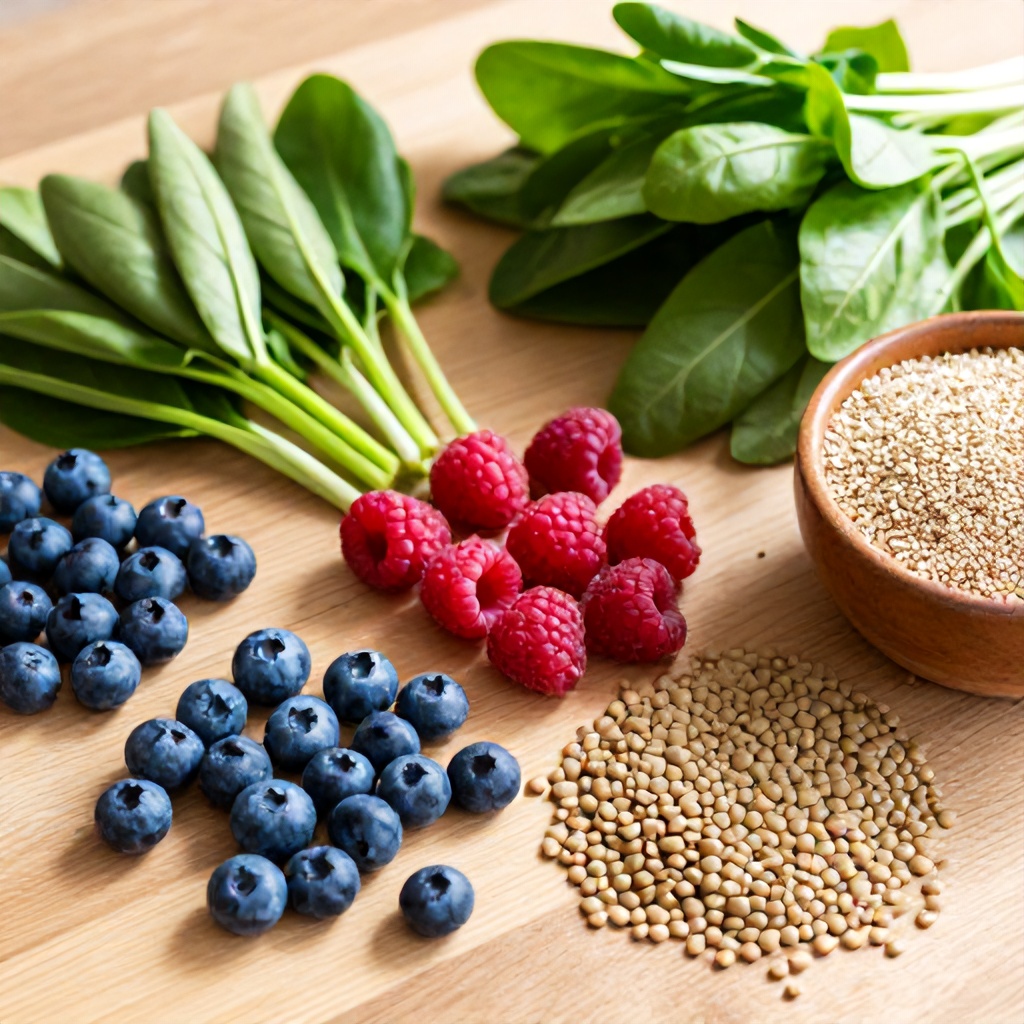
  • Aim for a rainbow of colors on your plate each day. Different colors often signify different types of antioxidants.
  • Include leafy greens like spinach and kale for their potent vitamin K and folate content.
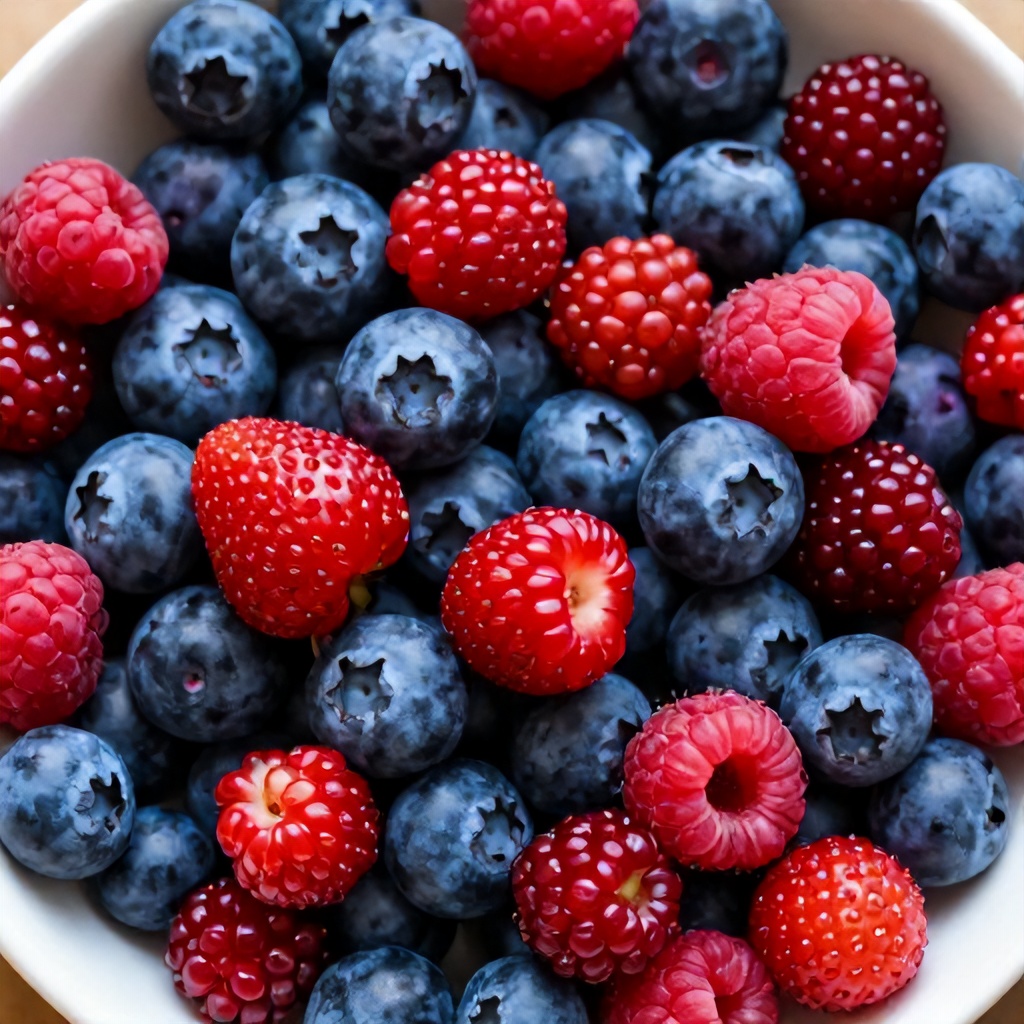
  • Berries, such as blueberries and raspberries, offer anthocyanins, which are fantastic for brain health.
  • Integrate whole grains like quinoa, oats, and brown rice for sustained energy and fiber.
  • Legumes, including lentils and chickpeas, provide plant-based protein and complex carbohydrates.

Even small increases in your plant intake can make a big difference over time. Try adding an extra serving of vegetables to dinner or swapping out a processed snack for a piece of fruit.

Smart Protein Choices

Protein is essential for muscle maintenance, hormone production, and cellular repair. As we age, preserving muscle mass becomes increasingly important for mobility and metabolic health. Opt for lean, high-quality protein sources.

  • Fish, particularly fatty fish like salmon, provides omega-3 fatty acids along with protein.
  • Skinless poultry, such as chicken and turkey, offers lean protein without excessive saturated fat.
  • Eggs are a complete protein source, versatile and nutrient-rich.
  • Plant-based proteins like tofu, tempeh, beans, and lentils are excellent options that also bring fiber to your diet.

Distribute your protein intake throughout the day rather than consuming it all in one meal. This helps your body utilize it more effectively for muscle synthesis and satiety.

Healthy Fats are Your Friends

Forget the old fear of fats; healthy fats are vital for brain function, hormone balance, and nutrient absorption. They help keep your skin supple and your heart strong. Focus on unsaturated fats and omega-3s.

  • Avocados are creamy, delicious, and full of monounsaturated fats and fiber.
  • Nuts and seeds, like almonds, walnuts, chia seeds, and flaxseeds, provide healthy fats, protein, and fiber. Walnuts are particularly high in omega-3s.
  • Olive oil, especially extra virgin, is a cornerstone of the Mediterranean diet, known for its heart-protective benefits.

These fats contribute to satiety, helping you feel full and satisfied, which can prevent overeating and support a healthy weight.

Hydration Habits

Water is the most fundamental nutrient. It plays a role in nearly every bodily function, from regulating body temperature to transporting nutrients and flushing out waste. Dehydration can manifest as fatigue, headaches, and even impact skin elasticity.

  • Make water your primary beverage choice. Keep a reusable water bottle handy throughout the day.
  • Herbal teas are a great way to stay hydrated and can offer additional health benefits.
  • Limit sugary drinks, which contribute to inflammation and can accelerate aging processes.

Listen to your body’s thirst cues, but also make a conscious effort to sip water regularly, especially before you feel parched.

Move Your Body Daily: Activity for a Longer, Healthier Life

Physical activity is a cornerstone of longevity and vibrant health. It’s not just about burning calories; it’s about strengthening your heart, building strong bones and muscles, improving circulation, and boosting your mood. Consistent movement helps maintain flexibility and balance, reducing the risk of falls as you age.

Mix Up Your Exercise Routine

A well-rounded fitness plan incorporates different types of movement. This keeps your body challenged in various ways and helps prevent boredom, making it easier to stick with your routine.

  • Cardiovascular exercise, like brisk walking, jogging, cycling, or dancing, strengthens your heart and lungs. Aim for at least 150 minutes of moderate-intensity cardio each week.
  • Strength training, using weights, resistance bands, or your own body weight, builds and preserves muscle mass. This is incredibly important for metabolism and preventing age-related muscle loss.
  • Flexibility and balance exercises, such as yoga or tai chi, improve range of motion and stability, which are key for everyday functional movement.

Find activities you genuinely enjoy. This makes exercise feel less like a chore and more like a rewarding part of your day.

Incorporate NEAT (Non-Exercise Activity Thermogenesis)

Beyond structured workouts, consider how much you move throughout your day. NEAT refers to all the energy you expend doing anything other than sleeping, eating, or intentional exercise. Increasing your NEAT can significantly impact your overall health.

  • Take the stairs instead of the elevator.
  • Park further away from your destination to get in extra steps.
  • Stand up and stretch every hour if you have a desk job.
  • Walk or bike for short errands.
  • Engage in active hobbies like gardening or cleaning.

These small bursts of activity add up, contributing to better circulation, calorie expenditure, and mental alertness.

Listen to Your Body

While consistency is key, pushing yourself too hard can lead to injury or burnout. Pay attention to how your body feels. Rest days are not a sign of weakness; they are essential for muscle repair and preventing overtraining. Incorporate active recovery, like a gentle walk or stretching, on these days.

Rest and Recharge: The Essential Role of Sleep

Sleep is often underestimated, yet it is a non-negotiable pillar of health, longevity, and anti-aging. During sleep, your body repairs cells, consolidates memories, balances hormones, and clears waste products from your brain. Chronic sleep deprivation accelerates aging processes and increases the risk of numerous health issues.

Aim for Quality, Not Just Quantity

Most adults need 7-9 hours of quality sleep per night. It’s not just about the number of hours; it’s about the depth and continuity of your sleep cycles. Uninterrupted sleep allows your body to cycle through all necessary stages, including deep sleep and REM sleep, which are crucial for physical and mental restoration.

Build a Consistent Sleep Schedule

Your body thrives on routine. Going to bed and waking up around the same time each day, even on weekends, helps regulate your circadian rhythm. This internal clock dictates your sleep-wake cycle and influences various bodily functions. A consistent schedule signals to your body when it’s time to wind down and when it’s time to be alert.

Optimize Your Sleep Environment

Your bedroom should be a sanctuary for sleep. Small changes can make a big difference in the quality of your rest.

  • Keep your bedroom dark. Block out light with blackout curtains or an eye mask.
  • Maintain a cool temperature. Most people sleep best in a room between 60-67 degrees Fahrenheit (15-19 degrees Celsius).
  • Ensure it’s quiet. Use earplugs or a white noise machine if necessary.
  • Limit screen time at least an hour before bed. The blue light emitted from phones, tablets, and computers can interfere with melatonin production, the hormone that signals sleep.
  • Create a relaxing bedtime routine, such as reading a book, taking a warm bath, or practicing gentle stretching.

Prioritizing sleep is one of the most impactful anti-aging strategies you can adopt.

Manage Stress Effectively: Protecting Your Mental and Physical Health

Chronic stress is a silent accelerator of aging. It elevates cortisol levels, which can suppress the immune system, increase inflammation, disrupt sleep, and even damage DNA. Learning to manage stress is not about eliminating it entirely, but about developing healthy coping mechanisms.

Mindfulness and Meditation

Simple mindfulness practices can help you stay present and reduce the impact of stressors. Even a few minutes of focused breathing each day can make a difference.

  • Try a short guided meditation app.
  • Practice deep breathing exercises when you feel overwhelmed.
  • Take mindful walks, paying attention to your surroundings.

These practices train your mind to respond to stress more calmly, reducing its physiological toll.

Connect with Others

Strong social connections are a powerful buffer against stress and have been linked to greater longevity. Human interaction provides emotional support, a sense of belonging, and can even boost immunity.

  • Spend quality time with friends and family.
  • Join a club or group based on a shared interest.
  • Volunteer in your community.

Nurturing these relationships is an investment in your long-term well-being.

Hobbies and Downtime

Engaging in activities you enjoy provides a much-needed break from daily pressures. Hobbies can be a form of active meditation, allowing your mind to focus on something pleasurable and creative.

  • Read a book for pleasure.
  • Pursue a creative outlet like painting, writing, or playing music.
  • Spend time in nature.

Scheduling regular downtime is just as important as scheduling appointments or work tasks.

Cultivate Lifelong Learning and Purpose

Keeping your brain active and engaged is crucial for cognitive longevity. A stimulated mind is a resilient mind. Furthermore, having a sense of purpose provides direction and meaning, which are strong predictors of a longer, healthier life.

Engage Your Mind

Challenging your brain helps build cognitive reserve, making it more resistant to age-related decline.

  • Learn a new language or skill.
  • Read diverse books and articles.
  • Solve puzzles or play strategy games.
  • Take an online course on a topic that fascinates you.

These activities create new neural pathways and keep your mind sharp.

Find Your Purpose

A sense of purpose can come from many sources: contributing to your community, pursuing a passion, or caring for others. It provides motivation and a reason to maintain healthy habits.

  • Volunteer for a cause you believe in.
  • Mentor someone.
  • Dedicate time to a creative project that fulfills you.

Having a “why” beyond just existing can significantly impact your mental and physical health.

Environmental Awareness: Minimizing Exposure to Harmful Substances

Our environment plays a role in our health and aging. While we can’t control everything, we can make conscious choices to minimize exposure to certain toxins that can accelerate cellular damage and contribute to chronic disease.

Choose Cleaner Products

Many household cleaners and personal care products contain chemicals that can be endocrine disruptors or irritants. Opt for natural alternatives when possible.

  • Select cleaning products with fewer harsh chemicals or make your own with ingredients like vinegar and baking soda.
  • Choose personal care items (shampoo, lotion, makeup) with simpler ingredient lists and fewer artificial fragrances.

Reading labels and understanding what you’re bringing into your home and putting on your body is a powerful step.

Air and Water Quality

Indoor air quality can often be worse than outdoor air. Investing in air filters or ensuring good ventilation can make a difference. Similarly, consider filtering your drinking water to remove impurities.

Small, consistent efforts to reduce your toxic load can support your body’s natural detoxification processes over the long term.

Regular Health Check-ups and Preventive Care

Staying proactive with your health means more than just reacting to symptoms. Regular check-ups and screenings are vital for catching potential issues early, when they are often most treatable. This preventive approach is a cornerstone of longevity.

Routine Screenings

Talk to your doctor about recommended screenings based on your age, gender, and family history.

  • Blood pressure checks.
  • Cholesterol and blood sugar tests.
  • Cancer screenings, such as mammograms, colonoscopies, or skin checks.
  • Bone density screenings.

These appointments provide a snapshot of your health and allow for early intervention if needed.

Stay Informed

Understand your body and your family health history. Ask questions during your doctor’s appointments. Being an active participant in your healthcare empowers you to make informed decisions about your well-being.

Don’t wait for a problem to arise; actively manage your health to prevent issues before they become serious.

Building Your Sustainable Routine: Making it Stick

The key to longevity and healthy aging isn’t about dramatic, unsustainable overhauls. It’s about integrating small, consistent habits that become second nature. This approach fosters resilience and makes healthy living feel effortless over time.

  1. Start Small: Don’t try to change everything at once. Pick one or two habits to focus on first, like drinking an extra glass of water or taking a 15-minute walk daily. Once that feels routine, add another.
  2. Be Patient: Sustainable change takes time. You won’t see dramatic results overnight, but consistent effort builds momentum. Celebrate small victories along the way.
  3. Find Your Why: Connect your habits to your deeper values. Understanding why these changes matter to you – whether it’s more energy for your kids, better focus at work, or simply feeling good – provides powerful motivation.
  4. Track Progress: Keep a simple journal or use an app to track your new habits. Seeing how far you’ve come can be incredibly encouraging and reinforce positive behaviors.
  5. Be Flexible: Life happens. There will be days when you miss a workout or eat something less-than-ideal. Don’t let one slip-up derail your entire effort. Get back on track with your next meal or opportunity.

Embrace the journey of continuous improvement. Each small, positive choice you make today contributes to a healthier, more vibrant you tomorrow and for many years to come.

9 Foods Associated With Living Longer, According to Research

Fueling Your Future: Everyday Foods for a Longer, Healthier Life

What you choose to eat each day significantly impacts your potential for a longer, healthier life. While genetics play a part in how long we live, the foods you put on your plate, alongside other healthy lifestyle habits, hold immense power in shaping your health improvement and overall life expectancy.

For a long time, many believed that our lifespan was mostly set by our genes. While your genetic factors certainly contribute, research suggests that they might only account for about 20% of how long you live. The vast majority, a powerful 80%, comes down to your lifestyle choices. This includes your dietary patterns, your environment, how much physical activity you get, and even your social connections. Modern medicine undeniably helps us live longer, but truly healthy aging isn’t just about reaching a certain age; it’s about living those years with vitality and wellness.

Beyond Genetics: The Power of Lifestyle

The idea that lifestyle choices are paramount for longevity has gained significant traction. It’s not just about avoiding illness; it’s about actively promoting a robust and fulfilling life well into your later years. A nutritious diet, consistent movement, and positive social interactions are all pieces of this intricate puzzle that contribute to a higher quality of life and extended health.

Lessons from the Blue Zones

In recent years, a lot of attention has focused on what are known as the Blue Zones. These are five specific regions around the world where people consistently live to be over 100 years old, often referred to as centenarians, with remarkable health. These areas include Okinawa (Japan), Sardinia (Italy), Nicoya (Costa Rica), Icaria (Greece), and Loma Linda (California, USA). What’s truly fascinating is that while these cultures are diverse, they share several common healthy habits, particularly when it comes to their eating.

A cornerstone of the Blue Zones’ approach to optimal nutrition is an emphasis on plant-based foods. Their plates are typically overflowing with a wide variety of vegetables, often consuming between three to ten cups daily. Regular consumption of legumes like beans and lentils, along with whole grains, forms the backbone of their daily meals. These dietary patterns are rich in fiber, vitamins, and minerals, providing sustained energy and supporting overall health improvement.

The Mediterranean Diet: A Blueprint for Longevity

Another well-researched dietary pattern consistently linked to living longer is the Mediterranean Diet. This way of eating also centers around an abundance of plant-based foods. It’s not a strict diet plan but rather a lifestyle inspired by the traditional eating habits of people in countries bordering the Mediterranean Sea.

Registered dietitians often point to the Mediterranean Diet as a gold standard for longevity. It’s a highly nutritious way of eating that includes a generous amount of plant foods such as whole grains, fruits, vegetables, nuts, seeds, beans, and healthy oils like extra virgin olive oil. Seafood is also a regular feature, enjoyed several times a week, while lean meats, poultry, and dairy are consumed in smaller, more moderate amounts. In this style of eating, plant foods often take center stage on the plate, with other foods serving as complementary sides. This focus on whole, unprocessed foods supports an anti-aging diet by reducing inflammation and providing essential nutrients.

The Powerhouse Foods for a Longer Life

While overall dietary patterns make the biggest impact on longevity, certain powerhouse foods stand out for their exceptional contributions to healthy aging. Incorporating these into your regular routine can significantly boost your wellness journey.

1. Berries

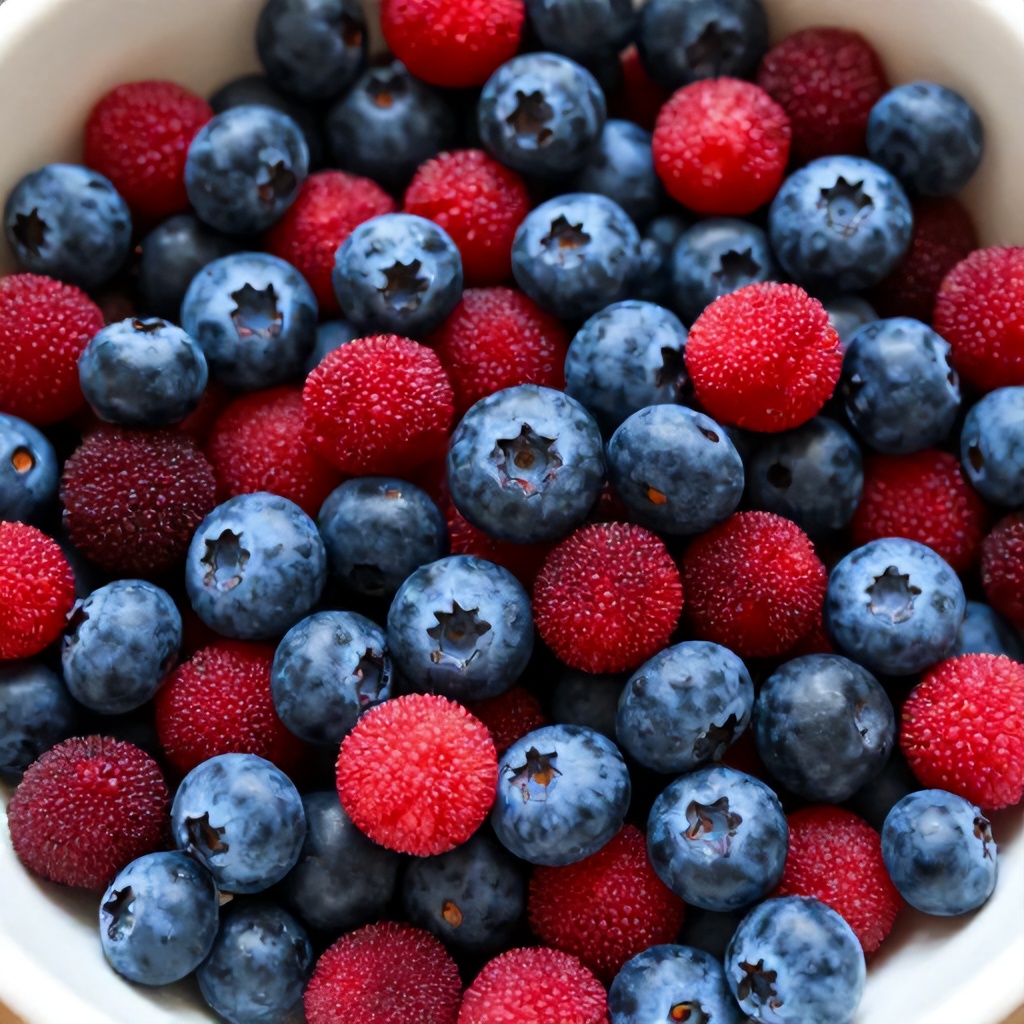
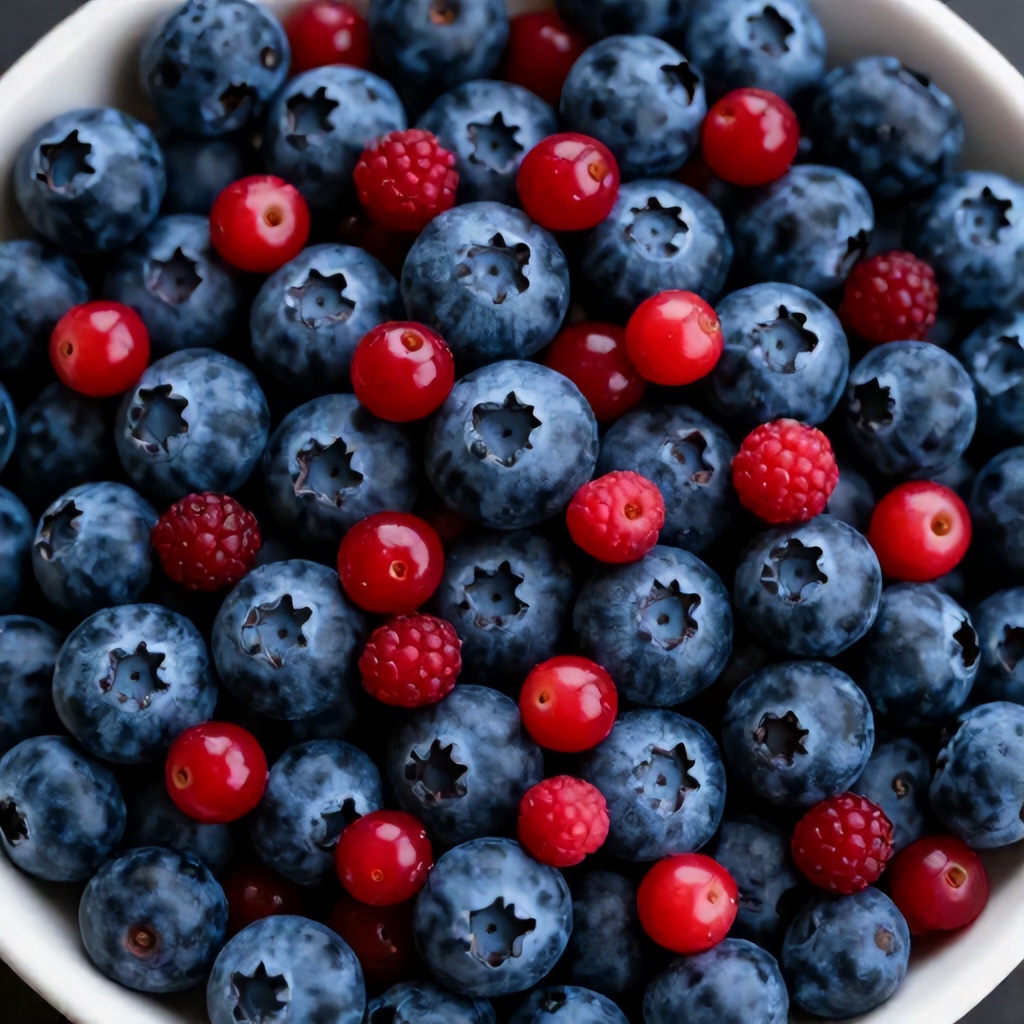
These small, vibrant fruits are nutritional superstars. Think blueberries, strawberries, raspberries, and blackberries. They are packed with antioxidants, particularly anthocyanins, which give them their rich colors. These compounds are crucial for fighting oxidative stress in the body, a process that contributes to aging and chronic diseases. Regular consumption of berries can support brain health, reduce inflammation, and improve heart health, all vital components of a long, healthy life. Adding a handful to your morning oatmeal or yogurt is an easy way to get their benefits.

2. Leafy Green Vegetables

Kale, spinach, collard greens, Swiss chard – these are some of the most nutrient-dense foods available. They are loaded with vitamins K, A, and C, along with folate, fiber, and various antioxidants. Vitamin K, for instance, is important for bone health and may play a role in preventing arterial calcification, which is linked to heart disease. The high fiber content in leafy greens aids digestion and helps maintain a healthy gut microbiome, another key factor in overall wellness and longevity. Aim to include a generous serving of leafy greens in your meals daily, whether in salads, smoothies, or cooked dishes.

3. Legumes

Beans, lentils, chickpeas, and peas are staples in the diets of centenarians in the Blue Zones, and for good reason. These humble foods are incredibly rich in plant-based protein, fiber, and complex carbohydrates, providing sustained energy without spiking blood sugar. They are also excellent sources of essential minerals like iron, zinc, and magnesium. The fiber in legumes helps lower cholesterol, manage blood sugar levels, and promote digestive health. Incorporating legumes into your diet a few times a week, perhaps in soups, stews, or as a meat alternative, can be a simple yet powerful step towards a more nutritious diet.

4. Whole Grains

Unlike refined grains, whole grains like oats, brown rice, quinoa, and whole wheat retain all parts of the grain kernel – the bran, germ, and endosperm. This means they keep their fiber, vitamins, and minerals. The fiber content in whole grains is vital for gut health, helping to regulate digestion and reduce the risk of chronic diseases like type 2 diabetes and heart disease. Studies consistently link higher whole grain intake to a lower risk of premature death and better life expectancy. Swapping white bread for whole-wheat, or choosing oats for breakfast, are easy ways to boost your intake.

5. Nuts and Seeds

Almonds, walnuts, chia seeds, flax seeds – these small powerhouses are packed with healthy fats, protein, fiber, vitamins, and minerals. Walnuts, in particular, are rich in omega-3 fatty acids, which are beneficial for heart and brain health. Nuts and seeds can help lower cholesterol levels, reduce inflammation, and provide a feeling of fullness, which can aid in weight management. A handful of nuts as a snack or seeds sprinkled over salads and yogurts can contribute significantly to your optimal nutrition goals and support an anti-aging diet.

6. Fatty Fish

Salmon, mackerel, sardines, and trout are excellent sources of omega-3 fatty acids, specifically EPA and DHA. These essential fats are incredibly important for heart health, brain function, and reducing inflammation throughout the body. Regular consumption of fatty fish has been linked to a lower risk of heart disease, stroke, and cognitive decline, all factors that impact longevity. Aim for two servings of fatty fish per week to reap these significant health benefits. If you’re not a fish eater, a registered dietitian might suggest an omega-3 supplement derived from algae.

7. Olive Oil

A cornerstone of the Mediterranean Diet, extra virgin olive oil is far more than just a cooking fat. It’s rich in monounsaturated fatty acids and powerful antioxidants called polyphenols. These compounds are known for their anti-inflammatory properties and their ability to protect against heart disease. Using extra virgin olive oil as your primary cooking oil and drizzling it over salads can be a delicious way to incorporate this longevity-promoting food into your daily routine. Its benefits are well-documented in food science research.

8. Tomatoes

These versatile fruits (yes, botanically they’re fruits!) are a fantastic source of lycopene, a potent antioxidant responsible for their red color. Lycopene has been extensively studied for its role in reducing the risk of certain cancers and protecting against heart disease. Interestingly, lycopene is more bioavailable (easier for your body to absorb) when tomatoes are cooked and consumed with a little healthy fat, like olive oil. So, enjoy your cooked tomato sauces, soups, and stews for maximum benefit.

9. Garlic and Onions

These aromatic vegetables are more than just flavor enhancers; they are packed with beneficial compounds. Garlic contains allicin, a sulfur compound with powerful medicinal properties, including anti-inflammatory and immune-boosting effects. Onions, especially red onions, are rich in quercetin, an antioxidant that can help reduce blood pressure and improve heart health. Regular consumption of garlic and onions can contribute to a robust immune system and overall wellness, supporting your journey toward healthy aging.

Putting It All Together: Your Path to Healthy Aging

While focusing on these specific foods is beneficial, remember that the bigger picture of your dietary patterns and lifestyle choices is what truly matters for longevity. It’s not about a strict “anti-aging diet” but rather adopting sustainable, healthy habits that you can maintain over time. A registered dietitian can help you tailor an optimal nutrition plan that fits your individual needs and preferences.

Beyond the Plate: A Holistic Approach

  • Consistent Physical Activity: Regular movement, whether it’s walking, gardening, or structured exercise, is just as vital as diet for a long life. It strengthens your heart, muscles, and bones, and improves mental well-being.

  • Stress Management: Chronic stress can take a toll on your body and accelerate aging. Finding healthy ways to manage stress, such as mindfulness, hobbies, or spending time in nature, is crucial.

  • Quality Sleep: Adequate, restful sleep allows your body to repair and rejuvenate. Prioritizing sleep is a non-negotiable part of a healthy lifestyle.

  • Social Connection: Strong social ties and a sense of community are hallmarks of the Blue Zones and contribute significantly to mental health and life expectancy.

Embracing a lifestyle rich in plant-based foods, healthy fats, and whole grains, combined with regular physical activity and mindful living, provides a powerful foundation for a longer, healthier, and more vibrant life. Small, consistent changes can lead to profound health improvement over time, helping you enjoy every year to its fullest.

Exit mobile version