Easy Oven Roasted Piri Piri Chicken Recipe for Weeknight Dinners

Oven Roasted Piri Piri Chicken for Busy Evenings

Piri piri chicken brings a bold, spicy, and tangy profile to your kitchen with minimal effort. This roasted chicken recipe relies on a vibrant marinade that balances fiery heat with deep, savory notes. While traditional South African and Portuguese-style chicken is often cooked over an open flame, this oven-roasted version delivers the same juicy results for your weeknight dinner ideas. By using a garlic-infused sauce and a blend of aromatic spices, you can transform simple poultry into an international comfort food staple.

Understanding Piri Piri Peppers

The heart of this dish lies in the African bird’s eye peppers. These small, potent chilies are native to Southern Africa and provide the signature kick that defines the spice profile of the meal. They are significantly hotter than a standard jalapeno, often ranking ten times higher on the Scoville scale. Despite the intensity, they carry a subtle, fruity undertone that pairs perfectly with citrus and vinegar.

Finding these peppers can sometimes be a challenge at standard grocery stores. If you cannot locate fresh or dried bird’s eye peppers, you can substitute them with Thai bird chilies or even a high-quality cayenne pepper powder. The goal is to capture that specific fiery heat without losing the complexity of the sauce. When handling these peppers, always use gloves to protect your skin and eyes from the concentrated oils.

The Science of Meat Marination

Marinating is a fundamental home cooking technique that serves two purposes: flavor infusion and texture modification. When you submerge poultry in a mixture of acidic ingredients like vinegar or lemon juice, the acid begins to break down the proteins on the surface of the meat. This process allows the garlic-infused sauce and spices to penetrate deeper into the fibers of the chicken.

For the best results, aim for a marination time of at least three hours. If you are planning ahead, overnight marination is ideal. However, avoid exceeding 24 hours, as the acid can eventually break down the meat too much, resulting in a mushy texture rather than a tender bite.

Beyond texture, the marinade acts as a protective barrier during the roasting process. The oil in the mixture helps conduct heat evenly, while the sugars and spices create a beautiful, caramelized crust on the skin. This is why using a poultry marinade is essential for achieving that restaurant-quality finish at home.

Essential Ingredients for Your Spice Profile

To build an authentic flavor, you need a balance of heat, acid, and earthiness. The following ingredients are staples in professional culinary recipe development for this dish:
  • African bird’s eye peppers or Thai chilies for the primary heat source.
  • Smoked paprika to provide a deep, woody aroma that mimics fire roasting.
  • Fresh garlic cloves, crushed or minced, to create the savory base.
  • Red wine vinegar or lemon juice to provide the necessary tang.
  • Olive oil or neutral vegetable oil to emulsify the sauce and keep the meat moist.
  • Cumin and dried oregano to add layers of warmth and herbal notes.

Tips for Perfect Oven-Roasted Poultry

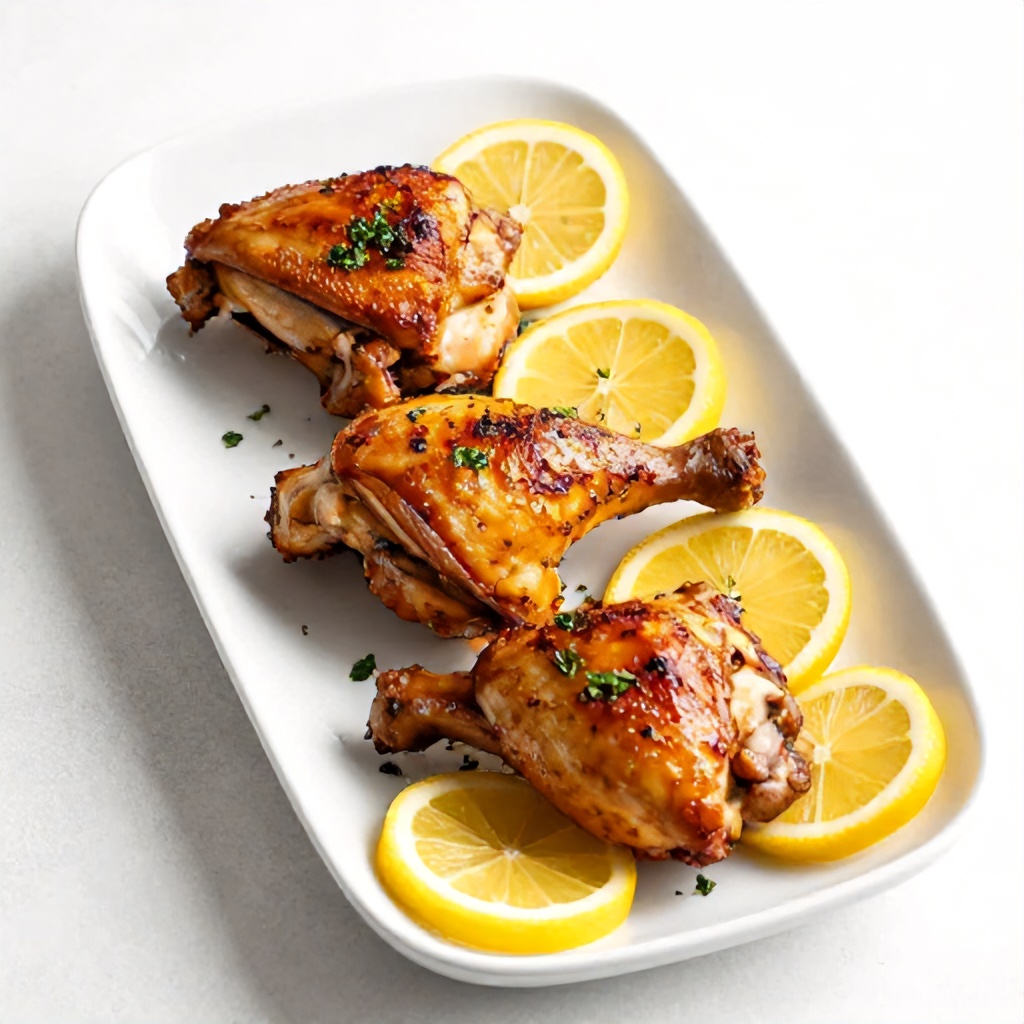
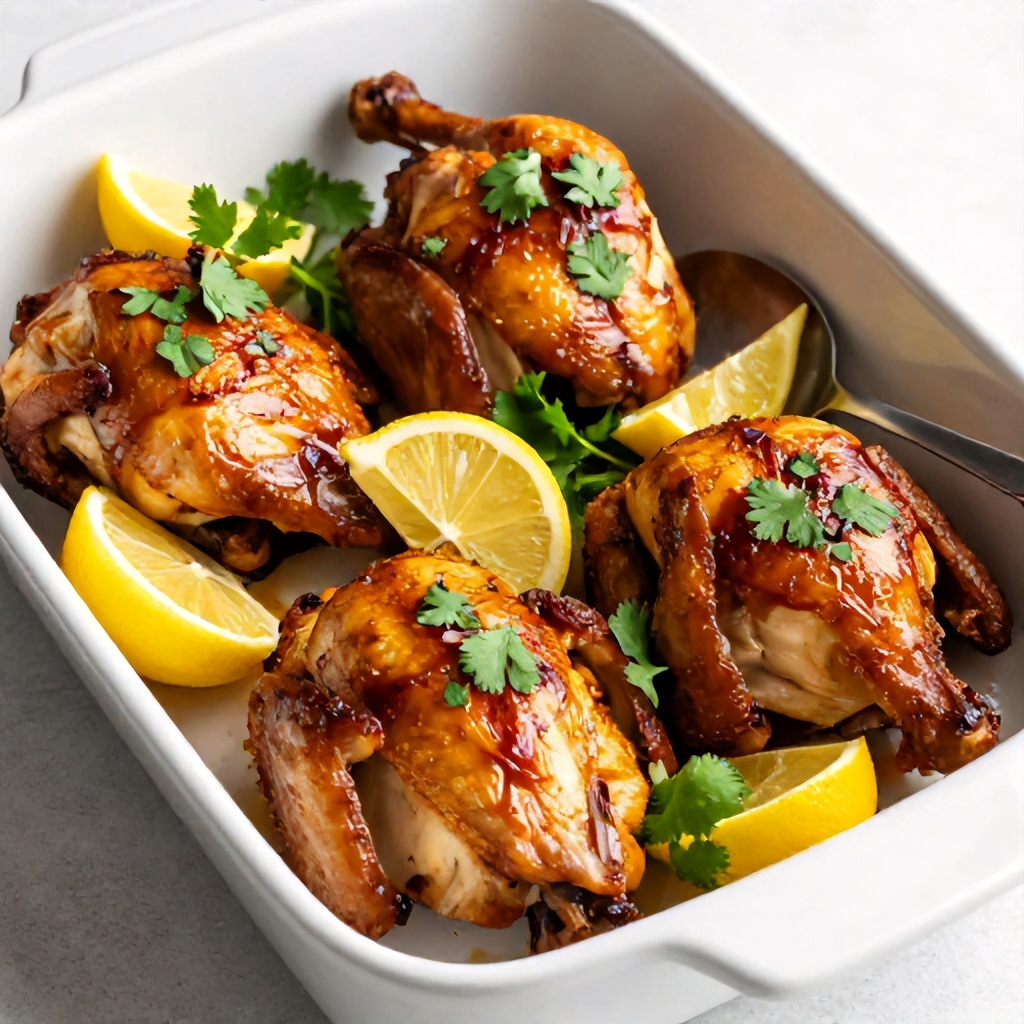
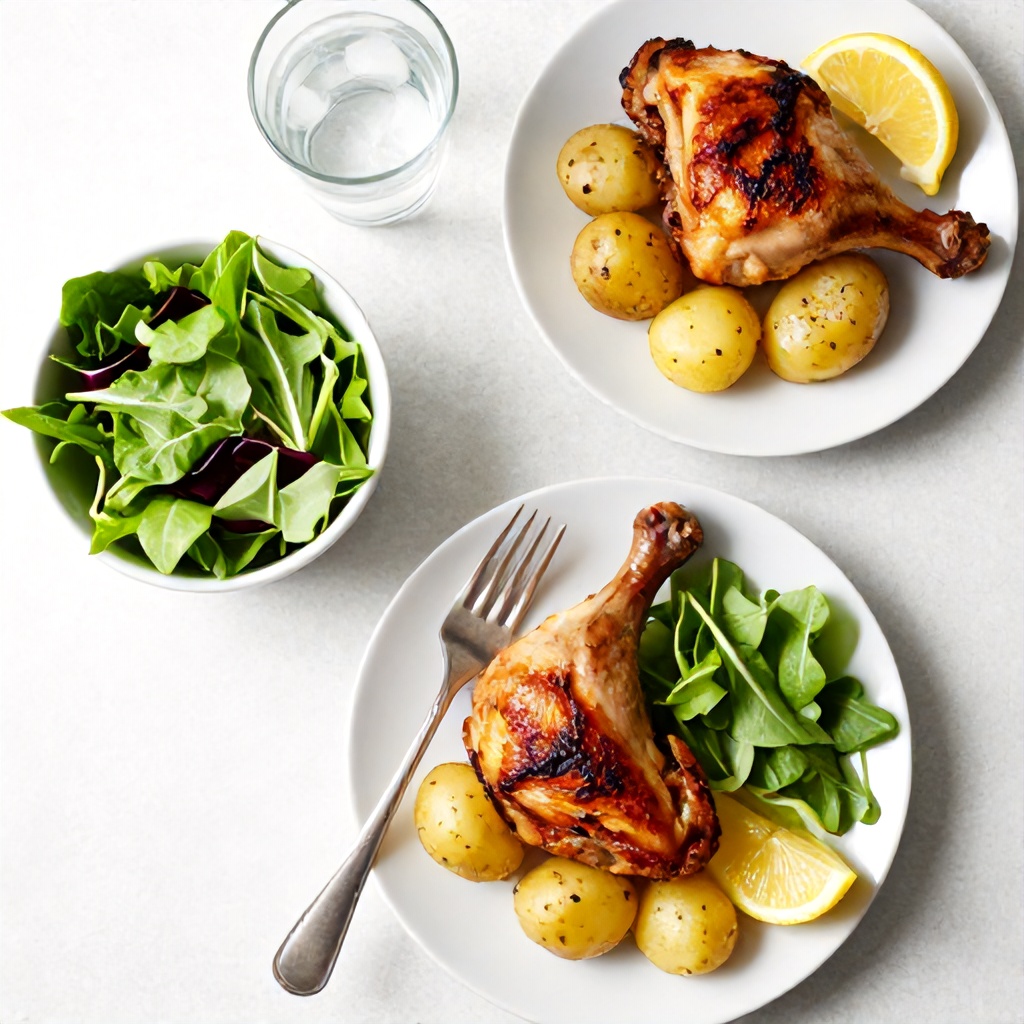
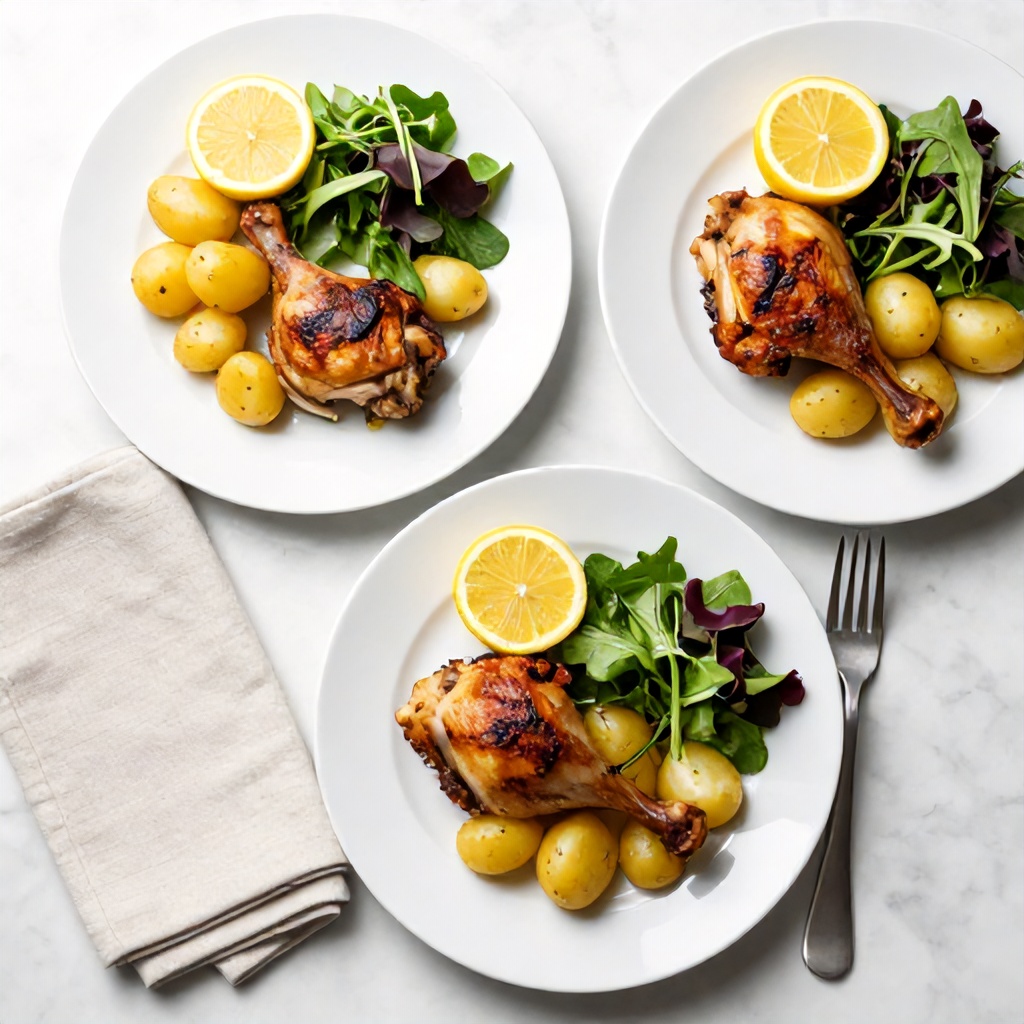
Achieving the perfect texture requires attention to your cooking methods. While you might be tempted to use chicken breasts, I find that roasted chicken thighs and leg quarters are far superior for this recipe. These cuts have a higher fat content, which prevents them from drying out during the longer roasting time required to develop a crispy skin.

Never crowd your roasting pan. If the pieces of chicken are touching, they will steam rather than roast. Use a large enough baking sheet to ensure air can circulate around each piece, which is the secret to achieving that golden, crispy skin we all love.

If you prefer a charred appearance, you can finish the chicken under the broiler for the final two to three minutes of cooking. Watch it closely, as the sugars in the marinade can burn quickly. This extra step mimics the traditional charcoal-grilled experience of authentic South African cuisine.
Meal Planning and Make-Ahead Strategies

Incorporating this dish into your weekly meal planning is straightforward. You can prepare the marinade up to three days in advance and store it in the refrigerator. When you are ready to cook, simply toss the chicken in the sauce and let it sit while you handle other tasks. This approach makes the actual cooking process feel like a breeze on a busy Tuesday evening.

If you have leftovers, they are incredibly versatile. Shred the cold chicken over a salad, wrap it in a tortilla with fresh vegetables, or serve it alongside roasted root vegetables. The flavor often improves the next day as the spices have more time to meld with the meat.

Ingredient Substitutions and Variations

Home cooking is all about adapting to what you have in your pantry. If you are out of smoked paprika, standard sweet paprika mixed with a dash of liquid smoke can work in a pinch. For those who prefer a milder dish, simply reduce the number of peppers or remove the seeds entirely before blending the marinade.
You can also experiment with the acidity. While red wine vinegar is traditional, apple cider vinegar offers a slightly sweeter tang that pairs beautifully with the heat of the peppers. If you want to add a touch of sweetness to balance the fire, a teaspoon of honey or brown sugar in the marinade works wonders.

Serving Suggestions for a Complete Meal

Because this chicken is bold and spicy, it pairs best with cooling or neutral side dishes. Consider these options to round out your dinner:

  • Creamy coleslaw to cut through the heat of the peppers.
  • Fluffy jasmine rice or roasted potatoes to soak up the extra sauce from the pan.
  • A crisp cucumber and tomato salad with a light vinaigrette.
  • Warm pita bread or crusty sourdough to scoop up the garlic-infused juices.

Storage and Reheating Instructions

Proper kitchen storage instructions are vital for food safety and quality. Store any leftover chicken in an airtight container in the refrigerator for up to four days. If you need to keep it longer, you can freeze the cooked chicken for up to two months. When freezing, try to keep the meat submerged in a little bit of the pan juices to prevent freezer burn.

When reheating, avoid the microwave if possible, as it tends to make the chicken rubbery. Instead, place the chicken in a baking dish with a splash of water or chicken broth, cover it with foil, and heat it in a 350-degree oven until warmed through. This method keeps the meat tender and prevents the spices from drying out.

Refining Your Technique

Mastering this recipe is a great way to build confidence in the kitchen. By focusing on the balance of your spice profile and respecting the marination time, you are practicing core culinary skills that apply to many other dishes. Do not be afraid to taste your marinade before adding the raw chicken. If it feels too acidic, add a bit more oil. If it lacks depth, add a pinch more salt or smoked paprika.

This dish is a testament to how simple ingredients can create a complex, satisfying meal. It bridges the gap between everyday cooking and international comfort food, proving that you do not need a grill or a professional kitchen to enjoy bold, spicy, and tangy flavors. Whether you are cooking for a family or just prepping for your own lunches, this roasted chicken recipe is a reliable, delicious choice that deserves a permanent spot in your rotation.

Can I use chicken breasts instead of thighs?

Yes, but keep in mind that chicken breasts cook faster and have less fat. Reduce the roasting time by about 10 to 15 minutes and use a meat thermometer to ensure they reach 165 degrees Fahrenheit without drying out.

Is the sauce supposed to be very thick?

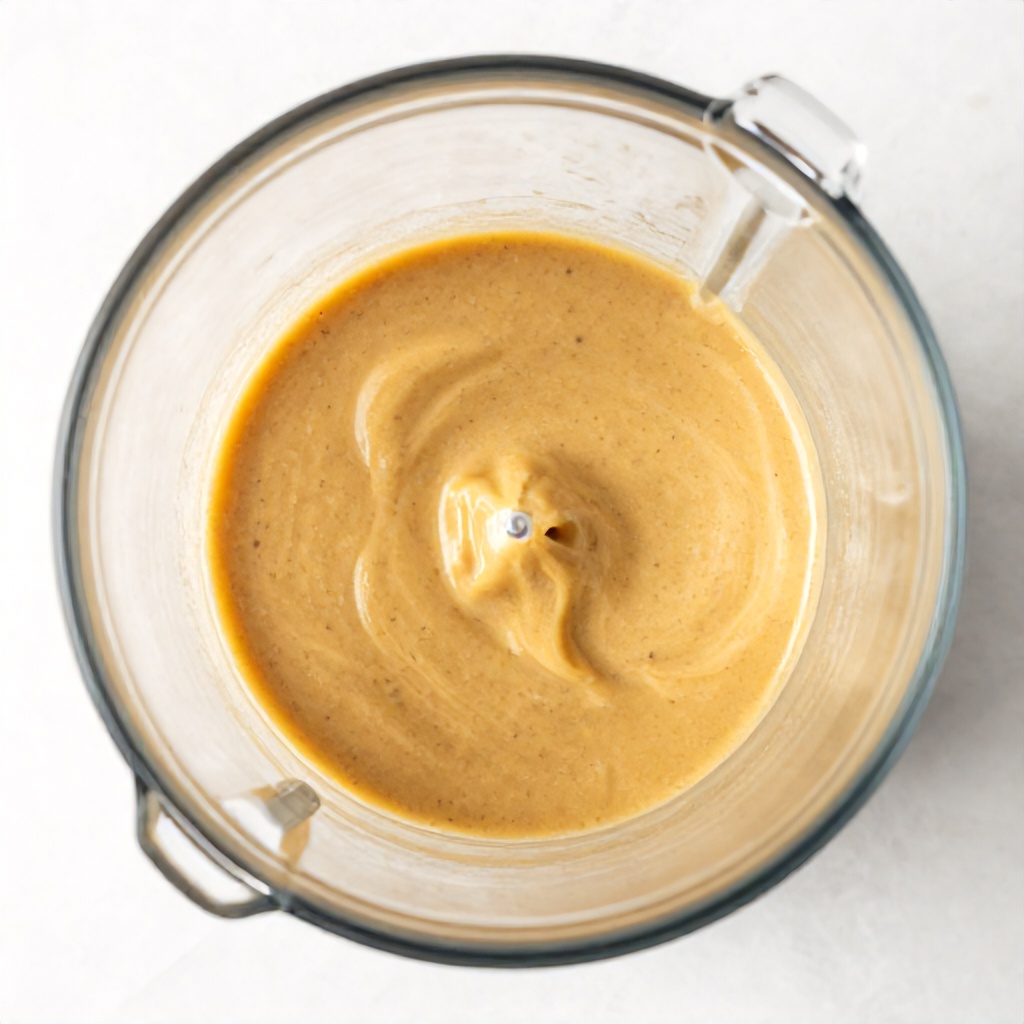
The consistency depends on how finely you blend the peppers and garlic. A slightly chunky sauce is perfectly fine and often provides a better texture when roasted. If you prefer a smoother sauce, use a high-speed blender to emulsify the oil and vinegar completely.

What if I cannot find African bird’s eye peppers?

Dried bird’s eye chilies are often available in the spice aisle of well-stocked grocery stores. If those are unavailable, a combination of crushed red pepper flakes and a dash of hot sauce can provide a similar, albeit slightly different, heat profile.

As you continue to refine your version of this recipe, remember that the best meals are those that you adjust to your own preferences. Perhaps you prefer more garlic, or maybe you enjoy a heavier hand with the smoked paprika. Every time you prepare this dish, you are learning more about how flavors interact, making you a more intuitive and capable home cook.

Keep your kitchen organized and your ingredients fresh. When you start with quality poultry and a well-balanced marinade, the oven does most of the heavy lifting. Enjoy the process of creating a meal that brings a little bit of international flair to your table, and take pride in the fact that you have mastered a classic, fiery, and comforting dish.

Easy Greek Pasta Salad Recipe With Homemade Dressing and Fresh Vegetables

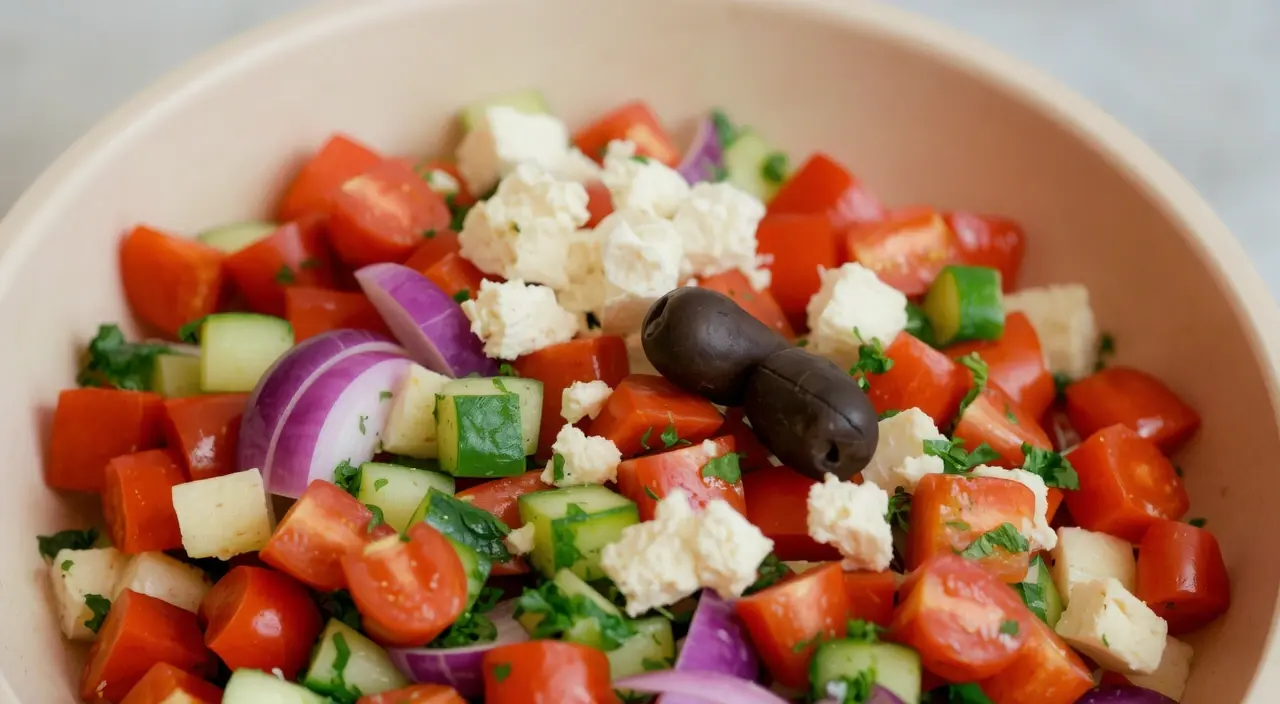
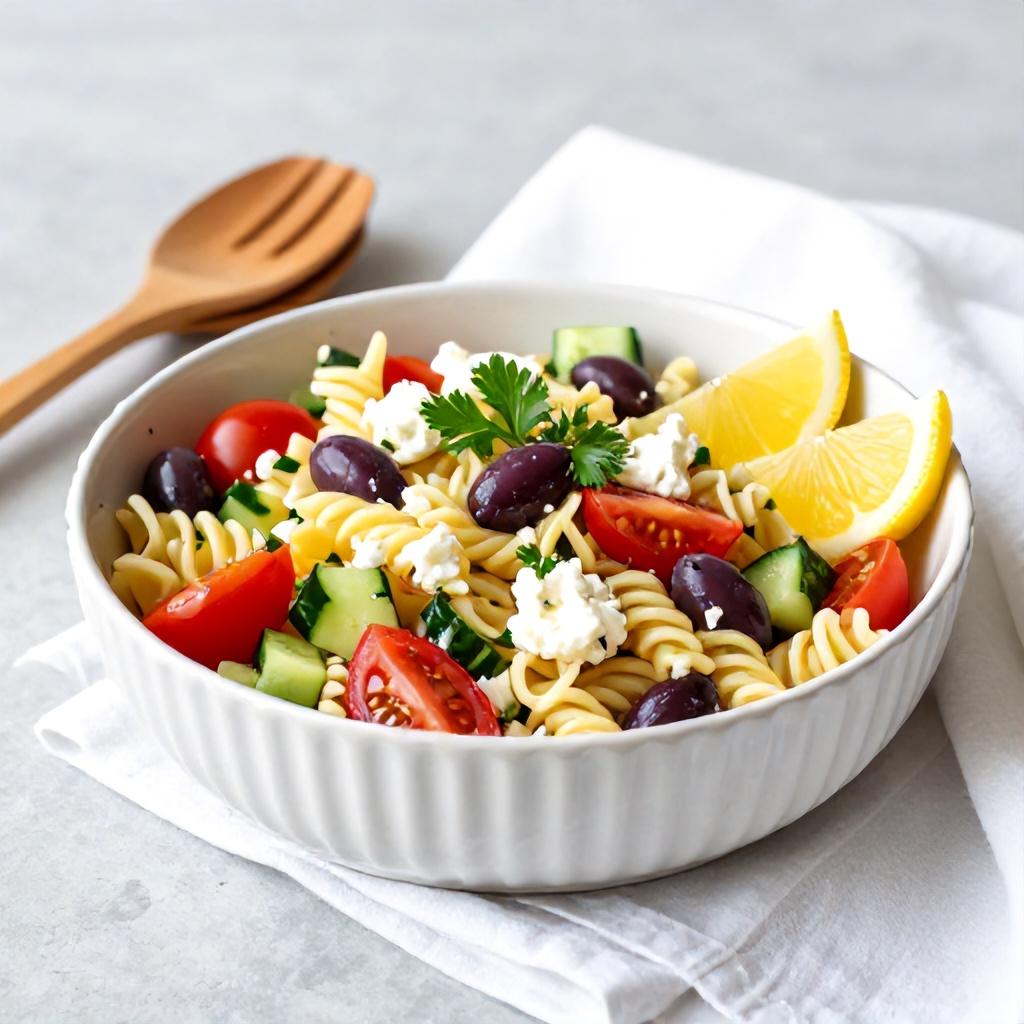
This easy Greek pasta salad relies on a vibrant mix of cherry tomatoes, crisp cucumber, sharp red onion, briny kalamata olives, and creamy feta cheese, all coated in a zesty homemade Greek dressing. It serves as the ideal make-ahead side dish for summer potlucks, backyard barbecues, or simple weeknight dinners. By combining the classic Mediterranean-inspired flavor profile with the heartiness of rotini pasta, you get a dish that satisfies hunger while remaining light enough for warm weather.

Why This Salad Works for Every Occasion

Finding a reliable recipe that bridges the gap between a light side dish and a filling meal can be difficult. This Mediterranean-inspired dish hits that sweet spot. Because it uses pantry-friendly ingredients and fresh vegetables, it is a staple for clean eating enthusiasts who want flavor without spending hours in the kitchen. The combination of textures—the snap of the cucumber, the chew of the pasta, and the creaminess of the feta—makes every bite interesting.

Meal prep becomes much simpler when you have a recipe that actually tastes better after sitting in the fridge for a few hours. The dressing has time to soak into the rotini pasta, ensuring that the flavor profile deepens rather than fades. Whether you are packing healthy lunch ideas for the office or looking for crowd-pleasing potluck recipes, this salad holds up beautifully.

Essential Ingredients for the Perfect Bowl

The quality of your ingredients dictates the final result. Since this is a simple dish, each component needs to shine.

  • Rotini pasta: The corkscrew shape is essential. It catches the tangy dressing in every fold, ensuring you get a burst of flavor in every mouthful.
  • Cherry tomatoes: These provide a necessary sweetness that balances the acidity of the vinegar.
  • Red onion: Thinly sliced, this adds a sharp bite. If you find raw onion too intense, soak the slices in cold water for ten minutes before adding them to the bowl.
  • Cucumber: English cucumbers or Persian cucumbers work best because they have fewer seeds and thinner skins.
  • Green bell pepper: This adds a vegetal crunch that is iconic in traditional Greek salads.
  • Kalamata olives: These are non-negotiable for that authentic, salty, Mediterranean punch.
  • Feta cheese: Buy a block and crumble it yourself if you have the time. It usually tastes fresher and creamier than the pre-crumbled bags.
  • Fresh herbs: Parsley or oregano adds a bright, garden-fresh finish that ties the whole dish together.

Mastering the Homemade Greek Dressing

Bottled dressings often contain additives or sugars that mask the natural taste of your vegetables. Making your own dressing takes less than five minutes and uses basic culinary staples you likely already have. The base of this tangy dressing is extra virgin olive oil and red wine vinegar. The ratio is typically three parts oil to one part vinegar, but you can adjust this based on how sharp you like your salad.

To build the flavor, whisk in a teaspoon of Dijon mustard, which acts as an emulsifier to keep the oil and vinegar from separating. Add minced garlic, a generous pinch of dried oregano, salt, and black pepper. If you want an extra citrus kick, a squeeze of fresh lemon juice brightens the entire flavor profile. Shake it all in a mason jar until it looks creamy and uniform.

Step-by-Step Preparation

  1. Boil a large pot of salted water. Cook the rotini pasta until it is al dente. Do not overcook it, or it will turn mushy once mixed with the dressing.
  2. Drain the pasta and rinse it under cold water immediately. This stops the cooking process and prevents the noodles from sticking together.
  3. While the pasta cools, chop your vegetables into uniform, bite-sized pieces. Consistency in size makes the salad easier to eat.
  4. In a large mixing bowl, combine the cooled pasta, tomatoes, cucumber, onion, bell pepper, and olives.
  5. Pour the dressing over the salad and toss gently to coat every surface.
  6. Fold in the crumbled feta cheese last so it stays in distinct chunks rather than dissolving into the dressing.
  7. Garnish with fresh herbs before serving.

Brittany’s Tip: If you are serving this at a party, keep the bowl in a larger container filled with ice. This keeps the vegetables crisp and the feta at a safe temperature while sitting out in the sun.

Pasta Salad Variations and Customizations

One of the best things about this vegetarian recipe is how easily it adapts to what you have in your pantry. If you want to lean into the Mediterranean diet, add chickpeas or white beans for extra fiber and protein. For those who want a heartier meal, grilled chicken or shrimp makes an excellent addition. You can also swap the rotini for farfalle or penne if that is what you have in the cupboard.

If you prefer a different flavor profile, consider adding sun-dried tomatoes for a deeper, more concentrated sweetness. Some people enjoy adding artichoke hearts or capers for an extra salty, savory kick. The beauty of this dish is that it acts as a canvas for your favorite garden-fresh ingredients.

Storage and Make-Ahead Advice

This salad is a champion of make-ahead meals. You can assemble the entire dish up to 24 hours in advance. If you plan to store it longer, keep the dressing separate and toss it in right before serving. This prevents the pasta from absorbing too much liquid and becoming soft. Store it in an airtight container in the refrigerator for up to three days. If the salad seems a bit dry after a day in the fridge, add a small splash of olive oil or a squeeze of lemon juice to revive the flavors.

Frequently Asked Questions

Can I serve Greek pasta salad warm or cold?

This salad is traditionally served cold or at room temperature, but you can enjoy it slightly warm if you prefer—just wait to add the feta so it doesn’t melt.

What’s the best pasta for Greek pasta salad?

Short pasta shapes like rotini, fusilli, penne, or bowtie are ideal because they hold the dressing well and mix easily with the chopped veggies and feta.

Can I serve Greek pasta salad warm or cold?

This salad is traditionally served cold or at room temperature, but you can enjoy it slightly warm if you prefer—just wait to add the feta so it doesn’t melt.

Can I serve Greek pasta salad warm or cold?

This salad is traditionally served cold or at room temperature, but you can enjoy it slightly warm if you prefer—just wait to add the feta so it doesn’t melt.

What’s the best pasta for Greek pasta salad?

Short pasta shapes like rotini, fusilli, penne, or bowtie are ideal because they hold the dressing well and mix easily with the chopped veggies and feta.

What’s the best pasta for Greek pasta salad?

Short pasta shapes like rotini, fusilli, penne, or bowtie are ideal because they hold the dressing well and mix easily with the chopped veggies and feta.

Frequently Asked Questions

Can I serve Greek pasta salad warm or cold? This salad is traditionally served cold or at room temperature, but you can enjoy it slightly warm if you prefer—just wait to add the feta so it doesn’t melt. What’s the best pasta for Greek pasta salad? Short pasta shapes like rotini, fusilli, penne, or bowtie are ideal because they hold the dressing well and mix easily with the chopped veggies and feta.

Nutritional Benefits of Mediterranean-Inspired Eating

Focusing on nutrient-dense ingredients like extra virgin olive oil and fresh vegetables is a hallmark of the Mediterranean diet. This salad provides a balance of healthy fats, complex carbohydrates, and fiber. By using whole-grain pasta, you can increase the fiber content even further. The inclusion of fresh herbs like parsley and oregano adds antioxidants, which are vital for overall health. This is a meal that feels indulgent because of the feta and olives, but it is actually quite light and energizing.

When you choose to prepare your own food, you control the sodium and the quality of the fats. Many store-bought pasta salads rely on mayonnaise-based dressings that can be heavy and lack the bright, acidic notes found in a vinegar-based Greek dressing. This recipe relies on the natural juices of the tomatoes and the tang of the vinegar to create a savory salad that satisfies cravings without leaving you feeling sluggish.

Serving Suggestions for Your Next Gathering

If you are hosting a summer party, this salad pairs perfectly with grilled proteins. Think of it alongside skewers of lemon-herb chicken or grilled lamb chops. It also works well as a standalone lunch when served over a bed of fresh arugula or baby spinach. Because it is so colorful, it looks beautiful in a large glass bowl or a rustic wooden platter.

Consider setting out a small bowl of extra kalamata olives or a side of crusty sourdough bread for guests to enjoy with their salad. If you have guests with dietary restrictions, this recipe is naturally vegetarian, making it a safe and inclusive option for almost any group. Just ensure you check the labels on your feta cheese if you are serving someone who requires specific dietary standards, as some brands use different types of rennet.

Final Thoughts on Keeping it Simple

The most successful recipes are often the ones that rely on high-quality, simple ingredients. You do not need to be a professional chef to create a dish that tastes like it came from a Mediterranean cafe. By focusing on the freshness of your vegetables and the balance of your dressing, you can create a meal that is both reliable and delicious. Keep this recipe in your rotation for those busy weeks when you need something healthy, fast, and satisfying.

As you continue to experiment with this base, remember that the best pasta salad is the one that makes you happy. Whether you add extra cucumbers for crunch or swap the red onion for shallots for a milder flavor, make it your own. The goal is to enjoy the process of cooking and the pleasure of eating well with friends and family. With this foundation, you are ready to tackle any summer potluck or weeknight dinner with confidence.

Remember to keep your pantry stocked with the basics: good olive oil, red wine vinegar, dried oregano, and a few boxes of rotini. When you have these items on hand, you are never more than twenty-five minutes away from a fresh, homemade meal. It is these small habits that make healthy eating sustainable and enjoyable for the long term.

Finally, do not underestimate the power of presentation. A sprinkle of fresh herbs right before serving makes all the difference. It signals that the dish is fresh and ready to be enjoyed. Your guests will appreciate the effort, and you will appreciate how simple it was to pull together. Enjoy the flavors of summer all year round with this classic, versatile dish.

Strawberry Cheesecake Overnight Oats Recipe: Gluten-Free Meal Prep

Strawberry Cheesecake Overnight Oats Recipe

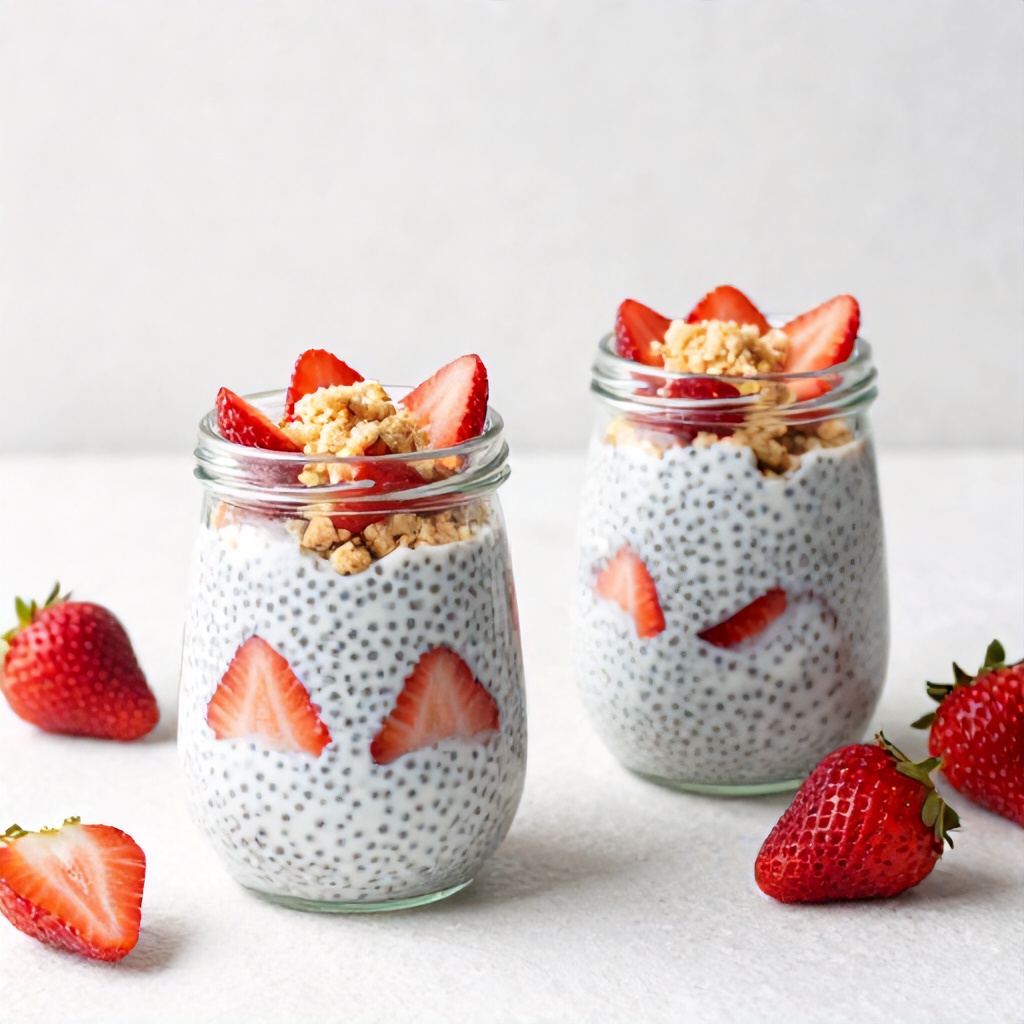
These strawberry cheesecake overnight oats are rich, creamy, and taste like a slice of cheesecake for breakfast, but they’re actually good for you! They’re naturally gluten-free, incredibly easy to whip up, and absolutely perfect for your weekly meal prep. Get ready for a delicious breakfast treat that feels like a decadent dessert.

You might be familiar with my cottage cheese overnight oats recipe; this one is similar, but with a few delightful twists. Instead of protein powder, we’re adding cream cheese and blending fresh strawberries right into the mix. Top it with some crushed graham crackers, and seriously, it’s like enjoying a slice of strawberry cheesecake first thing in the morning!

Why You’ll Love This Recipe

This recipe is a winner for so many reasons. It’s the perfect blend of indulgence and health. You get that amazing dessert-like flavor without the heavy sugar load, all while fueling your body with the goodness of fiber-rich oats and protein-packed cottage cheese. It truly is a breakfast treat you can feel good about.

The ease of preparation is another huge plus. You simply blend, mix, and let it work its magic overnight in the fridge. No complicated steps, no early morning fuss. This makes it ideal for busy mornings when you need something quick and satisfying.

And let’s talk about versatility! While this strawberry version is fantastic, you can easily swap out the fruit for your favorites or get creative with different toppings. This allows you to create a truly personalized breakfast experience every time.

Finally, the meal prep aspect is a lifesaver. Making these ahead of time means you have stress-free, ready-to-go breakfasts waiting for you all week long. No more scrambling for something healthy when you’re rushing out the door.

Ingredients & Substitutions

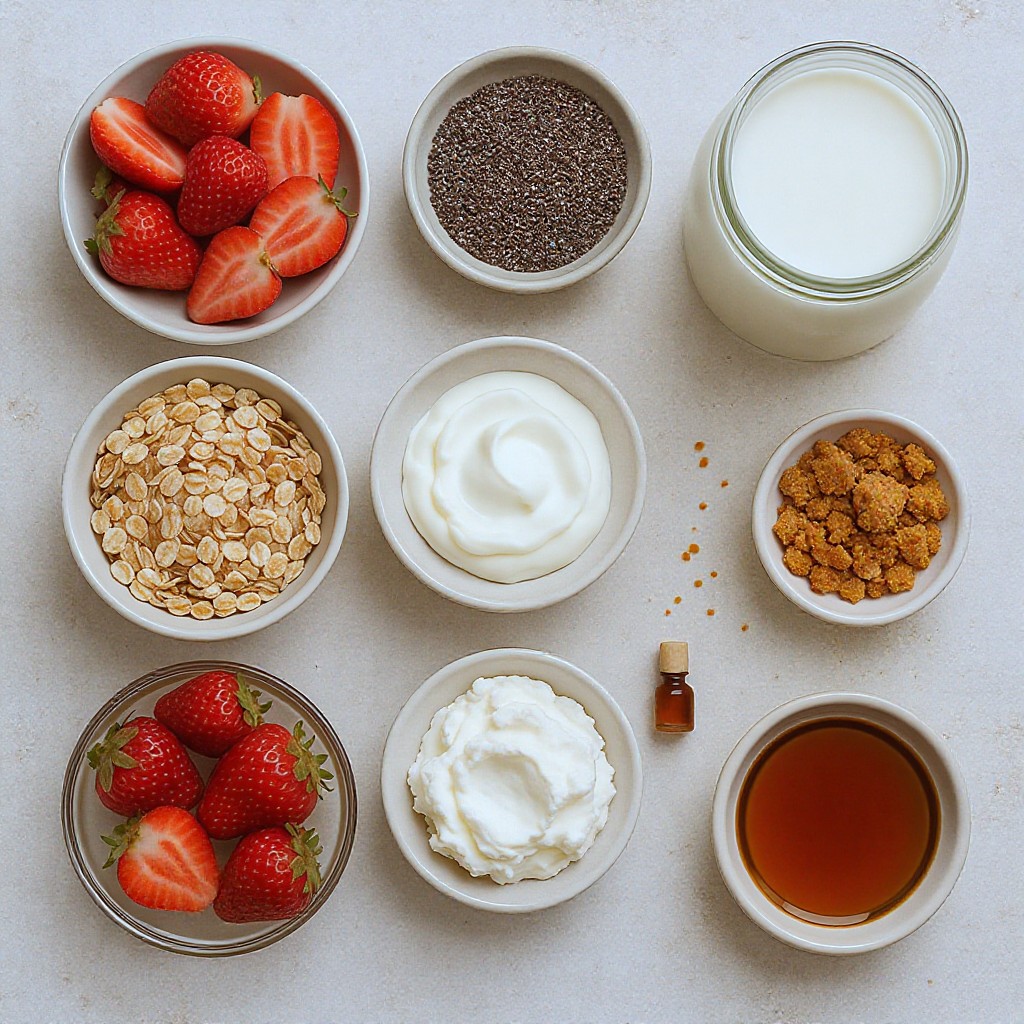
The foundation of these delicious strawberry cheesecake overnight oats is simple, wholesome ingredients. We’re aiming for that perfect creamy texture and delightful flavor profile.

The Oats

Rolled oats are your best friend here. They’re fantastic for overnight oats because they soak up the liquid beautifully, becoming soft and creamy while still retaining a satisfying chew. They are also a powerhouse of fiber, which keeps you feeling full and satisfied. I really wouldn’t recommend using steel-cut oats or quick oats for this recipe, as their texture and absorption properties are quite different and won’t yield the same creamy result. If you need your oats to be gluten-free, make sure to look for certified gluten-free rolled oats, as regular oats can sometimes be cross-contaminated. Bob’s Red Mill gluten-free oats are a brand I trust and use often.

The Thickeners & Sweeteners

Chia seeds are little nutritional wonders. They absorb liquid like a sponge, which is exactly what we want to help thicken our overnight oats to that perfect consistency. Beyond thickening, they’re brimming with fiber and those beneficial omega-3 fatty acids.

For sweetness, we’re using maple syrup or liquid stevia. This allows you to control the sweetness level precisely to your liking. A little goes a long way, and you can always add more if you have a sweeter tooth. Honey is also a great substitute if you prefer. The beauty of these options is that they offer natural sweetness without refined sugars.

A splash of vanilla extract might seem small, but it truly makes a big difference. It adds a depth of flavor that enhances all the other ingredients and brings out that comforting, homemade taste we all love in our oatmeal.

The Creamy Base

Unsweetened almond milk is my go-to for keeping these oats dairy-free and lower in calories. However, feel free to use any non-dairy milk you enjoy – oat milk, coconut milk, soy milk, or cashew milk all work wonderfully. If dairy isn’t a concern for you, regular dairy milk is also a perfectly fine option.

Now for the “cheesecake” magic: full-fat cottage cheese. This is what gives the oats that incredible richness and a wonderfully creamy texture. I find that using 4% milkfat cottage cheese, like Good Culture, provides the best results. Because cottage cheese has a natural saltiness, you often don’t need to add any extra salt to the recipe. If you’re not a huge fan of cottage cheese’s texture, don’t worry – blending it makes it super smooth and undetectable in the final dish.

The “Strawberry” Element

Fresh strawberries are key to that beautiful pink hue and delightful berry flavor. We’ll blend these with the cottage cheese, almond milk, and a touch of cream cheese (optional, for extra richness) to create a smooth, luscious mixture that gets folded into the oats. Don’t hesitate to swap these out for your favorite berries! Blueberries, raspberries, or a mix of berries all work brilliantly. This is where you can really personalize your breakfast treat.

Putting It All Together: The Overnight Oats Recipe

Making these strawberry cheesecake overnight oats is surprisingly straightforward. It’s a recipe designed for minimal effort and maximum deliciousness, especially when you’re planning ahead for the week.

Step 1: Blend the Creamy Goodness

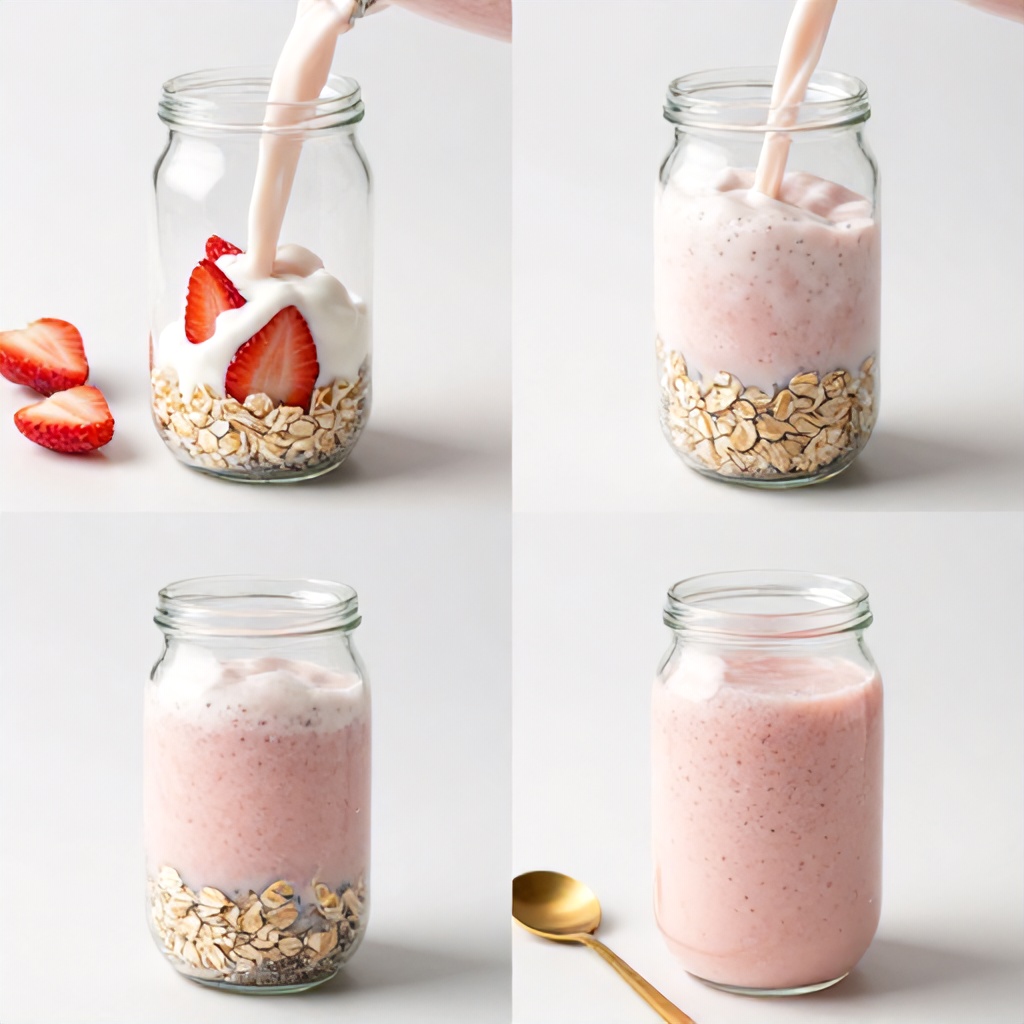
Start by adding your fresh strawberries, full-fat cottage cheese, a splash of unsweetened almond milk, vanilla extract, and your chosen sweetener (maple syrup or liquid stevia) to a blender. If you want an extra decadent, cheesecake-like creaminess, you can also add a tablespoon or two of cream cheese here. Blend everything until it’s completely smooth and creamy. You want a uniform, beautiful pink mixture with no chunks of strawberry or cottage cheese remaining. This blended mixture is the heart of our strawberry cheesecake flavor.

Step 2: Combine with Oats and Chia

In a jar, container, or bowl, combine your rolled oats and chia seeds. Pour the blended strawberry-cottage cheese mixture over the oats and chia seeds. Stir everything together thoroughly. Make sure the oats and chia seeds are fully coated in the creamy mixture. This ensures even hydration and flavor distribution overnight.

Step 3: Chill and Let the Magic Happen

Cover your container tightly. Place it in the refrigerator for at least 8 hours, or preferably overnight. This is the crucial step where the oats and chia seeds absorb the liquid, soften, and thicken into that perfect overnight oats consistency. The flavors meld together beautifully during this time.

Step 4: The Grand Finale – Toppings!

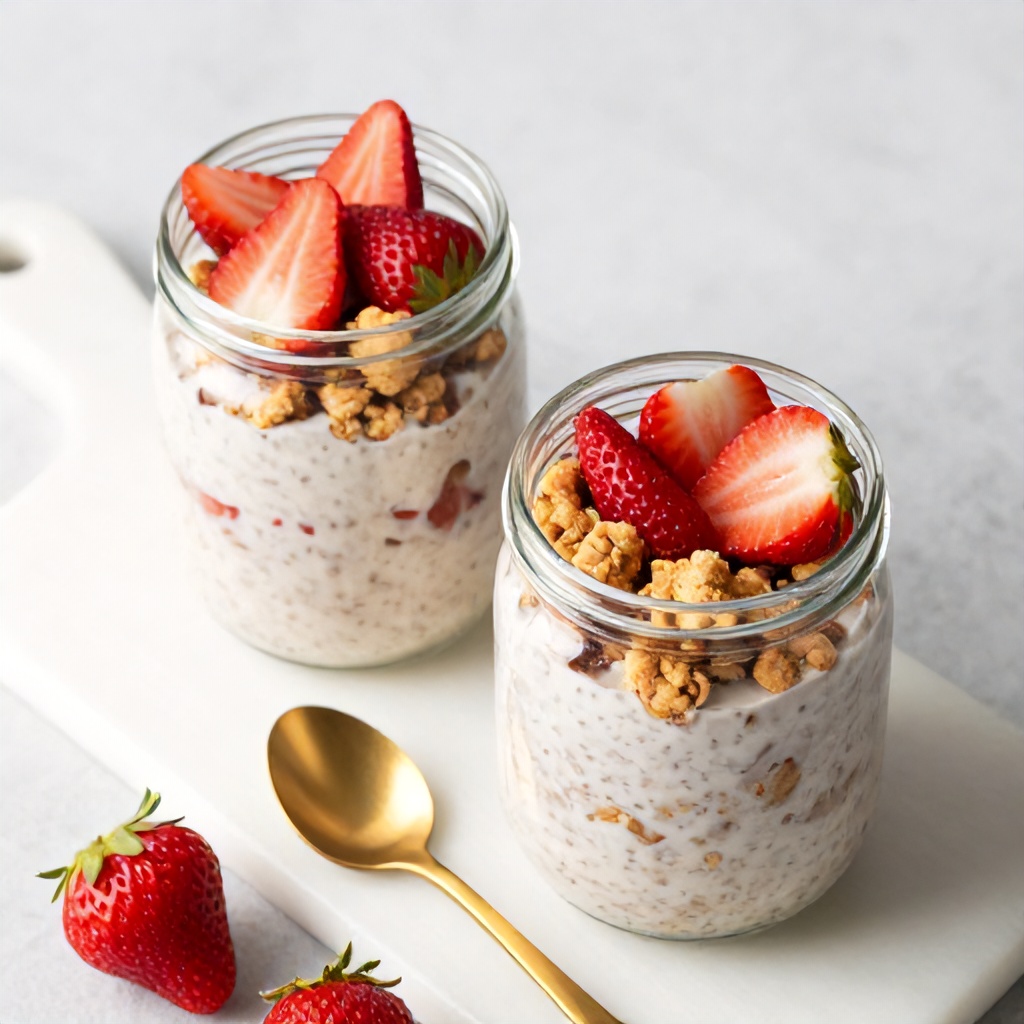
In the morning, give your strawberry cheesecake overnight oats a good stir. If they seem a little too thick for your liking, you can add another splash of almond milk to reach your desired consistency. Now comes the fun part: toppings! For the ultimate strawberry cheesecake experience, I love topping mine with a sprinkle of crushed graham crackers. Other delicious options include fresh berries, a dollop of Greek yogurt, a drizzle of nut butter, or a sprinkle of granola. This is where you can really make it your own personalized breakfast treat.

Tips for Perfect Overnight Oats

Texture Control: If you prefer thicker oats, use slightly less milk. For thinner oats, add a little more milk in the morning.

Sweetness Adjustment: Taste the mixture before chilling and adjust the sweetener if needed. Your preference might change slightly after chilling.

Make Ahead Master: Prepare a few jars at once for grab-and-go breakfasts throughout the week. They typically stay fresh in the fridge for up to 3-4 days.

Berry Swaps: Feel free to experiment with different berries like blueberries, raspberries, or even a mix. They all offer fantastic flavor and color.

Frequently Asked Questions

Are these strawberry cheesecake overnight oats gluten-free?

Yes, as long as you use certified gluten-free rolled oats. The other ingredients are naturally gluten-free.

Can I make this recipe dairy-free?

Absolutely! Use a dairy-free milk like almond milk and ensure your cottage cheese substitute (if you’re using one) is also dairy-free. For the cheesecake creaminess, you can omit the cream cheese or use a dairy-free cream cheese alternative.

What if I don’t like cottage cheese?

While cottage cheese adds a fantastic protein boost and creamy texture, you can try substituting it with thick Greek yogurt or even silken tofu blended until smooth. The flavor and texture might vary slightly, but it will still be delicious.

Can I use quick oats or steel-cut oats?

It’s best to stick with old-fashioned rolled oats for this recipe. Quick oats can become too mushy, and steel-cut oats won’t soften sufficiently overnight to achieve the desired creamy texture.

How long do these last in the fridge?

These strawberry cheesecake overnight oats are best enjoyed within 3-4 days when stored in an airtight container in the refrigerator.

Variations and Customization

The beauty of overnight oats lies in their adaptability. These strawberry cheesecake overnight oats are a fantastic starting point, but there are endless ways to make them your own.

Berry Swaps

While strawberries are the star here, don’t be afraid to experiment! Raspberries add a lovely tartness, blueberries bring a sweet, classic flavor, and blackberries offer a deeper, richer berry profile. You can even combine a few different berries for a mixed berry cheesecake vibe. Just ensure you blend them well with the cottage cheese mixture for that smooth color and flavor.

Topping Ideas

The toppings are where you can really have fun and tailor these oats to your mood. Crushed graham crackers are a must for that authentic cheesecake experience. But consider these other ideas:

  • Fresh berries (more strawberries, blueberries, raspberries)
  • A dollop of Greek yogurt or coconut yogurt
  • A sprinkle of toasted nuts (almonds, walnuts, pecans)
  • A drizzle of nut butter (almond butter, peanut butter)
  • A sprinkle of granola for added crunch
  • Shredded coconut
  • A few dark chocolate chips for a treat

Sweetener Adjustments

The amount of maple syrup or liquid stevia can be adjusted to your personal preference. If you find the strawberries are very sweet, you might need less sweetener. Conversely, if they’re a bit tart, you might want a little more. Always taste and adjust before chilling.

Protein Boost

If you’re looking for an extra protein punch, you can add a scoop of your favorite vanilla or unflavored protein powder to the blended mixture before combining it with the oats. You might need to add a little extra milk to ensure it all blends smoothly.

Cream Cheese Addition

For an even more authentic cheesecake flavor and an extra creamy texture, a tablespoon or two of regular cream cheese (or a dairy-free alternative) blended into the strawberry-cottage cheese mixture can be a game-changer. It really amplifies that rich, decadent feel.

Why Meal Prep Matters

In our busy lives, having healthy, delicious meals ready to go can make a huge difference. Meal prepping these strawberry cheesecake overnight oats is a simple yet effective way to ensure you start your day right, even when time is short. It takes the guesswork out of breakfast and prevents those last-minute unhealthy choices.

By spending a little time on the weekend preparing these jars, you’re setting yourself up for stress-free mornings. You can grab them from the fridge and enjoy a satisfying, nutritious breakfast treat without any fuss. This consistent healthy habit can contribute to better energy levels, improved digestion, and overall well-being.

Plus, the ability to customize them means you won’t get bored. Rotating through different toppings and berry swaps keeps things exciting, ensuring that meal prep doesn’t feel like a chore but rather an enjoyable part of your healthy lifestyle. These protein-packed, fiber-rich oats are a fantastic way to fuel your body and mind.

Exit mobile version