
Perimenopause nutrition is the foundation for protecting your heart, bones, and metabolism as estrogen levels drop.
Hormonal shifts during the menopause transition change how your body processes food and stores fat. These changes are not just about how your clothes fit. Estrogen acts as a natural protector for your cardiovascular system and your skeleton. When those levels begin to fluctuate and eventually decline, your body loses its built-in defense against several chronic conditions. You might notice your energy levels dipping or your midsection changing shape even if your habits haven’t shifted at all. This is a physiological response to a new internal environment.

Metabolic health often takes a hit during this time. Your cells may become less responsive to insulin, which is the hormone responsible for managing your blood sugar. This state, known as insulin resistance, makes it easier for the body to store fat around the midsection. This isn’t just “vanity fat.” It is visceral fat, which sits deep inside the abdomen and wraps around your organs. This type of fat is biologically active and produces inflammatory chemicals that can increase your risk for various diseases. Understanding these shifts allows you to make targeted choices that support your long-term vitality.
988 shares Perimenopause nutrition in middle age becomes especially important as we are more susceptible to health conditions and concerns. Here’s why it matters and 5 things to consider with diet that can help offset the effects. Losing the protective effects of estrogen leaves us more vulnerable to health conditions. These include heart disease, metabolic disorders, and osteoporosis. Not to mention the body composition changes. Take heart though. There are several proactive steps we can take with diet and lifestyle that have been proven to help offset the effects of menopause. It’s important to note too, that these health concerns can creep up on us even if we don’t experience symptoms!

Jump to:
- Why perimenopause nutrition matters
- Prioritize Protein
- High Quality Fiber
- Fats & Carbs
- Overall Energy Balance
- Meal Size and Timing
- Closing Thoughts
Why perimenopause nutrition matters
Heart disease remains the leading cause of death for women. During the transition into post-menopause, risk factors like high blood pressure and rising cholesterol management issues become more common. Estrogen helps keep blood vessels flexible and maintains a healthy balance of lipids in the blood. As it fades, the cardiovascular system becomes more vulnerable. This makes the menopause transition a critical window for dietary intervention. Small changes now can prevent significant issues later.
Blood sugar regulation also changes. You might find that foods that never bothered you before now cause energy crashes or weight gain. This happens because the body’s ability to handle glucose diminishes. Central obesity, or the accumulation of abdominal fat, is a direct consequence of these metabolic shifts. Postmenopausal women face five times the risk of developing central obesity compared to those who haven’t reached this stage. This visceral fat is linked to chronic inflammation and a higher risk of breast cancer and type 2 diabetes.
Muscle and bone health are equally at risk. Sarcopenia, which is the age-related loss of lean muscle mass, accelerates during middle age. Women can lose up to 8% of their muscle mass every decade starting in their 30s. This loss lowers your metabolic rate, meaning you burn fewer calories at rest. Simultaneously, bone density loss can reach 10% to 20% during the five years surrounding menopause. This increases the risk of fractures and osteoporosis prevention becomes a top priority. Even women who experience no hot flashes or mood swings are still undergoing these internal changes.
Prioritize Protein
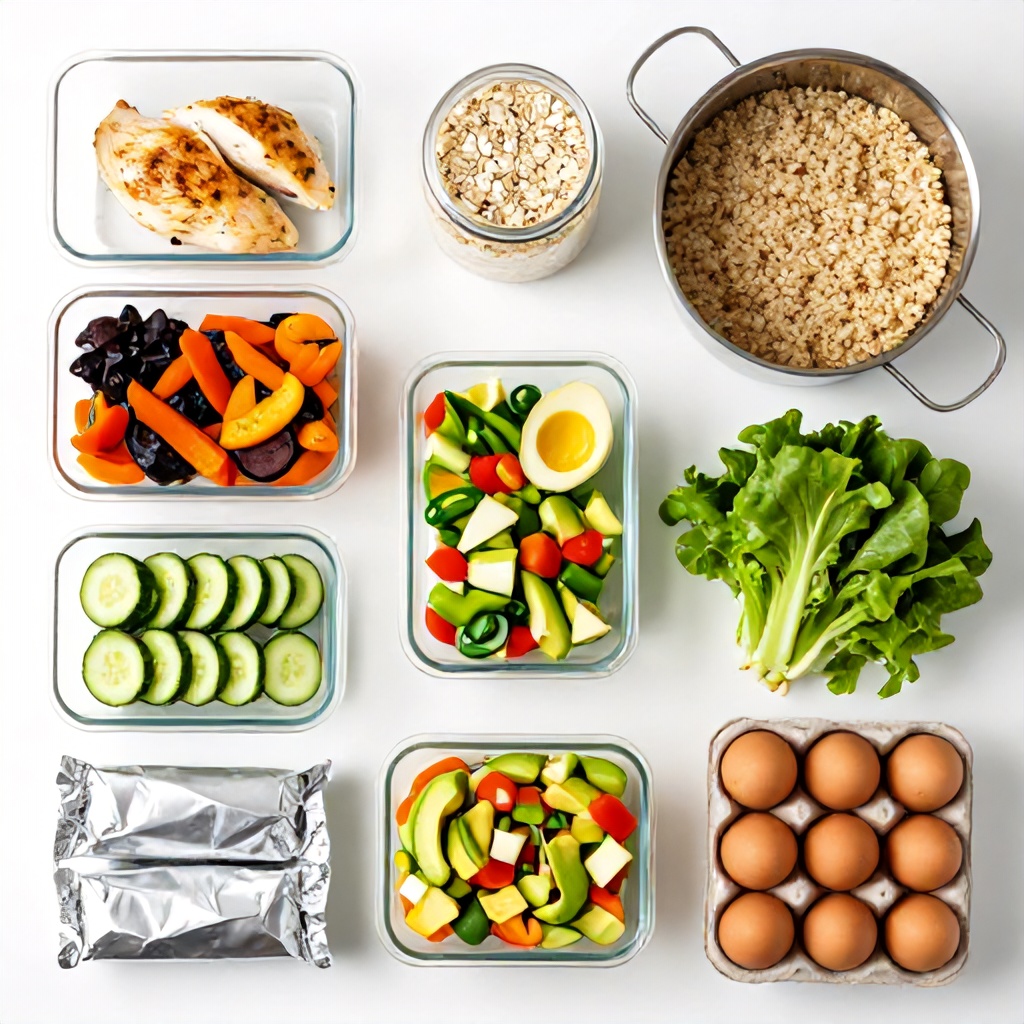
Protein is the most important macronutrient for maintaining lean muscle mass during the menopause transition. Your body becomes less efficient at processing protein as you age, a condition called anabolic resistance. To overcome this, you need to consume more high-quality protein than you did in your 20s. Aiming for 25 to 30 grams of protein at every meal ensures your muscles have the building blocks they need to stay strong. This helps maintain your metabolic rate and supports your physical mobility.
Choose various sources to keep your diet interesting. Lean meats, poultry, fish, and eggs are excellent choices. Plant-based options like lentils, chickpeas, and organic soy also provide essential nutrients. Protein has a high thermic effect, meaning your body burns more energy digesting it than it does for fats or carbs. It also keeps you feeling full for longer, which helps prevent mindless snacking. If you struggle to hit your targets, consider a high-quality whey or plant-based protein powder to bridge the gap.
- Greek yogurt or cottage cheese for breakfast.
- Grilled chicken or tofu on your lunch salad.
- A palm-sized portion of salmon or lean steak for dinner.
- Edamame or hard-boiled eggs for snacks.
High Quality Fiber
Fiber is a powerhouse for blood sugar regulation and cholesterol management. It slows down the absorption of sugar into your bloodstream, preventing the spikes and crashes that lead to cravings. Most women do not get enough fiber, yet it is essential for clearing excess hormones from the system. Fiber binds to used estrogen in the digestive tract and carries it out of the body. Without enough fiber, that estrogen can be reabsorbed, potentially worsening hormonal imbalances.
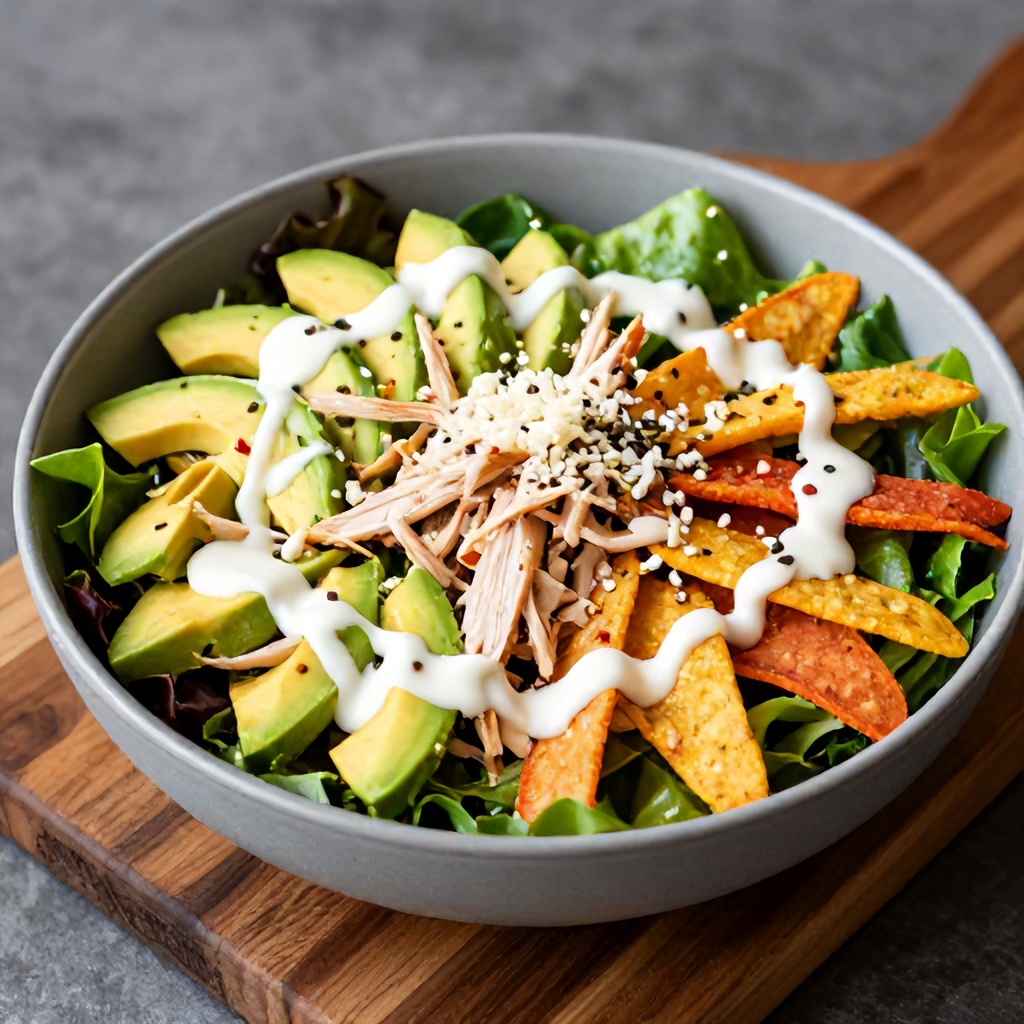
Focus on whole foods like berries, leafy greens, broccoli, and seeds. Chia seeds and flaxseeds are particularly beneficial because they contain lignans, which may help balance estrogen levels. Aim for at least 25 grams of fiber per day. Increase your intake slowly to avoid digestive discomfort and drink plenty of water to help the fiber move through your system. Fiber also feeds the healthy bacteria in your gut, which plays a major role in managing chronic inflammation and supporting your immune system.
- Swap white bread for sprouted grain bread or oats.
- Add a handful of spinach to every smoothie.
- Include beans or legumes in your soups and stews.
- Snack on raw vegetables with hummus.
Fats & Carbs
Carbohydrates are not the enemy, but the type you choose matters more than ever. Focus on complex carbohydrates that provide steady energy. Sweet potatoes, quinoa, and brown rice are better options than refined flours and sugary treats. These whole foods contain vitamins and minerals that support metabolic health. Reducing your intake of processed sugars can significantly decrease the frequency and intensity of hot flashes. High sugar intake triggers inflammation, which can make menopause symptoms feel much worse.
Healthy fats are necessary for hormone production and brain health. Focus on monounsaturated and omega-3 fatty acids found in avocados, olive oil, walnuts, and fatty fish. These fats help fight chronic inflammation and support cardiovascular health. Avoid trans fats and limit highly processed vegetable oils, which can contribute to oxidative stress. Fat also helps you absorb fat-soluble vitamins like A, D, E, and K, which are vital for bone density loss prevention and skin health.
Balance is key. You don’t need to cut out entire food groups. Instead, look at your plate and ensure it is colorful. A diet rich in phytonutrients from various plants provides the antioxidants needed to protect your cells from damage. This approach supports your body composition goals without the stress of restrictive dieting.
Overall Energy Balance
Your body’s energy needs change as your metabolic rate slows down. You might find that you need slightly fewer calories than you did a decade ago to maintain the same weight. However, this is not an invitation to crash diet. Severe calorie restriction can backfire by causing your body to break down muscle for energy, further slowing your metabolism. It also stresses the adrenal glands, which are already working hard to produce hormones as the ovaries wind down.
Focus on nutrient density rather than just calorie counting. When you eat high-quality protein and fiber, your body naturally regulates its hunger signals. Pay attention to your internal cues. Eat when you are hungry and stop when you are comfortably full. This mindful approach helps manage energy balance without the mental fatigue of tracking every morsel. Consistency matters more than perfection. Small, sustainable shifts in your daily habits will yield better results for your body composition than any “quick fix” program.
Meal Size and Timing
How you time your meals can influence your blood sugar regulation and sleep quality. Many women find that eating a larger breakfast and a smaller dinner helps manage their weight more effectively. Your body is generally more insulin-sensitive in the morning. By fueling well early in the day, you provide your brain and muscles with the energy they need to function. This can prevent the late-afternoon energy slump that often leads to reaching for sugary snacks.
Try to finish your last meal at least two to three hours before bed. Digestion can interfere with deep sleep, and sleep deprivation is a major contributor to weight gain and irritability during the menopause transition. If you are hungry at night, choose a small, protein-rich snack like a few almonds or a bit of Greek yogurt. Avoid heavy, spicy, or sugary foods late in the evening, as these can trigger night sweats and disrupt your rest. Stable energy throughout the day leads to more stable moods and better physical performance.
Simple Daily Habits
- Start the day with 20-30g of protein to set your metabolism.
- Eat a fiber-rich vegetable with every meal.
- Limit caffeine after noon to protect your sleep cycle.
- Stay hydrated to help manage bloating and joint pain.
Closing Thoughts
Navigating perimenopause requires a shift in perspective. It is a time to move away from restrictive habits and toward nourishing your body for the long haul. By focusing on high-quality protein, plenty of fiber, and stable energy balance, you can manage your body composition and protect your health. These dietary considerations are powerful tools that give you control over how you feel. Your body is changing, and by changing how you fuel it, you can move through this transition with strength and confidence. Focus on the basics, stay consistent, and listen to what your body needs.