Minimalist Inspirational Quote Designs Boost Daily Motivation and Wellness

Minimalist Inspirational Quote Design for Daily Motivation and Wellness

Simple, elegant quote designs can powerfully boost your daily motivation and support your mental health wellness, transforming your living space into a sanctuary of positivity.

The Power of Visual Motivation

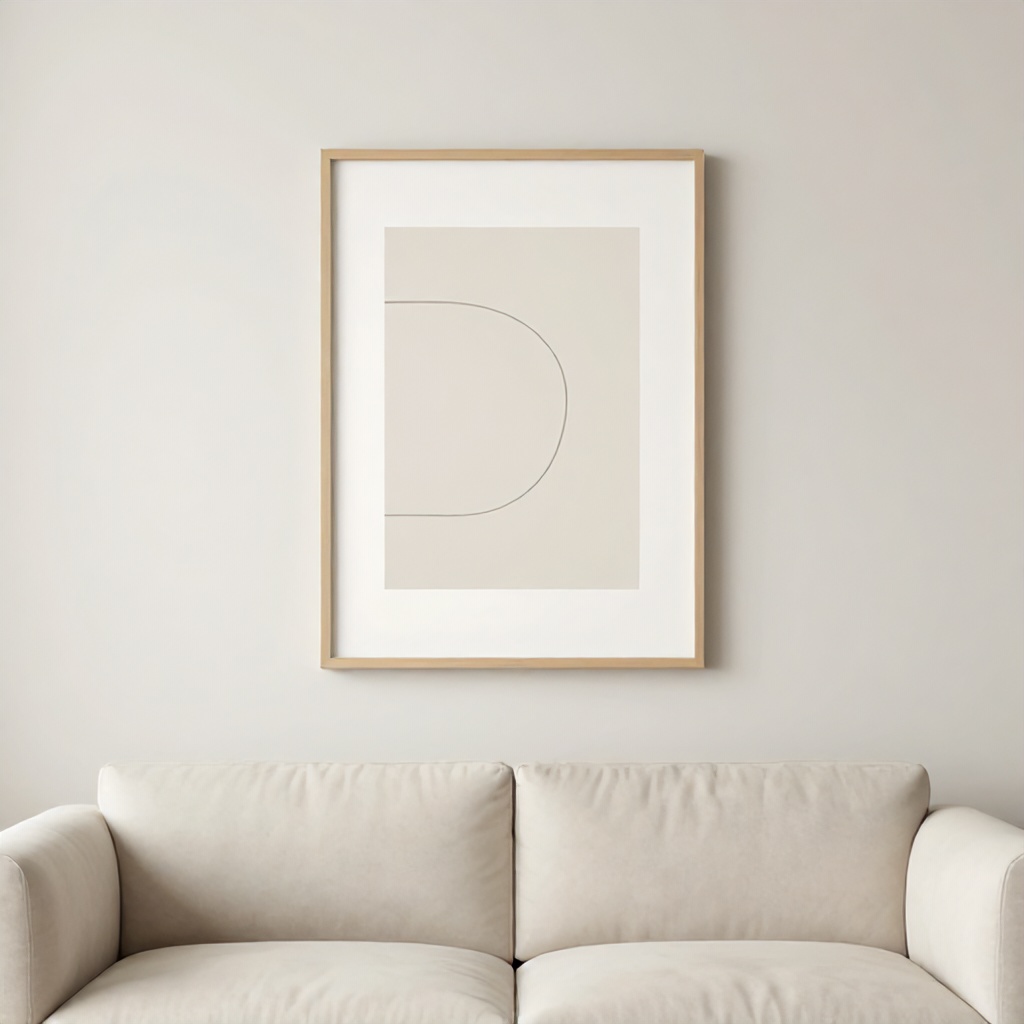
We often think of inspiration as something we hear or read, but what we see has a profound impact too. Minimalist inspirational quote design leverages the power of visual communication to create a constant, gentle reminder of your goals and values. It’s not about overwhelming your space with clutter; it’s about strategic placement of art that speaks to your soul.

Think about your environment. Does it energize you, or does it drain you? A well-chosen piece of motivational wall art, featuring a powerful quote in a clean design layout, can shift the entire mood of a room. It acts as a visual anchor, grounding you when you feel adrift and propelling you forward when you need a nudge.

This approach to decor is deeply connected to daily wellness inspiration. By surrounding yourself with messages that resonate, you’re actively cultivating a positive mindset. It’s a form of self-care, a way to infuse your everyday life with intention and encouragement. The minimalist aesthetic, with its emphasis on simplicity and intentionality, is perfectly suited for this purpose. It strips away the noise, allowing the message itself to shine through.

Understanding Minimalist Typography

At the heart of effective minimalist quote design lies typography. It’s not just about choosing a font; it’s about selecting lettering that enhances the message and contributes to the overall aesthetic. The goal is clarity and impact, without unnecessary embellishment.

Serif vs. Sans-Serif: Making the Right Choice

When you’re exploring typography trends, you’ll encounter two main categories: serif and sans-serif fonts. Serif fonts have small decorative strokes, or “feet,” at the ends of the letters. Think of classic fonts like Times New Roman or Garamond. They often convey a sense of tradition, authority, and elegance. For inspirational messaging, a serif font can lend a timeless quality to a quote, making it feel more profound and enduring.

Sans-serif fonts, on the other hand, are clean and modern, lacking those decorative strokes. Popular examples include Arial, Helvetica, and Open Sans. They are known for their readability and contemporary feel. In a minimalist graphic style, sans-serif lettering is often a go-to choice because it aligns perfectly with the clean design layout and uncluttered aesthetic. It feels direct and approachable.

Serif Font Pairing for Balance

Sometimes, the most compelling designs come from pairing different typographic styles. A beautiful serif font pairing can create visual interest and hierarchy. For instance, you might use a bold, elegant serif for the main quote and a lighter, simpler sans-serif for a secondary phrase or the author’s name. This contrast adds depth without sacrificing the minimalist aesthetic. The key is to ensure the fonts complement each other and don’t compete for attention. The overall graphic design composition should feel harmonious and balanced.

Consider the mood you want to evoke. A quote about resilience might benefit from a strong, grounded serif. A quote about creativity might feel more dynamic with a sleek sans-serif. The chosen typography is a critical element in conveying the intended emotion and message. It’s a form of visual communication that speaks volumes.

Crafting Your Aesthetic Quote Design

Creating your own minimalist inspirational quote design or selecting pre-made digital art prints involves a few key considerations. It’s about more than just the words; it’s about the visual presentation that makes those words resonate.

Choosing the Right Quote

The foundation of any inspirational piece is the quote itself. What messages do you need to hear most often? Are you looking for affirmations to boost confidence, reminders of gratitude, or calls to action for personal growth? Think about your daily wellness journey and what themes are most relevant to you right now. Positive affirmations are powerful tools for mental health wellness, and a well-designed quote can make them even more impactful.

Consider quotes that are:

  • Concise and memorable
  • Action-oriented or empowering
  • Reflective of your personal values
  • Universally relatable

Color Palette and Backgrounds

Minimalism often embraces a restrained color palette. This doesn’t mean boring, though! Soft, muted tones can be incredibly calming and sophisticated. A peach color palette, for example, can evoke warmth, creativity, and gentle optimism. Think blush pinks, soft oranges, and creamy neutrals. These colors create a soothing backdrop that allows the typography and the message to take center stage.

White space is your best friend in minimalist design. Don’t be afraid to let the background breathe. A clean white, off-white, or a very subtle gradient can make the text pop without feeling overwhelming. For a touch of sophistication, consider a textured background that mimics linen or watercolor, but keep it subtle.

Layout and Composition

Graphic design composition is key to a successful minimalist piece. The arrangement of elements—the text, any subtle graphic accents, and the negative space—determines its visual appeal. A common approach is centering the text, but asymmetrical layouts can also be very effective and modern.

When thinking about layout, ask yourself:

  • Is the text easy to read at a glance?
  • Does the arrangement feel balanced and intentional?
  • Is there enough white space to prevent the design from feeling cramped?

For motivational decor, the scale of the artwork matters. A large statement piece can anchor a room, while a series of smaller prints can create a gallery wall effect. The clean design layout ensures that even a large piece remains sophisticated and not overwhelming.

Integrating Minimalist Quotes into Your Space

Once you have your designs, the next step is to strategically place them to maximize their motivational impact. This is where the “lifestyle” aspect truly comes into play.

Where to Display Your Motivational Decor

Think about the moments in your day when you might need a little boost. Your workspace is an obvious choice. A framed quote above your desk can serve as a constant reminder of your purpose and drive. If you work from home, this is especially important for separating work life from personal life and maintaining focus.

The bedroom is another powerful location. Waking up to an uplifting message can set a positive tone for the entire day. Similarly, a quote by your bedside can offer comfort and inspiration before sleep. Consider your entryway or hallway – a welcoming and motivating message as you leave or return home can make a significant difference.

Even the kitchen or bathroom can be spaces for subtle inspiration. A small framed print on a shelf or a waterproof print in the bathroom can add a touch of personality and positivity to everyday routines.

Creating a Gallery Wall of Inspiration

A minimalist gallery wall doesn’t mean a chaotic collection of busy images. Instead, it’s a curated selection of pieces that work together harmoniously. You can mix and match quotes, perhaps with a few abstract minimalist prints or simple line art. The key is consistency in your framing and color palette.

To create a cohesive gallery wall:

  1. Choose a theme or a set of related quotes.
  2. Select frames that are all the same style and color (e.g., all thin black frames, all natural wood frames).
  3. Vary the sizes of the prints slightly, but maintain a consistent aesthetic.
  4. Plan the layout on the floor before hanging to ensure balance.

This approach to motivational decor turns a blank wall into a personalized source of strength and beauty.

Beyond the Wall: Digital and Everyday Inspiration

Minimalist inspirational quote design isn’t limited to physical prints. Digital art prints offer incredible flexibility and accessibility, allowing you to refresh your surroundings with ease.

Digital Art Prints for Modern Living

Digital art prints are perfect for those who love to change their decor frequently or who prefer a tech-forward approach. You can download a file and print it at home, at a local print shop, or even upload it to an online printing service for canvas or framed prints. This makes it easy to experiment with different quotes and designs without a significant investment.

Many artists offer beautiful minimalist designs that you can use as your phone wallpaper, computer background, or even incorporate into digital planners. This provides constant visual motivation throughout your day, wherever you are.

Incorporating Quotes into Your Daily Routine

Think beyond just hanging art. You can integrate inspirational messaging into your daily wellness practices in myriad ways.

  • Write a favorite quote on a sticky note and place it on your mirror.
  • Use a quote as the daily prompt for your journal.
  • Create a digital vision board with inspiring images and quotes.
  • Add a short, powerful quote to your to-do list app.

These small acts can reinforce positive thinking and keep your goals top of mind. The beauty of minimalist design is that it’s subtle; it doesn’t demand attention but rather offers a gentle, consistent presence that supports your mental health wellness. It’s about creating an environment that nurtures your spirit and fuels your journey.
A Guide to Building a Minimalist and Intentional Daily Routine

Building a minimalist lifestyle relies on creating daily habits that prioritize your energy and focus over the accumulation of tasks. Intentional living is not about having a perfectly curated home or a rigid schedule that leaves no room for error. Instead, it is about designing a daily structure that supports your well-being while stripping away the unnecessary noise that often clutters our mental space. When you simplify your daily routines, you create room for what truly matters, turning your day into a series of purposeful actions rather than a reactive scramble.

Three Key Elements of Minimalist Routines

Before you start changing your schedule, it helps to understand the philosophy behind these shifts. My approach is rooted in minimalist beliefs about intentionality and alignment. These three pillars keep my habits sustainable and prevent the burnout that often comes with trying to optimize every second of the day.

1. Routines Follow Natural Rhythms

I am not a naturally disciplined person, and I dislike forcing myself into rigid boxes that do not fit my personality. You will never find me waking up at 4:00 AM to scrub floors before the rest of the house stirs. That level of intensity is rarely sustainable for the average person. Instead, I build my day around my natural rhythms. I pay close attention to how my energy levels fluctuate throughout the day. When do I feel most creative? When do I hit a slump?

I also track how specific tasks impact my mood. Some chores feel grounding, while others feel like a drain on my mental resources. By mapping my tasks to my energy, I make life easier. This is the secret to enjoying even the most mundane chores, like doing the dishes or folding laundry. When you work with your biology rather than against it, your daily practice becomes much more manageable.

2. Routines Start Small

Complexity is the enemy of consistency. All of my habits start small, and I keep them as uncomplicated as possible. When I want to introduce a new element to my day, I choose one single thing to focus on. I practice this until it feels like a comfortable, natural part of my day. Sometimes this happens in a week, but other times it takes a month of patience. I never add a new layer until I feel fully confident in the current one. This approach ensures that my daily habits become an effortless part of life rather than a new chore or a heavy responsibility.

3. Routines Are Constantly Evolving

Life is rarely static. My energy, family responsibilities, and work schedule are in a constant state of ebb and flow. Because of this, my routines are constantly evolving. I prioritize flexible routines that allow me to pivot when life gets chaotic. I give myself permission to skip a step or change a habit if it no longer serves my current season of life. This adaptability is the hallmark of conscious living; it prevents the guilt that often arises when we fail to stick to a rigid plan.

Minimalist Morning Rituals

The way you start your day sets the tone for everything that follows. A minimalist morning ritual is not about checking off a long list of self-care tasks. It is about creating a buffer between waking up and engaging with the outside world. For me, this means no phone usage for the first thirty minutes. I prioritize hydration, a moment of quiet, and a simple breakfast. By keeping the morning uncomplicated, I avoid the decision fatigue that often leads to a stressful afternoon.

To simplify your morning, prepare your environment the night before. Lay out your clothes, clear the kitchen counters, and set your coffee maker. This reduces the number of decisions you have to make when you are still groggy, allowing you to move through your morning with more ease.

Minimalist Beauty and Self-Care

Minimalist beauty is about quality over quantity. Instead of a twelve-step skincare routine, I focus on a few high-quality products that actually work for my skin type. This saves time, money, and counter space. When you reduce your beauty routine to the essentials, you stop viewing self-care as a chore and start seeing it as a brief, enjoyable moment of mindfulness. The same principle applies to self-care in general. Whether it is reading, walking, or journaling, choose one activity that truly restores your energy rather than trying to do it all.

Minimalist Cleaning Routines

Cleaning often feels overwhelming because we wait until the house is a disaster to tackle it. I prefer a system of small, daily maintenance tasks. I spend fifteen minutes each evening resetting the main living areas. This keeps the clutter from accumulating and ensures that I wake up to a clean space. By breaking cleaning into tiny, manageable chunks, I avoid the need for a massive, exhausting weekend deep-clean. This is a practical application of mindful living—caring for your environment as a way of caring for yourself.

Minimalist Evening Routine

Your evening routine is your opportunity to close the loop on the day. I focus on three things: tidying the kitchen, preparing for the next morning, and disconnecting from screens. This routine helps me transition from a state of doing to a state of being. It is a form of slow living that signals to my brain that the workday is over. By creating a clear boundary between my responsibilities and my rest, I sleep better and wake up feeling more refreshed.

How to Create Your Own Minimalist Routines

Building a routine that sticks requires a shift in perspective. You are not trying to become a different person; you are trying to support the person you already are. Use these steps to guide your lifestyle design process.

  1. Audit your current day. Write down everything you do from morning to night for three days. Be honest about what feels draining and what feels energizing.
  2. Identify the friction points. Where do you feel the most stress? Is it the morning rush? The evening cleanup? Choose one area to simplify first.
  3. Design a small, low-effort habit. If you want to start a morning ritual, start with just five minutes of quiet time. Do not add anything else until that five minutes feels automatic.
  4. Monitor your energy. If a habit makes you feel more tired or anxious, let it go. Your routines should serve your life, not the other way around.
  5. Embrace the evolution. Revisit your routines every few months. As your life changes, your habits should change with it.

Avoid the trap of comparing your routines to others. What works for a minimalist influencer on social media might not work for your specific lifestyle, family size, or work schedule. Focus on what brings you peace and alignment, even if it looks different from everyone else’s approach.

The Power of Intentional Habits

Intentionality is the thread that ties all these practices together. When you are conscious of why you do what you do, you stop living on autopilot. You start making choices that reflect your values. This is the core of personal development—not adding more to your plate, but removing the things that prevent you from being present. Whether you are simplifying your wardrobe, your schedule, or your cleaning habits, the goal is always the same: to create a life that feels as good as it looks.

Remember that habit formation is a marathon, not a sprint. You will have days where you fall off the wagon, and that is perfectly fine. The beauty of a flexible routine is that you can always start again the next day. Do not let perfectionism derail your progress. Focus on the small, consistent actions that bring you closer to the life you want to lead. By keeping things simple, you ensure that your routines remain a source of support rather than a source of stress.

As you move forward, keep checking in with yourself. Ask yourself if your daily structure is still in alignment with your goals. If you find yourself feeling overwhelmed, look at your list of habits and ask what can be removed. Often, the most powerful step in building a minimalist routine is deciding what you are going to stop doing. By clearing away the excess, you make room for the experiences and relationships that truly define your life.

This journey toward a more intentional life is deeply personal. There is no right or wrong way to do it. You are the architect of your own time. By choosing to simplify, you are choosing to prioritize your peace of mind. That is a powerful decision, and it is one that will pay dividends in your overall well-being for years to come. Start today with one small change, and watch how it ripples out to affect the rest of your day.

How do I stay consistent when life gets busy?

Consistency is not about doing the same thing every day regardless of circumstances. It is about having a baseline that you can return to. When life gets busy, strip your routine down to the absolute essentials—maybe just one or two habits—and let the rest go until things settle down.

What if my family does not share my minimalist values?

You can only control your own habits and your own space. Focus on your personal routines and lead by example. Often, when others see the peace and ease that your minimalist approach brings to your life, they become curious about adopting similar practices themselves.

Ultimately, the goal is to create a life that feels spacious and calm. When you stop chasing the idea of a perfect, busy life, you find the freedom to enjoy the quiet moments. This is the true essence of a minimalist lifestyle. It is about finding enough in the simple, everyday actions that make up our existence. By focusing on intentionality, you turn the mundane into something meaningful, and you create a daily structure that truly supports your best self.

Keep your focus on the present. Do not worry about how your routine will look in a year or even a month. Focus on how you want your day to feel tomorrow. When you prioritize that feeling, the right habits will naturally fall into place. You are building a foundation for a life that is intentional, sustainable, and deeply fulfilling. Take it one step at a time, and remember that the simplest path is often the most effective one.

As you continue to refine your daily structure, you will find that you have more mental energy for the things that truly matter. You will spend less time managing your life and more time living it. This is the ultimate reward of a minimalist approach. It is not about the things you remove, but about the space you create for the things you love. Stay patient with yourself, stay flexible with your plans, and keep moving toward the life you envision.

The beauty of this process is that it is never truly finished. You are always learning, always adjusting, and always growing. Your routines are a reflection of your current season, and that is a beautiful thing. Embrace the changes, celebrate the small wins, and keep moving forward with intention. You have everything you need to create a life that feels balanced and authentic to who you are today.

Exit mobile version