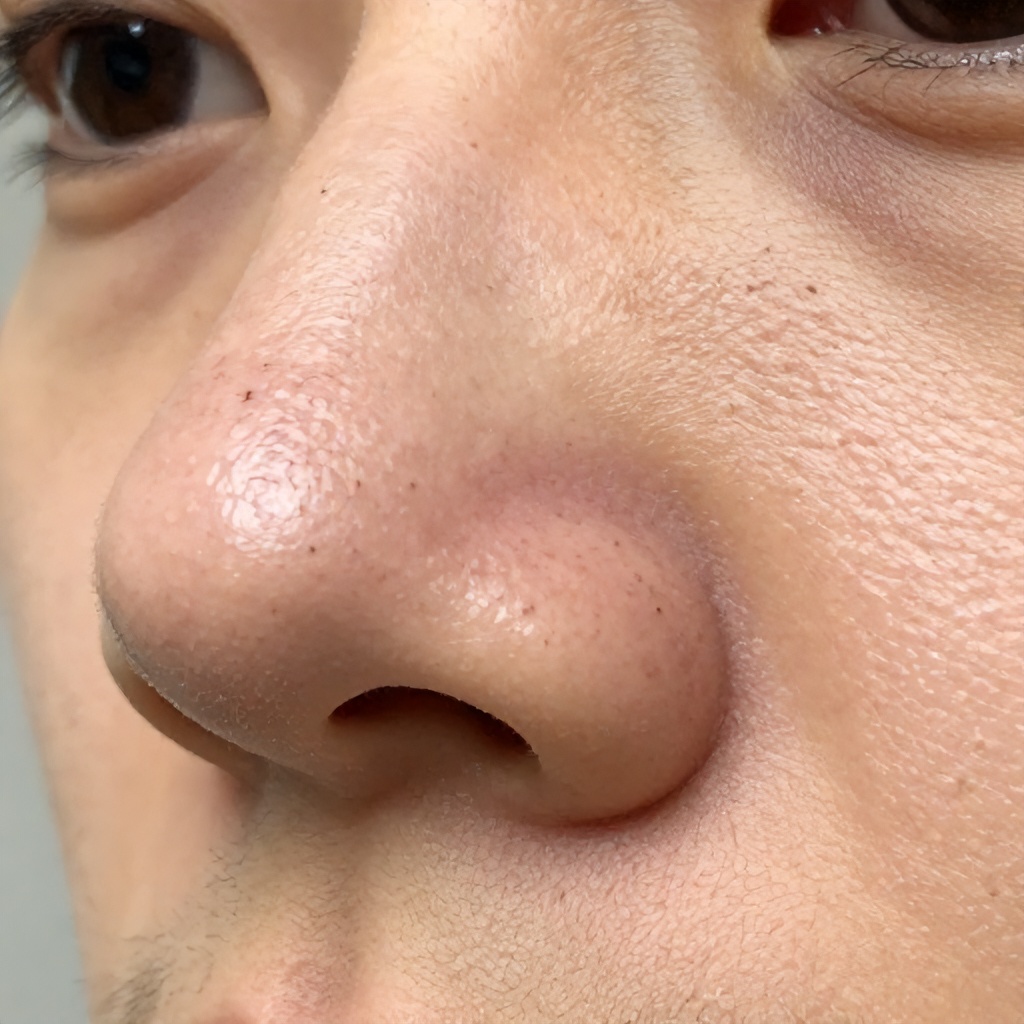
Tackling Those Visible Skin Pores: Simple Home Solutions
Visible skin pores are a common concern for many, and while you can’t actually change your pore size, you can certainly make them appear smaller and less noticeable. This often comes down to keeping them clean, managing excess oil, and improving overall skin clarity. Thankfully, you don’t need a cabinet full of fancy products to achieve smoother-looking skin. Many effective beauty tips and skincare habits involve ingredients you likely already have in your kitchen.

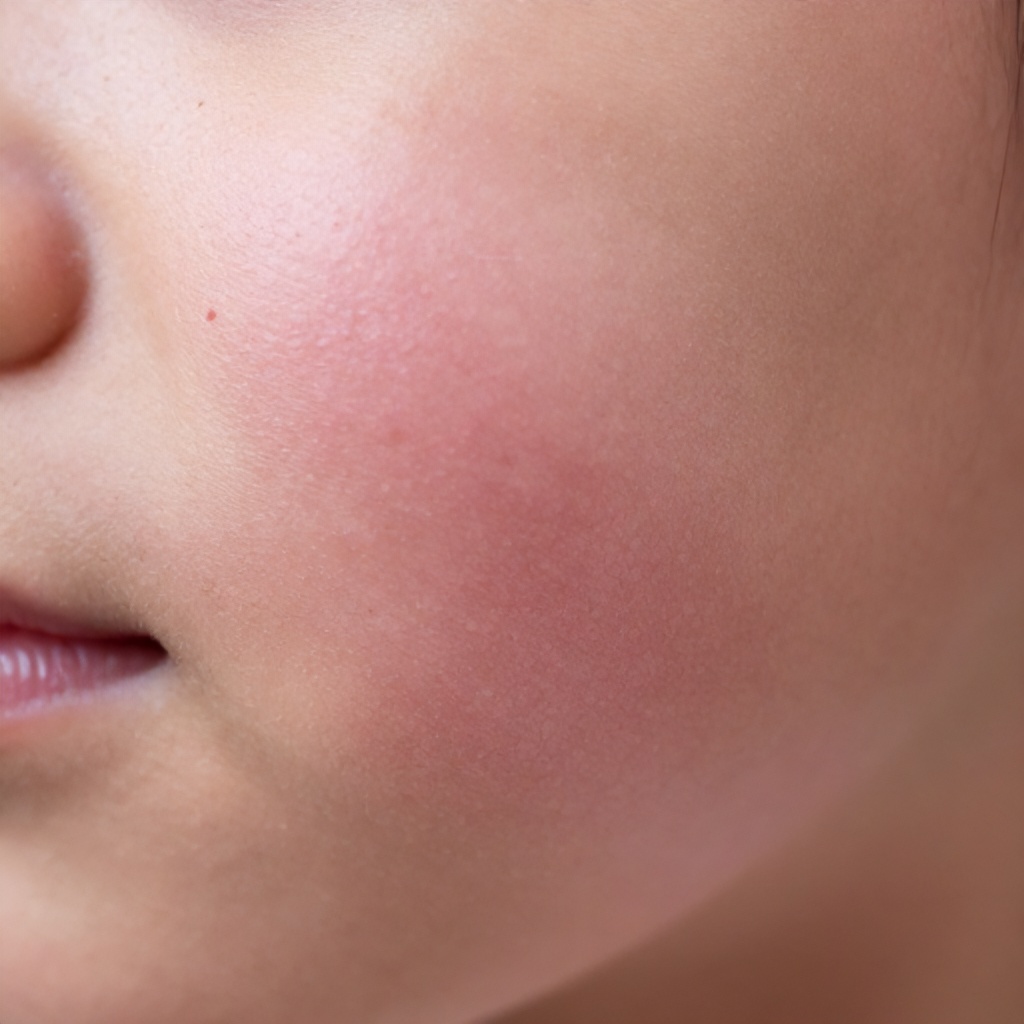
Why Do Pores Seem Bigger?
So, what makes pores more prominent? It’s usually a combination of factors. Genetics plays a role, dictating your natural pore size. But lifestyle and skincare habits also contribute significantly. When pores get clogged with oil, dead skin cells, and debris, they can stretch and appear larger. This is where issues like blackheads and acne breakouts can arise, further emphasizing their appearance. Excess oil production, a common culprit, can also make pores look more obvious. Maintaining good skin hydration and keeping your skin’s pH balance in check are also key to a refined skin texture.
Home Remedies for Minimizing the Appearance of Open Pores
Papaya Power for Blemish Reduction
Papaya is a fantastic natural ingredient for your skin. It’s packed with antioxidants and contains an enzyme called papain. This enzyme is a superhero for blemish reduction, working to gently exfoliate and unclog pores. By clearing out the gunk, it helps to refine the appearance of your skin pores.
Mashed Papaya Mask: Mash a ripe papaya until it’s smooth. Apply this pulp to your face and leave it on for about 15-20 minutes. Rinse off with lukewarm water. This can be done a couple of times a week.
Sugar Scrub for Deep Cleaning
Sugar is a wonderfully effective exfoliator. It can easily lift away excess oil and debris that get trapped in your skin pores. When you remove all that accumulated dirt, your pore size can appear to reduce, leading to a smoother complexion. Regular exfoliation is a cornerstone of good skincare habits for achieving skin clarity.
Sugar Scrub: Mix a tablespoon of fine sugar with a little bit of honey or olive oil to create a paste. Gently massage this mixture onto your damp face in circular motions, focusing on areas with visible pores. Rinse thoroughly. Use this scrub once or twice a week, being careful not to over-exfoliate.
Aloe Vera: Nature’s Gentle Cleanser
Aloe vera is a true gift from nature for your skin. It acts as a gentle cleanser, helping to remove impurities without stripping your skin. More than that, it’s incredibly nourishing and hydrating. By unclogging pores, it allows your skin to breathe and absorb moisture better, contributing to a healthier skin texture.
Aloe Vera Gel Application: Apply fresh aloe vera gel directly from the plant (or a pure store-bought gel) to your clean face. Leave it on for 20 minutes, then rinse with cool water. This can be done daily.
Egg Whites for Tightening and Toning
Egg whites are a fantastic natural agent for toning and tightening the skin. They can work wonders in making large pores appear smaller. Plus, they’re excellent at helping to control excess oil, which is a major contributor to visible pores and can lead to issues like blackheads.
Egg White Mask: Whisk one or two egg whites until they are frothy. Apply a thin layer to your face, avoiding the eye area. Let it dry completely (you’ll feel your skin tighten), then rinse with lukewarm water. You can follow up with a light moisturizer. Use this mask once or twice a week.
Baking Soda: Balancing and Soothing
Baking soda is known for its ability to help balance your skin’s pH levels. This is important for overall skin health. It also possesses anti-inflammatory and anti-bacterial characteristics. This makes it a helpful ingredient for reducing the occurrence of pimples and acne breakouts, contributing to clearer skin.
Baking Soda Paste: Mix one tablespoon of baking soda with enough water to form a paste. Gently massage it onto your face for about a minute, then rinse thoroughly with cool water. Follow with a moisturizer. Limit use to once or twice a week to avoid drying out your skin.
Banana Peel for Rejuvenation
Banana peels are surprisingly beneficial for the skin. They contain lutein, an antioxidant that aids in skin rejuvenation and can help in tightening the pores. The potassium found in banana peels also contributes to skin health and can help improve skin texture.
Banana Peel Rub: Take a ripe banana peel and gently rub the inside of the peel over your face, especially on areas with visible pores. Leave the residue on for about 10-15 minutes, then rinse with cool water. This can be done several times a week.
Apple Cider Vinegar: The Natural Toner
Apple cider vinegar (ACV) is a remarkable natural toning agent. It’s a great remedy for treating acne breakouts due to its anti-inflammatory and anti-microbial characteristics. ACV helps restore the pH balance of your skin, which is vital for healthy skin. It can also help tighten large pores, leading to a smoother appearance.
Diluted ACV Toner: Mix one part raw, unfiltered apple cider vinegar with three parts water. Apply this diluted solution to your clean face using a cotton ball. Let it dry naturally, then follow with your usual moisturizer. Start by using this toner once a day, and adjust based on your skin’s reaction. Always dilute ACV before applying it to your skin.
Warning: Apple cider vinegar is acidic and can cause irritation or burns if used undiluted or too frequently. Always perform a patch test on a small area of skin before applying it to your entire face. If you experience redness or stinging, discontinue use or further dilute the mixture.
Argan Oil for Hydration and Glow
Argan oil is a powerhouse ingredient, rich in vitamin E and essential fatty acids. These components are crucial for keeping your skin well-hydrated. Proper hydration can make pores appear less noticeable and contribute to a natural glow. It also helps to reduce the appearance of pores and can improve overall skin texture.
Argan Oil Application: After cleansing and toning, apply a few drops of pure argan oil to your face and gently massage it in. It can be used as a moisturizer or as a treatment before applying makeup to help create a smooth canvas. It’s suitable for most skin types, even oily ones, as it’s non-comedogenic.
Ice Cubes for a Quick Tightening Effect
Applying ice cubes to your skin is a quick and easy way to temporarily tighten pores and reduce puffiness. The cold temperature causes the blood vessels in your skin to constrict, making pores appear smaller. It can also help to reduce inflammation associated with pimples and acne breakouts.
Ice Cube Application: Wrap an ice cube in a thin cloth or paper towel. Gently glide it over your face for a minute or two, focusing on areas with enlarged pores. You can also do this before applying makeup to create a smoother base and enhance blood circulation, giving your skin a healthy appearance.
Tomato Scrub for Oil Control
Tomatoes have natural astringent characteristics that are highly beneficial for the skin. They help in the removal of excess oil and can tighten the skin, leading to pores reduction. The acidity in tomatoes can also help to exfoliate and clarify the skin, contributing to a clearer complexion.
Tomato Scrub: Cut a ripe tomato in half. You can either rub the cut side directly onto your face, or for a bit more exfoliation, mix the pulp with a little bit of sugar or oatmeal. Gently massage the mixture onto your face, then rinse with cool water. Use this scrub a couple of times a week.
Consistency is Key
Remember, achieving better skin clarity and minimizing the appearance of open pores is a marathon, not a sprint. These home remedies, when used consistently as part of your skincare habits, can make a noticeable difference. They work by keeping your pores clean, managing excess oil, and promoting overall skin health. Focus on gentle exfoliation, proper cleansing, and adequate hydration to maintain a refined skin texture and a natural glow.