Yellow Resistance Bands: Light Tension for Home Fitness Beginners

Yellow resistance bands are an incredibly effective and accessible tool for building strength, increasing flexibility, and enhancing your overall physical fitness right from the comfort of your home.

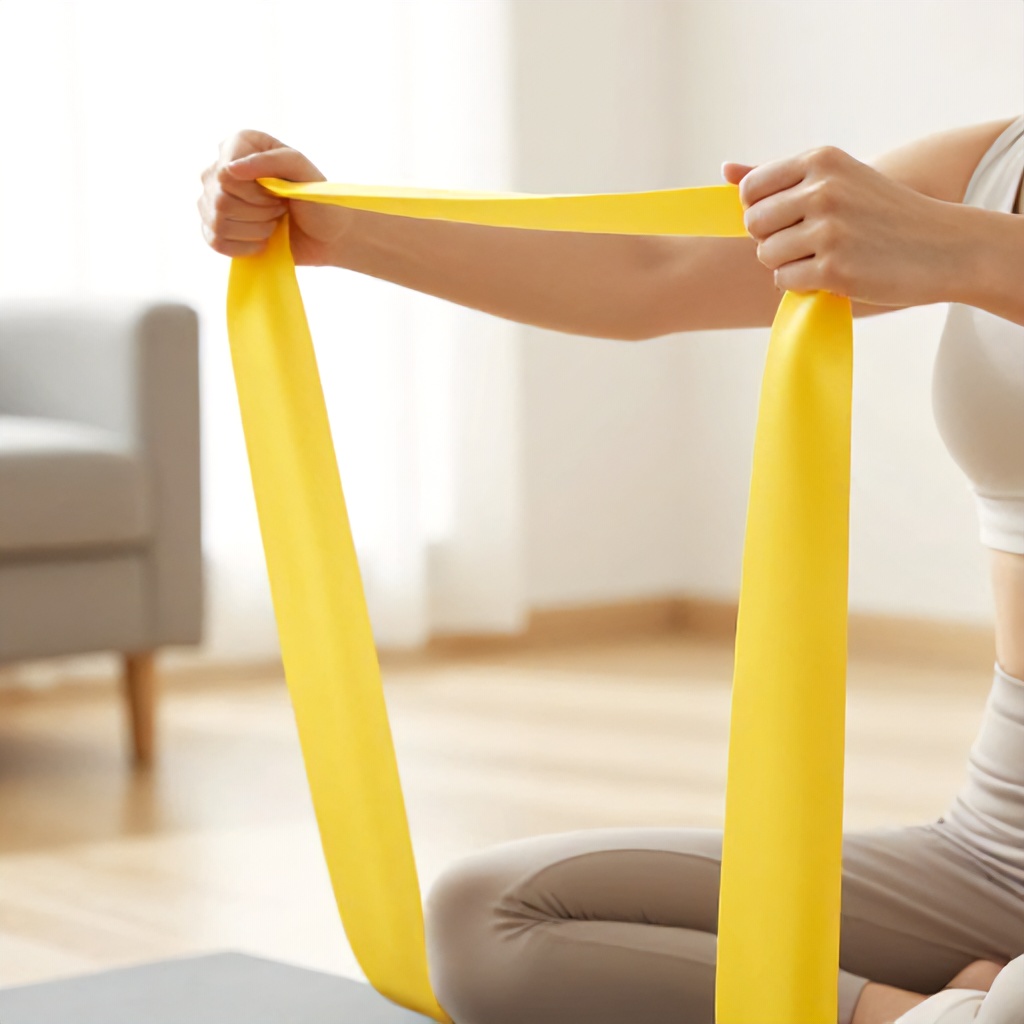
Understanding Yellow Resistance Bands

Yellow resistance bands typically represent the lightest level of tension in a set of exercise bands. This makes them an excellent starting point for beginners, individuals recovering from injury, or those looking to focus on high repetitions and muscle endurance rather than maximal strength.

Despite their lighter resistance, these bands are far from ineffective. They provide consistent tension throughout an exercise’s range of motion, which can activate stabilizing muscles that traditional free weights might miss. This constant engagement contributes to better form, improved muscle control, and a more comprehensive workout experience, making them a staple in any home fitness setup.

Why Start with Yellow?

  • They are ideal for learning new movements and perfecting your form without excessive strain.
  • Excellent for rehabilitation exercises, helping to gently rebuild strength and mobility.
  • Perfect for warm-ups and cool-downs, preparing muscles for more intense work or aiding in recovery.
  • They allow for high-repetition sets, which are fantastic for muscle toning and endurance.
  • Their low resistance makes them versatile for targeting smaller, often overlooked muscle groups.

The Broad Benefits of Resistance Bands for Home Fitness

Integrating resistance bands into your home workout routine offers a wealth of advantages that support a holistic health and wellness journey. These simple pieces of workout equipment are a game-changer for anyone seeking an active lifestyle without needing a gym membership.

One of the most compelling aspects is their incredible portability. A full set of resistance bands can easily fit into a small bag, transforming any space into a portable gym. This means you can maintain your fitness routine whether you’re at home, traveling, or even taking a quick break at the office. They are also remarkably affordable compared to bulky weights or complex machines, making effective strength training accessible to nearly everyone.

Resistance bands provide low-impact exercise, which is gentler on your joints than many traditional forms of weightlifting. This makes them suitable for people of all ages and fitness levels, including those with joint pain or those looking for a safer way to build muscle. They offer a unique form of resistance that challenges your muscles differently, promoting muscle building and toning without the need for heavy loads. This unique resistance profile also means they are fantastic for functional movements, mimicking real-life activities and improving overall body mechanics.

Essential Safety and Setup for Your Band Workouts

Before you jump into any exercise, a quick check of your equipment and surroundings is always a smart move. Ensuring your resistance bands are in good condition and your workout space is clear helps prevent injuries and makes for a more productive session.

Inspecting Your Bands

Always take a moment to look over your resistance bands for any signs of wear and tear. Check for small tears, nicks, or areas where the material looks stretched thin. Even a tiny imperfection can lead to a band snapping during an exercise, which can be startling and potentially cause injury. If you spot any damage, it’s time to replace that band. Your safety is paramount, and a fresh band is a small investment for uninterrupted physical activity.

Setting Up Your Workout Space

Clear a dedicated area for your home workout. Make sure there’s enough room to extend your limbs fully in all directions without hitting furniture, walls, or other obstacles. A non-slip surface is also beneficial, especially when performing exercises that require balance or quick movements. If you’re using a door anchor, ensure the door is securely closed and locked, and pull on the anchor firmly before attaching the band to confirm it’s stable. Wearing comfortable athletic apparel that allows for a full range of motion will also enhance your experience.

Warm-Up with Your Yellow Resistance Band

A proper warm-up is non-negotiable for preparing your muscles and joints for the workout ahead. Your yellow resistance band is perfect for gentle activation, increasing blood flow, and improving flexibility before you tackle more challenging strength conditioning exercises.

Gentle Warm-Up Exercises

  1. Arm Circles: Hold the band taut between both hands, arms extended in front of you at shoulder height. Keeping tension on the band, slowly make small circles with your arms, gradually increasing the size. Perform 10-15 circles forward and then backward. This activates your shoulders and upper back.

  2. Band Pull-Aparts: Hold the band with an overhand grip, hands shoulder-width apart, arms extended in front of you. Keeping your arms straight, pull the band apart, squeezing your shoulder blades together. Control the movement as you return to the start. Do 10-15 repetitions to warm up your upper back and shoulders.

  3. Leg Swings (with optional band assist): Loop the band around one ankle and hold the other end with your hand for stability, or just use it for gentle resistance by stepping on it with the opposite foot. Gently swing your leg forward and backward, gradually increasing the range of motion. Perform 10-15 swings per leg. This warms up your hips and hamstrings.

  4. Glute Bridge Activation: Loop the band just above your knees. Lie on your back with knees bent, feet flat on the floor hip-width apart. Press your knees slightly out against the band, then lift your hips off the floor, squeezing your glutes at the top. Lower slowly. Aim for 10-15 repetitions to activate your glutes and core.

Full-Body Workout with Yellow Resistance Bands

This comprehensive workout leverages the unique resistance profile of your yellow band to target major muscle groups, promoting muscle building and effective toning. Remember to focus on controlled movements and proper form for each exercise.

Lower Body and Glutes

  1. Band Squats: Loop the band just above your knees. Stand with feet shoulder-width apart, toes slightly out. Keeping tension on the band by pressing your knees outward, lower into a squat as if sitting in a chair. Ensure your chest stays up and your back remains straight. Drive through your heels to stand back up. Perform 3 sets of 12-15 repetitions.

  2. Glute Bridges: Lie on your back with knees bent, feet flat on the floor, hip-width apart. Place the band just above your knees. Press your knees slightly out against the band. Lift your hips off the floor until your body forms a straight line from shoulders to knees, squeezing your glutes at the top. Slowly lower back down. Aim for 3 sets of 15-20 repetitions.

  3. Lateral Band Walks: Loop the band around your ankles or just above your knees. Get into a slight squat position. Take small, controlled steps sideways, keeping tension on the band the entire time. Move 10-15 steps in one direction, then switch directions. Complete 3 sets.

  4. Clamshells: Lie on your side with knees bent and stacked, band just above your knees. Keep your feet together and lift your top knee towards the ceiling, rotating from the hip. Control the movement as you lower your knee back down. Do 3 sets of 15-20 repetitions per side. This is excellent for hip abductor strength.

Upper Body and Back

  1. Bicep Curls: Stand on the middle of the band with one foot (or both for more resistance). Hold an end of the band in each hand, palms facing forward. Keeping your elbows tucked into your sides, curl your hands towards your shoulders, squeezing your biceps. Slowly lower back down. Perform 3 sets of 12-15 repetitions.

  2. Tricep Extensions: Stand on the middle of the band with one foot. Hold one end of the band in your hand, bringing it behind your head. Extend your arm straight up, pushing against the band’s resistance. Control the descent. Alternatively, loop the band around an anchor point, face away, and push the band down and back. Do 3 sets of 12-15 repetitions per arm.

  3. Shoulder Press: Stand on the middle of the band with both feet. Hold an end in each hand, bringing your hands to shoulder height, palms facing forward. Press your hands straight overhead, extending your arms fully. Slowly lower back to the start. Aim for 3 sets of 10-12 repetitions.

  4. Band Rows: Sit on the floor with legs extended, looping the band around the soles of your feet. Hold an end in each hand. Keeping your back straight, pull the band towards your torso, squeezing your shoulder blades together. Control the return. Complete 3 sets of 12-15 repetitions. This is excellent for back muscle building and strength conditioning.

Core Strength

  1. Banded Crunches: Lie on your back with knees bent, feet flat. Hold the band taut above your chest with both hands. As you crunch up, push the band towards your knees, engaging your core. Lower slowly. Perform 3 sets of 15-20 repetitions.

  2. Russian Twists (with band): Sit on the floor with knees bent, feet slightly lifted or on the floor. Hold the band taut with both hands in front of you. Twist your torso from side to side, bringing the band towards the floor on each side. Keep your core engaged. Do 3 sets of 10-12 twists per side.

Flexibility and Cool-Down with Your Yellow Band

After a good workout, it’s just as important to cool down and stretch your muscles. Your yellow resistance band is a fantastic tool for assisting with flexibility exercises, helping to lengthen muscles and improve your range of motion, which is vital for recovery and preventing stiffness.

Assisted Stretching Exercises

  1. Hamstring Stretch: Lie on your back. Loop the middle of the band around the sole of one foot. Hold both ends of the band and gently pull your leg straight up towards the ceiling, keeping it as straight as possible. Feel the stretch in your hamstring. Hold for 20-30 seconds per leg.

  2. Quad Stretch: Stand tall and loop the band around one ankle. Hold the other end of the band with the hand on the same side. Gently pull your heel towards your glute, feeling the stretch in the front of your thigh. Use a wall or chair for balance if needed. Hold for 20-30 seconds per leg.

  3. Shoulder and Chest Stretch: Hold the band with both hands, wider than shoulder-width apart. Gently raise your arms overhead and slightly behind you, feeling a stretch across your chest and shoulders. Be mindful not to overextend. Hold for 20-30 seconds.

  4. Calf Stretch: Sit with one leg extended. Loop the band around the ball of your foot. Hold the ends of the band and gently pull your toes towards your shin, keeping your leg straight. Hold for 20-30 seconds per leg.

Integrating Bands into Your Regular Fitness Routine

Making resistance bands a consistent part of your fitness routine is key to seeing lasting results and maintaining an active lifestyle. They offer incredible versatility, allowing you to adapt your workouts to fit your schedule and energy levels.

Consider dedicating specific days to full-body resistance band workouts, or integrate them into existing bodyweight training sessions for added challenge. For example, you might do a full-body band workout two to three times a week, focusing on strength conditioning and muscle building. On other days, you could use the yellow band for dynamic warm-ups or targeted flexibility exercises after a run or walk. The beauty of these exercise bands is their adaptability; they can be the main event or a supportive player in your wellness journey.

Progression and Variation in Your Workouts

As your strength and endurance improve, you’ll naturally want to progress. While the yellow band is fantastic, there are ways to increase the challenge and keep your home workout engaging. This ensures continued physical activity and prevents your muscles from plateauing.

Increasing the Challenge

  • Increase Repetitions: Perform more repetitions per set, pushing your muscle endurance further.
  • Increase Sets: Add an extra set to each exercise.
  • Slow Down Movements: Focus on slower, more controlled concentric (lifting) and eccentric (lowering) phases of each exercise to maximize time under tension.
  • Combine Movements: Incorporate compound exercises, like a squat with a bicep curl, to work multiple muscle groups simultaneously.
  • Shorten the Band: For some exercises, gripping the band closer to the anchor point or shortening the loop will naturally increase the resistance.
  • Progress to Heavier Bands: When the yellow band feels too easy for most exercises, it’s time to introduce a green, red, or blue band (typically indicating medium to heavy resistance) for strength training.

Remember, the goal is continuous improvement. Listen to your body, maintain proper form, and gradually introduce new challenges to keep your muscles adapting and growing. This thoughtful approach to exercise guidance ensures you’re always moving forward in your home fitness journey.

Tips for Sustained Success with Resistance Bands

Achieving your fitness goals with resistance bands, or any workout equipment, comes down to more than just performing the exercises. It involves consistency, attention to detail, and a mindful approach to your physical activity.

First and foremost, consistency is paramount. Aim to establish a regular fitness routine that you can stick to. Even short, frequent sessions are more beneficial than sporadic, intense ones. Schedule your home workouts like any other important appointment. Secondly, always prioritize form over speed or resistance. Incorrect form can lead to ineffective workouts and potential injury. If you’re unsure about an exercise, watch reputable online tutorials or consult a fitness professional. Even with the lightest yellow resistance band, proper execution is key for effective toning and muscle building.

Stay hydrated throughout the day, especially around your workout times. Fuel your body with nutritious foods to support muscle recovery and energy levels. Lastly, listen to your body. Some muscle soreness is normal after a workout, but sharp pain is a signal to stop and rest. Rest days are crucial for muscle repair and growth. Incorporating resistance bands into your active lifestyle is a powerful step towards better health and wellness, but it’s a journey that requires patience and self-care.
20 Minute Beginner Yoga Routine for Flexibility and Toning

Your 20-Minute Beginner Yoga Routine for Flexibility and Toning

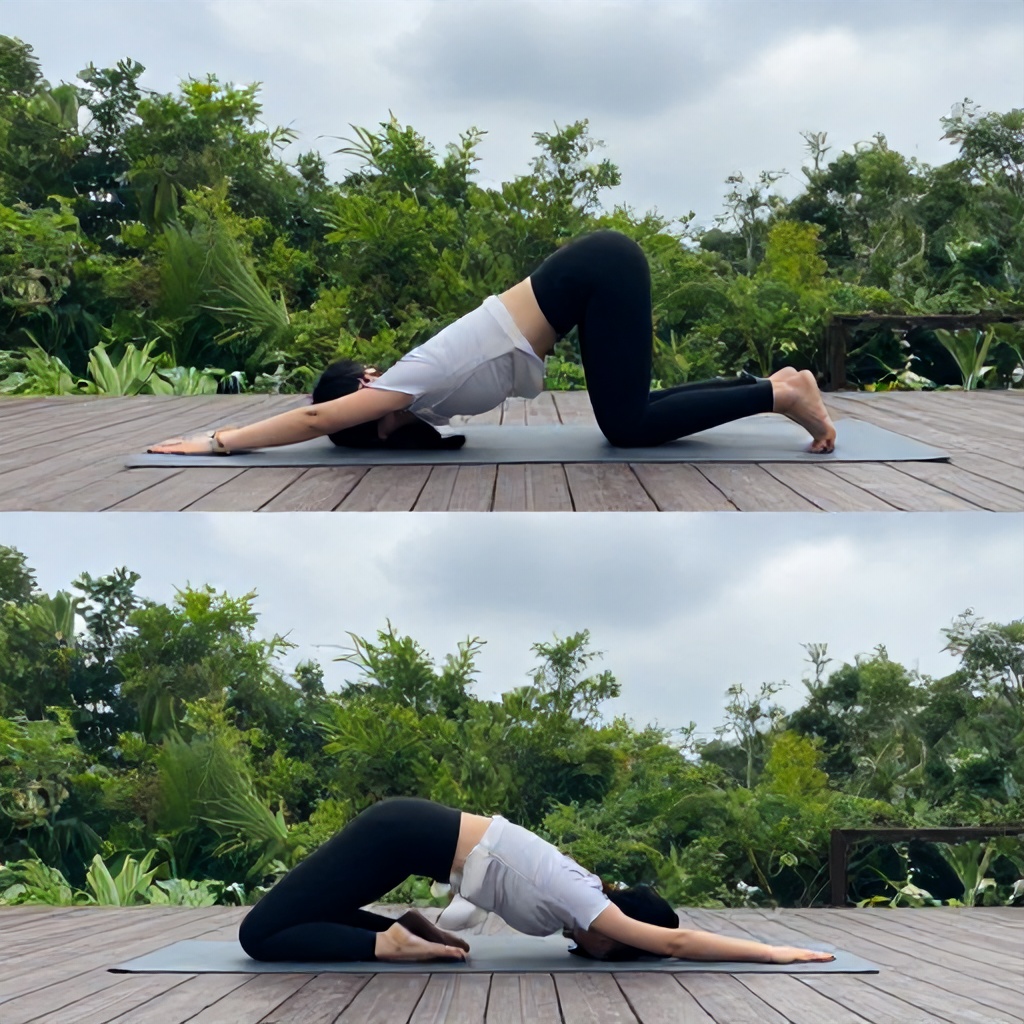
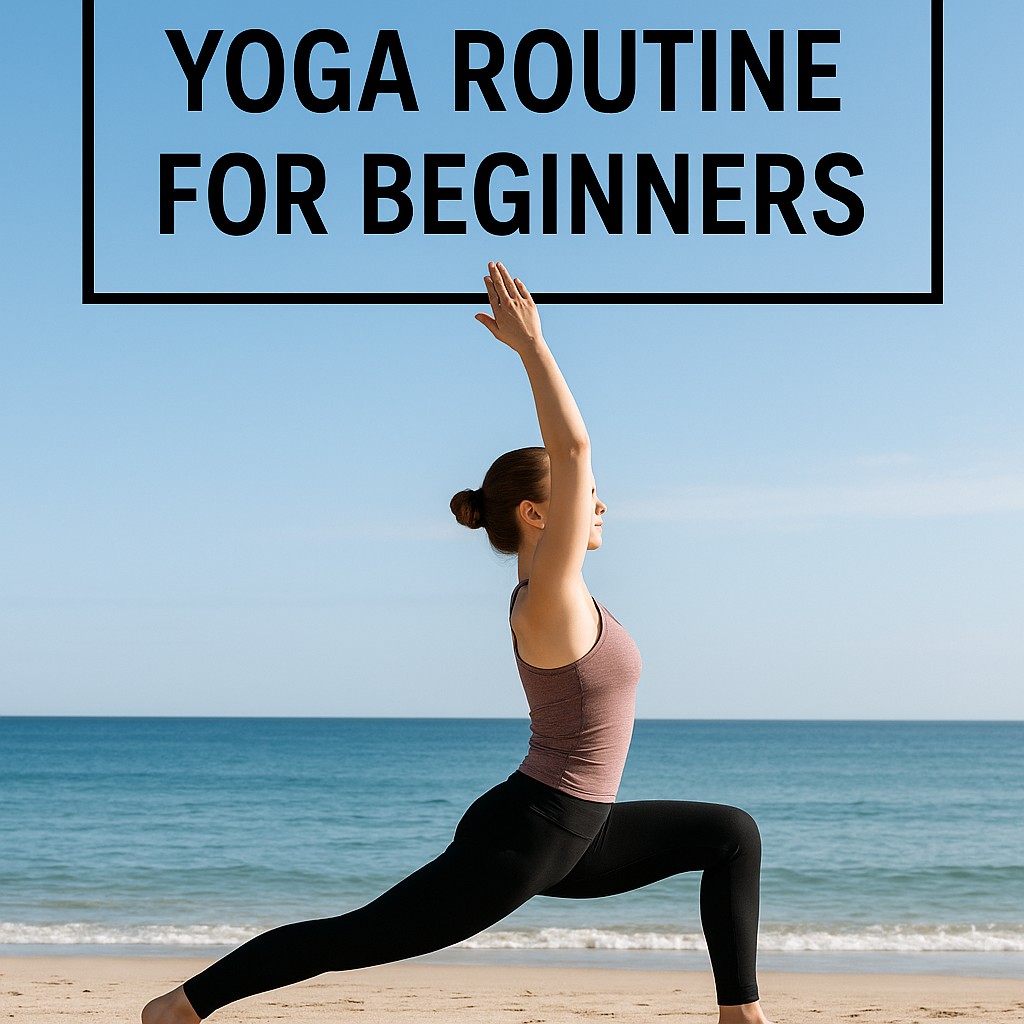
If you’re curious about yoga but feel a bit lost on where to begin, this 20-minute beginner yoga routine is your perfect starting point. It gently guides you through fundamental yoga poses designed to stretch, calm, and tone your entire body. Whatever your reason for exploring yoga, I’m genuinely happy you’ve started this journey, and I’m here to share the incredible benefits yoga offers.

This beginner yoga routine features 16 poses. Aim to hold each pose for about 15 seconds, or roughly five slow, deep breaths. Follow the sequence up to Downward Facing Dog (pose 13), then repeat the first side of the sequence on your other side before moving into the cool-down poses.

This particular 20 minute yoga workout is excellent for building foundational strength, toning your muscles, and significantly improving your flexibility. Remember, this is your practice. Move at your own pace and listen to your body. If holding poses for 15 seconds feels like too much right now, that’s absolutely fine! The most important thing is that you are moving, growing, and learning.

Some of these yoga postures might seem a bit challenging at first glance. However, all the poses in this yoga sequence are beginner friendly, meaning you can easily modify them to suit your current level. I’ve chosen these specific poses because they are dynamic and form essential base poses for developing your yoga practice.

For modifications, having a couple of yoga blocks and a yoga strap can be incredibly helpful. You can find recommendations for these useful yoga tools on our dedicated page.

Tip: If you’re new to yoga, consider having a yoga mat for comfort and grip. Yoga blocks can help bring the floor closer to you, and a yoga strap can assist in reaching further in stretches. These yoga tools are great for supporting your yoga journey.

The poses included in this 20 minute yoga routine are:

  1. Cat-Cow – 3 rounds
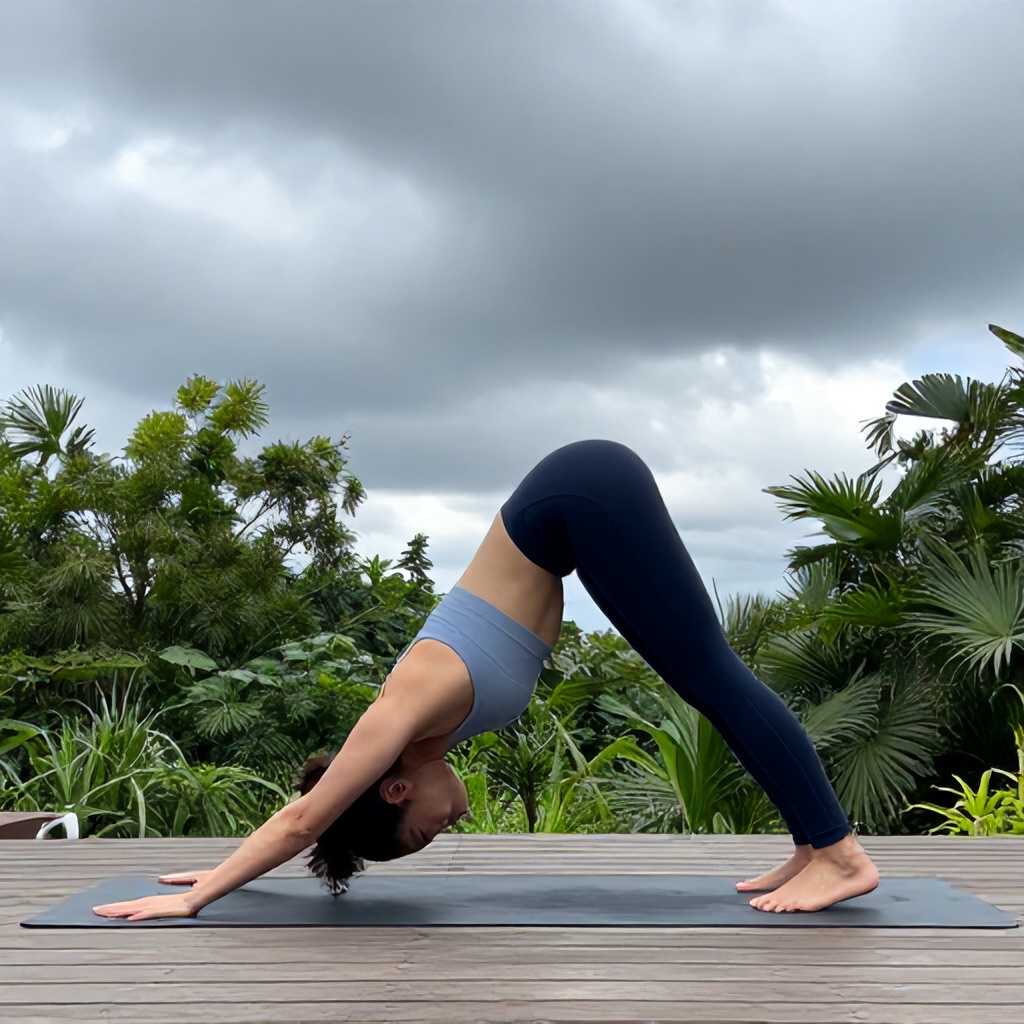
  2. Downward Facing Dog – 5 breaths
  3. Standing Forward Fold – 5 breaths
  4. Mountain Pose – 5 breaths
  5. Standing Backbend – 5 breaths
  6. Warrior II – 5 breaths
  7. Triangle Pose – 5 breaths
  8. Extended Side Angle Pose – 5 breaths
  9. Chair Pose – 5 breaths
  10. Standing Forward Fold – 5 breaths
  11. Four Limbed Staff Pose – 5 breaths
  12. Cobra Pose – 5 breaths
  13. Downward Facing Dog – 5 breaths
  14. Pigeon Pose – 5 breaths
  15. Seated Straight Legged Forward Fold – 5 breaths
  16. Savasana (Corpse Pose) – 1-2 minutes

Understanding the Benefits: Tone, Flexibility, and Beyond

Toning Your Body

As you move through this yoga sequence, you’ll notice how many different muscle groups are engaged. Poses like Warrior II and Chair Pose build strength in your legs and core. Even poses that feel more restorative, like Cobra, work to strengthen your back muscles. Consistent practice contributes to overall muscle toning, giving you a more sculpted physique over time. This isn’t just about aesthetics; stronger muscles support your joints and improve your posture.

Improving Flexibility

Flexibility yoga is a cornerstone of many people’s practice, and this routine is designed to enhance just that. Poses like Standing Forward Fold and Seated Straight Legged Forward Fold gently stretch the hamstrings and spine. Cat-Cow warms up the spine, preparing it for deeper movements. Pigeon Pose is excellent for opening up the hips, a common area of tightness for many. Regularly incorporating this stretching routine will lead to noticeable improvements in your range of motion, making everyday movements feel easier and reducing the risk of injury.

Calming Your Mind

Beyond the physical benefits, yoga is profoundly beneficial for mental well-being. The focus required to hold poses and move with your breath helps to quiet the constant chatter of the mind. Savasana at the end of the practice is a vital period of relaxation, allowing your body and mind to integrate the benefits of the session. This mindful approach is a key aspect of the yoga lifestyle, promoting stress reduction and a sense of inner peace.

How Many Calories Does a 20-Minute Yoga Routine Burn?

Many people are turning to yoga for its holistic benefits, including its effectiveness in weight management. A fundamental principle of weight loss involves burning more calories than you consume, and incorporating exercise is a key part of this equation. You might be wondering precisely how many calories a 20-minute yoga workout can burn.

Using a simple online calorie calculator, a person weighing around 150 pounds might burn approximately 62 calories during 20 minutes of Hatha yoga. The actual number of calories burned can vary significantly based on the type of yoga and the intensity of your practice.

For comparison, Vinyasa yoga, which is typically more dynamic and faster-paced, can burn around 198 calories in the same 20-minute period. This substantial difference is because Vinyasa yoga raises your heart rate more significantly than Hatha yoga, which tends to focus more on foundational alignment and basic yoga postures.

Frequently Asked Questions

What if I can’t do a pose perfectly?

That’s completely okay! Yoga is a personal journey, and modifications are your best friend. Don’t worry about perfection; focus on how the pose feels in your body. The goal is progress, not perfection. For example, if a forward fold is too intense, bend your knees generously.

How often should I do this beginner yoga routine?

Consistency is key for seeing results in flexibility and toning. Aim to practice this routine at least 3-4 times a week. You can also sprinkle in individual poses throughout your day as a quick stretching routine whenever you feel the need.

What are the most important yoga foundations to focus on?

For beginners, focusing on your breath (pranayama) and proper yoga alignment is paramount. Pay attention to how your body feels in each pose and try to maintain a steady, even breath. These yoga foundations will support your entire yoga practice as you advance.

Can this routine help with weight loss?

While this routine isn’t as intense as some cardio workouts, it contributes to calorie expenditure and muscle toning, both of which are beneficial for weight loss. When combined with a balanced diet, a regular yoga practice can certainly support your weight loss goals.

What’s the difference between Hatha and Vinyasa yoga?

Hatha yoga generally involves holding poses for longer periods and focuses on breath control and alignment. Vinyasa yoga is more fluid, linking poses together with the breath in a continuous flow. This beginner routine incorporates elements that are accessible from both styles.

Getting Started with Your Yoga Practice

Embarking on your yoga journey is a wonderful decision. This 20-minute routine is designed to be accessible, allowing you to build confidence and strength gradually. Remember that every experienced yogi started somewhere, and this beginner yoga routine provides a solid starting point.

As you become more comfortable, you might explore different types of yoga, like Hatha yoga for its focus on alignment or Vinyasa yoga for a more dynamic workout. The most important thing is to find a yoga lifestyle that resonates with you and supports your overall well-being.

Don’t be discouraged if some yoga postures feel challenging initially. The beauty of yoga is its adaptability. Listen to your body, be patient with yourself, and celebrate every small victory. Your commitment to this practice is the most significant step.

Yoga Tips for Beginners:

  • Listen to your body: Never push yourself into pain. Modify poses as needed.
  • Focus on your breath: Your breath is your anchor. Try to keep it steady and deep.
  • Be patient: Progress takes time. Enjoy the process of learning and growing.
  • Find a comfortable space: A quiet, uncluttered area will help you focus.
  • Don’t compare: Everyone’s yoga journey is unique.

Turquoise Elastic Strap for Full Body Stretching and Fitness Improvement

The Turquoise Elastic Strap: Your Go-To for Full Body Fitness and Flexibility

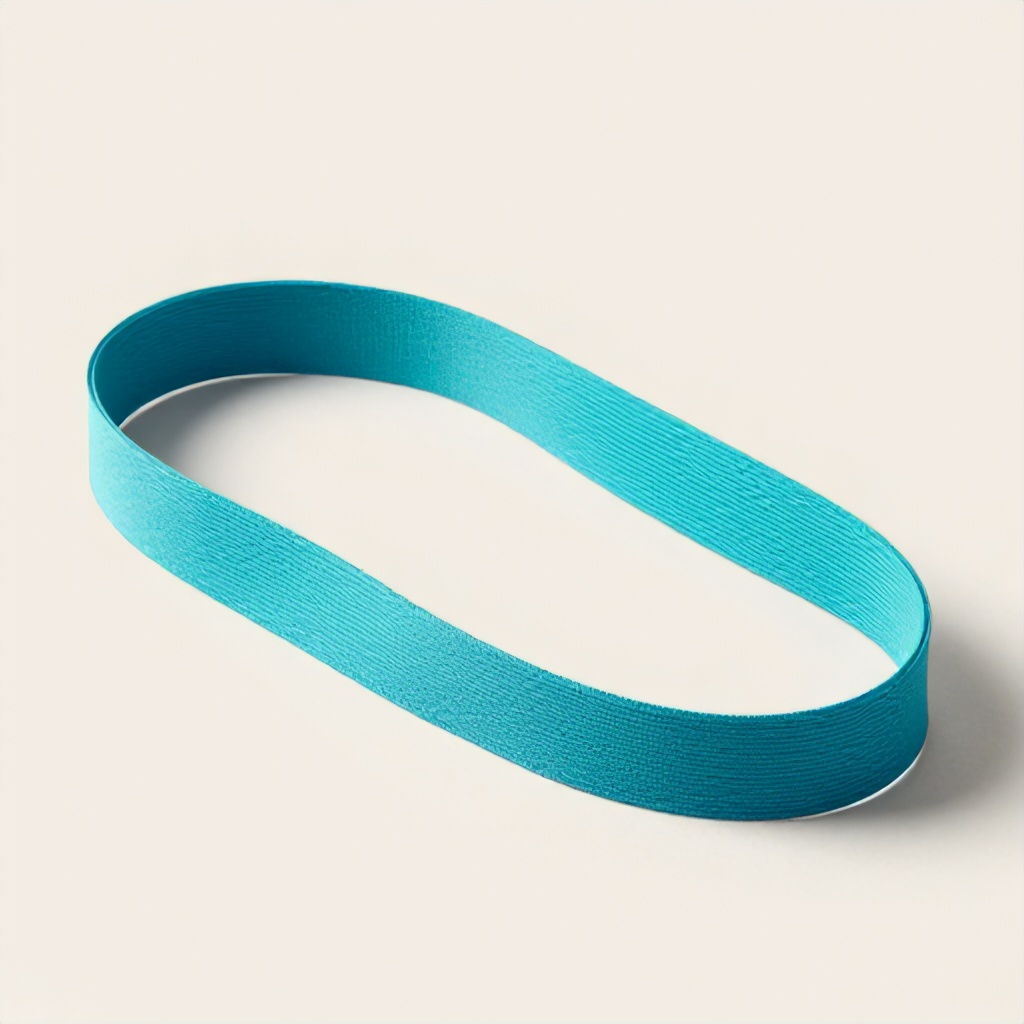
This turquoise elastic strap is a surprisingly versatile piece of fitness equipment that can revolutionize your stretching and overall fitness routine, offering a simple yet effective way to improve flexibility, build strength, and aid in recovery.

Why a Turquoise Elastic Strap? It’s More Than Just a Pretty Color

Let’s be honest, the color turquoise is uplifting. But beyond its cheerful hue, this elastic resistance band is a powerhouse for your body conditioning goals. It’s lightweight, portable, and incredibly adaptable, making it the perfect workout accessory whether you’re at home, in the gym, or even on vacation. Forget bulky machines or complicated setups; this simple tool packs a serious punch for anyone looking to enhance their active lifestyle and embrace a more holistic approach to wellness.

Think of it as your personal trainer, always ready to assist. It’s an exercise strap that’s gentle enough for physical therapy and rehabilitation exercises, yet robust enough for serious strength training and muscle toning. This makes it a fantastic addition to any home gym setup, offering a wide range of possibilities for a comprehensive workout.

Unlocking Your Flexibility: Stretching Made Smarter

Full body stretching is fundamental for maintaining a healthy, mobile body. Tight muscles can lead to discomfort, reduced range of motion, and even injury. That’s where the turquoise resistance band truly shines. It acts as an extension of your own limbs, allowing you to deepen stretches safely and effectively.

For example, imagine trying to reach your toes in a hamstring stretch. If you can’t quite get there, looping the strap around your feet provides that extra bit of leverage. You can then gently pull, increasing the stretch in your hamstrings and calves without straining your back or forcing your body into an uncomfortable position. This makes it an invaluable stretching aid for individuals of all flexibility levels.

It’s also a fantastic tool for targeting specific muscle groups. Consider a shoulder stretch; instead of relying on doorframes or walls, you can use the strap to control the intensity and direction of the stretch, promoting better mobility exercises and reducing the risk of injury prevention.

Specific Stretches to Try with Your Turquoise Strap

  • Hamstring Stretch: Lie on your back, loop the strap around the ball of one foot, and gently pull your leg towards you, keeping it as straight as possible.
  • Quad Stretch: Standing or lying on your side, loop the strap around your ankle and gently pull your heel towards your glutes.
  • Chest Opener: Hold the strap with both hands, arms extended behind you, and gently lift your arms away from your body to open up your chest and shoulders.
  • Triceps Stretch: Reach one arm overhead, bend the elbow, and loop the strap around the back of your head. Use your other hand to gently pull the strap downwards, deepening the stretch.
  • Calf Stretch: Stand facing a wall, place the strap around the ball of one foot, and gently pull your toes towards you while keeping your heel on the ground.

Beyond Stretching: Strength and Toning with Elastic Resistance

This isn’t just a stretching aid; it’s a legitimate piece of fitness equipment for building strength and toning muscles. The elastic resistance provided by the band challenges your muscles in a way that free weights or bodyweight exercises might not. It engages stabilizer muscles, leading to more balanced and functional strength.

Think about exercises like bicep curls or shoulder presses. By looping the turquoise resistance band under your feet and holding the ends, you create resistance that works your muscles through the entire range of motion. This is excellent for muscle toning and can be a great addition to a Pilates band routine, offering a different kind of challenge compared to traditional Pilates equipment.

For those focusing on lower body strength, the strap can be used for exercises like leg abductions and adductions. Loop it around your ankles or thighs and perform controlled movements to target your glutes, hips, and inner and outer thighs. This makes it a fantastic workout gear for a comprehensive body workout.

Strength Training Applications

  • Bicep Curls: Stand on the strap, hold the ends, and curl your arms up towards your shoulders.
  • Triceps Extensions: Stand on the strap, hold the ends behind your head, and extend your arms upwards.
  • Squats: Loop the strap around your thighs just above your knees to activate your glutes more intensely during squats.
  • Glute Bridges: Place the strap around your thighs and push your hips up, squeezing your glutes at the top.
  • Lateral Walks: Loop the strap around your ankles or thighs and perform side steps to strengthen your hip abductors.

Rehabilitation and Recovery: A Gentle Helping Hand

The turquoise elastic strap is a valuable tool in physical therapy and rehabilitation exercises. Its controlled resistance allows individuals recovering from injuries to gradually regain strength and mobility without putting excessive stress on the affected areas. It’s a gentle way to reintroduce movement and build confidence in the healing process.

For example, after a shoulder injury, a physical therapist might use the strap to guide a patient through controlled arm movements, helping to restore range of motion and rebuild strength in a safe environment. Similarly, after a knee injury, the strap can be used for gentle leg exercises to improve quadriceps and hamstring strength, crucial for supporting the knee joint. It acts as a reliable recovery tool, supporting your journey back to full fitness.

Even for everyday aches and pains, incorporating gentle stretching with the strap can help alleviate muscle tension and improve circulation, contributing to overall wellness and preventing minor issues from becoming major problems. It’s a proactive approach to maintaining your body’s health.

Portability and Convenience: Fitness On the Go

One of the most significant advantages of this turquoise resistance band is its sheer portability. It’s incredibly lightweight and can be easily rolled up or folded to fit into a backpack, gym bag, or even a large pocket. This means you can take your workout with you wherever you go.

Traveling? No problem. Stuck in a hotel room? You’ve got a full-body workout at your fingertips. Want to get a quick stretch in during your lunch break at the office? The turquoise strap makes it possible. This convenience factor encourages consistency, which is key to achieving any fitness goal. It truly embodies the spirit of portable fitness.

Having this readily available encourages you to incorporate movement into your day, even when time is short or you’re away from your usual gym. It removes barriers and makes it easier to maintain an active lifestyle, no matter your circumstances.

Integrating the Turquoise Strap into Your Routine

Adding this versatile tool to your existing fitness routine is straightforward. You can use it as a warm-up to prepare your muscles for exercise, as a primary tool for a dedicated stretching or strength training session, or as a cool-down to aid in muscle recovery.

Consider dedicating a few minutes each morning to a gentle stretching routine using the strap to wake up your body. Or, incorporate it into your existing workout by adding resistance band exercises between sets of other exercises. Even a short, focused session a few times a week can yield significant results.

Experiment with different exercises and find what works best for you. The beauty of the turquoise elastic strap lies in its adaptability. It can be used for yoga poses to deepen stretches, for Pilates-inspired movements, or for general body conditioning. It’s a workout accessory that grows with you as your strength and flexibility improve.

Making the Most of Your Turquoise Elastic Strap

To get the most out of your turquoise resistance band, remember a few key points. Always start with lighter resistance or fewer repetitions and gradually increase as you get stronger. Focus on controlled movements rather than explosive ones, especially when using it for strength training. Proper form is paramount to avoid injury and maximize effectiveness.

Listen to your body. If you feel sharp pain, stop. The goal is to challenge your muscles and improve flexibility, not to cause harm. Regular use is more beneficial than infrequent, intense sessions. Consistency is your best friend when it comes to fitness.

Finally, don’t be afraid to get creative! There are countless exercises you can do with an elastic strap. Look for inspiration online, consult with a fitness professional, or simply experiment and discover new ways to use this fantastic fitness equipment. It’s a simple investment that offers a wealth of benefits for your body and your overall well-being.

Exit mobile version