Health Benefits of Natural Plants and Herbs for Wellness

The health benefits of natural plants and herbs are extensive, offering a gentle yet powerful path to enhanced wellness through their unique therapeutic properties and rich nutritional benefits.


Understanding the Power of Plant-Based Health

For centuries, people across various cultures have relied on medicinal plants and herbal remedies for healing and maintaining vitality. These botanical remedies are more than just food; they are complex biological systems packed with plant compounds that interact with our bodies in beneficial ways. From supporting daily functions to addressing specific ailments, the integration of natural ingredients into our lives can significantly contribute to holistic health.

Many of these health-promoting plants contain a spectrum of vitamins, minerals, and antioxidants. These natural compounds work synergistically, meaning they often provide greater benefits together than any single component could alone. Understanding how these elements function helps us appreciate the depth of natural healing available through phytotherapy.

Nutritional Powerhouses for Everyday Wellness

Some of the most common plants we consume are packed with essential nutrients that form the foundation of good health. These aren’t just for flavor; they are potent contributors to our overall well-being, offering significant nutritional benefits.

  • Leafy Greens: Spinach, kale, and collard greens are brimming with vitamins K, A, and C, along with folate and iron. These greens support bone health, vision, and immune function. Their high antioxidant content helps protect cells from damage.
  • Berries: Blueberries, raspberries, and strawberries are renowned for their high levels of antioxidants, particularly anthocyanins. These compounds are excellent for cardiovascular health and cognitive function, helping to reduce oxidative stress throughout the body.
  • Legumes: Beans, lentils, and chickpeas provide protein, fiber, and various minerals like iron and magnesium. They are fantastic for digestive health and help stabilize blood sugar levels, making them a cornerstone of plant-based health.

Herbs with Anti-Inflammatory Properties

Chronic inflammation is a root cause of many health issues, from joint pain to heart disease. Several natural herbs possess potent anti-inflammatory therapeutic properties, offering a natural way to mitigate this systemic problem.

Ginger: A Warm and Soothing Root

Ginger, a staple in both culinary and herbal medicine traditions, is widely recognized for its anti-inflammatory effects. Its active compounds, gingerols and shogaols, are responsible for its ability to reduce pain and swelling. Many use ginger to soothe digestive upset, but its benefits extend to muscle soreness and even menstrual discomfort.

  • Consuming ginger tea can be a comforting way to alleviate nausea.
  • Adding fresh ginger to stir-fries or smoothies provides a spicy kick and a dose of its health-promoting properties.
  • Ginger supplements are also available for those seeking a more concentrated form of this powerful root.

Turmeric: The Golden Spice of Health

Turmeric, particularly its primary active compound curcumin, has been extensively studied for its powerful anti-inflammatory and antioxidant effects. This vibrant yellow spice is a cornerstone of traditional medicine and is gaining widespread recognition in modern wellness circles. Curcumin works by blocking molecules that play a major role in inflammation.

While often used in curries, absorbing curcumin effectively can be a challenge. Combining turmeric with black pepper, which contains piperine, significantly enhances its bioavailability, allowing the body to utilize its plant-derived benefits more efficiently.

Boosting Your Immune System with Botanical Remedies

A robust immune system is your body’s best defense against illness. Certain natural plants and herbs are celebrated for their ability to enhance immune function, offering proactive support for your health.

Echinacea: A Traditional Immune Supporter

Echinacea is one of the most popular herbal supplements for immune support. It’s often used at the first sign of a cold or flu, believed to stimulate the immune system and help the body fight off infections. Its therapeutic botanicals are thought to increase the production of white blood cells, which are crucial for immune defense.

Elderberry: A Berry Full of Benefits

Elderberry, particularly the European black elderberry, is rich in antioxidants and vitamins that may boost your immune system. Research suggests that elderberry extracts can help shorten the duration and severity of colds and flu. It’s a delicious way to support natural wellness, often found in syrups, teas, and lozenges.

Digestive Harmony Through Natural Ingredients

A healthy gut is fundamental to overall wellness. Many natural plants and herbs offer gentle yet effective support for digestive health, easing discomfort and promoting regularity.

Peppermint: Soothing the Digestive Tract

Peppermint is well-known for its calming effects on the digestive system. The menthol in peppermint helps relax the muscles of the gastrointestinal tract, which can alleviate symptoms like bloating, gas, and indigestion. Peppermint tea is a popular choice after meals, and peppermint oil capsules are sometimes used for irritable bowel syndrome (IBS) symptoms.

Chamomile: A Gentle Aid for Digestion and Relaxation

Chamomile is celebrated for its mild sedative and anti-inflammatory properties, making it excellent for both relaxation and digestive relief. Its compounds can help reduce spasms in the gut and soothe an upset stomach. A warm cup of chamomile tea before bed can aid digestion and promote restful sleep, contributing to holistic health.

Stress Reduction and Mood Enhancement with Adaptogens and Calming Herbs

In our demanding world, managing stress and supporting mental well-being is more important than ever. Certain natural plants and herbs, particularly adaptogens, can help the body cope with stress and promote a sense of calm.

Ashwagandha: An Ancient Adaptogen

Ashwagandha is a revered herb in traditional medicine, classified as an adaptogen. Adaptogens help the body adapt to stress, balancing physiological processes. Ashwagandha is known for its ability to reduce cortisol levels, which is the body’s primary stress hormone. It can improve resilience to stress, enhance mood, and support overall mental clarity, making it a powerful tool for natural wellness.

Lavender: The Scent of Serenity

Lavender is famous for its calming aroma and relaxing effects. The scent of lavender essential oil is often used in aromatherapy to reduce anxiety, improve sleep quality, and promote a sense of peace. Drinking lavender tea can also provide mild sedative effects, aiding relaxation and easing nervous tension. It’s a simple, organic remedy for everyday stress.

Lemon Balm: A Bright and Calming Herb

Lemon balm, a member of the mint family, has a delightful citrusy scent and flavor. It’s traditionally used to reduce anxiety, improve sleep, and soothe indigestion. Its therapeutic properties come from compounds that interact with brain receptors, helping to calm the nervous system. Lemon balm tea is a pleasant way to unwind and support emotional balance.

Supporting Heart Health with Natural Plants

Cardiovascular health is paramount, and several natural plants and herbs offer significant support for the heart and circulatory system. These health-promoting plants contribute to a strong, healthy heart.

Garlic: More Than Just a Flavor Enhancer

Garlic is a powerhouse of plant-derived benefits, particularly for heart health. It’s known to help lower blood pressure, reduce cholesterol levels, and improve circulation. The active compounds in garlic, especially allicin, are responsible for these cardiovascular protective effects. Incorporating fresh garlic into your diet is an easy and effective way to support your heart.

Hawthorn: A Traditional Heart Tonic

Hawthorn berries, leaves, and flowers have been used in traditional medicine as a heart tonic for centuries. Modern research supports its use for improving heart function, particularly in cases of mild heart failure. It can help dilate blood vessels, improve blood flow, and strengthen heart contractions. Hawthorn is often consumed as a tea or in herbal supplements, but it’s important to consult a healthcare provider due to its potent effects.

Enhancing Skin and Hair Wellness with Botanical Extracts

The benefits of natural plants extend beyond internal health to external beauty. Many plant extracts and natural ingredients offer nourishing and healing properties for skin and hair.

Aloe Vera: The Soothing Succulent

Aloe vera is renowned for its skin-soothing and healing properties. The gel from its leaves is commonly used to treat sunburns, minor cuts, and skin irritations. It’s hydrating, anti-inflammatory, and contains vitamins and antioxidants that promote skin repair and regeneration. Aloe vera is a staple in many organic remedies for skin care.

Green Tea: An Antioxidant Boost for Skin and Hair

Green tea is packed with antioxidants, particularly catechins, which offer significant benefits when consumed or applied topically. For the skin, green tea extracts can help protect against UV damage, reduce inflammation, and improve complexion. For hair, it can promote growth and add shine due to its rich nutrient profile. Drinking green tea regularly contributes to overall natural wellness.

Integrating Natural Plants and Herbs into Your Daily Routine

Incorporating natural plants and herbs into your daily life doesn’t have to be complicated. Small, consistent steps can lead to significant improvements in your health and wellness journey.

Practical Ways to Embrace Plant-Based Health

  1. Cook with Herbs and Spices: Use fresh or dried herbs like rosemary, thyme, oregano, basil, and cilantro in your cooking. They add flavor and provide a host of health benefits.
  2. Brew Herbal Teas: Many herbs, such as peppermint, chamomile, ginger, and lemon balm, make delicious and beneficial teas. This is a simple way to enjoy their therapeutic properties.
  3. Add to Smoothies: Blend leafy greens, berries, and even small amounts of fresh ginger or turmeric into your morning smoothies for a nutrient boost.
  4. Consider Quality Herbal Supplements: If you’re looking for concentrated benefits, research reputable brands for herbal supplements. Always consult with a healthcare professional before starting any new supplement regimen, especially if you have existing health conditions or are taking medications.
  5. Grow Your Own: Cultivating a small herb garden allows for fresh, organic remedies right at your fingertips.

Important Considerations for Safe Usage

While natural plants and herbs offer many health benefits, it’s essential to approach their use with awareness and caution. “Natural” does not always mean “safe for everyone,” and individual reactions can vary.

  • Consult Professionals: Always speak with a doctor, pharmacist, or qualified herbalist before using herbal medicine, especially if you are pregnant, breastfeeding, taking prescription medications, or have chronic health conditions.
  • Dosage Matters: The right dosage is crucial. Too much of a good thing can sometimes lead to adverse effects. Follow recommended guidelines or professional advice.
  • Quality and Sourcing: Choose high-quality, reputable sources for your natural plants, herbs, and herbal supplements. Contamination or adulteration can be a concern with poorly sourced products.
  • Potential Interactions: Herbal remedies can interact with prescription drugs, affecting their efficacy or increasing side effects. Be transparent with your healthcare providers about all supplements you are taking.

Embracing the world of natural plants and herbs can be a rewarding journey toward greater wellness. Their diverse therapeutic properties and rich nutritional benefits offer a powerful complement to a healthy lifestyle, supporting your body’s innate ability to heal and thrive.
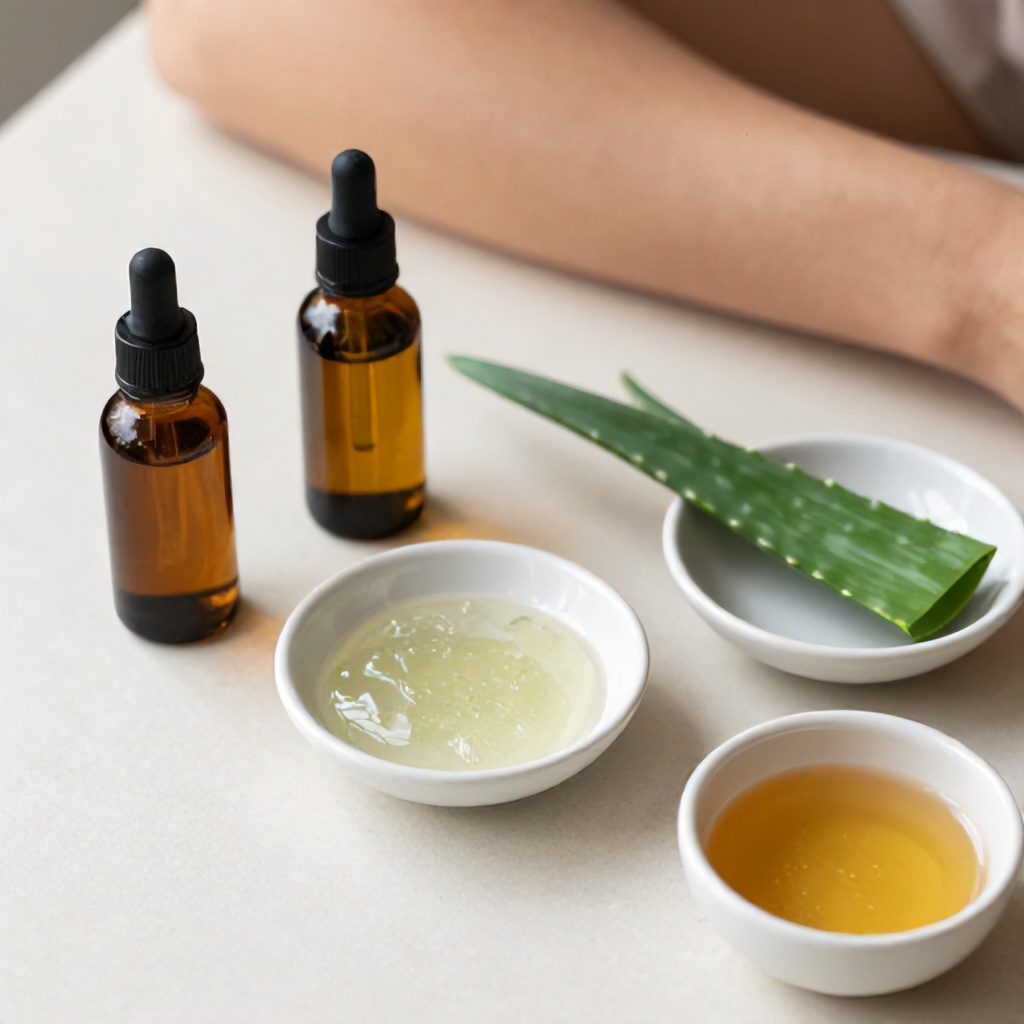
Natural Skincare Routine for Glowing Skin and Fading Acne Scars

Your Simple, Natural Path to Radiant Skin and Fading Acne Scars

Achieving glowing, healthy skin while tackling stubborn acne scars is absolutely within reach using a thoughtful, natural skincare routine. Forget harsh chemicals and complicated steps; we’re focusing on gentle, effective ingredients that work with your skin, not against it. This approach not only nurtures your complexion but also promotes long-term skin health, making those post-acne marks a distant memory.

Understanding Your Skin’s Needs

Before diving into specific products or routines, it’s vital to understand what your skin is telling you. Is it dry and flaky? Oily and prone to breakouts? Sensitive and easily irritated? Knowing your skin type is the foundation for choosing the right natural ingredients. A personalized approach ensures you’re not over- or under-treating your skin, which can exacerbate issues like acne and scarring.

Acne scars, in particular, are a result of inflammation and the skin’s healing process. When the skin produces too much or too little collagen during healing, it can leave behind marks ranging from dark spots (hyperpigmentation) to indented or raised scars. Natural ingredients often work by supporting cell turnover, reducing inflammation, and providing essential nutrients to aid in this repair process.

The Core Natural Skincare Routine

A solid natural skincare routine doesn’t need to be a lengthy production. Three fundamental steps form the backbone: cleansing, moisturizing, and sun protection. Everything else builds upon this essential framework.

1. Gentle Cleansing

Cleansing is paramount to remove impurities, excess oil, and makeup without stripping your skin’s natural moisture barrier. Harsh cleansers can lead to dryness and irritation, potentially triggering more breakouts and hindering scar healing. Opt for natural cleansers that are mild and nourishing.

Cleanser Options for Every Skin Type

For dry or sensitive skin, look for creamy or oil-based cleansers. Ingredients like jojoba oil, almond oil, or shea butter gently lift away dirt and makeup. A simple oil cleansing method, using a carrier oil like sunflower or grapeseed oil, can be incredibly effective. Massage the oil onto dry skin, then gently wipe away with a warm, damp washcloth.

Oily or acne-prone skin can benefit from foaming cleansers, but ensure they are sulfate-free. Castile soap-based cleansers, diluted with water, can be a good option. Ingredients like green tea extract or chamomile can offer soothing and antioxidant benefits, while a touch of raw honey can provide antibacterial properties without over-drying.

For combination skin, you might use different cleansers on different areas or opt for a balanced formula that caters to both oiliness and dryness. A gentle gel cleanser with ingredients like aloe vera can be a good all-rounder.

2. Nourishing Moisturization

Moisturizing is not just for dry skin; it’s essential for all skin types. Well-hydrated skin functions better, heals more effectively, and appears plumper and more radiant. When your skin is properly moisturized, it’s less likely to overproduce oil to compensate for dryness, which can lead to breakouts.

Choosing the Right Natural Moisturizer

For dry skin, rich creams and balms containing shea butter, cocoa butter, or plant-based oils like avocado oil or rosehip seed oil are excellent. These ingredients are packed with fatty acids and vitamins that deeply hydrate and repair the skin barrier.

Oily skin often benefits from lightweight, non-comedogenic moisturizers. Look for gel-based formulas or lotions with ingredients like hyaluronic acid (which draws moisture from the air into the skin), aloe vera, or jojoba oil. Jojoba oil is particularly good because it mimics the skin’s natural sebum, helping to balance oil production.

Sensitive skin requires simple, fragrance-free formulas. Ingredients like calendula extract, chamomile, and oatmeal are known for their calming properties. Always patch-test new moisturizers on a small area of your skin before applying them to your entire face.

3. Daily Sun Protection

This is arguably the most critical step for both preventing future acne and treating existing scars. Sun exposure can darken acne scars, making them more noticeable and prolonging their appearance. It also accelerates skin aging and increases the risk of skin cancer. A natural sunscreen is your best defense.

Mineral Sunscreens: Your Natural Choice

Mineral sunscreens, which use zinc oxide and titanium dioxide as their active ingredients, are generally considered the most natural and reef-safe options. They work by creating a physical barrier on the skin that blocks UV rays. Look for formulas that are non-comedogenic and suitable for sensitive skin.

Applying sunscreen daily, even on cloudy days, is non-negotiable. Reapply every two hours when you’re outdoors for extended periods. Protecting your skin from the sun is one of the most effective ways to prevent hyperpigmentation and allow your skin to heal properly.

Targeted Treatments for Acne Scar Improvement

Once you have your core routine in place, you can introduce targeted treatments to specifically address acne scars and enhance skin radiance. These are often applied after cleansing and before moisturizing.

Exfoliation: The Key to Cell Turnover

Exfoliation helps to slough off dead skin cells, revealing newer, healthier skin underneath. This process is crucial for fading dark spots and improving the texture of scarred skin. Natural exfoliants can be physical (like finely ground oats or sugar) or chemical (using fruit enzymes or mild acids).

Natural Exfoliation Methods

Physical Exfoliants: For a gentle scrub, mix finely ground oatmeal or almond flour with a little water or honey to form a paste. Gently massage onto damp skin in circular motions, avoiding the eye area. Rinse thoroughly. Use this type of exfoliant 1-2 times per week at most.

Enzyme Exfoliants: Papaya and pineapple enzymes are fantastic natural exfoliants. You can find masks or serums containing these extracts. They work by breaking down the protein bonds that hold dead skin cells together, offering a gentler alternative to harsh physical scrubs.

Mild Acids: While often found in more potent formulations, some natural ingredients contain mild acids that aid exfoliation. For instance, yogurt contains lactic acid, and can be used as a gentle mask. Be cautious and always start with less frequent application.

Targeting Hyperpigmentation (Dark Spots)

Hyperpigmentation is a common concern with acne scars. Certain natural ingredients are known for their brightening and skin-evening properties.

Brightening Natural Ingredients

Vitamin C: A powerful antioxidant, Vitamin C can help to inhibit melanin production, which is responsible for dark spots. Look for serums containing L-Ascorbic Acid (the most potent form) derived from natural sources. Apply in the morning before sunscreen for an extra boost of protection and brightening.

Licorice Root Extract: This ingredient contains glabridin, which has skin-lightening properties and can help to reduce the appearance of dark spots. It’s also anti-inflammatory, making it beneficial for calming irritated skin.

Niacinamide (Vitamin B3): While often synthesized, it’s a naturally occurring vitamin that is excellent for improving skin tone, reducing redness, and minimizing the appearance of pores. It also helps to strengthen the skin barrier.

Hydration Boosters for Plumpness

Hydrated skin looks fuller, which can make indented scars appear less noticeable. Ingredients that attract and retain moisture are key.

Moisture-Locking Natural Ingredients

Hyaluronic Acid: Naturally found in the skin, hyaluronic acid can hold up to 1,000 times its weight in water. In skincare, it plumps the skin by drawing moisture from the environment, making fine lines and scars less visible.

Glycerin: A humectant derived from vegetable oils, glycerin draws moisture into the skin, keeping it hydrated and supple. It’s a common and effective ingredient in many natural moisturizers.

Aloe Vera: Known for its soothing and hydrating properties, aloe vera gel is rich in vitamins, minerals, and amino acids that can help to repair and moisturize the skin.

Soothing and Healing Agents

When dealing with active breakouts or healing scars, anti-inflammatory and reparative ingredients are essential.

Calming Natural Ingredients

Centella Asiatica (Gotu Kola): This herb is a powerhouse for skin healing. It’s known to boost collagen production, improve circulation, and reduce inflammation, making it excellent for scar repair and overall skin regeneration.

Chamomile: Renowned for its anti-inflammatory and antioxidant properties, chamomile can help to calm redness and irritation, promoting a more even complexion.

Calendula: Derived from marigold flowers, calendula has potent anti-inflammatory and wound-healing properties. It can help to soothe irritated skin and speed up the recovery of damaged tissue.

Lifestyle Factors for Healthy, Glowing Skin

Skincare products are only part of the equation. Your diet, sleep, and stress levels play a significant role in your skin’s health and its ability to heal.

Diet and Hydration

What you eat directly impacts your skin. Focus on a diet rich in antioxidants, vitamins, and minerals. Load up on fruits, vegetables, lean proteins, and healthy fats like those found in avocados, nuts, and seeds. These provide the building blocks for healthy skin and fight inflammation.

Stay well-hydrated by drinking plenty of water throughout the day. Proper hydration helps your skin cells function optimally and contributes to a plump, radiant complexion. Limit processed foods, excessive sugar, and dairy if you find they trigger breakouts.

Sleep and Stress Management

Your skin repairs itself while you sleep. Aim for 7-9 hours of quality sleep each night. During this time, your body regenerates cells and clears out toxins. Lack of sleep can lead to dull skin, increased inflammation, and slower healing of acne scars.

Chronic stress can wreak havoc on your skin, triggering breakouts and hindering the healing process. Incorporate stress-reducing activities into your routine, such as yoga, meditation, deep breathing exercises, or spending time in nature. Finding healthy ways to manage stress is a vital component of achieving and maintaining healthy skin.

Putting It All Together: A Sample Natural Routine

Here’s a sample routine incorporating these principles. Remember to adjust based on your skin’s specific needs.

Morning Routine

  1. Cleanse: Gently rinse your face with lukewarm water or use a mild natural cleanser if needed.
  2. Tone (Optional): Apply a hydrating toner like rose water or one with aloe vera to balance pH.
  3. Serum: Apply a Vitamin C serum to brighten and protect.
  4. Moisturize: Use a lightweight, natural moisturizer suited to your skin type.
  5. Sunscreen: Apply a broad-spectrum mineral sunscreen (SPF 30 or higher).

Evening Routine

  1. Cleanse: Use your preferred natural cleanser to remove makeup and impurities. If you wear heavy makeup, consider a double cleanse, starting with an oil cleanser followed by a water-based one.
  2. Exfoliate (1-3 times per week): Use a gentle natural exfoliant or an enzyme mask.
  3. Treatment Serum (Optional): Apply a serum with hyaluronic acid for hydration or niacinamide for tone correction. For scar treatment, a serum with Centella Asiatica can be beneficial.
  4. Moisturize: Apply a slightly richer natural moisturizer to support overnight repair.

Patience and Consistency are Key

Natural skincare is a marathon, not a sprint. Seeing significant improvements in acne scars takes time and consistent effort. Be patient with your skin and stick to your routine. You’ll likely notice an improvement in your skin’s overall health and radiance long before the scars fully fade. Celebrate the small wins – smoother texture, reduced redness, and a more even tone – as you work towards your glowing skin goals.

Exit mobile version