10 Effective Ways to Clear Stubborn Blackheads Without Using Harsh Products

Managing stubborn blackheads requires a shift in perspective from aggressive removal to consistent, gentle maintenance. These tiny dark spots, technically known as open comedones, occur when a mixture of oil and dead skin cells oxidizes upon contact with the air. While heat and humidity often exacerbate sebum buildup, the solution is rarely found in harsh scrubs or abrasive tools that compromise your skin barrier health. Instead, focusing on pore-refining habits and non-abrasive treatments helps restore complexion clarity without triggering the inflammation that often leads to further skin congestion.

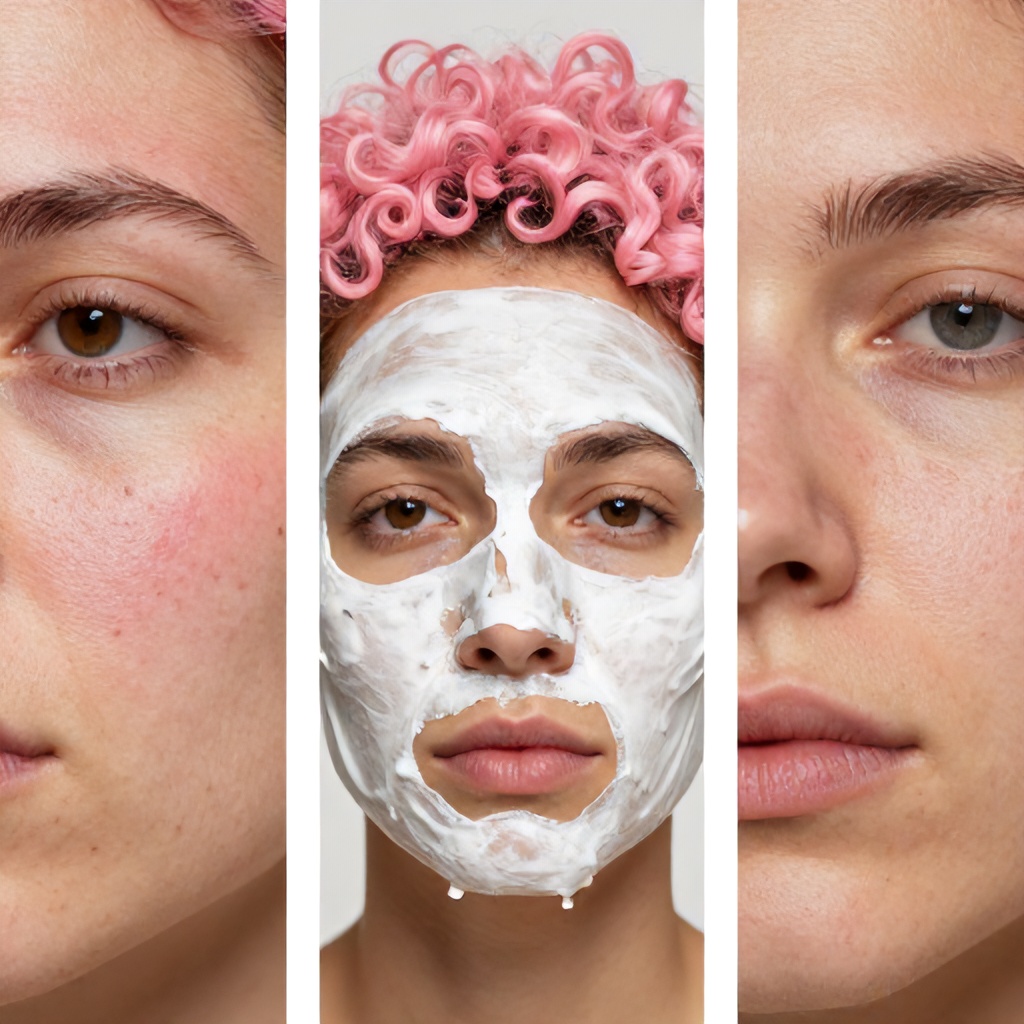
Understanding the Mechanics of Clogged Pores

Your skin naturally produces oil to keep itself supple and protected. When this oil, or sebum, gets trapped inside a hair follicle along with debris, it creates a plug. If the pore remains open at the surface, the oxygen in the air turns the top of that plug black. This is not dirt, and scrubbing harder will not wash it away. In fact, aggressive scrubbing often strips the surface of the skin, signaling your glands to produce even more oil to compensate for the dryness. This cycle of over-cleansing and over-production is a common trap for those with oily skin.

Maintaining a healthy balance is the primary goal of any effective skincare routine. When you prioritize skin detoxification through gentle methods, you allow the skin to regulate itself. Think of your pores as tiny tunnels; if you block the entrance with heavy, comedogenic products or irritate the lining with harsh chemicals, the congestion only deepens. Focusing on long-term breakout prevention rather than instant, painful extraction is the most reliable way to achieve a smoother texture.

1. Facial Steaming for Pore Softening

Facial steaming serves as a foundational step for loosening hardened sebum. By using warm, moist air, you soften the contents of your pores, making them easier to clear during your regular cleansing process. This is particularly useful during the summer months when sweat and sunscreen residue create a persistent film on the face.

  1. Boil two cups of filtered water and pour it into a heat-safe glass bowl.
  2. Allow the water to sit for a minute so the steam is hot but not scalding.
  3. Drape a clean cotton towel over your head to create a tent, trapping the steam.
  4. Position your face about ten inches away from the bowl, keeping your eyes closed.
  5. Breathe deeply for five to seven minutes, allowing the warmth to penetrate your skin.

After steaming, your skin will be primed for a gentle cleanse. Avoid the urge to squeeze or perform manual pore extraction immediately, as this can damage the delicate tissue around the follicle. Instead, follow up with a mild, water-based cleanser to lift away the softened impurities.

Q1: How often should I steam my face in summer?

A: 1–2 times a week is enough. Too much steam can dry out your skin or overstimulate oil production. Always follow with cool water and moisturizer.
2. Gentle Exfoliation Techniques

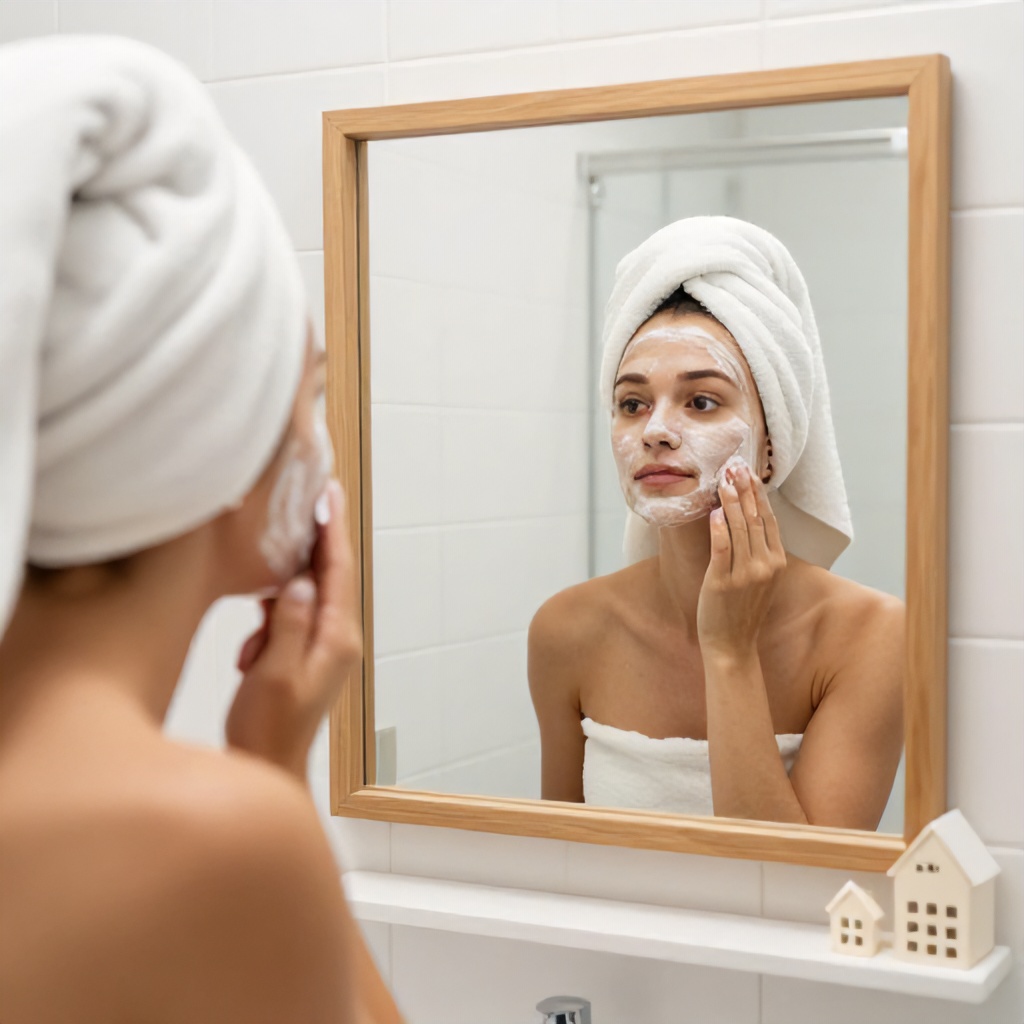
The secret to clear skin is not how hard you scrub, but how consistently you remove dead skin cells. Physical scrubs with jagged particles often create micro-tears in the skin, which can lead to sensitivity and infection. Opting for non-abrasive treatments, such as chemical exfoliants or soft konjac sponges, provides a much more controlled result.

Look for ingredients like salicylic acid, which is oil-soluble and can penetrate deep into the pore lining to dissolve the glue holding debris together. Alternatively, lactic acid offers a gentler approach for those with skin sensitivity, as it hydrates while it exfoliates. By incorporating these into your routine just twice a week, you prevent the buildup that leads to comedones without compromising your skin barrier health.

Pro Tip: If you prefer physical exfoliation, use a damp konjac sponge. It is made from natural vegetable fibers and provides a very mild buffing action that is far safer than walnut or apricot kernel scrubs.
Q2: Can I exfoliate every day to get rid of blackheads faster?

A: No, daily exfoliation can irritate your skin and actually make blackheads worse. Stick to 1–2 times a week with a gentle exfoliant.

3. The Role of Clay in Sebum Regulation

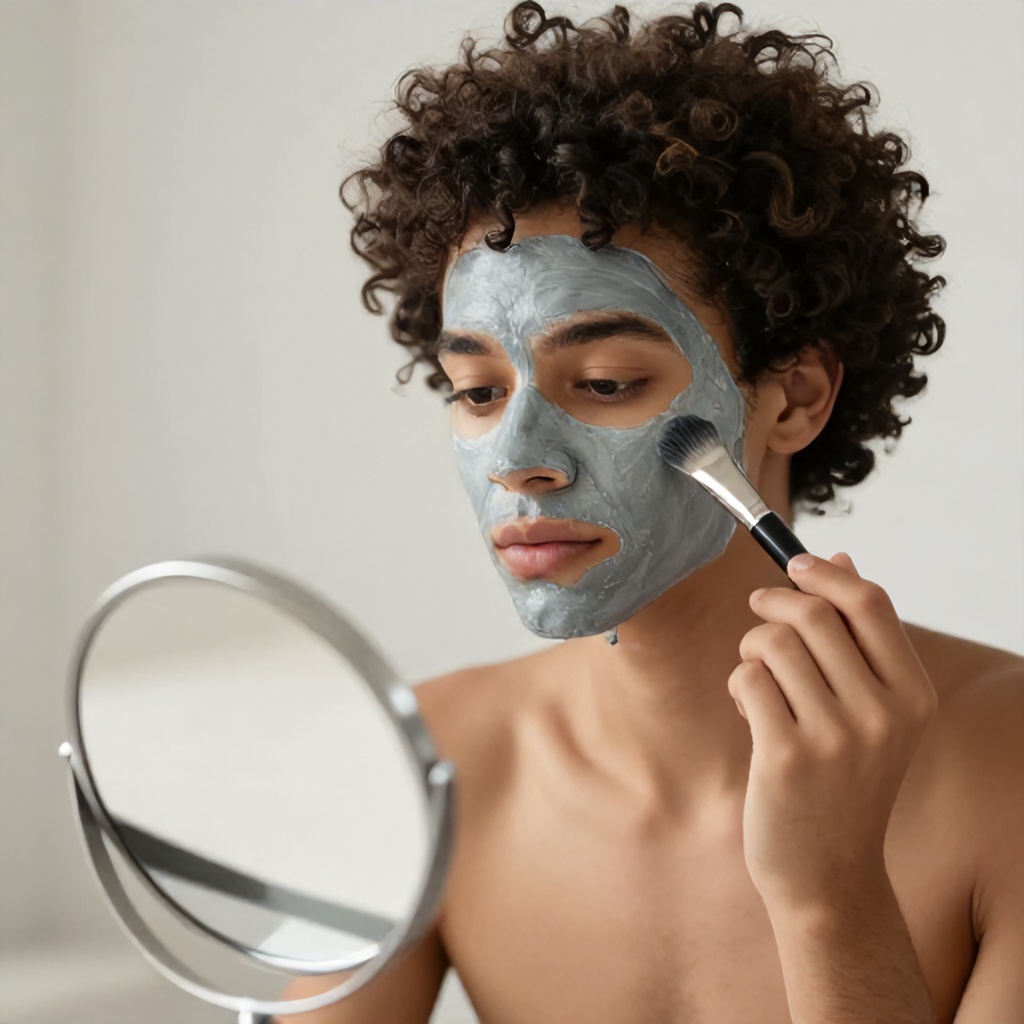
Clay masks have been a staple in natural skincare for centuries, and for good reason. Kaolin or bentonite clays act like a vacuum for excess oil. When applied to the T-zone, these clays absorb the sebum buildup that contributes to clogged pores. The key is to avoid letting the mask crack and dry completely on your face, as this can dehydrate the skin and trigger a rebound oil production effect.
Apply a thin layer of clay mask to your nose, chin, and forehead. Leave it on for about ten minutes, or until it is just starting to feel firm but still slightly tacky to the touch. Rinse with lukewarm water and follow immediately with a lightweight, oil-free moisturizer to lock in hydration.

4. Managing Skin Sensitivity and Barrier Health

Many people mistakenly believe that their skin is oily and therefore needs to be stripped of all moisture. This is a common misconception that leads to a damaged skin barrier. When your barrier is compromised, your skin loses its ability to protect itself, leading to increased sensitivity and more frequent breakouts. Focus on products that support the skin’s natural pH balance rather than those that leave your face feeling tight or “squeaky clean.”

If you notice redness or stinging after using a product, stop using it immediately. Your skincare routine should feel soothing. If you are dealing with persistent congestion, look for calming ingredients like niacinamide or green tea extract, which help reduce inflammation and improve overall complexion clarity.

5. The Truth About Pore Strips

Pore strips are incredibly popular on social media because they provide instant gratification. However, they are often a temporary fix that can cause long-term issues. The adhesive used in these strips is strong enough to pull away the top layer of skin cells along with the blackhead, which can lead to irritation and broken capillaries.

Q3: Are blackhead strips safe to use?

A: Occasionally, yes. But they can pull too harshly on the skin and don’t solve the root issue. For long-term results, focus on gentle, consistent cleansing and exfoliation instead of relying on strips.

6. Adjusting Your Routine for Heat and Humidity

During the summer, your environment changes, and your skincare should follow suit. High temperatures increase sweat production, which can mix with your sunscreen and makeup to create a breeding ground for bacteria. Double cleansing is an excellent strategy here. Start with an oil-based cleanser or micellar water to break down sunscreen and sebum, then follow with a gentle water-based cleanser to remove any remaining residue.

This two-step process ensures that your pores are truly clean before you head to bed. It is a simple shift in facial hygiene that makes a significant difference in preventing overnight congestion. Remember to wash your pillowcases frequently, as they can harbor oils and bacteria that transfer back onto your skin while you sleep.

7. Incorporating Natural Ingredients

Nature offers several effective tools for managing oily skin. Tea tree oil, for instance, is well-known for its antimicrobial properties. When diluted properly with a carrier oil or mixed into a gentle cleanser, it can help keep the skin clear. Similarly, honey acts as a natural humectant and has mild antibacterial benefits, making it an excellent choice for a soothing face mask.

However, always perform a patch test before applying any new natural ingredient to your face. Even natural substances can cause reactions in those with specific allergies. Start with a small amount on your inner forearm and wait 24 hours to ensure your skin tolerates it well.

8. The Importance of Hydration

It sounds counterintuitive, but oily skin needs hydration. When your skin is dehydrated, it produces more oil to compensate for the lack of water. By using a lightweight, non-comedogenic moisturizer, you signal to your skin that it is already hydrated, which can help with sebum regulation. Look for ingredients like hyaluronic acid or glycerin, which draw moisture into the skin without clogging your pores.

Drinking plenty of water throughout the day also supports your skin from the inside out. While it won’t magically erase blackheads, it helps maintain the overall health of your skin cells, allowing them to function optimally and shed more efficiently.

9. Professional Guidance for Persistent Issues

If you have tried consistent, gentle methods for several months and still see no improvement, it may be time to consult a professional. Dermatological health is complex, and sometimes persistent blackheads are related to hormonal factors or underlying conditions that require targeted treatment. A dermatologist can provide personalized advice and ensure that your routine is not inadvertently contributing to your skin congestion.

Do not feel discouraged if your skin does not clear up overnight. Skin cell turnover takes about 28 days, so any new routine needs at least a month of consistent application before you can accurately judge its effectiveness. Patience is a vital component of any successful skincare journey.

10. Consistency Over Intensity

The most effective way to clear blackheads is to build a routine you can actually stick to. If you try to do too much at once, you will likely burn out or irritate your skin. Start by adding one new step, such as weekly steaming or a gentle chemical exfoliant, and see how your skin responds. Once that becomes a habit, you can evaluate whether you need to add anything else.

Remember that your skin is unique. What works for someone else might not be the right fit for you. Pay attention to how your face feels after each step. If it feels soft, clean, and comfortable, you are on the right track. If it feels tight, itchy, or inflamed, scale back and focus on soothing your skin barrier. By treating your skin with kindness and consistency, you will eventually see the clarity and texture you are aiming for.

Ultimately, the goal is to feel confident in your own skin. By moving away from the cycle of harsh products and focusing on gentle, evidence-based habits, you create a sustainable path to healthier skin. Stay consistent, keep your routine simple, and prioritize the health of your skin barrier above all else. Your complexion will thank you for the extra care and attention you provide through these small, daily actions.
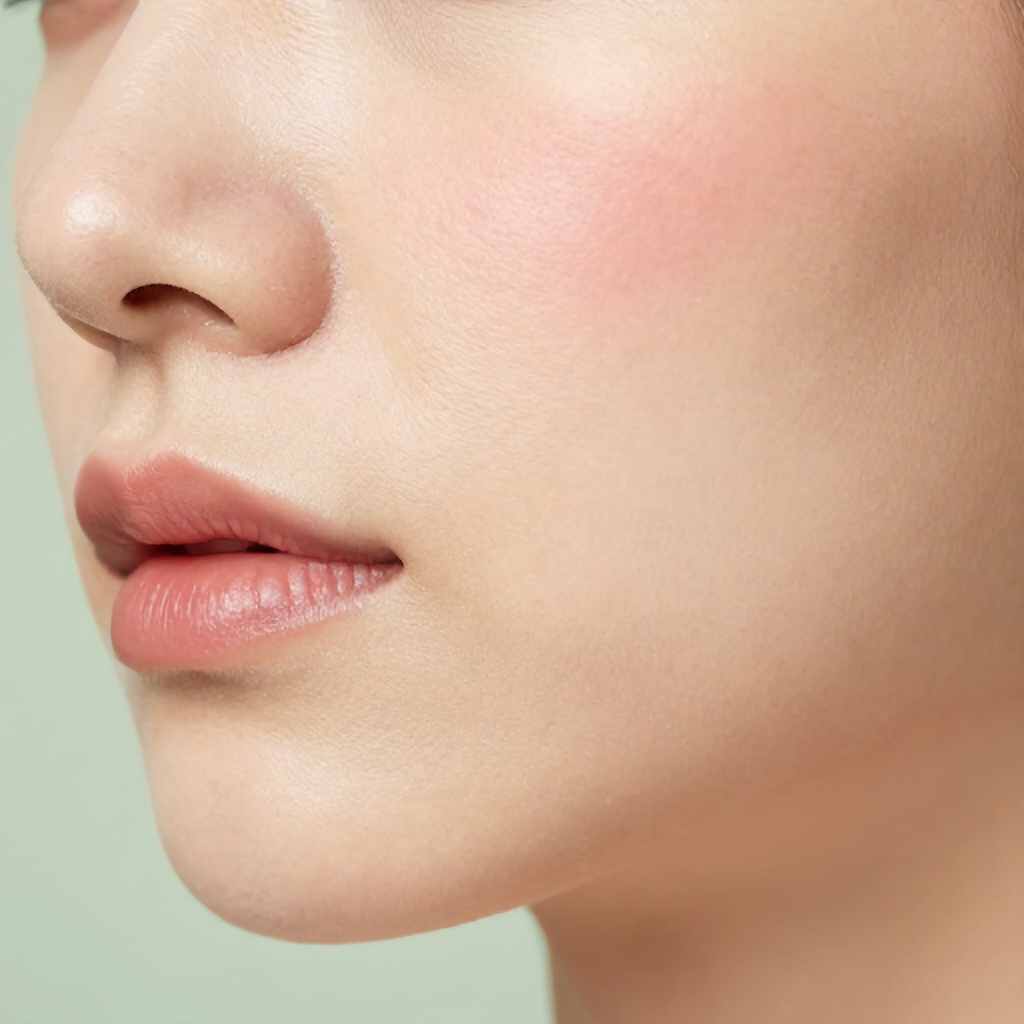
Science-Backed Strategies for Achieving Long-Term Acne Treatment Results

Achieving a clear complexion requires a shift from quick-fix mentalities toward consistent, science-backed habits that prioritize epidermal health. Real dermatological transformation does not happen overnight, but the visual shift from active breakouts to a calm, even skin tone is entirely possible with the right approach. When you look at a dermatological before and after, you are seeing the result of months of patience, barrier protection, and targeted ingredient selection rather than a single miracle product.

Understanding the Timeline of Skin Rejuvenation

Skin cells turn over roughly every 28 to 40 days, meaning your skin needs at least one full cycle to show the initial signs of improvement. When you start an acne management routine, the first few weeks often involve a period of adjustment. This is where many people quit, assuming the products are failing. In reality, the skin is purging, which is a natural process of bringing underlying congestion to the surface.

Inflammatory acne requires a different strategy than simple surface congestion. You are managing both the active infection and the lingering redness reduction that follows. If you rush the process with harsh physical scrubs or high-concentration acids, you risk damaging the moisture barrier. A compromised barrier leads to increased sensitivity, which makes acne inflammation worse. Focus on gentle cleansing and hydration to provide the foundation for healing.

The First Four Weeks

During the first month, your goal is stabilization. You might notice that your skin feels less oily or that the frequency of new breakouts begins to slow down. This is the phase where you establish your baseline. Avoid introducing five new products at once. If you experience a reaction, you will have no way of knowing which item caused the irritation. Stick to a basic cleanser, a non-comedogenic moisturizer, and your primary treatment.

  • Use a pH-balanced cleanser that does not leave your skin feeling tight or stripped.
  • Apply a lightweight moisturizer twice daily to support skin barrier restoration.
  • Introduce active ingredients like salicylic acid or benzoyl peroxide slowly, perhaps every other night, to monitor tolerance.
  • Prioritize sun protection every single morning, as UV exposure darkens post-inflammatory hyperpigmentation.

Identifying the Signs of Progress

True aesthetic skin improvement is measured by more than just the absence of pimples. You should look for subtle changes in skin texture improvement and overall luminosity. When the skin is healthy, it reflects light more evenly. If your skin looks dull or feels rough, it is often a sign that your exfoliation routine is either lacking or too aggressive.

Redness reduction is another key indicator that your treatment plan is working. When acne inflammation subsides, the skin tone begins to even out. This process takes time, as the skin needs to heal the micro-trauma caused by previous breakouts. If you notice that your skin feels softer to the touch and the size of your pores appears minimized, you are on the right track toward clinical skincare results.

Tracking Your Journey

Taking photos is the most practical way to track your dermatological progress. Lighting can play tricks on your perception, so try to take your photos in the same spot at the same time of day. Use a neutral background and avoid filters. When you look back at these images after three months, the changes in your skin surface refinement will be much more apparent than they are in the mirror every morning.

  1. Clean your phone camera lens to ensure the image is sharp and clear.
  2. Stand facing a window for consistent natural light.
  3. Take a front-facing shot and two side-profile shots to capture the full scope of your skin.
  4. Keep a simple log of the products you used during that week to correlate your results with your routine.

Managing Post-Treatment Skin and Scarring

Once the active acne is under control, the focus shifts to addressing the aftermath. Post-treatment skin often deals with dark spots or uneven texture. These marks are not always true scars; they are often just pigment changes that will fade with time and the right care. Patience is your greatest asset here. Using brightening agents like vitamin C or niacinamide can help speed up the process of complexion balancing.

If you have deeper texture issues, such as pitted scarring, topical products may have limitations. This is where professional intervention becomes relevant. A dermatologist can offer options like chemical peels, microneedling, or laser therapy to help with deeper skin surface refinement. These treatments work by stimulating collagen production, which helps fill in the depressions left by severe inflammatory acne.

The Role of Lifestyle in Skin Clarity

External products only account for half of the equation. Your internal health plays a significant role in how your skin responds to treatment. Hydration, sleep, and stress management all influence your hormone levels, which are directly linked to acne production. When you are chronically stressed, your body produces more cortisol, which can trigger excess oil production and lead to more breakouts.

Dietary choices also impact skin inflammation. While everyone has different triggers, many people find that reducing high-glycemic foods helps stabilize their complexion. Focus on whole foods, plenty of water, and healthy fats like omega-3s. These small adjustments support your skin from the inside out, making the external treatments more effective.

Common Mistakes to Avoid

Many people fall into the trap of over-treating their skin. If you see a blemish, the instinct is to apply every spot treatment you own. This usually results in a dry, flaky patch of skin that is even harder to cover with makeup. Instead, treat the area as you would a wound. Keep it clean, keep it hydrated, and let the skin heal itself.

  • Do not pick or squeeze active breakouts, as this pushes bacteria deeper and increases the risk of scarring.
  • Avoid using heavy, pore-clogging oils if you are prone to congestion.
  • Do not skip moisturizer just because your skin feels oily; dehydration often causes the skin to produce even more oil to compensate.
  • Be wary of social media trends that suggest using household items like toothpaste or lemon juice on your face.

Building a Sustainable Routine

The best routine is one you can actually stick to for the long term. If you have a ten-step process, you will likely skip it on busy nights. A simple, effective routine is far superior to a complex one that you only follow half the time. Focus on the core pillars: cleanse, treat, moisturize, and protect.

In the morning, your focus should be on protection. A gentle cleanser followed by a vitamin C serum and a broad-spectrum SPF is sufficient for most people. The SPF is non-negotiable. It prevents the darkening of acne marks and protects the skin barrier from environmental damage. In the evening, focus on repair. Cleanse thoroughly to remove the day’s debris, apply your active treatment, and finish with a nourishing moisturizer.

Selecting the Right Ingredients

When shopping for products, look for labels that specify non-comedogenic or oil-free. These terms indicate that the product is formulated to avoid clogging pores. If you are dealing with persistent acne, look for ingredients like adapalene, which is a retinoid that helps regulate cell turnover. For those with sensitive skin, azelaic acid is a fantastic option that targets both redness and bacteria without the irritation often associated with stronger retinoids.

Always check the ingredient list for potential irritants like synthetic fragrances or essential oils. These are common culprits for contact dermatitis, which can mimic the appearance of acne. If your skin feels itchy, red, or hot, stop using the new product immediately and return to your basic routine until the irritation subsides.

The Reality of Clinical Skincare Results

It is important to manage your expectations regarding what a clear complexion looks like. Skin is meant to have texture. Pores are a natural part of human anatomy and cannot be erased. The goal of acne management is to achieve a healthy, balanced state where breakouts are rare and the skin barrier is intact. Do not compare your real-life skin to filtered images online.

If you have been consistent with your routine for six months and see no improvement, it is time to consult a professional. A dermatologist can identify underlying issues such as hormonal imbalances or specific types of bacteria that require prescription-strength medication. There is no shame in seeking expert help; sometimes, the skin needs a stronger intervention to break the cycle of inflammation.

Maintaining Your Results

Once you have achieved your desired level of clarity, your routine should shift toward maintenance. You do not need to use high-strength acne treatments forever. You can often scale back to a lower frequency or switch to gentler maintenance products. The key is to keep the skin barrier healthy and hydrated so that it can defend itself against future breakouts.

Continue to monitor your skin for changes. If you notice a sudden increase in breakouts, look at your recent habits. Have you been traveling, changing your diet, or using a new laundry detergent? Often, the cause is environmental or lifestyle-related. By staying observant, you can catch potential issues before they turn into a full-blown breakout cycle.

Remember that your skin is a living organ that changes with the seasons, your age, and your environment. A routine that works in the summer may be too drying for the winter. Be prepared to adjust your moisturizer or the frequency of your exfoliation as needed. This flexibility is the hallmark of someone who truly understands their skin and knows how to keep it looking its best year-round.

Ultimately, the journey to a clear complexion is about building a relationship with your skin. When you treat it with kindness and consistency, it will respond. Focus on the long-term health of your epidermal barrier, and the aesthetic results will follow. You are not just trying to clear a blemish; you are cultivating a healthy, resilient complexion that will serve you well for years to come.

Stay patient, stay consistent, and keep your routine simple. The most effective transformations are those that are built on a foundation of daily care and realistic expectations. Your skin has the capacity to heal itself if you provide it with the right environment and the right tools. Keep your focus on the process, and the results will reveal themselves in time.

Exit mobile version