Effective Blackhead Removal: Essential Skincare Habits for Clearer Facial Skin

Effective Blackhead Removal: Essential Skincare Habits for Clearer Facial Skin

Getting rid of blackheads is totally achievable with the right skincare routine, focusing on consistent habits that prevent them from forming and gently remove existing ones.

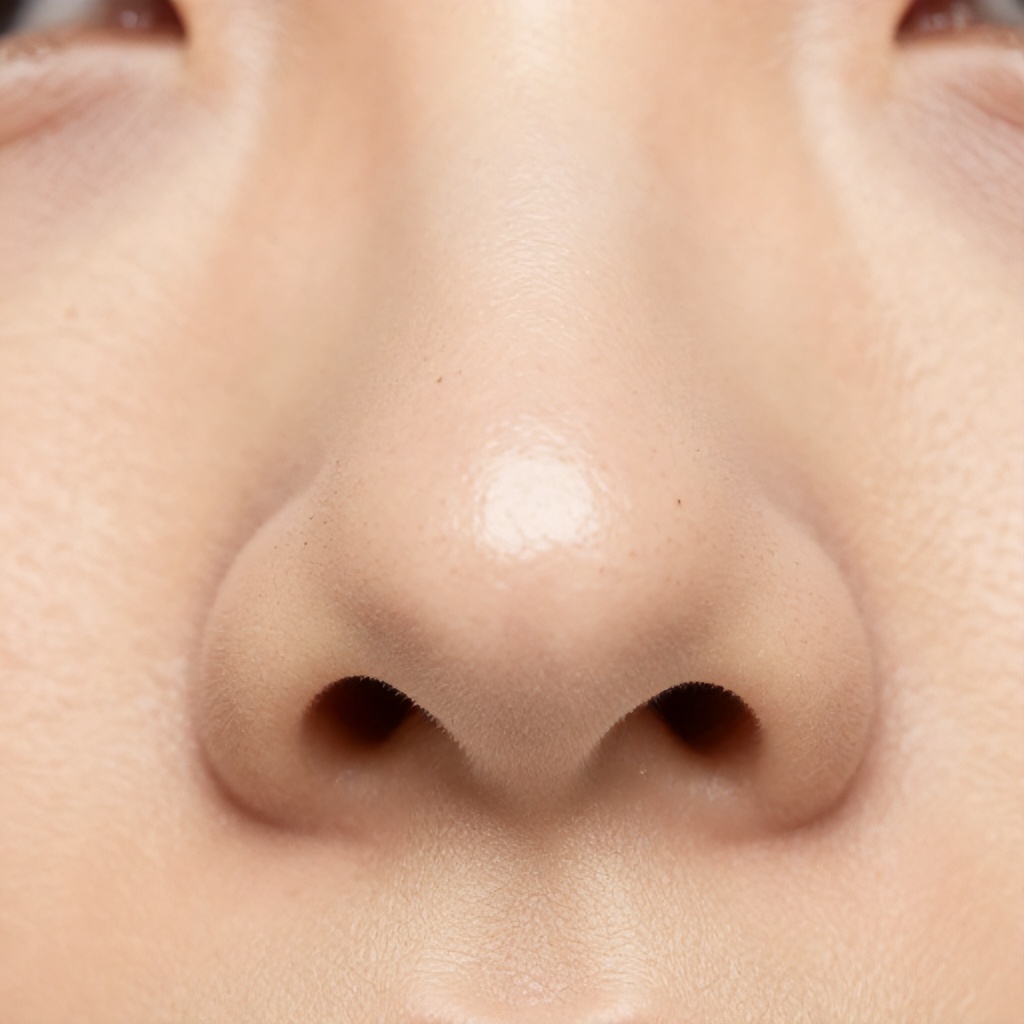
Understanding Blackheads: What Are They, Really?

Blackheads, those little dark spots that often pop up on your nose, chin, and forehead, aren’t actually dirt. They’re a type of acne called an open comedone. When a pore gets clogged with excess oil (sebum) and dead skin cells, it forms a plug. Unlike whiteheads, which remain closed, the top of a blackhead is open to the air. This exposure causes the trapped sebum and dead skin cells to oxidize, turning them dark.

It’s a common skin concern, and understanding the “why” behind them is the first step to tackling them effectively. Genetics, hormonal changes, and even certain skincare products can play a role in their appearance. But don’t worry, you don’t need to resort to harsh scrubbing or painful extractions to see clearer skin.

The Foundation: Daily Cleansing for Blackhead Prevention

A consistent daily cleansing routine is your absolute best friend when it comes to fighting blackheads. Think of it as clearing the runway for your skin to breathe and stay clear.

Morning Cleanse: Waking Up Your Skin

Even if your skin feels clean in the morning, a gentle cleanse is important. Overnight, your skin produces sebum and sheds dead cells. A quick wash removes this buildup before it has a chance to clog pores.

Use a mild, water-based cleanser. Avoid anything too stripping, as this can actually signal your skin to produce more oil to compensate. Gently massage the cleanser onto damp skin, then rinse thoroughly with lukewarm water. Pat your face dry with a clean towel – no rubbing!

Evening Cleanse: Washing Away the Day

This is arguably the most critical cleansing step. You need to remove makeup, sunscreen, pollution, and the day’s oil and grime. If you wear makeup, consider a double cleansing method.

First, use an oil-based cleanser or micellar water to break down makeup and sunscreen. These are formulated to effectively dissolve oil-based impurities. Massage it onto dry skin, then add a little water to emulsify and rinse. Follow this with your regular water-based cleanser to ensure all residue is gone. This thorough approach prevents pore-clogging ingredients from lingering overnight.

Exfoliation: The Key to Unclogging Pores

Exfoliation is where the magic happens for actively tackling existing blackheads and preventing new ones. It’s all about removing those dead skin cells that contribute to clogs.

Chemical Exfoliants: Gentle Yet Powerful

Chemical exfoliants use acids to dissolve the bonds between dead skin cells. They are often more effective and less irritating than physical scrubs for many people.

  • Alpha Hydroxy Acids (AHAs): These water-soluble acids, like glycolic acid and lactic acid, work on the skin’s surface. They are great for improving skin texture and can help fade dark spots.
  • Beta Hydroxy Acids (BHAs): Salicylic acid is the star here. It’s oil-soluble, meaning it can penetrate deep into pores to break down sebum and dead skin cells. This makes it particularly effective for blackhead removal. Look for cleansers, toners, or serums containing salicylic acid.

Start slowly with chemical exfoliants, perhaps 1-2 times a week, and gradually increase frequency as your skin tolerates it. Over-exfoliation can lead to redness, irritation, and increased sensitivity.

Physical Exfoliants: Use with Caution

Physical exfoliants use small particles to manually slough off dead skin cells. While they can offer immediate smoothness, they can also be too harsh if not used correctly.

If you choose a physical exfoliant, opt for one with very fine, smooth particles like jojoba beads or finely ground oats. Avoid harsh scrubs with large, irregular particles like crushed nut shells, which can create micro-tears in the skin. Use gentle pressure and only 1-2 times per week. Always follow with a soothing moisturizer.

Targeted Treatments: For Stubborn Blackheads

Sometimes, daily habits aren’t quite enough. Targeted treatments can provide an extra boost.

Clay Masks: Drawing Out Impurities

Clay masks are fantastic for absorbing excess oil and drawing out impurities from pores. Ingredients like bentonite clay and kaolin clay are common. When applied to the skin, the clay hardens, creating a vacuum that pulls out dirt and sebum.

Use a clay mask once a week or as needed. Apply a thin, even layer to clean skin, avoiding the eye area. Leave it on for the time recommended on the product (usually 10-15 minutes) until it’s mostly dry but not completely cracked and uncomfortable. Rinse thoroughly with warm water.

Pore Strips: A Quick Fix (with Caveats)

Pore strips can offer a satisfying visual of what’s being removed from your pores. However, they can be quite aggressive. They work by adhering to the pore and pulling out the contents when removed.

While they can temporarily clear out some blackheads, they don’t address the underlying cause. Overuse can lead to enlarged pores, redness, and even broken capillaries. If you choose to use them, do so sparingly and always follow the instructions carefully. Apply to clean, damp skin and remove gently.

Retinoids: The Long-Term Powerhouse

Retinoids, derived from Vitamin A, are incredibly effective for a multitude of skin concerns, including blackheads. They work by increasing cell turnover and preventing pores from becoming clogged in the first place. They also help to regulate oil production over time.

You can find retinoids over-the-counter (like retinol) or by prescription (like tretinoin). Start with a low concentration and apply only a pea-sized amount a few nights a week. Retinoids can cause initial dryness, peeling, and increased sun sensitivity, so always use sunscreen during the day. They are best used as part of your nighttime routine.

Hydration: Don’t Skip the Moisturizer!

It might seem counterintuitive, but moisturizing is crucial even for oily, blackhead-prone skin. When your skin is dehydrated, it can actually overcompensate by producing more oil, leading to more clogged pores.

Choose a lightweight, oil-free, non-comedogenic moisturizer. Gel-based or water-based formulas are excellent choices. Apply it after cleansing and any treatments, while your skin is still slightly damp, to lock in moisture.

Sun Protection: A Non-Negotiable Step

Sunscreen is vital for everyone, but especially when you’re using exfoliating treatments or retinoids. These ingredients can make your skin more sensitive to the sun, increasing the risk of sunburn and long-term damage.

Daily application of a broad-spectrum SPF 30 or higher sunscreen is essential. It protects your skin from UV rays, which can worsen hyperpigmentation and accelerate aging. Look for formulas labeled “non-comedogenic” to avoid pore-clogging ingredients.

Lifestyle Factors: Beyond the Skincare Routine

What you do outside of your skincare routine also impacts your skin’s health.

Hands Off!

Resist the urge to pick or squeeze blackheads. Your fingers carry bacteria, and forcing blackheads out can push bacteria deeper into the pore, leading to inflammation, infection, and scarring. It can also stretch pores, making them appear larger.

Clean Your Tools

If you use makeup brushes or sponges, make sure they are cleaned regularly. Dirty tools can transfer bacteria and oil to your face, contributing to breakouts.

Diet and Hydration

While the link between diet and acne is complex and varies from person to person, some find that reducing processed foods, excessive sugar, and dairy can help. Staying well-hydrated by drinking plenty of water is always beneficial for overall skin health.

Consistency is Key

The most effective way to achieve and maintain clearer skin free from blackheads is through consistency. It’s not about a quick fix, but a sustained effort. Stick with your routine, be patient, and celebrate the small victories as your skin begins to clear up.
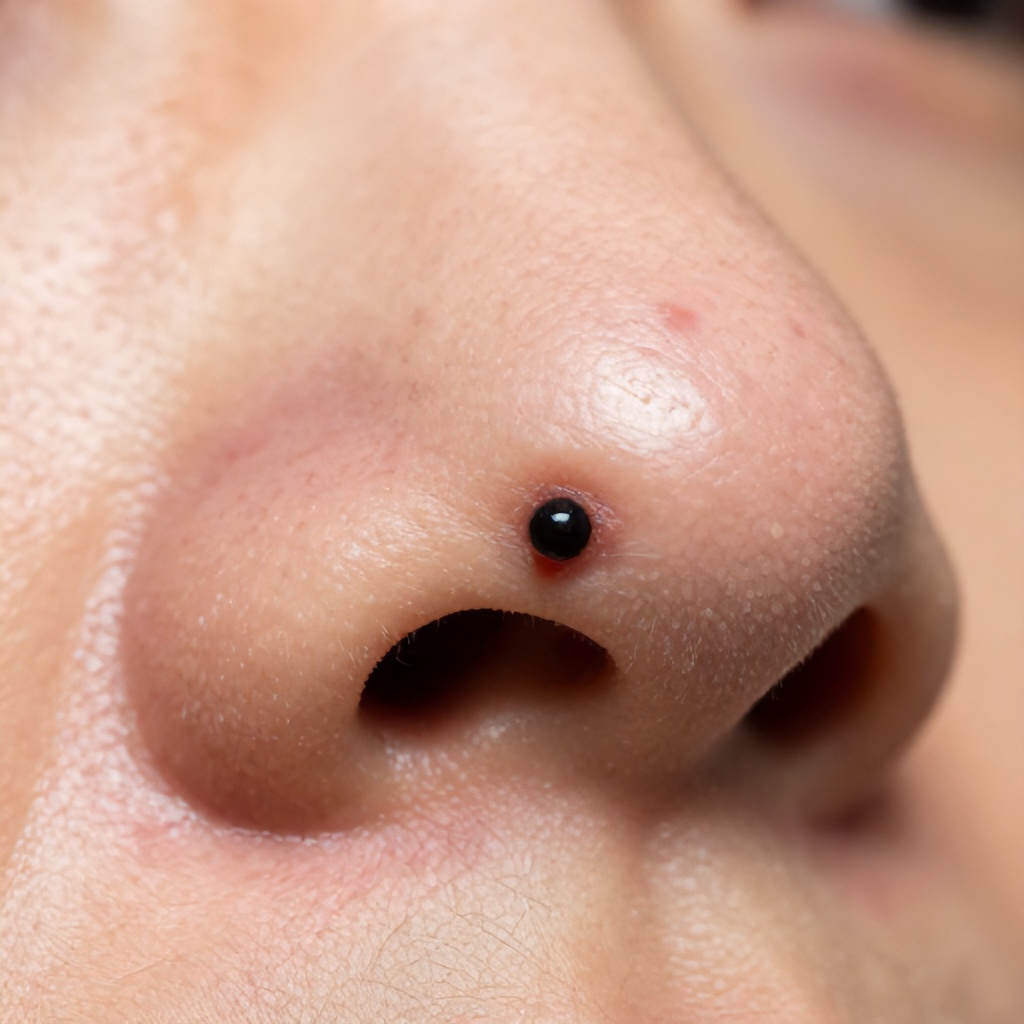
Understanding the Blackhead: A Closer Look at That Dark Pore

Understanding the Blackhead: A Closer Look at That Dark Pore

That prominent blackhead on a textured cheek, framed by fingers, is more than just a fleeting skin imperfection; it’s a visible manifestation of a common dermatological process.

Seeing a close-up of a blackhead on textured cheek skin can be a bit startling, even a little unsettling. The detail is often intense: the dark pore itself, the surrounding reddish skin, perhaps some fine hairs, and the overall unevenness that makes up skin texture. It’s a clinical mood, a focused mood on a very specific skin condition. But what exactly are we looking at? It’s a comedone, a type of blemish that forms when a hair follicle becomes clogged with oil and dead skin cells.

This isn’t a sign of poor hygiene, as is often mistakenly believed. Instead, it’s a natural occurrence for many people, particularly on areas like the facial skin where sebaceous glands are abundant. The “black” appearance isn’t dirt; it’s the result of oxidation. When the plug of sebum and keratin is exposed to air, it undergoes a chemical reaction, turning dark. Think of it like an apple slice turning brown after being cut. This enlarged pore, or dark pore, is a common sight, and understanding its formation is the first step to managing it effectively.

The Science Behind the Blackhead

At its core, a blackhead, or open comedone, is a clogged pore. Your skin is covered in millions of tiny openings called pores, which are the openings of hair follicles. Each follicle contains a sebaceous gland that produces sebum, an oily substance that lubricates your skin and hair. Normally, sebum travels up the follicle and out onto the skin’s surface, keeping things moisturized.

However, sometimes this process goes awry. Several factors can contribute to a clogged pore. Excess sebum production is a primary culprit. Hormonal fluctuations, stress, and even certain medications can signal your sebaceous glands to go into overdrive. Alongside the oil, dead skin cells, which are constantly shedding from your skin’s surface, can also get trapped within the follicle. Instead of sloughing off, these dead cells mix with the sebum.

This mixture forms a plug. If this plug remains closed off from the air, it’s called a whitehead or closed comedone. But when the pore opening is exposed to the atmosphere, the trapped sebum and dead skin cells oxidize. This oxidation process is what gives the blackhead its characteristic dark color. It’s not a collection of dirt, but rather a chemical change within the pore itself. The pore visibility is heightened by this dark plug, making the unevenness of the skin texture more apparent.

Sebaceous filaments are often confused with blackheads. These are naturally occurring structures in pores, appearing as tiny, greyish or yellowish dots. They are essentially a collection of sebum and dead skin cells within the follicle lining, but they are not typically inflamed or a true acne lesion. They are a normal part of skin function, whereas a blackhead is a sign of a clogged pore.

Factors Contributing to Blackheads and Textured Cheeks

The appearance of blackheads is often linked to overall skin texture. Textured cheeks, characterized by a bumpy or uneven surface, can be influenced by a variety of factors, including the size and activity of pores, the accumulation of dead skin cells, and the presence of conditions like acne. The bright lighting often used in close-up photography emphasizes these skin details.

Genetics plays a significant role in pore size and sebum production. If your family members tend to have larger pores or oilier skin, you’re more likely to experience similar issues, including a greater propensity for blackheads and a more pronounced skin texture on your cheeks. Hormonal changes, such as those experienced during puberty, menstruation, pregnancy, or menopause, can dramatically increase sebum production. This surge in oil can lead to more frequent pore blockages.

Lifestyle choices also contribute. A diet high in refined carbohydrates and dairy has been anecdotally linked to increased acne breakouts and oiliness for some individuals. While the scientific consensus is still evolving, it’s a factor many people consider when managing their skin. Environmental factors, like pollution and humidity, can also impact skin health. Pollutants can clog pores, and high humidity can exacerbate oiliness.

Skincare habits are paramount. Using the wrong products can worsen the situation. Heavy, pore-clogging (comedogenic) makeup or skincare ingredients can contribute to blockages. Conversely, harsh scrubbing or over-exfoliation can irritate the skin, leading to inflammation and potentially making existing blemishes and unevenness more noticeable. Fine hairs on the face can also trap oil and debris, contributing to the overall texture and the appearance of clogged pores.

Managing and Preventing Blackheads

Dealing with blackheads and improving overall skin texture requires a consistent and gentle approach. The goal is to keep pores clear and reduce excess oil without stripping the skin or causing irritation. This is where a focused mood on your skincare routine becomes essential.

Cleansing is Key: Start with a gentle cleanser twice a day. Look for cleansers that contain salicylic acid, a beta-hydroxy acid (BHA) that is oil-soluble. This means it can penetrate into the pore and help to break down the oil and dead skin cell plug. Avoid harsh soaps or cleansers that leave your skin feeling tight and dry, as this can actually signal your skin to produce more oil to compensate.

Exfoliation: Regular exfoliation is vital for removing dead skin cells that can contribute to clogged pores. Chemical exfoliants, like salicylic acid or alpha-hydroxy acids (AHAs) such as glycolic or lactic acid, are often more effective and less abrasive than physical scrubs. BHAs are particularly good for blackheads because of their ability to get into the pores. Start with exfoliating 2-3 times a week and adjust based on your skin’s tolerance. Over-exfoliation can lead to redness and increased sensitivity, making the skin condition appear worse.

Targeted Treatments: For stubborn blackheads, consider treatments containing retinoids. These vitamin A derivatives work by increasing cell turnover, preventing dead skin cells from accumulating in the pores, and can also help to regulate sebum production. Over-the-counter retinols are available, but prescription-strength retinoids are also an option under dermatological guidance. These can significantly improve skin texture and reduce pore visibility over time.

Moisturize Wisely: Even oily or acne-prone skin needs moisture. Skipping moisturizer can lead your skin to produce even more oil. Opt for oil-free, non-comedogenic moisturizers that are lightweight and won’t clog your pores. Hyaluronic acid is a great ingredient for hydration without greasiness.

Professional Help: If you’re struggling with persistent blackheads or significant skin texture issues, consulting a dermatologist is highly recommended. They can assess your specific skin condition, identify underlying causes, and recommend professional treatments like chemical peels, microdermabrasion, or prescription medications. They can also provide expert advice on managing enlarged pores and reducing the appearance of blemishes.

What NOT to Do

Seeing a prominent blackhead can be tempting to try and squeeze it. However, this is generally not advisable for several reasons. Forcing out a blackhead can push the contents deeper into the follicle, leading to inflammation, infection, and potentially scarring. This can worsen the skin texture and create new blemishes. The reddish skin around the pore can become more inflamed and noticeable.

Avoid harsh scrubbing or using abrasive tools. While the desire to “clean” the pore is understandable, aggressive physical exfoliation can damage the skin barrier, leading to increased sensitivity, redness, and irritation. This can make the skin appear more textured and imperfect. Similarly, avoid products with high concentrations of alcohol, as these can strip the skin’s natural oils and lead to overproduction.

Over-washing your face is another common mistake. While cleansing is important, washing too frequently can disrupt the skin’s natural balance, leading to dryness and increased oil production. Stick to cleansing twice a day with a gentle, effective product.

Never pick at any skin imperfection. This includes whiteheads, pimples, or even just the textured skin itself. The temptation is strong, but the consequences—inflammation, infection, and scarring—are rarely worth it. Patience and consistent, gentle care are your best allies in achieving clearer, smoother skin.

The Bigger Picture: Skin Health and Appearance

Understanding the dynamics of a blackhead, a dark pore, and textured cheek skin moves beyond just a single blemish. It’s about appreciating the complex ecosystem of your skin. The fine hairs, the sebaceous glands, the constant shedding of cells – all these elements contribute to the overall appearance and health of your facial skin. The focused mood of examining these skin details allows for a deeper appreciation of dermatological science.

A prominent blackhead, while a minor skin imperfection, can be a gateway to understanding how to care for your skin more effectively. It highlights the importance of keeping pores clear, managing oil production, and maintaining a healthy skin barrier. The clinical mood of a close-up view can actually foster a more informed and proactive approach to skincare. It’s not about achieving flawless skin, which is largely a myth, but about nurturing healthy skin that looks and feels its best.

The journey to managing skin texture and blemishes is often a marathon, not a sprint. It requires consistency, patience, and a willingness to learn what works best for your unique skin type. By understanding the formation of common issues like blackheads and adopting a mindful skincare routine, you can significantly improve the appearance and health of your skin, reducing the visibility of enlarged pores and achieving a smoother, more even complexion.

Exit mobile version