Tackling facial blackheads and minimizing the appearance of enlarged pores at home is entirely achievable with consistent, gentle skincare practices and a few well-chosen natural remedies that support overall skin health.

Understanding Blackheads and Pores
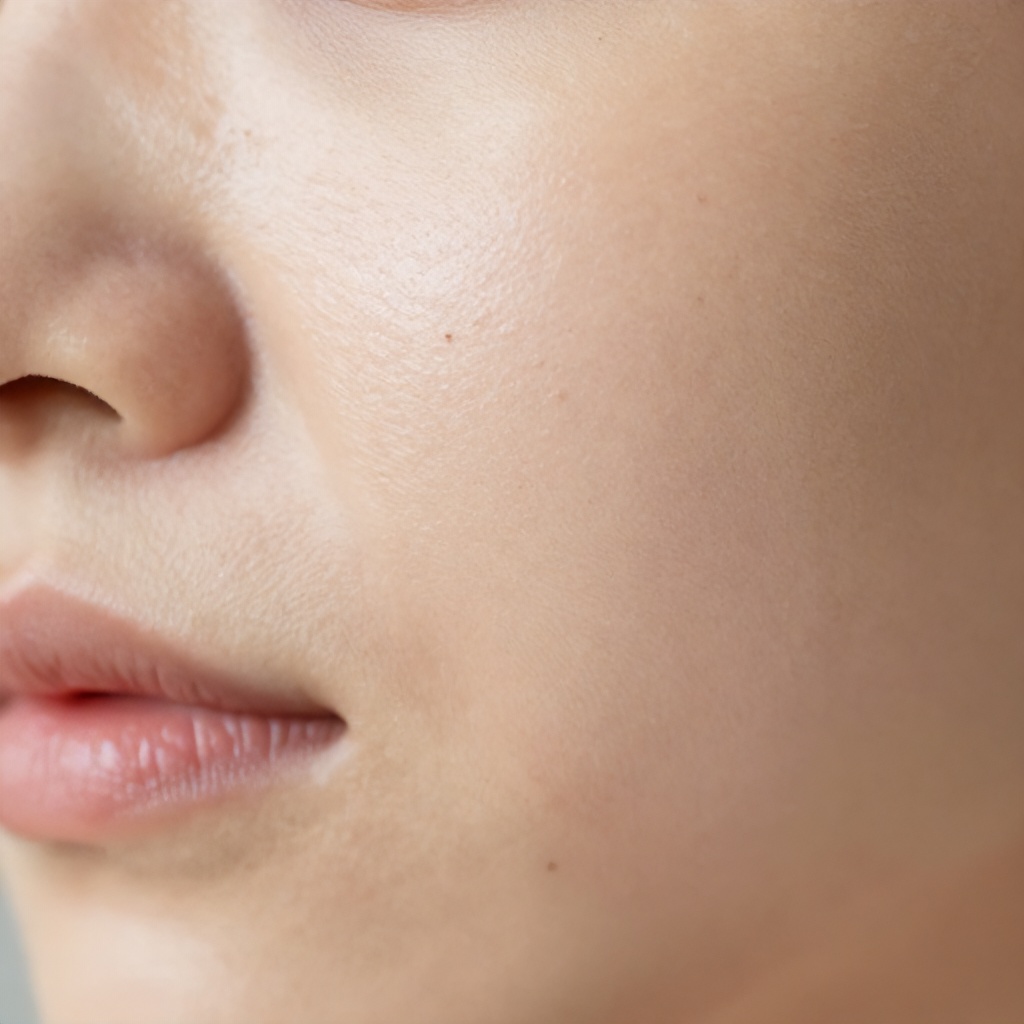
Before we dive into solutions, it helps to understand what we’re dealing with. Blackheads, medically known as open comedones, are a common type of acne lesion. They form when hair follicles on your skin become clogged with dead skin cells and excess sebum, which is your skin’s natural oil. Unlike whiteheads, blackheads have an open surface, exposing the trapped mixture to air. This exposure causes oxidation, turning the plug a dark, almost black color – hence the name. They are not dirt, so scrubbing harder won’t make them disappear; in fact, it can irritate your skin further.
Pores, on the other hand, are tiny openings on the surface of your skin that allow sweat and sebum to reach the surface. Everyone has pores. Their size is largely determined by genetics, but they can appear larger due to several factors. Clogged pores, accumulation of dead skin cells, sun damage, and a decrease in skin elasticity over time can all make pores seem more prominent. While you can’t permanently shrink pores, you can certainly minimize their appearance and improve overall skin texture through effective skincare.
Foundational Skincare for Clearer Skin
Any effective blackhead removal or pore minimization strategy starts with a solid, consistent skincare routine. These foundational steps are crucial for maintaining skin health and preventing future issues.
Gentle Cleansing
Washing your face twice a day – once in the morning and once before bed – is non-negotiable. Use a mild, pH-balanced cleanser that won’t strip your skin of its natural oils. Over-cleansing or using harsh products can actually trigger your skin to produce more oil, exacerbating blackhead formation. Focus on a gentle touch, using your fingertips to massage the cleanser onto your face in circular diagrams, then rinse thoroughly with lukewarm water. This helps keep the skin clean without causing irritation.
Exfoliation is Key
Exfoliation helps remove dead skin cells that can clog pores and contribute to blackheads. There are two main types: physical and chemical.
- Physical Exfoliation: This involves using a scrub with fine particles or a soft brush to manually slough off dead skin. When choosing a scrub, opt for one with very fine, smooth particles to avoid micro-tears in your skin. Overly harsh scrubs can do more harm than good. Limit physical exfoliation to 1-2 times a week.
- Chemical Exfoliation: This uses acids to dissolve the bonds between dead skin cells, allowing them to shed more easily. Alpha Hydroxy Acids (AHAs) like glycolic or lactic acid are great for surface exfoliation, improving skin texture. Beta Hydroxy Acids (BHAs) like salicylic acid are oil-soluble, meaning they can penetrate into the pore lining to dissolve sebum and dead skin cells, making them particularly effective for blackhead removal and minimizing pores. Look for cleansers, toners, or serums containing salicylic acid and use them as directed, usually a few times a week.
Moisturize Regularly
Even oily or acne-prone skin needs moisture. Dehydrated skin can produce more oil to compensate, leading to more clogged pores. Choose a lightweight, non-comedogenic moisturizer that won’t block your pores. Apply it after cleansing and any treatment steps to keep your skin hydrated and support its natural barrier function.
Sun Protection
Sun exposure can damage collagen, which supports the structure around your pores, making them appear larger. It can also contribute to hyperpigmentation and overall skin damage. Always apply a broad-spectrum sunscreen with at least SPF 30 every morning, even on cloudy days. This protects your skin and helps maintain a smoother appearance.
Effective Home Remedies for Blackhead Removal
With a solid foundation in place, you can incorporate targeted home remedies to address facial blackheads and improve your skin’s appearance. Remember to always patch test any new remedy on a small, inconspicuous area of your skin before applying it all over your face, especially if you have sensitive skin.
Clay Masks
Clay masks are fantastic for drawing out impurities and excess oil from the skin. Bentonite clay and kaolin clay are popular choices. They work by absorbing toxins and sebum, helping to deeply cleanse the pores. This treatment method can significantly improve skin clean and reduce the appearance of blackheads.
- Mix 1 tablespoon of clay powder with enough water or apple cider vinegar to form a smooth topical paste.
- Apply the paste evenly to your clean face, focusing on areas with blackheads.
- Let it sit for 10-15 minutes, or until it dries.
- Rinse thoroughly with lukewarm water.
- Use 1-2 times a week.
Oatmeal Scrub
Oatmeal is a gentle yet effective physical exfoliant. It’s soothing and anti-inflammatory, making it suitable for most skin types. This can help gently dislodge the trapped material in blackheads and refine skin texture.
- Grind 2 tablespoons of plain, uncooked oats into a fine powder.
- Mix with enough water, milk, or plain yogurt to create a thick paste.
- Gently massage the paste onto your damp face in circular motions for 1-2 minutes.
- Leave on for another 5-10 minutes as a mask.
- Rinse off with lukewarm water.
- Use 1-2 times a week.
Honey and Lemon Mask
Honey is a natural antibacterial and humectant, meaning it draws moisture to the skin. Lemon juice contains alpha hydroxy acids and acts as a natural astringent, helping to tighten pores and brighten the skin. This combination can be a great treatment for blackheads and overall skin health.
- Mix 1 tablespoon of raw honey with 1 teaspoon of fresh lemon juice.
- Apply the mixture to your face, avoiding the eye area.
- Leave it on for 15-20 minutes.
- Rinse with lukewarm water.
- Use 2-3 times a week. (Note: Lemon juice can increase sun sensitivity, so always apply sunscreen afterward.)
Egg White Mask
Egg whites can temporarily tighten the skin and absorb excess oil, which can help pull out blackheads and make pores appear smaller. This is a classic beauty tip for a quick refresh.
- Separate one egg white from the yolk.
- Whisk the egg white lightly until it’s frothy.
- Apply a thin layer to your clean face.
- Place a thin piece of tissue paper or toilet paper over the wet egg white, pressing it gently onto your skin.
- Apply another layer of egg white over the tissue.
- Let it dry completely (about 15-20 minutes). You’ll feel a tightening sensation.
- Gently peel off the mask, then rinse your face with lukewarm water.
- Use once a week.
Apple Cider Vinegar Toner
Apple cider vinegar (ACV) is a natural astringent that can help balance skin pH, reduce oiliness, and mildly exfoliate. Its acidic nature can help break down the bonds that hold dead skin cells together, contributing to the removal of facial blackheads and refining skin texture.
- Dilute raw, unfiltered apple cider vinegar with water in a 1:3 ratio (1 part ACV to 3 parts water).
- After cleansing, soak a cotton pad with the diluted solution.
- Gently wipe your skin with the cotton pad, focusing on areas with blackheads and enlarged pores.
- Let it air dry, then follow with your moisturizer.
- Use once a day or every other day, depending on your skin’s tolerance.
Green Tea Compress
Green tea is packed with antioxidants and anti-inflammatory compounds. Applying it topically can help reduce inflammation, fight bacteria, and potentially shrink the appearance of pores by tightening the skin. This is a soothing treatment method for overall skin health.
- Brew a cup of strong green tea and let it cool completely.
- Soak a clean cotton pad or a soft cloth in the cooled tea.
- Apply the compress to your face for 10-15 minutes.
- Rinse with cool water.
- Use daily for best results.
Home Remedies for Minimizing Pore Appearance
While blackhead removal often leads to pores appearing smaller, some remedies specifically target the temporary tightening effect that makes pores less noticeable.
Ice Cubes
This is a quick and easy trick to temporarily tighten skin and reduce the appearance of enlarged pores. The cold constricts blood vessels and can make pores look smaller almost instantly.
- Wrap an ice cube in a thin cloth or paper towel.
- Gently glide it over your clean face for 15-30 seconds, focusing on areas with larger pores.
- Do this after cleansing and before applying other skincare products.
Aloe Vera
Aloe vera is known for its soothing, hydrating, and healing properties. It can help tighten pores, improve skin elasticity, and reduce inflammation, contributing to a smoother skin texture and appearance.
- Apply a thin layer of pure aloe vera gel to your face after cleansing.
- Leave it on for 15-20 minutes, or even overnight.
- Rinse with cool water if desired, or leave it as a light moisturizer.
- Use daily.
Witch Hazel
Witch hazel is a natural astringent that can help remove excess oil, reduce inflammation, and temporarily tighten pores. It is often found in toners and can be a beneficial addition to your skincare for cosmetic concerns.
- After cleansing, apply a small amount of alcohol-free witch hazel to a cotton pad.
- Gently wipe your skin with the cotton pad.
- Follow with your regular moisturizer.
- Use once or twice daily.
Facial Steaming
Steaming your face helps to open up pores, making it easier for blackheads to be gently extracted or for masks to work more effectively. It softens the skin and loosens the hardened sebum within the pores, preparing the skin for deeper cleaning. This isn’t a direct pore minimizer, but it’s a useful step in the removal process.
- Fill a bowl with hot (but not boiling) water.
- Drape a towel over your head, creating a tent over the bowl.
- Position your face 8-12 inches above the water, keeping your eyes closed.
- Steam your face for 5-10 minutes.
- After steaming, gently cleanse your face or apply a clay mask for enhanced blackhead removal.
Important Considerations for Long-Term Skin Health
Achieving clear skin and minimized pores isn’t just about applying remedies; it’s about adopting healthy habits and understanding when to seek professional help.
Consistency is Key
Home remedies and skincare routines require patience and consistency. You won’t see dramatic results overnight. Stick with your chosen methods for several weeks to truly evaluate their effectiveness. Regular application, like using a topical paste or wiping skin with a cotton pad daily, makes a difference.
Diet and Hydration
What you put into your body can reflect on your skin. A balanced diet rich in fruits, vegetables, and whole grains, along with adequate water intake, supports healthy skin from the inside out. Staying hydrated helps maintain skin elasticity and overall skin health. Limiting processed foods, excessive sugar, and dairy might also benefit some individuals.
Avoid Picking and Squeezing
Resist the urge to pick, squeeze, or manually extract blackheads, especially without proper tools and technique. This can push bacteria deeper into the skin, lead to inflammation, scarring, and even more prominent pores. Leave extractions to a professional dermatologist or esthetician if you feel they are necessary. Magnified views of skin show how delicate the pore structure is, and improper handling can cause lasting damage.
Patch Testing
Always, always patch test any new product or home remedy on a small, inconspicuous area of your skin (like behind your ear or on your inner arm) before applying it to your entire face. Wait 24-48 hours to check for any adverse reactions like redness, itching, or irritation. This is a critical step, especially for those with sensitive skin or cosmetic concerns.
When to See a Professional
While home remedies are effective for many, some blackheads or pore issues might require professional intervention. If your blackheads are persistent, widespread, or accompanied by other forms of acne (like cysts or nodules), consulting a dermatologist is a wise step. They can offer stronger topical treatments, prescription medications, or in-office procedures like chemical peels or microdermabrasion, providing a more targeted treatment method for severe cases. A dermatologist can provide an informational graphic or close-up images to explain your specific skin condition and the best course of action for blackhead removal and minimizing pores.