
Achieving clear, glowing skin and preventing breakouts isn’t about chasing fleeting trends or relying on expensive potions; it hinges on understanding fundamental skincare principles and consistently applying them while consciously avoiding common pitfalls that can undermine your efforts. Your skin, the body’s largest organ, thrives on thoughtful care, responding positively to gentle treatment, targeted ingredients, and supportive lifestyle choices, all of which contribute to a healthy, resilient complexion.

The Foundation: Cleansing
Do: Cleanse Gently, Twice Daily
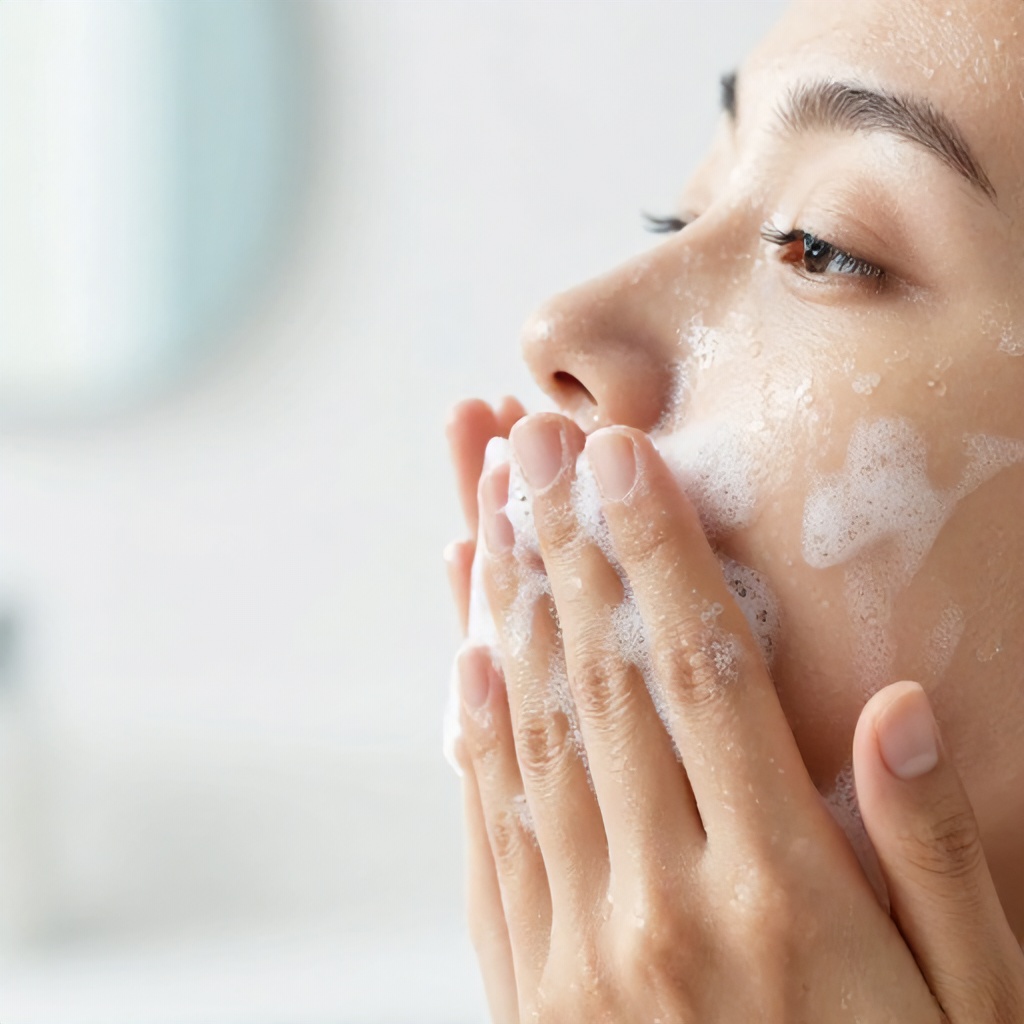
Proper cleansing is the cornerstone of any effective skincare routine, serving as the essential first step to remove impurities that accumulate on your skin throughout the day and night. In the morning, a gentle cleanse helps to wash away any overnight buildup, excess oil, and residual product from your evening routine, preparing your skin for the day’s treatments. In the evening, it becomes even more critical, effectively sweeping away makeup, dirt, pollution particles, and sebum that have settled on your skin, which, if left undisturbed, can clog pores and lead to breakouts.
Opt for a mild, pH-balanced cleanser that doesn’t strip your skin of its natural oils. Look for formulas free from harsh sulfates, which can be overly drying and compromise your skin’s delicate barrier. Use lukewarm water, never hot, as excessively hot water can dehydrate and irritate the skin. Apply the cleanser with your fingertips, using gentle, circular motions for about 60 seconds, ensuring you cover your entire face, neck, and décolletage. Rinse thoroughly until all traces of the product are gone, then pat your skin dry with a clean, soft towel.
Don’t: Over-Cleanse or Use Harsh Soaps
While cleansing is vital, there’s a fine line between clean and stripped. Over-cleansing, whether by washing too frequently or using aggressive, high-foaming cleansers, can severely disrupt your skin’s natural protective barrier. This barrier is crucial for locking in moisture and defending against environmental aggressors. When it’s compromised, your skin becomes vulnerable to dryness, irritation, redness, and increased sensitivity.
Harsh bar soaps, particularly those not specifically formulated for the face, often have an alkaline pH that clashes with the skin’s naturally acidic mantle, leading to an imbalance. This can trigger a rebound effect, where your skin, feeling overly dry and tight, compensates by producing even more oil, ironically worsening breakouts for those prone to them. Avoid abrasive scrubbing or using washcloths that are too rough; gentle is always the key to maintaining a healthy, balanced complexion.
Do: Remove Makeup Thoroughly Every Night
Leaving makeup on overnight is one of the most detrimental habits for your skin, creating a perfect storm for clogged pores, inflammation, and potential breakouts. Foundation, concealer, and even mineral makeup can mix with your skin’s natural oils and dead skin cells, forming a suffocating layer that prevents your skin from breathing and undergoing its natural repair processes.
This trapped debris creates an ideal breeding ground for bacteria, leading to pustules and papules. Furthermore, eye makeup, if not removed, can cause irritation, infections, and even damage to delicate lashes. Consider a double-cleansing method: start with an oil-based cleanser or micellar water to dissolve makeup, sunscreen, and surface impurities, then follow with a water-based gentle cleanser to deep-cleanse your pores. This ensures a truly clean canvas, allowing your skin to regenerate and absorb subsequent treatments effectively.
Treating and Protecting: Serums, Moisturizers, and SPF
Do: Incorporate Targeted Serums
Serums are potent formulations designed to deliver a concentrated dose of active ingredients directly to your skin, addressing specific concerns with precision. Their lightweight textures allow them to penetrate deeply, making them incredibly effective tools in your skincare arsenal. Integrating the right serum can significantly boost your skin’s health and appearance, targeting issues from dullness and dehydration to fine lines and breakouts.
For brightness and antioxidant protection, a Vitamin C serum is an excellent choice; it helps to even skin tone, reduce hyperpigmentation, and stimulate collagen production, imparting a vibrant glow. If hydration is your primary goal, a hyaluronic acid serum draws moisture into the skin, plumping it up and diminishing the appearance of fine lines. Niacinamide (Vitamin B3) is a versatile ingredient that can minimize the appearance of pores, reduce redness, improve skin barrier function, and regulate oil production, making it suitable for a wide range of skin types, including those prone to acne. For breakout prevention and exfoliation within the pores, a salicylic acid (BHA) serum can be incredibly beneficial. Apply serums after cleansing and toning, before your moisturizer, allowing each layer to absorb fully.
Do: Moisturize, Even if Oily
A common misconception, especially among those with oily or acne-prone skin, is that moisturizing is unnecessary or even counterproductive. This couldn’t be further from the truth. Every skin type, regardless of its oil production, requires hydration to maintain a healthy skin barrier and optimal function. When oily skin is deprived of moisture, it can actually go into overdrive, producing even more oil to compensate for the perceived dryness, leading to a vicious cycle of oiliness and breakouts.
A good moisturizer helps to seal in hydration, protect the skin from environmental stressors, and keep its barrier intact. For oily or combination skin, opt for lightweight, non-comedogenic gel or lotion formulas that won’t clog pores. Look for ingredients like hyaluronic acid, glycerin, and ceramides, which provide essential hydration and barrier support without feeling heavy or greasy. Apply your moisturizer to slightly damp skin to help lock in moisture more effectively, ensuring your skin remains supple, comfortable, and balanced throughout the day.
Don’t: Skip Sun Protection, Rain or Shine
Daily sun protection is arguably the single most important step in any skincare routine, yet it’s often overlooked. Ultraviolet (UV) radiation from the sun is a primary culprit behind premature skin aging, manifesting as fine lines, wrinkles, sunspots, and loss of elasticity. Beyond cosmetic concerns, UV exposure significantly increases the risk of skin cancer, including melanoma.
For those struggling with breakouts, sun exposure can worsen post-inflammatory hyperpigmentation (PIH), the dark spots left behind after a pimple heals, making them darker and more persistent. Make it a non-negotiable habit to apply a broad-spectrum sunscreen with an SPF of 30 or higher every single morning, regardless of the weather or whether you plan to be indoors. Reapply every two hours if you’re outdoors, swimming, or sweating. Sunscreen acts as an invisible shield, safeguarding your skin’s health and preserving its youthful appearance.
Do: Exfoliate Regularly but Gently
Exfoliation is a vital process that helps to remove dead skin cells from the surface of your skin, revealing the fresher, brighter skin underneath. This process is crucial for preventing clogged pores, which are a primary cause of breakouts, and for improving overall skin texture and radiance. As we age, our natural cell turnover process slows down, making regular exfoliation even more important to maintain a clear and glowing complexion.
There are two main types of exfoliation: chemical and physical. Chemical exfoliants, such as AHAs (alpha hydroxy acids like glycolic or lactic acid) and BHAs (beta hydroxy acids like salicylic acid), work by dissolving the bonds between dead skin cells, allowing them to slough off gently. AHAs are excellent for surface exfoliation and improving brightness, while BHAs are oil-soluble and can penetrate into pores, making them ideal for oily and acne-prone skin. Physical exfoliants, like very fine-grained scrubs, manually buff away dead cells. The key is to choose a method and frequency (typically 1-3 times a week, depending on your skin type and product strength) that suits your skin, prioritizing gentleness to avoid irritation.
Don’t: Over-Exfoliate or Use Harsh Physical Scrubs
While exfoliation is beneficial, there’s a critical point where more becomes detrimental. Over-exfoliating, whether through excessive use of strong chemical exfoliants or abrasive physical scrubs, can severely damage your skin’s protective barrier. This can lead to a host of problems, including heightened sensitivity, redness, stinging, dryness, and even increased breakouts as your skin struggles to defend itself.
Harsh physical scrubs containing large, irregularly shaped particles like crushed fruit pits or walnut shells can create microscopic tears in the skin, compromising its integrity and making it more susceptible to irritation and infection. Signs of over-exfoliation include a tight, shiny appearance, persistent redness, increased sensitivity to other products, and a sudden onset of new breakouts. If you notice these symptoms, scale back your exfoliation frequency or switch to a gentler product. Listen to your skin; it will tell you when you’re doing too much.
Lifestyle Habits for Healthy Skin
Do: Stay Hydrated from Within
The health of your skin is a direct reflection of your overall bodily health, and proper hydration plays a fundamental role in both. Drinking an adequate amount of water throughout the day is essential for all bodily functions, including maintaining the skin’s elasticity, plumpness, and overall vitality. When you’re well-hydrated, your skin cells are better able to perform their functions, including detoxification and nutrient absorption.
Dehydrated skin can appear dull, feel tight, and emphasize fine lines, making it less resilient to environmental stressors. While topical moisturizers are crucial for external hydration, internal hydration supports skin health at a cellular level. Aim to drink plenty of water throughout the day, and consider incorporating hydrating foods like fruits and vegetables into your diet. This simple habit contributes significantly to a clear, supple, and naturally glowing complexion.
Do: Prioritize Quality Sleep
The concept of “beauty sleep” is far from a myth; it’s a scientifically supported pillar of healthy skin. During sleep, your body enters a repair and regeneration mode, and your skin is no exception. This is when skin cell turnover accelerates, collagen production is boosted, and damage from the day’s environmental exposure is repaired. Adequate sleep allows your skin to recover, leading to a fresher, more revitalized appearance.
Conversely, chronic sleep deprivation elevates cortisol levels, the body’s primary stress hormone. Increased cortisol can trigger inflammation throughout the body, including the skin, leading to increased oil production, clogged pores, and more frequent breakouts. Aim for 7-9 hours of quality sleep each night to give your skin the essential time it needs to heal, rejuvenate, and maintain its natural balance, contributing significantly to a clearer, more radiant complexion.
Don’t: Touch Your Face Constantly
It’s an unconscious habit for many, but constantly touching your face throughout the day is a major culprit behind clogged pores and breakouts. Your hands come into contact with countless surfaces – doorknobs, keyboards, phones, money – accumulating bacteria, dirt, and oil. Every time you rest your chin on your hand, rub your eyes, or absentmindedly pick at your skin, you’re transferring these impurities directly to your delicate facial skin.
This transfer introduces foreign bacteria that can exacerbate existing blemishes or trigger new ones, especially in areas you frequently touch. Be mindful of this habit and make a conscious effort to keep your hands away from your face. If you must touch your face, ensure your hands are clean. This simple behavioral change can significantly reduce the incidence of irritation and breakouts, allowing your skin to heal and stay clearer.
Do: Clean Your Skincare Tools and Pillowcases
Your skincare tools and bedding, while seemingly innocuous, can harbor an alarming amount of bacteria, dead skin cells, and residual product if not cleaned regularly. Makeup brushes, sponges, and even your facial cleansing devices accumulate oil, makeup, and environmental debris with each use. Using dirty tools reintroduces these impurities back onto your clean skin, potentially clogging pores and leading to breakouts or infections.
Similarly, your pillowcase collects sweat, oil, dead skin cells, and hair product residue from your hair and face every night. Sleeping on a dirty pillowcase repeatedly exposes your skin to this buildup, which can irritate sensitive skin and contribute to acne, particularly along the jawline and temples. Make it a habit to wash your makeup brushes and sponges at least weekly with a gentle cleanser and change your pillowcase every few days. This simple hygiene practice creates a cleaner environment for your skin to thrive.
Do: Manage Stress Effectively
The connection between stress and skin health is undeniable, often manifesting as increased breakouts, eczema flare-ups, or general dullness. When you experience stress, your body releases hormones like cortisol, which can stimulate your sebaceous glands to produce more oil. This excess oil, combined with dead skin cells, creates a prime environment for clogged pores and the proliferation of acne-causing bacteria.
Moreover, stress can impair your skin’s barrier function, making it more susceptible to inflammation and irritation. While eliminating stress entirely might be unrealistic, developing effective coping mechanisms can significantly benefit your complexion. Incorporate stress-reducing activities into your daily routine, such as meditation, yoga, regular exercise, spending time in nature, or pursuing hobbies you enjoy. Prioritizing mental well-being is a powerful, often overlooked, strategy for achieving and maintaining clear, glowing skin.
Don’t: Pick or Pop Pimples
The urge to pick or pop a pimple can be incredibly strong, but it’s one of the most damaging actions you can take for your skin. When you squeeze or pick at a blemish, you risk pushing bacteria deeper into the pore, rupturing the follicle wall, and spreading inflammation to surrounding tissue. This not only makes the current breakout worse and prolongs its healing time but also significantly increases the likelihood of developing post-inflammatory hyperpigmentation (dark spots) and, even more concerning, permanent textural scarring.
Picking can also introduce new bacteria from your fingers, leading to secondary infections. Instead of picking, treat active breakouts with targeted spot treatments containing ingredients like salicylic acid or benzoyl peroxide, which help to reduce inflammation and kill bacteria. Hydrocolloid patches are also excellent for absorbing fluid and protecting the blemish from external contaminants, promoting faster, cleaner healing without the risk of scarring. Patience and gentle treatment are far more effective than aggressive manipulation.
What to Avoid: Common Skincare Mistakes
Don’t: Introduce Too Many New Products at Once
It’s tempting to try several new products simultaneously, especially when you’re eager to see rapid improvements in your skin. However, this approach is a common pitfall that can lead to confusion and frustration. If you introduce multiple new serums, cleansers, or moisturizers all at once and your skin reacts negatively – with redness, irritation, or new breakouts – it becomes nearly impossible to pinpoint which specific product is the culprit.
This makes it difficult to adjust your routine effectively or identify ingredients that your skin dislikes. Instead, adopt a “one in, one out” or gradual introduction strategy. Introduce one new product at a time, allowing your skin at least two to four weeks to adjust and show its true reaction before adding another. This methodical approach helps you understand what truly works for your skin and what doesn’t, saving you time, money, and potential skin distress.
Don’t: Expect Instant Results
The beauty industry often promotes rapid transformations, leading to unrealistic expectations about how quickly skincare products should deliver results. The truth is, achieving significant and lasting improvements in your skin takes time, consistency, and patience. Skin cell turnover, the natural process by which new skin cells replace old ones, typically takes about 28 days for adults, and this process slows down with age.
Active ingredients need time to penetrate, interact with your skin’s biology, and initiate changes at a cellular level. For concerns like acne, hyperpigmentation, or fine lines, it can take anywhere from 4 to 12 weeks, or even longer, of consistent use before you start to see noticeable improvements. Jumping from product to product too quickly because you don’t see immediate results often means you’re abandoning effective treatments before they’ve had a chance to work. Stick with a well-chosen routine for at least a few months before evaluating its efficacy.
Don’t: Use Products Past Their Expiry Date
Just like food, skincare products have a shelf life, and using them past their expiry date can be detrimental to your skin’s health. Over time, the active ingredients in formulations can degrade, losing their potency and effectiveness. This means that expensive vitamin C serum or retinol treatment might no longer be delivering the benefits you expect, essentially rendering it useless.
Even more concerning, preservatives in skincare products can break down over time, making them less effective at inhibiting bacterial and fungal growth. This increases the risk of contamination, especially for products that are frequently exposed to air or fingers. Applying contaminated products to your face can lead to irritation, infections, and breakouts. Always check the “period after opening” (PAO) symbol, typically a small jar icon with a number followed by ‘M’ (e.g., 12M for 12 months), and discard products once they’ve reached their limit.
Don’t: Neglect Your Neck and Chest
Many people meticulously care for their facial skin but abruptly stop their routine at the jawline, completely neglecting the neck and décolletage. These areas are just as exposed to environmental aggressors like UV radiation and pollution as your face, and they are often among the first places to show visible signs of aging, such as fine lines, wrinkles, sunspots, and loss of elasticity. The skin on the neck and chest is often thinner and more delicate, making it particularly vulnerable to damage.
To maintain a cohesive and youthful appearance, it’s crucial to extend your full skincare routine to these areas. This means cleansing, applying serums, moisturizing, and most importantly, applying broad-spectrum SPF to your neck and upper chest every single day. Treating these areas with the same diligence as your face ensures that your entire décolletage remains as clear, smooth, and protected as your facial skin, preventing an uneven appearance as you age.
Don’t: Forget to Patch Test New Products
Introducing a new skincare product, especially one with potent active ingredients, always carries a small risk of irritation or an allergic reaction. Skipping a patch test is a common mistake that can lead to widespread redness, itching, or breakouts across your entire face, causing significant discomfort and setting back your skin health goals. Everyone’s skin is unique, and what works wonderfully for one person might not be suitable for another.
A patch test is a simple, yet incredibly effective, preventative measure. Before applying a new product to your entire face, apply a small amount to an inconspicuous area of skin, such as behind your ear, on your jawline, or on the inner forearm. Observe the area for 24 to 48 hours for any signs of redness, itching, burning, or swelling. If no adverse reaction occurs, it’s generally safe to proceed with using the product on your face. This cautious approach helps you identify potential irritants before they cause widespread issues, protecting your skin and your peace of mind.