Scientific Explanation of Acne Stages, Types, and Progression

Acne is a common skin condition rooted in how our skin functions, specifically within the tiny structures called follicular units, which include our hair follicles and sebaceous glands. Understanding the biological progression of acne, from a healthy pore to various skin lesions, helps clarify why certain treatments work and how to better care for your skin.

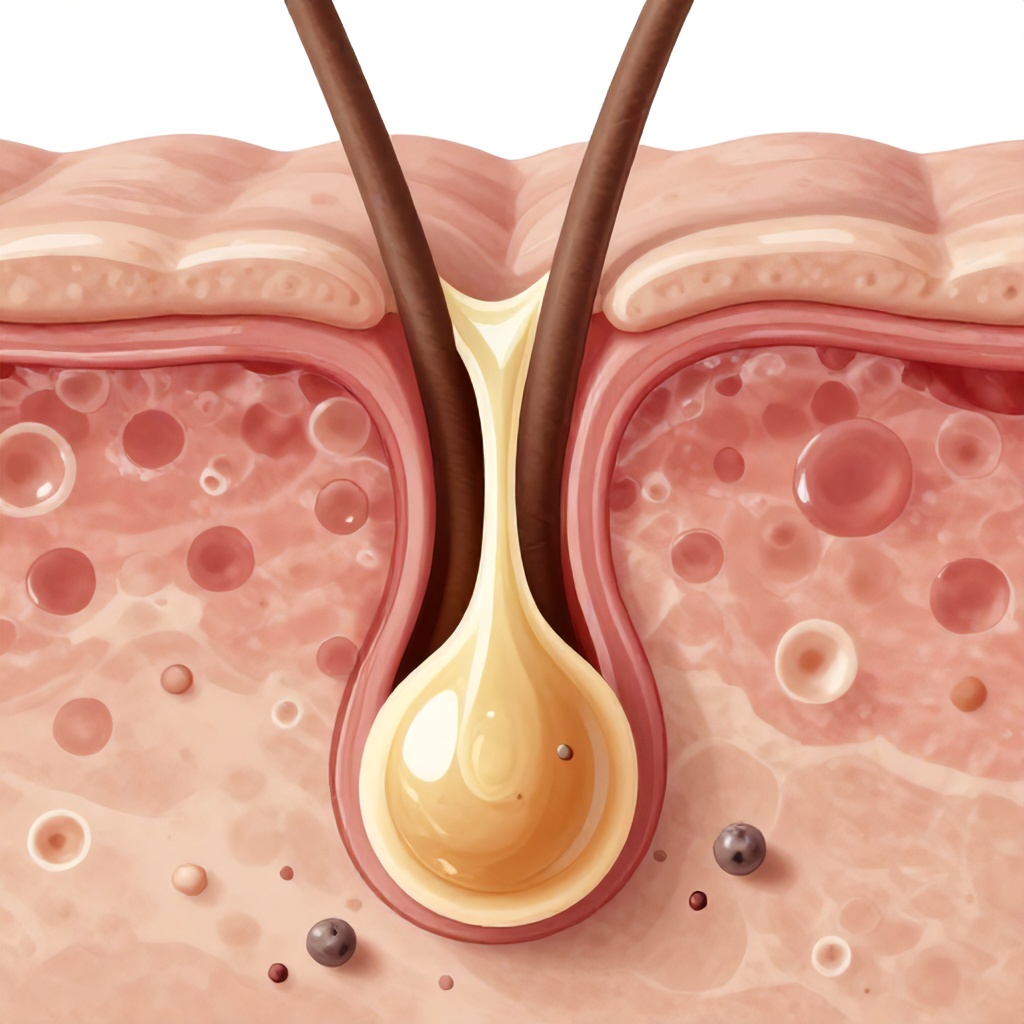
Understanding Healthy Skin: The Foundation

Before we look at acne, it helps to understand what healthy skin looks like on a microscopic level. Your skin, the body’s largest organ, is a complex barrier made of several layers. The outermost layer is the epidermis, which protects you from the environment. Beneath that is the dermis, containing connective tissue, blood vessels, nerves, and crucially for our discussion, hair follicles and sebaceous glands.

Each hair follicle is a tiny tunnel in your skin from which hair grows. Attached to almost every hair follicle is a sebaceous gland, which produces an oily substance called sebum. Sebum is essential for keeping your skin and hair moisturized and protected. In a healthy pore, sebum flows freely up the hair follicle and onto the skin’s surface, carrying dead skin cells along with it without any issues.

The Follicular Unit and Sebum Production

The follicular unit is the core player in acne development. It’s a mini-ecosystem consisting of the hair follicle, the sebaceous gland, and the hair shaft itself. When this system is working optimally, it contributes to overall skin health. The sebaceous gland produces sebum at a balanced rate, and the lining of the pore sheds dead skin cells efficiently, preventing blockages.

The Beginnings of Acne: Non-Inflammatory Lesions

Acne often starts subtly, with what are known as non-inflammatory lesions. These are blockages in the pore that haven’t yet caused significant redness or swelling. They are the initial signs of acne stages and are often referred to collectively as comedones.

Comedones: The Initial Blockage

A comedone is essentially a clogged hair follicle. This blockage happens when dead skin cells, instead of shedding normally, mix with sebum and clump together inside the pore. This mixture creates a plug that prevents sebum from flowing out freely. This is the fundamental step in acne progression.

Whiteheads (Closed Comedones)

Whiteheads are small, flesh-colored or whitish bumps that appear on the skin. They are called “closed” comedones because the pore opening is blocked by a thin layer of skin cells. This means the trapped sebum and dead skin cells are not exposed to the air. Because they are closed off, the material inside remains soft and white, giving them their characteristic appearance. They are typically small and often don’t cause much discomfort, but they represent a significant step in the pathophysiology of acne.

Blackheads (Open Comedones)

Blackheads are small, dark spots that appear on the skin. Unlike whiteheads, the pore opening for a blackhead remains open, allowing the trapped sebum and dead skin cells to be exposed to air. The dark color isn’t dirt; it’s actually due to oxidation. When the sebum and cellular debris inside the pore react with oxygen in the air, they turn dark, much like how a cut apple turns brown. This exposure also makes them “open” comedones. Both whiteheads and blackheads are common forms of non-inflammatory acne and are crucial to recognize in any dermatological illustration of acne.

When Things Get Inflamed: Inflammatory Acne

When non-inflammatory comedones become irritated or infected, they progress to inflammatory acne. This stage involves the immune system responding to bacteria and rupture within the follicular unit, leading to redness, swelling, and pain. This marks a more advanced biological progression of acne.

The Role of Bacteria and Inflammation

Our skin naturally hosts various bacteria, including Cutibacterium acnes (formerly known as Propionibacterium acnes), or C. acnes. In a healthy pore, these bacteria exist in balance. However, when a pore becomes clogged with sebum and dead skin cells, it creates an oxygen-deprived environment that C. acnes bacteria love. They multiply rapidly, breaking down sebum into irritating fatty acids. This process, combined with pressure from the expanding plug, can cause the wall of the hair follicle to rupture. When this happens, the contents—sebum, dead skin cells, and bacteria—spill into the surrounding skin tissue, triggering an immune response. This response is what we see as inflammation: redness, swelling, and pain.

Papules: Small, Red Bumps

Papules are small, solid, red, and often tender bumps that don’t have a visible pus head. They form when the wall of a hair follicle breaks, and the body’s immune system sends inflammatory cells to the area to fight off the bacteria and clean up the debris. This causes localized inflammation and swelling, resulting in the characteristic red bump. Papules are a clear sign of inflammatory acne and represent a further step in the acne progression from simple comedones.

Pustules: Pus-Filled Lesions

Pustules are similar to papules but contain a visible collection of yellowish-white pus at their center. This pus is a mixture of dead white blood cells, bacteria, and tissue fluid, which the body has sent to fight the infection. Pustules are typically red and tender at their base, with a distinct white or yellow head. They are a common type of inflammatory acne lesion and are easily identifiable in a human skin cross-section diagram showing acne.

Nodules: Deep, Painful Lumps

Nodules are larger, solid, painful lumps that develop deep beneath the skin’s surface. They occur when the follicular wall ruptures deep within the dermis, causing a more extensive and severe inflammatory response. Unlike papules and pustules, nodules do not typically come to a head and can persist for weeks or even months. They are a more severe form of inflammatory acne and can be quite painful, often leading to scarring if not properly managed. A dermatological illustration would show these lesions extending far deeper than other acne types.

Cysts: Large, Pus-Filled Sacs

Cysts are the most severe type of acne lesion. They are large, soft, painful, pus-filled lumps that resemble boils. Cysts form when a deep rupture of the follicular wall leads to a widespread inflammatory reaction, creating a sac-like lesion filled with pus and debris. These lesions are deeply embedded in the skin, can be very tender, and almost always result in scarring. Cystic acne is a serious skin condition requiring professional medical attention to prevent permanent damage and manage the intense inflammation. The depiction of these skin lesions in a scientific diagram of acne stages highlights their depth and complexity.

Acne Types and Their Progression

Acne isn’t a single condition but rather a spectrum of skin conditions, categorized by the types and severity of the lesions present. Understanding this categorization helps in determining appropriate treatment strategies for maintaining skin health.

Categorizing Acne: Mild, Moderate, Severe

Dermatologists often classify acne into mild, moderate, or severe based on the predominant types of skin lesions and their extent:

  • Mild Acne: Primarily characterized by a few whiteheads and blackheads, with occasional small papules or pustules. This stage involves mostly non-inflammatory acne.
  • Moderate Acne: Features more widespread blackheads and whiteheads, along with a noticeable number of papules and pustules. Inflammation is more prominent, and there might be a few small nodules.
  • Severe Acne: Defined by numerous large, painful inflammatory lesions, including many papules, pustules, nodules, and often cysts. This type of acne can cover large areas of the face, chest, or back and carries a high risk of scarring.

The Biological Progression from Healthy Pore to Severe Lesions

The journey from a healthy pore to severe acne is a continuous biological progression:

  1. Healthy Follicular Unit: Sebum flows freely, dead skin cells shed normally, and C. acnes bacteria are in balance.
  2. Microcomedone Formation: Dead skin cells and sebum begin to accumulate, forming a microscopic plug within the hair follicle, not yet visible to the naked eye. This is the very first step in acne stages.
  3. Non-Inflammatory Comedones (Whiteheads & Blackheads): The plug grows larger, forming visible whiteheads (closed) or blackheads (open). The environment inside the pore becomes more anaerobic, encouraging C. acnes proliferation.
  4. Inflammatory Lesions (Papules & Pustules): The increased bacteria and pressure from the plug cause the follicular wall to rupture, spilling contents into the surrounding skin. This triggers an immune response, leading to redness and swelling (papules). If white blood cells accumulate, a pus head forms (pustules).
  5. Severe Inflammatory Lesions (Nodules & Cysts): Deeper and more extensive ruptures of the follicular wall lead to larger, more painful, and persistent lesions that extend into the deeper layers of the dermis. These are the most challenging skin lesions to treat and often leave scars.

This sequence illustrates the dynamic nature of acne progression, where one type of lesion can evolve into another, often worsening over time if left untreated. A scientific diagram of acne stages would visually represent these internal changes.

Factors Contributing to Acne Progression

While the internal process of sebum and dead skin cell blockage is central, several external and internal factors can influence the development and severity of acne.

  • Hormonal Fluctuations: Androgens, male hormones present in both sexes, stimulate sebaceous glands to produce more sebum, particularly during puberty, menstruation, and pregnancy. This excess sebum is a primary driver of acne.
  • Genetics: A family history of acne significantly increases an individual’s likelihood of developing it, suggesting a genetic predisposition to factors like sebum production, inflammation, and follicular sensitivity.
  • Diet: While direct links are still being researched, some studies suggest that high glycemic index foods and dairy products may exacerbate acne in some individuals.
  • Stress: Stress doesn’t directly cause acne, but it can worsen existing breakouts by influencing hormone levels and inflammation.
  • Skincare Practices: Using harsh products, over-exfoliating, or picking at blemishes can irritate the skin, disrupt its barrier, and worsen inflammation, contributing to further acne progression.
  • Medications: Certain drugs, such as corticosteroids, testosterone, and lithium, can trigger or worsen acne as a side effect.

Understanding these contributing factors is part of a holistic approach to managing this common skin condition and promoting long-term skin health. The pathophysiology of acne is complex, involving a combination of these elements.

Visualizing Acne: What a Diagram Shows

A scientific diagram of acne stages provides an invaluable visual aid for understanding what’s happening beneath the surface of your skin. A clear dermatological illustration, often depicting a human skin cross-section, allows you to see the intricate details of the follicular unit and how it changes during acne development.

Such diagrams typically start with a healthy pore, showing the hair follicle, sebaceous gland, and the smooth flow of sebum. Then, they progressively illustrate the formation of a microcomedone, followed by a whitehead, where the pore opening is blocked. A blackhead diagram would show the open pore with oxidized material. Further illustrations would depict the rupture of the follicular wall, the presence of bacteria, and the resulting inflammation that characterizes papules and pustules. Finally, the diagrams would show the deeper, more extensive damage associated with nodules and cysts, highlighting the severity and depth of these skin lesions.

These visual representations are crucial because much of the acne process occurs internally, invisible to the naked eye. They help demystify the biological progression, making it easier to grasp why different treatments target specific aspects of the acne cycle, from reducing sebum to fighting bacteria or calming inflammation.

Keeping Skin Healthy

Taking care of your skin and managing acne involves a combination of consistent routines and, when necessary, professional guidance. While a diagram helps you understand the problem, practical steps help address it.

  • Gentle Cleansing: Wash your face twice a day with a mild cleanser to remove excess oil and dead skin cells without stripping the skin.
  • Non-Comedogenic Products: Choose makeup, moisturizers, and sunscreens labeled “non-comedogenic,” meaning they are formulated not to clog pores.
  • Topical Treatments: Over-the-counter options containing salicylic acid or benzoyl peroxide can target different aspects of acne, from exfoliation to killing bacteria.
  • Avoid Picking: Squeezing or picking at blemishes can worsen inflammation, push bacteria deeper into the skin, and lead to scarring.
  • Professional Help: If your acne is persistent, severe, or causing distress, consult a dermatologist. They can offer prescription medications, in-office procedures, and personalized advice to manage your specific skin conditions and improve overall skin health.

Understanding the scientific diagram of acne stages, types, and progression empowers you to make informed decisions about your skincare and seek help when needed, ultimately fostering healthier, clearer skin.
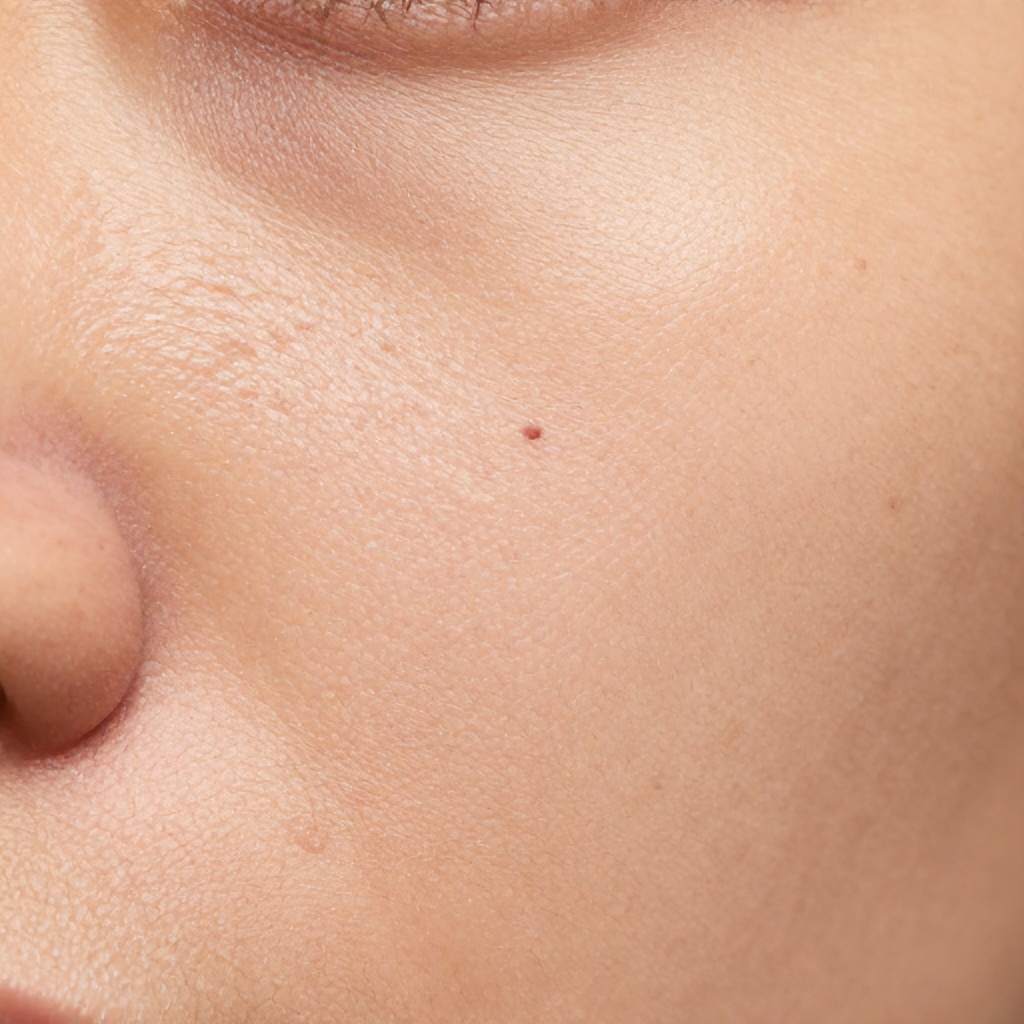
Understanding Blackheads and Clogged Pores on Forehead Skin

Those tiny dark spots and rough patches on your forehead skin, often blackheads and clogged pores, are a common skin concern that many people experience, and understanding their causes is the first step toward clearer, healthier skin.

Understanding Blackheads and Clogged Pores on Your Forehead Skin

The skin on your forehead is just as susceptible to various skin conditions as any other part of your face, sometimes even more so due to its location in the T-zone. When we talk about forehead skin with blackheads and clogged pores, we’re referring to specific types of follicular irregularities that stem from a common issue: blocked hair follicles.

What Exactly Are Blackheads?

Blackheads, scientifically known as open comedones, are small, dark lesions that appear on the skin surface. They form when a hair follicle becomes clogged with a mixture of sebum (the natural oil produced by your skin’s sebaceous glands) and dead skin cells. What makes them “black” isn’t dirt, as many people mistakenly believe. Instead, the pore blockage has an opening to the air, and the melanin (skin pigment) and oxidized sebum at the surface react with oxygen, turning dark. These are distinct from other skin blemishes because they are open at the top, allowing for this oxidation.

What Are Clogged Pores?

Clogged pores is a broader term, often encompassing blackheads but also referring to closed comedones, more commonly known as whiteheads. Like blackheads, these form when a hair follicle becomes blocked with sebum and dead skin cells. The key difference is that with a clogged pore or whitehead, the opening to the skin surface is covered by a thin layer of skin, preventing the contents from oxidizing and remaining white or flesh-colored. Both blackheads and whiteheads contribute to uneven skin texture and can feel like small, raised bumps under the skin.

Why the Forehead is a Hotspot for Skin Congestion

It’s no coincidence that many people notice a higher concentration of blackheads and clogged pores on their forehead. This area, along with the nose and chin, forms the T-zone, which typically has a higher density of sebaceous glands. More oil production naturally increases the likelihood of pore blockage.

Beyond natural oiliness, several factors make the forehead particularly vulnerable to skin imperfections:

  • Hair Products: Hair gels, mousses, conditioners, and even shampoos can drip or transfer onto the forehead. Many of these products contain oils or silicones that can be comedogenic, meaning they can clog pores.

  • Sweat and Friction: Exercise, hot weather, or even wearing hats, headbands, or bangs can trap sweat, oil, and bacteria against the forehead skin, creating an ideal environment for congestion.

  • Touching Your Face: Unconsciously resting your hand on your forehead, or constantly pushing hair back, can transfer dirt, oil, and bacteria from your hands to your facial skin.

  • Makeup Application: Heavy or oil-based foundations and concealers, especially if not thoroughly removed, can contribute significantly to pore blockage on the forehead surface.

Common Causes of Blackheads and Clogged Pores

Understanding the root causes of these skin irregularities is fundamental to effectively managing and preventing them. It’s often a combination of internal and external factors that leads to congested skin.

Excess Sebum Production

Our sebaceous glands produce sebum to keep our skin moisturized and protected. However, overactive glands can produce too much oil. This excess sebum mixes with dead skin cells, forming a sticky plug within the hair follicle, leading to dilated pores and visible pore blockage. Hormonal fluctuations, especially during puberty, menstruation, pregnancy, or stress, are major drivers of increased oil production.

Accumulation of Dead Skin Cells

Our skin constantly sheds dead cells to make way for new ones. Sometimes, this natural exfoliation process doesn’t happen efficiently. When dead skin cells linger on the skin surface, they can combine with sebum and become trapped in the hair follicles, exacerbating the problem of clogged pores and contributing to an uneven skin texture.

Hormonal Imbalances

Androgens, a type of hormone, can stimulate the sebaceous glands to produce more oil. This is why many people experience breakouts, including blackheads and whiteheads, during periods of hormonal change. Teenagers, women experiencing their menstrual cycle, pregnant individuals, and those with certain medical conditions are particularly susceptible to hormonally induced skin congestion.

Comedogenic Skincare and Makeup Products

Not all products are created equal. Many cosmetics and skincare items contain ingredients that are known to clog pores. These are called comedogenic ingredients. Using heavy creams, foundations, or sunscreens that aren’t labeled “non-comedogenic” or “oil-free” can directly contribute to the formation of blackheads and other skin blemishes on the forehead skin and other areas of the face.

Environmental Factors

Pollution, humidity, and even harsh UV radiation can impact skin health. Environmental aggressors can lead to increased free radical damage, which can disrupt skin barrier function and contribute to inflammation and pore blockage. High humidity can also increase sweat and oil production, potentially worsening skin conditions.

Dietary Considerations

While the link between diet and acne is complex and still researched, some studies suggest that high glycemic index foods and dairy products might influence hormonal activity and inflammation, potentially impacting skin health and sebum production. However, diet is generally considered a secondary factor compared to genetics and hormones.

Genetics

Unfortunately, some individuals are simply predisposed to oily skin and larger, more visible pores due to their genetic makeup. If your parents had oily skin or were prone to acne and blackheads, you might find yourself facing similar skin irregularities.

Identifying Different Types of Forehead Blemishes

While we often lump all forehead skin imperfections together, distinguishing between them helps in choosing the right treatment strategy.

Open Comedones (Blackheads)

These are the classic dark spots. They are small, usually 1-2 mm in diameter, and have a dark center. You can often feel them as slightly raised bumps, but they are generally not inflamed or painful unless irritated. They represent sebum and dead skin cells that have oxidized at the skin surface.

Closed Comedones (Whiteheads)

These appear as small, flesh-colored or whitish raised bumps. Unlike blackheads, they don’t have a visible dark opening. The pore is completely blocked, preventing oxidation. Whiteheads are often precursors to inflamed pimples if bacteria proliferate within the blocked follicle.

Enlarged or Dilated Pores

While not strictly a blackhead or whitehead, enlarged pores often go hand-in-hand with skin congestion. When pores are frequently clogged, they can stretch and become more visible. Even after the blockage is cleared, the pore might remain somewhat dilated. This contributes to an uneven skin texture and can make the skin surface appear less smooth.

Effective Strategies for Clearer Forehead Skin

Tackling blackheads and clogged pores requires a consistent and multi-faceted approach. The goal is to regulate oil production, promote healthy skin cell turnover, and keep pores clear without irritating the skin.

Gentle and Consistent Cleansing

Washing your face twice daily is essential, but how you do it matters. Use a mild, pH-balanced cleanser that doesn’t strip your skin of its natural oils, as this can trigger even more oil production. Look for cleansers containing salicylic acid (a BHA) if you’re particularly prone to congestion, as it can penetrate oil and exfoliate inside the pore.

  • Cleanse morning and night.

  • Use lukewarm water, not hot.

  • Gently massage the cleanser onto your forehead skin for about 30-60 seconds.

  • Rinse thoroughly and pat dry with a clean towel.

Strategic Exfoliation

Exfoliation is key to removing dead skin cells that contribute to pore blockage. However, over-exfoliating can damage the skin barrier and worsen irritation.

Chemical Exfoliants

These are often preferred over harsh physical scrubs for congested skin because they work without abrasive friction. Beta Hydroxy Acids (BHAs), especially salicylic acid, are particularly effective. Salicylic acid is oil-soluble, meaning it can penetrate into the pore lining to dissolve the mixture of sebum and dead skin cells, making it excellent for treating blackheads and preventing new ones. Alpha Hydroxy Acids (AHAs) like glycolic or lactic acid work on the skin surface to loosen dead cells and improve skin texture.

  • Incorporate a BHA toner or serum 2-3 times a week initially, increasing frequency as your skin tolerates it.

  • AHAs can be used for surface exfoliation and skin tone improvement.

Physical Exfoliants (Use with Caution)

If you choose a physical scrub, opt for one with very fine, spherical particles. Avoid harsh scrubs with jagged edges (like crushed nut shells), which can create micro-tears in the skin and worsen inflammation. Gentle physical exfoliation can help remove surface dead skin cells, but chemical exfoliants are generally more effective for deep pore blockage.

Targeted Treatments

Certain ingredients are powerhouses for combating skin congestion and improving overall skin health.

  • Retinoids: Derivatives of Vitamin A, such as retinol (over-the-counter) or tretinoin (prescription), are incredibly effective. They work by increasing cell turnover, preventing dead skin cells from clumping together and clogging pores. Retinoids also help to improve skin texture and reduce the appearance of enlarged pores over time. Start slowly with a low concentration to minimize irritation.

  • Niacinamide: Also known as Vitamin B3, niacinamide is a versatile ingredient that can help regulate oil production, reduce inflammation, and improve the skin barrier function. It’s gentle and beneficial for overall skin health and can indirectly help reduce pore blockage.

  • Clay Masks: Clay masks, particularly those with bentonite or kaolin clay, can draw out impurities and excess oil from the pores, providing a temporary but satisfying deep clean. Use them once or twice a week.

Moisturizing is Non-Negotiable

Even oily or congested skin needs moisture. Skipping moisturizer can signal your skin to produce even more oil to compensate, creating a vicious cycle. Choose a lightweight, non-comedogenic, and oil-free moisturizer. Hydrated skin functions better, and a healthy skin barrier is less prone to follicular irregularities.

Sun Protection

UV radiation can exacerbate skin conditions by damaging skin cells and potentially increasing oil production. Furthermore, some active ingredients for blackheads, like retinoids and AHAs, can make your skin more sensitive to the sun. Always use a broad-spectrum sunscreen with at least SPF 30, especially on your facial skin, to protect your skin surface.

Lifestyle Adjustments for Clearer Forehead Skin

Your daily habits play a significant role in the condition of your forehead skin.

  • Hair Care Habits: If you have bangs or hair that constantly touches your forehead, ensure your hair is clean. Use non-comedogenic hair products, and try to keep styling products away from your hairline. Consider pulling your hair back, especially during workouts or sleep, to prevent product transfer and friction.

  • Makeup Choices: Opt for non-comedogenic, oil-free makeup products. Always remove your makeup thoroughly before bed. Sleeping with makeup on is a sure way to encourage pore blockage.

  • Clean Pillowcases: Change your pillowcase frequently (at least once a week, more often if you have oily skin). Pillowcases can accumulate oil, sweat, dead skin cells, and bacteria, which can transfer back to your forehead skin.

  • Hands Off Your Face: Avoid touching, picking, or squeezing blackheads and clogged pores. This can introduce bacteria, lead to inflammation, infection, and potentially cause scarring or post-inflammatory hyperpigmentation. Leave extractions to a professional dermatologist or esthetician.

  • Hydration: Drinking plenty of water supports overall skin health and helps maintain proper skin function.

  • Stress Management: Stress can trigger hormonal responses that increase oil production, leading to more skin blemishes. Incorporate stress-reducing activities into your routine, like exercise, meditation, or hobbies.

When to Seek Professional Help

If your blackheads and clogged pores are persistent, widespread, or accompanied by painful, inflamed acne (like cysts or nodules), it’s time to consult a dermatologist. A skin health professional can offer more potent prescription treatments, such as stronger retinoids, topical antibiotics, or oral medications. They can also perform professional extractions safely and effectively, minimizing the risk of scarring or further skin irregularities. Dermatology expertise is invaluable for severe or stubborn skin conditions.

Maintaining Long-Term Skin Health

Achieving clear forehead skin is a journey, not a destination. Consistency with your skincare routine and lifestyle adjustments is paramount. Be patient, as it often takes several weeks or even months to see significant improvements in skin texture and tone. By understanding the causes and adopting a gentle yet effective approach, you can significantly reduce blackheads and clogged pores, leading to smoother, healthier facial skin.

Exit mobile version