Blackhead Formation: Understanding Pore Congestion with 3D Visualization

Blackhead Formation: Understanding Pore Congestion with 3D Visualization

Posted by - May 19, 2026

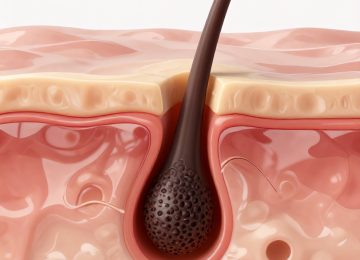
Blackheads are not caused by dirt, but by a mix of trapped sebum and skin cells oxidizing within your hair follicles. This breakdown of pore anatomy explains why congestion happens deep beneath the surface. You will learn to identify the root causes of open comedones and how to adjust your skincare habits to support natural cell renewal and keep follicles clear.
Understanding Visible Pores and Normal Skin Texture on the Nose

Understanding Visible Pores and Normal Skin Texture on the Nose

Posted by - May 19, 2026

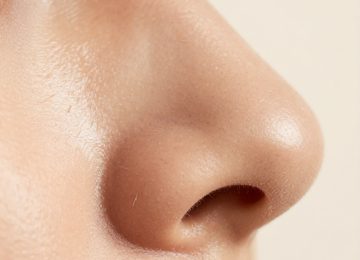
Visible pores on your nose are a normal biological feature caused by a high concentration of oil glands. You will learn the difference between functional sebaceous filaments and actual blackheads to stop unnecessary skin picking. Use this guide to understand why your natural skin topography is healthy and how to manage texture with simple, consistent care instead of aggressive treatments.

Embracing Natural Skin Texture and Hyperpigmentation for Better Dermal Health

Embracing Natural Skin Texture and Hyperpigmentation for Better Dermal Health

Posted by - May 19, 2026

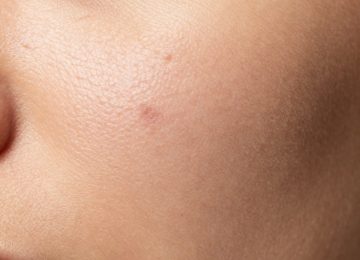
Real skin features natural pores, fine lines, and unique pigment spots that define your individual anatomy. Instead of using heavy silicone primers to mask these details, focus on hydration and gentle exfoliation to support your dermal health. You will learn to recognize that skin texture is a normal, functional part of your complexion rather than a flaw that requires total erasure.

Understanding Facial Skin Texture and Pore Visibility in Macro Photography

Understanding Facial Skin Texture and Pore Visibility in Macro Photography

Posted by - May 19, 2026

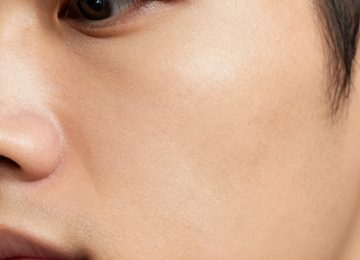
Macro photography often exaggerates natural skin texture, making normal pores appear like flaws. You will learn to distinguish between healthy skin topography and actual congestion caused by sebum. Use this guide to adjust your expectations of skin surface morphology and focus on maintaining a resilient barrier rather than chasing an impossible, airbrushed finish.