Woman Stretching Arms Upward in Athletic Wear Symbolizes Growth

Embrace Your Inner Strength: The Power of the Upward Stretch

The simple act of stretching your arms upward is a potent symbol of reaching, growing, and embracing your full potential, beautifully captured by a toned woman in striking beige and red athletic wear against a light blue backdrop. This pose, radiating an energetic aesthetic, isn’t just visually appealing; it’s a powerful reminder of the importance of movement, flexibility, and a health-focused mindset in our daily lives.

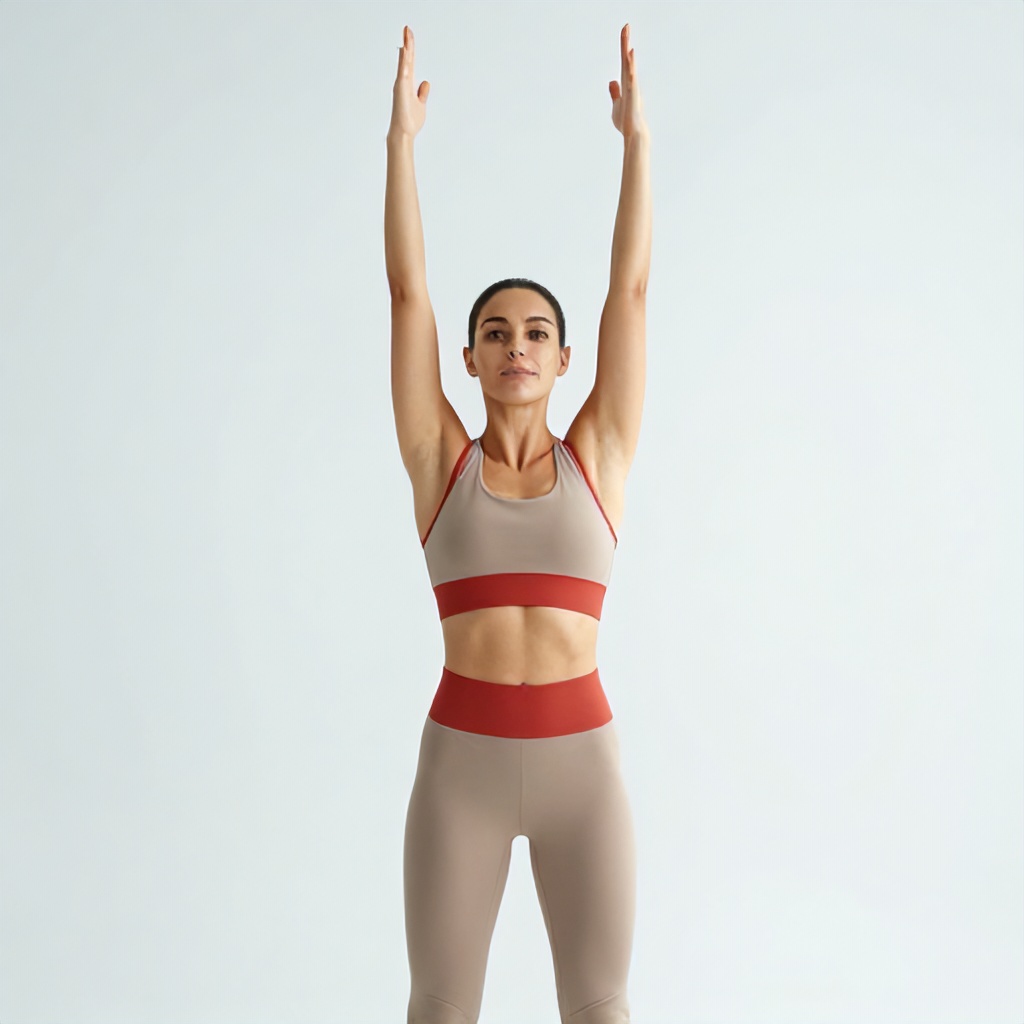
Think about it. That upward stretch. It’s instinctual. A yawn that extends into a full body reach. A moment of pure, unadulterated expansion. It’s a primal expression of readiness, of greeting the day, or of pushing through a challenging moment. When you see it, particularly in the context of fitness fashion and a wellness focus, it speaks volumes about vitality and a commitment to physical activity.

The visual itself is compelling. The contrast between the earthy beige and the vibrant red accents in the athletic wear creates a dynamic look. It suggests boldness and confidence, the kind that comes from feeling good in your own skin and in your workout attire. The hair pulled back neatly, out of the way, signals focus and determination. This isn’t just about looking good; it’s about feeling prepared for action, for pushing boundaries, and for engaging in body conditioning with purpose.

The Mechanics and Magic of Stretching Upward

Let’s break down what’s actually happening when you perform this seemingly simple upward stretch. It’s far more than just moving your arms.

When you extend your arms overhead, you’re lengthening your spine. This is incredibly important, especially if you spend a lot of time sitting or hunched over. Each vertebra gets a little space, a little decompression. Imagine your spine as a stack of delicate discs; giving them a bit of breathing room can alleviate pressure and improve posture over time. It’s a subtle but significant benefit for anyone engaged in regular physical activity.

Your shoulders get a workout too, in the best possible way. The muscles surrounding your shoulder joint – the deltoids, the rotator cuff muscles – are engaged as you lift. This movement helps improve your range of motion in the shoulders, which is vital for countless everyday activities, from reaching for something on a high shelf to performing more complex movements in sports or exercise clothing.

And don’t forget your chest and the front of your shoulders. These areas often get tight from forward-leaning postures. The upward stretch opens them up, counteracting that tightness and promoting better breathing. Deeper breaths mean more oxygen to your muscles, more energy for your workouts, and a calmer mind overall – a true wellness focus.

The core muscles, too, play a role. To maintain balance and stability as you reach, your abdominal and back muscles engage subtly. It’s a holistic movement that benefits multiple parts of your body, making it a fantastic addition to any fitness-related content or personal routine.

Beyond the Pose: Integrating the Upward Stretch into Your Life

This isn’t just a pose reserved for fitness models or yoga studios. The upward stretch is incredibly versatile and can be woven into your day in numerous ways, no matter what your chosen exercise clothing entails.

Morning Wake-Up Call: Before you even get out of bed, take a moment. Stretch your arms overhead, point your toes, and feel your entire body lengthen. It’s a gentle way to wake up your muscles and set a positive tone for the day. Think of it as your personal, private moment of greeting the day with open arms.

Desk Warrior’s Best Friend: If your job involves long hours at a computer, this stretch is your secret weapon against stiffness. Every hour or so, stand up, reach for the sky, and hold for a few breaths. You’ll feel a world of difference in your neck, shoulders, and upper back. It’s a quick reset that can prevent chronic aches and pains, even if you’re not wearing full athletic wear.

Pre- and Post-Workout Ritual: Before you hit the gym or go for a run, a few gentle upward stretches can prepare your muscles for movement. After your workout, as part of your cool-down, holding this stretch can aid in muscle recovery and improve flexibility. It’s a fundamental part of any effective exercise clothing regimen.

Stress Relief Break: Feeling overwhelmed? Step away from what’s causing the stress, find a little space, and stretch. The physical act of expanding can create a sense of mental release. It’s a physical manifestation of letting go and taking a deep breath. This is where the energetic aesthetic of the pose truly shines through as a mood booster.

Adding Variety to Your Routine: Even if you have a dedicated workout routine, incorporating variations of the upward stretch can be beneficial. Try reaching one arm up and to the side for a lateral stretch, or clasp your hands behind your head and gently pull your elbows back to open your chest further. These small additions can keep your fitness fashion and your movements fresh and engaging.

Choosing the Right Athletic Wear for Your Movement

While the upward stretch is accessible in any attire, wearing appropriate athletic wear can enhance the experience and encourage more consistent practice. The image of the woman in beige and red athletic wear highlights how the right clothing can inspire confidence and a sense of readiness.

The Sports Bra: For women, a supportive sports bra is non-negotiable. It provides the necessary comfort and support during any physical activity, allowing you to focus on your movement without distraction. Whether it’s a high-impact or low-impact activity, the right sports bra makes all the difference. The red accents in the pictured attire suggest a bold choice, perhaps a high-impact style.

Leggings and Yoga Pants: Comfortable and flexible leggings or yoga pants are a staple for a reason. They allow for a full range of motion, ensuring that your upward stretch isn’t restricted. Fabrics that wick away moisture are a bonus, keeping you comfortable during more intense workouts. The beige of the leggings in the image offers a neutral base, allowing the red accents to pop.

Performance Tops: A well-fitting performance top, whether a tank top or a t-shirt, should allow for freedom of movement in the shoulders and arms. Breathable fabrics are key to staying cool and comfortable. The combination of beige and red in the athletic wear creates an energetic aesthetic that’s both functional and fashionable.

Beyond the Basics: Consider the overall feel of your workout attire. Does it make you feel capable? Does it align with your health-focused goals? Investing in quality activewear can be a powerful motivator, reminding you of your commitment to physical activity and body conditioning.

The Psychological Impact of Reaching Upward

The physical benefits are clear, but the psychological impact of stretching your arms upward is just as profound. It’s a non-verbal declaration of intent.

Symbol of Hope and Positivity: Reaching upwards is often associated with hope, aspiration, and optimism. It’s a gesture that can literally and figuratively lift your spirits. When you feel bogged down, a conscious upward stretch can be a small but effective way to shift your perspective.

Confidence Booster: Standing tall and reaching overhead projects confidence. It’s an athletic pose that exudes self-assurance. This feeling can carry over into other aspects of your life, empowering you to tackle challenges with a more positive outlook. The toned woman in the image embodies this confidence.

Mindfulness and Presence: The act of stretching requires you to be present in your body. It pulls your attention away from distractions and anchors you in the current moment. This simple act can be a form of active meditation, promoting a sense of calm and focus. The light blue backdrop further enhances this feeling of spaciousness and tranquility.

Empowerment Through Movement: Engaging in physical activity, even something as simple as an upward stretch, is an act of self-care and empowerment. It’s a way of taking control of your physical well-being, which often translates to a greater sense of control in other areas of your life. This is the essence of a wellness focus.

Making it a Habit

The key to reaping the full benefits of the upward stretch, like any exercise clothing or fitness-related content, is consistency. Don’t just do it once in a while. Make it a part of your daily rhythm.

  1. Set reminders on your phone.

  2. Link it to existing habits, like brushing your teeth or making your morning coffee.

  3. Find a buddy who also wants to incorporate more movement into their day.

  4. Celebrate small victories – acknowledge yourself for taking those moments to stretch.

The image of the woman in beige and red athletic wear, stretching arms upward, is more than just an aesthetic. It’s a powerful representation of health, vitality, and the simple yet profound impact of intentional movement. By integrating this basic stretch into your daily life, you’re not just improving your physical health; you’re cultivating a more positive, confident, and empowered self. It’s a small action with significant rewards, a testament to the fact that sometimes, the most impactful changes come from reaching for the sky.
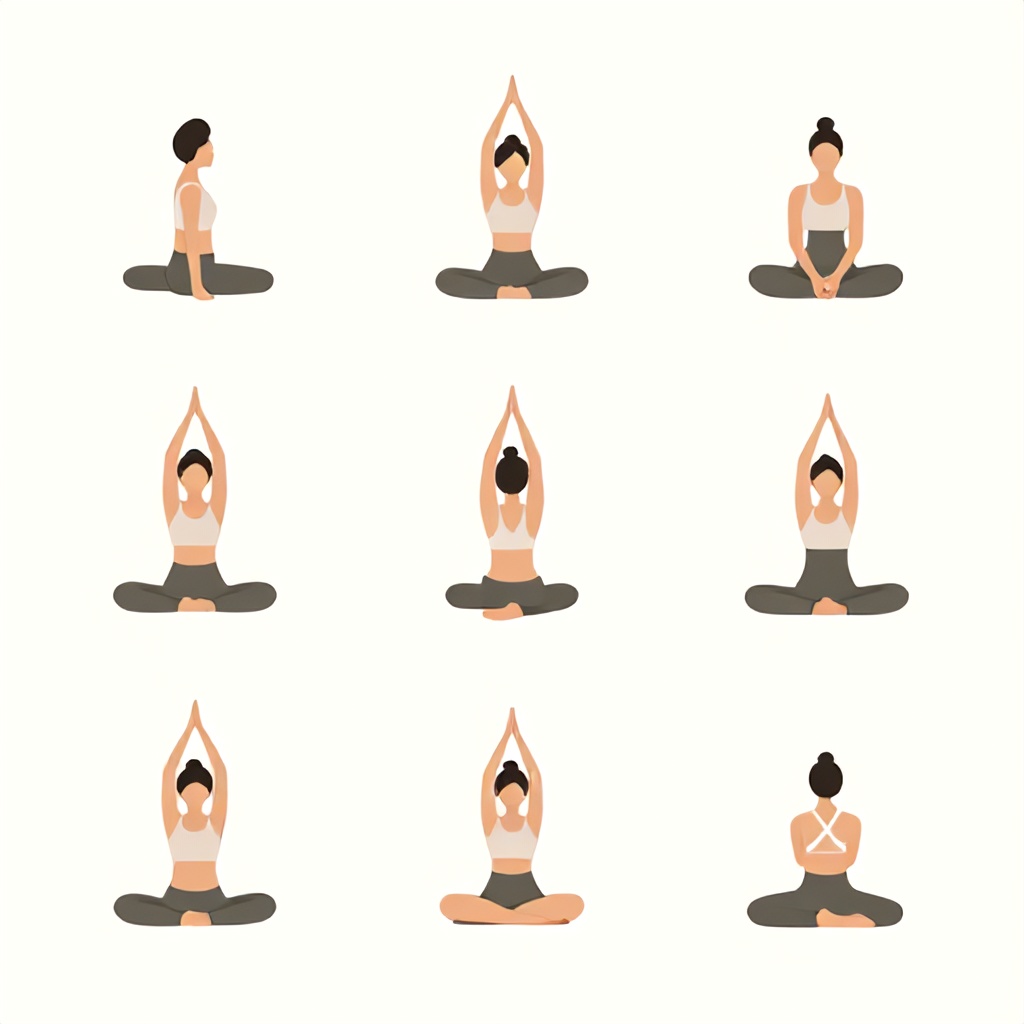
9 Simple Beginner Yoga Poses Infographic for Flexibility and Stretching

Beginner Yoga Poses Infographic: 9 Simple Stretches for Flexibility

This visual guide presents nine fundamental yoga poses perfect for anyone starting their flexibility journey. These basic stretching exercises are designed to be approachable and effective, helping you build a foundation for better movement and posture. Think of this as your go-to resource for gentle yoga, offering clear body positioning for each of the stylized figures you’ll see.

Why Start with These Poses?

Getting started with yoga doesn’t require complex sequences or extreme flexibility. The beauty of beginner yoga lies in its simplicity and accessibility. These nine poses are chosen because they target major muscle groups, promote a sense of calm, and are relatively easy to learn. They are excellent for improving overall physical fitness and introducing your body to the benefits of regular physical activity and stretching.

The goal is not to achieve perfect form immediately, but to move with awareness and kindness towards your body. Each stretch offers a chance to connect with your breath and notice how your body feels. This mindful approach is key to sustainable wellness and building a consistent yoga practice.

Your Visual Guide to 9 Beginner Yoga Poses

Imagine a clean, modern aesthetic with a soft color palette, creating a calming mood. Each pose is illustrated with minimalist design, focusing on clear, stylized figures that make body positioning easy to understand. This infographic is designed to be easily skimmable, allowing you to quickly grasp the essence of each stretch.

1. Mountain Pose (Tadasana)

This is the foundational pose, the starting point for many other yoga sequences. It’s deceptively simple but incredibly powerful for establishing proper posture.

  • Stand with your feet together or hip-width apart.
  • Distribute your weight evenly across both feet.
  • Engage your thigh muscles, lifting your kneecaps slightly.
  • Tuck your tailbone under, lengthening your spine.
  • Draw your shoulders down and back, away from your ears.
  • Let your arms hang naturally by your sides, palms facing forward or towards your body.
  • Gaze softly forward.

Mountain Pose teaches you to stand tall and grounded, connecting you to the earth while aligning your body. It’s a great way to check in with your alignment before moving into more dynamic stretches.

2. Downward-Facing Dog (Adho Mukha Svanasana)

A classic yoga pose that stretches the entire back of the body, from heels to fingertips. It’s invigorating and can help relieve tension.

  1. Start on your hands and knees, with your wrists directly under your shoulders and your knees under your hips.
  2. Spread your fingers wide, pressing firmly into your palms.
  3. Exhale as you lift your hips up and back, forming an inverted V-shape with your body.
  4. Keep your knees slightly bent initially, especially if your hamstrings feel tight. The focus is on lengthening the spine.
  5. Press your heels down towards the mat; it’s okay if they don’t touch.
  6. Let your head hang loosely between your arms.
  7. Gaze towards your feet or navel.

Downward-Facing Dog is a fantastic full-body stretch that builds strength in the arms and legs while improving flexibility in the shoulders, hamstrings, and calves. It’s a wonderful mat exercise for promoting circulation.

3. Cat-Cow Pose (Marjaryasana-Bitilasana)

This gentle flow synchronizes breath with movement, warming up the spine and improving its flexibility. It’s a wonderful way to release tension in the back.

  1. Begin on your hands and knees, wrists under shoulders, knees under hips.
  2. Inhale: Drop your belly towards the mat, arch your back, and lift your head and tailbone towards the ceiling (Cow Pose).
  3. Exhale: Round your spine towards the ceiling, tuck your chin towards your chest, and draw your navel towards your spine (Cat Pose).
  4. Repeat this flow for 5-10 breaths, moving with your breath.

The Cat-Cow sequence is excellent for spinal mobility and is a staple in introductory yoga. It cultivates a sense of fluidity and can be very therapeutic for the back.

4. Child’s Pose (Balasana)

A restorative pose that offers a moment of rest and gentle stretching for the back and hips. It’s a safe haven when you need to pause and recharge.

  1. Start on your hands and knees.
  2. Bring your big toes to touch and widen your knees to hip-width apart or wider for more hip opening.
  3. Exhale and sink your hips back towards your heels.
  4. Rest your torso between your thighs.
  5. Extend your arms forward on the mat, or rest them alongside your body with palms facing up.
  6. Rest your forehead on the mat.

Child’s Pose is a deeply calming pose that allows your body to relax and release tension. It’s a perfect way to transition between more active poses or to simply take a break during your practice.

5. Low Lunge (Anjaneyasana)

This pose opens up the hips and chest, while also stretching the quadriceps and hip flexors. It’s a great pose for building leg strength and flexibility.

  1. From Downward-Facing Dog or on your hands and knees, step your right foot forward between your hands.
  2. Lower your left knee to the mat. You can place a folded blanket under your knee for cushioning.
  3. Ensure your right knee is stacked directly over your right ankle.
  4. Slide your left leg back until you feel a gentle stretch in your left hip flexor.
  5. Press into your front foot and gently lift your torso upright. You can bring your hands to your front thigh or extend them overhead.
  6. Keep your shoulders relaxed.

Low Lunge is a dynamic stretch that improves hip mobility and can help alleviate tightness from prolonged sitting. It’s a fantastic pose for enhancing balance and building lower body strength.

6. Warrior II (Virabhadrasana II)

A powerful standing pose that builds strength and stamina while opening the hips and chest. It instills a sense of courage and focus.

  1. From Mountain Pose, step your feet about 3-4 feet apart.
  2. Turn your right foot out 90 degrees and your left foot in slightly (about 15 degrees).
  3. Align your front heel with the arch of your back foot.
  4. Inhale and raise your arms parallel to the floor, reaching them out to the sides, palms facing down.
  5. Exhale and bend your right knee until it’s directly over your right ankle. Keep your thigh parallel to the floor if possible.
  6. Gaze over your right fingertips.
  7. Keep your torso upright and your shoulders relaxed.

Warrior II is a cornerstone of beginner yoga for good reason. It strengthens the legs and ankles, opens the hips and chest, and improves stamina. It’s a pose that makes you feel grounded and strong.

7. Triangle Pose (Trikonasana)

This standing pose stretches the legs, torso, and hips, while also opening the chest and shoulders. It’s excellent for improving balance and spinal flexibility.

  1. From Warrior II, straighten your front (right) leg.
  2. Hinge at your right hip, reaching your right hand forward as far as possible.
  3. Lower your right hand to your shin, ankle, or a block outside your right foot.
  4. Extend your left arm straight up towards the ceiling, stacking your shoulders.
  5. Gaze upwards towards your left hand, or keep your gaze neutral if that’s more comfortable for your neck.
  6. Keep both legs engaged and press evenly through both feet.

Triangle Pose is a wonderful lateral stretch that helps lengthen the sides of the body and can relieve stiffness in the hamstrings and hips. It promotes a sense of openness and expansion.

8. Seated Forward Bend (Paschimottanasana)

A deeply relaxing pose that stretches the hamstrings, spine, and shoulders. It’s known for its calming effect on the mind.

  1. Sit on the mat with your legs extended straight in front of you.
  2. Flex your feet, drawing your toes towards your shins.
  3. Inhale and lengthen your spine, reaching your arms overhead.
  4. Exhale and hinge at your hips, folding your torso forward over your legs.
  5. Allow your hands to rest on your shins, ankles, or feet.
  6. Keep your back as straight as possible, avoiding rounding your shoulders excessively.
  7. Let your head relax.

Seated Forward Bend is a classic hamstring and spinal stretch. It’s a great way to wind down and release tension after a more active practice. The focus is on lengthening, not forcing the stretch.

9. Corpse Pose (Savasana)

Often considered the most important pose, Savasana is a period of deep relaxation that allows your body and mind to integrate the benefits of the practice. It’s where true rest happens.

  1. Lie down on your back on your mat.
  2. Extend your legs slightly apart, allowing your feet to fall open naturally.
  3. Rest your arms alongside your body, a little away from your torso, with your palms facing up.
  4. Close your eyes gently.
  5. Allow your body to feel heavy and completely supported by the mat.
  6. Release any tension you are holding.
  7. Simply breathe naturally and allow yourself to be still for 5-10 minutes.

Savasana is crucial for stress reduction and allowing the body to absorb the positive effects of the yoga poses. It cultivates a profound sense of peace and rejuvenation, making it an essential part of any yoga for beginners routine.

Making Flexibility a Habit

Consistency is key when it comes to improving flexibility. Aim to practice these poses regularly, even if it’s just for 10-15 minutes a few times a week. Listen to your body; some days you’ll feel more open than others. The journey of yoga is about progress, not perfection.

Remember to breathe deeply throughout each pose. Your breath is your guide and can help you deepen your stretches safely. This visual guide serves as a starting point, offering simple yet effective yoga poses to enhance your well-being and introduce you to the wonderful world of movement and flexibility.

Exit mobile version