
Professional Skin Bump Removal Near Eye Using Precision Medical Tool
Getting a skin bump removed near your eye by a professional using a precision medical tool is a safe and effective way to address cosmetic concerns and potential health issues.

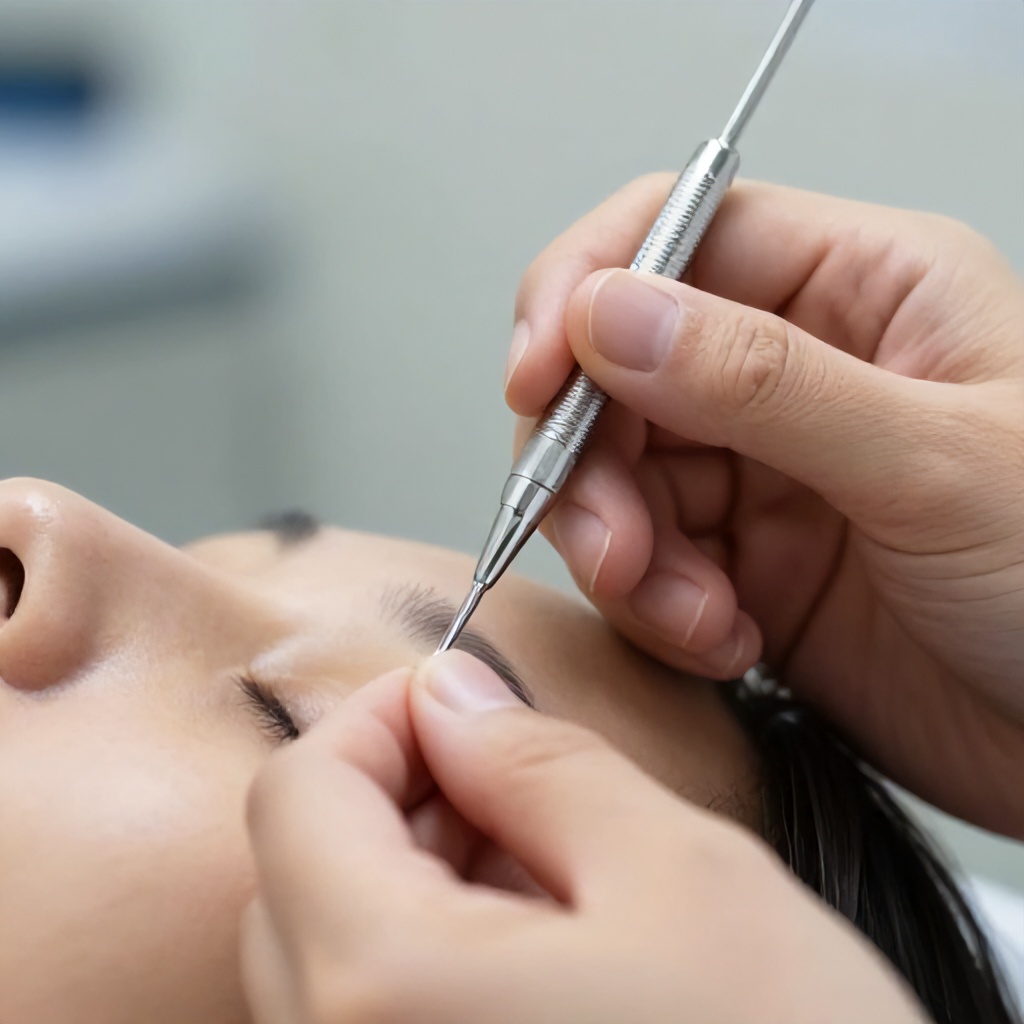
That little bump near your eye. It might be a tiny annoyance, or it could be something you’re more worried about. Whatever it is, when it’s in such a delicate area, you want it gone, and you want it gone safely. This is where professional skin bump removal near the eye using a precision medical tool comes into play. It’s not about DIY fixes or hoping it disappears on its own. It’s about a targeted, clinical approach that prioritizes your health and the aesthetics of your face.
The eye area is incredibly sensitive. The skin here is thinner than almost anywhere else on your body, and it’s constantly in motion with blinking and facial expressions. Because of this, any procedure, even a minor one like skin lesion removal, needs to be handled with the utmost care and expertise. This isn’t the place for guesswork. A qualified medical professional, often a dermatologist or a cosmetic surgeon with specialized training, will use specific, fine metal tools designed for this very purpose.
Understanding Skin Bumps Around the Eye
Skin bumps can appear for a variety of reasons, and those near the eyelid area warrant particular attention. Some are completely benign, like small cysts or skin tags, while others might be something that needs further investigation. Understanding what you’re dealing with is the first step, and that’s best done by a professional.
Common culprits include:
- Milia: Tiny white bumps that are essentially trapped keratin.
- Cysts: Small, closed sacs that can form under the skin.
- Skin tags: Small, soft, benign growths that hang off the skin.
- Xanthelasma: Yellowish cholesterol deposits, often seen on the eyelids.
- Warts: Viral infections that can appear anywhere on the skin.
- Nevi (Moles): Pigmented spots that can be raised or flat.
A dermatologist’s examination is key to differentiating these. They can assess the nature of the growth, its potential for change, and the best course of action for removal. This dermatological task is more than just cosmetic; it’s about ensuring skin health.
Why Professional Removal is Essential
When you have a skin bump near your eye, the temptation to try and remove it yourself might be strong. Please resist this urge. The skin around the eyes is delicate, and attempting to remove a lesion at home can lead to several complications:
- Infection: Introducing bacteria into an open wound can cause significant problems, especially near the eye.
- Scarring: Improper removal techniques are highly likely to result in noticeable and permanent scarring.
- Damage to the Eye: There’s a serious risk of injuring the eye itself or the surrounding structures.
- Incomplete Removal: You might only remove the surface part of the bump, leading to recurrence or a more difficult removal later.
- Misdiagnosis: You might be treating something that requires a different approach, or worse, ignoring a more serious condition.
Professional removal by a doctor specializing in dermatology or ophthalmology offers a controlled, sterile environment and the use of specialized equipment. This ensures the highest chance of successful removal with minimal risk and the best possible aesthetic outcome. It’s a medical procedure designed for safety and efficacy.
The Precision Tool: What It Is and How It Works
The “precision medical tool” used for professional skin bump removal near the eye is not a single item but rather a category of specialized instruments. These are typically fine, sharp instruments designed for delicate surgical tasks. Think of them as the microscopic equivalent of scalpels and forceps, engineered for precision.
Common tools include:
- Dermatological Curettes: Small, loop-shaped instruments used to scrape away skin lesions.
- Fine-tipped Forceps: Used for grasping and manipulating small tissues.
- Specialized Blades: Extremely fine blades, often made of surgical steel or even diamond, for precise incisions.
- Electrocautery Devices: Used to burn away tissue and seal blood vessels, often with a fine tip.
- Cryotherapy Applicators: Devices that deliver extremely cold temperatures to freeze and destroy abnormal skin cells.
The choice of tool depends entirely on the type, size, and location of the skin bump. A dermatologist will select the instrument that offers the most precise and least invasive method for that specific situation. The goal is always to remove the unwanted tissue efficiently while preserving the surrounding healthy skin. This is often performed under local anesthesia, ensuring the patient is comfortable throughout the minor surgery.
The Procedure: What to Expect
Undergoing professional skin bump removal near your eye might sound daunting, but the process is usually straightforward and relatively quick. The entire experience is designed to be as comfortable and safe as possible, particularly given the sensitive eyelid area.
Consultation and Diagnosis
Before any procedure, you’ll have a consultation with your doctor. This is where they will examine the bump, discuss your medical history, and explain the recommended removal method. They will assess if it’s a benign growth removal or if further investigation is needed. This is also your opportunity to ask questions and understand the risks and benefits.
Preparation
On the day of the procedure, the area around the bump will be thoroughly cleaned. Local anesthetic will be administered, usually via a small injection. This numbs the area, so you won’t feel pain during the removal. You might feel a slight pinch from the anesthetic injection, but after that, it should be comfortable.
The Removal Process
The doctor will then use the chosen precision tool to remove the skin bump. Depending on the method, this could involve:
- Excision: Carefully cutting out the bump with a fine blade.
- Curettage: Scraping away the bump with a specialized loop.
- Electrosurgery: Using heat to remove the bump and cauterize the wound.
- Cryotherapy: Freezing the bump to cause it to fall off.
These procedures are often performed with a close-up shot of the area under magnification to ensure absolute accuracy. The doctor’s focus is intense, ensuring every bit of the unwanted tissue is addressed. The use of a high-angle shot might be employed by assistants or for documentation purposes, but the primary focus is on the direct, precise work being done.
Aftercare and Healing
Once the bump is removed, the doctor will apply a sterile dressing. They will provide you with detailed aftercare instructions, which are crucial for proper healing and minimizing the risk of infection or scarring. This usually involves:
- Keeping the area clean and dry.
- Applying antibiotic ointment as directed.
- Avoiding makeup or other irritants on the treated area for a specified period.
- Protecting the area from sun exposure.
- Attending any scheduled follow-up appointments.
The healing time varies depending on the size and depth of the removal, but most minor procedures near the eye heal well within a couple of weeks. While the initial goal is skin lesion removal, the long-term goal is a smooth, unblemished result.
When to Seek Professional Help
It’s always best to err on the side of caution when it comes to your eyes. You should definitely seek professional help for skin bump removal near the eye if:
- The bump is new or has changed in size, shape, or color.
- The bump is painful, itchy, or bleeding.
- The bump interferes with your vision.
- You are unsure what the bump is.
- You have a history of skin cancer or other relevant medical conditions.
Even for what seems like a simple skin tag removal or a small cyst removal, consulting a professional is the safest route. The expertise in dermatology and the use of a specialized tool can make all the difference in the outcome.
The Role of Ophthalmology and Dermatology
Both ophthalmologists and dermatologists are well-equipped to handle skin bumps around the eye. Ophthalmologists, who specialize in eye care, are intimately familiar with the anatomy of the eyelid and surrounding structures. They are highly skilled in performing minor surgical procedures in this delicate region. Dermatologists, with their broad expertise in skin conditions, are also excellent choices, especially for diagnosing and treating a wide range of skin lesions.
In some cases, a cosmetic procedure might be the primary motivation for removal, falling under the umbrella of facial aesthetics. However, the underlying principle remains the same: a safe, precise, and medically sound approach to removing the unwanted growth. This medical procedure, while potentially cosmetic, is always grounded in medical best practices.
The goal of professional removal is not just to get rid of the bump, but to do so in a way that preserves the health and appearance of your skin. The precision tool, wielded by a skilled hand, is the key to achieving this. It’s about a focused tone, a clinical tone, and a commitment to the best possible outcome for your skin.