
When a Tiny Invader Causes Big Discomfort: Safely Removing a Splinter or Skin Irritation with Tweezers
Grabbing the right pair of tweezers and knowing the simple steps can make all the difference when a splinter or other minor skin irritation decides to make itself at home.

Understanding the Unwanted Guest
A splinter is essentially a tiny foreign body, often a sliver of wood, glass, or metal, that has pierced the skin. It can cause immediate pain, redness, and swelling, especially if it’s deep or if your skin is particularly sensitive. Sometimes, what feels like a splinter might be a small thorn, a tiny shard from a broken object, or even a hardened bit of dirt that’s become embedded. The key is that something foreign has entered the epidermal layers, and your body is reacting to it, often with inflammation. This can lead to an uncomfortable, reddened area that begs for attention.
Skin irritations can also mimic the feeling of a splinter. Think about a small, sharp seed pod that’s broken off on your skin, or even a tiny burr from certain plants. The goal remains the same: to remove the offending item without causing further damage or introducing infection. This isn’t a complex medical procedure, but it does require a bit of care and the right tools.
Choosing Your Weapon: The Mighty Tweezer
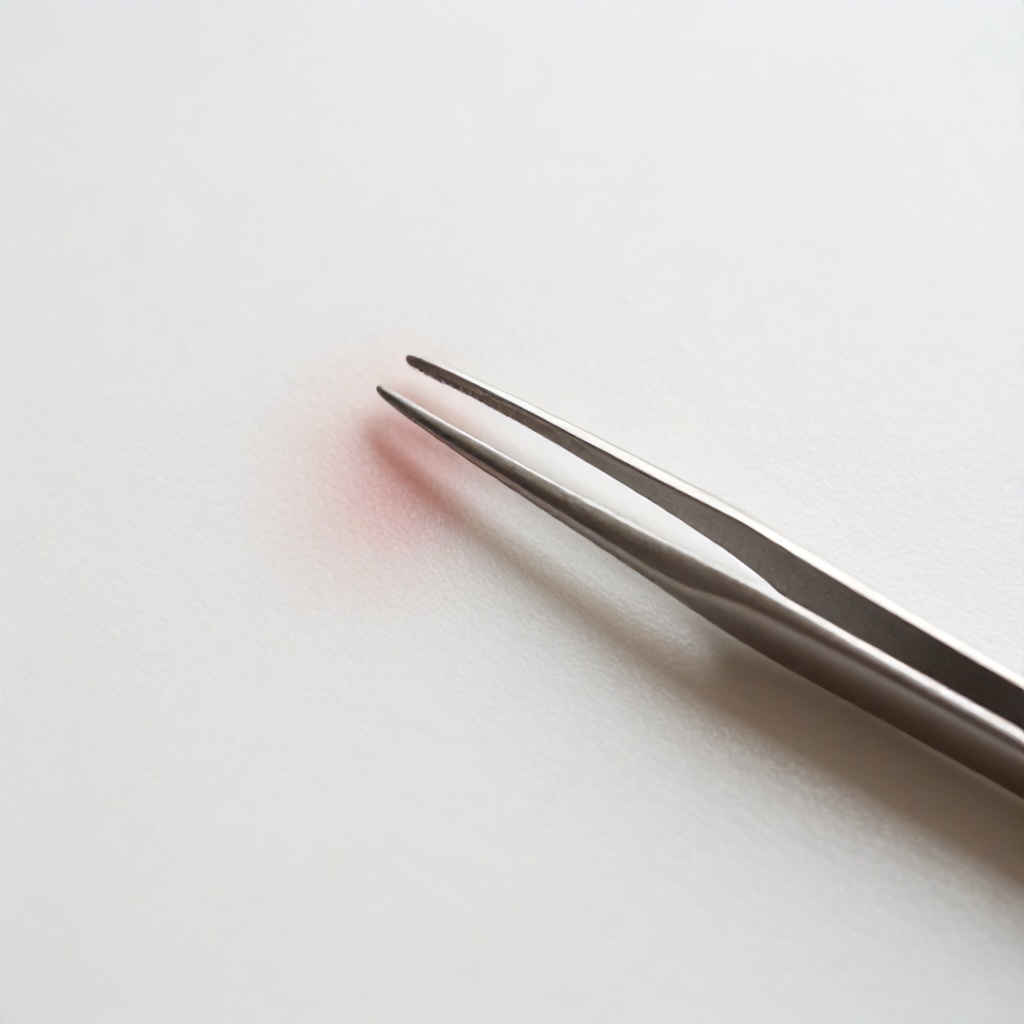
Not all tweezers are created equal when it comes to dealing with a stubborn splinter. You’ll want a pair that offers precision and a good grip. Metal tweezers are generally preferred over plastic ones for this task. Look for tweezers with fine, pointed tips. These allow you to get close to the skin and grasp even the smallest protruding part of the splinter. Slanted-tip tweezers can also be effective, especially if a good portion of the splinter is visible and you need to get a firm hold.
The material of the tweezers matters too. Stainless steel is a good choice because it’s durable, easy to clean, and less likely to harbor bacteria. Before you even think about touching your skin, ensure your chosen tweezers are spotlessly clean. This is a non-negotiable step in preventing infection. A quick wash with soap and water, followed by a rinse and thorough drying, is a good start. For extra peace of mind, you can sterilize them by wiping the tips with rubbing alcohol.
Preparation is Key: Setting the Stage for Success
Before you begin the actual splinter removal, a little preparation goes a long way. First, wash your hands thoroughly with soap and warm water. You don’t want to transfer any germs from your hands to the affected site. Next, gently clean the area around the splinter. Use mild soap and water, and pat it dry with a clean towel. Avoid scrubbing vigorously, as this could push the splinter deeper or cause more inflammation.
Sometimes, a warm compress can be helpful. Soaking the affected area in warm water for 5-10 minutes can soften the skin, making the splinter easier to grasp and potentially encouraging it to work its way closer to the surface. This is particularly useful if the splinter is deep or if the skin is feeling tight and resistant. A clean washcloth soaked in warm water works just fine. Just be sure to dry the area gently afterward.
The Gentle Extraction: Step-by-Step Removal
Now for the main event: the actual removal of the splinter. This is where your fine-tipped tweezers come into play. The most important rule here is to be gentle. You’re not trying to wrestle a large object; you’re carefully coaxing a tiny one out.
-
Assess the Situation: Look closely at the splinter. Can you see an end sticking out? Is it parallel to the skin’s surface, or is it angled? This visual assessment will guide your approach.
-
Grasp Firmly: Using your sterilized tweezers, carefully grasp the end of the splinter that is most accessible and protruding from the skin. Aim to get a firm grip without squeezing too hard, which could break the splinter.
-
Pull in the Direction of Entry: This is a critical step. Try to pull the splinter out in the same direction it went in. If you pull against the grain, you risk breaking it, leaving a piece behind, or causing more tissue damage. Imagine you’re gently sliding it back out the way it came.
-
Slow and Steady Wins the Race: Don’t yank or pull quickly. Apply steady, gentle pressure. If the splinter feels like it’s resisting significantly, stop. You might need to try a different angle or reconsider your approach.
-
Check for Completeness: Once you think you’ve removed the splinter, examine it carefully to ensure the entire piece has come out. Also, inspect the wound site to make sure no fragments remain. If you can still see a piece, or if you’re unsure, it’s better to try again or seek professional help.
When Things Get Tricky: Deeper Splinters or Stubborn Irritations
Sometimes, a splinter is too deep to grasp with tweezers, or it’s broken off beneath the surface of the epidermis. In these cases, forcing it can do more harm than good. If you can’t easily see or grasp the splinter, or if it’s causing significant pain and inflammation, it might be time to consider other options.
One home remedy that some people find helpful for drawing out deeper splinters is the use of a paste. Baking soda mixed with a little water to form a thick paste can be applied to the affected area, covered with a bandage, and left for several hours or overnight. The idea is that the paste can help to draw the splinter to the surface. After removing the paste, the skin might be softer and the splinter more accessible for tweezers. However, this isn’t a guaranteed solution and should be approached with caution.
Another scenario is when the “splinter” is actually a more general skin irritation, like a small puncture wound from a thorn that has left behind plant material or caused a localized, reddened area. If the foreign body isn’t readily apparent, or if the skin is very inflamed, you might need to be patient. Sometimes, the body will naturally expel these minor invaders over time, especially if the area is kept clean.
Post-Removal Care: Healing and Preventing Infection
Once you’ve successfully removed the splinter or the offending irritant, the job isn’t quite done. Proper wound care is essential to promote healing and prevent infection. After extraction, gently wash the area again with soap and warm water.
Apply a small amount of antibiotic ointment. This helps to keep the wound moist, which can aid in healing, and provides an extra layer of protection against bacteria. Cover the wound with a clean bandage. This protects it from dirt and further irritation, especially if it’s in an area that’s prone to rubbing against clothing.
Keep the bandage clean and dry, and change it daily, or more often if it becomes wet or dirty. Monitor the area for signs of infection. These can include increasing redness, swelling, warmth, pus, or fever. If you notice any of these symptoms, it’s important to seek medical advice from a doctor or dermatologist.
When to Call in the Professionals
While most splinters and minor skin irritations can be handled at home, there are times when you should absolutely seek professional medical help. If the splinter is very deep, large, or lodged under a fingernail or toenail, it’s best left to a healthcare provider. Similarly, if the splinter is made of glass or metal and you’re concerned about it breaking, or if it’s causing severe pain, don’t hesitate to see a doctor.
Signs of infection, as mentioned earlier, are a clear indicator that you need medical attention. Also, if the wound is bleeding heavily and won’t stop with gentle pressure, or if you have underlying health conditions like diabetes or a compromised immune system, it’s wise to consult a healthcare professional. They have the tools and expertise to safely remove foreign bodies and manage any complications that may arise, ensuring proper wound care and minimizing the risk of further issues.
Remember, a minor injury like a splinter doesn’t have to become a major problem. With a little preparation, the right tools, and a gentle approach, you can effectively manage most situations and get back to enjoying your day, free from that annoying little intruder.