
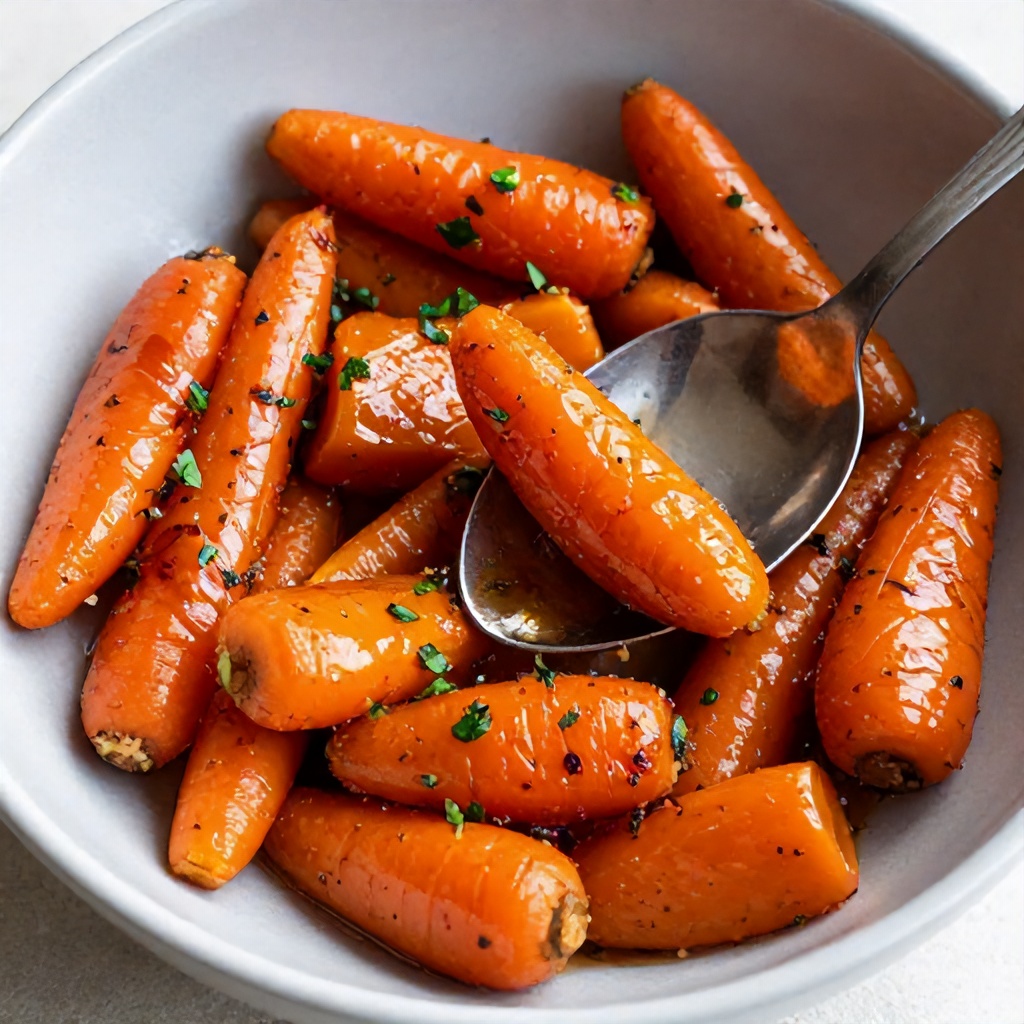
Roasting carrots at 400 degrees Fahrenheit transforms them from a hard, crunchy root into a soft, caramelized side dish that pairs with almost any protein. This high-heat method relies on the Maillard reaction to turn natural sugars into a deep, savory sweetness that steaming or boiling simply cannot match. It is a reliable kitchen technique for anyone needing a plant-based, paleo-friendly, or gluten-free addition to their weekly meal rotation.

Selecting the Best Carrots for Roasting
Not all carrots are the same when it comes to the oven. Standard orange carrots found in large bags are reliable and sturdy. They hold their shape well under high heat. If you want something more visual, look for rainbow carrots. These come in shades of purple, yellow, and white. Purple carrots often have a bright orange center, which looks stunning when you cut them into diagonal slices. Yellow carrots tend to be a bit sweeter and milder. White carrots have a very mild, almost peppery flavor that contrasts well with the sweetness of the orange varieties.
Size matters for your baking time. Thick, older carrots have more starch and take longer to soften. Young, slender carrots with the green tops still attached are often more tender and sweet. If you use baby carrots from a bag, they are convenient because they require zero vegetable prep. However, they lack the intense flavor of whole carrots because they are usually bred for crunch and water content rather than sugar. For the best results, choose medium-sized whole carrots that feel firm and heavy for their size.

Vegetable Prep and the Peeling Debate
Deciding whether to peel your carrots is a personal choice based on taste and presentation. The skin of a carrot is perfectly edible. It contains a good portion of the vegetable’s nutrients. If you choose not to peel, you must scrub them vigorously with a vegetable brush to remove any trapped soil. Some people find that the skin has a slightly bitter or earthy taste that they prefer to remove. Peeling also results in a smoother, more vibrant orange color that looks professional on a serving platter.
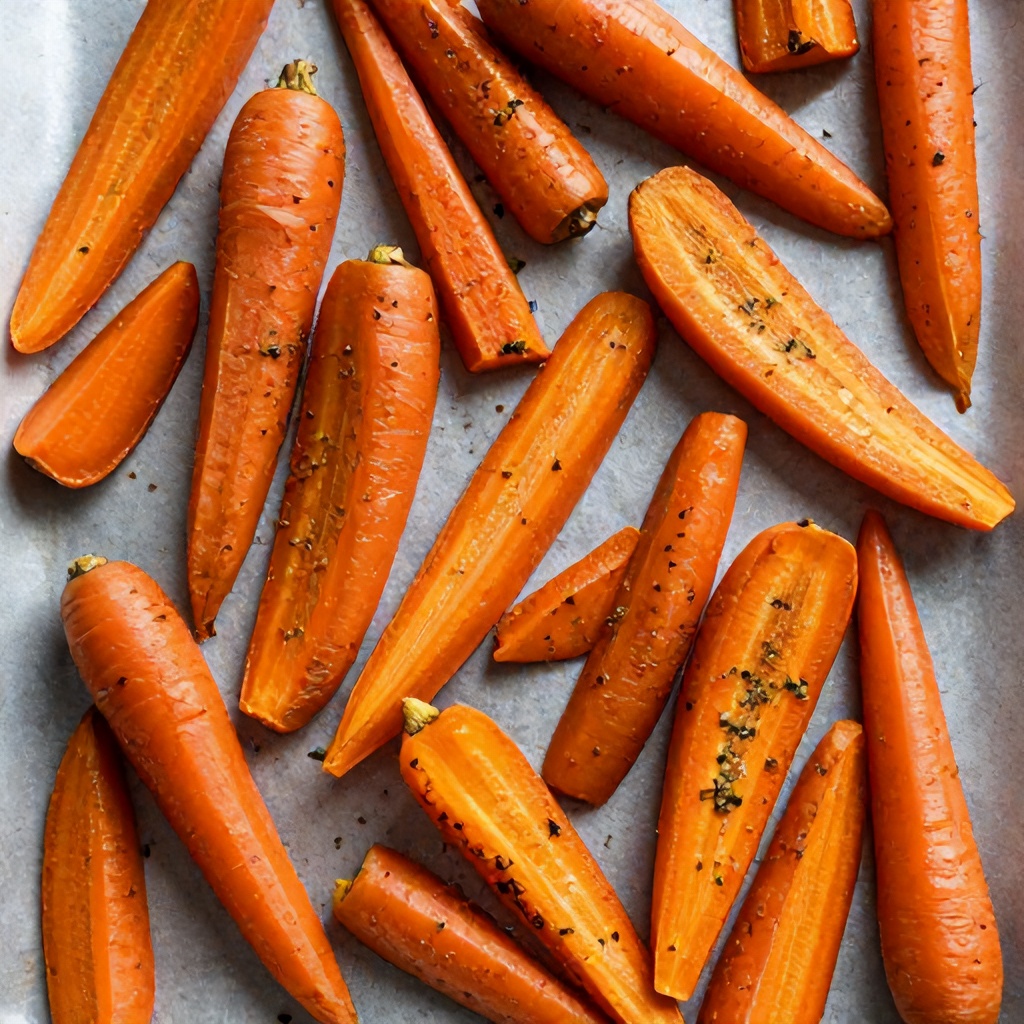
If you are making a casual weeknight meal prep batch, skip the peeling. If you are hosting a holiday dinner and want glazed carrots that shine, take the extra two minutes to peel them. Once they are clean, the way you cut them determines how evenly they cook. For large carrots, cutting them lengthwise first is a smart move. This ensures the thick end isn’t still hard while the thin tip is burning. After splitting them lengthwise, cut them into one-inch diagonal slices. This shape provides more surface area for caramelization against the sheet pan.
Consistency in Cutting
Uniformity is your best friend in the kitchen. If one piece is a tiny cube and the other is a massive chunk, one will turn to mush while the other stays raw. Try to keep all pieces roughly the same thickness. If you have very small carrots, you can leave them whole. This looks rustic and beautiful. Just be sure to adjust your timer, as whole carrots need more time for the heat to reach the center. Smaller pieces shrink as they lose moisture in the oven, so do not cut them too thin or they might vanish into crispy bits before they get tender.
The Science of Caramelization at 400 Degrees Fahrenheit
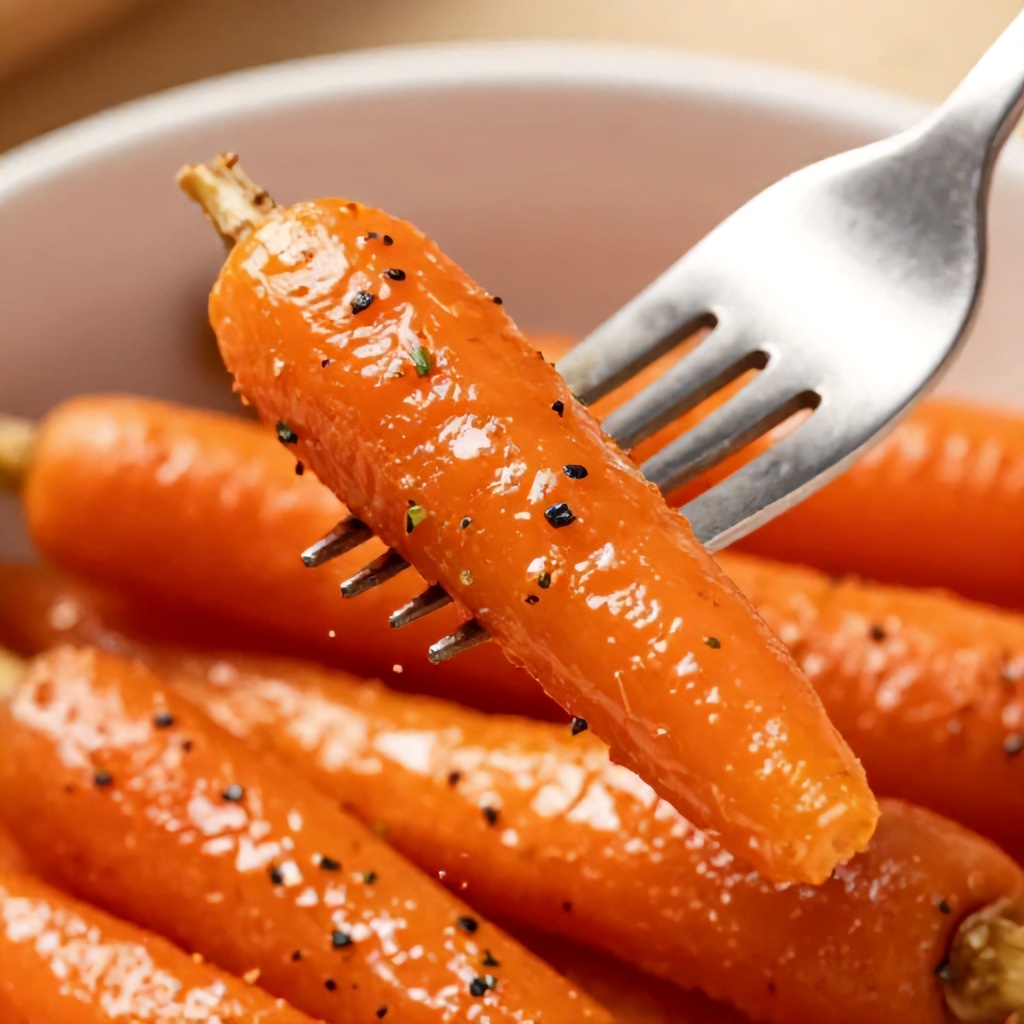
Setting your oven to 400 degrees Fahrenheit is the sweet spot for root vegetables. At this temperature, the water inside the carrot evaporates quickly. As the water leaves, the natural sugars concentrate. Eventually, those sugars begin to brown. This is caramelization. If the oven is too cold, say 325 degrees, the carrots will steam and get soft but never develop that brown, savory crust. If the oven is too hot, like 450 degrees, the outside might burn before the inside is fully cooked.
Using a sheet pan is essential for this process. A high-sided roasting pan can trap steam, which prevents the carrots from getting that roasted texture. A flat baking sheet allows air to circulate freely. You must arrange the carrots in a single layer. Overcrowding the pan is a common mistake. If the carrots are piled on top of each other, they will release moisture and steam each other. Space them out so each piece has its own contact point with the hot metal. That contact is what creates the best flavor.
Step-by-Step Instructions for Perfect Roasted Vegetables
- Preheat your oven to 400 degrees Fahrenheit. While it heats, prepare your baking sheet by lining it with parchment paper for easy cleanup, though roasting directly on the metal often yields better browning.
- Wash and dry your carrots thoroughly. Moisture on the surface of the vegetable will create steam, so pat them dry with a kitchen towel before adding oil.
- Slice the carrots. For medium carrots, diagonal slices about an inch thick work best. For very thick ones, cut them lengthwise first.
- In a large bowl, toss the carrots with a tablespoon or two of high-smoke-point oil. Avocado oil or refined olive oil are great choices. Add a generous pinch of sea salt and cracked black pepper.
- Spread the carrots onto the sheet pan in a single layer. Ensure no pieces are overlapping.
- Place the pan in the center of the oven. Bake for 15 minutes.
- Remove the pan and use a spatula to toss the carrots. This ensures all sides get a chance to hit the hot pan.
- Return to the oven for another 10 to 15 minutes. They are done when they are tender-crisp and show dark brown edges.
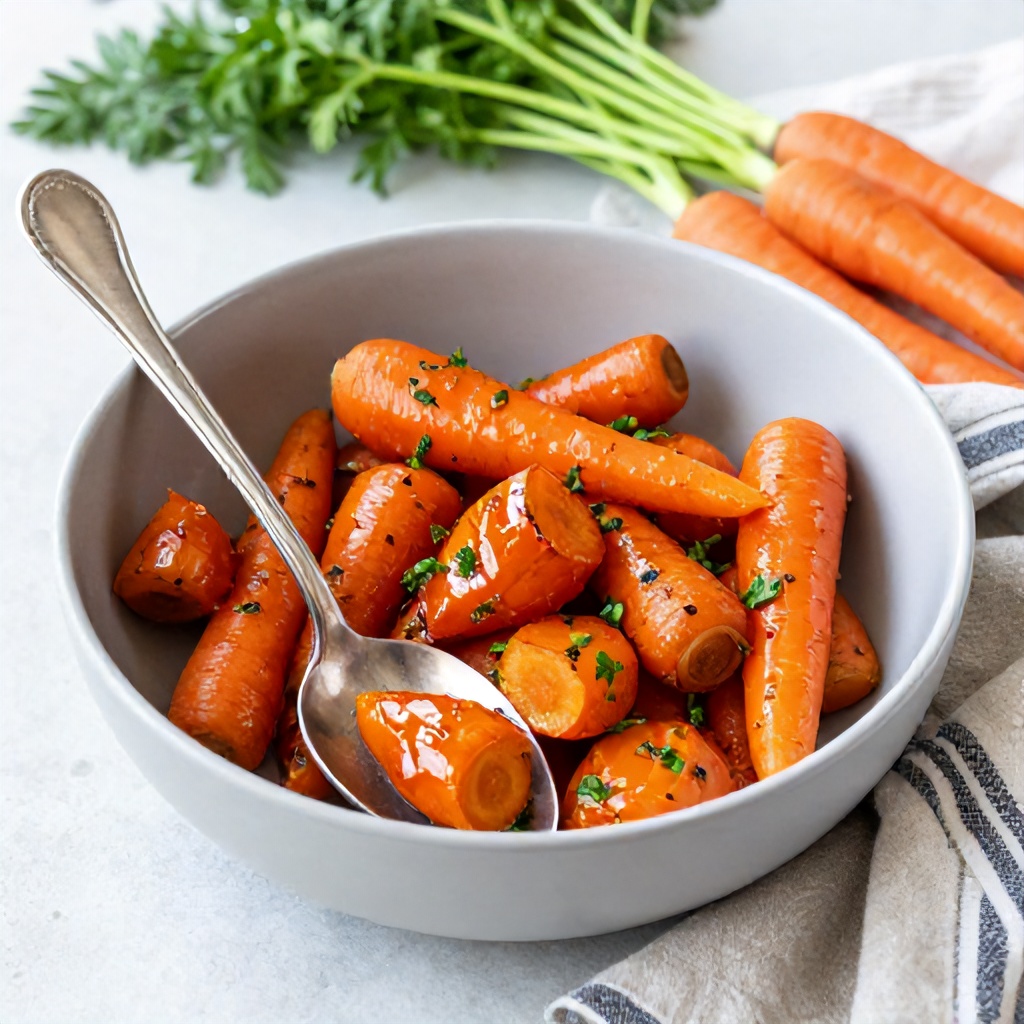
- Remove from the oven and toss with fresh herbs while they are still hot. The residual heat will wake up the oils in the herbs.
Flavor Variations and Seasoning Ideas
Salt and pepper are the foundation, but you can change the profile of this side dish easily. For a savory, earthy taste, use fresh thyme or rosemary. These woody herbs hold up well to the heat. If you prefer a brighter finish, wait until the carrots are out of the oven and toss them with fresh parsley or dill. A squeeze of lemon juice right before serving can cut through the sweetness and make the flavors pop.
If you want something spicy, add a pinch of cumin and red pepper flakes before roasting. This gives the carrots a North African or Middle Eastern vibe that goes perfectly with hummus or grilled lamb. For those who love a sweet-and-savory mix, a teaspoon of maple syrup or honey can be drizzled over the carrots during the last five minutes of baking. This creates a sticky glaze that kids usually love. Just be careful not to add sugar too early, or it might burn on the pan.
Garlic and Parmesan Option
Garlic is a popular addition, but it burns faster than carrots. If you want a garlic flavor, use garlic powder in the initial seasoning. If you prefer fresh garlic, mince it and add it to the pan during the last 10 minutes of roasting. This gives the garlic enough time to mellow out without turning bitter and black. For a non-vegan version, a sprinkle of freshly grated parmesan cheese in the final minutes creates a salty, crispy crust that is hard to resist.
Healthy Eating and Nutritional Benefits
Carrots are famous for being high in beta-carotene, which the body converts into Vitamin A. This nutrient is vital for eye health and immune function. Interestingly, cooking carrots actually makes these antioxidants easier for your body to absorb. The heat breaks down the tough cellular walls of the vegetable, releasing the nutrients. Since Vitamin A is fat-soluble, roasting them in a healthy oil like olive or avocado oil further improves absorption. It is a win-win for nutrition and taste.
This dish fits into almost any dietary pattern. It is naturally vegan and gluten-free. For those following a paleo or Whole30 plan, it provides a dense source of carbohydrates from a whole food source. Carrots are also relatively low in calories compared to potatoes, making them a great volume-filler for those watching their energy intake. They provide fiber, which helps with digestion and keeps you feeling full longer after a meal.
Meal Prep and Storage Tips
Roasted vegetables are a staple for meal prep because they hold up well in the fridge. You can roast a large batch on Sunday and use them throughout the week. They stay good in an airtight container for up to five days. While they lose their slight outer crunch when refrigerated, the flavor remains excellent. You can toss cold roasted carrots into a salad, or add them to a grain bowl with quinoa and tahini dressing.
To reheat them, avoid the microwave if you can. The microwave tends to make them rubbery. Instead, put them back on a sheet pan or in a toaster oven at 350 degrees for about five minutes. This helps restore some of the texture. If you are in a rush, a quick sauté in a dry pan over medium heat also works well. These carrots are also delicious at room temperature, making them a safe choice for office lunches where you might not have a stove available.
Kitchen Techniques for Success
If your carrots are coming out soggy, check your oil amount. Too much oil can weigh the vegetables down and make them greasy rather than crispy. You only need enough to lightly coat each piece so the seasoning sticks. Another tip is to ensure your oven is truly at 400 degrees. Many home ovens are off by 25 degrees or more. Using an inexpensive oven thermometer can help you verify that you are roasting at the right temperature for caramelization.
Don’t be afraid of the brown bits. Those dark spots on the edges of the carrots are where the most flavor lives. As long as they aren’t black and ashy, those spots are pure culinary gold. If you find that the tips of your carrots are burning while the middle is still hard, your pieces are likely too uneven. Focus on that diagonal cut to keep the thickness consistent from end to end. With a little practice, this becomes one of the simplest and most rewarding recipes in your collection.
Using fresh herbs instead of dried ones makes a noticeable difference. Dried herbs can sometimes taste dusty or muted when roasted at high temperatures. Fresh cilantro, mint, or chives added at the very end provide a burst of color and a clean finish. If you have the carrot tops, do not throw them away. You can blend the green tops with garlic, nuts, and oil to make a carrot-top pesto that tastes amazing drizzled over the roasted roots. It is a great way to reduce food waste and add another layer of flavor to your plate.