
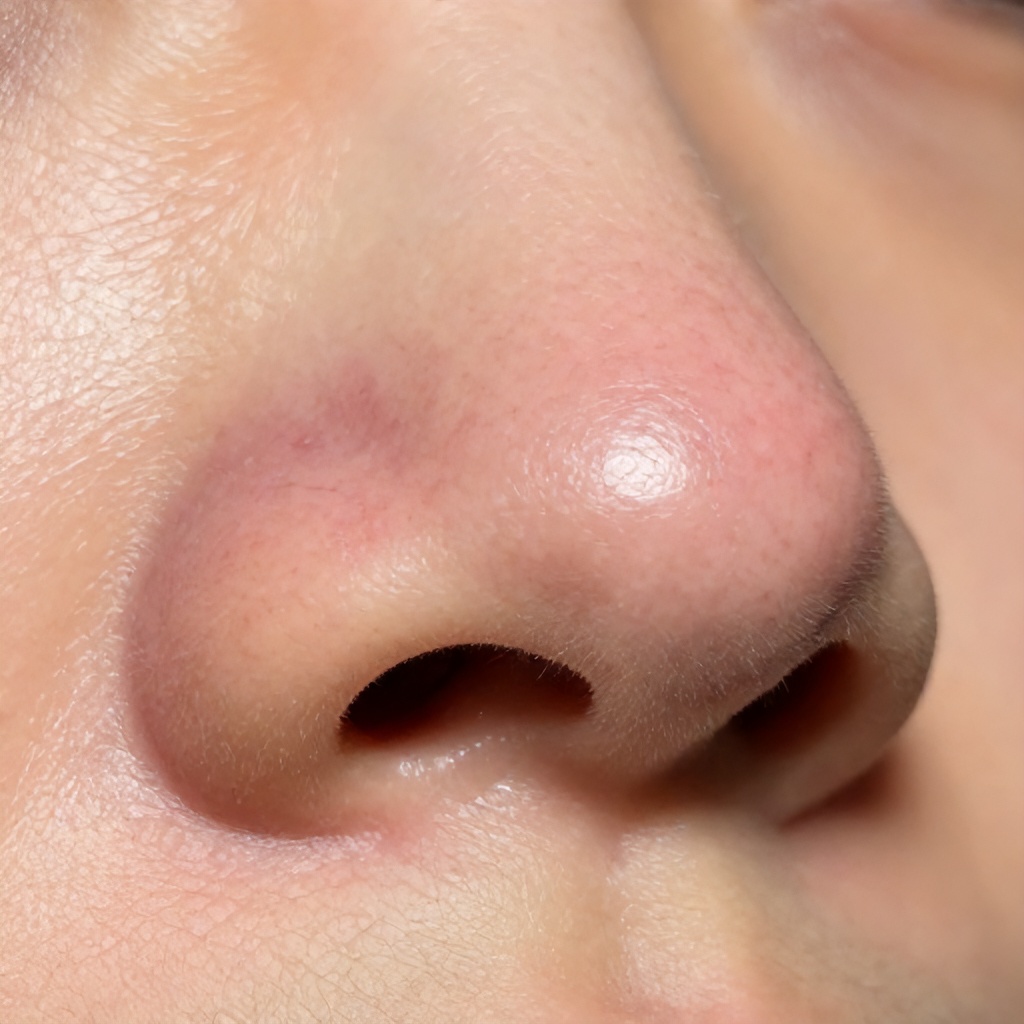
Papules are a common type of acne, appearing as slightly raised, often red or discolored bumps on your skin. These solid, inflamed skin lesions can feel hard to the touch and cause discomfort, but understanding their causes and how to treat them effectively can lead to clearer, healthier skin. While these red bumps on skin are very common, they can be challenging to deal with and often cause pain and discomfort in the area where they appear. The good news is there are clear ways to get rid of them, along with practical steps you can take to prevent them from returning.

What Exactly Is a Papule?
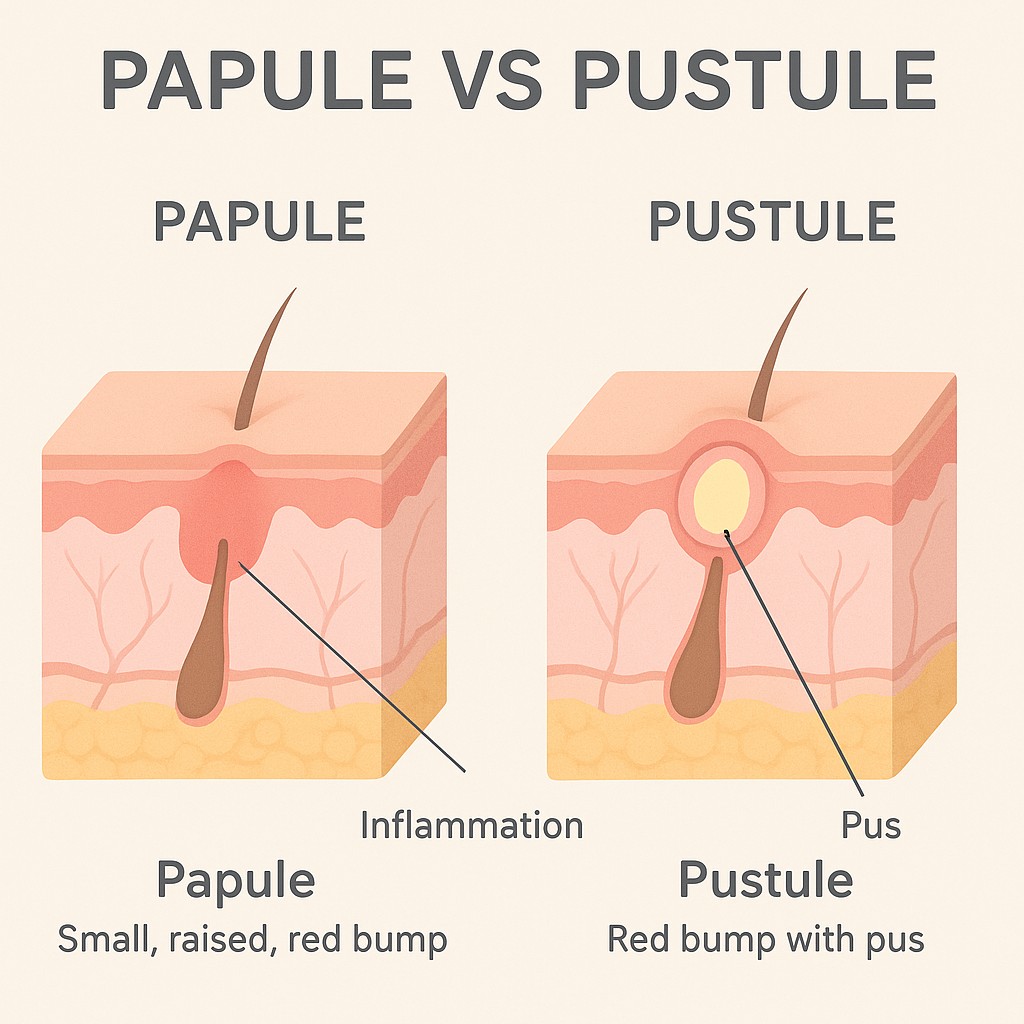
A papule is essentially an inflamed skin lesion that feels firm and appears as a small, red bump on your skin. Unlike some other types of pimples, papules don’t have a visible head of pus. Instead, they represent a deeper inflammation within the skin’s layers.
When a papule forms, it often causes noticeable skin discoloration and appears slightly elevated from the surrounding skin. You might find it painful to touch, sometimes feeling deeply rooted. Some individuals describe the sensation of pressing on a papule as a dull, throbbing ache, similar to a headache. This discomfort often stems from the depth of the skin inflammation, as deeper issues tend to be more painful. While generally harmless, a large cluster of papules in a small area might sometimes signal a more significant health concern, such as a hormonal imbalance acne.
What’s Going On Inside a Papule?
A papule is essentially a solid pimple that forms when a pore becomes clogged and then inflamed. To understand why these skin breakouts happen, let’s look at what’s trapped inside:
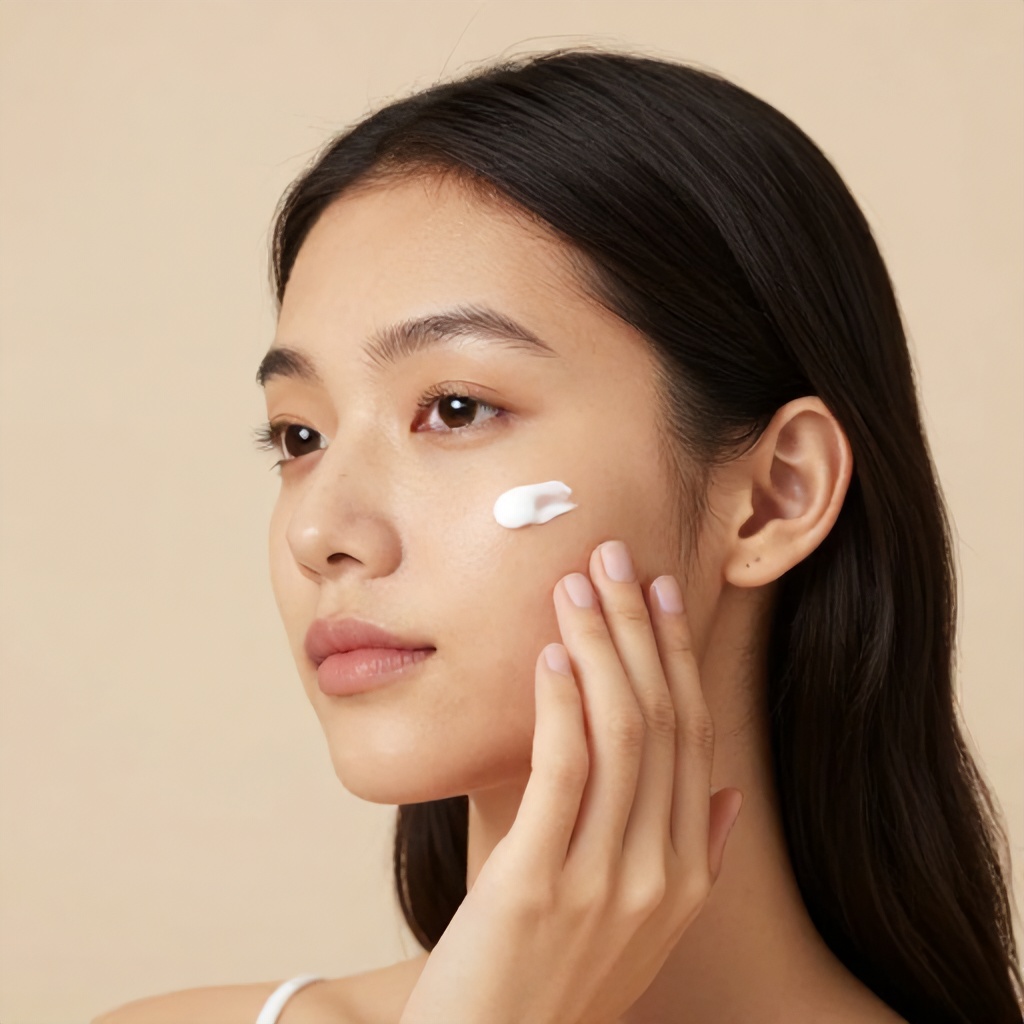
- Sebum: This is the natural oil produced by your sebaceous glands. In healthy amounts, sebum helps protect your skin from external threats. However, excessive sebum production is a major contributor to clogged pores.
- Dead Skin Cells: Your skin constantly sheds dead skin cells. Sometimes, these cells don’t shed properly and mix with sebum, forming a sticky plug that creates pore blockage. This dead skin cell accumulation is a key step in pimple formation.
- Bacteria: Specifically, a type of bacteria called Cutibacterium acnes (often shortened to C. acnes) lives naturally on our skin. When trapped inside a clogged pore, these bacteria can multiply rapidly, triggering skin inflammation and leading to the formation of a papule.
- White Blood Cells: These are part of your body’s immune system response. When bacteria multiply and cause inflammation, your immune system sends white blood cells to fight the infection, contributing to the swelling and redness you see.
Ultimately, the main cause of papules is clogged pores. When pores become blocked with a mix of sebum, dead skin cells, and bacteria, the pressure builds up. Eventually, the pore walls can rupture, spilling this cellular debris and bacteria into the surrounding skin. This spill triggers a strong immune system response, sending white blood cells to the area, which results in the visible inflammation and redness of a papule.
Effective Ways to Treat Papules
Dealing with papules requires a consistent and gentle approach. The goal is to reduce inflammation, clear existing breakouts, and prevent new ones. Here are some of the most effective strategies:
How to Get Rid of Papules (Key Takeaways)
- Exfoliate regularly but gently.
- Apply benzoyl peroxide treatment.
- Incorporate retinoids into your skincare routine.
- Apply a warm compress for acne to relieve swelling and pain.
Gentle Exfoliation
Exfoliation is crucial for preventing dead skin cell accumulation and keeping pores clear. However, it’s vital to choose gentle methods, especially when dealing with inflamed skin lesions. Over-exfoliating can irritate your skin further and worsen breakouts.
- Chemical Exfoliants: Look for products containing alpha hydroxy acids (AHAs) like glycolic acid or lactic acid, or beta hydroxy acids (BHAs) like salicylic acid. Salicylic acid is particularly effective for acne-prone skin because it’s oil-soluble, meaning it can penetrate into the pores to dissolve sebum and dead skin cells, helping to reduce pore blockage. Start with lower concentrations and use them a few times a week.
- Physical Exfoliants: If you prefer physical exfoliation, opt for very fine-grained scrubs or soft cleansing brushes, and use them sparingly and with light pressure. Harsh scrubs can tear the skin and spread bacteria, potentially leading to more pimple formation.
Benzoyl Peroxide Treatment
Benzoyl peroxide is a powerful topical acne treatment that works by killing the Cutibacterium acnes bacteria responsible for much of the skin inflammation in papules. It also helps to shed dead skin cells and clear clogged pores.
- How to Use: Benzoyl peroxide is available in various strengths (2.5% to 10%) in cleansers, creams, and gels. Start with a lower concentration to see how your skin reacts, as it can be drying or irritating. Apply a thin layer to the affected area once a day, gradually increasing to twice a day if tolerated.
- Important Note: Benzoyl peroxide can bleach fabric, so be careful with towels and pillowcases. Always moisturize afterward, as it can cause dryness.
Incorporating Retinoids
Retinoids, which are derivatives of Vitamin A, are incredibly effective for acne-prone skin. They work by increasing cell turnover, which helps prevent dead skin cell accumulation and keeps pores from becoming clogged. This also reduces skin inflammation and promotes healing.
- Over-the-Counter Options: Adapalene (a type of retinoid) is available without a prescription and is a great starting point.
- Prescription Retinoids: For more stubborn or widespread acne, a dermatologist might prescribe stronger retinoids like tretinoin or tazarotene.
- How to Use: Retinoids can make your skin more sensitive to the sun, so always apply them at night and use sunscreen during the day. Start by using them a few times a week and gradually increase frequency as your skin adjusts, as they can initially cause some dryness or purging.
Warm Compress for Acne
For painful, inflamed papules, a warm compress can provide significant relief. The warmth helps to increase blood flow to the area, which can reduce swelling and ease discomfort.
- Application: Soak a clean cloth in warm (not hot) water, wring out the excess, and apply it to the papule for 10-15 minutes, several times a day.
- Benefits: This simple remedy can help bring any deeper inflammation closer to the surface, potentially aiding in quicker resolution.
Long-Term Papule Prevention Strategies
Preventing papules from returning is about establishing a consistent and thoughtful skincare routine and understanding your skin’s triggers. These acne prevention strategies are key to maintaining clear skin.
Consistent Skincare Routine
A well-chosen skincare routine is your best defense against future skin breakouts.
- Cleanse Gently: Wash your face twice daily with a mild, non-comedogenic cleanser. Avoid harsh scrubbing, which can irritate the skin and stimulate more sebum production.
- Moisturize: Even if you have oily or acne-prone skin, moisturizing is essential. Choose a lightweight, oil-free, non-comedogenic moisturizer to keep your skin hydrated without clogging pores.
- Sun Protection: Sun exposure can worsen skin discoloration from previous breakouts and interfere with the effectiveness of some acne treatments. Always use a broad-spectrum sunscreen with an SPF of 30 or higher, especially when using retinoids.
Understanding Your Triggers
Paying attention to what might be causing your papules can help you tailor your approach.

- Hormonal Imbalance Acne: If you notice papules appearing around your jawline, chin, or neck, especially at certain times of your menstrual cycle, hormonal factors might be at play. A dermatologist can discuss options like oral medications or specific topical treatments to manage hormonal imbalance acne.
- Diet and Lifestyle: While the link isn’t always clear-cut for everyone, some people find certain foods (like high-glycemic foods or dairy) can trigger skin breakouts. Stress can also exacerbate acne by influencing hormone levels and immune system response.
- Product Choices: Always check that your makeup, sunscreen, and other skincare products are labeled “non-comedogenic,” meaning they won’t clog pores.
When to Seek Professional Help
If you’ve tried over-the-counter topical acne treatments and consistent skincare without significant improvement, or if you’re experiencing severe or painful papules that resemble cystic acne, it’s time to consult a dermatologist. They can offer:
- Prescription Medications: These might include stronger retinoids, oral antibiotics to reduce bacteria and inflammation, or hormonal therapies for hormonal imbalance acne.
- In-Office Procedures: Options like chemical peels, extractions, or laser therapy can effectively treat existing papules and help reduce the risk of acne scars and skin discoloration.
- Personalized Advice: A dermatologist can assess your specific skin type and condition to create a tailored treatment plan that addresses your unique needs.
Frequently Asked Questions
What’s the difference between a papule and a pustule?
A papule is a small, solid, red, and inflamed bump without a visible head of pus. A pustule, on the other hand, is similar but has a visible white or yellow center of pus. Both are types of acne, but pustules are typically more superficial.
Can I pop a papule?
No, you should never try to pop a papule. Since papules are inflamed and don’t have a head, attempting to squeeze them can push the inflammation deeper into the skin, leading to more severe skin inflammation, increased pain, potential infection, and a higher risk of developing acne scars or worsening skin discoloration.
How long do papules typically last?
The duration of a papule can vary. With proper treatment, a papule might resolve within a few days to a week. Without treatment, or if it’s particularly deep and inflamed, it could linger for several weeks. Consistent use of topical acne treatments and a good skincare routine can significantly shorten their lifespan.
Are papules always a sign of acne?
While papules are most commonly associated with acne, they can sometimes be a symptom of other skin conditions, such as folliculitis, rosacea, or even certain allergic reactions. If you’re unsure about the cause of your red bumps on skin or if they don’t respond to typical acne treatments, it’s always best to consult a healthcare professional for an accurate diagnosis.