
Clear Skin Ahead: Your Practical Guide to Tackling Acne and Scars
Achieving clearer skin and minimizing acne scars is totally doable with the right approach, focusing on gentle yet effective strategies that work with your skin, not against it.

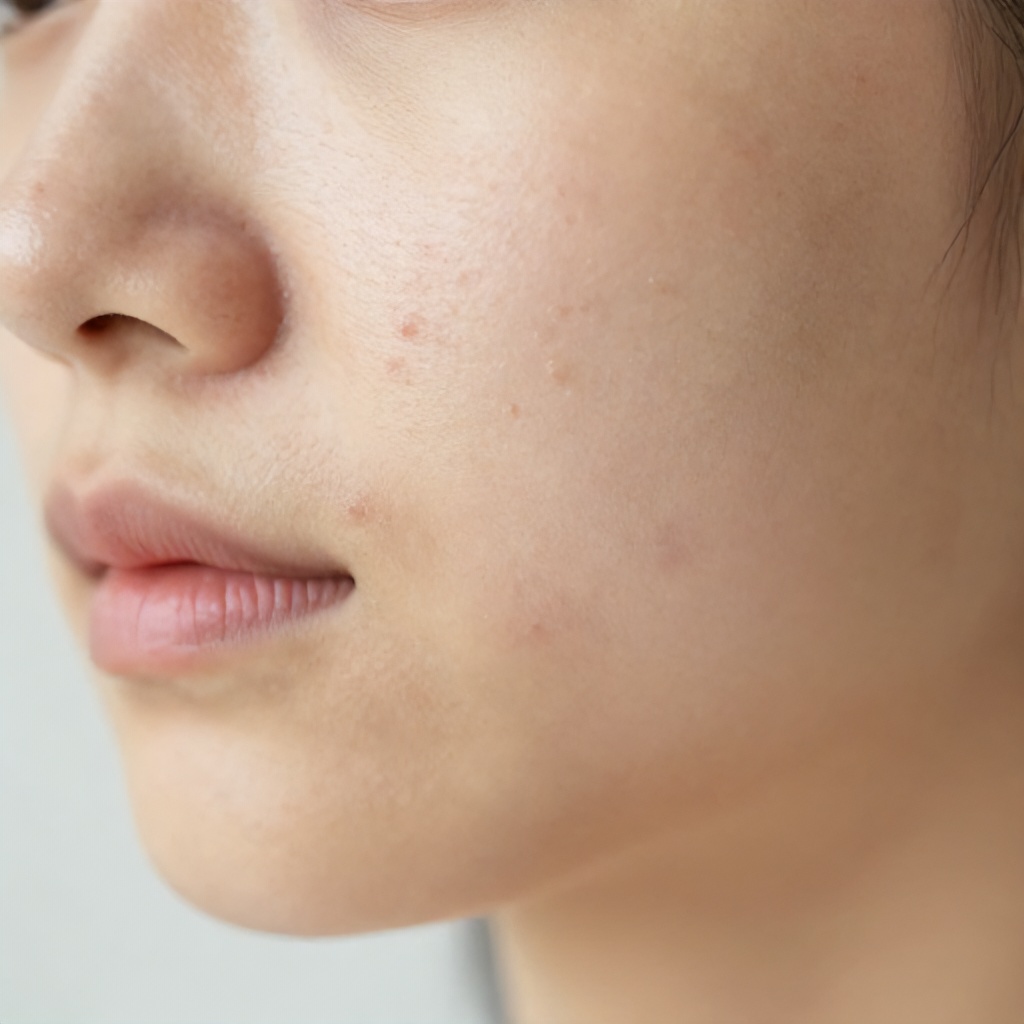
Dealing with acne and the marks it leaves behind can feel like a never-ending battle. You try product after product, hoping for a miracle, only to be met with frustration. But here’s the good news: a consistent, well-thought-out skincare routine can make a significant difference. It’s not about harsh chemicals or complicated steps; it’s about understanding your skin’s needs and building habits that support its natural healing processes. This guide breaks down how to effectively treat active breakouts and fade those stubborn scars, giving you the confidence to embrace your skin.
Understanding Acne: More Than Just Pimples
Acne isn’t a one-size-fits-all problem. It’s a common skin condition that occurs when hair follicles become plugged with oil and dead skin cells. This can lead to various types of blemishes, from blackheads and whiteheads to deeper, more inflamed cysts.
The culprits are usually a combination of excess oil production, clogged pores, bacteria (specifically Propionibacterium acnes), and inflammation. Hormonal fluctuations, genetics, stress, and even certain medications can play a role. Understanding what type of acne you’re dealing with is the first step towards choosing the right treatments.
Types of Acne You Might Be Facing
- Blackheads: Open pores clogged with sebum and dead skin cells. The dark color is due to oxidation, not dirt.
- Whiteheads: Closed pores clogged with sebum and dead skin cells. They appear as small, flesh-colored bumps.
- Papules: Small, red, tender bumps. These are inflamed blemishes.
- Pustules: Papules with pus at their tips. Often called “pimples.”
- Nodules: Large, solid, painful lumps beneath the surface of the skin.
- Cystic Acne: Deep, painful, pus-filled lumps that form deep within the skin. This is the most severe form and often leads to scarring.
The Foundation: Your Daily Acne-Fighting Routine
Consistency is king when it comes to managing acne. A simple, effective routine that you can stick to daily is far better than an elaborate one you abandon after a week. The goal is to cleanse gently, treat effectively, and moisturize appropriately without clogging pores.
Step 1: Gentle Cleansing
Washing your face twice a day is essential to remove excess oil, dirt, and impurities that can clog pores. However, over-washing or using harsh soaps can strip your skin of its natural oils, leading to irritation and potentially more breakouts.
Look for a mild, sulfate-free cleanser. Ingredients like salicylic acid or benzoyl peroxide can be beneficial in cleansers for their acne-fighting properties, but start with a lower concentration if you have sensitive skin.
Step 2: Targeted Treatments
This is where you introduce active ingredients designed to combat acne. The key is to choose ingredients that address your specific concerns without overwhelming your skin.
Salicylic Acid (BHA): This is a star ingredient for acne. It’s oil-soluble, meaning it can penetrate deep into pores to dissolve blockages and reduce inflammation. It’s excellent for blackheads and whiteheads.
Benzoyl Peroxide: This ingredient kills acne-causing bacteria and helps to shed dead skin cells. It’s particularly effective for inflammatory acne (papules and pustules). Start with a lower concentration (2.5% or 5%) as it can be drying and irritating.
Niacinamide: A versatile ingredient that helps reduce inflammation, control oil production, and improve the skin barrier. It’s a great option for those who find stronger treatments too harsh.
Retinoids (like Retinol or Adapalene): These vitamin A derivatives are powerful acne fighters. They work by increasing cell turnover, preventing pores from becoming clogged, and reducing inflammation. Prescription-strength retinoids are also available and highly effective. Start slowly with retinoids, perhaps only a few nights a week, and always use sunscreen during the day, as they increase sun sensitivity.
Apply these treatments to clean, dry skin. If you’re using multiple active ingredients, it’s often best to alternate them on different nights or apply them at different times of the day to minimize irritation.
Step 3: Hydration is Key
It might seem counterintuitive to moisturize oily, acne-prone skin, but it’s crucial. When your skin is stripped of its natural moisture, it can overcompensate by producing even more oil, leading to more breakouts. Dehydrated skin also looks dull and can make post-acne marks appear more prominent.
Choose a lightweight, oil-free, non-comedogenic moisturizer. Ingredients like hyaluronic acid and ceramides are excellent for hydration without clogging pores. Gel-based or water-based formulas are often best for oily and acne-prone skin types.
Step 4: Sun Protection
This step is non-negotiable, especially when using acne treatments like retinoids or benzoyl peroxide, which make your skin more sensitive to the sun. Sun exposure can also worsen hyperpigmentation, making acne scars darker and more noticeable.
Use a broad-spectrum SPF 30 or higher sunscreen every single day, even on cloudy days. Look for “non-comedogenic” or “oil-free” formulas designed for acne-prone skin. Mineral sunscreens containing zinc oxide or titanium dioxide are often well-tolerated.
Tackling Acne Scars: Fading the Evidence
Acne scars are the result of inflammation damaging the skin tissue. The body tries to repair this damage, but the healing process can sometimes create new collagen that looks different from the surrounding skin, leading to textural changes or discoloration.
Scarring can be broadly categorized into atrophic (depressed) scars and hypertrophic (raised) scars. The approach to treating them often depends on the type and severity.
Key Ingredients for Scar Improvement
While treating active acne is the priority, incorporating ingredients that promote skin renewal and collagen production can help fade scars over time.
- Vitamin C: A potent antioxidant that brightens the skin, fades hyperpigmentation (the dark spots left after acne), and supports collagen synthesis. Use a stable form of vitamin C in a serum applied in the morning after cleansing.
- Niacinamide: As mentioned before, its anti-inflammatory properties can help calm redness associated with scars, and it can also improve the appearance of post-inflammatory hyperpigmentation.
- Alpha Hydroxy Acids (AHAs) like Glycolic Acid and Lactic Acid: These exfoliants work on the surface of the skin to remove dead skin cells, revealing brighter, smoother skin underneath. They can help improve the texture and tone of mild scarring and hyperpigmentation. Start with lower concentrations and use them a few times a week.
- Retinoids: These are also excellent for scar treatment because they increase cell turnover and stimulate collagen production, which can help fill in depressed scars over time and improve overall skin texture. Consistency is key here.
- Chemical Peels: These professional treatments use higher concentrations of acids to exfoliate the skin more deeply, promoting cell turnover and collagen production. They can be very effective for improving both textural scars and discoloration.
- Microneedling: This procedure involves using tiny needles to create controlled micro-injuries in the skin. This process stimulates the skin’s natural healing response, leading to increased collagen and elastin production, which can help improve the appearance of atrophic acne scars.
- Laser Treatments: Different types of lasers can be used to treat acne scars. Fractional lasers, for example, create microscopic treatment zones, stimulating collagen production and resurfacing the skin. Ablative lasers remove outer layers of skin, offering more dramatic results but with longer recovery times.
Putting it All Together: A Sample Routine for Acne and Scar Management
Here’s a sample routine that incorporates effective ingredients for both active breakouts and scar fading. Remember to introduce new products one at a time and patch-test first.
Morning Routine
- Cleanse: Use a gentle, hydrating cleanser.
- Treat: Apply a Vitamin C serum to brighten and protect.
- Moisturize: Use a lightweight, oil-free, non-comedogenic moisturizer.
- Protect: Apply a broad-spectrum SPF 30 or higher sunscreen.
Evening Routine
- Cleanse: Use a gentle cleanser. If you wear makeup, consider a double cleanse, starting with an oil-based cleanser or micellar water to remove makeup, followed by your regular cleanser.
- Treat (Alternate Nights):
- Night 1: Apply a salicylic acid serum or a benzoyl peroxide spot treatment to active breakouts.
- Night 2: Apply a retinoid (retinol or prescription tretinoin). Start with a pea-sized amount and apply it to dry skin. If you experience dryness or irritation, buffer it by applying moisturizer before the retinoid.
- Night 3: Focus on hydration and barrier repair with a serum containing niacinamide or hyaluronic acid, followed by your moisturizer.
Note: If you are using strong prescription treatments, always follow your dermatologist’s specific instructions.
- Moisturize: Apply a non-comedogenic moisturizer to lock in hydration.
Lifestyle Factors That Matter
Skincare is more than just what you put on your face. Your lifestyle plays a significant role in your skin’s health.
- Diet: While the link between diet and acne is complex and varies by individual, some find that reducing high-glycemic index foods (like sugary snacks and white bread) and dairy can help. Focus on a balanced diet rich in fruits, vegetables, and whole grains.
- Stress Management: Stress can trigger hormonal changes that worsen acne. Finding healthy ways to manage stress, such as exercise, meditation, or yoga, can be beneficial.
- Hygiene: Avoid touching your face unnecessarily, as this can transfer bacteria. Clean your phone screen regularly, and wash your pillowcases frequently to prevent bacteria buildup.
- Don’t Pick!: Resist the urge to pick or squeeze pimples. This can push bacteria deeper into the skin, worsen inflammation, and significantly increase the risk of scarring.
Patience and Persistence
Clearing acne and fading scars takes time. You won’t see results overnight. It often takes weeks, sometimes months, of consistent effort to notice significant improvements. Be patient with your skin and celebrate small victories along the way.
If your acne is severe, persistent, or causing significant distress, don’t hesitate to consult a dermatologist. They can offer prescription treatments, in-office procedures, and personalized advice tailored to your specific skin concerns. They are your best resource for achieving and maintaining clear, healthy skin.