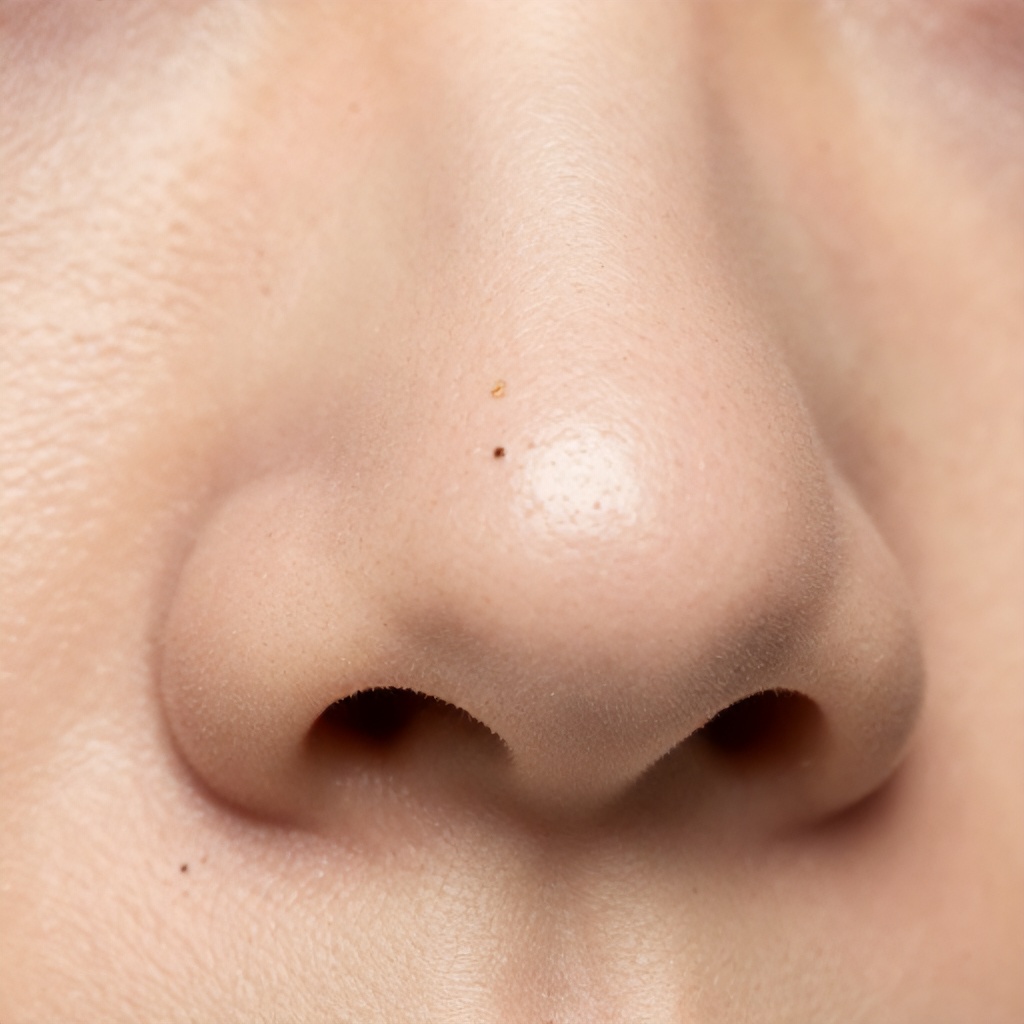
Visible pores are a completely normal and healthy part of your skin, essential for its function, not a flaw to be erased. Everyone has pores, and their size and visibility are largely determined by genetics, though several factors can make them appear more prominent, often leading to common misunderstandings about their nature and how to care for them.

Understanding Your Pores: More Than Just Openings
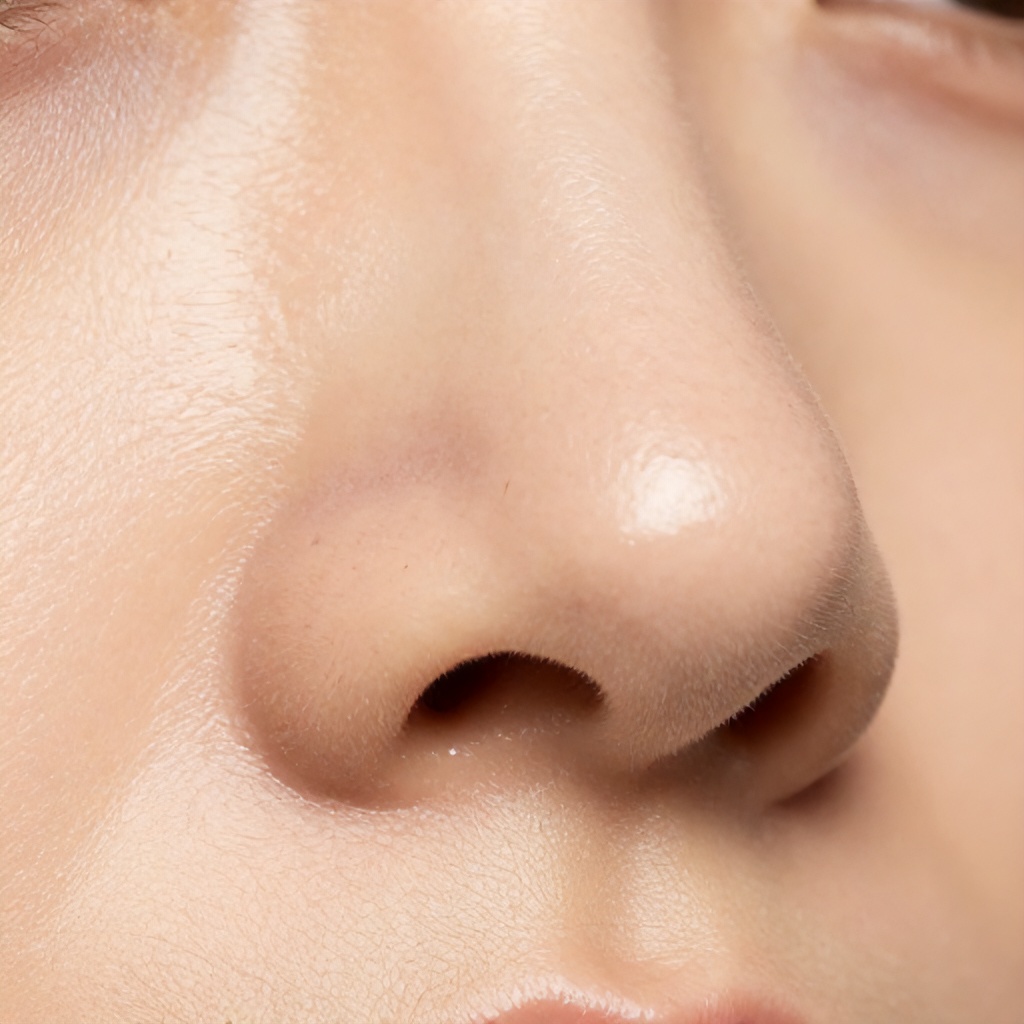
Pores are tiny openings on the skin’s surface, each housing a hair follicle and a sebaceous gland. These small channels allow sebum, your skin’s natural oil, to reach the surface, keeping your skin hydrated and protected from environmental stressors. They are fundamental to dermal health and play a vital role in maintaining your skin’s barrier function. Without pores, your skin couldn’t breathe, regulate its temperature, or lubricate itself properly.
The appearance of these openings can vary significantly from person to person. Some individuals naturally have smaller, less noticeable pores, while others have more visible pores, particularly in the T-zone (forehead, nose, and chin) where sebaceous glands are more concentrated. This natural variation is part of what makes each person’s skin unique.
Why Pores Appear More Visible
While you can’t permanently change the actual size of your pores, several factors contribute to their perceived visibility. Understanding these elements is key to effective pore care and managing your skin complexion.
- Genetics: Your genes play the biggest role in determining your natural pore size. If your parents have larger pores, chances are you will too.
- Oil Production: Individuals with oily skin types tend to have more visible pores. Excess sebum can accumulate around the pore opening, making it appear wider. This is particularly common for nose pores, where oil glands are abundant.
- Sun Damage: Prolonged exposure to UV rays can weaken the collagen and elastin fibers that support the skin around your pores. When these support structures break down, pores can sag and appear larger. This contributes to overall skin texture changes.
- Age: As we age, our skin naturally loses elasticity and firmness. This loss of structural integrity can cause pores to stretch and become more noticeable over time.
- Clogged Pores: Accumulation of dead skin cells, dirt, makeup, and excess sebum can clog pores. When a pore is clogged, the material inside can stretch the pore walls, making it look larger and contributing to blemishes and skin issues.
- Inflammation: Certain skin conditions, including acne, can cause inflammation around the pores, making them appear more prominent and contributing to overall skin concerns.
Debunking Common Blackhead Myths: The Truth About Those Dark Dots
Blackheads are one of the most common skin concerns, yet they are also one of the most misunderstood. Often confused with dirt or other skin conditions, blackheads are a type of comedone, a mild form of acne. Clarifying these blackhead myths is essential for proper skincare knowledge and effective treatment.
Myth 1: Blackheads are Caused by Dirt
This is perhaps the most widespread blackhead myth. Many people believe the dark color of a blackhead means it’s filled with dirt and grime. This simply isn’t true. Blackheads are technically called “open comedones.” They form when a pore becomes clogged with a mixture of sebum (oil) and dead skin cells. The top of this plug remains open to the air. The dark color comes from the oxidation of melanin (pigment) and sebum when exposed to oxygen, similar to how an apple turns brown after being cut. It’s a chemical reaction, not accumulated dirt. Over-scrubbing to remove “dirt” can actually irritate the skin and worsen the problem.
Myth 2: You Can Permanently Shrink Your Pores
The idea of “shrinking” pores is a popular but misleading concept in skincare. Pores do not have muscles, so they cannot open and close, nor can their inherent size be permanently reduced. Products claiming to “shrink” pores often work by temporarily tightening the skin, removing excess oil, or clearing out debris that makes pores appear larger. While these methods can improve pore appearance, they don’t alter the actual structure of the pore. Focus on managing pore appearance and complexion clarity rather than chasing an impossible “shrinkage.”
Myth 3: Harsh Scrubbing and Aggressive Exfoliation Will Get Rid of Blackheads
While exfoliation is important for skin health, aggressive scrubbing or using harsh physical exfoliants is counterproductive for blackheads. Over-scrubbing can strip your skin of its natural oils, leading to irritation, inflammation, and even micro-tears. This can trigger your skin to produce even more oil in response, potentially leading to more clogged pores and more blemishes. Gentle chemical exfoliation is a far more effective and skin-friendly approach to managing visible pores and blackheads.
Myth 4: Pore Strips Are the Best Solution for Blackheads
Pore strips offer instant gratification by visibly pulling out plugs from your pores. However, they are a temporary fix and not a long-term solution for blackheads or overall pore care. These strips primarily remove the superficial, oxidized top layer of the blackhead and sebaceous filaments, along with some dead skin cells and fine hairs. They don’t address the root cause of blackhead formation, which is excess oil production and dead skin cell accumulation. Frequent use can also be irritating, potentially damaging the skin barrier, and may even stretch out the pores over time, making them appear larger. They can be particularly harsh on sensitive skin types.
Myth 5: All Dark Dots in Your Pores Are Blackheads
This is a major point of pore confusion and a common misidentification. Not every dark dot you see in your pores is a blackhead. Many individuals, especially those with oily or combination skin, have what are called sebaceous filaments. Understanding the difference is vital for effective skincare knowledge and avoiding unnecessary treatments.
Understanding Sebaceous Filaments: The Often Misidentified “Blackhead”
Sebaceous filaments are a completely normal and healthy part of your skin’s anatomy. They are often mistaken for blackheads because they appear as tiny, dark dots, particularly on the nose, chin, and forehead. However, their function and composition are distinctly different from actual blackheads.
What Are Sebaceous Filaments?
Sebaceous filaments are tube-like structures that line the inside of your pores. Their purpose is to channel sebum (your skin’s natural oil) from the sebaceous gland up to the skin’s surface to moisturize and protect it. They are composed of a mixture of sebum and dead skin cells, but unlike blackheads, they are not a clog. They are a natural part of your pore structure.
How to Tell the Difference Between Sebaceous Filaments and Blackheads
Distinguishing between the two is crucial for proper skin education and care:
- Appearance: Sebaceous filaments typically appear as tiny, uniformly sized grey or light brown dots, especially on the nose pores. They often look like small pinpricks. Blackheads, on the other hand, are usually darker, larger, and more irregular in shape, often with a raised or bumpy feel.
- Texture: If you gently squeeze a sebaceous filament (which is generally not recommended), a small, worm-like strand of yellowish-white sebum might emerge. A blackhead, when extracted, will produce a solid, dark, plug-like material.
- Recurrence: Sebaceous filaments will refill within days of extraction because they are a natural part of your skin’s function. Blackheads, if properly cleared, will take longer to reform, though new ones can develop.
- Feel: Blackheads are a type of comedone and can sometimes feel slightly rough or bumpy to the touch. Sebaceous filaments typically feel smooth within the skin texture.
Since sebaceous filaments are a normal part of your skin, you cannot “get rid” of them permanently. The goal is to manage their appearance and keep them clear, not to eliminate them. This distinction is a key piece of skin science that helps avoid frustration and inappropriate treatments.
Effective Pore Care and Management Strategies
While you can’t change your genetic pore size, you can significantly improve the appearance of visible pores and prevent blackheads and other blemishes. Proper pore care focuses on keeping pores clean, clear, and supported.
1. Gentle Cleansing
Cleanse your face twice a day with a mild, pH-balanced cleanser. This helps remove excess oil, makeup, and environmental pollutants that can contribute to clogged pores. Avoid harsh cleansers that strip your skin, as this can trigger more oil production. Look for cleansers that are non-comedogenic, meaning they won’t clog your pores.
2. Chemical Exfoliation (AHAs and BHAs)
Chemical exfoliants are far more effective and gentle than physical scrubs for managing pore appearance and preventing blackheads. They work by dissolving the bonds between dead skin cells, allowing them to shed more easily.
- Beta Hydroxy Acids (BHAs): Salicylic acid is a superstar BHA for oily and acne-prone skin. It’s oil-soluble, meaning it can penetrate deep into the pore lining to dissolve sebum and dead skin cells, effectively clearing out blackheads and sebaceous filaments. It helps reduce inflammation and improve skin texture.
- Alpha Hydroxy Acids (AHAs): Glycolic acid and lactic acid are common AHAs that work on the skin’s surface to exfoliate dead skin cells, improving overall skin complexion and clarity. They can help make pores appear less noticeable by refining the skin’s surface.
Start with lower concentrations and gradually increase frequency as your skin adjusts, typically 2-3 times a week.
3. Incorporate Retinoids
Retinoids (like retinol or prescription tretinoin) are powerful ingredients for improving skin health and pore appearance. They work by increasing cell turnover, which prevents dead skin cells from accumulating and clogging pores. Retinoids also stimulate collagen production, which can help strengthen the skin around pores, making them appear firmer and less visible over time. They are excellent for addressing skin concerns like acne, fine lines, and uneven skin texture. Start slowly, using them a few times a week, and always follow with moisturizer.
4. Sun Protection is Non-Negotiable
Daily use of a broad-spectrum sunscreen with an SPF of 30 or higher is crucial. Sun damage breaks down collagen and elastin, which support the skin and keep pores tight. Protecting your skin from the sun helps maintain its elasticity and prevents pores from stretching and becoming more visible. This is a fundamental step for long-term dermal health.
5. Hydrate Your Skin
Even oily skin needs moisture. Dehydrated skin can sometimes compensate by producing more oil, exacerbating visible pores. Use a lightweight, non-comedogenic moisturizer to keep your skin balanced and healthy. Proper hydration also helps the skin barrier function optimally, contributing to overall skin health.
6. Consider Professional Treatments
For persistent skin issues or significant skin concerns related to pore appearance, a dermatologist can offer advanced solutions. These might include professional chemical peels, microdermabrasion, or laser treatments that can significantly improve skin texture and reduce the appearance of enlarged pores and comedones. A dermatologist can provide personalized advice based on your specific skin type and condition, ensuring safe and effective care.
When to See a Professional
While many common skin issues can be managed with a consistent and appropriate skincare routine, there are times when professional guidance is invaluable. If you’re struggling with persistent acne, cystic breakouts, severe inflammation, or if your skin concerns are significantly impacting your quality of life, it’s time to consult a dermatologist. They can diagnose underlying skin conditions, prescribe stronger treatments, and guide you towards the best solutions for your individual needs, ensuring optimal complexion clarity and skin health.