The Mechanics of Professional Comedone Extraction
Professional blackhead removal, or comedone extraction, is a physical intervention used to clear the epidermis of hardened sebum and cellular debris. This clinical skincare procedure relies on precise pressure and sterile tools to empty the follicle without damaging the surrounding tissue. Unlike picking at home, which often pushes bacteria deeper, a professional facial ensures the skin remains intact and healthy. Esthetician services provide a controlled environment where skin imperfections are addressed through a systematic approach. The goal is simple: clear the pore, prevent future breakouts, and improve overall skin texture.

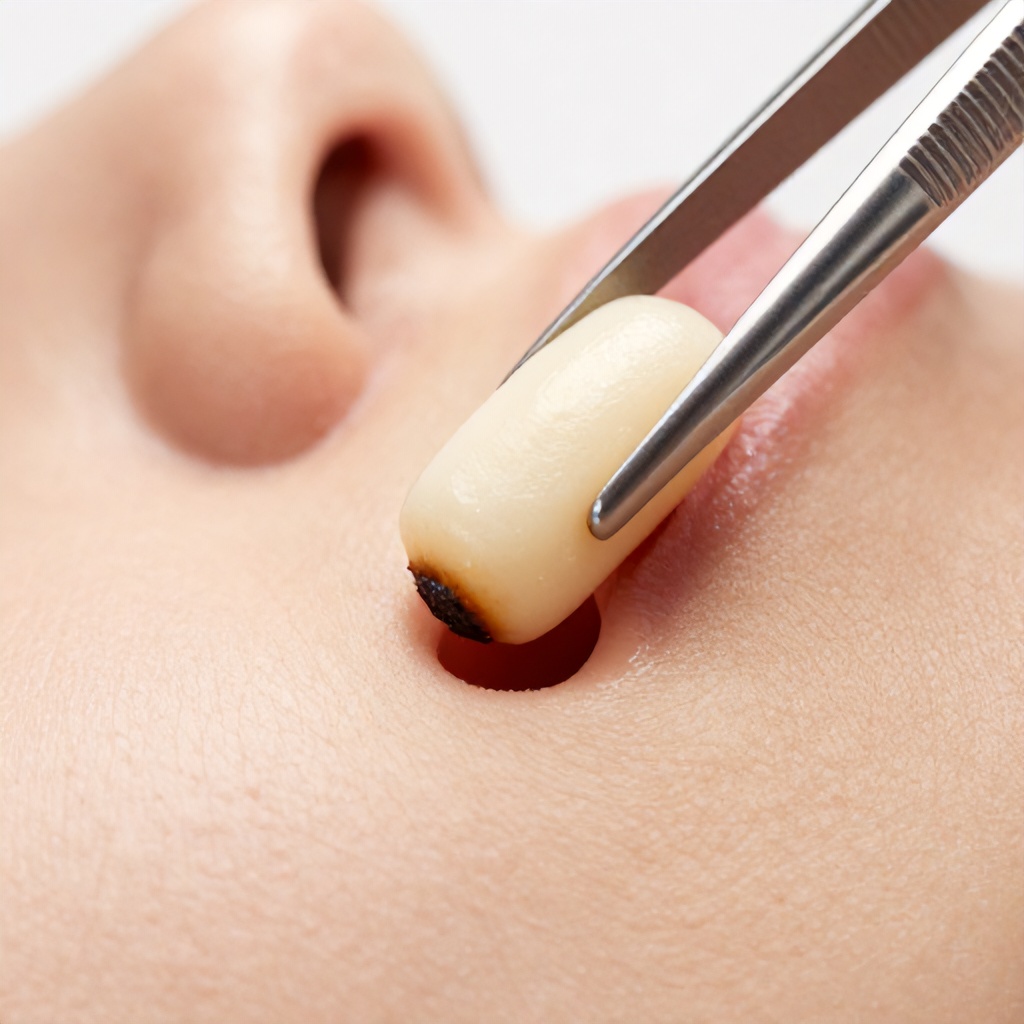
A blackhead is technically an open comedone. It forms when a pore becomes clogged with a mix of dead skin cells and oil, known as sebum. When this plug reaches the surface of the skin and is exposed to air, it oxidizes. This oxidation process turns the debris dark brown or black. It is not dirt. Washing your face more often will not scrub these plugs away because they are lodged deep within the follicle. Professional facial skin extraction is often the only way to fully remove these stubborn blockages without causing trauma to the face.
During a deep pore cleaning, the practitioner focuses on the T-zone and other areas prone to congestion. They look for specific types of blemishes that are safe to extract. Not every bump on the face should be squeezed. Sebaceous filaments, for example, are a natural part of human skin and should generally be left alone. A trained professional uses skin analysis to distinguish between a true blackhead and a normal sebaceous gland. This distinction prevents unnecessary irritation and keeps the skin barrier strong.
Preparation and Skin Analysis
The process begins with a thorough cleansing of the face to remove makeup, sunscreen, and surface pollutants. Hygiene is the foundation of any dermatological treatment. After the skin is clean, the esthetician performs a detailed skin analysis under a magnifying lamp. This allows them to see the exact location of every clogged pore and determine the skin’s sensitivity level. They check for signs of active cystic acne, which should never be extracted manually due to the risk of spreading infection.
Softening the skin is the next vital step. Most professionals use a facial steamer or warm, moist towels to open the pores and soften the hardened sebum. Heat increases the temperature of the skin, making the oils more fluid and easier to remove. Sometimes, a desincrustation solution is applied. This is an alkaline liquid that further breaks down the bonds between dead skin cells and the oily plug. It makes the extraction process much more comfortable for the client. The skin must be supple before any manual extraction begins.
Proper preparation reduces the amount of force required. If the skin is dry or tight, the extraction will be painful and less effective. The esthetician ensures the epidermis is hydrated and the pores are “relaxed.” This careful groundwork distinguishes a professional procedure from a hurried at-home attempt. It minimizes the chance of bruising or lingering redness. A well-prepped face responds better to the tools and heals faster after the session ends.
The Extraction Process and Tools
Manual extraction involves the use of fingers or a specialized comedone extractor tool. When using fingers, the esthetician wraps their index fingers in sterile gauze. They apply gentle, downward, and inward pressure around the base of the blackhead. The movement is a slight wiggle or a rolling motion. This encourages the plug to slide out naturally. If the blackhead does not budge with light pressure, the professional moves on. Forcing a stubborn clog can rupture the follicle wall under the skin.
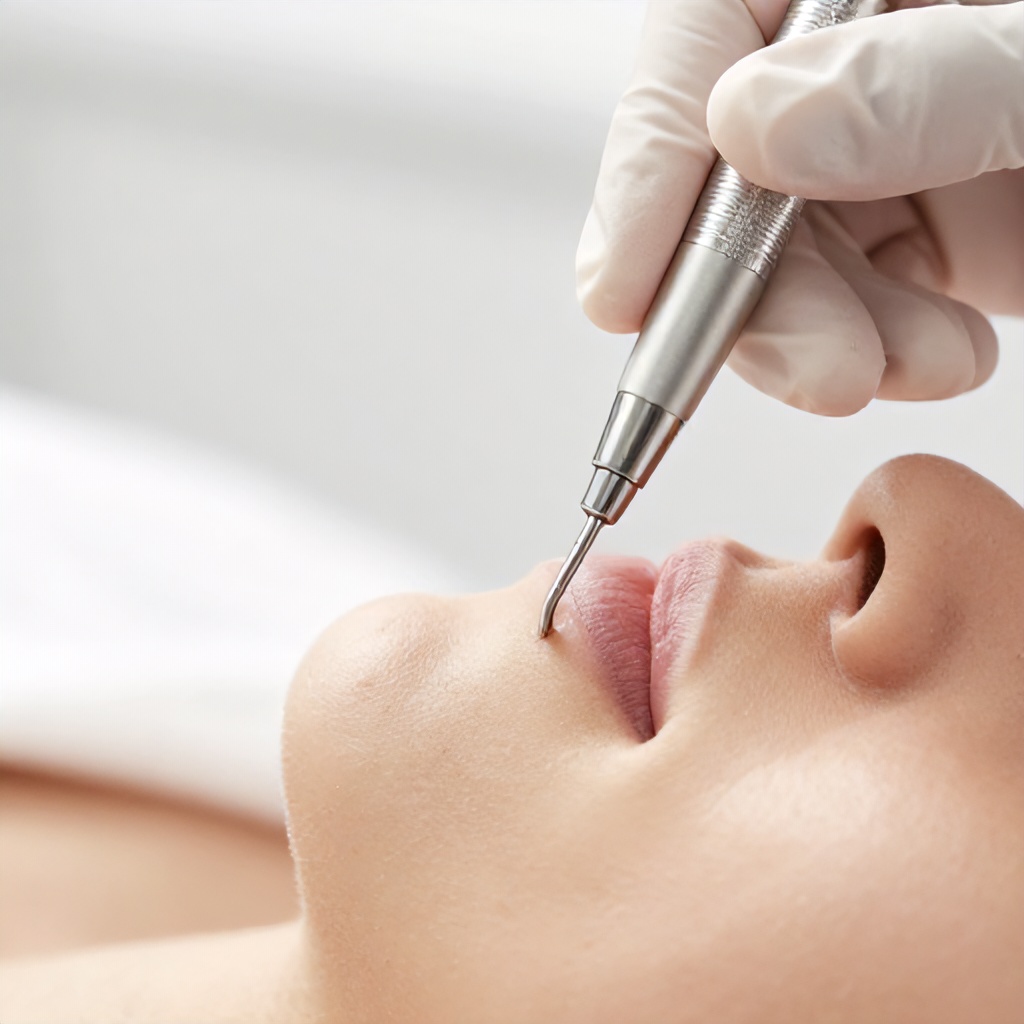
The comedone extractor tool is a stainless steel instrument with a small loop at one or both ends. The loop is placed over the blackhead, and the professional applies even pressure. This tool is effective for reaching tight areas like the crevices of the nose. It allows for pinpoint accuracy. In some cases, a sterile lancet is used to create a tiny opening in a closed comedone, or whitehead, before extraction. This is a delicate task that requires a steady hand and medical aesthetics training. Macro skin photography often captures this moment, showing the sebum removal in vivid detail.
The sensation during extraction varies. Some areas, like the bridge of the nose, are more sensitive than the cheeks. You might feel a quick pinch or a localized pressure. It should not be agonizing. A skilled professional monitors your reaction and adjusts their technique accordingly. They work methodically, clearing one section of the face at a time. This ensures facial hygiene is maintained and no areas are overlooked. The sight of the extracted material on the gauze is often satisfying, but the real benefit is the long-term pore refinement.
Distinguishing Blackheads from Sebaceous Filaments
Many people mistake sebaceous filaments for blackheads and try to remove them. Sebaceous filaments are small, tan or greyish dots that appear flat against the skin, usually on the nose. They are a normal part of the skin’s oil delivery system. They help channel sebum to the surface to keep the skin moisturized. If you squeeze them, they will simply return within a few days. Constant extraction of these filaments can lead to enlarged pores and increased oil production.
Blackheads, on the other hand, are actual blockages. They often look like a dark “head” sitting slightly raised or deeply embedded in the pore. When extracted, a blackhead usually comes out as a solid or semi-solid plug. Sebaceous filaments look more like a thin, waxy thread. A professional knows the difference. They will focus their efforts on the blemish removal that actually benefits the skin’s health. This targeted approach prevents over-processing the skin and maintains a natural glow.
Understanding this difference is a key part of clinical skincare. It helps manage expectations. You cannot permanently “get rid” of pores or sebaceous filaments. You can, however, keep blackheads under control through regular professional facials and a consistent home routine. This knowledge prevents the cycle of over-cleansing and skin irritation. It leads to a more balanced complexion over time.
Post-Extraction Care and Healing
Once the extractions are complete, the skin needs to be calmed and disinfected. The esthetician typically applies an antiseptic toner or a high-frequency treatment. High frequency uses a glass electrode to deliver a mild electrical current to the skin. This creates enriched oxygen molecules that kill bacteria and reduce inflammation. It is a common step in acne treatment to prevent post-facial breakouts. The skin may look pink or slightly swollen immediately after the procedure.
A soothing mask is often applied next. Ingredients like aloe vera, chamomile, or sulfur help to pull heat out of the skin and close the pores. This step is incredibly relaxing and helps the skin recover from the physical pressure of the manual extraction. After the mask is removed, a lightweight, non-comedogenic moisturizer and a broad-spectrum SPF are applied. Protecting the skin from the sun is vital after an extraction because the fresh skin is more susceptible to hyperpigmentation.
The healing process usually takes 24 to 48 hours. During this time, it is best to avoid heavy makeup or intense workouts that cause excessive sweating. Do not pick at any small scabs that might form. Let the skin heal naturally. Most people notice that their skin feels significantly smoother and looks clearer within three days. The improved skin texture makes it easier for your daily serums and creams to penetrate the epidermis and work effectively.
Safety, Risks, and Professional Standards
While facial skin extraction is generally safe, it must be performed by a licensed individual. There are risks involved if the technique is poor. Improper pressure can cause broken capillaries, which are tiny red lines that do not go away on their own. If the tools are not properly sterilized, there is a risk of bacterial infection or even scarring. This is why medical aesthetics standards are so high. Professionals use autoclaves or medical-grade disinfectants to ensure every tool is safe for use.
Individuals with certain skin conditions should be cautious. If you have active rosacea, very thin skin, or are taking certain acne medications like isotretinoin, extractions might not be right for you. These factors make the skin more fragile and prone to tearing. A professional will always ask about your medical history and current skincare products before starting. This screening process is a hallmark of clinical skincare and ensures your safety above all else.
The frequency of professional blackhead removal depends on your skin type. Those with oily or acne-prone skin might benefit from a session every four to six weeks. This matches the natural cycle of skin cell turnover. People with drier skin may only need a deep pore cleaning once every few months. Over-extracting can lead to sensitivity and a compromised skin barrier. It is all about finding the right balance for your specific needs.
The Benefits of Regular Professional Facials
Regular extractions lead to visible pore refinement. When pores are kept clear of hardened sebum, they are less likely to stretch out over time. This results in a smoother, more refined appearance. It also prevents the development of larger inflammatory acne lesions. By removing the “fuel” for bacteria (the sebum plug), you reduce the chances of a blackhead turning into a painful pimple. It is a proactive way to manage skin health.
Beyond the physical clearing of pores, professional treatments offer a chance for deep education. Your esthetician can recommend specific ingredients, like salicylic acid or retinoids, to help keep the pores clear between visits. They can spot changes in your skin that you might miss. This partnership helps you achieve long-term results that go beyond a single appointment. The consistency of professional care is what truly changes the skin’s trajectory.
The psychological benefit is also significant. Dealing with persistent blackheads can be frustrating. Seeing a professional provides a sense of relief and expert support. You leave the clinic knowing your skin has been handled with care and precision. This boost in confidence is often just as valuable as the physical results. Clearer skin often leads to a more relaxed approach to beauty and self-care.
Do and Don’t Guidance for Clearer Pores
- Do use a gentle chemical exfoliant like BHA (salicylic acid) to keep sebum fluid between appointments.
- Do stay hydrated and use a moisturizer suited for your skin type to prevent the epidermis from becoming brittle.
- Do clean your phone screen and change your pillowcases regularly to maintain facial hygiene.
- Don’t attempt to use a comedone extractor tool on yourself at home; it is easy to cause permanent skin damage.
- Don’t use heavy, pore-clogging oils or thick balms if you are prone to blackheads.
- Don’t skip sunscreen, as UV damage can weaken the pore walls and make them appear larger.
Summary of the Clinical Approach
- Skin Analysis: Identifying the difference between blackheads, whiteheads, and sebaceous filaments.
- Softening: Using steam and enzymes to prepare the sebum for removal.
- Extraction: Applying controlled pressure with sterile tools or fingers.
- Disinfection: Using high frequency or antiseptic solutions to kill bacteria.
- Calming: Applying specialized masks and serums to reduce redness and promote healing.
- Protection: Finishing with SPF to guard the newly cleared skin.
Professional blackhead removal is a cornerstone of effective acne treatment and skin maintenance. It combines the art of touch with the science of dermatology. By trusting a professional, you avoid the pitfalls of DIY methods and ensure your skin remains resilient. The result is a clearer, more vibrant complexion that feels as good as it looks. Regular sessions, combined with a smart home routine, provide the best path toward lasting pore refinement and skin health.