How Acne-Fluencers Empower Young Women by Showing Real Skin on Instagram

Skin positivity is shifting the way we view acne on social media

Social media feeds have long been dominated by airbrushed, filtered, and poreless complexions that rarely reflect the reality of human biology. For years, the digital beauty standard suggested that clear, glass-like skin was the only acceptable aesthetic. However, a growing movement of acne-fluencers is challenging these narrow beauty standards by showcasing real skin, including texture, active breakouts, and acne scarring. This shift toward skin realism is not just about aesthetics; it is a significant push for inclusive beauty that validates the experiences of the 95 percent of young people who deal with acne at some point in their lives.

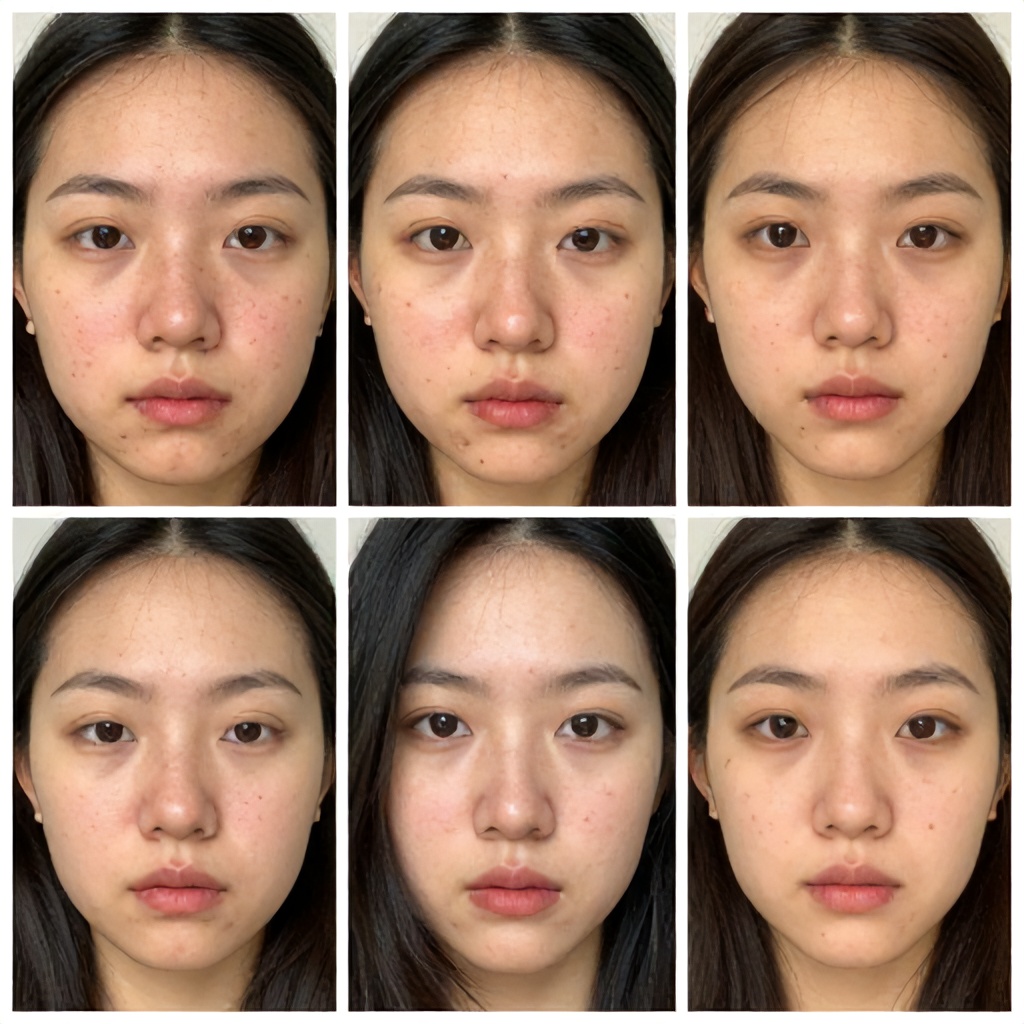
Seeing unfiltered images of skin conditions on your timeline can be a powerful antidote to the feelings of inadequacy often triggered by curated influencer content. When you follow creators who document their skincare journey, including the highs and lows of dermatological health, it normalizes the fact that skin is not a static, perfect surface. This transparency helps dismantle the shame often associated with acne-prone skin, fostering a sense of community for those who previously felt isolated by their appearance.

Why skin transparency matters for mental health

The mental health impact of living with chronic skin conditions is profound. Constant exposure to edited images can exacerbate existing insecurities, leading to lower self-esteem and increased anxiety. Experts note that following people who look like you and speak openly about their struggles can significantly improve your outlook. By shifting the focus from achieving perfection to accepting skin as it is, these creators provide a necessary counter-narrative to the toxic perfectionism found elsewhere online.

Skin positivity is not about ignoring the desire to treat acne; it is about removing the moral judgment attached to having it. Whether you are currently undergoing an acne treatment like Accutane or simply managing hormonal breakouts, seeing others navigate the same path provides a roadmap for self-acceptance. It reminds us that dermatological support is a valid pursuit, but that your worth is never tied to the clarity of your complexion.
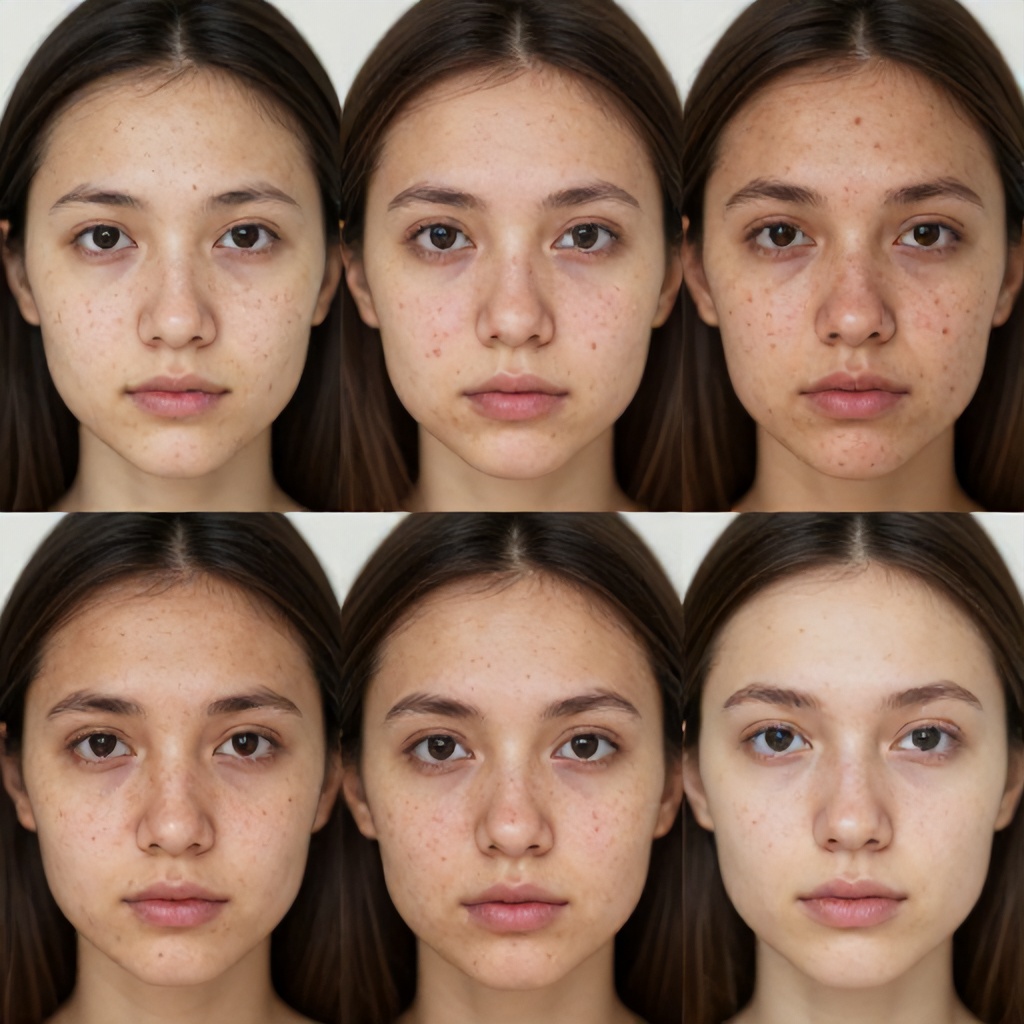
Meet the creators leading the skin realism movement

The rise of the skin-fluencer has provided a platform for authentic storytelling. These individuals do not just post photos; they share their struggles with medication, the frustration of finding effective products, and the emotional toll of dealing with persistent breakouts. By documenting their own skincare journey, they offer a sense of solidarity that traditional beauty marketing fails to provide.

Sophie Dove: From Accutane to self-acceptance

Sophie Dove, a student who gained a significant following during lockdown, is a prime example of this shift. After finishing a course of Accutane, she began sharing her experience with the medication and the lingering effects of acne scarring. Her honesty about wearing makeup to cover her skin during her early university days resonates with many who feel they cannot leave the house without a full face of foundation. Her account serves as a reminder that even those who seek medical intervention still deserve to feel confident in their natural skin.

Kadeeja Sel Khan: Challenging industry bias

Kadeeja Sel Khan has become a prominent voice for those who have faced discrimination due to their skin. After being dropped by a brand because of her skin issues, she turned her negative experience into a platform for advocacy. With hundreds of thousands of followers, she proves that beauty is not defined by a lack of texture or spots. Her work highlights the importance of inclusive beauty, pushing companies to feature diverse skin types in their advertising rather than relying on digital manipulation.

Lou Northcote: The #freethepimple movement

As the founder of the #freethepimple movement, Lou Northcote has created a digital space where people can share their acne stories without fear of judgment. Her commitment to showing her skin during her own Accutane journey has helped thousands of followers feel more comfortable in their own bodies. By encouraging others to post their unfiltered photos, she has turned a personal struggle into a collective movement for body positivity.

Faye: Demanding better representation

Faye, another student creator, focuses on the intersection of self-love and skincare recommendations. She has been vocal about the need for brands to move away from the “perfect skin” trope in marketing. Her message is simple: acne is a normal part of life, and being beautiful does not require having a flawless complexion. By sharing her own skin texture, she helps her audience understand that what they see in magazines and on billboards is often an unrealistic standard.

How to curate your feed for better skin confidence:

  • Unfollow accounts that consistently use heavy filters or editing apps to blur their skin texture.
  • Actively search for hashtags like #freethepimple, #realskin, and #acnepositivity to find creators who share your skin type.
  • Prioritize accounts that offer dermatological support and evidence-based advice rather than just promoting expensive, unproven products.
  • Remember that even the most “real” influencers have good skin days and bad skin days; look for those who show both.

Practical steps for managing your own skincare journey

While following these influencers can help your mental health, it is also important to take practical, evidence-based steps to manage your skin. Acne is a medical condition, and treating it often requires more than just a positive mindset. If you are struggling with persistent breakouts, seeking professional dermatological support is the most effective way to find a routine that works for your specific needs.

  1. Assess your current routine: Are you using too many products? Sometimes, less is more. Stick to a gentle cleanser, a non-comedogenic moisturizer, and a high-quality SPF.
  2. Consult a professional: If over-the-counter treatments are not working, speak to a GP or a dermatologist. They can discuss options like topical retinoids or oral medications if necessary.
  3. Track your triggers: Keep a simple log of your diet, stress levels, and skincare products to see if there is a pattern to your breakouts.
  4. Be patient: Most acne treatments take at least 8 to 12 weeks to show significant results. Consistency is far more important than trying a new product every few days.
  5. Focus on barrier health: Many people with acne over-exfoliate, which damages the skin barrier and leads to more irritation. Focus on hydration and soothing ingredients like niacinamide or ceramides.

A note on skincare advice:

While social media is a great place for community and support, it is not a substitute for medical advice. Be wary of influencers who recommend “miracle cures” or suggest dangerous DIY treatments. Always verify information with a qualified professional before applying new substances to your face, especially if you have sensitive or reactive skin.

The future of beauty standards

The influence of these creators is forcing the beauty industry to reconsider its approach to marketing. As consumers become more savvy about filtered vs unfiltered content, they are demanding more transparency from the brands they support. This is a positive development for everyone, as it promotes a more inclusive definition of beauty that encompasses all skin types, textures, and conditions.

Social media influence is a powerful tool, and when used to promote skin realism, it can change the way we perceive ourselves and others. By celebrating the skin we are in, we can move toward a future where acne is seen as a normal, manageable part of life rather than a source of shame. The next time you scroll through your feed, look for the texture, the spots, and the realness. It is a reminder that you are not alone in your journey, and that your skin, in all its forms, is perfectly fine.

Ultimately, the goal of the skin positivity movement is to foster a culture where we feel comfortable in our own skin, regardless of what the latest trends dictate. Whether you are dealing with hormonal acne, scarring, or just the occasional breakout, remember that your value is not defined by your complexion. Keep following those who make you feel seen, keep seeking professional advice when you need it, and keep embracing the reality of your own beautiful, human skin.

As we look ahead, the continued growth of this community will likely lead to even more representation in mainstream media. We are already seeing more brands ditching the heavy retouching in their campaigns, a direct result of the pressure applied by consumers who want to see real skin. This is a win for everyone, as it creates a more honest and supportive environment for young people growing up in a digital age. Stay informed, stay kind to yourself, and keep pushing for the representation you want to see.
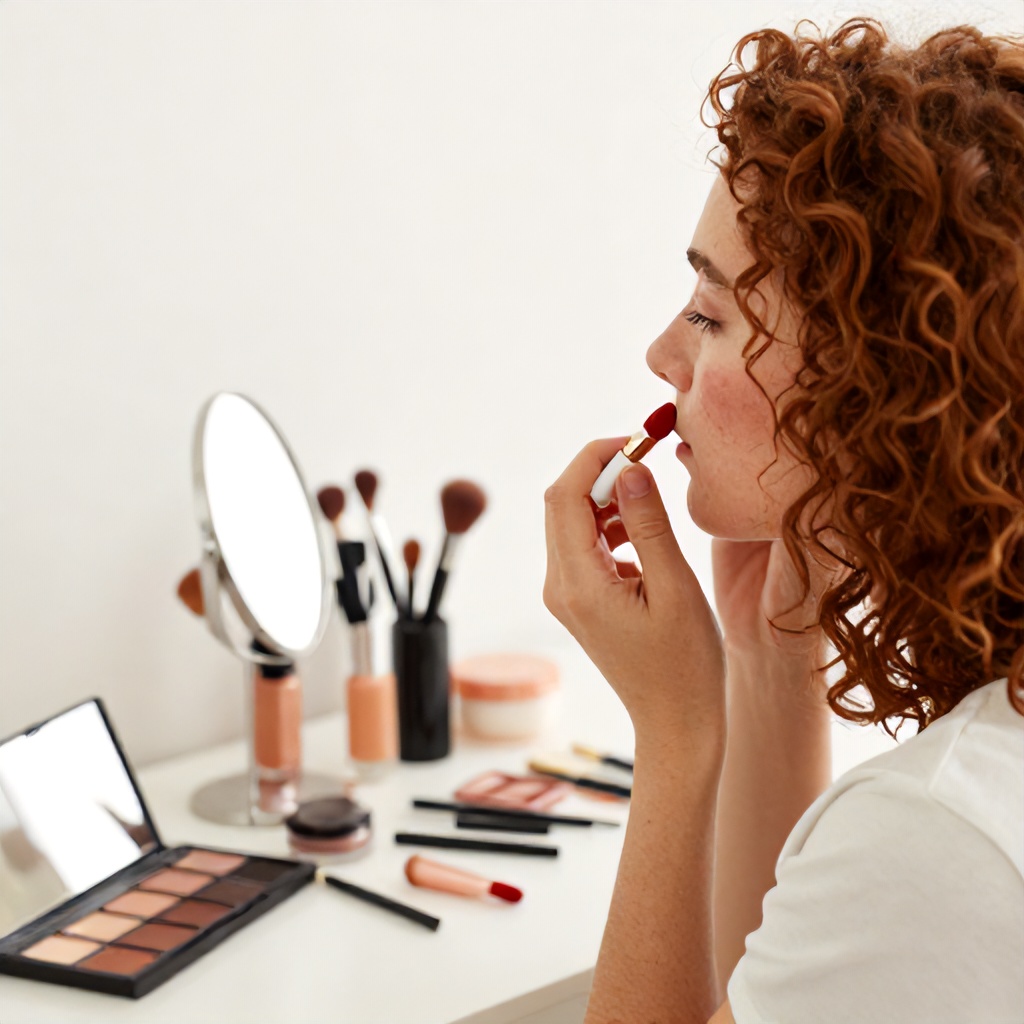
Understanding Adult Acne: Why It Is Not Just a Teenage Problem

Adult acne is a common medical condition that persists well beyond the teenage years, affecting millions of adults who struggle with its physical and emotional weight.

Many people assume that once they leave their high school years behind, their skin will naturally clear up. This persistent myth creates a significant amount of acne stigma for those who continue to deal with facial blemishes, painful cysts, and persistent breakouts well into their twenties, thirties, and beyond. When your skin does not match the airbrushed images seen in advertisements or on social media, it is easy to feel like something is wrong with you. In reality, adult acne is a complex issue driven by hormones, genetics, stress, and lifestyle factors, rather than a lack of hygiene or poor choices.

The Emotional Toll of Chronic Skin Issues

Living with inflammatory skin issues often goes deeper than the surface. For many, the psychological impact is profound, leading to what is often described as skin anxiety. When you look in the mirror and see active breakouts, it can feel as though your entire identity is being overshadowed by your skin texture. This is not just vanity; it is a genuine struggle with self-esteem that can dictate your social life, your professional confidence, and your daily habits.

Lou Northcote, a model who faced a career shift due to her skin, describes the feeling of being trapped by the need for coverage. For years, she felt unable to leave her home without a heavy layer of foundation. This reliance on makeup to hide skin conditions is a common coping mechanism, but it often reinforces the cycle of shame. When you feel that you must hide your face to be accepted, you inadvertently tell yourself that your natural skin is not good enough.

Finding Community in the Skin Positivity Movement

The body positivity movement has expanded to include skin positivity, a space where people share unfiltered photos of their acne-prone skin. Platforms like Instagram have become hubs for the skincare community, allowing individuals to see that they are not alone. Seeing real, unedited skin can be a powerful antidote to the isolation that often accompanies chronic acne.

When you see others embracing their skin, it provides a sense of validation. It reminds you that pimples are a normal part of human biology, not a moral failing. This shift in perspective is a vital part of the skincare journey. It does not mean you stop wanting clear skin, but it does mean you stop punishing yourself for the skin you have right now.

If you are feeling overwhelmed by your skin, try following accounts that prioritize raw, unfiltered imagery. Seeing diverse skin textures can help normalize your own experience and reduce the pressure to achieve a perfect, poreless complexion.

Understanding the Biology of Adult Acne

To manage your skin effectively, you need to understand why these breakouts happen. Unlike teenage acne, which is often driven by a massive surge in puberty-related hormones, adult acne is frequently linked to cortisol—the stress hormone—and fluctuations in reproductive hormones. For women, this often manifests as deep, painful cystic acne along the jawline and chin, which tends to flare up in sync with the menstrual cycle.

Cystic acne is particularly difficult because it occurs deep beneath the skin surface. These lesions are inflammatory and can be quite tender to the touch. Because they are deep-seated, they are less responsive to basic over-the-counter spot treatments and often require professional dermatological care to prevent permanent scarring or long-term skin damage.

Why Dermatological Consultation Matters

Attempting to treat persistent acne with trial-and-error methods can sometimes make the situation worse. If you are dealing with chronic acne, a dermatological consultation is the most practical step you can take. A professional can help you distinguish between hormonal acne, fungal acne, or other skin conditions that might mimic the appearance of standard pimples.

Dermatological treatment plans are highly individualized. They might involve topical retinoids to speed up cell turnover, oral medications to balance hormones, or specialized procedures to reduce inflammation. By working with a professional, you move away from the guesswork of social media trends and toward evidence-based solutions that actually address the root cause of your breakouts.

Avoid the temptation to pick or squeeze your pimples. This is a common habit that almost always leads to increased inflammation, longer healing times, and a much higher risk of developing dark spots or pitted scars that are significantly harder to treat than the original breakout.

Practical Steps for Managing Skin Health

Managing your skin is a marathon, not a sprint. It requires patience, consistency, and a gentle approach. If you are currently feeling discouraged, remember that your skin health is a reflection of your overall well-being, not a measure of your worth as a person.

  1. Simplify your routine: Many people with acne-prone skin accidentally damage their moisture barrier by using too many harsh actives at once. Stick to a gentle cleanser, a non-comedogenic moisturizer, and a high-quality sunscreen.
  2. Track your triggers: Keep a simple journal to note when your breakouts are at their worst. Are they linked to high-stress periods at work? Certain foods? Your cycle? Identifying patterns can help you and your dermatologist find a better solution.
  3. Prioritize stress management: Because stress hormones directly impact oil production, finding ways to lower your baseline stress levels can have a tangible effect on your skin. This might mean regular exercise, better sleep hygiene, or dedicated downtime.
  4. Seek professional support: If your skin is affecting your mental health, do not hesitate to speak with a therapist. Addressing the emotional weight of skin-related shame is just as important as treating the physical lesions.

The Role of Men in the Skincare Community

While the skincare community has historically been female-dominated, men are increasingly speaking out about their own experiences with acne. Vlad Predescu, for instance, recognized that men often feel a unique pressure to remain silent about their skin struggles. By creating spaces where men can discuss their acne, he has helped break down the idea that caring about skin health is exclusively a feminine concern.

Men often face different societal expectations regarding their appearance, but the mental health impact of acne remains universal. Whether you are a man or a woman, the feeling of avoiding mirrors or canceling social plans due to a breakout is a shared human experience. Opening up the conversation to include everyone helps dismantle the stigma that keeps so many people suffering in silence.

Moving Toward Skin Confidence

Achieving clear skin is a valid goal, but it should not come at the expense of your mental peace. True skin confidence comes from knowing that you are more than your complexion. It is the ability to walk into a room, go to the gym, or meet a friend for coffee without letting a breakout dictate your mood or your level of participation in life.

The body positivity movement has taught us that we do not need to wait for perfect skin to start living our lives. You can pursue dermatological care and work toward better skin health while still practicing self-compassion today. If you are struggling, remember that you are not alone in this. There is a vast community of people who understand exactly how you feel, and there are effective, science-backed ways to manage your skin and regain your sense of self.

Is it normal to get acne in my thirties?

Yes, it is very common. Adult-onset acne is a well-documented phenomenon. Many adults experience their first significant breakouts well into their thirties due to hormonal shifts, lifestyle changes, or environmental factors.

Should I stop wearing makeup if I have acne?

You do not have to stop wearing makeup, but you should be mindful of what you use. Look for products labeled as non-comedogenic, which means they are formulated not to clog pores. Always ensure you are thoroughly cleansing your skin at the end of the day to remove all product residue.

How long does it take to see results from acne treatment?

Most dermatological treatments require patience. It typically takes at least six to twelve weeks of consistent use to see a noticeable improvement in your skin. Do not be discouraged if you do not see changes overnight; the skin needs time to cycle through its healing process.

Final Thoughts on Your Skincare Journey

The journey to better skin is rarely a straight line. You will have good days and bad days, and that is perfectly normal. The most important thing is to remain kind to yourself throughout the process. Avoid comparing your skin to the curated images you see online, as those often hide the reality of texture, pores, and occasional blemishes that everyone has.

Focus on what you can control: your daily habits, your choice of skincare products, and your decision to seek professional help when needed. By shifting your focus from perfection to health, you can reduce the anxiety surrounding your skin and reclaim your confidence. Remember that your worth is not tied to the clarity of your complexion, and you deserve to feel comfortable and confident in your own skin, regardless of what it looks like on any given day.

If you find that your skin is causing you significant distress, reach out to a healthcare provider. They can provide the guidance and support necessary to manage your condition effectively. You have the power to take control of your skin health, and you do not have to do it alone. Whether you are just starting your skincare journey or you have been dealing with acne for years, there is always a path forward that prioritizes both your physical health and your mental well-being.

Stay consistent, stay informed, and remember that your skin is just one part of who you are. By taking small, practical steps and leaning on the support of others, you can navigate the challenges of adult acne and come out the other side with a stronger sense of self and a healthier relationship with your reflection.

Exit mobile version