
Wake Up Your Body: A 2-Minute Morning Yoga Flow for Instant Flexibility
This quick yoga sequence is designed to gently awaken your muscles and boost your flexibility right from the start of your day. Even two minutes can make a noticeable difference in how you feel and move.
Mornings can feel like a rush, a blur of alarms and to-do lists before you’ve even had your first sip of coffee. But what if you could inject a moment of calm and physical ease into those first few minutes? This 2-minute yoga flow is your answer. It’s not about contorting yourself into pretzel shapes; it’s about simple, effective movements that coax your body awake and improve your flexibility, making everyday tasks feel a little smoother.

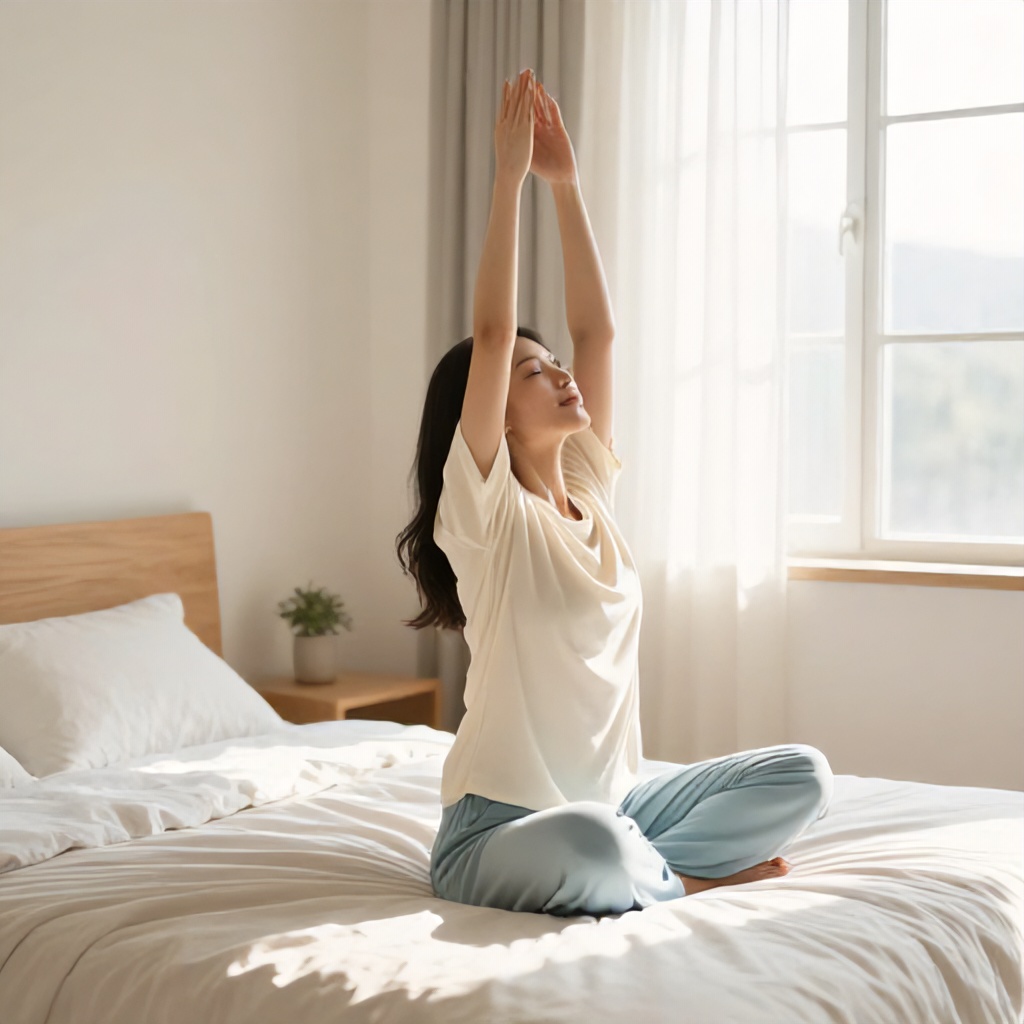
Think of it as a gentle nudge for your muscles and joints, a way to shake off the stiffness that can settle in overnight. You don’t need a special mat or a quiet studio. You can do this right beside your bed, in your pajamas. The goal is to create a mindful transition from sleep to wakefulness, enhancing your physical well-being without demanding a huge time commitment.
Why a 2-Minute Flow Works Wonders
It might sound too short to be effective, but even a brief period of mindful movement can have significant benefits. Our bodies tend to stiffen up while we sleep. This routine aims to counteract that by introducing gentle stretches and movements that increase blood flow and lubricate your joints.
The key is consistency. Doing this for two minutes every single morning will build up over time, leading to noticeable improvements in your range of motion and a reduction in that morning grogginess. It’s about creating a habit that nourishes your body and mind, setting a positive tone for the rest of your day.
This isn’t about achieving peak athletic performance. It’s about self-care, about listening to your body, and about making small, sustainable changes that contribute to your overall health. The simplicity of the routine makes it accessible to everyone, regardless of their current fitness level.
Your 2-Minute Morning Yoga Sequence
This flow is designed to be done sequentially, moving smoothly from one pose to the next. Take your time with each movement, breathing deeply and focusing on the sensations in your body. Remember, it’s about gentle stretching, not pushing yourself to pain.
1. Seated Cat-Cow (30 seconds)
Start by sitting comfortably on the edge of your bed or a chair, with your feet flat on the floor. Place your hands on your knees.
As you inhale, arch your back, gently drawing your shoulders back and lifting your chest. Imagine you’re opening your heart forward. This is your “Cow” pose.
As you exhale, round your spine, tucking your chin towards your chest and drawing your belly button towards your spine. Let your shoulders slump forward. This is your “Cat” pose.
Continue to flow between these two movements, linking your breath to your spine’s movement. Inhale for Cow, exhale for Cat. Focus on the gentle articulation of your spine, from your tailbone all the way up to your neck.
This movement is excellent for warming up the spine, increasing flexibility in the back, and releasing tension in the neck and shoulders. It also helps to improve posture and coordination.
2. Gentle Spinal Twist (30 seconds)
Remain seated. Inhale and lengthen your spine. As you exhale, gently twist your torso to the right. Place your left hand on your right knee and your right hand on the bed or chair behind you for support.
Keep your twist gentle. You don’t need to force it. The goal is to feel a mild stretch along the side of your torso and through your back. Breathe deeply into your back, feeling your ribs expand.
Hold for a few breaths, then inhale to return to center. Repeat on the left side, placing your right hand on your left knee and your left hand behind you. Exhale as you twist.
Spinal twists are fantastic for detoxifying the body by stimulating the digestive organs and improving circulation. They also help to release tension in the back and shoulders, promoting a sense of calm.
3. Child’s Pose with Side Stretch (30 seconds)
Come onto your hands and knees. Sink your hips back towards your heels, resting your forehead on the bed or floor. Extend your arms forward, or bring them back alongside your body with palms facing up for a more restorative variation.
This is Child’s Pose, a resting pose that gently stretches the back, hips, and thighs. It’s a moment to pause and breathe.
Now, walk your hands over to the right side of your mat or bed. You should feel a stretch along the left side of your body, from your hip to your armpit. Keep your hips sinking back towards your heels.
Hold here for a few breaths, feeling the lengthening through your side. Then, walk your hands back to center, and then over to the left side, feeling the stretch on the right side of your body.
This variation of Child’s Pose targets the intercostal muscles between your ribs, which can get tight from prolonged sitting or sleeping. It’s a wonderful way to open up the side body and improve breathing capacity.
4. Downward-Facing Dog (30 seconds)
From your hands and knees, tuck your toes under and lift your hips up and back, forming an inverted V-shape with your body. This is Downward-Facing Dog.
Your hands should be shoulder-width apart, and your feet hip-width apart. You can keep a generous bend in your knees, especially if your hamstrings feel tight. The focus is on lengthening your spine and creating space between your vertebrae.
Gently pedal your feet by bending one knee and straightening the other, as if you’re walking in place. This helps to stretch your hamstrings and calves.
Let your head hang loosely between your arms. Breathe deeply. Feel the stretch through your entire back body, from your heels to your fingertips.
Downward-Facing Dog is a foundational yoga pose that offers a full-body stretch. It strengthens the arms and legs, stretches the hamstrings and calves, and helps to decompress the spine. It’s also known for its ability to energize the body.
Tips for Making Your Morning Flow Even Better
Consistency is king. Even if you only have two minutes, try to do this routine every day. Your body will thank you.
Listen to your body. Yoga is not about pushing yourself into pain. If something doesn’t feel right, ease off or skip the pose. Modifications are always welcome.
Breathe. Your breath is your guide. Deep, conscious breaths will enhance the benefits of each pose and help you feel more present.
Don’t worry about perfection. The goal is to move your body and connect with yourself. It doesn’t have to look like a yoga magazine cover.
Do’s and Don’ts for Your Morning Routine
Do:
- Do move slowly and mindfully.
- Do focus on your breath.
- Do modify poses as needed.
- Do be patient with yourself.
- Do celebrate the small wins.
Don’t:
- Don’t force any stretches.
- Don’t hold your breath.
- Don’t compare yourself to others.
- Don’t skip it if you’re feeling tired; a gentle stretch can be just what you need.
- Don’t expect instant, dramatic results. Progress is gradual.
Beyond the 2 Minutes: Next Steps for Flexibility
Once you’ve established your 2-minute morning flow, you might find yourself wanting to explore more. This simple routine can be a gateway to greater flexibility and a deeper connection with your body.
If you have a little more time, consider adding a few more poses. Perhaps a gentle standing forward fold to stretch the hamstrings further, or a few rounds of Sun Salutations if you’re feeling more energetic. Even an extra five minutes can make a big difference.
Explore different styles of yoga. Hatha yoga or Yin yoga are often recommended for beginners looking to improve flexibility. These styles focus on holding poses for longer periods, allowing the muscles to release and lengthen.
Consider incorporating other activities that promote flexibility. Swimming, dancing, or even regular walking can contribute to overall mobility and well-being.
Hydration is also key. Drinking enough water throughout the day helps to keep your muscles and connective tissues supple. Think of it as lubricating your body from the inside out.
Finally, pay attention to your posture throughout the day. Slouching can contribute to stiffness and reduce your range of motion. Consciously sitting and standing tall can make a surprising difference.
This 2-minute morning yoga flow is a simple yet powerful tool. It’s a commitment to yourself, a small act of kindness that can ripple out into your entire day, leaving you feeling more limber, more energized, and more at peace.