Blackhead Removal and Pore Minimizing Treatment: Realistic Results Explained

Blackhead Removal and Pore Minimizing: A Real-World Look

Achieving smoother, clearer skin often hinges on tackling those stubborn blackheads and refining the appearance of enlarged pores. This isn’t just about aesthetics; it’s about improving overall skin condition and confidence. We’re going to explore what effective blackhead removal and pore minimizing treatments can realistically do, showing you the kind of results you can expect.

Understanding Blackheads and Pores

Before we get to the before and after, let’s quickly touch on what we’re dealing with. Blackheads, scientifically known as open comedones, are essentially clogged pores. The pore gets filled with excess sebum (skin oil), dead skin cells, and sometimes bacteria. When this mixture is exposed to air, it oxidizes and turns dark, hence the “blackhead” appearance. They’re not dirt, despite what many people think. Prominent pores, on the other hand, can be caused by genetics, aging, sun damage, and the natural accumulation of sebum and debris within them, making them appear larger and more noticeable.

These issues often go hand-in-hand. Clogged pores can stretch over time, leading to the appearance of larger pores. Addressing both blackhead removal and pore minimizing is key for a truly improved complexion.

The Goal: What to Expect from Treatment

The aim of any good skin treatment for these concerns is multi-faceted. Primarily, we want to effectively extract or dissolve those sebum plugs and dead skin cells that form blackheads. This leads to immediate visual improvement, making the skin appear cleaner and less congested. Simultaneously, treatments that focus on pore minimizing work to tighten the skin around the pore opening, reduce inflammation, and clear out debris that contributes to pore stretching. The ultimate goal is a smoother texture, a clearer appearance, and a reduction in the visibility of prominent pores.

It’s important to set realistic expectations. While significant improvements are achievable, completely eliminating pores is impossible – nor is it desirable, as pores are essential for skin function. The focus is on refinement and making them less noticeable.

Methods for Blackhead Removal and Pore Minimizing

There’s a spectrum of approaches, from at-home care to professional dermatology interventions. Each has its place depending on the severity of the skin condition and individual needs. Understanding these methods helps in appreciating the ‘after’ results.

At-Home Treatments

Many people start their journey with over-the-counter products and DIY methods. These can be effective for mild to moderate cases.

  • Exfoliation: Chemical exfoliants like salicylic acid (a beta-hydroxy acid, or BHA) are fantastic for blackhead removal because they are oil-soluble and can penetrate into the pore to break down sebum and dead skin cells. Alpha-hydroxy acids (AHAs) like glycolic and lactic acid work on the skin’s surface, helping to shed dead skin cells and improve texture, which indirectly aids in pore appearance. Physical exfoliants, like gentle scrubs, can also help remove surface debris, but caution is advised to avoid irritation.
  • Clay Masks: These are excellent for drawing out impurities and excess oil from the pores. They can temporarily tighten the appearance of pores and leave the skin feeling cleaner.
  • Retinoids: Over-the-counter retinols can help increase cell turnover, preventing pores from becoming clogged in the first place. They also have long-term benefits for skin texture and can contribute to pore refinement.
  • Pore Strips: While satisfying to see what they pull out, pore strips offer a temporary fix. They remove the top layer of the blackhead but don’t address the underlying cause and can sometimes irritate the skin or even damage capillaries if used too aggressively.

Professional Treatments

For more stubborn issues or when seeking more dramatic results, professional treatments offer a higher level of efficacy.

  • Facial Extractions: Performed by estheticians or dermatologists, these involve manually and carefully removing blackheads and other comedones. This is a direct method of blackhead removal that yields immediate visible results.
  • Chemical Peels: Stronger concentrations of AHAs and BHAs are used in professional peels. These can deeply exfoliate the skin, unclog pores, and stimulate collagen production, leading to improved skin texture and pore appearance over time.
  • Microdermabrasion: This procedure uses a device to gently exfoliate the outer layer of skin, removing dead skin cells and debris. It can help to smooth skin texture and make pores appear smaller.
  • Facial Treatments with Advanced Technologies: Some aesthetic treatments incorporate devices like micro-needling or certain types of lasers. These can stimulate collagen, tighten skin, and improve overall pore structure and skin rejuvenation.
  • Prescription Medications: In cases of severe acne contributing to clogged pores and inflammation, a dermatologist might prescribe stronger retinoids or other medications.

The “Before” Picture: Common Concerns

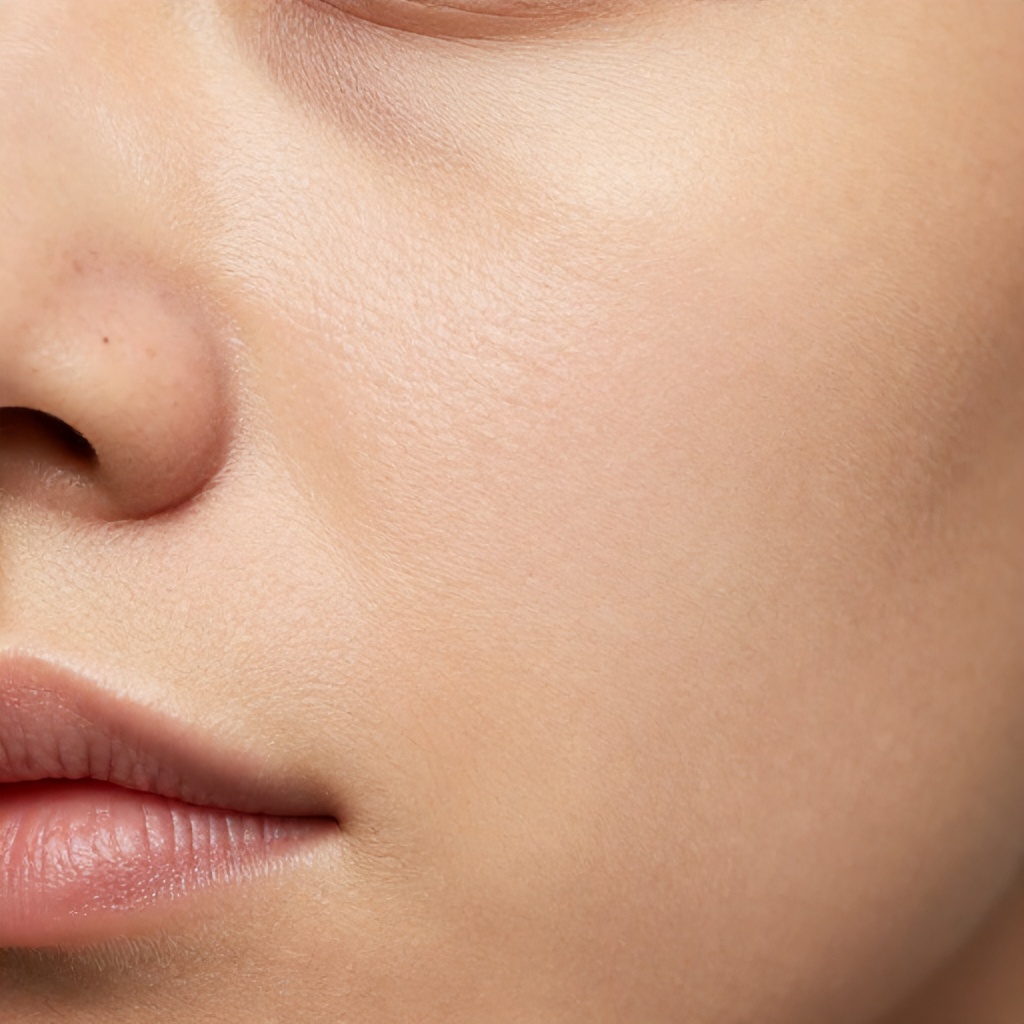
Let’s visualize the “before.” Imagine a close-up view of the nose skin, perhaps the T-zone area. You’d likely see small, dark dots – the blackheads, which are sebum plugs. These are often accompanied by visibly enlarged pores, sometimes appearing like tiny craters or tunnels. The skin texture might feel a bit rough or uneven. There could be a general dullness, and perhaps even some lingering dark spots from past blemishes. The overall complexion might lack that smooth, refined look. Prominent pores are a key feature here, making the skin appear less uniform.

This is the starting point for many seeking effective skin treatment. It’s a common skin condition that affects a wide range of people, regardless of age or skin type. The frustration often stems from the persistent nature of these issues and the difficulty in achieving a truly clearer appearance with casual skincare alone.

The “After” Picture: Visible Transformations

Now, let’s look at the potential “after.” The difference can be quite striking. The most immediate change is the absence of visible blackheads. Those dark spots are gone, replaced by smooth skin. The pores themselves appear significantly refined. Instead of gaping openings, they look tighter, smaller, and less noticeable. The skin texture is noticeably smoother, with a more even and refined appearance. The overall complexion looks brighter and more uniform, with a reduction in the appearance of blemishes and dark spots.

A side-by-side presentation of clinical photographs truly highlights the impact. You’d see the reduction in the depth and width of pores. The skin might appear less oily and congested. The smoother texture is palpable, even in an image. It’s not just about removing blackheads; it’s about achieving a healthier, more balanced skin condition. This improved appearance contributes greatly to enhanced confidence and a more positive self-image. It’s a transformation that goes beyond surface-level changes, reflecting a healthier underlying skin structure.

Comparing Approaches: What Works Best?

The effectiveness of a “before and after” comparison depends heavily on the chosen treatment. A simple pore strip might show a temporary “after” with less visible blackhead tops, but the underlying pore structure remains unchanged. Professional treatments, especially those focusing on exfoliation, collagen stimulation, and deep pore cleansing, offer more profound and lasting results.

For instance, a series of chemical peels or microdermabrasion sessions, combined with a consistent at-home retinoid and salicylic acid regimen, can yield dramatic improvements in both blackhead removal and pore minimizing. The “after” in such cases shows not just a clean surface but a fundamentally improved skin texture and pore health. The key is often a combination of treatments tailored to the individual’s specific skin needs and concerns.

Dermatology offers the most advanced and targeted solutions. Treatments like fractional laser resurfacing, while more intensive, can profoundly alter skin texture, stimulate collagen, and significantly reduce pore size and the appearance of comedones. These are the treatments that deliver the most dramatic “before and after” transformations, often addressing multiple skin concerns simultaneously, including blemish removal and skin rejuvenation.

Maintaining Your Results

The journey doesn’t end after achieving your “after” results. Consistent pore care is essential to maintain the improvements. This includes:

  1. Daily Cleansing: Use a gentle cleanser to remove daily impurities and excess oil.
  2. Regular Exfoliation: Continue using chemical exfoliants like salicylic acid a few times a week to keep pores clear.
  3. Sun Protection: Sun damage can worsen pore appearance and skin texture, so daily SPF is non-negotiable.
  4. Healthy Lifestyle: Hydration, a balanced diet, and adequate sleep all contribute to overall skin health.
  5. Targeted Treatments: Periodically revisit professional treatments or use targeted masks to keep concerns at bay.

Maintaining a consistent facial skincare routine is the bedrock of long-term success. It prevents the recurrence of clogged pores and helps keep the skin looking its best. This proactive approach ensures that the “after” state becomes your new normal, rather than a fleeting moment.

Conclusion: The Power of Targeted Care

The comparison between “before” and “after” treatments for blackhead removal and pore minimizing showcases the significant impact that targeted skincare and professional interventions can have. From addressing stubborn sebum plugs to refining the appearance of prominent pores, the goal is always a smoother, clearer, and more confident complexion. Understanding the mechanisms behind these issues and the various treatment options available empowers you to make informed decisions about your skin health. The journey to better skin is often one of patience and consistency, but the visible results can be truly rewarding.
Blackheads: What They Are and Why They Form

Blackheads are simply clogged pores that appear as small dark spots on your skin, forming when a mix of excess sebum and dead skin cells gets trapped and darkens at the skin’s surface.

What Exactly Are Blackheads?

Imagine your skin’s pores as tiny openings, each housing a hair follicle and a sebaceous gland. These glands are responsible for producing sebum, your skin’s natural oil, which is essential for keeping your skin hydrated and protected. However, sometimes these pores can become congested.

A blackhead forms when a pore gets blocked by a combination of this sebum and dead skin cells that haven’t shed properly. This mixture creates a plug. Unlike a whitehead, which is a closed pore, a blackhead is an open pore. The top of this plug is exposed to the air, and when the sebum within it comes into contact with oxygen, it undergoes a process called oxidation. This oxidation causes the trapped material to darken, creating the characteristic black or dark brown dot you see on your skin.

These small, dark blemishes are a common form of non-inflamed acne, distinct from red, painful pimples or cysts. They typically appear in areas of your face that have a higher concentration of sebaceous glands, such as your T-zone – your forehead, nose, and chin. However, blackheads can pop up anywhere on your body where pores are present, including your chest and back.

Why Blackheads Form and Who Experiences Them

Several factors contribute to the formation of blackheads, making them a common skin concern for many. It’s not just about dirty skin; it’s a complex interplay of internal and external elements.

Common Triggers for Clogged Pores

  • Product Choices: Using heavy, oil-rich skincare products or makeup that isn’t non-comedogenic can significantly contribute to clogged pores. These products can sit on the skin and trap dead skin cells and sebum, creating the perfect environment for blackheads to develop.

  • Inadequate Cleansing: Not cleansing your skin properly or consistently can allow a buildup of impurities, makeup, and dead skin cells. This skin congestion is a primary factor in blackhead formation. Regular, gentle facial care is important for maintaining skin clarity.

  • Hormonal Changes: Fluctuations in hormones, common during puberty, menstruation, pregnancy, or stress, can trigger your sebaceous glands to produce more sebum. This increase in oil production makes your pores more susceptible to blockages.

  • Genetics: Some individuals are simply more genetically predisposed to developing blackheads due to their skin type and pore structure.

The Role of Fatty Acids Imbalance

Beyond external factors, emerging research points to an internal imbalance within the skin’s natural oils. Specifically, an imbalanced ratio of fatty acids in your sebum, particularly the Oleic to Linoleic ratio, can play a significant role. Linoleic acid is an essential fatty acid that helps keep sebum fluid and prevents it from becoming sticky. When there’s a deficiency of linoleic acid or an excess of oleic acid, sebum can become thicker and more prone to sticking inside the pores, making it easier for blackheads to form.

Who is Most Prone?

While everyone will likely experience blackheads at some point, certain individuals are more prone. People with oily skin are particularly susceptible because their sebaceous glands naturally produce more sebum. This increased oil production, combined with often larger pore appearance, creates ideal conditions for blackheads to develop. The excess oil can easily mix with dead skin cells, leading to more frequent clogged pores and skin impurities.

Conversely, blackheads are less common in people with dry skin, who typically have smaller pores and naturally produce less oil. However, even dry skin types can develop blackheads if they use heavy products or neglect proper cleansing.

Free Shipping on Orders $50+

Why You Should NOT Squeeze Blackheads Yourself

The temptation to squeeze blackheads out manually can be incredibly strong, especially when you see those little dark dots on your skin. However, this common approach often does more harm than good and can actually worsen your skin health.

The Risks of Manual Extraction at Home

  • Skin Damage and Inflammation: When you try to squeeze a blackhead with your fingers or fingernails, you often apply uneven and excessive pressure. This can rupture the delicate wall of the sebaceous gland beneath the skin’s surface, forcing the trapped sebum, dead skin cells, and bacteria deeper into the surrounding tissue. The result is often an inflamed, red, and painful mark that can linger for days or even weeks. This can easily lead to more severe breakouts.

  • Introduction of Bacteria: Your hands, even if they appear clean, carry bacteria. When you forcefully extract a blackhead, you risk introducing these bacteria into the open pore and surrounding skin, leading to infection and further inflamed skin.

  • Scarring and Hyperpigmentation: Aggressive squeezing can cause trauma to the skin, leading to post-inflammatory hyperpigmentation (dark spots that remain after the blackhead is gone) or even permanent scarring, especially if the skin is repeatedly damaged.

When Professional Help is Best

If you feel the need for manual extraction, it’s best left to a trained professional. When you visit an esthetician, they are equipped with the knowledge, tools, and sterile environment necessary for safe and effective blackhead removal. They understand the correct amount of pressure, the precise angle, and the appropriate tools to extract blackheads without causing damage or irritation to your skin. This professional approach is the only instance where manual removal should be considered to protect your skin barrier and promote overall skin clarity.

Your cart is empty. Continue shopping. Have an account? Log in to check out faster.

Pore Strips & Other Harsh Solutions for Blackheads

Beyond manual squeezing, many people turn to products like pore strips, hoping for a quick fix for their blackheads and an instant improvement in pore appearance. While the visual satisfaction of pulling something out of your pores can be appealing, these methods often come with significant drawbacks and can be quite damaging to your skin.

The Downside of Pore Strips

Pore strips work by using strong adhesives to literally rip out the top layer of oxidized sebum and dead skin cells from your pores. While they might remove some surface-level impurities, they also strip away much more than just blackheads. The powerful adhesives can remove parts of your epidermal layer, the outermost protective layer of your skin. This can leave your skin feeling raw, dry, and vulnerable.

For individuals with pre-existing skin issues such as acne, eczema, or psoriasis, pore strips can be extremely damaging. They can exacerbate irritation, dryness, and inflammation, making your skin even more prone to breakouts and compromising your skin barrier. Instead of promoting skin health, these harsh solutions can create a cycle of irritation and sensitivity.

Why Harsh Scrubs Aren’t the Answer

Similarly, harsh physical scrubs with large, irregular particles are often marketed for blackhead removal. While exfoliation is important, overly aggressive scrubbing can create micro-tears in the skin, disrupt the skin barrier, and spread bacteria, potentially leading to more inflamed skin and further breakouts rather than improving skin clarity.

Try Holy Grail For 7 Days

Oil Cleansing: A Gentle Path to Clearer Pores

Instead of harsh methods, a gentler, more effective approach to dissolving and preventing blackheads involves the ancient wisdom of oil cleansing. It might seem counterintuitive to use oil to clean oily skin or remove oil-based blackheads, but there’s a strong scientific principle at play: “like dissolves like.”

The Science Behind Oil Cleansing

Since blackheads are essentially plugs of oxidized sebum and other oil-soluble impurities, applying a beneficial oil to your skin can effectively dissolve these stubborn blockages. The oil in your cleanser binds to the oil in your pores, including the hardened sebum that makes up blackheads, allowing it to be gently lifted away without stripping your skin’s natural moisture or disrupting its delicate skin barrier.

This method helps to balance your skin’s natural oil production over time, reducing the likelihood of future skin congestion and improving overall skin clarity. It’s a non-abrasive way to address skin impurities and promote a healthier complexion.

How to Incorporate Oil Cleansing into Your Facial Care Routine

  1. Choose the Right Oil: Opt for a high-quality, non-comedogenic cleansing oil or a blend of oils (like jojoba, grapeseed, or sunflower oil) that are known for their ability to cleanse without clogging pores. Look for products specifically formulated for oil cleansing.

  2. Apply to Dry Skin: Dispense a small amount of cleansing oil into your dry hands and gently massage it onto your dry face. Spend a minute or two gently massaging the oil into your T-zone and any areas prone to blackheads. You’ll feel the oil working to dissolve makeup, sunscreen, and the hardened sebum within your pores.

  3. Emulsify with Water: Wet your hands with warm water and continue massaging your face. The oil will emulsify, turning into a milky, white liquid. This step helps to lift the dissolved impurities from your skin.

  4. Rinse Thoroughly: Rinse your face completely with warm water until all traces of the oil cleanser are gone. Your skin should feel clean, soft, and hydrated, not stripped or greasy.

  5. Follow with a Second Cleanse (Optional): For a deeper clean, especially if you wear heavy makeup, you can follow with a gentle, water-based cleanser. This is often referred to as the “double cleanse” method.

EWG Verified & Leaping Bunny Certified

Beyond Cleansing: Preventing Blackheads and Promoting Skin Health

While oil cleansing is a powerful tool, a holistic approach to skin care is key for long-term blackhead prevention and maintaining optimal skin health.

Consistent and Gentle Skincare Practices

  • Regular Exfoliation: Incorporate gentle chemical exfoliants (like AHAs or BHAs) a few times a week. Salicylic acid (a BHA) is particularly effective as it’s oil-soluble and can penetrate deeper into the pores to dissolve sebum and dead skin cells, helping to reduce skin congestion and the formation of new blackheads.

  • Non-Comedogenic Products: Always choose skincare and makeup products labeled “non-comedogenic,” meaning they are formulated not to clog pores. This is especially important for those with oily skin or a tendency towards breakouts.

  • Moisturize: Even oily skin needs moisture. Using a lightweight, non-comedogenic moisturizer helps maintain a healthy skin barrier, preventing your skin from overproducing oil in an attempt to compensate for dryness.

  • Protect Your Skin: Daily use of a broad-spectrum sunscreen is crucial. Some sunscreens can be heavy, so choose a lightweight, non-comedogenic formula to avoid contributing to clogged pores.

  • Clean Your Tools: Regularly clean makeup brushes, sponges, and anything else that comes into contact with your face to prevent the transfer of bacteria and skin impurities.

Lifestyle and Dietary Considerations

While direct links are still being researched, some individuals find that certain dietary choices or lifestyle factors can influence their skin health and propensity for breakouts. Maintaining a balanced diet, staying hydrated, managing stress, and getting adequate sleep all contribute to overall well-being, which can reflect positively on your skin clarity.

Free Shipping on Orders $50+

When to Seek Professional Advice

If you’ve consistently tried various home care methods and your blackheads persist, or if you’re experiencing frequent breakouts and inflamed skin, it’s wise to consult a dermatologist. They can assess your specific skin type and concerns, offering personalized advice, prescription treatments, or in-office procedures like professional extractions or chemical peels to effectively manage blackheads and improve your overall skin health.

How to Treat Hyperpigmentation and Blackheads on Your Neck

Addressing Hyperpigmentation and Blackheads on the Neck

Darkening of the neck, often referred to as acanthosis nigricans, and the presence of blackheads are distinct dermatological concerns that require targeted approaches for management and treatment. While both can affect the appearance of the neck, their underlying causes and recommended interventions differ significantly.

Understanding Neck Hyperpigmentation

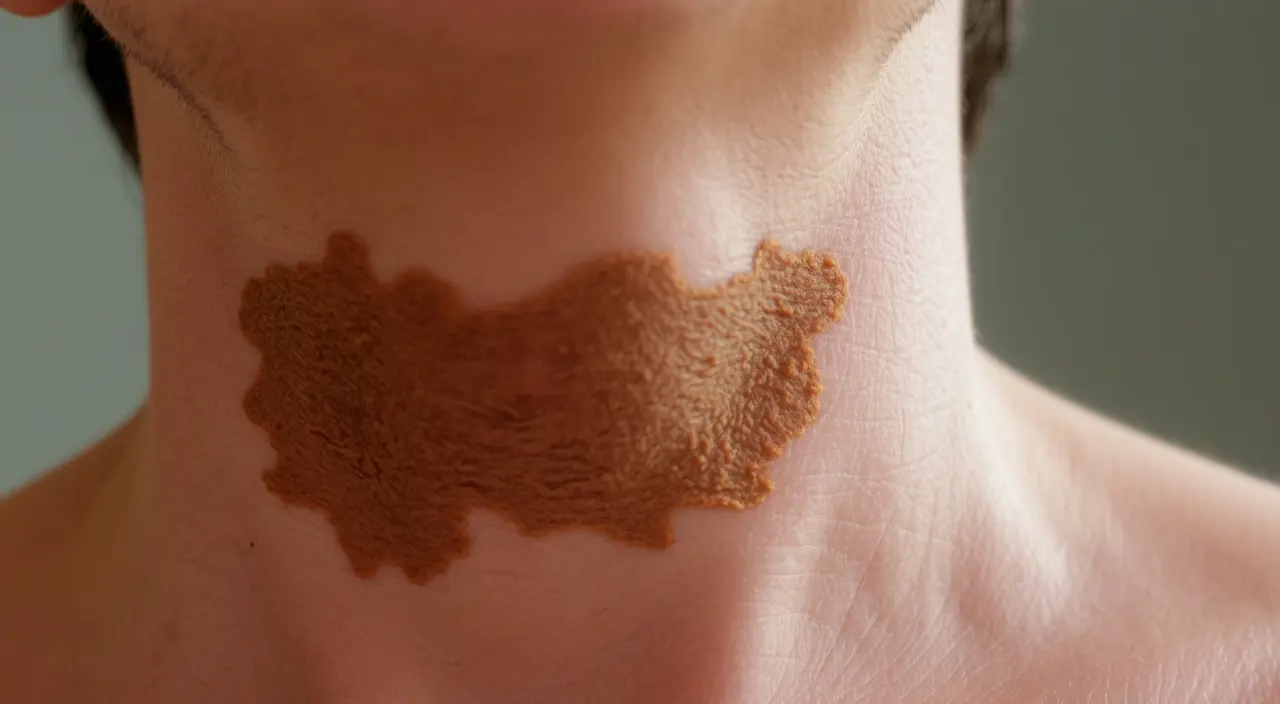
Neck hyperpigmentation, characterized by a darkening of the skin, is frequently associated with acanthosis nigricans. This condition is not a disease in itself but rather a sign of an underlying metabolic issue. The skin in the affected areas, typically the neck, armpits, and groin, develops a thickened, velvety texture and a darker hue.

Causes of Neck Hyperpigmentation

The primary driver of acanthosis nigricans is insulin resistance. Elevated insulin levels can stimulate the growth of skin cells, leading to the characteristic thickening and darkening. Several factors contribute to insulin resistance:

  • Obesity: Excess body weight is a leading cause of insulin resistance.
  • Type 2 Diabetes: This metabolic disorder is closely linked to impaired insulin function.
  • Polycystic Ovary Syndrome (PCOS): Hormonal imbalances in PCOS can lead to insulin resistance.
  • Certain Medications: Some drugs, including corticosteroids and oral contraceptives, can influence insulin sensitivity.
  • Genetic Predisposition: A family history of diabetes or insulin resistance can increase susceptibility.
  • Rare Conditions: In less common instances, acanthosis nigricans can be a symptom of certain cancers, particularly adenocarcinoma of the gastrointestinal tract.

Medical Evaluation for Hyperpigmentation

Individuals experiencing significant neck darkening should consult a healthcare professional. A medical evaluation is crucial to identify the underlying cause. This typically involves:

  1. Medical History Review: Discussing symptoms, lifestyle, and family medical history.
  2. Physical Examination: Assessing the affected skin areas and overall health.
  3. Blood Tests: Measuring blood glucose levels, HbA1c (a measure of long-term blood sugar control), and insulin levels to diagnose or rule out diabetes and insulin resistance.
  4. Hormone Level Tests: In cases of suspected PCOS, hormone levels may be checked.
  5. Further Investigations: If malignancy is suspected, imaging studies or other diagnostic procedures may be recommended.

Treatment and Management of Hyperpigmentation

Treatment focuses on addressing the root cause:

  • Lifestyle Modifications: For obesity-related insulin resistance, weight loss through diet and exercise is paramount.
  • Diabetes Management: Strict adherence to prescribed diabetes treatment plans is essential.
  • PCOS Treatment: Medical management of PCOS may involve hormonal therapies and lifestyle changes.
  • Medication Review: If medications are contributing, a physician may adjust dosages or suggest alternatives.
  • Topical Treatments: While not curative for acanthosis nigricans, topical agents like retinoids or alpha-hydroxy acids (AHAs) may help to lighten the skin and improve texture over time. These should be used under medical supervision due to potential irritation.

Addressing Blackheads on the Neck

Blackheads, also known as open comedones, are a common form of acne. They occur when hair follicles become clogged with sebum (skin oil) and dead skin cells. When this plug is exposed to air, it oxidizes and turns black, giving it its characteristic appearance. Blackheads can appear on the neck, similar to other areas prone to acne, such as the face and chest.

Causes of Blackheads

Several factors contribute to the formation of blackheads:

  • Excess Sebum Production: Hormonal fluctuations, particularly during puberty, menstruation, or periods of stress, can increase sebum production.
  • Dead Skin Cell Buildup: Inadequate exfoliation allows dead skin cells to accumulate and mix with sebum.
  • Bacterial Activity: While not the primary cause of blackheads themselves, bacteria like Cutibacterium acnes can contribute to inflammation in acne lesions.
  • Genetics: A predisposition to acne can be inherited.
  • Certain Products: Comedogenic (pore-clogging) skincare or hair products can exacerbate blackhead formation.
  • Friction: Tight clothing or accessories that rub against the neck can irritate follicles and contribute to blockages.

Skincare Habits for Blackhead Prevention and Treatment

A consistent and appropriate skincare routine is fundamental for managing blackheads on the neck. This involves:

Cleansing

Regular cleansing removes excess oil, dirt, and dead skin cells that can contribute to pore blockages. It is advisable to use a gentle, non-comedogenic cleanser twice daily.

  • Morning Cleansing: To remove accumulated oil and impurities overnight.
  • Evening Cleansing: To remove makeup, sunscreen, environmental pollutants, and excess sebum from the day.

Exfoliation

Exfoliation is critical for removing dead skin cells and preventing them from clogging pores. Two main types of exfoliation are beneficial:

  • Chemical Exfoliation: This involves using ingredients that dissolve the bonds between dead skin cells. Common chemical exfoliants include:
    • Salicylic Acid (BHA): This oil-soluble acid can penetrate pores and help to break down sebum and dead skin cells. It is particularly effective for blackheads.
    • Alpha-Hydroxy Acids (AHAs): Glycolic acid and lactic acid are examples of AHAs that work on the skin’s surface to remove dead cells.
  • Physical Exfoliation: This involves using scrubs or brushes to manually remove dead skin cells. Care must be taken to avoid over-exfoliation, which can lead to irritation and micro-tears in the skin. Gentle, finely-grained scrubs are preferable.

It is important to introduce exfoliating products gradually, starting with a few times per week, to assess skin tolerance. Over-exfoliation can compromise the skin barrier, leading to increased sensitivity and potential breakouts.

Topical Treatments

Several over-the-counter and prescription topical treatments can effectively target blackheads:

  • Retinoids: Topical retinoids, such as adapalene (available over-the-counter) and prescription-strength tretinoin, are highly effective. They work by increasing cell turnover, preventing the buildup of dead skin cells, and helping to unclog pores. Retinoids can cause initial dryness and peeling, so starting with a low concentration and applying them a few times a week is recommended.
  • Benzoyl Peroxide: This ingredient has antibacterial properties and can also help to unclog pores. It is available in various strengths and can be used as a spot treatment or a wash.
  • Niacinamide: This form of vitamin B3 can help to regulate sebum production and reduce inflammation, making it beneficial for acne-prone skin.

Moisturization

Even oily or acne-prone skin requires hydration. Using a lightweight, non-comedogenic moisturizer helps to maintain the skin barrier and prevent the skin from overcompensating by producing more oil. Look for oil-free or gel-based formulations.

Sun Protection

Sun exposure can worsen post-inflammatory hyperpigmentation (dark spots left after acne lesions heal) and can also irritate the skin, potentially exacerbating acne. Daily application of a broad-spectrum SPF 30 or higher sunscreen is essential, especially when using exfoliating treatments or retinoids, which can increase photosensitivity.

Professional Treatments for Blackheads

For persistent or severe blackheads, professional dermatological interventions may be necessary:

  • Professional Extractions: Dermatologists or trained aestheticians can safely extract blackheads using sterile instruments. This should not be attempted at home to avoid infection and scarring.
  • Chemical Peels: Stronger chemical peels can be performed in a clinical setting to deeply exfoliate the skin and improve pore clarity.
  • Microdermabrasion: This procedure uses a device to gently abrade the outer layer of skin, removing dead cells and improving texture.
  • Prescription Medications: In some cases, oral medications like isotretinoin may be prescribed for severe or recalcitrant acne, including blackheads.

Differentiating and Managing Both Conditions

It is crucial to distinguish between neck hyperpigmentation (often acanthosis nigricans) and blackheads, as their management strategies are different. While a person may experience both conditions concurrently, treating one will not resolve the other.

Integrated Approach

An integrated approach is necessary when both hyperpigmentation and blackheads are present:

  • Medical Consultation: A dermatologist can accurately diagnose the cause of hyperpigmentation and assess the severity of blackheads.
  • Addressing Underlying Causes: For hyperpigmentation, prioritizing medical management of insulin resistance or other underlying conditions is paramount.
  • Targeted Skincare: Implementing a consistent skincare routine that addresses blackheads, including gentle cleansing, appropriate exfoliation, and the use of targeted topical treatments, is essential.
  • Patience and Consistency: Both conditions require time and consistent effort to manage. Visible improvements may take weeks or months.

It is important to note that aggressive treatments for hyperpigmentation, such as harsh scrubbing or strong bleaching agents, can irritate the skin and potentially worsen acne or cause further dermatological issues. Similarly, treatments for blackheads should be approached with care to avoid exacerbating any underlying hyperpigmentation.

Lifestyle Considerations

Beyond specific treatments, certain lifestyle choices can support skin health and contribute to the management of both conditions:

  • Diet: A balanced diet rich in fruits, vegetables, and whole grains can support overall metabolic health, which is relevant for insulin resistance. Limiting processed foods and excessive sugar intake is advisable.
  • Hydration: Adequate water intake is crucial for maintaining skin health and overall bodily function.
  • Stress Management: Chronic stress can impact hormonal balance and skin health. Employing stress-reduction techniques can be beneficial.
  • Clothing Choices: Opting for breathable fabrics and avoiding tight-fitting garments that cause friction on the neck can help prevent irritation and potential breakouts.

By understanding the distinct nature of neck hyperpigmentation and blackheads, and by adopting a comprehensive, evidence-based approach that addresses both underlying causes and symptomatic treatment, individuals can effectively manage these common dermatological concerns and improve the clarity and appearance of their neck skin.

Exit mobile version