Understanding the Causes and Treatment of Nose Pores and Blackheads

The Reality of Nose Pores and Blackhead Formation

Nose pores and blackheads result from a combination of excess sebum, dead skin cell buildup, and the natural oxidation process that occurs when these materials meet the air. This specific area of the face contains a higher density of sebaceous glands compared to the cheeks or forehead. Because these glands are more active, the likelihood of congestion increases significantly. When a pore becomes blocked, the trapped oil and skin cells form a plug. If the pore remains open at the surface, the oxygen in the atmosphere reacts with the melanin and oil, turning the plug dark. This is why they are called open comedones. They are not signs of poor hygiene or trapped dirt. They are simply the result of biological processes happening within the skin follicle.

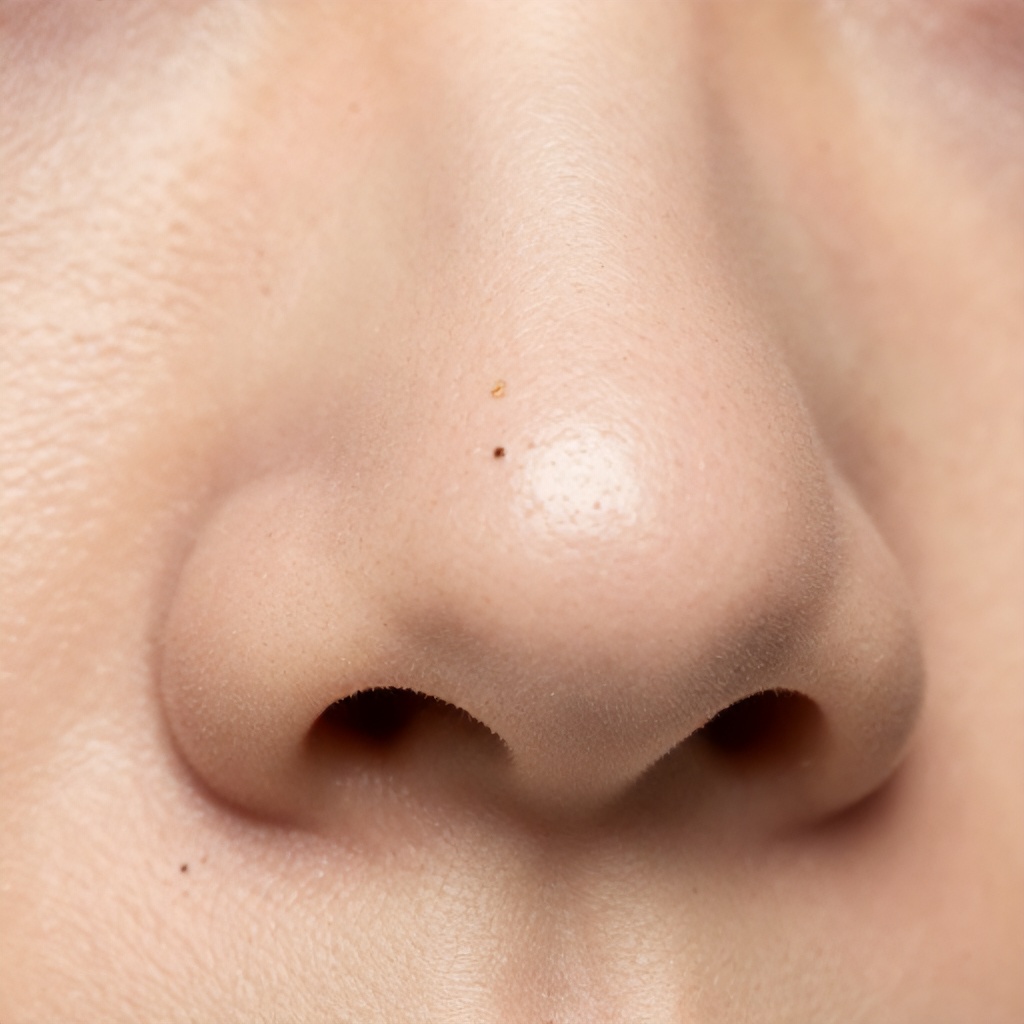
Managing these concerns requires a consistent approach rather than a one-time fix. Many people mistake sebaceous filaments for blackheads, leading to over-cleansing or aggressive scrubbing. Sebaceous filaments are normal, functional parts of the skin that help channel oil to the surface. They usually appear as small, flat, tan or greyish dots. Real blackheads are raised, darker, and represent a true blockage. Distinguishing between the two is the first step toward achieving a clearer complexion without causing unnecessary irritation or inflammation.

Common Causes of Congestion on the Nose

Genetics play a massive role in how your pores behave. Some individuals naturally produce more oil, which leads to more frequent clogs. If your parents dealt with large pores or oily skin, you likely will too. This is not something you can change, but you can manage it. Hormonal fluctuations also trigger the sebaceous glands to go into overdrive. This is common during puberty, pregnancy, or different phases of the menstrual cycle. When oil production spikes, the skin cannot always shed dead cells fast enough to keep up. The result is a traffic jam inside the pore.

Environmental factors contribute heavily to skin texture. Humidity and heat can make oil feel thinner and more prone to spreading, while pollution can deposit microscopic particles on the skin surface. These particles mix with your natural oils to create a sticky film that traps debris. Diet is often debated, but some evidence suggests that high-glycemic foods may influence oil production in certain individuals. However, topical factors are usually more immediate. Using heavy, occlusive skincare products or comedogenic makeup can physically block the pore opening. This prevents the natural flow of sebum and leads to the formation of blackheads over time.

The Impact of Aging and Sun Damage

Pore size often appears to increase as we get older. This happens because the skin loses collagen and elastin, the proteins responsible for keeping the skin firm and bouncy. When the structure around a pore weakens, the pore sags and looks more visible. Sun damage accelerates this process. UV rays break down collagen fibers, leading to a loss of structural integrity. Protecting your skin from the sun is not just about preventing wrinkles; it is about maintaining the tightness of your pores. A damaged pore is more likely to collect debris and turn into a blackhead because it lacks the tension to keep itself clear.

Effective Ingredients for Clearer Skin

Salicylic acid is the gold standard for treating nose pores. It is a beta-hydroxy acid, or BHA, which means it is oil-soluble. Unlike alpha-hydroxy acids that work on the surface, salicylic acid can travel deep into the pore to dissolve the “glue” holding the clog together. It breaks down the mixture of oil and skin cells. Regular use of a BHA liquid or toner can significantly reduce the appearance of blackheads. Start slowly to avoid dryness. Using it two or three times a week is often enough for most skin types to see a difference without causing a compromised skin barrier.

Retinoids are another powerhouse for pore health. These vitamin A derivatives speed up cell turnover. By encouraging the skin to shed dead cells more efficiently, retinoids prevent the initial blockage from forming. They also help build collagen over time, which improves the overall texture and firmness of the skin. While often associated with anti-aging, retinoids are highly effective for acne-prone skin. They require patience, as results often take several weeks or months to become visible. Consistency is the most important factor when using these active ingredients.

Niacinamide and Clay

Niacinamide, also known as vitamin B3, is excellent for oil control. It helps regulate the amount of sebum the glands produce. It also has anti-inflammatory properties that soothe the redness often associated with congested skin. It works well with almost every other skincare ingredient, making it an easy addition to any routine. On the other hand, kaolin and bentonite clay masks offer a more immediate, temporary solution. These clays act like a vacuum, pulling excess oil from the surface of the skin. They are perfect for a weekly deep clean, especially if you have an oily T-zone. Just be sure not to let the mask dry until it cracks, as this can strip the skin of essential moisture and cause rebound oiliness.

A Practical Cleaning Routine

Facial cleansing is the foundation of any skincare routine. For those struggling with nose pores, double cleansing in the evening is a highly effective technique. Start with an oil-based cleanser or a cleansing balm. It might sound counterintuitive to put oil on oily skin, but oil dissolves oil. The balm breaks down makeup, water-resistant sunscreen, and the hardened sebum sitting in your pores. Massage it onto dry skin for at least sixty seconds, focusing on the sides of the nose. Rinse it off, then follow with a gentle, water-based gel or foam cleanser to remove any remaining residue. This ensures the skin is perfectly clean without being stripped of its natural moisture.

  1. Apply a cleansing oil to dry skin and massage gently for one minute.
  2. Emulsify the oil with a little warm water, then rinse thoroughly.
  3. Use a gentle pH-balanced cleanser to wash away any remaining impurities.
  4. Pat the skin dry with a clean towel; never rub harshly.
  5. Apply a BHA exfoliant to the nose area or the entire face.
  6. Follow with a lightweight, non-comedogenic moisturizer to seal in hydration.

Exfoliation should not be a daily ritual if you are using strong acids. Over-exfoliating can lead to a damaged skin barrier, which actually makes pores look worse. When the skin is irritated, it can become inflamed and swollen, making the pore openings appear larger. Balance is key. If your skin feels tight, red, or itchy, scale back on the actives. Focus on hydration with ingredients like hyaluronic acid or glycerin. Healthy, hydrated skin is more elastic and better at regulating its own oil production.

What to Avoid When Treating Pores

Pore strips are a popular but often damaging choice. These adhesive strips rip the top layer of sebaceous filaments and blackheads out of the skin. While the immediate result is satisfying, the effect is temporary. More importantly, the physical force can cause micro-tears in the skin and even lead to broken capillaries. The pores usually fill back up within a few days because the underlying cause of the oil production has not been addressed. Long-term use of pore strips can actually make pores appear larger by stretching them out or causing scarring around the follicle opening.

Picking and squeezing at home is another habit to break. Your fingers and nails carry bacteria that can easily turn a simple blackhead into a painful, inflamed pimple. The pressure applied during a DIY extraction can damage the pore wall, leading to permanent enlargement or scarring. If a blackhead is particularly stubborn, it is best to leave it to a professional esthetician or dermatologist. They use specialized tools and techniques to remove the clog without damaging the surrounding tissue. If you must do it at home, use a warm compress first to soften the skin and use very light pressure with clean cotton swabs, but even this carries risks.

The Myth of Shrinking Pores

It is a common misconception that you can permanently shrink your pores. Pore size is largely determined by genetics and skin structure. You cannot make them disappear, nor can you change their physical size with a single product. However, you can make them look smaller. When a pore is clear of debris and the surrounding skin is firm and hydrated, it reflects light more evenly. This creates the illusion of a smoother surface. Focus on “pore refinement” rather than “pore removal.” Using a primer with silicone or blurring ingredients can also help disguise the appearance of pores under makeup, but this is a cosmetic fix rather than a structural one.

Maintaining Results Long-Term

Consistency beats intensity every time. You do not need the strongest peel or the most expensive serum to see results. You need a routine that you can stick to every single day. Sunscreen is the most important part of this routine. By protecting your collagen, you are protecting the “scaffolding” that keeps your pores tight. Look for “non-comedogenic” labels on your sunscreens and moisturizers. This term means the product has been tested and is less likely to clog pores. While not a guarantee, it is a helpful guideline for those with congestion-prone skin.

Pay attention to how your skin changes with the seasons. You might need a more robust exfoliation routine in the humid summer months and a more hydrating, gentle approach in the winter. Skin is a living organ that reacts to its environment. If you notice an increase in blackheads, evaluate if you have introduced a new heavy cream or if you have been skipping your evening cleanse. Small adjustments often yield the best results. Clear skin is a marathon, not a sprint. By understanding the biology of your nose pores and treating them with gentle, effective ingredients, you can maintain a clear and healthy complexion.

  • Wash your face every night to remove the day’s buildup.
  • Use a BHA exfoliant 2-3 times per week.
  • Apply sunscreen daily to prevent collagen loss.
  • Avoid heavy, oil-based makeup if you are prone to clogs.
  • Keep your pillowcases clean to reduce bacteria transfer.
  • Hydrate from the inside out and use lightweight moisturizers.

Professional treatments like chemical peels or hydrafacials can provide a deeper level of cleaning than at-home routines. These treatments often use professional-grade acids and suction technology to clear out pores. They are excellent for a “reset” every few months. However, the work you do at home every morning and night is what truly sustains those results. Treat your skin with kindness. Aggression usually leads to more problems, while a steady, thoughtful routine leads to the smooth, clear skin you are looking for. Focus on the health of your skin barrier, and the appearance of your pores will naturally improve as a result.

Nose pores are a natural part of your anatomy. They serve a purpose by allowing oil to reach the surface and keep your skin lubricated. While they can be frustrating when they become visible or clogged, they are manageable. By using the right ingredients like salicylic acid and retinoids, and avoiding damaging habits like picking or using harsh strips, you can keep your skin looking its best. Clearer skin is achievable through patience, the right products, and a bit of scientific understanding.
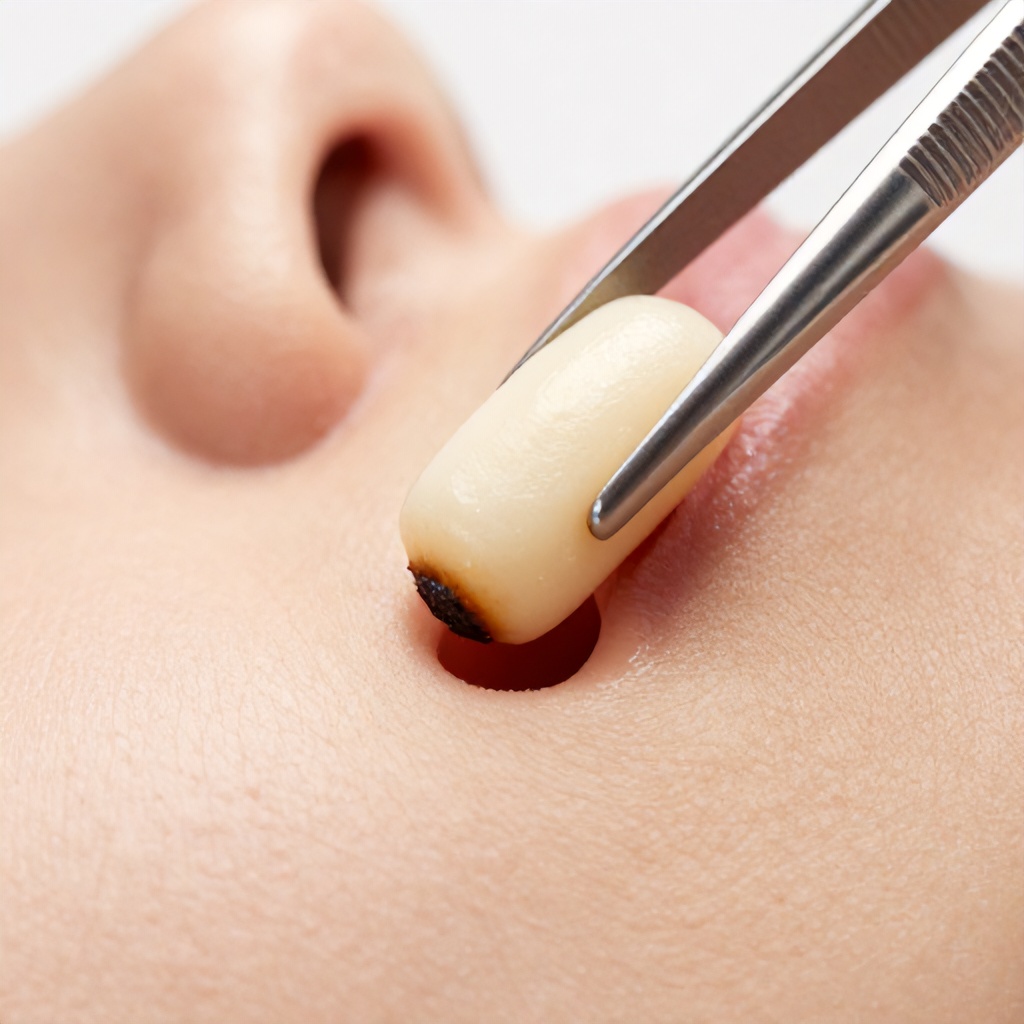
Professional Extraction of a Large Solid Skin Plug Using Metal Tweezers

Professional Extraction of a Large Solid Skin Plug

Professional extraction of a large solid skin plug requires sterile metal tweezers and a steady hand to prevent scarring or infection. This dermatological extraction focuses on removing a hardened mass of sebum and dead skin cells that has become wedged within a follicle. When these materials compact over time, they form a dense, waxy obstruction known as a sebaceous plug or a large comedone. Unlike a soft whitehead, a solid plug has lost its moisture, making it a physical barrier that the skin cannot easily expel on its own. A licensed aesthetician or dermatologist uses specific manual extraction techniques to clear this congestion without damaging the surrounding epidermal treatment area.

Understanding the Nature of a Sebaceous Plug

A sebaceous plug starts as a simple mixture of oil and skin cells. Your skin naturally produces sebum to stay lubricated. Sometimes, this oil gets trapped. It mixes with keratin. It thickens. As the plug sits in the pore, it is exposed to air, which causes the top to oxidize and turn dark, resulting in a blackhead. However, the bulk of the plug remains a solid, off-white or yellowish mass beneath the surface. This is skin congestion at its most stubborn. The follicle wall stretches to accommodate the growing mass. If left alone, the pressure can cause the pore to appear permanently enlarged or lead to a painful cyst if the wall ruptures.

These plugs often feel like small, hard grains under the skin. They do not respond to traditional foaming cleansers or light exfoliation because the blockage is too deep and too dense. The material has become a solidified “core” that requires physical intervention. Professional skincare experts identify these by their raised texture and the slight discoloration of the pore opening. They are common on the nose, chin, and back, where sebaceous glands are most active and numerous.

The Essential Professional Toolkit

Precision is the primary requirement for a successful skin blemish removal. Professionals do not use their fingernails. Fingernails are blunt. They carry bacteria. Instead, a clinical environment utilizes medical-grade tweezers and precision forceps designed specifically for the task. These tools are usually made of high-quality stainless steel that can be autoclaved or chemically sterilized between uses. The tips are incredibly fine, often tapering to a point thinner than a human hair. This allows the practitioner to grip only the plug itself, avoiding unnecessary trauma to the healthy skin nearby.

There are different shapes of tweezers used in a professional skincare setting. Curved tweezers are popular for pulling plugs from rounded areas like the crease of the nostril. Straight, pointed forceps allow for a direct, vertical pull on very deep pore extraction sites. Some aestheticians also use a comedone extractor, which features a small metal loop, but for a truly solid, large plug, tweezers provide the grip necessary to lift the entire mass out in one piece. Using the wrong tool often results in the plug snapping, leaving a portion behind to cause further inflammation.

Sanitation and Safety Protocols

Safety starts with a clean field. The practitioner wears sanitary gloves to prevent the transfer of oils and pathogens. The skin is prepped with an antiseptic solution, such as isopropyl alcohol or a specialized pre-extraction fluid. This ensures that when the pore is opened, no surface bacteria can enter the empty follicle. Every tool is removed from a sterile pouch right before the procedure begins. Maintaining a clinical environment is what separates a professional service from a risky at-home attempt.

The Step-by-Step Extraction Process

The procedure begins with softening the skin. A professional will often use a facial steamer or a warm compress for several minutes. Heat expands the pore opening and softens the hardened sebum. This makes the plug more pliable. Without this step, the plug remains brittle. It might resist removal. Some practitioners also apply a desincrustation gel, which uses an alkaline pH to further liquefy the outer edges of the blockage. Once the skin is prepped, the extraction can proceed.

  1. The aesthetician positions a magnifying lamp over the area to see the exact boundaries of the plug.
  2. Using the tips of the precision forceps, they apply gentle, downward pressure around the perimeter of the pore.
  3. As the top of the plug begins to emerge, the tweezers grip the exposed edge firmly but carefully.
  4. The practitioner uses a slow, steady pulling motion. They do not jerk or twist.
  5. The entire solid mass is lifted out of the follicle, often leaving a temporary, clean “crater” in the skin.
  6. The area is immediately dabbed with a soothing, antibacterial toner to close the site and reduce redness.

The sensation for the client is usually one of intense pressure followed by immediate relief. Unlike popping a pimple, which involves explosive force, a professional extraction is a controlled lift. The goal is follicle clearing with zero blood and minimal redness. If the plug is particularly large, the aesthetician may work in stages, loosening the edges before the final pull. This patience prevents the skin from tearing.

Why Extraction Content Goes Viral

The rise of the viral skincare video has brought professional extractions into the mainstream. Millions of people watch macro skincare photography and high-definition recordings of these procedures. There is a psychological phenomenon behind this. It is often described as “satisfying.” Seeing a physical obstruction removed from a clean, clinical setting provides a sense of order and resolution. It triggers a release of dopamine for many viewers. This reaction content has turned simple dermatology tools into recognizable icons of the “skin-fluencer” world.

Social media formats favor the “before and after” impact. A large, dark pore suddenly becoming clean and empty is a powerful visual. However, these videos often skip the hours of preparation and the strict aftercare required. While they are fascinating to watch, they can sometimes give the false impression that extraction is easy or should be done by anyone with a pair of tweezers. The reality is that the “satisfying extraction” seen on screen is the result of years of training in manual extraction techniques.

The Role of Macro Photography

Macro lenses allow viewers to see the texture of the skin in ways the naked eye cannot. You can see the individual flakes of keratin. You can see the way the metal tweezers interact with the epidermal layers. This level of detail highlights the complexity of the skin. It shows that a pore is not just a hole, but a complex, living structure. High-definition footage also helps students of aesthetics learn the subtle cues of when a plug is ready to be pulled and when it needs more softening.

Risks of At-Home Interference

Attempting to remove a large solid skin plug at home is risky. Most household tweezers are not sharp enough. They are often contaminated with bathroom bacteria. When a person squeezes their skin with blunt tools or fingers, they apply lateral pressure. This pressure can push the plug deeper into the dermis. If the follicle wall breaks underground, the sebum and bacteria spill into the surrounding tissue. This leads to a localized infection, a painful nodule, or a permanent scar. What started as a simple clogged pore can turn into a month-long skin crisis.

Hyperpigmentation is another major concern. Forcing an extraction causes trauma. The skin responds by producing excess melanin as a protective measure. This leaves a dark spot that can take months to fade. Professionals know how to apply pressure in a way that avoids triggering this inflammatory response. They also know when to stop. If a plug does not budge with gentle professional pressure, a dermatologist may choose to use a tiny lancet or recommend a topical treatment instead of forcing it.

Post-Extraction Skin Recovery

After the plug is gone, the skin needs to heal. The empty follicle is vulnerable. A professional will typically apply a high-frequency wand or a targeted LED light treatment. High-frequency tools use a glass electrode to generate oxygen, which kills bacteria and calms the skin. Blue light therapy is also common for its antimicrobial properties. These steps ensure that the “satisfying extraction” doesn’t result in a new breakout the next day.

At home, the client must follow a strict regimen for the next forty-eight hours. This includes avoiding heavy makeup and intense sweating. The skin should be treated with gentle, non-comedogenic moisturizers. Ingredients like centella asiatica or niacinamide are excellent for soothing the area. It is also vital to use sun protection. The freshly cleared pore is sensitive to UV damage, which can lead to those aforementioned dark spots. Healing usually takes three to five days, after which the pore will naturally shrink back to its original size.

Long-Term Pore Maintenance

Preventing the return of solid skin plugs involves consistent follicle clearing. You cannot change your pore size, but you can change what is inside them. Chemical exfoliants are the best defense. Salicylic acid is oil-soluble, meaning it can get inside the pore to dissolve the “glue” that holds sebum and dead skin together. Using a 2% BHA liquid twice a week can keep the sebum fluid, preventing it from hardening into a plug. This reduces the need for frequent manual extractions.

Retinoids also play a massive role in skin health. They speed up cell turnover. This prevents dead skin cells from lingering long enough to clog the follicle. When combined with a double-cleansing routine—using an oil-based cleanser followed by a water-based one—the skin stays clear and balanced. Oil cleansers are particularly effective at breaking down surface sebum so it doesn’t accumulate. Consistency is the key to avoiding the deep-seated congestion that requires professional intervention.

Choosing Professional Aesthetician Services

When looking for a professional to handle extractions, check their credentials. Look for a licensed aesthetician who specializes in “clinical facials” or “acne treatments.” Ask about their sterilization process. A good practitioner will be happy to explain how they clean their tools. They should also perform a thorough skin analysis before touching your face. If they try to force every single pore clear in one session, they may be too aggressive. A true professional prioritizes the long-term integrity of your skin over a single “satisfying” result.

Regular professional cleanings, perhaps once a month or once a quarter, can keep skin congestion under control. These sessions allow for the removal of small plugs before they become large, solid masses that are harder to extract. It is a proactive approach to beauty. By maintaining the health of the follicles, you ensure a smoother skin texture and a more radiant complexion. Professional extraction is a tool, but a solid daily routine is the foundation of clear skin.

Final Thoughts on Skin Health

The process of removing a solid skin plug is a blend of science and art. It requires an understanding of anatomy, a mastery of specialized tools, and a commitment to hygiene. While the visual of the extraction is what captures our attention on social media, the real value lies in the relief it provides to the skin. Clearing a blockage allows the skin to breathe and function normally again. It prevents future inflammation and helps maintain a youthful, healthy appearance. Respect your skin by choosing professional care for deep extractions and supporting it with a thoughtful, evidence-based routine at home.

Exit mobile version