Blackhead Removal: Achieving Pore Clarity with Before and After Results
Achieving noticeably clearer skin and smoother texture often hinges on effective blackhead removal, and understanding the “before and after” transformation can be incredibly motivating.
Understanding Blackheads: More Than Just Dirt
Blackheads, scientifically known as open comedones, are a common skin concern that many people grapple with. They appear as small, dark spots on the skin’s surface, most frequently found on the nose, chin, and forehead – areas rich in oil glands. The dark color isn’t dirt, as many believe. Instead, it’s the result of sebum (your skin’s natural oil) and dead skin cells oxidizing when exposed to air in an open pore. This oxidation process is what gives them that characteristic dark hue.
These pesky skin impurities form when hair follicles become plugged. Each follicle contains a hair and an oil gland. When the gland produces too much sebum, and dead skin cells don’t shed properly, they can mix together. If the pore remains open at the surface, the mixture is exposed to air and turns dark, creating a blackhead. If the pore opening is blocked, it can lead to a whitehead, a closed comedone.
Factors contributing to clogged pores include hormonal fluctuations, genetics, certain medications, and even the type of skincare products you use. Some products can be comedogenic, meaning they are more likely to clog pores. Understanding these underlying causes is the first step towards an effective blackhead removal strategy.
Visualizing the Transformation: The Power of Before and After
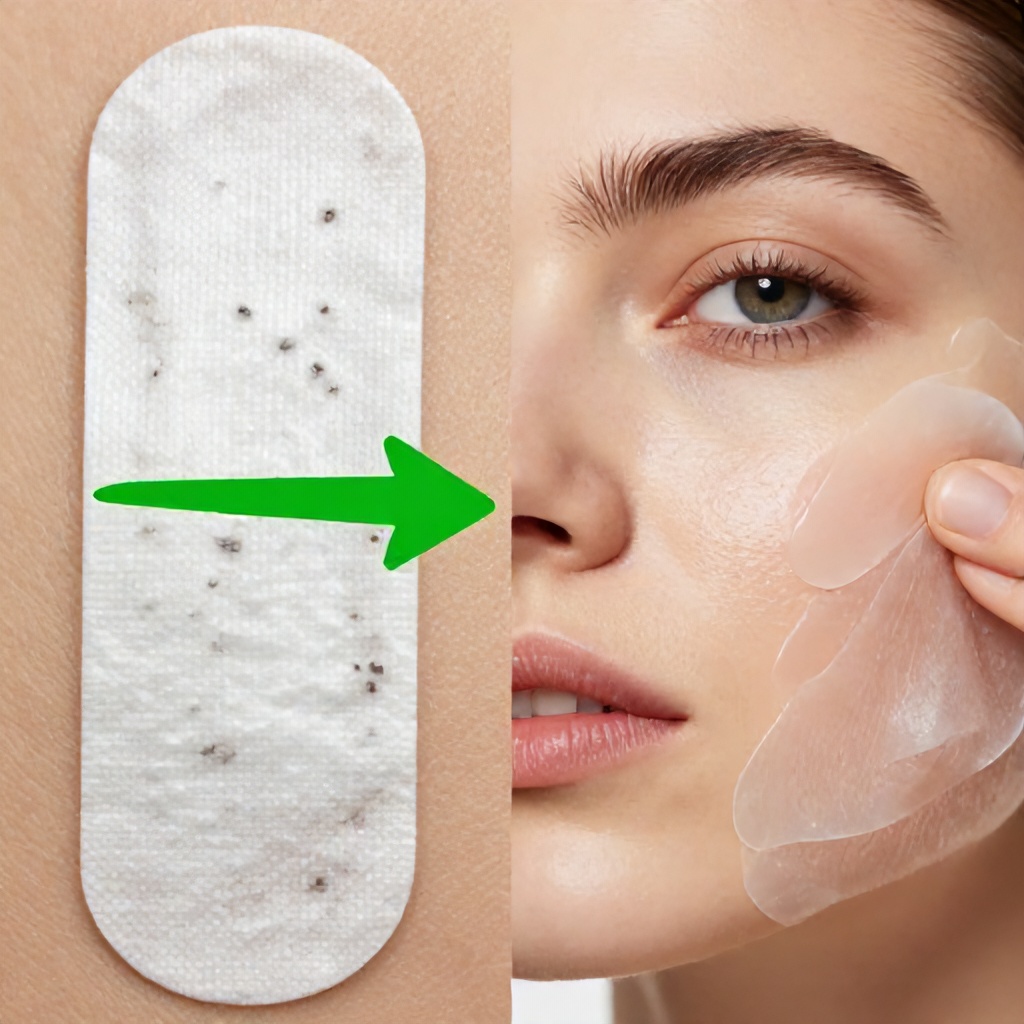
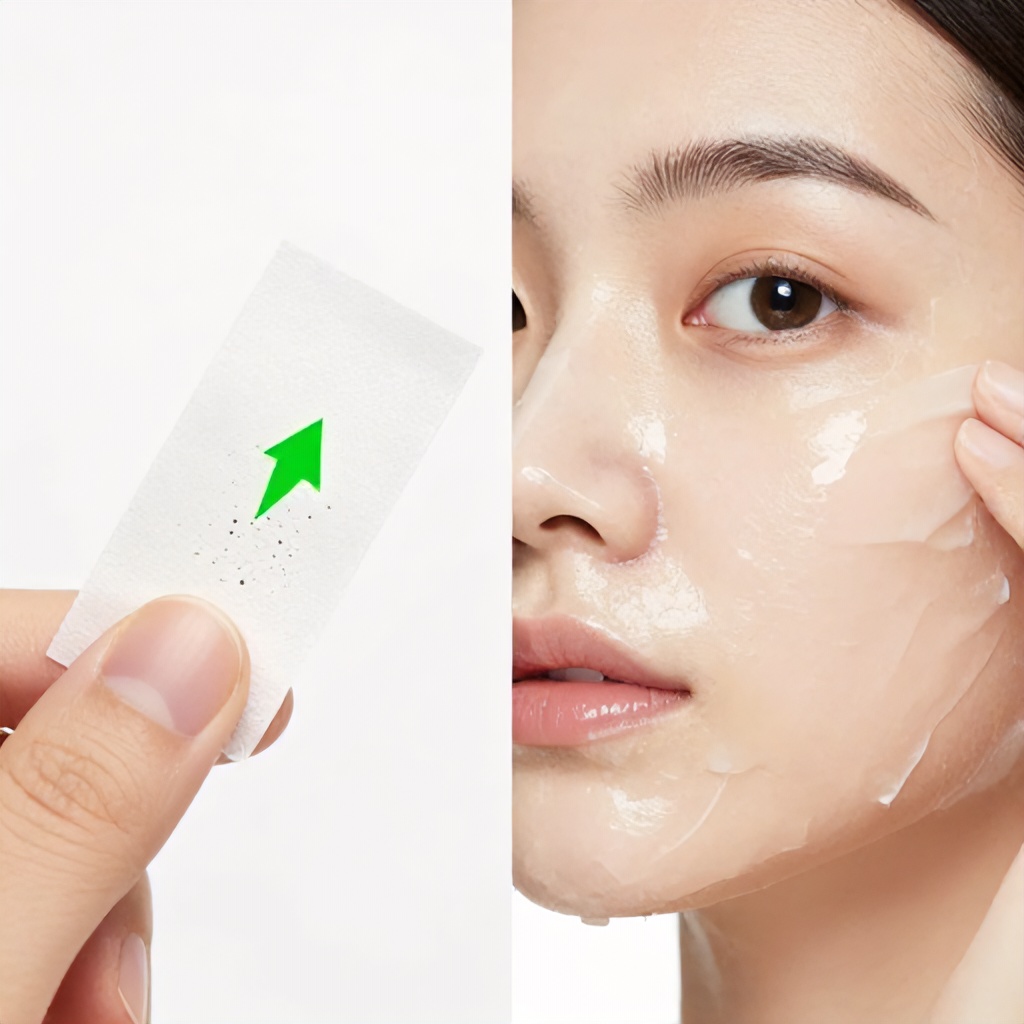
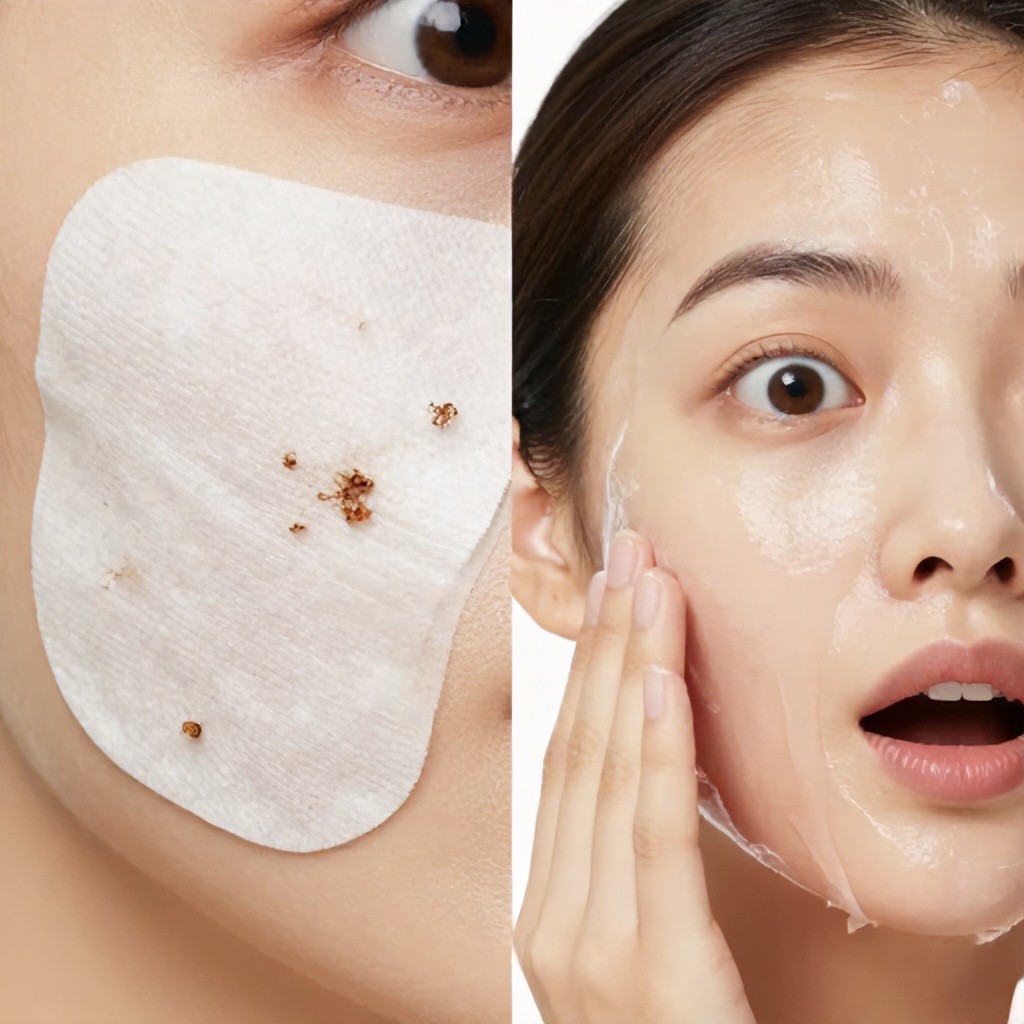
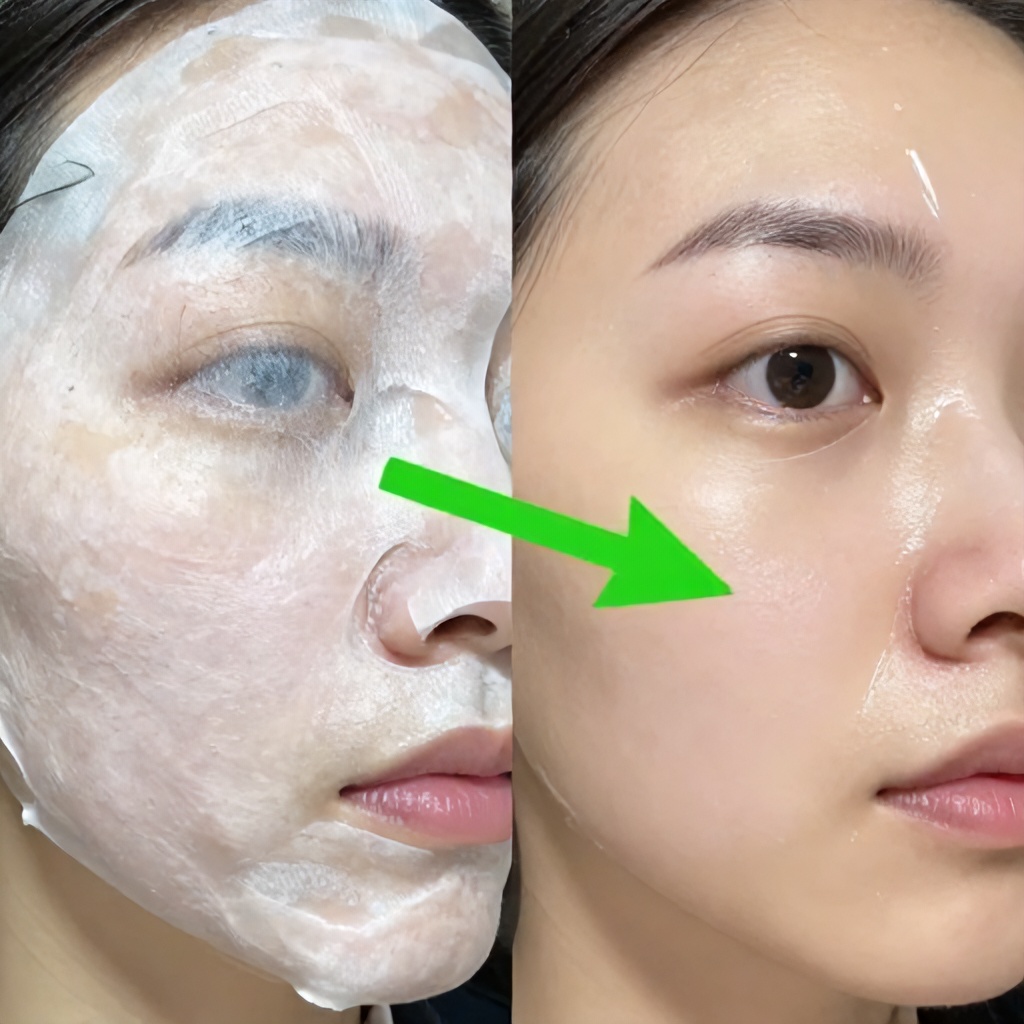
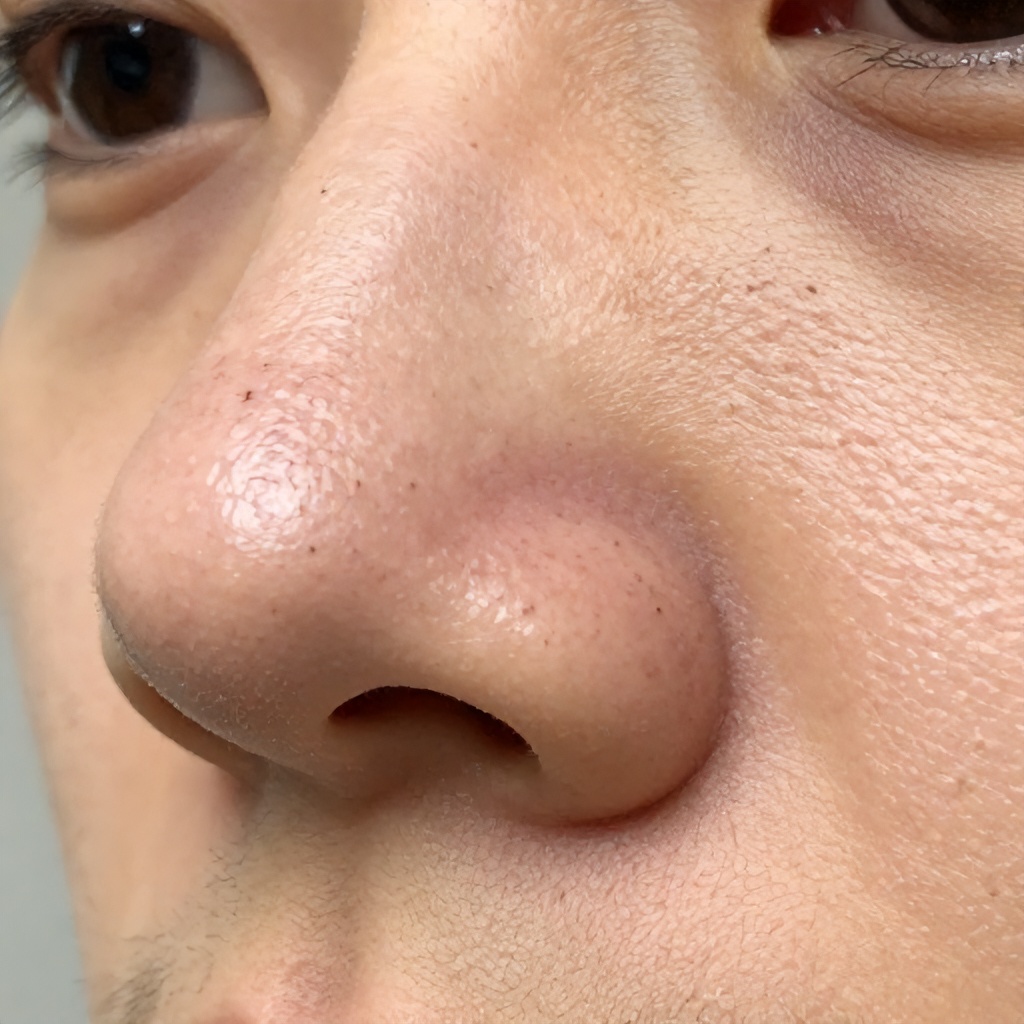
The most compelling way to understand the efficacy of blackhead removal treatments is by looking at before and after results. Seeing close-up photographs showcasing the dramatic difference can be a powerful motivator for anyone struggling with persistent blackheads. These composite images often highlight a significant reduction in the appearance of noticeable pores and a much smoother skin texture.
In the “before” images, you’ll typically see a concentration of dark filaments and a generally uneven skin surface. The pores might appear enlarged and filled with these dark plugs. The skin can look dull and less refined. Then, the “after” shots reveal a stark contrast: the dark filaments are gone, the pores look significantly smaller and less prominent, and the skin surface appears smoother and more radiant. This visual evidence underscores the potential for dramatic improvements in pore clarity and overall skin appearance.
These visual comparisons aren’t just about aesthetics; they represent a tangible improvement in skin health. Clearer pores mean less congestion, which can lead to fewer breakouts and a more balanced complexion. The journey to achieving these results often involves a combination of consistent skincare practices and targeted treatments.
Effective Blackhead Removal Treatments: Options for Clearer Skin
There’s a wide array of blackhead removal methods available, ranging from at-home remedies to professional dermatological treatments. The best approach often depends on the severity of your blackheads, your skin type, and your personal preferences.
At-Home Skincare Strategies
Consistency is key when it comes to managing blackheads at home. Incorporating the right products and techniques into your daily routine can make a significant difference.
Cleansing and Exfoliation
Regular, gentle cleansing is fundamental. Look for cleansers that contain ingredients like salicylic acid (a beta-hydroxy acid, or BHA). Salicylic acid is oil-soluble, meaning it can penetrate deep into pores to break down sebum and dead skin cells, effectively preventing future blackheads. Twice-daily cleansing can help remove excess oil and impurities that contribute to pore congestion.
Exfoliation is another cornerstone of blackhead removal. Chemical exfoliants, particularly those with BHAs like salicylic acid or alpha-hydroxy acids (AHAs) like glycolic acid, are highly effective. AHAs work on the skin’s surface to loosen the bonds between dead skin cells, while BHAs go deeper into the pores. Use these exfoliants a few times a week, depending on your skin’s tolerance. Over-exfoliation can lead to irritation, so start slowly.
Physical exfoliants, like scrubs with fine particles, can also be used, but with caution. Ensure the particles are not too abrasive, as harsh scrubbing can damage the skin barrier and potentially worsen inflammation. A gentle circular motion is best, followed by thorough rinsing.
Pore-Cleansing Masks
Clay masks are a popular and effective at-home treatment for drawing out impurities from pores. Ingredients like bentonite or kaolin clay have absorbent properties that can help soak up excess sebum and dirt from clogged pores. When applied, these masks create a tightening sensation as they dry, and when washed off, they take a significant amount of pore-clogging material with them. Using a clay mask once or twice a week can contribute to noticeable pore clarity.
Charcoal masks are another variation that works similarly, using activated charcoal to bind with toxins and impurities within the pores. The visual of a dark, bubbly application turning into a cleansing foam before being rinsed away is often part of the appeal, promising a deep pore cleansing experience.
Targeted Treatments for Stubborn Blackheads
For more persistent or deeper blackheads, specific treatments can offer more targeted results.
Pore Strips
Pore strips are a widely recognized method for immediate, albeit temporary, blackhead removal. These adhesive strips are applied to the skin, usually after cleansing, and left to dry for a specific period. When peeled off, they adhere to the sebum and dead skin cells within the pores, physically pulling them out. The “after” result is often a satisfying visual of the dark filaments and other skin impurities removed onto the strip. While satisfying, it’s important to note that pore strips primarily remove the top layer of the blockage and don’t address the underlying cause of overactive oil production or pore congestion. Overuse can also lead to irritation or enlarged pores if not done carefully.
Blackhead Extractors (Use with Extreme Caution)
Manual extraction tools, often found in beauty kits, consist of small loops or cups designed to apply pressure around a blackhead to extract its contents. While these can be effective when used correctly, they carry a significant risk of causing skin damage, infection, or scarring if not handled with proper hygiene and technique. It’s generally recommended to have extractions performed by a professional who has the knowledge and sterile equipment to do so safely. If you choose to use one at home, ensure the tool is sterilized, the skin is softened (e.g., after a warm shower), and gentle pressure is applied only to the blackhead itself, avoiding surrounding skin.
Professional Dermatological Treatments
For severe or stubborn cases of blackheads, consulting a dermatologist or a licensed esthetician can provide access to more potent and effective treatments.
Professional Extractions
Estheticians and dermatologists are trained in performing safe and effective extractions. They use sterile instruments and precise techniques to remove blackheads without causing trauma to the skin. This is often part of a comprehensive facial treatment designed to improve skin texture and clarity.
Chemical Peels
Professional-grade chemical peels utilize higher concentrations of acids (like salicylic, glycolic, or trichloroacetic acid) than over-the-counter products. These peels work by deeply exfoliating the skin, removing dead skin cells, and unclogging pores. They can significantly improve skin texture, reduce the appearance of blackheads, and promote cell turnover, leading to clearer, smoother skin over time. Multiple sessions are often recommended for optimal results.
Microdermabrasion
This procedure involves using a special device to spray fine crystals onto the skin or to use a diamond-tipped wand to gently abrade the outer layer of the skin. Microdermabrasion removes dead skin cells and can help to unclog pores, improving the overall appearance of the skin and reducing blackheads. It’s a less invasive option that can complement other treatments for enhanced pore clarity.
Prescription Treatments
In some cases, a dermatologist may prescribe topical retinoids (like tretinoin or adapalene). These medications are derived from vitamin A and are highly effective at normalizing cell turnover, preventing pores from becoming clogged in the first place. They can also help to reduce inflammation and improve skin texture. Oral medications might be considered for severe acne that includes blackheads.
Maintaining Clear Pores: Long-Term Strategies
Blackhead removal isn’t a one-time fix; it’s an ongoing process. Maintaining clear pores requires a consistent and tailored skincare routine.
Daily Habits for Pore Health
Start and end your day with a gentle, effective cleanser. This removes accumulated oil, sweat, and environmental pollutants. Follow up with a toner that can help balance your skin’s pH and prepare it for subsequent treatments. Moisturizing is also crucial, even for oily skin. Opt for oil-free, non-comedogenic moisturizers to keep your skin hydrated without clogging pores.
Sun protection is non-negotiable. Sun damage can thicken the skin and make pores appear larger. Daily use of a broad-spectrum SPF 30 or higher sunscreen will protect your skin and contribute to a smoother, more even complexion.
Lifestyle Factors
Your diet and lifestyle can also play a role in skin health. While the direct link between specific foods and blackheads is debated, a balanced diet rich in antioxidants and omega-3 fatty acids can support overall skin health. Staying hydrated by drinking plenty of water is also beneficial for skin function.
Managing stress is important too. Stress can trigger hormonal changes that may increase sebum production. Finding healthy ways to cope with stress, such as exercise or mindfulness, can indirectly benefit your skin.
The Journey to Pore Clarity
The transformation from visible blackheads to noticeably clearer skin is achievable with the right approach. By understanding what causes blackheads and exploring the various treatment options, you can embark on a personalized journey towards smoother, more refined skin. Whether you opt for at-home care, targeted treatments, or professional intervention, consistency and patience are your greatest allies. The visual evidence of “before and after” results serves as a powerful reminder of the potential for significant improvement in pore clarity and overall skin texture.