
Baking soda, technically known as sodium bicarbonate, acts as a potent exfoliating agent that can help manage blackheads by clearing away the buildup of dead skin cells and excess oil within the hair follicle. While many people turn to expensive clinical treatments for pore congestion, this simple kitchen staple offers a budget-friendly way to address the appearance of comedones. Understanding how to use it safely is essential, as the skin barrier requires a delicate balance to remain healthy and clear.


Understanding Blackheads and Skin Chemistry
Blackheads are a specific type of acne that occurs when a sebaceous gland produces too much sebum. When this oil mixes with dead skin cells, it creates a plug inside the pore. Because the pore remains open to the air, the oil oxidizes, turning that characteristic dark color. This process is not a sign of poor hygiene, but rather a reflection of how your skin manages its natural oil production and cell turnover.
The skin pH balance plays a significant role in this cycle. Healthy skin is slightly acidic, which helps maintain a protective barrier against bacteria. Sodium bicarbonate is alkaline, meaning it sits on the opposite end of the pH scale. When used correctly, it can help neutralize excess acidity, but using it too frequently can disrupt the acid mantle. This is why moderation is the most important rule when incorporating any DIY skincare into your routine.
Why Pore Cleansing Matters
Regular pore cleansing is the foundation of a clear complexion. If you have oily skin, your pores are more likely to become blocked, leading to a dull or uneven skin texture. By removing the debris that settles into the hair follicle, you allow the skin to breathe and function properly. Consistent, gentle exfoliation prevents the accumulation of skin impurities that eventually harden into stubborn blackheads.
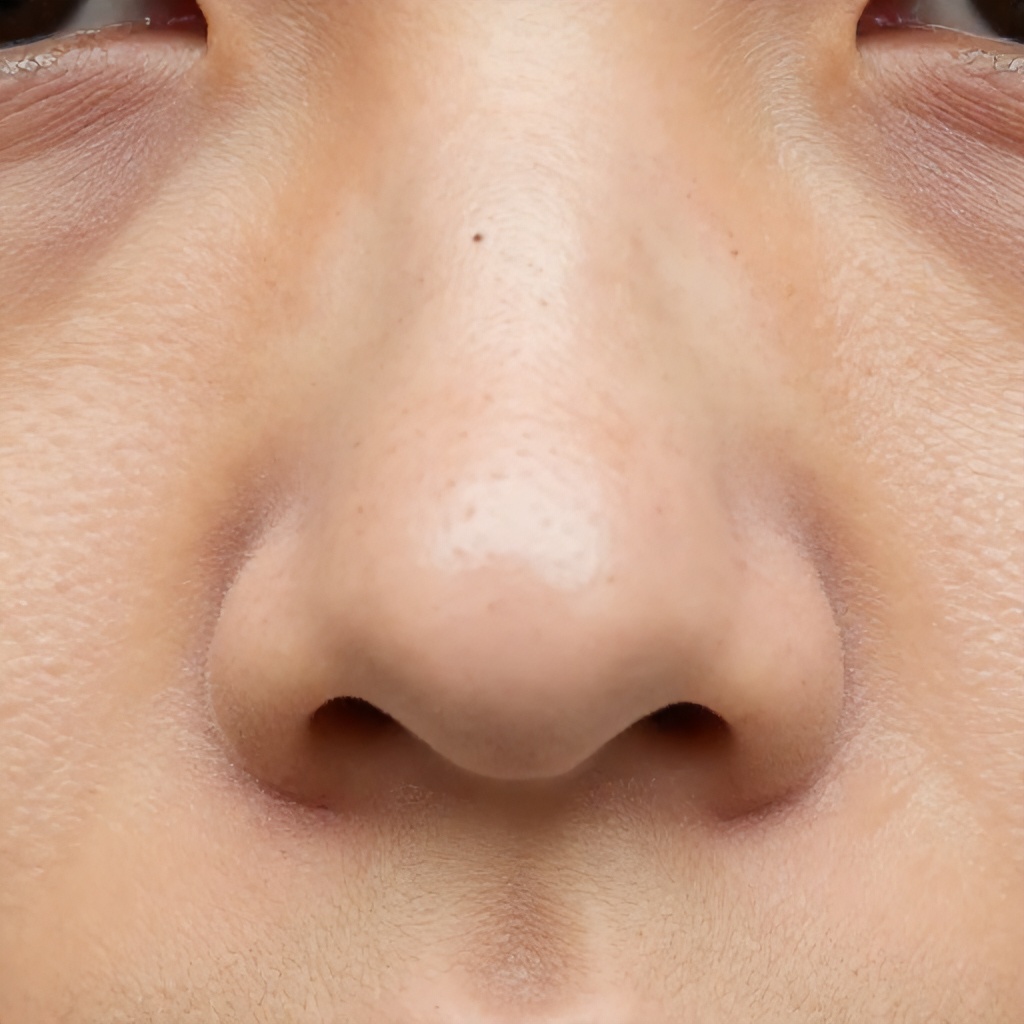
Always perform a patch test on your inner forearm before applying baking soda to your face. If you experience redness, itching, or burning, wash it off immediately and do not use the mixture on your face. Baking soda is abrasive and can cause micro-tears if scrubbed too aggressively.
Effective Methods for Using Baking Soda
You can incorporate sodium bicarbonate into your skincare regimen in several ways. These methods focus on physical exfoliation and balancing sebum production. Remember that these are supplemental treatments, not replacements for a daily cleanser or a balanced diet.
The Basic Baking Soda and Water Paste
This is the most straightforward approach for those who prefer a minimalist routine. It focuses on mechanical exfoliation to lift away dead skin cells.
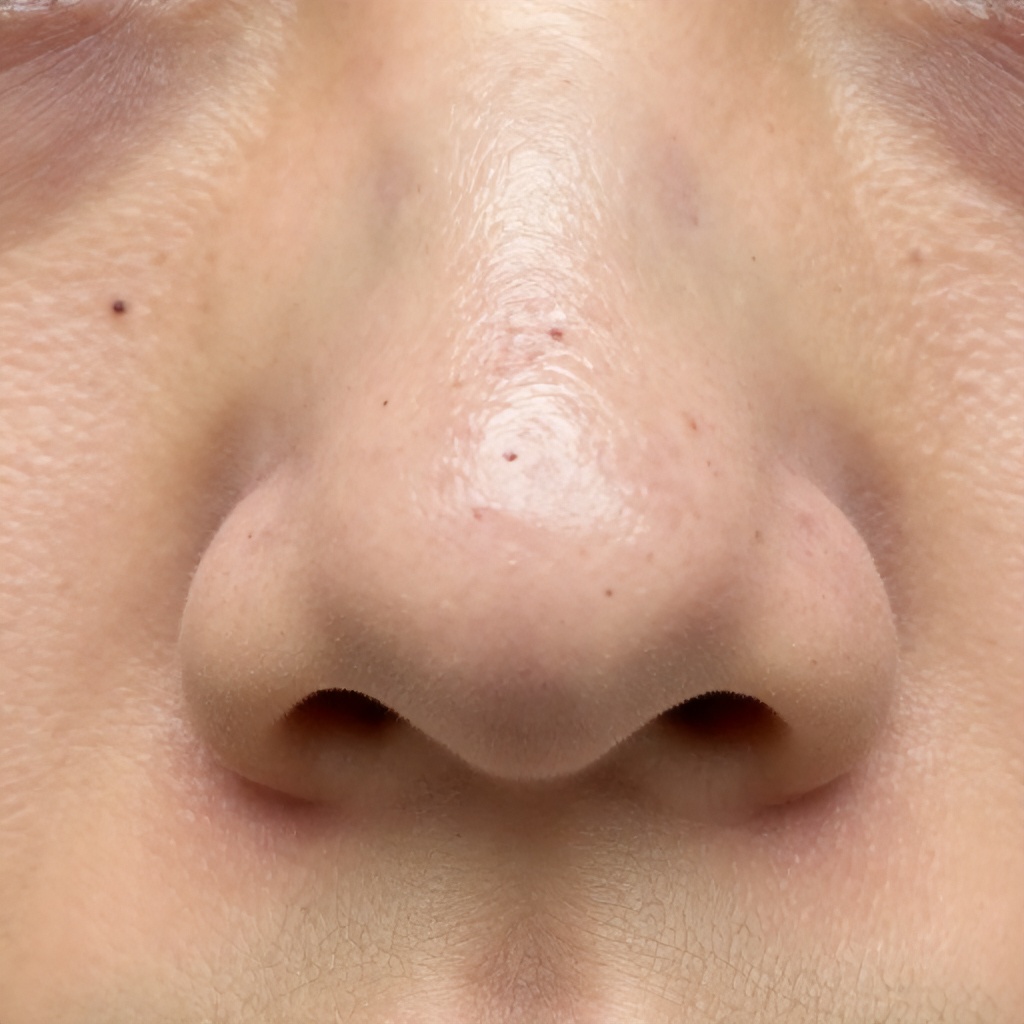
- Mix one tablespoon of baking soda with one tablespoon of lukewarm water.
- Stir until you achieve a smooth, spreadable consistency.
- Cleanse your face with a gentle, non-stripping soap to remove surface dirt.
- Apply the paste to areas prone to congestion, such as the nose, chin, and forehead.
- Let the mixture sit for no more than three minutes.
- Perform a gentle facial massage using circular motions to help loosen the debris.
- Rinse thoroughly with cool water to close the pores.
- Follow with a mild moisturizer to restore hydration to the skin barrier.
Baking Soda and Honey for Soothing Exfoliation
Honey is a natural humectant, meaning it draws moisture into the skin. When combined with sodium bicarbonate, it creates a balanced scrub that exfoliates without leaving the skin feeling tight or stripped.
- Combine one teaspoon of raw honey with one teaspoon of baking soda.
- Add two teaspoons of fine-grain sea salt to the mixture to enhance the scrubbing action.
- Apply the paste to the affected areas using clean fingertips.
- Leave the mask on for five minutes to allow the honey to soothe the skin.
- Rinse with warm water, using a soft cloth to gently wipe away any residue.
If you have sensitive skin, skip the salt. The baking soda alone provides enough texture to act as an effective exfoliating agent without the added grit of sea salt.
Addressing Stubborn Congestion
For those dealing with deep-seated pore congestion, a more targeted approach might be necessary. Using a soft-bristled brush can help reach the crevices of the nose where blackheads often hide.
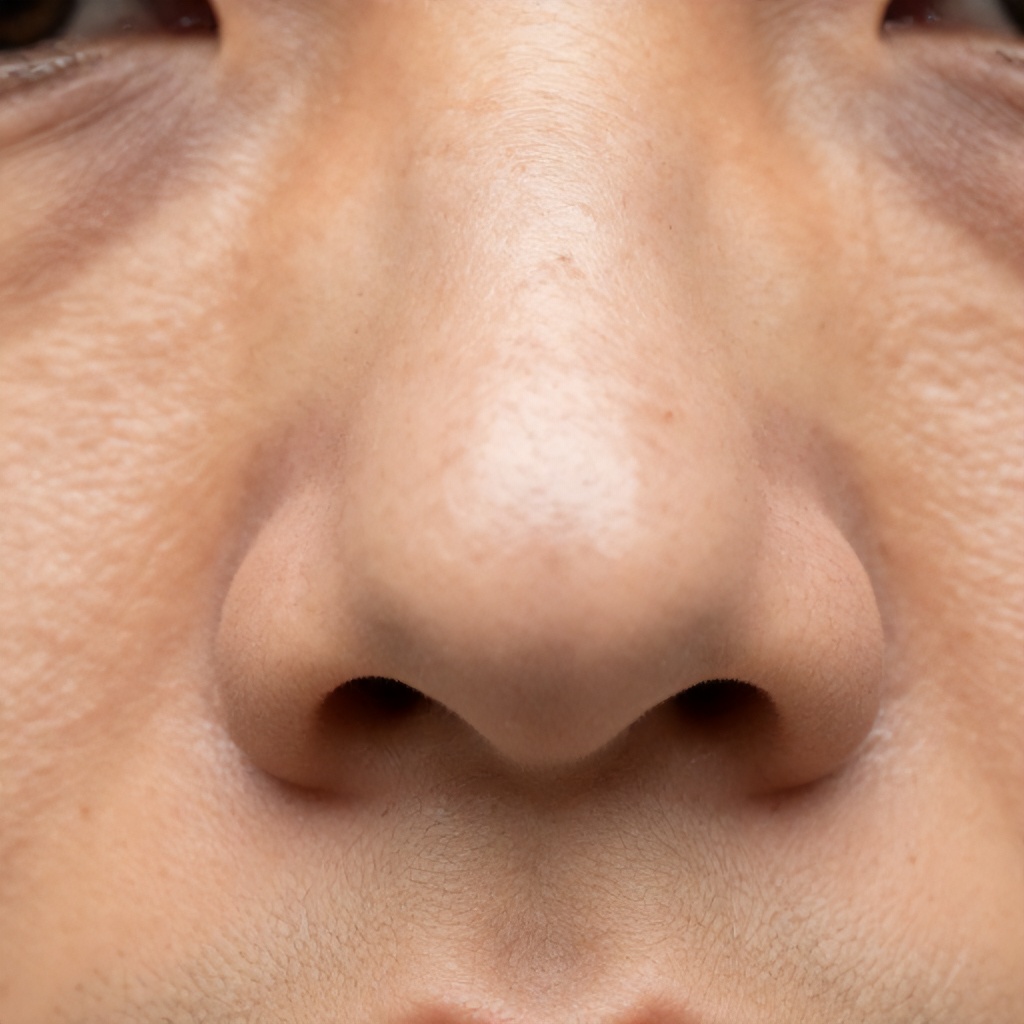
- Soak a clean washcloth in warm water and hold it against your face for two minutes. This steam helps soften the sebum plug.
- Create a paste using equal parts baking soda and a plain, white, non-gel toothpaste.
- Add two parts water to dilute the mixture, ensuring it is not too harsh.
- Use a soft-bristled toothbrush to gently scrub the area in tiny, circular motions.
- Rinse immediately and apply a soothing toner or a mild moisturizer.
Maintaining Results and Skin Health
Achieving complexion clarity is a marathon, not a sprint. While baking soda can provide immediate gratification by smoothing out skin texture, the long-term goal is to regulate sebum production and keep the hair follicle clear. Over-exfoliating can trigger the sebaceous gland to produce even more oil to compensate for the dryness, which is the opposite of what you want.
Integrating into Your Skincare Regimen
Limit your use of baking soda treatments to once or twice a week. If you use it every day, you risk damaging your skin barrier, which can lead to increased sensitivity and inflammation. On the days you do not use a DIY scrub, focus on hydration and protection. Use a gentle cleanser that respects your natural pH balance and always wear sunscreen during the day, as exfoliation makes your skin more susceptible to sun damage.
When to Seek Professional Help
Dermatological remedies are sometimes necessary if your blackheads are persistent or if they develop into cystic acne. If you notice that your pores remain clogged despite consistent care, or if you experience painful breakouts, consult a professional. They can provide treatments like chemical peels or professional extractions that are safer for deep-seated congestion than home remedies.
How often should I use these treatments?
Limit usage to once or twice a week. Using these treatments too often can disrupt your skin’s natural moisture barrier and lead to irritation.
Can I use baking soda if I have dry skin?
It is generally not recommended for dry skin. Baking soda is quite drying and can exacerbate flakiness. If you have dry skin, look for gentler chemical exfoliants like lactic acid instead.
What is the best way to store these mixtures?
Do not store them at all. Always mix your baking soda treatments fresh right before you use them. Once mixed with water, the ingredients can lose their effectiveness or become a breeding ground for bacteria.
Common Mistakes to Avoid
Many people make the mistake of scrubbing too hard. The goal is to lift dead skin cells, not to sand down your face. If your skin turns bright red or feels raw after a treatment, you have applied too much pressure. Always use the lightest touch possible. Additionally, avoid applying these mixtures to broken or irritated skin. If you have an active pimple or a scratch, skip that area entirely to prevent further inflammation.
Another common error is failing to moisturize. Even if you have oily skin, your face needs hydration. When you strip away oil, your skin may panic and produce more, leading to a cycle of oiliness and breakouts. A mild moisturizer helps signal to your skin that it is hydrated, which can actually help stabilize sebum production over time.
The Role of Lifestyle in Pore Health
While topical treatments are helpful, your internal habits influence your skin significantly. Drinking enough water helps maintain skin elasticity, while a diet rich in antioxidants can support overall skin health. Pay attention to how your skin reacts to certain foods, as some people find that dairy or high-sugar items can trigger increased oil production.
Cleanliness extends beyond your face. Ensure that your pillowcases are changed frequently, as they collect oil and bacteria that can transfer back onto your skin while you sleep. Similarly, keep your makeup brushes clean. Using dirty tools is a common cause of recurring blackheads, as you are essentially re-introducing bacteria and debris into your pores every time you apply foundation or powder.
Final Thoughts on Natural Cleansing
Using baking soda for blackheads is a classic DIY skincare technique that works by physically removing the blockage within the pore. By understanding the balance between exfoliation and skin barrier protection, you can use this method to achieve a smoother, clearer complexion. Keep your routine simple, listen to your skin, and never force a treatment if your face feels sensitive. Consistency and gentleness are the true keys to managing blackheads effectively.
Remember that every person’s skin is unique. What works for one person might not work for another. If you find that baking soda is not providing the results you want, do not be discouraged. There are many other ingredients and methods available, from clay masks to salicylic acid treatments, that can help you reach your skin goals. Focus on finding a routine that makes you feel confident and comfortable in your own skin.
As you continue your skincare journey, keep track of what works. You might find that a combination of methods—perhaps a baking soda scrub once a week paired with a clay mask on another day—provides the best results for your specific skin type. Stay patient, stay consistent, and enjoy the process of learning what your skin needs to look and feel its best.