Model Georgia Gibbs Shares Her Two-Year Skin Transformation After Severe Acne Battle

Model Georgia Gibbs recently shared her two-year skin transformation, proving that clearing severe acne and managing rosacea is rarely a straight line. After years of dealing with painful breakouts and persistent redness, she found that healing required looking far beyond the surface of her skin. Her experience highlights the reality of living with an inflammatory skin condition, where the body often signals deeper internal imbalances through the face.

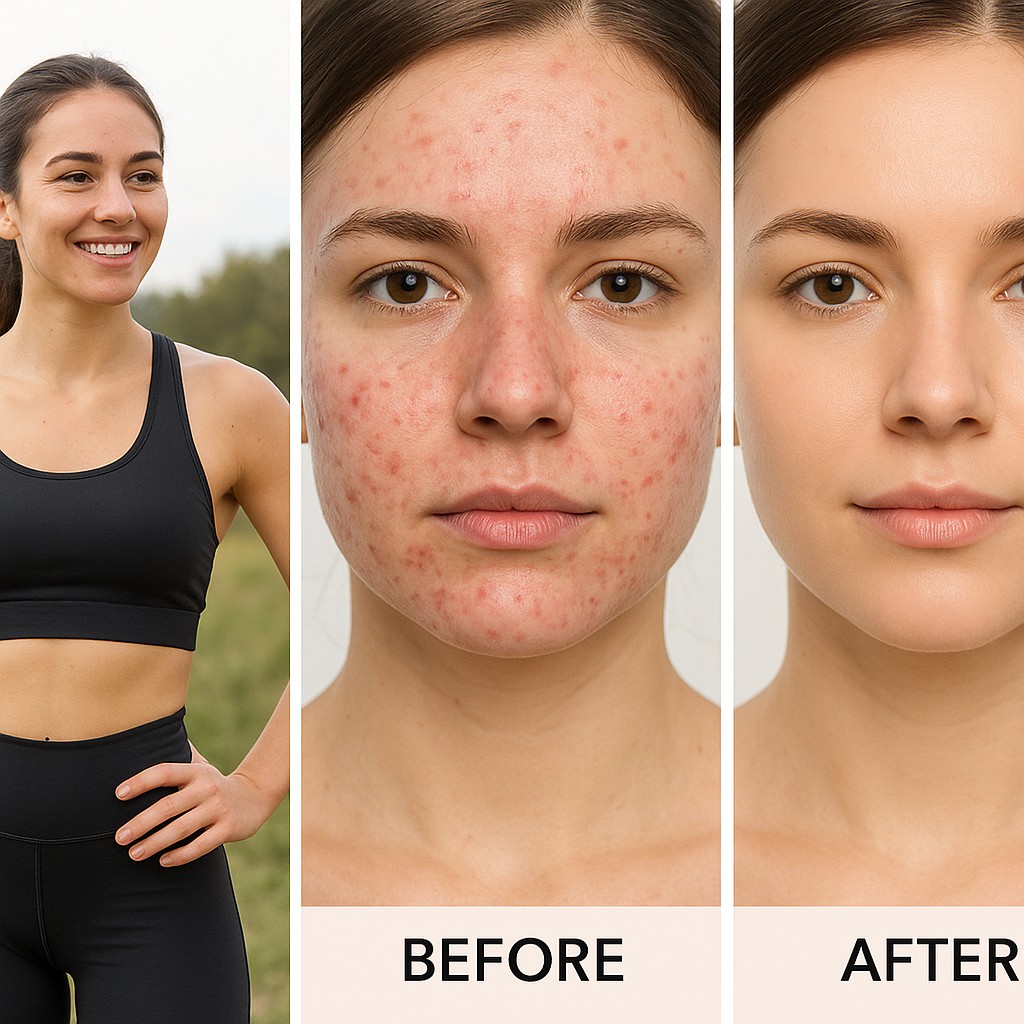
Understanding the Complexity of Skin Healing

Many people assume that a simple switch in cleansers or a new serum will fix their complexion overnight. Georgia’s journey suggests otherwise. She describes her process as a chronic battle that involved addressing hormonal problems, potential autoimmune disorders, and extreme stress. When you deal with inflamed skin, it is easy to feel discouraged by the constant cycle of improvement followed by sudden, frustrating flare-ups.

The skin acts as a mirror for what is happening inside the body. When you see swollen red lumps or notice small blood vessels becoming more prominent, your body is likely reacting to a specific stressor. For Georgia, the transition from fighting acne to managing rosacea felt like a game of whack-a-mole. She learned that the body often clears one issue only to prioritize the next, deeper layer of healing once the initial inflammation subsides.

Georgia top four tips

  • See a dermatologist to determine what kind of rosacea you have.
  • Find out when it started and what triggers it.
  • Work with a naturopath or medical practitioner on the treatment.
  • Identify if there are any food triggers and change your diet accordingly.

The Role of Professional Guidance

Relying on internet trends or random product recommendations often leads to more irritation. A professional dermatological treatment plan is essential because not all redness is the same. Some people struggle with acne-like rosacea, while others deal with vascular issues that require specific laser therapies or prescription topicals. By consulting a dermatologist, you gain clarity on your specific skin type and the underlying biology at play.

Beyond standard medical care, integrating a holistic approach can be a game-changer for long-term skin health. Georgia emphasizes the importance of working with a naturopath or a medical practitioner who looks at the whole picture. This might involve testing for nutrient deficiencies, checking hormone levels, or exploring how your gut health influences your complexion. Healing is not just about what you put on your face; it is about how you support your internal systems.

Georgia top four tips

  • See a dermatologist to determine what kind of rosacea you have.
  • Find out when it started and what triggers it.
  • Work with a naturopath or medical practitioner on the treatment.
  • Identify if there are any food triggers and change your diet accordingly.

Identifying Root Causes

To stop the cycle of breakouts, you must become a detective regarding your own body. Skin triggers are highly individual. What causes a flare-up for one person might be perfectly fine for another. Georgia’s research into her own condition led her to identify several potential culprits that often go overlooked in standard beauty routines.

Georgia reveals the causes of rosacea

  • You’re genetically predisposed.
  • You’re suffering with skin mites (demedex).
  • You had underlying severe inflammation that found a trigger and rosacea is how it shows itself.
  • You have gut issues, specifically SIBO (small intestinal bacterial overgrowth), leaky gut or an IBS diagnosis.
  • You have built up emotions, anger, resentment, guilt, or self loathing.

The connection between gut health and skin inflammation is well-documented but often ignored. Conditions like SIBO or leaky gut can cause systemic inflammation that manifests as acne or rosacea. When your digestive system is struggling to process nutrients or manage bacteria, your skin often pays the price. Addressing these issues with a qualified practitioner can lead to significant improvements in your skin’s texture and clarity.
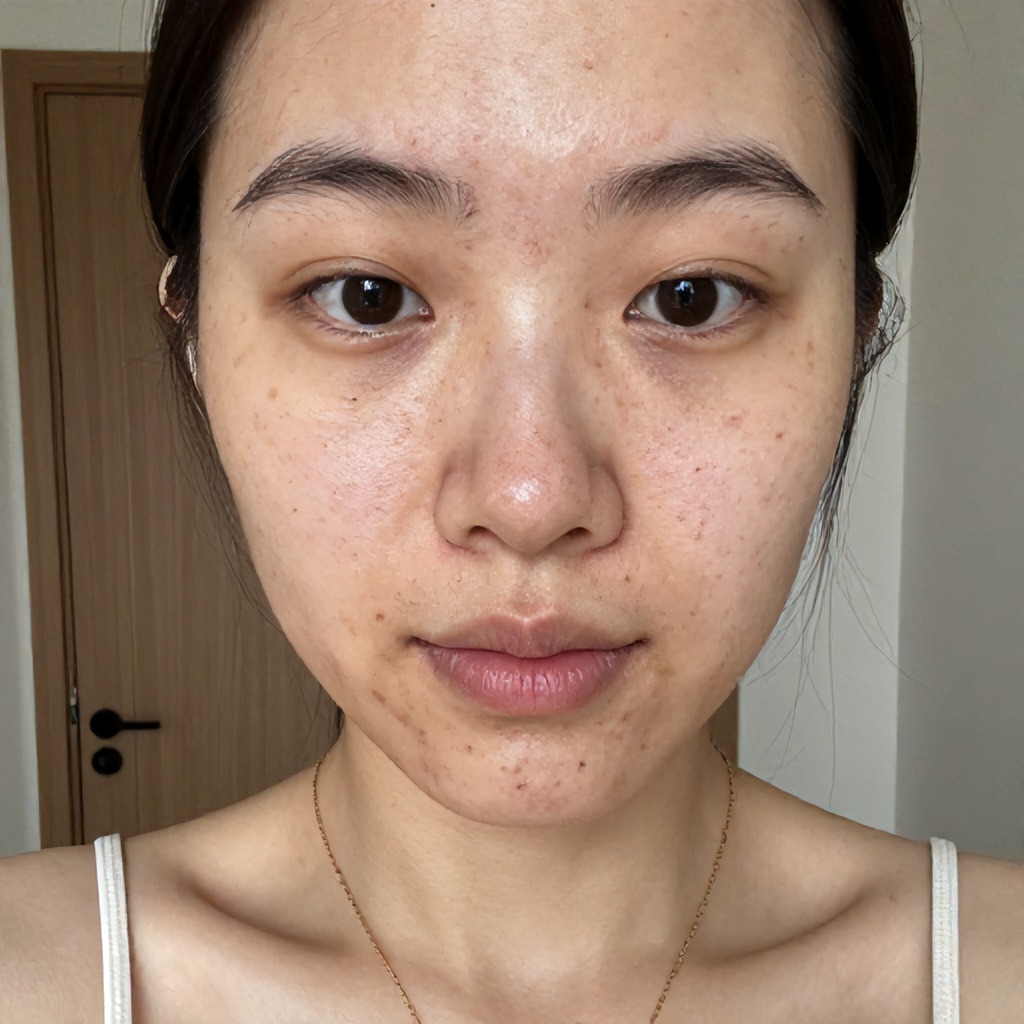
Emotional health also plays a surprising role in skin resilience. Chronic stress keeps the body in a state of fight-or-flight, which can exacerbate hormonal acne and keep the skin in a constant state of inflammation. Acknowledging the impact of your mental state is a vital part of any holistic healing journey.

Georgia reveals the causes of rosacea

  • You’re genetically predisposed.
  • You’re suffering with skin mites (demedex).
  • You had underlying severe inflammation that found a trigger and rosacea is how it shows itself.
  • You have gut issues, specifically SIBO (small intestinal bacterial overgrowth), leaky gut or an IBS diagnosis.
  • You have built up emotions, anger, resentment, guilt, or self loathing.

Georgia reveals the causes of rosacea

  • You’re genetically predisposed.
  • You’re suffering with skin mites (demedex).
  • You had underlying severe inflammation that found a trigger and rosacea is how it shows itself.
  • You have gut issues, specifically SIBO (small intestinal bacterial overgrowth), leaky gut or an IBS diagnosis.
  • You have built up emotions, anger, resentment, guilt, or self loathing.

Building a Sustainable Skincare Routine

When your skin is inflamed, the best approach is often the simplest one. Overloading your face with too many active ingredients can strip the moisture barrier and make redness worse. Focus on gentle, fragrance-free products that prioritize hydration and barrier repair. If you are currently experiencing a breakout, resist the urge to scrub or use harsh drying agents. Instead, look for soothing ingredients like ceramides, niacinamide, or colloidal oatmeal.

Consistency is more important than intensity. It takes time for the skin to cycle through its healing phases. You might notice that your skin looks better for a few days, only to have a minor setback. This is a normal part of the process. Keep a journal of your skincare routine, your diet, and your stress levels to help identify patterns. If you notice that your skin flares up after eating certain foods or during high-stress weeks, you have found a valuable piece of the puzzle.

Dietary Adjustments for Inflamed Skin

Food triggers are one of the most common reasons for persistent skin issues. Many people find that reducing inflammatory foods—such as refined sugars, dairy, or processed oils—can calm their complexion significantly. Georgia suggests paying close attention to how your body reacts to specific meals. Keeping a food diary for a few weeks can help you spot connections that you might otherwise miss.

Focus on nutrient-dense, whole foods that support skin health from the inside out. Incorporating healthy fats like omega-3s, found in salmon, walnuts, and flaxseeds, can help reduce systemic inflammation. Antioxidant-rich vegetables, such as leafy greens and berries, provide the vitamins necessary for skin repair. Hydration is equally important; drinking enough water helps your body flush out toxins and keeps your skin cells plump and resilient.

Managing Expectations During Recovery

The most difficult part of any skin transformation is the patience it requires. We live in an era of instant results, but skin healing is a biological process that cannot be rushed. There will be days when you feel discouraged, and that is okay. Acknowledge the frustration, but try to stay focused on the long-term goal of health rather than the short-term goal of perfection.

Remember that your skin does not define your worth. While it is natural to want a clear complexion, the stress of obsessing over every bump or red patch can actually hinder your progress. Practice self-compassion. Treat your skin with the same kindness you would show a friend who is going through a difficult time. By combining professional medical advice with a supportive lifestyle, you can create the right environment for your skin to heal at its own pace.

Next Steps for Your Journey

If you are currently struggling with your skin, start by taking a step back. Review your current routine and identify any products that might be causing irritation. Schedule an appointment with a dermatologist to get a professional assessment of your skin condition. Do not be afraid to ask questions about potential underlying causes, such as gut health or hormonal imbalances.

  1. Audit your current skincare products to remove harsh exfoliants or fragrances.
  2. Start a simple log tracking your diet, stress, and skin condition for two weeks.
  3. Book a consultation with a dermatologist to discuss your specific symptoms.
  4. Research local practitioners who specialize in holistic health or nutrition to support your internal healing.
  5. Prioritize sleep and stress management to lower your body’s inflammatory response.

Healing is a personal journey. What worked for Georgia Gibbs may not be the exact path for you, but the principles of patience, professional guidance, and internal support remain the same. Stay consistent, listen to your body, and keep moving forward, even when the progress feels slow. Your skin has an incredible capacity to recover when given the right tools and the right environment.

Finally, remember that the goal is not just to look a certain way, but to feel comfortable and healthy in your own skin. By addressing the root causes of your inflammation, you are investing in your long-term well-being. Take it one day at a time, and celebrate the small victories along the way. Whether it is a reduction in redness or a day without new breakouts, every step forward is a sign that your body is responding to your care.

As you continue your journey, keep an open mind about the different factors that influence your skin. From the environment you live in to the products you use, everything plays a part. By staying informed and working with professionals, you can navigate the complexities of skin health with confidence and clarity. You are not alone in this, and with the right approach, you can find the balance your skin needs to thrive.
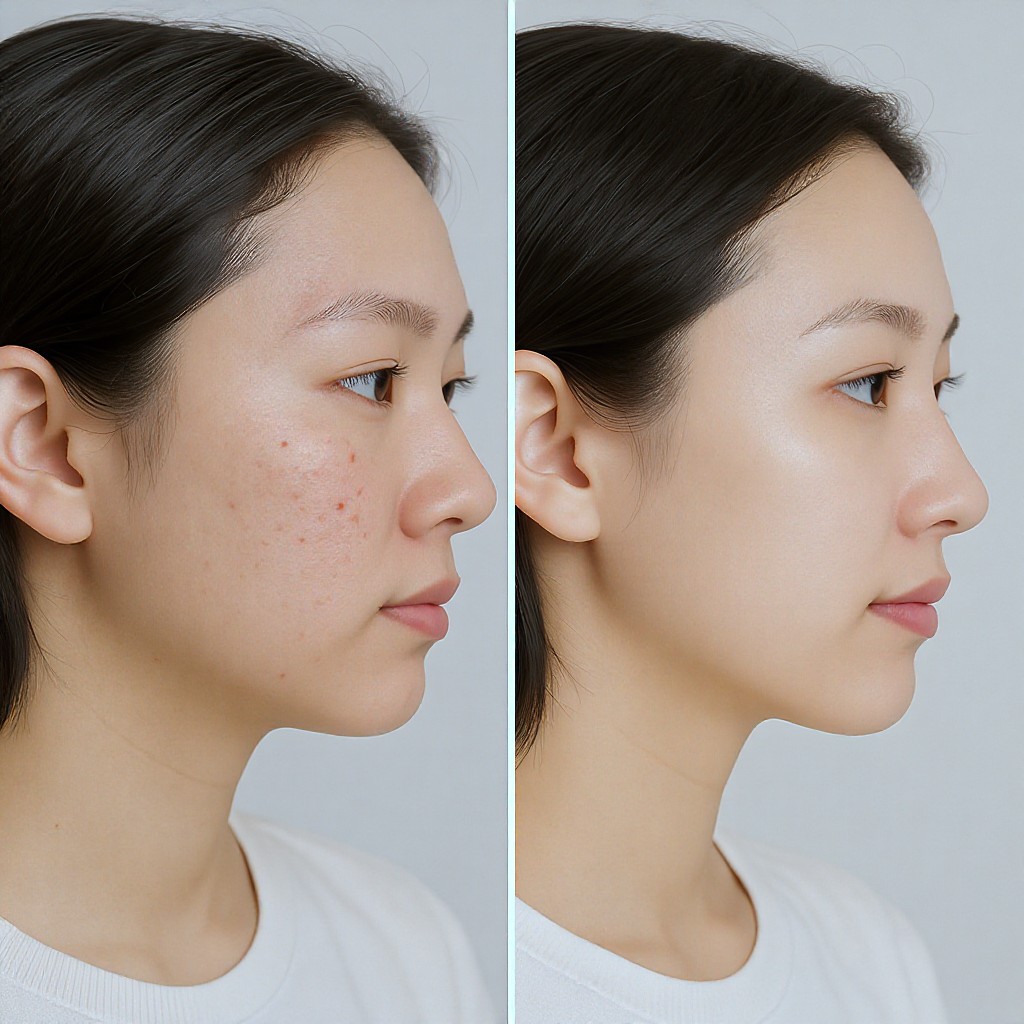
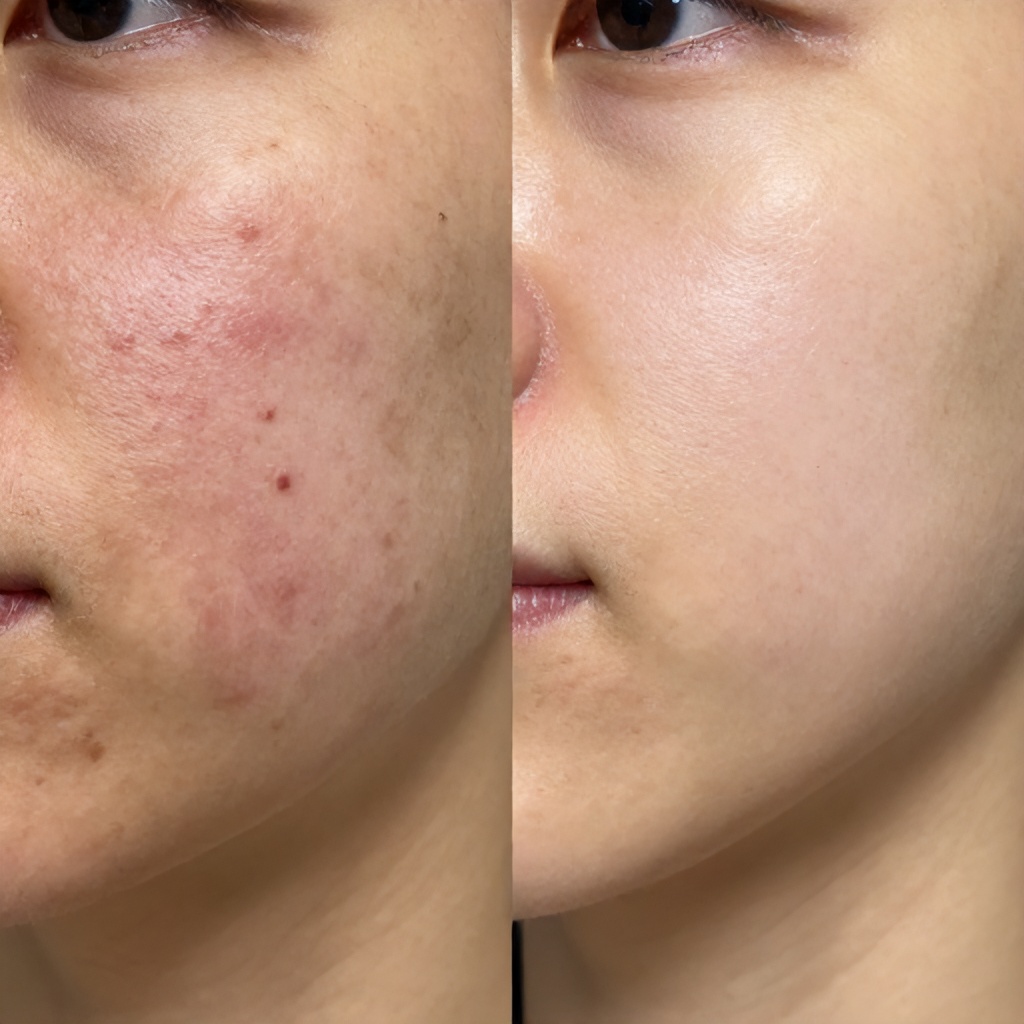
How I Healed My Acne Naturally Using a Root Cause Approach

Healing chronic acne requires looking past the surface of the skin to address systemic health imbalances. My journey involved moving away from temporary symptom management toward a root cause approach that prioritizes long-term metabolic health and internal balance.

How I Healed My Acne Naturally: See my before and after photos and my tips for a root cause approach to acne. By Olivia Robertson-Moe, Jun 24, 2024. 13 Shares.

My Personal Path to Clearer Skin

My skin health journey mirrors my overall physical well-being. Throughout high school and college, I battled persistent breakouts that felt impossible to control. My face became a map of my internal struggles. I visited countless dermatologists, spent thousands on specialized creams, and cycled through antibiotics, hormonal birth control, and even a course of Accutane. These treatments often masked the symptoms temporarily, but they never addressed why the inflammation was happening in the first place.

I know the heavy weight of insecurity that comes with chronic acne. It affects how you show up in the world and how you view yourself in the mirror. I share my story to provide a resource for those who feel stuck in the same cycle of trial and error. Please remember that your skin condition does not define your worth. While I am sharing strategies to help you resolve these issues, there is no shame in having skin that is currently healing. My skin is not perfect, and I still experience occasional setbacks, but for the first time in a decade, I have found a sustainable path forward.

Progress is rarely a straight line. If you experience a flare-up, view it as data rather than a failure. Your body is communicating a need, and your job is to listen to that signal.

The Shift Toward a Root Cause Approach

Traditional dermatology often focuses on suppressing acne triggers through topical acids or systemic medication. While these tools have their place, they frequently ignore the gut-skin axis and the role of systemic inflammation. I realized that my acne was a symptom of something deeper happening within my body. Acne is often an inflammatory skin condition that signals an imbalance in hormones, digestion, or metabolic health.

Finding the root cause is rarely about finding one single culprit. It is usually a combination of factors that require careful investigation. I strongly suggest working with a functional practitioner who can look at your full health history. They can help you identify specific patterns in your blood work, lifestyle, and symptoms that a standard check-up might miss.

Olivia Robertson-Moe, Jun 24, 2024. 13 Shares.

Understanding the Gut-Skin Axis

Digestive health is the foundation of clear skin. If your gut microbiome is out of balance, your body struggles to manage inflammation, which often manifests on the face. Many people suffer from bloating, constipation, or irregular digestion without realizing these are connected to their skin flare-ups. You can consume a nutrient-dense diet, but if your body cannot break down and absorb those nutrients, your skin will not receive the building blocks it needs for repair.

Elimination is just as important as absorption. If you are not having regular bowel movements, your body cannot effectively remove waste and excess hormones. This backup can lead to systemic toxicity, which the body often attempts to push out through the pores. This is a primary reason why holistic skincare must start in the digestive tract.

Common Disruptors of Digestive Health

  • Ultra-processed foods that lack fiber and contain inflammatory additives.
  • High intake of refined carbohydrates and sugars that spike insulin levels.
  • Undiagnosed food sensitivities that cause chronic low-grade inflammation.
  • High-stress lifestyles that keep the body in a fight-or-flight state, slowing down digestion.
  • Inconsistent sleep patterns that disrupt the body’s natural repair cycles.
  • Alcohol consumption, which can damage the gut lining and alter the microbiome.

The Role of Hormonal Balance

Hormonal acne is one of the most common complaints I hear from women. It is often characterized by deep, painful cysts along the jawline and chin. This type of acne is frequently linked to hormonal imbalance, specifically an excess of androgens or issues with insulin sensitivity. When your metabolic health is compromised, your body may produce more sebum, or oil, which creates the perfect environment for acne-causing bacteria to thrive.

Addressing hormonal acne requires a look at your endocrine system. This includes how your body processes stress hormones like cortisol. When cortisol is chronically elevated, it can steal resources from your sex hormones, leading to a cascade of imbalances. Managing your stress is not just a mental health practice; it is a vital part of your skin health optimization.

Do not attempt to self-diagnose hormonal imbalances with supplements without professional guidance. Hormones are a delicate system, and adding external support without knowing your baseline levels can sometimes exacerbate the issue.

Strategies for Skin Barrier Repair

While you work on internal health, you must also protect the skin barrier. A damaged barrier allows bacteria to enter and moisture to escape, leading to redness and irritation. Many people with acne over-exfoliate, which strips the skin of its natural protective oils. Instead of harsh scrubs, focus on gentle, nourishing ingredients that support the skin’s natural microbiome.

  1. Simplify your routine: Use a gentle cleanser that does not leave your skin feeling tight.
  2. Prioritize hydration: Look for ingredients like glycerin or hyaluronic acid to keep the skin barrier plump.
  3. Avoid harsh chemicals: Many acne products contain ingredients that cause long-term inflammation.
  4. Protect from the sun: UV damage can worsen post-acne marks and inflammation.

The Impact of Lifestyle Factors

Your daily habits are the most powerful tools you have for long-term dermatological health. It is easy to focus only on what you put on your skin, but what you do with your body matters more. Sleep is when your skin repairs itself. If you are consistently getting less than seven hours of quality sleep, your body cannot manage inflammation effectively. Similarly, movement helps regulate insulin and blood sugar, which directly influences your skin’s oil production.

Practical Steps to Improve Your Skin

  • Track your symptoms: Keep a journal of what you eat, how you feel, and how your skin looks. This helps identify patterns.
  • Focus on nutrient absorption: Ensure you are eating enough healthy fats and proteins to support hormone production.
  • Manage stress: Find a practice that works for you, whether it is walking, meditation, or simply spending time outside.
  • Hydrate properly: Water is essential for every metabolic process in your body.

Working with a Functional Practitioner

When you feel like you have tried everything, a functional practitioner can offer a different perspective. They look at the body as a whole system rather than a collection of parts. They might suggest testing for gut dysbiosis, food sensitivities, or specific nutrient deficiencies. This data-driven approach takes the guesswork out of your healing process.

Remember that healing takes time. You are working to change the internal environment of your body, which does not happen overnight. Be patient with yourself and celebrate the small wins, like reduced redness or fewer new breakouts. Consistency is the most important factor in any natural acne remedy.

How long does it take to see results?

Skin cells turn over approximately every 28 to 40 days. You should expect to see initial changes within one to three months of consistent lifestyle changes. Deeper systemic healing may take longer, often six months or more.

Can diet really clear acne?

For many, diet is a major piece of the puzzle. By reducing inflammatory foods and focusing on nutrient-dense whole foods, you can significantly lower systemic inflammation and improve your gut microbiome, both of which are essential for clear skin.

What if I have tried everything?

If you feel like you have tried everything, you may be focusing on the wrong things. Many people try to “fix” their skin with topicals while ignoring their gut health or metabolic function. Shifting your focus to internal health often yields the results that external products could not provide.

Building a Sustainable Routine

The goal is to create a lifestyle that supports your skin without requiring constant maintenance. Once you understand your specific acne triggers, you can make informed choices about your diet and environment. This is not about restriction; it is about finding what makes your body feel its best. When your body is in balance, your skin will reflect that health.

Focus on adding, not subtracting. Add more fiber to your diet to support your gut. Add more sleep to your schedule to support your hormones. Add more movement to your day to support your metabolic health. These small, positive additions will eventually crowd out the habits that were contributing to your skin issues.

Your skin is a reflection of your internal health. By treating your body with kindness and focusing on the root causes of inflammation, you can achieve lasting results. Keep exploring, keep listening to your body, and remember that you are on a path toward better health that goes far beyond the surface.

Top Latest Discussions

No posts currently available in this section.

Olivia’s Substack is a reader-supported publication. To receive new posts and support my work, consider becoming a free or paid subscriber.

Subscribe

The journey to clear skin is deeply personal. While I have shared what worked for me, your path may look different. Use these tools as a starting point for your own investigation. Trust your intuition and do not be afraid to advocate for your health when speaking with medical professionals. You deserve to feel comfortable and confident in your own skin.

As you move forward, keep a record of what you learn. Note which foods seem to trigger flare-ups and which lifestyle changes lead to the most improvement. This information is invaluable. It turns you from a passive recipient of advice into an active participant in your own healing. Your skin is resilient, and with the right support, it can recover.

Finally, remember to be kind to yourself during this process. Stressing about your skin can actually make it worse. Find joy in the things that make you feel good, whether it is a hobby, time with friends, or simply a quiet moment in the morning. Your mental and emotional well-being are just as important as your physical health. You are more than your skin, and you are capable of finding the balance you need.

Exit mobile version