
The Fundamentals of Clay Mask Application
Applying a clay mask correctly requires more than just slathering mud on your face and waiting for it to crack. Proper clay mask application hinges on preparation, timing, and the specific needs of your skin type. When you treat this process as a deliberate self-care ritual rather than a hurried chore, you protect your skin barrier while achieving that coveted radiance boost. Most people make the mistake of letting the mask dry until it pulls at the skin, which actually dehydrates the dermis and leads to irritation. Instead, the goal is to keep the clay active and moist for the duration of the treatment.

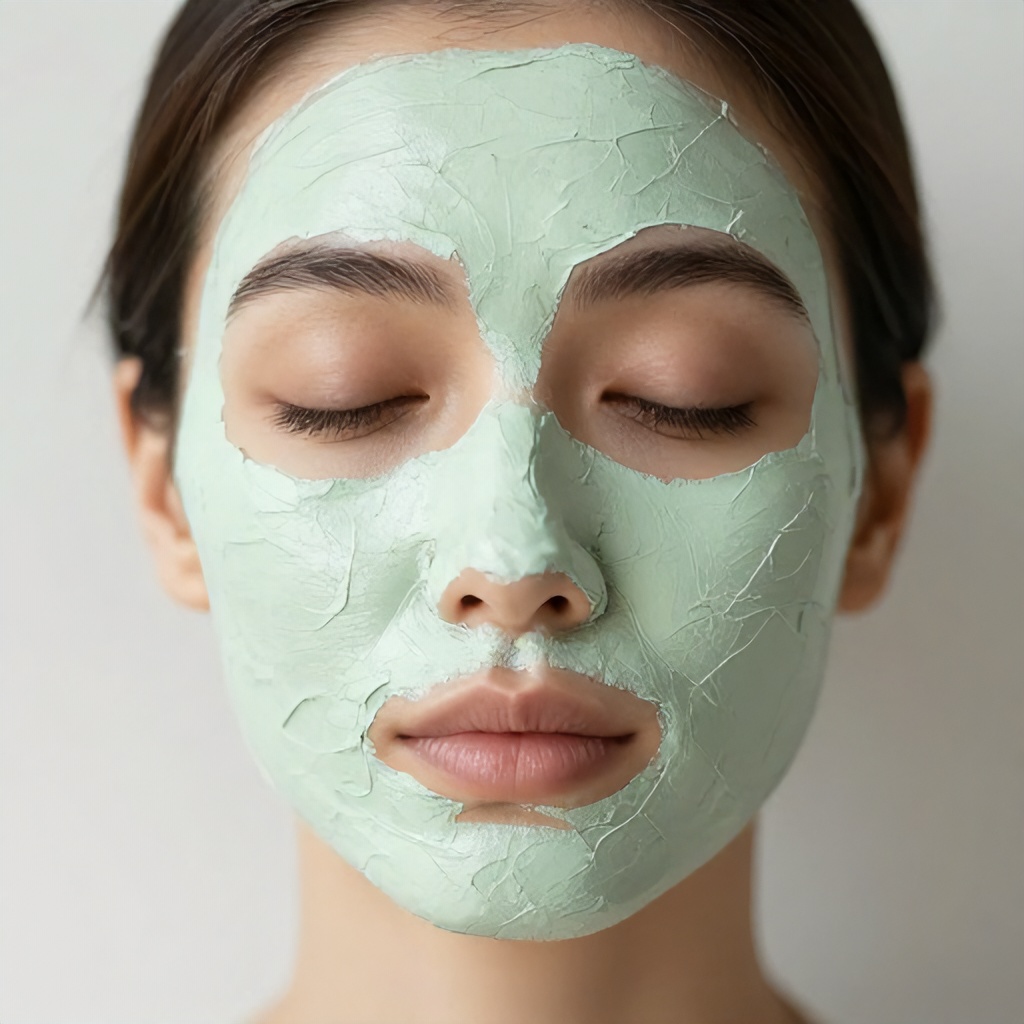
Your skincare regimen benefits from clay because of its natural ability to draw out impurities and excess sebum. Think of clay as a magnet for debris that settles deep within the pores. Whether you choose kaolin, bentonite, or French green clay, the mechanism remains similar. These minerals absorb oil and gently exfoliate the surface, leaving behind a smoother facial texture. However, because these ingredients are highly absorbent, they do not discriminate between dirt and your skin’s essential moisture. Balancing this absorption with proper hydration is the key to successful beauty maintenance.
Preparing Your Skin for Maximum Results
Clean skin is the only canvas for an effective facial treatment. Start by removing all traces of makeup, sunscreen, and environmental pollutants with a gentle oil-based cleanser followed by a water-based one. This double-cleansing method ensures that the clay mask interacts directly with your pores rather than sitting on top of a layer of grime. If you apply a mask over unwashed skin, you risk trapping bacteria against your face, which can lead to breakouts rather than preventing them.
Steaming your face for three to five minutes before applying the mask helps soften the sebum inside your pores. You can do this by holding your face over a bowl of warm water or using a warm, damp towel. This step opens the follicles, allowing the clay to penetrate more deeply and perform a more thorough pore cleansing. Pat your skin dry with a clean towel until it is slightly damp, but not dripping wet. Applying the mask to slightly damp skin makes the product easier to spread and prevents the clay from drying out too quickly.
Selecting the Right Tools
Using your fingers to apply a mask is common, but it is rarely the most hygienic or precise method. A dedicated facial applicator, such as a silicone brush or a flat synthetic foundation brush, provides a much more even layer. These tools allow you to reach the crevices around your nose and chin without wasting product. Silicone applicators are particularly useful because they do not absorb the mask, meaning you get every drop of the formula onto your face. Wash your applicator with antibacterial soap after every use to prevent the buildup of bacteria that could contaminate your next spa-grade skincare session.
The Art of Even Application
Start your application at the center of your face and work outward toward your hairline. Focus the thickest layers on the T-zone, where oil production is typically highest. For the cheeks and jawline, apply a thinner layer to avoid over-drying these more delicate areas. If you have combination skin, you might even consider multi-masking, which involves using a strong bentonite clay on your nose and forehead while using a gentler, hydrating clay on your cheeks. This targeted approach ensures that your entire face receives the specific care it requires.
Avoid the immediate eye area and the lips entirely. The skin around your eyes is significantly thinner and more sensitive than the rest of your face. Clay masks are designed to tighten as they dry, and this pulling sensation can cause fine lines or irritation in the delicate orbital region. If you accidentally get product in these areas, rinse it off immediately with lukewarm water. Aim for a layer that is opaque enough to hide your skin tone but not so thick that it takes an hour to dry. A medium-thick layer is the sweet spot for effective cosmetic application.
Timing and the Drying Myth
The most important rule in clay mask application is to never let the mask reach the cracking stage. When clay dries completely, it begins to draw moisture out of the skin cells themselves, which can cause redness, tightness, and a compromised moisture barrier. Instead, remove the mask while it is still slightly tacky to the touch. This usually happens within 8 to 12 minutes, depending on the humidity of your environment and the thickness of the layer you applied.
If you find that your mask dries too fast, keep a facial mist nearby. Spritzing your face with a gentle rosewater or thermal spring water spray keeps the clay active and prevents it from hardening into a brittle shell. This simple trick extends the duration of your facial spa treatment, allowing the minerals more time to work without stripping your skin of its natural oils. Consistency is more important than duration; a shorter, well-managed mask session is far better for your complexion enhancement than a long, drying one.
Removing the Mask Safely
Removing a clay mask should be a gentle process. Do not scrub your face with a rough washcloth, as this can cause micro-tears and irritation. Instead, use warm water to soften the mask again. Splash your face repeatedly or use a soft, damp microfiber cloth to gently dissolve the clay. Work in circular motions, letting the water do the heavy lifting. If the mask is particularly stubborn, lay a warm, wet towel over your face for thirty seconds to loosen the product before wiping it away.
Once the mask is removed, your skin might look slightly pink. This is normal, as the increased blood circulation is a sign of skin rejuvenation. However, if your skin feels tight or itchy, you have likely left the mask on for too long or used a formula that is too harsh for your skin type. Always finish the removal process by rinsing with cool water to help soothe the skin and close the pores. Pat your face dry with a clean, soft towel, ensuring you do not rub or pull at the skin.
Post-Mask Care for Glowing Skin
The period immediately following a clay mask is when your skin is most receptive to hydration. Because the mask has cleared away dead skin cells and excess oil, your serums and moisturizers can penetrate more effectively. Start with a hydrating toner to balance your skin’s pH levels. Follow this with a serum containing hyaluronic acid or glycerin to lock moisture into the dermis. These humectants act like a drink of water for your skin, counteracting any minor dehydration caused by the clay.
Seal everything in with a moisturizer appropriate for your skin type. If you have oily skin, a lightweight gel-cream works well. For those with dry or mature skin, a richer cream containing ceramides or squalane is ideal. This final step is non-negotiable in your beauty routine. Skipping moisturizer after a clay mask can lead to an overproduction of oil, as your skin tries to compensate for the sudden loss of hydration. By providing the moisture your skin needs, you ensure a glowing complexion that lasts throughout the day.
Frequency and Long-Term Skin Wellness
How often you use a clay mask depends entirely on your skin’s unique needs. For most people, once a week is the perfect frequency for beauty maintenance. If you have very oily skin, you might increase this to twice a week, but never more than that. Over-masking can strip the skin’s natural protective barrier, leading to increased sensitivity and even breakouts. Listen to your skin; if it feels tight or looks dull, pull back on the frequency of your treatments.
Integrate your clay mask into a broader strategy for skin wellness. Clay is an excellent tool for pore cleansing, but it cannot replace a consistent daily routine of cleansing, moisturizing, and sun protection. Think of the mask as a supplemental treatment that boosts the efficacy of your other products. When used correctly, it helps maintain a clear, refined complexion and supports the overall health of your dermis. By keeping the process simple and focusing on hydration, you turn a basic beauty task into a reliable method for achieving healthy, radiant skin.
Common Mistakes to Avoid
Many people assume that if a little clay is good, a lot must be better. This leads to applying thick, heavy layers that are difficult to remove and prone to cracking. Another common error is using a mask that is too aggressive for your skin type. If you have sensitive skin, look for masks that include soothing ingredients like aloe vera, chamomile, or oatmeal alongside the clay. These additions buffer the intensity of the clay, making the treatment more comfortable and less likely to cause irritation.
Ignoring the expiration date of your skincare products is another frequent oversight. Clay masks, especially those containing natural ingredients, can harbor bacteria if they are old or have been stored in a humid bathroom. Keep your products in a cool, dry place away from direct sunlight. If the texture of your mask changes, if it develops an off smell, or if the color shifts significantly, it is time to discard it. Using expired products can lead to unwanted reactions and compromise your dermatological health.
Tailoring the Routine to Your Skin Type
Oily skin types often benefit from bentonite or French green clay, as these are highly absorbent and effective at controlling shine. If you fall into this category, you can be slightly more liberal with your application, focusing on the T-zone and any areas prone to congestion. Use a clay mask as part of your weekly self-care ritual to keep pores clear and prevent the buildup of dead skin cells that can lead to blemishes.
Dry or sensitive skin requires a more cautious approach. Look for kaolin clay, which is the gentlest form of clay and is less likely to cause excessive dryness. You might also consider mixing your clay mask with a few drops of facial oil or honey to add extra nourishment during the treatment. This modification makes the mask more hydrating while still providing the benefits of pore cleansing. Always perform a patch test on your inner arm before applying a new mask to your entire face, especially if you have a history of skin sensitivities.
The Role of Clay in Modern Skincare
The popularity of clay masks in aesthetic skincare is well-deserved. These products provide a tangible, immediate result that many other treatments cannot match. When you remove a mask, your skin feels instantly refreshed and looks brighter. This is due to the combination of physical exfoliation and the removal of surface-level impurities. While it is not a permanent fix for all skin concerns, it is a powerful tool for maintaining a clear and healthy appearance.
As you incorporate these masks into your routine, remember that the goal is balance. Your skin is a living organ that changes based on your diet, stress levels, and the environment. Some weeks you may need a deep-cleaning mask, while other weeks your skin might prefer a gentle, hydrating treatment. Stay flexible and observant. By paying attention to how your skin responds to different products and techniques, you become the best expert on your own beauty maintenance. This practical, evidence-aware approach ensures that your skincare regimen remains effective and enjoyable for years to come.
Final Thoughts on Aesthetic Skincare
Achieving a glowing complexion is rarely about finding one miracle product. It is about the consistent application of good habits and the intelligent use of effective tools. Clay masks are a cornerstone of this approach, offering a simple way to deep-clean and refresh the skin. By following the steps outlined here—preparing the skin, using the right tools, avoiding the cracking stage, and prioritizing hydration—you can maximize the benefits of your facial spa treatment without the common pitfalls.
Keep your routine manageable and focused on your specific needs. There is no need to overcomplicate your beauty maintenance with dozens of products. A few high-quality items used correctly will always outperform a shelf full of unused bottles. Treat your skin with kindness, prioritize its health over temporary trends, and enjoy the process of caring for yourself. With the right technique, a clay mask becomes more than just a product; it becomes a reliable ally in your quest for healthy, vibrant skin.

