
Addressing inflamed acne on the jawline requires a targeted and consistent approach, focusing on reducing skin inflammation and managing the underlying causes of these often painful breakouts.

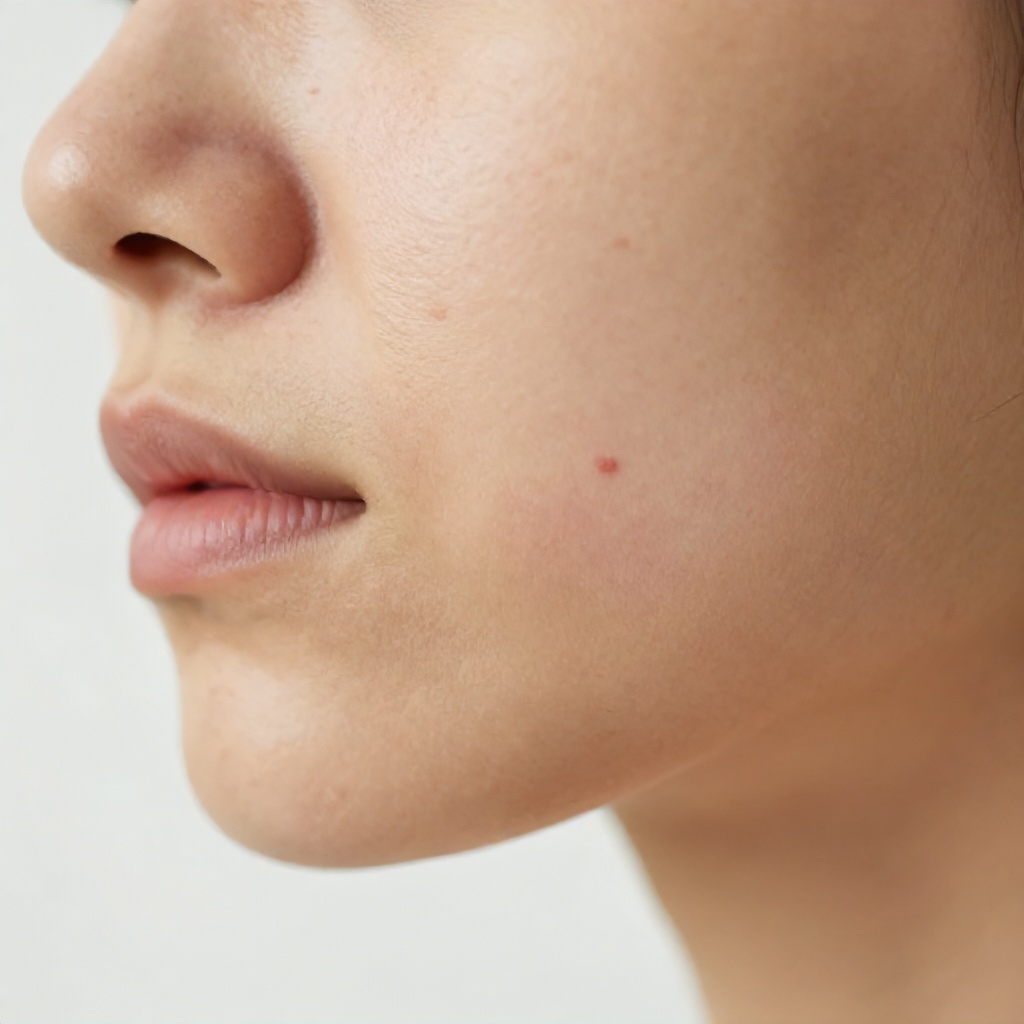
Understanding Jawline Acne: More Than Just a Pimple
Jawline acne, particularly the inflamed kind, isn’t just a random blemish. It often signals deeper issues, frequently linked to hormonal fluctuations or specific lifestyle factors. This type of lower face acne tends to be more stubborn and can manifest as deep, painful cysts or persistent red pimples, making it a common dermatological concern for many adults.
Why the Jawline is a Hotspot
The jawline area is uniquely susceptible to acne breakouts for several reasons. Hormonal changes are a primary culprit, especially for adult acne. Androgens, male hormones present in both men and women, can stimulate oil glands, leading to excess sebum production. This excess oil, combined with dead skin cells, clogs pores and creates a perfect breeding ground for acne-causing bacteria, resulting in visible inflammation and painful blemishes.
Stress also plays a significant role. When we’re stressed, our bodies produce more cortisol, which can indirectly lead to increased androgen production and, consequently, more oil and more acne. This cycle can make managing jawline acne feel like an uphill battle.
Beyond hormones, external factors contribute. Friction from phone screens, helmet straps, or even face masks can irritate the skin and introduce bacteria, exacerbating existing skin irritation or triggering new pimples. Hair products, certain makeup ingredients, and even pillowcases can also contribute if they’re not kept clean or if they contain pore-clogging ingredients.
Identifying Inflamed Acne
Not all acne is the same. Inflamed acne is characterized by redness, swelling, and often pain or tenderness. It’s a clear sign that your immune system is reacting to bacteria and clogged pores beneath the skin’s surface. Understanding what you’re dealing with is the first step toward effective acne treatment.
Types of Inflamed Blemishes
-
Papules: These are small, red, tender bumps without a white center. They form when clogged hair follicles become inflamed.
-
Pustules: Similar to papules, but they have a distinct white or yellowish center filled with pus. These are often what people refer to as “pimples.”
-
Nodules: Larger, solid, painful lumps that are deep within the skin. They don’t usually have a head and can persist for weeks or months.
-
Cysts: These are the most severe form of inflamed acne. Cysts are large, soft, painful, pus-filled lesions that are deep within the skin. They can cause significant scarring and often require professional intervention. Cystic acne on the jawline is particularly common and challenging to treat with over-the-counter products alone.
Distinguishing these from non-inflamed acne like blackheads (open clogged pores) and whiteheads (closed clogged pores) is important because the treatment strategies differ significantly. Inflamed acne requires a focus on reducing redness and swelling, along with addressing bacterial overgrowth.
Building an Anti-Inflammatory Skincare Regimen
A successful skincare regimen for inflamed acne on the jawline prioritizes gentleness, consistency, and ingredients known for their anti-inflammatory skincare properties. The goal is to calm the skin, reduce breakouts, and support overall skin health without causing further irritation.
Gentle Cleansing is Key
When your skin is inflamed, harsh cleansers can strip its natural oils, leading to more irritation and potentially more breakouts. Opt for a mild, pH-balanced cleanser that is sulfate-free. Look for ingredients like ceramides or hyaluronic acid that help maintain the skin’s barrier function. Cleanse twice a day – morning and evening – and after heavy sweating. Use lukewarm water and pat your face dry with a clean towel.
Over-washing or scrubbing aggressively will only worsen skin inflammation. Treat your skin with care, especially when dealing with active, painful blemishes. A gentle approach allows your skin to heal and respond better to other treatments.
Moisturize, Always
Even oily or acne-prone skin needs moisture. Skipping moisturizer can ironically cause your skin to produce more oil to compensate, leading to more clogged pores. Choose a non-comedogenic moisturizer – meaning it won’t clog pores – that is lightweight and fragrance-free. Ingredients like niacinamide, glycerin, or ceramides can help soothe the skin and strengthen its barrier, which is crucial for reducing redness and irritation associated with inflamed acne.
Some acne treatments can be drying, so a good moisturizer is essential to counteract these effects and keep your skin comfortable and healthy. It’s a fundamental step in any effective skin care regimen, especially when you’re actively managing breakouts.
Non-Negotiable Sun Protection
Sun exposure can worsen post-inflammatory hyperpigmentation (dark spots left after acne heals) and can even trigger new breakouts in some individuals. Many acne treatments, especially retinoids, also make your skin more sensitive to the sun. Daily use of a broad-spectrum sunscreen with an SPF of 30 or higher is absolutely vital.
Again, choose a non-comedogenic formula, ideally one that is lightweight and won’t feel heavy on your skin. Mineral sunscreens containing zinc oxide or titanium dioxide can be particularly beneficial for sensitive, acne-prone skin as they are less likely to cause irritation and offer a physical barrier against UV rays.
Targeted Topical Solutions for Inflamed Acne
Once you have your basic routine down, incorporating specific topical solutions can significantly improve inflamed acne. These ingredients work in various ways to reduce bacteria, exfoliate, and calm skin inflammation.
Salicylic Acid (BHA)
Salicylic acid is a beta-hydroxy acid (BHA) that is oil-soluble, meaning it can penetrate deep into pores to dissolve sebum and dead skin cells. This makes it excellent for preventing clogs and treating existing ones. It also has mild anti-inflammatory properties, which can help reduce the redness and swelling of pimples.
Look for salicylic acid in cleansers, toners, or spot treatments. Start with a lower concentration (0.5% to 2%) to see how your skin reacts, especially if you have sensitive skin. It’s particularly effective for blackheads and whiteheads, but its ability to clear pores makes it beneficial for preventing inflamed lesions too.
Benzoyl Peroxide
Benzoyl peroxide is a powerful ingredient known for its ability to kill acne-causing bacteria (P. acnes) on the skin’s surface and within pores. It also helps to shed dead skin cells, preventing new clogs. This dual action makes it highly effective for treating inflamed papules and pustules.
It comes in various concentrations, from 2.5% to 10%. Start with a lower concentration and apply it sparingly, as it can be drying and may bleach fabrics. Benzoyl peroxide is a cornerstone of many successful acne treatment plans, especially for moderate to severe inflammatory acne.
Retinoids (Retinol, Adapalene)
Retinoids are vitamin A derivatives that are incredibly versatile in acne management. They work by increasing cell turnover, preventing dead skin cells from clogging pores, and promoting clearer skin. Additionally, retinoids have significant anti-inflammatory effects, which can help reduce the redness and swelling associated with inflamed acne.
Over-the-counter options include retinol and adapalene (a prescription-strength retinoid now available without a prescription in some countries). Start slowly, applying a pea-sized amount a few times a week, gradually increasing frequency as your skin tolerates it. Retinoids can cause initial dryness, redness, and purging, so patience and consistency are key. They are excellent for preventing future breakouts and improving skin texture over time.
Azelaic Acid
Azelaic acid is a lesser-known but highly effective ingredient for inflamed acne, particularly for those with sensitive skin or rosacea. It has antibacterial properties, reduces inflammation, and helps to gently exfoliate the skin, preventing clogged pores. It’s also known for its ability to reduce post-inflammatory hyperpigmentation.
This ingredient is often well-tolerated and can be a great alternative or addition to a routine if your skin finds other actives too irritating. It helps calm facial inflammation and reduces redness, making it a valuable tool in clinical skincare for persistent acne.
Niacinamide (Vitamin B3)
Niacinamide is a fantastic ingredient for overall skin health and specifically for managing inflamed acne. It has potent anti-inflammatory properties, which can significantly reduce redness and swelling. It also helps to strengthen the skin’s barrier, regulate oil production, and minimize the appearance of pores.
You’ll find niacinamide in serums, moisturizers, and toners. It’s generally very well-tolerated and can be used alongside other active ingredients without causing irritation, making it a soothing addition to any acne management routine.
When to Seek Professional Help
While over-the-counter skincare solutions can be effective for mild to moderate inflamed acne, some cases require the expertise of a dermatologist. Persistent acne, especially severe cystic acne on the jawline, often benefits from prescription-strength treatments or in-office procedures.
Dermatological Concerns and Prescription Options
If your acne is painful, deep, widespread, or leaving scars, it’s time to consult a dermatologist. They can assess your specific situation and recommend stronger treatments. These might include oral antibiotics to reduce bacteria and inflammation, spironolactone for hormonal acne (especially effective for lower face acne in women), or isotretinoin (Accutane) for severe, recalcitrant cystic acne.
These medications come with potential side effects and require careful monitoring, which is why they are only available through a medical professional. Clinical skincare often involves a combination of topical and oral treatments for optimal results.
In-Office Treatments
Dermatologists can also offer in-office procedures to complement your at-home skincare regimen. Chemical peels can help exfoliate the skin and reduce inflammation. Cortisone injections can rapidly shrink large, painful cysts. Laser therapy might be used to reduce redness, improve skin texture, or address acne scarring. These treatments can significantly accelerate the healing process and prevent long-term damage.
Lifestyle Adjustments to Support Skin Health
Your skincare routine is just one piece of the puzzle. Lifestyle factors play a significant role in skin health and can either exacerbate or improve inflamed acne on the jawline.
Manage Stress
Stress is a known trigger for acne breakouts. Finding healthy ways to manage stress – whether through exercise, meditation, yoga, or spending time in nature – can have a positive impact on your skin. Reducing stress helps regulate hormone levels, which can directly translate to fewer blemishes and less facial inflammation.
Dietary Considerations
While the link between diet and acne is complex and varies by individual, some people find that certain foods can trigger or worsen their breakouts. A low-glycemic diet, which avoids high-sugar and refined carbohydrate foods, may help some individuals. Some also report sensitivity to dairy products. Pay attention to your body and consult with a doctor or dietitian if you suspect dietary triggers are contributing to your persistent acne.
Hygiene Habits
Simple hygiene practices can make a big difference. Regularly clean your phone screen, change your pillowcases frequently (ideally every 2-3 days), and avoid resting your chin on your hands. If you wear helmets or masks, ensure they are clean and not causing excessive friction or trapping sweat against your jawline. These small changes can prevent bacteria and irritation from contributing to acne on the jawline.
Resist Picking and Popping
It’s tempting to pick at or pop pimples, especially painful inflamed ones, but this is one of the worst things you can do. Picking can push bacteria deeper into the skin, leading to more severe inflammation, infection, and significantly increasing the risk of scarring and post-inflammatory hyperpigmentation. Let your treatments do their work, and if a blemish is particularly bothersome, a dermatologist can safely extract it.
Building Your Skincare Routine for Jawline Acne
Consistency is paramount for effective acne management. Here’s a sample routine incorporating the discussed strategies:
Morning Routine
-
Cleanse: Use a gentle, pH-balanced cleanser to remove overnight impurities.
-
Treatment Serum: Apply a serum containing niacinamide or azelaic acid to calm inflammation and support the skin barrier.
-
Moisturize: Apply a lightweight, non-comedogenic moisturizer.
-
Sun Protection: Finish with a broad-spectrum SPF 30+ sunscreen.
Evening Routine
-
Cleanse: Double cleanse if you wear makeup or heavy sunscreen. Start with an oil cleanser, then follow with your gentle cleanser.
-
Targeted Treatment: Apply a retinoid (if tolerated, start 2-3 times a week) or a salicylic acid/benzoyl peroxide product to the affected areas. Alternate these if using both, to avoid over-irritation.
-
Moisturize: Apply your non-comedogenic moisturizer. If using a retinoid, you might apply moisturizer before and after (the “sandwich method”) to reduce irritation.
Remember to introduce new products one at a time, allowing your skin a few weeks to adjust before adding another. This helps you identify any potential irritants and allows your skin to adapt without becoming overwhelmed.
Common Pitfalls to Avoid
Even with the best intentions, some common mistakes can hinder your progress in clearing inflamed acne.
-
Over-exfoliating: Using too many active ingredients or exfoliating too often can damage your skin barrier, leading to more irritation and breakouts.
-
Using harsh products: Alcohol-based toners or abrasive scrubs can strip the skin and worsen inflammation.
-
Ignoring sunscreen: This can lead to worse post-inflammatory hyperpigmentation and compromise the effectiveness of other treatments.
-
Expecting instant results: Skincare takes time. Be patient and consistent; it often takes weeks or even months to see significant improvement.
-
Self-diagnosing severe conditions: If your acne is severe or persistent, a dermatologist is your best resource for effective solutions.
Long-Term Management for Clearer Skin
Managing inflamed acne on the jawline is often a journey, not a sprint. Once you achieve clearer skin, maintaining it requires continued vigilance and a consistent, albeit possibly adapted, skincare routine. Your skin health is dynamic, and your routine might need slight adjustments over time based on environmental factors, stress levels, or hormonal shifts.
Patience and persistence are your greatest allies. By understanding the causes, implementing a targeted anti-inflammatory skincare regimen, making smart lifestyle choices, and knowing when to seek professional help, you can effectively manage jawline acne and achieve healthier, calmer skin.