Essential Warm-Up Exercises to Prevent Injury During Home Workouts

Warming up before a home workout prepares your muscles, joints, and cardiovascular system for the physical demands ahead, significantly reducing the risk of injury. Skipping this phase often leads to muscle strains or joint discomfort because cold tissues lack the elasticity required for sudden, intense movement. A proper warm-up increases your core body temperature and blood flow, ensuring your body is ready to perform safely and efficiently.

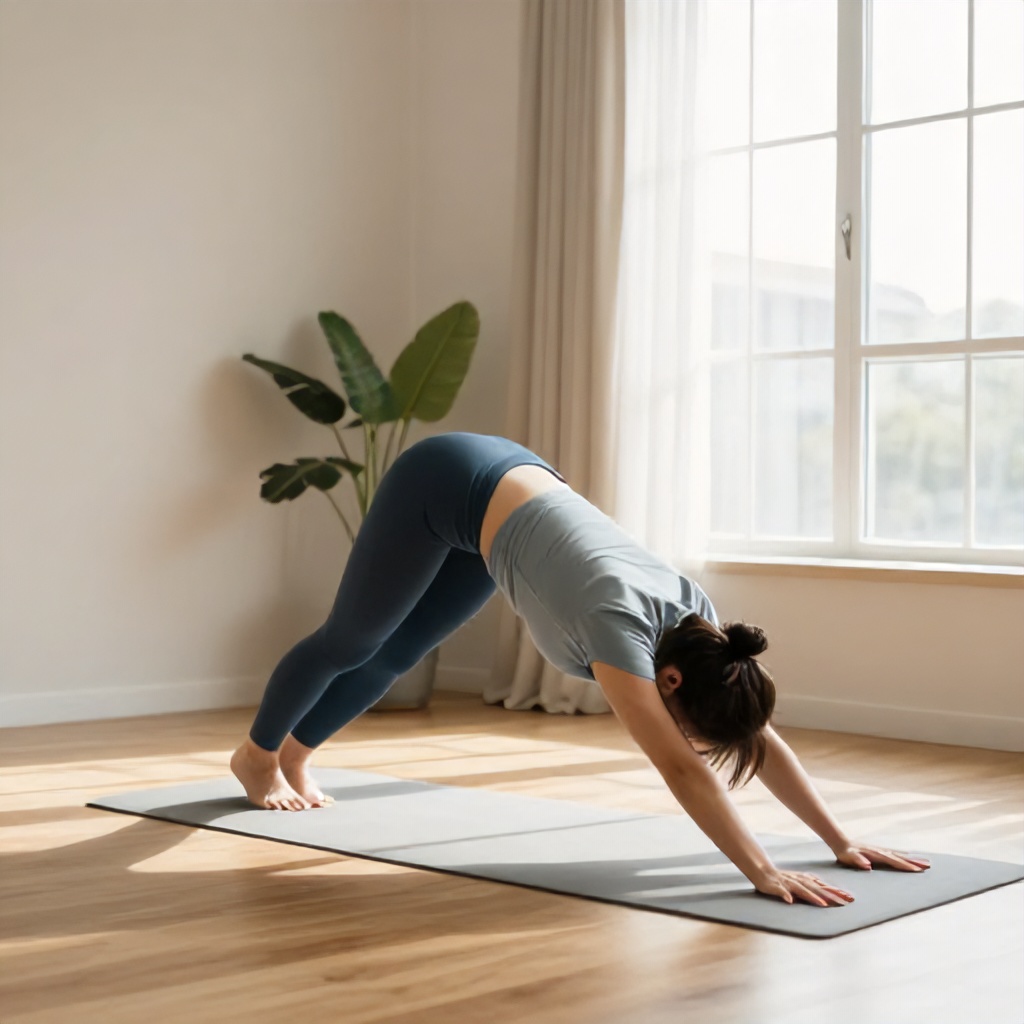
Understanding the Physiological Benefits

Physically preparing for exercise is not just about stretching. It is a systematic process that shifts your body from a resting state to an active one. When you perform low-intensity movements, your heart rate rises gradually. This process brings more oxygenated blood to your working muscles. Without this preparation, your heart rate jumps too quickly, which can cause unnecessary fatigue early in your session.

Synovial fluid, which acts as a lubricant for your joints, also thickens and spreads during a warm-up. This coating protects the cartilage in your knees, hips, and shoulders. Think of it like oiling a rusty hinge. If you move a cold, stiff joint under heavy load, you risk micro-tears in the surrounding tendons and ligaments. Consistent movement patterns help prime your nervous system, improving the communication between your brain and your muscles for better coordination.

Dynamic Versus Static Movement

Dynamic movement involves active motions that take your joints through their full range of motion. This is the gold standard for warm-ups. You are moving while you stretch, which keeps the muscles engaged and warm. Examples include leg swings, arm circles, and torso twists. These movements mimic the patterns you will use during your main workout, making them highly effective for performance.

Static stretching involves holding a single position for an extended period, like touching your toes and staying there. Research suggests that holding static stretches for too long before a workout can actually decrease muscle power. Save those static stretches for your cool-down phase when your muscles are already warm and you want to improve long-term flexibility. Keep your pre-workout phase active to maintain muscle tension and readiness.

Recommended Warm-Up Sequence

A balanced warm-up should last between five and ten minutes. You do not need fancy gym equipment to get this done in your living room. Focus on full-body engagement to ensure no muscle group is left behind.

Joint Mobilization

Start from the top down to ensure every major joint is ready for action. Begin with neck rolls, moving your head in a slow, controlled circle. Follow this with shoulder rolls, drawing large circles with your shoulders to loosen the upper back. Move to your wrists and ankles by rotating them in both directions. These small, simple movements wake up the smaller stabilizing muscles that support your larger muscle groups.

Core and Lower Body Activation

  1. March in place for two minutes, lifting your knees high and swinging your arms to increase your heart rate.
  2. Perform bodyweight squats with a slow tempo, focusing on pushing your hips back and keeping your chest upright.
  3. Execute forward lunges, alternating legs, to open up the hip flexors and activate the glutes.
  4. Add side-to-side shuffles to prepare your body for lateral movement, which is often ignored in standard workouts.

Upper Body Preparation

  • Arm circles: Extend your arms to the sides and make small, then large, circles to warm up the rotator cuffs.
  • Torso twists: Stand with feet shoulder-width apart and gently rotate your upper body from side to side, keeping your core tight.
  • Wall push-ups: Place your hands on a wall and perform a few reps to wake up your chest, shoulders, and triceps without putting too much strain on your joints.

Common Mistakes to Avoid

One common error is moving too fast. A warm-up is not a race. You should feel your heart rate climb, but you should not be gasping for air before you even start your main routine. If you are out of breath, slow down the tempo of your movements. The goal is to create heat, not to exhaust your energy reserves.

Another mistake is neglecting the muscles you plan to train the hardest. If you are doing a leg-focused day, spend extra time on your hips and ankles. If you are doing an upper-body session, focus on the shoulders and thoracic spine. Tailor your warm-up to the specific demands of your workout plan. If you feel sharp pain during any movement, stop immediately and adjust your range of motion.

Listening to Your Body

Every day feels a bit different. Some days you might feel loose and ready to jump right into higher intensity, while other days your body might feel stiff from sitting at a desk or sleeping poorly. Adjust the duration of your warm-up based on how you feel. If you feel particularly tight, add an extra three minutes of light movement.

Pay attention to your breathing. Deep, rhythmic breaths help calm the nervous system and ensure your muscles receive adequate oxygen. If you find yourself holding your breath, consciously relax your jaw and focus on exhaling during the effort phase of your warm-up movements. This practice helps establish a rhythm that will carry over into your actual workout.

Transitioning to Your Workout

Once you finish your warm-up, transition into your workout immediately. The benefits of a warm-up dissipate if you sit down for ten minutes to check your phone or grab a snack. Keep your body moving. Start your workout with a lighter set of your first exercise to bridge the gap between your warm-up and your full-intensity work.

Consistency is the most important factor in any fitness routine. If you make a habit of warming up every single time, your body will learn the routine and prepare itself automatically. Over time, you will notice that your movements feel smoother and your recovery feels faster. Safety is a long-term investment in your ability to stay active for years to come.

Practical Tips for Success

Create a dedicated space in your home where you can move freely without hitting furniture. Clear the floor of rugs or cords that could lead to tripping. If you have limited space, focus on stationary movements like jumping jacks, high knees, or mountain climbers at a slow pace. These movements provide high cardiovascular engagement without requiring much floor space.

Keep a timer handy if you find it hard to gauge how long you have been moving. Five minutes is the minimum, but ten minutes is often ideal for most people. If you are short on time, do not skip the warm-up entirely. Just shorten it to three minutes of high-intensity movement, such as fast-paced jumping jacks or burpees, to get the blood flowing quickly. A short, intense warm-up is better than no warm-up at all.

Finally, stay hydrated throughout the process. A well-hydrated body functions better and experiences less muscle cramping during exercise. Keep a water bottle nearby and take small sips during your warm-up. This simple habit keeps your muscles pliable and your energy levels steady.
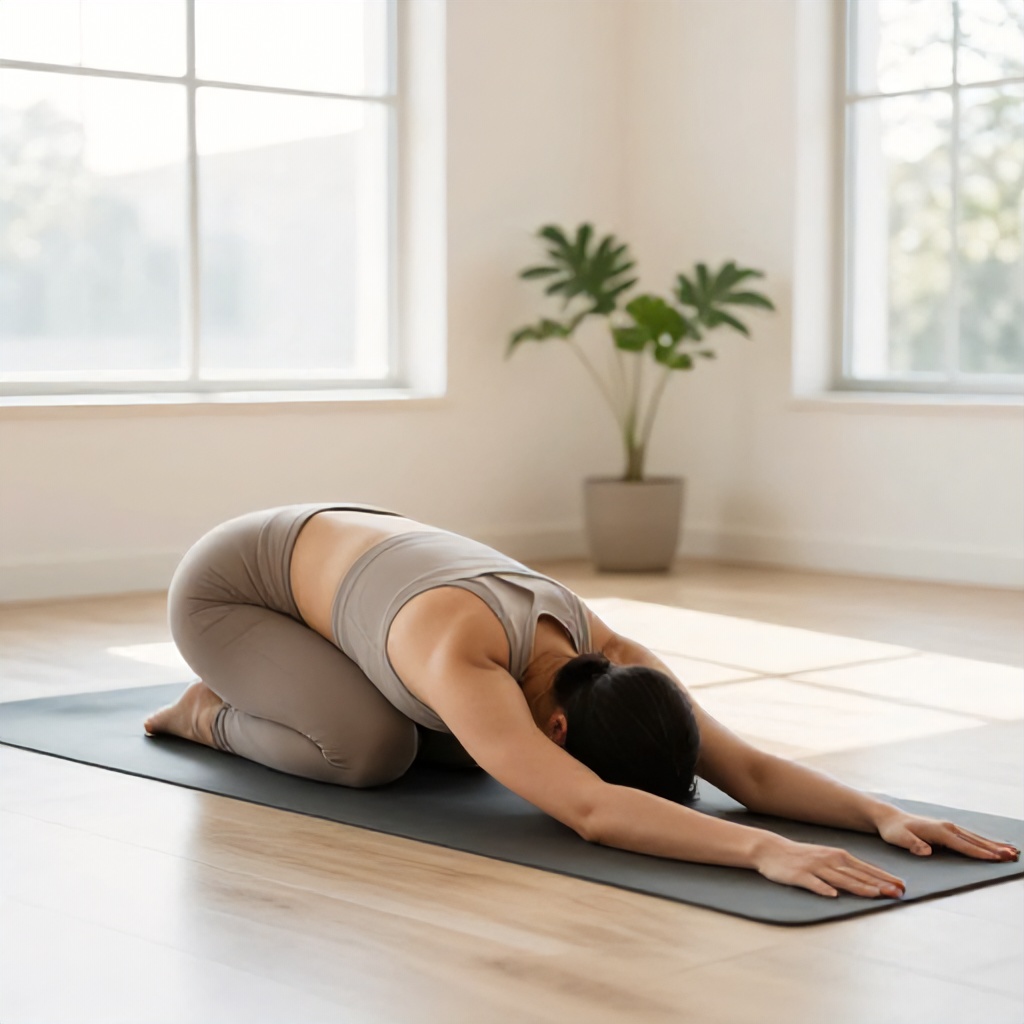
Essential Yoga Poses and Stretching Techniques for Improving Beginner Flexibility

Consistent yoga practice builds body flexibility by gradually lengthening muscle fibers and increasing the range of motion in your joints. You do not need to touch your toes on day one to benefit from these movements. Start by focusing on your breath and maintaining steady, controlled alignment rather than forcing your body into deep shapes. These specific poses serve as a foundation for safe stretching exercises that protect your ligaments while improving overall mobility.

Essential Gear and Preparation

Comfortable athletic attire makes a significant difference during your first sessions. Choose clothing that allows for a full range of motion without restricting your breathing or circulation. You do not need expensive equipment to begin. A simple non-slip mat provides the necessary grip to keep your hands and feet stable during various yoga postures.

Hydration remains vital before and after your session. Drink water throughout the day to keep your muscles supple. If you feel sharp pain or pinching in a joint, stop immediately. Discomfort from a deep stretch is normal, but pain in the knees, lower back, or shoulders is a signal to back off and adjust your position.

Foundation Poses for Flexibility

Beginner yoga relies on gentle tension rather than aggressive pulling. These movements target the hamstrings, hips, and spine to help you gain flexibility over time.

Mountain Pose

Stand with your feet hip-width apart and your arms relaxed at your sides. Distribute your weight evenly across both feet. Engage your core muscles slightly and lengthen your spine toward the ceiling. This posture acts as a reset button for your posture. It teaches your body how to stand with proper alignment, which is the starting point for all other yoga movements.

Downward Facing Dog

This classic posture stretches the entire backside of the body. Start on your hands and knees. Tuck your toes under and lift your hips toward the ceiling to form an inverted V shape. Keep your knees bent if your hamstrings feel tight. Press firmly into your palms to lengthen your spine. This position acts as a transition in many yoga flows and helps release tension in the shoulders and calves.

Cat-Cow Stretch

Move to your hands and knees in a tabletop position. On an inhale, drop your belly toward the floor and look slightly upward for the Cow pose. On an exhale, round your spine toward the ceiling and tuck your chin toward your chest for the Cat pose. Repeat this cycle five to ten times. It is one of the most effective ways to warm up the back muscles and improve spinal mobility.

Lower Body Stretching Exercises

Tight hips and hamstrings are common complaints for people who spend long hours sitting. These postures specifically target those areas to improve your overall body flexibility.

Forward Fold

Stand tall and hinge at your hips to fold your torso over your legs. Keep a generous bend in your knees to protect your lower back. Let your head hang heavy to release neck tension. You can hold your opposite elbows with your hands to add a bit of weight to the stretch. This movement helps lengthen the hamstrings and calves without putting unnecessary stress on the spine.

Butterfly Pose

Sit on the floor and bring the soles of your feet together. Let your knees fall open toward the sides. Hold your feet or ankles and sit up tall. If you want a deeper stretch, gently hinge forward from your hips while keeping your back straight. This pose is excellent for opening the inner thighs and groin area. Avoid rounding your shoulders forward, as this limits the effectiveness of the stretch.

Low Lunge

Step one foot forward between your hands and lower your back knee to the mat. Keep your front knee stacked directly over your ankle. Sink your hips forward and down to feel a stretch in the front of your back hip. Use blocks under your hands if the floor feels too far away. This is a highly effective way to counteract the tightness caused by prolonged sitting.

Building a Safe Routine

A consistent yoga sequence works best when practiced three to four times per week. You do not need to spend an hour on the mat to see results. Even fifteen minutes of focused movement can improve your flexibility over the course of a month.

  • Warm up your body with light movement before holding deep stretches.
  • Hold each pose for five to ten slow, deep breaths.
  • Keep your movements smooth and avoid bouncing.
  • Focus on your breath to help your muscles relax into the stretch.
  • Listen to your body and adjust the intensity based on how you feel that day.

Common Mistakes to Avoid

Many beginners try to mimic advanced shapes before their bodies are ready. This often leads to overstretching or injury. Focus on the quality of your alignment rather than how deep you can go into a pose. If you cannot breathe deeply, you have likely pushed too far.

  1. Do not lock your knees in standing poses.
  2. Avoid holding your breath during a stretch.
  3. Do not compare your progress to others.
  4. Avoid forcing your joints into positions that cause sharp pain.

Tracking Your Progress

Flexibility is a slow process. You might notice that you can reach a little further toward your toes after a few weeks of practice. Take note of how your body feels during daily activities. Do you feel less stiff when getting out of a chair? Is your lower back less achy after a long day? These subtle changes are the true markers of success in your yoga training.

Consistency matters more than intensity. If you miss a day, simply resume your practice the next time you have a window of time. Keep your yoga space clean and free of distractions to help you focus on your movements. The goal is to create a sustainable habit that supports your long-term physical health and mobility.

Modifying Poses for Success

Every body is built differently. If a specific pose feels impossible, use props to bridge the gap. Yoga blocks, folded blankets, and straps are not just for beginners; they are tools that allow you to maintain proper form while your muscles lengthen. Placing a block under your hand in a lunge or sitting on a folded blanket during a seated fold can change your experience entirely.

If you find that your hands do not reach the floor, bring the floor to you. Use blocks or even sturdy books to support your weight. This allows your muscles to relax into the stretch rather than tensing up to support your body weight. Proper support is the key to safe stretching exercises and long-term progress in your yoga practice.

Staying Consistent

Creating a dedicated time for your practice helps turn these movements into a habit. Whether you prefer early mornings to wake up your body or evenings to release the stress of the day, find a rhythm that works for your schedule. Keep your mat in a visible area so you do not have to hunt for it when you are ready to start.

Remember that flexibility exercises are a personal journey. Some days your body will feel open and fluid, while other days it may feel stiff and resistant. This is perfectly normal. Continue to move with intention and patience. Over time, these simple yoga postures will become more natural, and you will likely notice a significant improvement in how your body moves and feels in your daily life.

Exit mobile version