
Your Go-To Guide for Clearer Teen Skin
Getting a handle on teen acne doesn’t require a 10-step routine or expensive potions; a simple, consistent approach is your best bet for seeing real results.

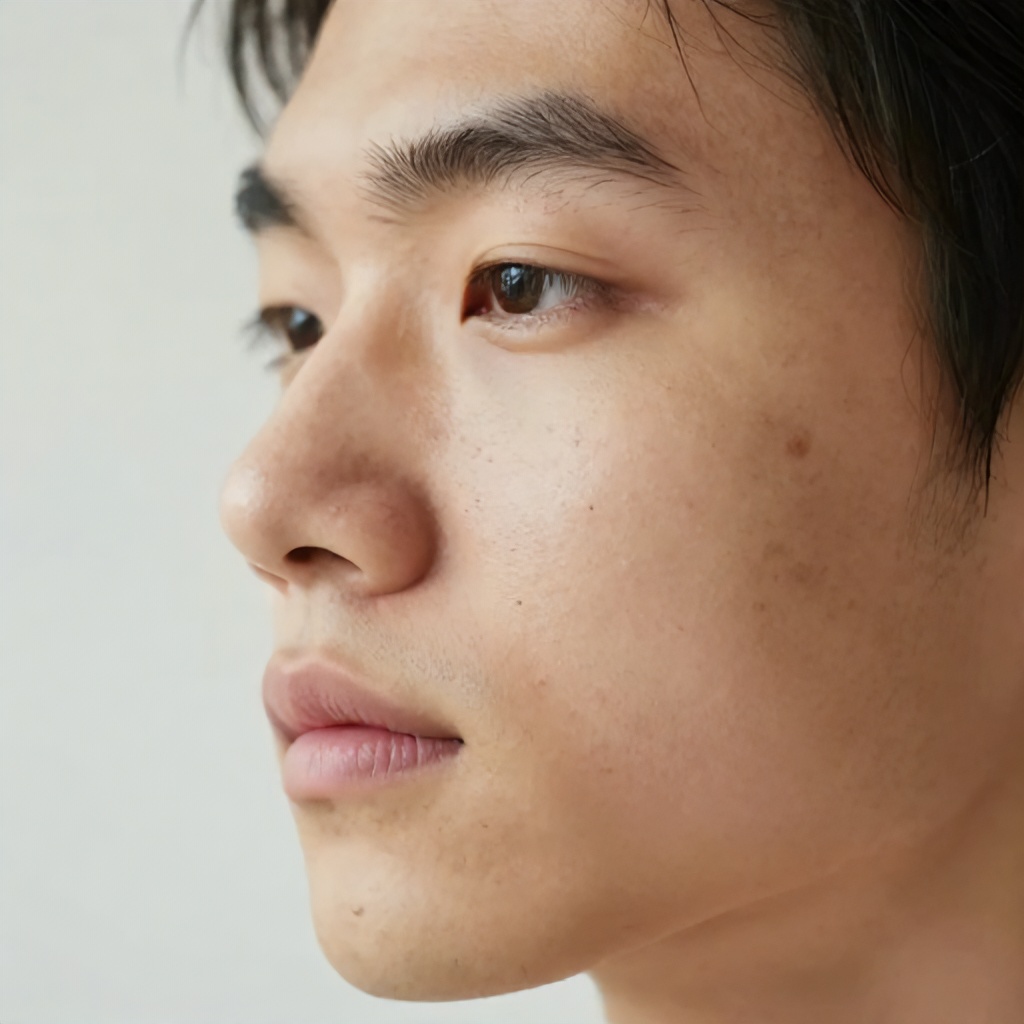
Dealing with breakouts as a teenager can feel like a constant battle. Hormonal shifts are notorious for throwing your skin into a frenzy, leading to those unwelcome pimples, blackheads, and whiteheads. But don’t despair! The key to managing teen acne lies in understanding your skin and establishing a straightforward, effective routine that you can actually stick with. This isn’t about complicated steps or harsh chemicals that strip your skin dry. It’s about gentle, consistent care that addresses the root causes of acne and promotes healing.
Understanding Teen Acne: Why It Happens
Teenage acne is primarily driven by fluctuating hormones, specifically androgens. These hormones ramp up during puberty, causing your sebaceous glands to produce more oil (sebum). When this excess oil mixes with dead skin cells, it can clog pores. These clogged pores create the perfect breeding ground for bacteria, leading to inflammation and the pimples we all dread.
It’s not just hormones, though. Genetics play a role, meaning some teens are simply more predisposed to acne than others. Lifestyle factors can also contribute. Poor diet, stress, and even certain hair or skincare products can exacerbate the problem. Understanding these triggers is the first step in creating a routine that works for you.
The Core Components of an Effective Teen Skincare Routine
A successful acne-fighting routine boils down to a few essential steps, performed consistently, morning and night. Think of it as a daily commitment to your skin’s health.
1. Cleansing: The Foundation of Clear Skin
Washing your face is non-negotiable. It removes excess oil, dirt, sweat, and makeup that can clog pores and lead to breakouts. The trick is to cleanse effectively without overdoing it, which can irritate your skin and actually cause it to produce more oil.
Morning Cleanse: A gentle cleanse is usually sufficient in the morning. You’re not looking to strip away natural oils, just to refresh your skin and remove any oils or sweat accumulated overnight. A mild, non-foaming cleanser is often best.
Evening Cleanse: This is the more important cleanse. You need to thoroughly remove the day’s grime, pollution, and any makeup you might be wearing. If you wear makeup, consider a double cleanse: first, use a micellar water or an oil-based cleanser to break down makeup and sunscreen, then follow with your regular gentle cleanser.
What to Look For in a Cleanser:
- Gentle Formulas: Avoid harsh soaps or cleansers with sulfates, which can strip your skin’s natural moisture barrier.
- Salicylic Acid (BHA): This is a superstar ingredient for acne. Salicylic acid is oil-soluble, meaning it can penetrate into pores to dissolve blockages and reduce inflammation. Look for cleansers with 0.5% to 2% salicylic acid.
- Benzoyl Peroxide: Another powerful acne fighter, benzoyl peroxide kills acne-causing bacteria and helps to unclog pores. It can be more drying, so start with a lower concentration (2.5% to 5%) and use it less frequently if you have sensitive skin.
- Non-comedogenic: This means the product is formulated not to clog pores.
How to Cleanse Properly:
- Wet your face with lukewarm water. Hot water can strip your skin, and cold water might not effectively remove oil.
- Apply a small amount of cleanser to your fingertips.
- Gently massage the cleanser into your skin using circular motions for about 30-60 seconds. Avoid scrubbing vigorously, as this can cause irritation and worsen acne.
- Rinse thoroughly with lukewarm water.
- Pat your face dry with a clean, soft towel. Never rub your skin dry.
2. Treatment: Targeting Breakouts Directly
Once your skin is clean, it’s time to apply treatments that actively combat acne. This is where ingredients like salicylic acid and benzoyl peroxide shine in leave-on products.
Spot Treatments: For individual pimples, a spot treatment can be a lifesaver. These are usually more concentrated and applied directly to the blemish.
- Salicylic Acid Spot Treatments: Excellent for reducing inflammation and unclogging pores in a targeted area.
- Benzoyl Peroxide Spot Treatments: Effective at killing bacteria. Be aware that benzoyl peroxide can bleach fabrics, so be careful with pillowcases and clothing.
- Sulfur Spot Treatments: Sulfur helps to dry out blemishes and has mild antibacterial properties. It’s often a good option for those who find benzoyl peroxide too harsh.
Leave-On Treatments: These are applied to the entire face (or affected areas) after cleansing and before moisturizing.
- Salicylic Acid Serums or Toners: These can be used daily or a few times a week to keep pores clear and prevent new breakouts.
- Benzoyl Peroxide Lotions or Gels: Available in various strengths, these are powerful for reducing acne-causing bacteria. Start with a lower concentration to assess your skin’s tolerance.
- Retinoids (Over-the-Counter): Adapalene (like Differin Gel) is a fantastic over-the-counter retinoid that works by preventing clogged pores and reducing inflammation. It’s a bit of a longer-term player, meaning you won’t see results overnight, but consistency can lead to significant improvement. Start using it every other night and gradually increase frequency as your skin adjusts.
Important Considerations for Treatments:
- Start Slow: If you’re new to active ingredients like salicylic acid, benzoyl peroxide, or retinoids, introduce them gradually. Use them every other day or a few times a week to see how your skin reacts.
- Listen to Your Skin: If your skin becomes red, dry, flaky, or irritated, scale back on the frequency or strength of your treatments.
- Patience is Key: It can take several weeks to see noticeable improvements with acne treatments. Don’t get discouraged if you don’t see results immediately.
3. Moisturizing: Don’t Skip This Step!
It might seem counterintuitive to moisturize oily, acne-prone skin, but it’s absolutely crucial. When you strip your skin of its natural oils with harsh cleansers or treatments, your skin can actually compensate by producing even more oil, leading to more breakouts.
A good moisturizer helps to rehydrate your skin, maintain its natural barrier, and prevent it from overproducing oil. Look for lightweight, oil-free, and non-comedogenic formulas.
What to Look For in a Moisturizer:
- Oil-Free: This is a must for acne-prone skin.
- Non-Comedogenic: Ensures it won’t clog your pores.
- Lightweight Formulas: Gels, lotions, or water-based creams are usually best.
- Hyaluronic Acid: A humectant that draws moisture into the skin without feeling heavy.
- Niacinamide: This ingredient can help reduce inflammation, control oil production, and improve the skin’s barrier function.
When to Moisturize: Apply after cleansing and applying any treatments, both in the morning and at night.
4. Sun Protection: Your Skin’s Best Friend
Sunscreen is not just for beach days; it’s an essential part of any skincare routine, especially when you’re using acne treatments. Many acne treatments, particularly retinoids and benzoyl peroxide, can make your skin more sensitive to the sun, increasing your risk of sunburn and hyperpigmentation (dark spots left behind after pimples heal).
What to Look For in a Sunscreen:
- Broad-Spectrum Protection: This means it protects against both UVA and UVB rays.
- SPF 30 or Higher: Aim for at least SPF 30.
- Oil-Free and Non-Comedogenic: Crucial for acne-prone skin.
- Mineral Sunscreens (Zinc Oxide, Titanium Dioxide): These are often gentler on sensitive skin and less likely to cause breakouts.
When to Apply: Apply sunscreen every morning as the last step in your skincare routine, even if it’s cloudy outside or you’ll be indoors. Reapply every two hours if you’re spending extended time outdoors.
Putting It All Together: A Simple Daily Routine
Here’s how to structure your routine for maximum effectiveness:
Morning Routine
- Cleanse: Gently wash your face with a mild, non-foaming cleanser.
- Treat (Optional): If you use a daytime treatment like a salicylic acid toner or a niacinamide serum, apply it now.
- Moisturize: Apply a lightweight, oil-free, non-comedogenic moisturizer.
- Protect: Apply a broad-spectrum SPF 30 or higher sunscreen.
Evening Routine
- Cleanse: Thoroughly cleanse your face. If you wear makeup, consider double cleansing.
- Treat: Apply your acne treatment. This could be a spot treatment on active blemishes or a leave-on treatment like a retinoid or benzoyl peroxide gel applied to affected areas or your whole face.
- Moisturize: Apply a lightweight, oil-free, non-comedogenic moisturizer to rehydrate your skin.
Lifestyle Tips for Healthier Skin
Skincare isn’t just about what you put on your face; it’s also about what you do throughout the day.
- Diet Matters: While the link between diet and acne is complex and varies by individual, some people find that reducing high-glycemic foods (like sugary snacks and white bread) and dairy can help. Focus on a balanced diet rich in fruits, vegetables, and whole grains.
- Stay Hydrated: Drinking plenty of water helps keep your skin hydrated from the inside out.
- Manage Stress: Stress can trigger hormonal fluctuations that worsen acne. Find healthy ways to cope with stress, such as exercise, meditation, or spending time on hobbies.
- Don’t Pick or Pop: This is perhaps the hardest rule to follow, but picking at pimples can lead to more inflammation, infection, scarring, and dark spots. Let your treatments do the work.
- Keep it Clean: Regularly wash your pillowcases, phone screen, and anything else that comes into frequent contact with your face to prevent transferring bacteria.
- Avoid Touching Your Face: Your hands carry a lot of bacteria. Try to keep them away from your face throughout the day.
When to Seek Professional Help
If your acne is severe, persistent, painful, or starting to cause scarring, it’s time to see a dermatologist. They can offer prescription-strength treatments, including topical or oral medications, that can be much more effective for stubborn cases. Don’t hesitate to reach out for expert advice.
Building a consistent, simple skincare routine is the most powerful tool you have against teen acne. By focusing on gentle cleansing, targeted treatments, essential hydration, and sun protection, you’re setting your skin up for success. Remember to be patient, listen to your skin, and celebrate the small victories along the way to clearer, healthier skin.