
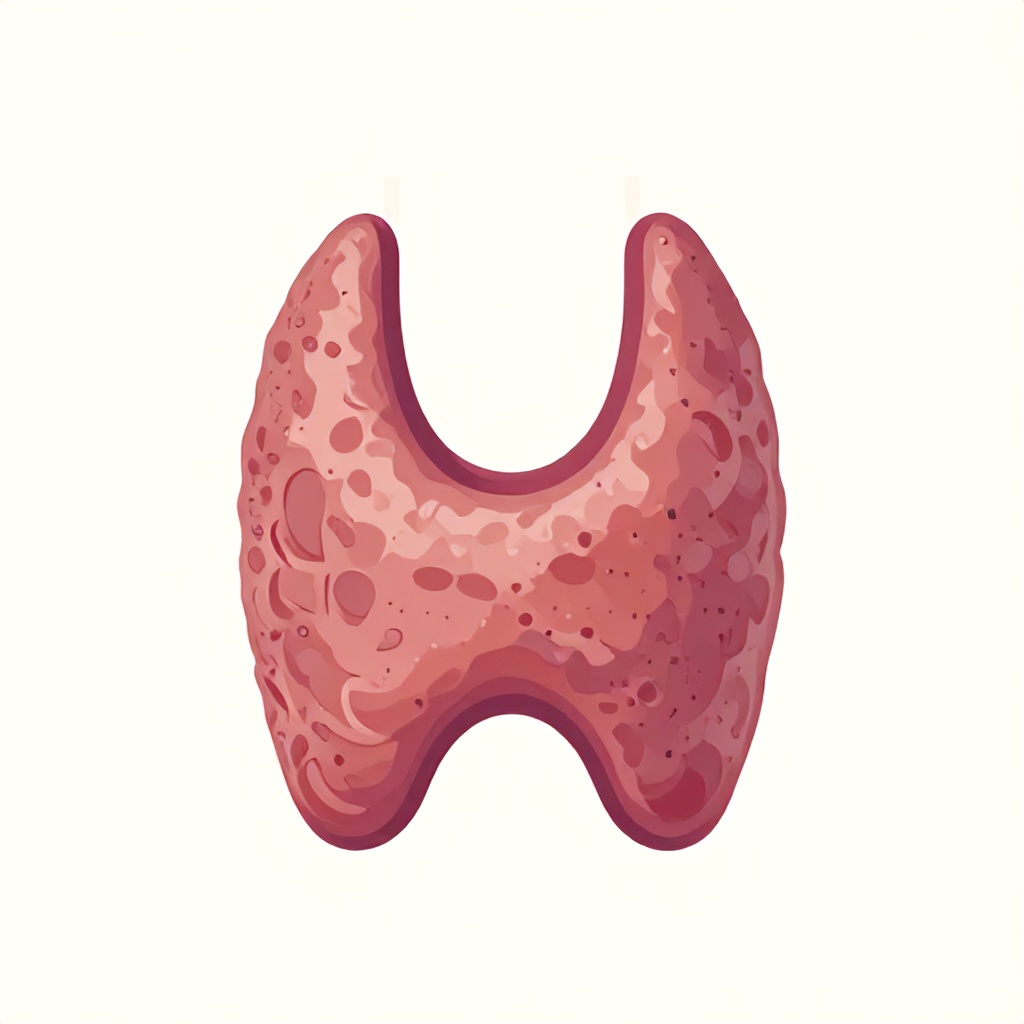
Your thyroid gland, a small, butterfly-shaped organ in your neck, plays an incredibly powerful role in regulating nearly every process in your body, from how quickly you burn calories to how your immune system functions.

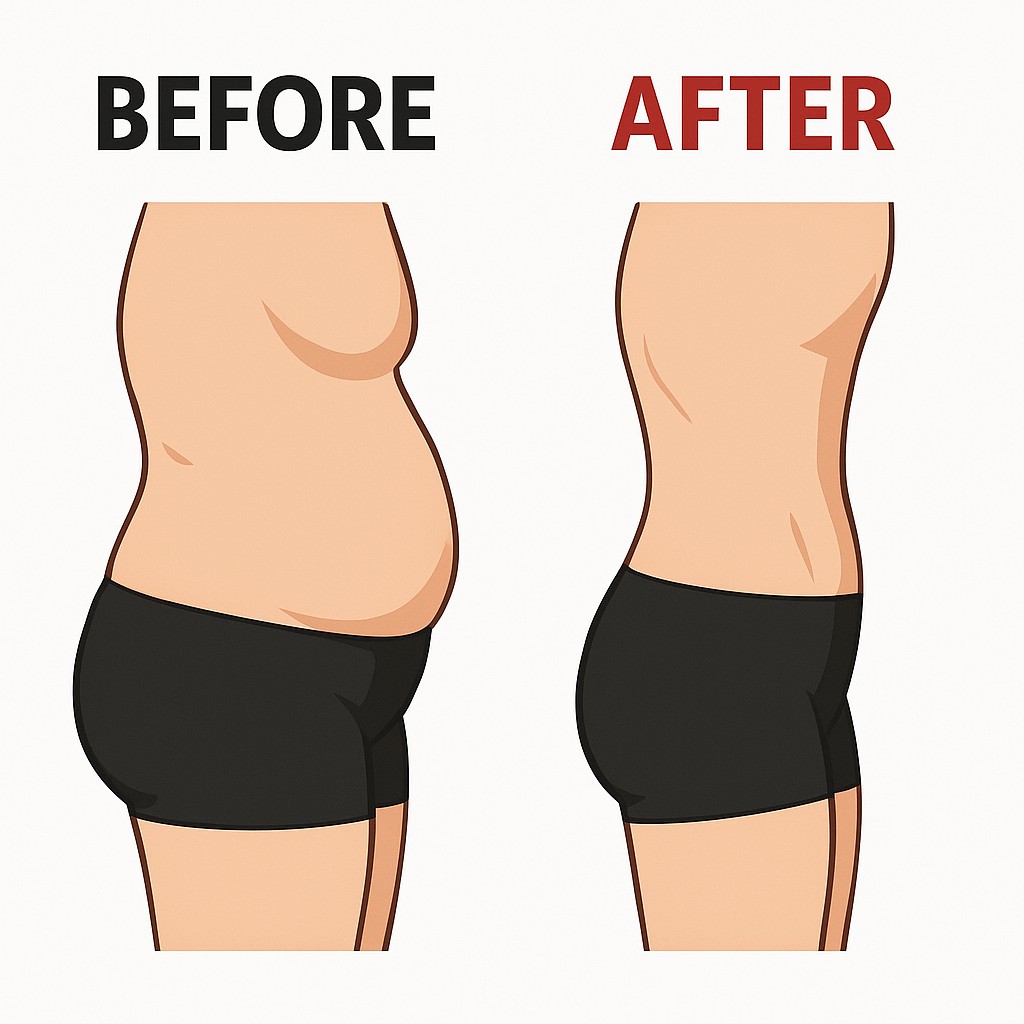
It’s estimated that over twelve percent of people worldwide will experience some form of thyroid problem during their lifetime, with many more conditions going undiagnosed or misdiagnosed. Some experts have even described the situation as an “epidemic,” especially considering that the incidence of thyroid cancer has doubled in the last forty years. This is concerning because this small, bow-tie shaped gland is a primary component of your body’s immune system. If it’s not working correctly, your body becomes more vulnerable to countless illnesses. The thyroid is responsible for producing hormones that are essential for metabolism regulation.
What is the Thyroid and Why Does it Matter So Much?
Think of your thyroid as your body’s master gland. It’s located at the base of your neck, just below your Adam’s apple. This little gland produces hormones that control your metabolism, which is the process by which your body converts food into energy. Every single cell in your body relies on these hormones to function correctly.
The Hormones That Run the Show
The main hormones produced by your thyroid are triiodothyronine (T3) and thyroxine (T4). These aren’t just fancy names; they are the chemical messengers that tell your cells how much energy to use. When your thyroid produces the right amount of these hormones, your body’s cell metabolism runs smoothly, maintaining a healthy metabolic rate. This impacts everything from your heart rate and digestion to muscle control, brain development, and even your mood.
Understanding Common Thyroid Problems
When your thyroid isn’t working as it should, it can lead to two main types of thyroid problems: hypothyroidism or hyperthyroidism. Most people experiencing thyroid issues today tend to fall into the hypothyroid category.
Hypothyroidism: The Sluggish Thyroid
Hypothyroidism means your thyroid is underactive. It’s not producing enough of those vital T3 and T4 hormones. When your thyroid is sluggish, your entire body slows down. This directly impacts your energy burning capacity, leading to a host of noticeable changes.
Common symptoms of a sluggish thyroid include:
- Weight gain, often unexplained despite no changes in diet or activity.
- Persistent fatigue symptoms and low energy levels.
- Feeling cold all the time, even in warm environments.
- Elevated cholesterol levels.
- Lowered blood pressure regulation.
- Headaches.
- Menstrual problems in women.
- Dry skin and brittle hair.
- Reduced sexual drive.
Since the thyroid is central to metabolism regulation, a decrease in its activity means your body burns calories less efficiently. This makes weight management a significant challenge for many people with an underactive thyroid.
Hyperthyroidism: The Overactive Thyroid
On the flip side, hyperthyroidism occurs when your thyroid produces too many hormones. This speeds up your body’s processes to an unhealthy degree. While less common, it can be just as disruptive.
Symptoms of an overactive thyroid often include:

- Unexplained and often uncontrollable weight loss.
- An accelerated heart rate or palpitations.
- Nervousness, anxiety, and irritability.
- Insomnia and difficulty sleeping.
- Tremors in the hands.
Both conditions highlight how delicate the balance of hormone production is and how profoundly it affects your overall well-being.
What Causes Thyroid Imbalances?
While some thyroid problems have genetic components, many are influenced by a combination of environmental factors and lifestyle factors. Understanding these can empower you to take proactive steps for your thyroid health.
Toxin Overload: A Hidden Threat
One significant factor contributing to thyroid malfunction is the presence of toxins in our environment and food. Our bodies are constantly exposed to a wide array of substances that can create a toxin overload, taxing our immune system function and directly impacting the delicate balance of our endocrine system, including the thyroid.

The Fungal Connection: Mycotoxins and More
Microscopic fungi are everywhere – in the air we breathe and the food we eat. While many are harmless, an overgrowth or exposure to certain types can be problematic. Mycosis is the term for illnesses caused by an overabundance of these fungi, either internalized through breathing or absorbed through the skin. These fungi can produce harmful compounds called mycotoxins.
Mycotoxicosis refers to diseases that occur when humans are over-exposed to these fungi and their toxins. Research published in Clinical Microbiology Reviews describes mycotoxins as “secondary metabolites produced by microfungi that are capable of causing disease and death in humans and other animals.” Essentially, mycotoxicoses are a form of “poisoning by natural means.” These toxins can disrupt various bodily functions, including hormone production and immune system function, placing a significant burden on the thyroid.
Beyond Fungi: Other Environmental Toxins
The problem of toxin overload extends beyond just fungi. Our modern world exposes us to numerous other chemicals that can interfere with thyroid activity:
- Pesticides and Herbicides: Found in conventional produce, these chemicals can act as endocrine disruptors, mimicking or blocking hormones.
- Heavy Metals: Lead, mercury, and cadmium, found in some foods, old pipes, or certain fish, can accumulate in the body and interfere with thyroid hormone synthesis.
- Plastics (BPA and Phthalates): These chemicals, common in food packaging and personal care products, are known endocrine disruptors that can mimic estrogen and interfere with thyroid hormone action.
- Halogens (Fluoride, Chlorine, Bromine): These elements, found in tap water, toothpaste, and some baked goods, are structurally similar to iodine. They can compete with iodine for uptake in the thyroid gland, potentially hindering hormone production.
Reducing exposure to these environmental factors is a crucial step in supporting healthy thyroid activity.
Nutritional Deficiencies
Your thyroid needs specific nutrients to produce its hormones effectively. Deficiencies in these key players can contribute to a sluggish thyroid:
- Iodine: This is the most critical nutrient, as it’s a fundamental building block for T3 and T4 hormones.
- Selenium: Essential for converting T4 into the more active T3 form and protecting the thyroid from oxidative damage.
- Zinc: Involved in thyroid hormone synthesis and conversion.
- Iron: Necessary for the enzyme that converts T4 to T3.
- Vitamin D: Plays a role in immune system function and may influence thyroid health.
Stress and Gut Health
Chronic stress can significantly impact your endocrine system, including the thyroid. High cortisol levels, the stress hormone, can interfere with thyroid hormone production and conversion. Furthermore, the health of your gut microbiome is closely linked to your immune system and nutrient absorption, both of which are vital for optimal thyroid function. An unhealthy gut can lead to inflammation and poor nutrient uptake, further contributing to thyroid problems.
Steps to Support Your Thyroid Health
While professional medical advice is always important for diagnosing and treating thyroid conditions, there are many lifestyle factors you can adjust to support your thyroid activity and overall well-being. These steps aim to reduce toxin overload, improve nutrient intake, and boost your body’s natural healing processes.
1. Focus on a Nutrient-Dense Diet
What you eat directly impacts your thyroid’s ability to produce hormones and your body’s capacity for energy burning. Prioritize whole, unprocessed foods.
- Eat Iodine-Rich Foods: Include sea vegetables (like kelp and nori), seafood, and iodized salt in moderation.
- Boost Selenium: Brazil nuts are a fantastic source; just a couple a day can provide enough. Also found in fish, eggs, and sunflower seeds.
- Get Enough Zinc: Oysters, beef, pumpkin seeds, and legumes are good sources.
- Include Iron-Rich Foods: Red meat, spinach, lentils, and fortified cereals.
- Vitamin D: Get safe sun exposure, eat fatty fish, or consider a supplement if deficient.
- Limit Inflammatory Foods: Reduce processed foods, excessive sugar, refined grains, and unhealthy fats, which can contribute to inflammation and stress on the immune system.
2. Support Liver Detoxification
Your liver plays a key role in converting T4 to T3 and in processing and eliminating toxins from your body. Supporting your liver detoxification pathways can significantly help your thyroid.
- Eat Cruciferous Vegetables: Broccoli, cauliflower, cabbage, and Brussels sprouts contain compounds that support liver detox.
- Include Antioxidants: Berries, leafy greens, and colorful vegetables help protect liver cells.
- Hydrate Well: Drink plenty of filtered water to help flush toxins.
- Consider Liver-Supportive Herbs: Milk thistle and dandelion root are often used to aid liver function.
3. Reduce Toxin Exposure
Minimizing your exposure to environmental factors that contribute to toxin overload is crucial for protecting your thyroid and immune system function.
- Filter Your Water: Use a high-quality water filter to remove chlorine, fluoride, and other contaminants.
- Choose Organic: Opt for organic produce to reduce pesticide exposure.
- Avoid Plastics: Store food in glass containers, use stainless steel water bottles, and avoid heating food in plastic.
- Ventilate Your Home: Ensure good airflow to reduce indoor air pollutants and potential mold growth (which can lead to mycotoxins).
- Use Natural Cleaning and Personal Care Products: Many conventional products contain endocrine-disrupting chemicals.
4. Manage Stress Effectively
Chronic stress can wreak havoc on your hormone production. Incorporate stress-reducing practices into your daily routine.
- Mindfulness and Meditation: Even 10-15 minutes a day can make a difference.
- Yoga or Tai Chi: Gentle movement practices that combine physical activity with stress reduction.
- Spend Time in Nature: Being outdoors has a calming effect.
- Ensure Adequate Sleep: Aim for 7-9 hours of quality sleep each night.
5. Get Regular, Moderate Exercise
Physical activity supports your metabolic rate, improves circulation, and helps with weight management. It also aids in reducing stress and boosting overall energy levels. Choose activities you enjoy, whether it’s walking, swimming, or strength training.
When to Seek Professional Help
If you’re experiencing persistent fatigue symptoms, unexplained weight management issues, changes in cholesterol levels or blood pressure regulation, or any other signs of a sluggish thyroid, it’s important to talk to your doctor. Proper diagnosis through blood tests (including TSH, free T3, and free T4) is the first step. Working with a healthcare professional can help you understand the root cause of your thyroid problems and develop a personalized plan, which might include medication, dietary changes, or other lifestyle interventions, to get your thyroid activity back on track and improve your overall health.