
Addressing Hyperpigmentation and Blackheads on the Neck
Darkening of the neck, often referred to as acanthosis nigricans, and the presence of blackheads are distinct dermatological concerns that require targeted approaches for management and treatment. While both can affect the appearance of the neck, their underlying causes and recommended interventions differ significantly.

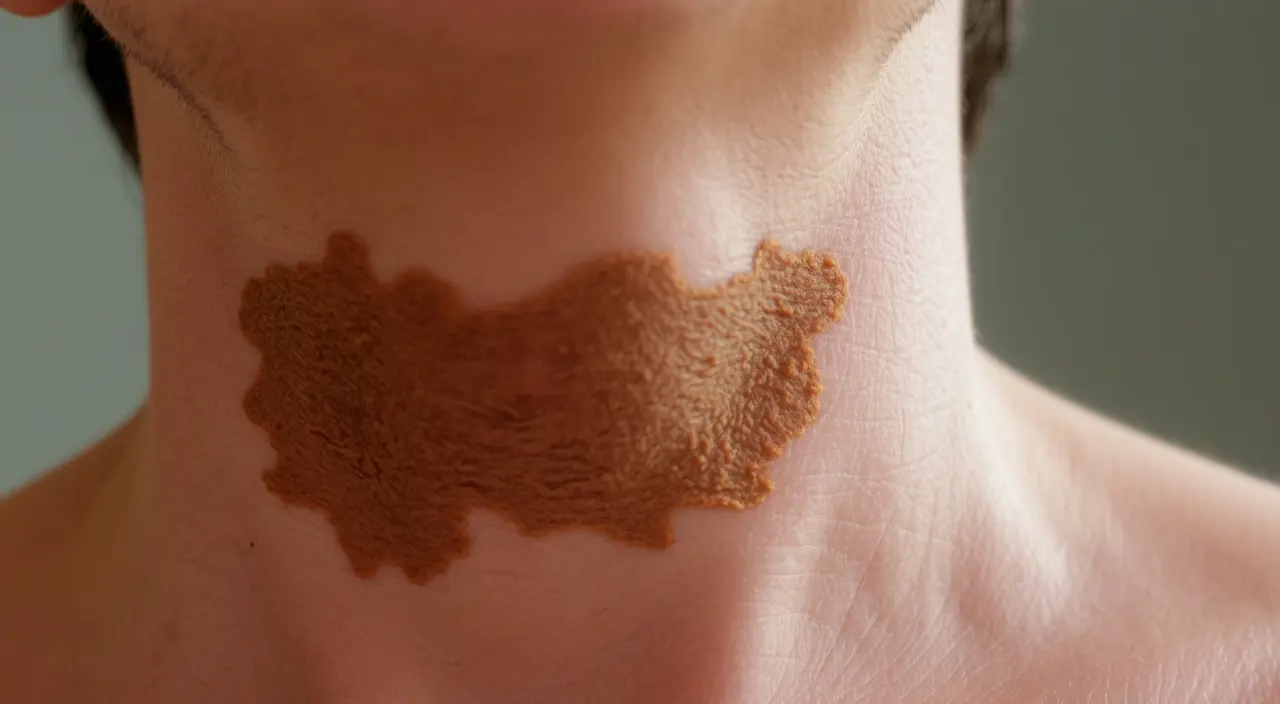
Understanding Neck Hyperpigmentation
Neck hyperpigmentation, characterized by a darkening of the skin, is frequently associated with acanthosis nigricans. This condition is not a disease in itself but rather a sign of an underlying metabolic issue. The skin in the affected areas, typically the neck, armpits, and groin, develops a thickened, velvety texture and a darker hue.
Causes of Neck Hyperpigmentation
The primary driver of acanthosis nigricans is insulin resistance. Elevated insulin levels can stimulate the growth of skin cells, leading to the characteristic thickening and darkening. Several factors contribute to insulin resistance:
- Obesity: Excess body weight is a leading cause of insulin resistance.
- Type 2 Diabetes: This metabolic disorder is closely linked to impaired insulin function.
- Polycystic Ovary Syndrome (PCOS): Hormonal imbalances in PCOS can lead to insulin resistance.
- Certain Medications: Some drugs, including corticosteroids and oral contraceptives, can influence insulin sensitivity.
- Genetic Predisposition: A family history of diabetes or insulin resistance can increase susceptibility.
- Rare Conditions: In less common instances, acanthosis nigricans can be a symptom of certain cancers, particularly adenocarcinoma of the gastrointestinal tract.
Medical Evaluation for Hyperpigmentation
Individuals experiencing significant neck darkening should consult a healthcare professional. A medical evaluation is crucial to identify the underlying cause. This typically involves:
- Medical History Review: Discussing symptoms, lifestyle, and family medical history.
- Physical Examination: Assessing the affected skin areas and overall health.
- Blood Tests: Measuring blood glucose levels, HbA1c (a measure of long-term blood sugar control), and insulin levels to diagnose or rule out diabetes and insulin resistance.
- Hormone Level Tests: In cases of suspected PCOS, hormone levels may be checked.
- Further Investigations: If malignancy is suspected, imaging studies or other diagnostic procedures may be recommended.
Treatment and Management of Hyperpigmentation
Treatment focuses on addressing the root cause:
- Lifestyle Modifications: For obesity-related insulin resistance, weight loss through diet and exercise is paramount.
- Diabetes Management: Strict adherence to prescribed diabetes treatment plans is essential.
- PCOS Treatment: Medical management of PCOS may involve hormonal therapies and lifestyle changes.
- Medication Review: If medications are contributing, a physician may adjust dosages or suggest alternatives.
- Topical Treatments: While not curative for acanthosis nigricans, topical agents like retinoids or alpha-hydroxy acids (AHAs) may help to lighten the skin and improve texture over time. These should be used under medical supervision due to potential irritation.
Addressing Blackheads on the Neck
Blackheads, also known as open comedones, are a common form of acne. They occur when hair follicles become clogged with sebum (skin oil) and dead skin cells. When this plug is exposed to air, it oxidizes and turns black, giving it its characteristic appearance. Blackheads can appear on the neck, similar to other areas prone to acne, such as the face and chest.
Causes of Blackheads
Several factors contribute to the formation of blackheads:
- Excess Sebum Production: Hormonal fluctuations, particularly during puberty, menstruation, or periods of stress, can increase sebum production.
- Dead Skin Cell Buildup: Inadequate exfoliation allows dead skin cells to accumulate and mix with sebum.
- Bacterial Activity: While not the primary cause of blackheads themselves, bacteria like Cutibacterium acnes can contribute to inflammation in acne lesions.
- Genetics: A predisposition to acne can be inherited.
- Certain Products: Comedogenic (pore-clogging) skincare or hair products can exacerbate blackhead formation.
- Friction: Tight clothing or accessories that rub against the neck can irritate follicles and contribute to blockages.
Skincare Habits for Blackhead Prevention and Treatment
A consistent and appropriate skincare routine is fundamental for managing blackheads on the neck. This involves:
Cleansing
Regular cleansing removes excess oil, dirt, and dead skin cells that can contribute to pore blockages. It is advisable to use a gentle, non-comedogenic cleanser twice daily.
- Morning Cleansing: To remove accumulated oil and impurities overnight.
- Evening Cleansing: To remove makeup, sunscreen, environmental pollutants, and excess sebum from the day.
Exfoliation
Exfoliation is critical for removing dead skin cells and preventing them from clogging pores. Two main types of exfoliation are beneficial:
- Chemical Exfoliation: This involves using ingredients that dissolve the bonds between dead skin cells. Common chemical exfoliants include:
- Salicylic Acid (BHA): This oil-soluble acid can penetrate pores and help to break down sebum and dead skin cells. It is particularly effective for blackheads.
- Alpha-Hydroxy Acids (AHAs): Glycolic acid and lactic acid are examples of AHAs that work on the skin’s surface to remove dead cells.
- Physical Exfoliation: This involves using scrubs or brushes to manually remove dead skin cells. Care must be taken to avoid over-exfoliation, which can lead to irritation and micro-tears in the skin. Gentle, finely-grained scrubs are preferable.
It is important to introduce exfoliating products gradually, starting with a few times per week, to assess skin tolerance. Over-exfoliation can compromise the skin barrier, leading to increased sensitivity and potential breakouts.
Topical Treatments
Several over-the-counter and prescription topical treatments can effectively target blackheads:
- Retinoids: Topical retinoids, such as adapalene (available over-the-counter) and prescription-strength tretinoin, are highly effective. They work by increasing cell turnover, preventing the buildup of dead skin cells, and helping to unclog pores. Retinoids can cause initial dryness and peeling, so starting with a low concentration and applying them a few times a week is recommended.
- Benzoyl Peroxide: This ingredient has antibacterial properties and can also help to unclog pores. It is available in various strengths and can be used as a spot treatment or a wash.
- Niacinamide: This form of vitamin B3 can help to regulate sebum production and reduce inflammation, making it beneficial for acne-prone skin.
Moisturization
Even oily or acne-prone skin requires hydration. Using a lightweight, non-comedogenic moisturizer helps to maintain the skin barrier and prevent the skin from overcompensating by producing more oil. Look for oil-free or gel-based formulations.
Sun Protection
Sun exposure can worsen post-inflammatory hyperpigmentation (dark spots left after acne lesions heal) and can also irritate the skin, potentially exacerbating acne. Daily application of a broad-spectrum SPF 30 or higher sunscreen is essential, especially when using exfoliating treatments or retinoids, which can increase photosensitivity.
Professional Treatments for Blackheads
For persistent or severe blackheads, professional dermatological interventions may be necessary:
- Professional Extractions: Dermatologists or trained aestheticians can safely extract blackheads using sterile instruments. This should not be attempted at home to avoid infection and scarring.
- Chemical Peels: Stronger chemical peels can be performed in a clinical setting to deeply exfoliate the skin and improve pore clarity.
- Microdermabrasion: This procedure uses a device to gently abrade the outer layer of skin, removing dead cells and improving texture.
- Prescription Medications: In some cases, oral medications like isotretinoin may be prescribed for severe or recalcitrant acne, including blackheads.
Differentiating and Managing Both Conditions
It is crucial to distinguish between neck hyperpigmentation (often acanthosis nigricans) and blackheads, as their management strategies are different. While a person may experience both conditions concurrently, treating one will not resolve the other.
Integrated Approach
An integrated approach is necessary when both hyperpigmentation and blackheads are present:
- Medical Consultation: A dermatologist can accurately diagnose the cause of hyperpigmentation and assess the severity of blackheads.
- Addressing Underlying Causes: For hyperpigmentation, prioritizing medical management of insulin resistance or other underlying conditions is paramount.
- Targeted Skincare: Implementing a consistent skincare routine that addresses blackheads, including gentle cleansing, appropriate exfoliation, and the use of targeted topical treatments, is essential.
- Patience and Consistency: Both conditions require time and consistent effort to manage. Visible improvements may take weeks or months.
It is important to note that aggressive treatments for hyperpigmentation, such as harsh scrubbing or strong bleaching agents, can irritate the skin and potentially worsen acne or cause further dermatological issues. Similarly, treatments for blackheads should be approached with care to avoid exacerbating any underlying hyperpigmentation.
Lifestyle Considerations
Beyond specific treatments, certain lifestyle choices can support skin health and contribute to the management of both conditions:
- Diet: A balanced diet rich in fruits, vegetables, and whole grains can support overall metabolic health, which is relevant for insulin resistance. Limiting processed foods and excessive sugar intake is advisable.
- Hydration: Adequate water intake is crucial for maintaining skin health and overall bodily function.
- Stress Management: Chronic stress can impact hormonal balance and skin health. Employing stress-reduction techniques can be beneficial.
- Clothing Choices: Opting for breathable fabrics and avoiding tight-fitting garments that cause friction on the neck can help prevent irritation and potential breakouts.
By understanding the distinct nature of neck hyperpigmentation and blackheads, and by adopting a comprehensive, evidence-based approach that addresses both underlying causes and symptomatic treatment, individuals can effectively manage these common dermatological concerns and improve the clarity and appearance of their neck skin.